Informing U.S. engagement with the world
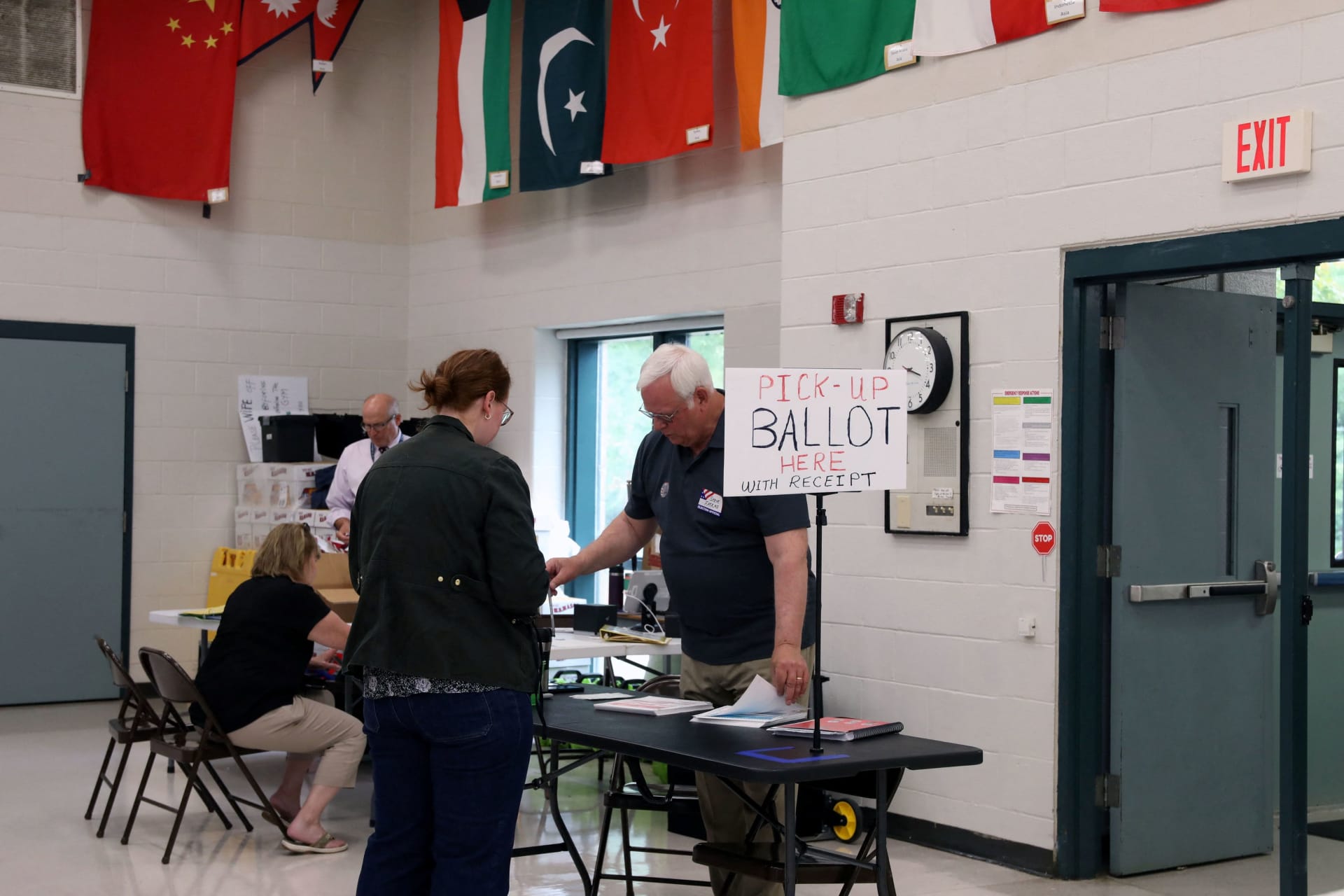
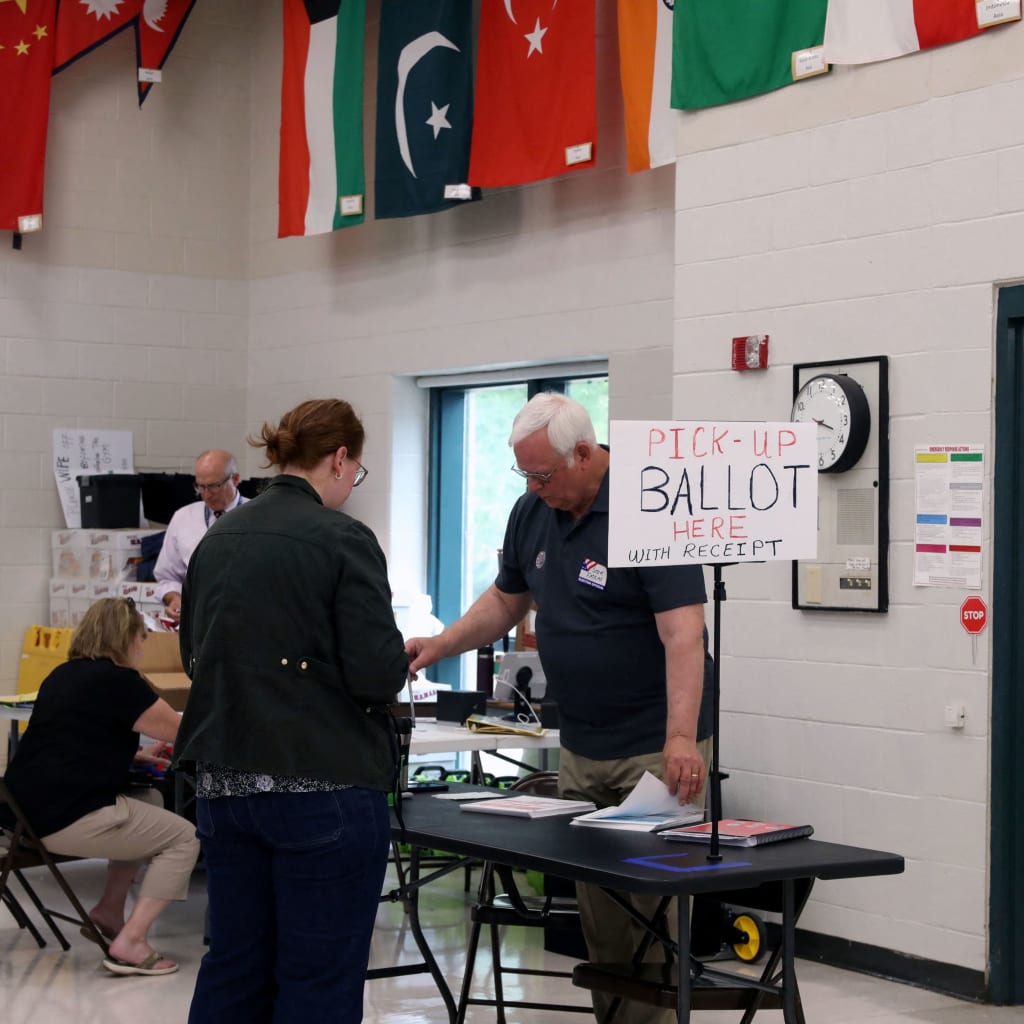
Before the Midterms: What Americans Think About Trade and Tariffs
By Allison J. Smith
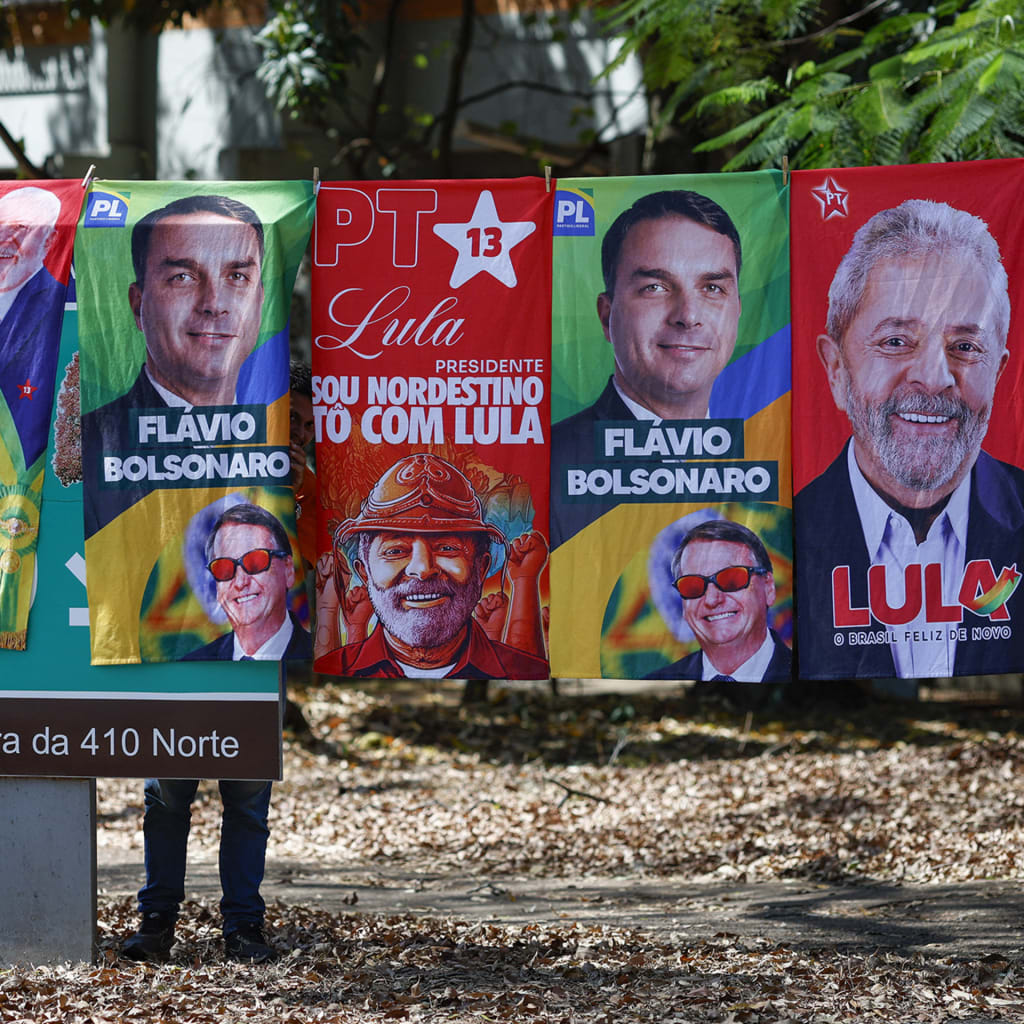
Brazil’s 2026 Election: What to Know About the Lula-Bolsonaro Runoff
By Mary Kate Godfrey and Diana Roy
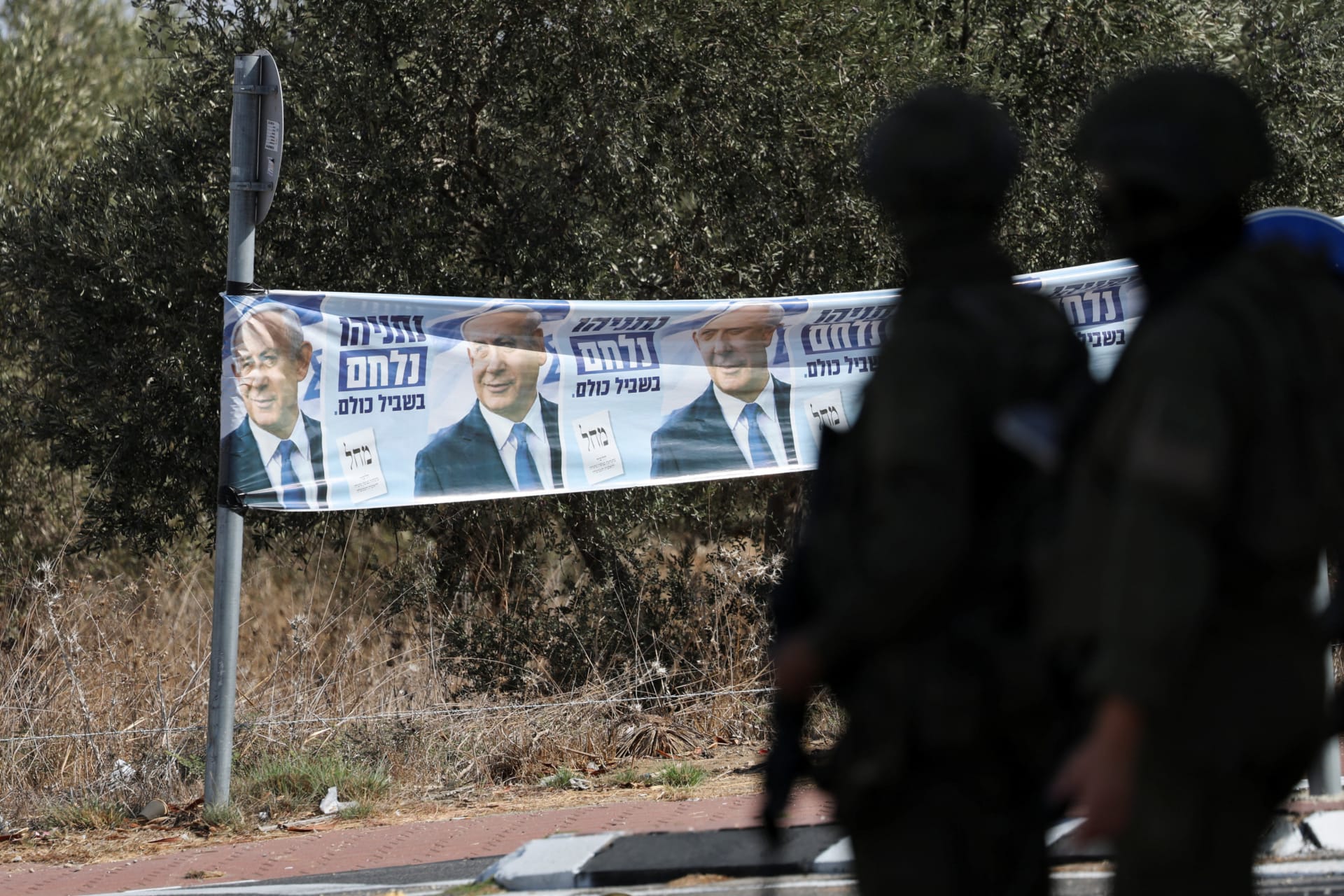
Lessons From Anniversaries: October 7, Three Years On
By Michael Froman

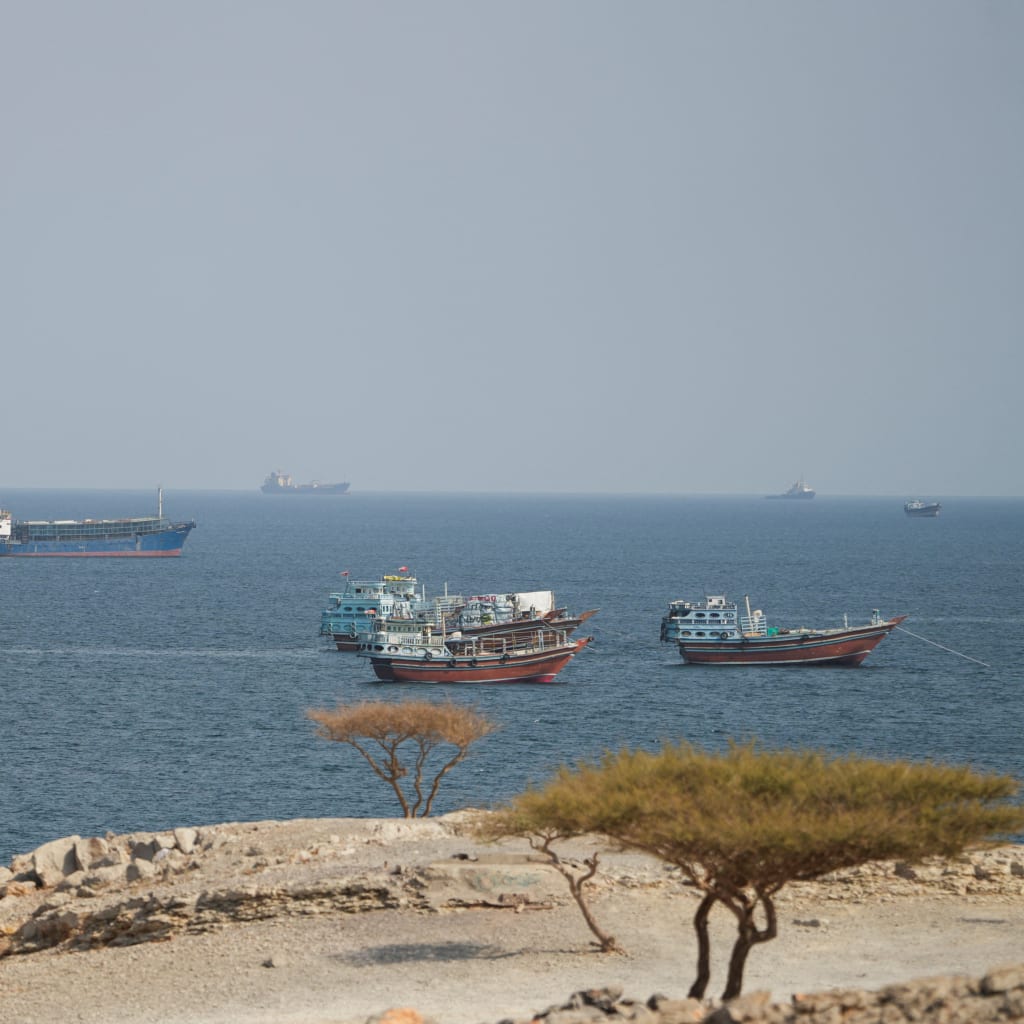
Iran War’s Ripple Effect

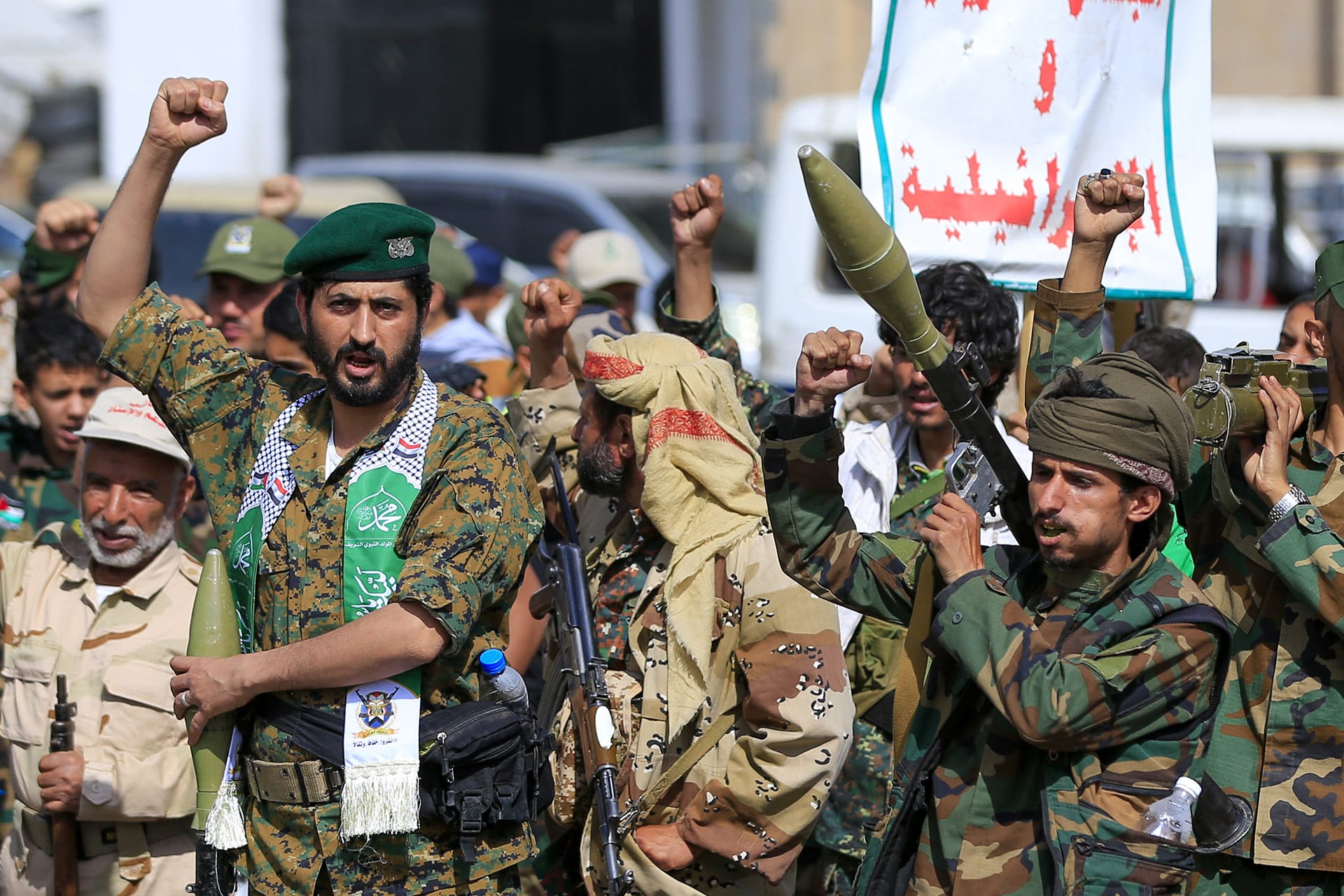 Expert Take
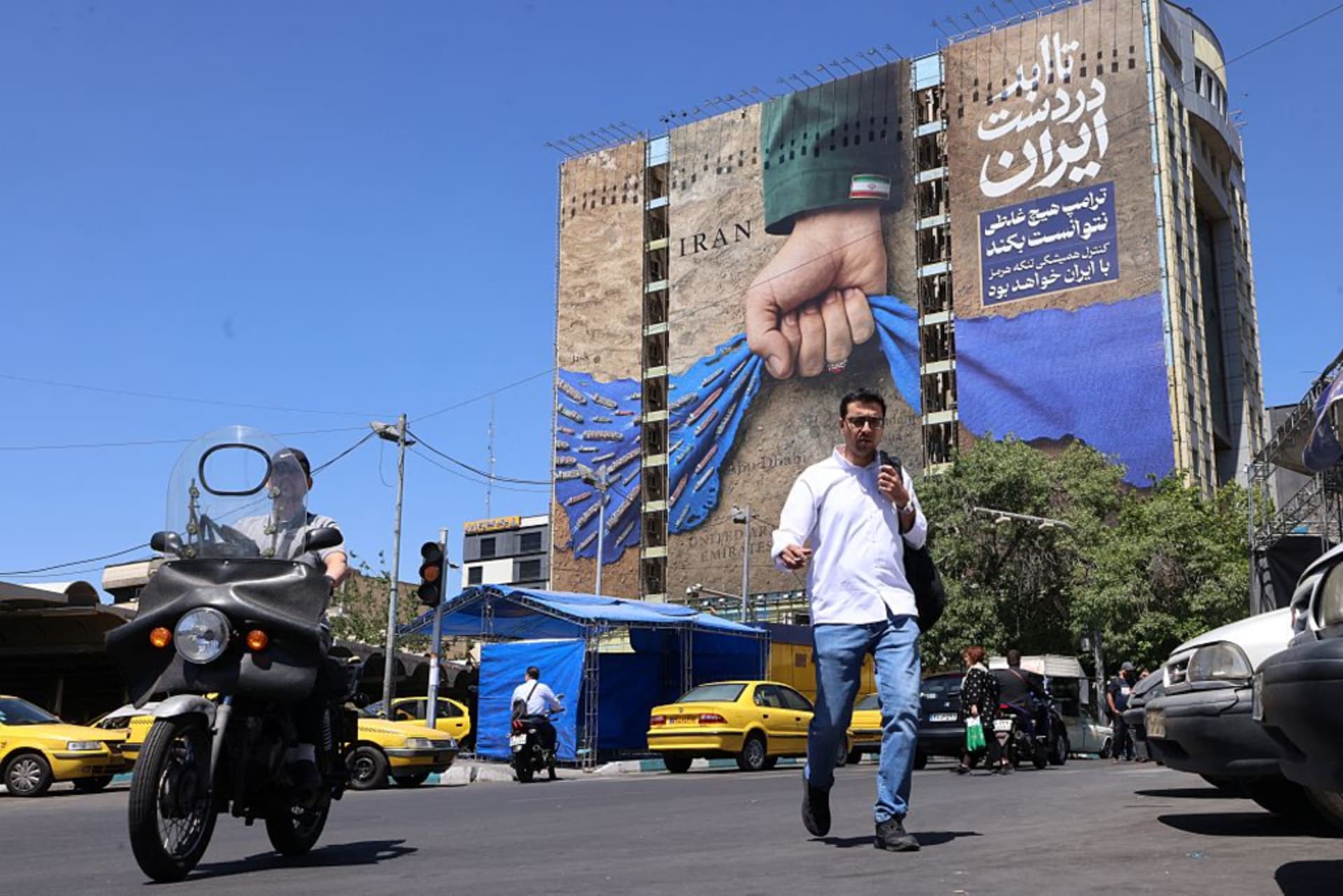 Expert Take
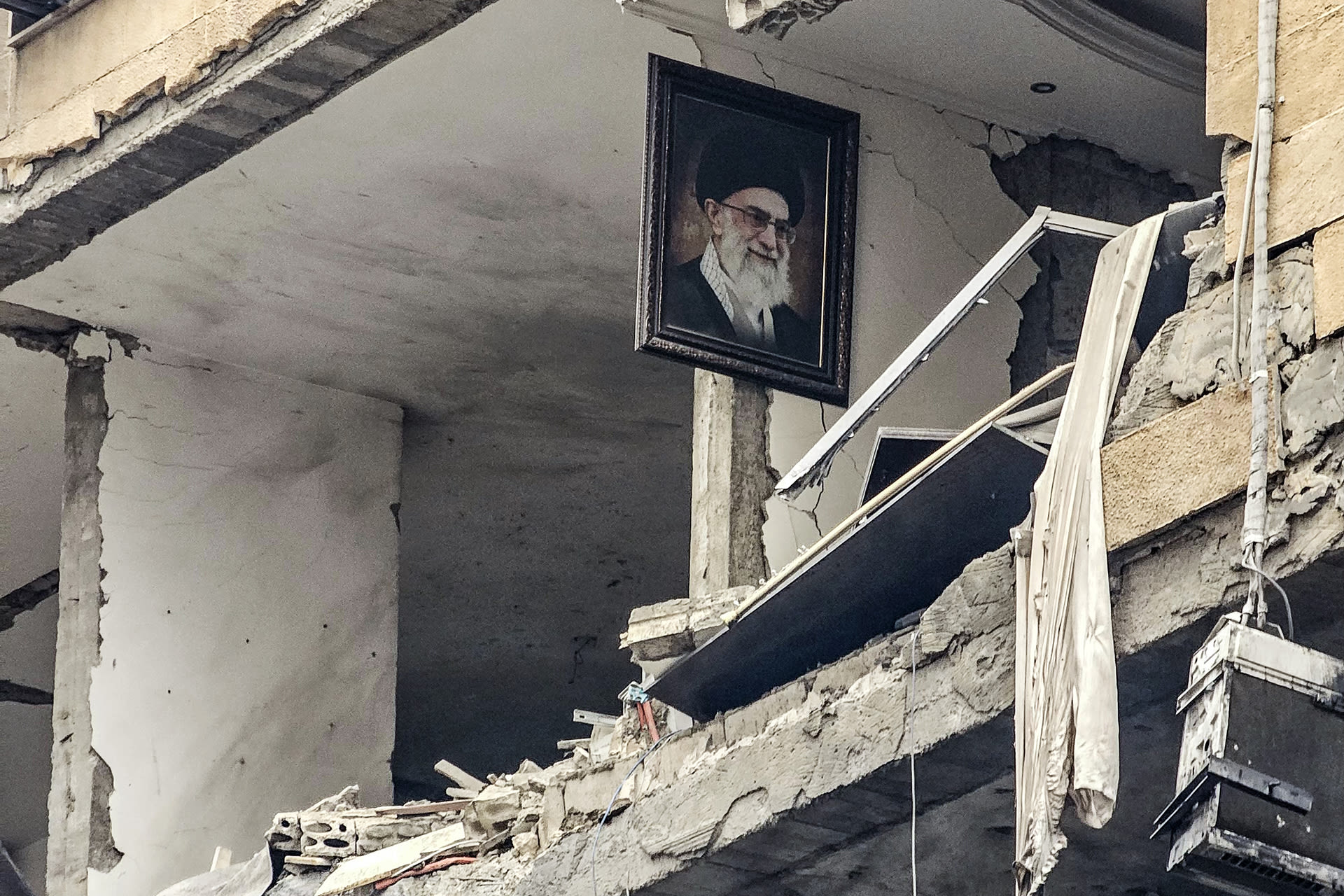 Expert Take
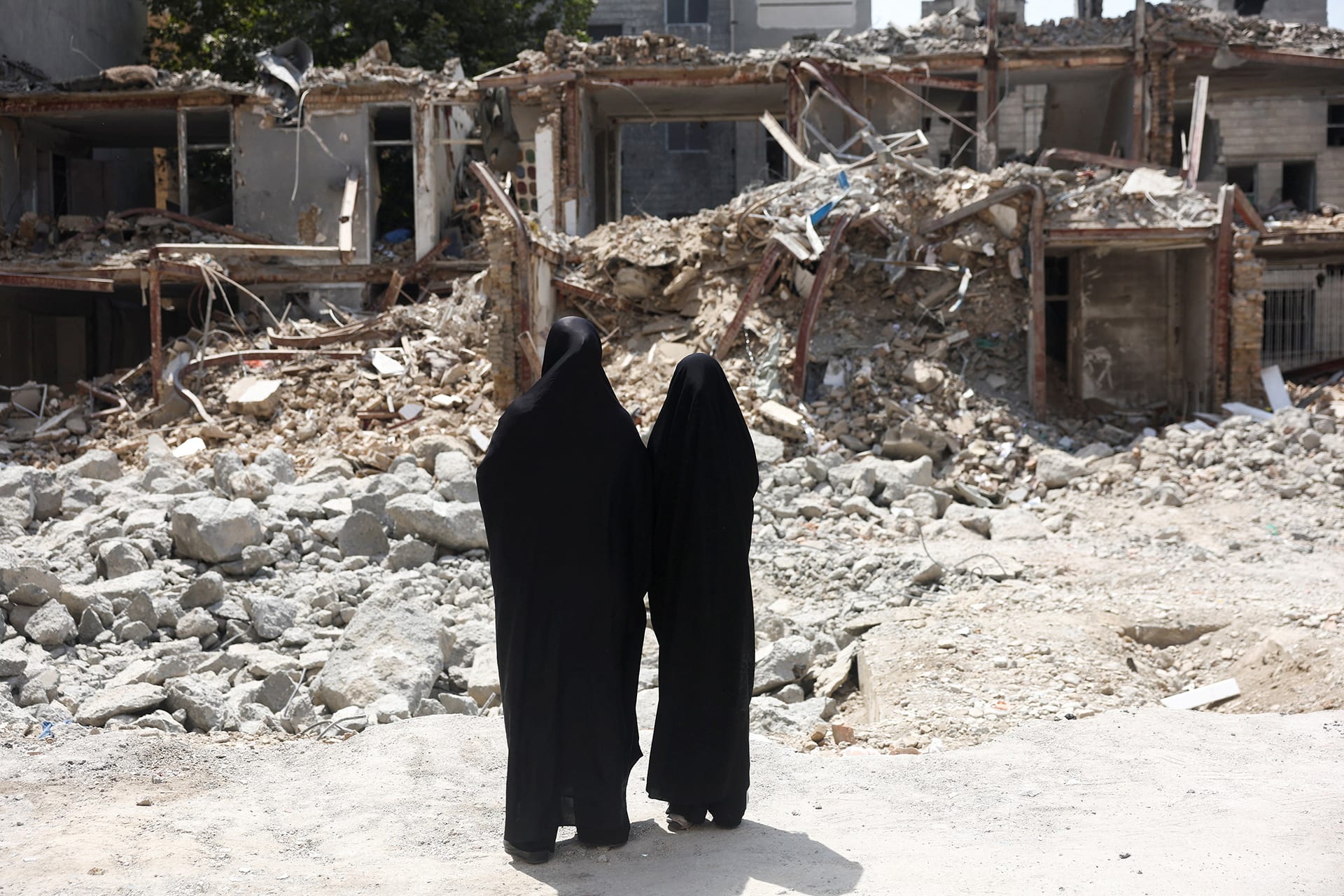 Expert Take
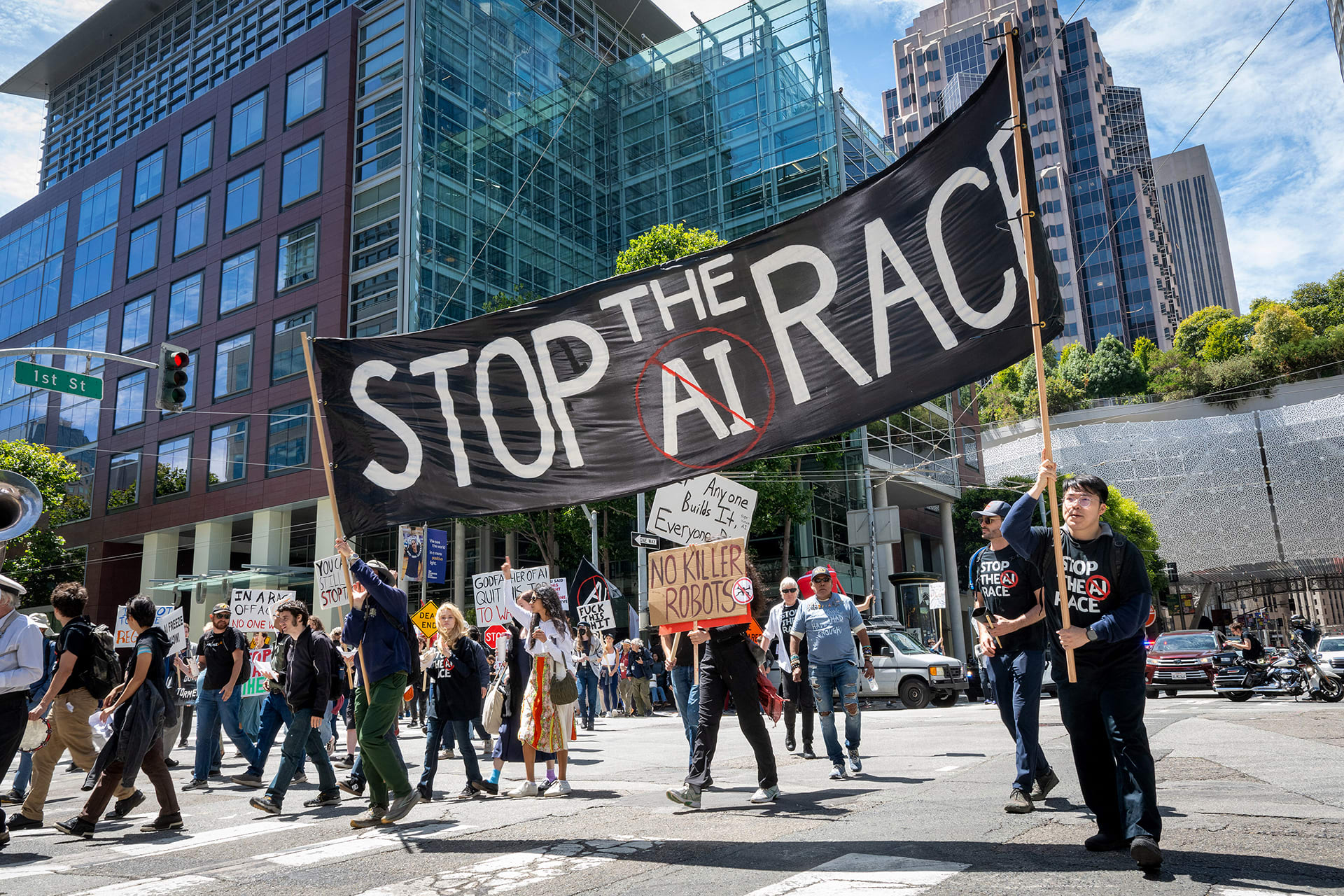
Navigating the AI Moment
 Expert Take
 Expert Take
 Expert Take
 Expert Take
CFR’s 2026 Annual Report
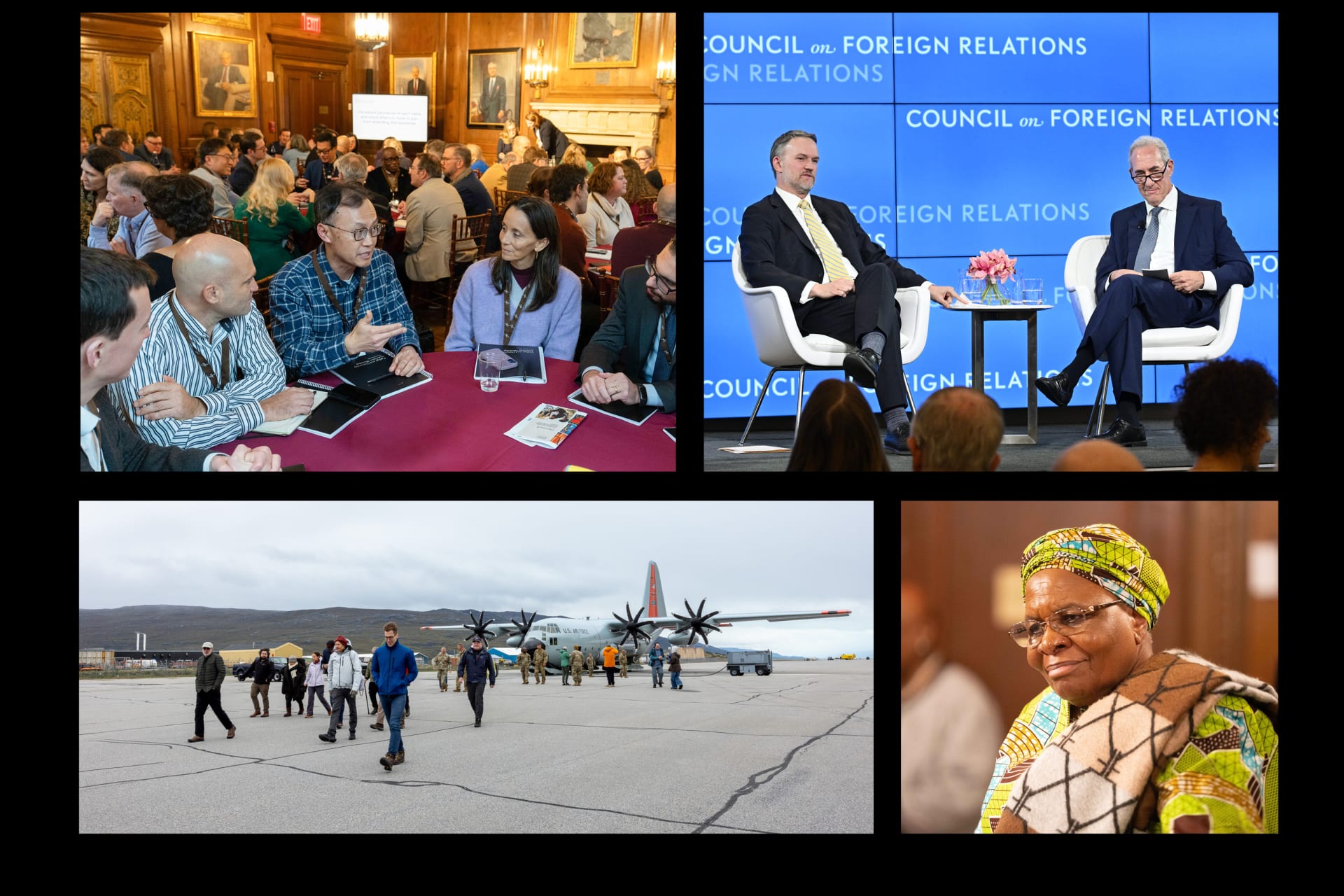
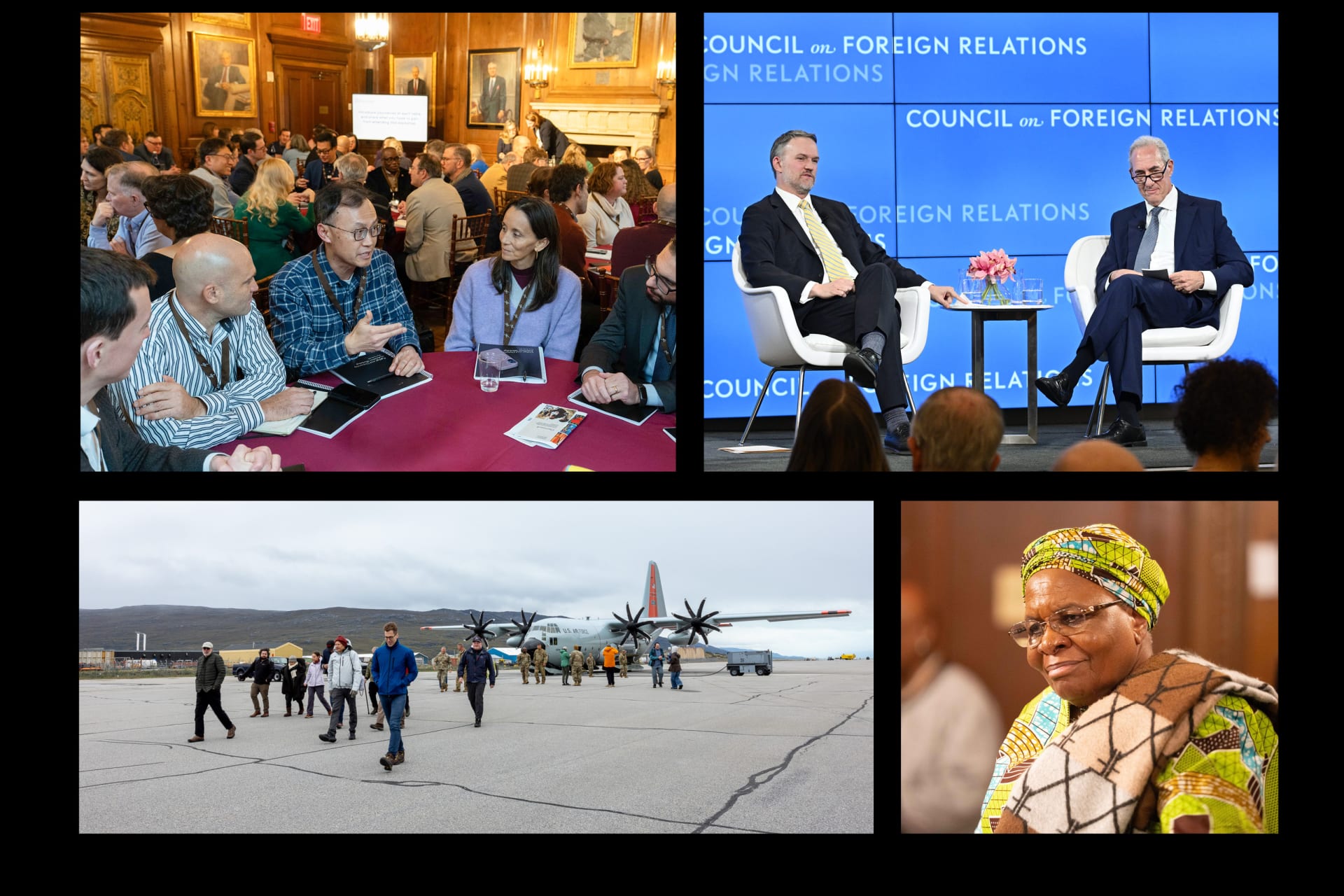
The Council—through its experts, content, convenings, and outreach—continued to inform U.S. engagement with the world throughout the year, as illustrated in this annual report.
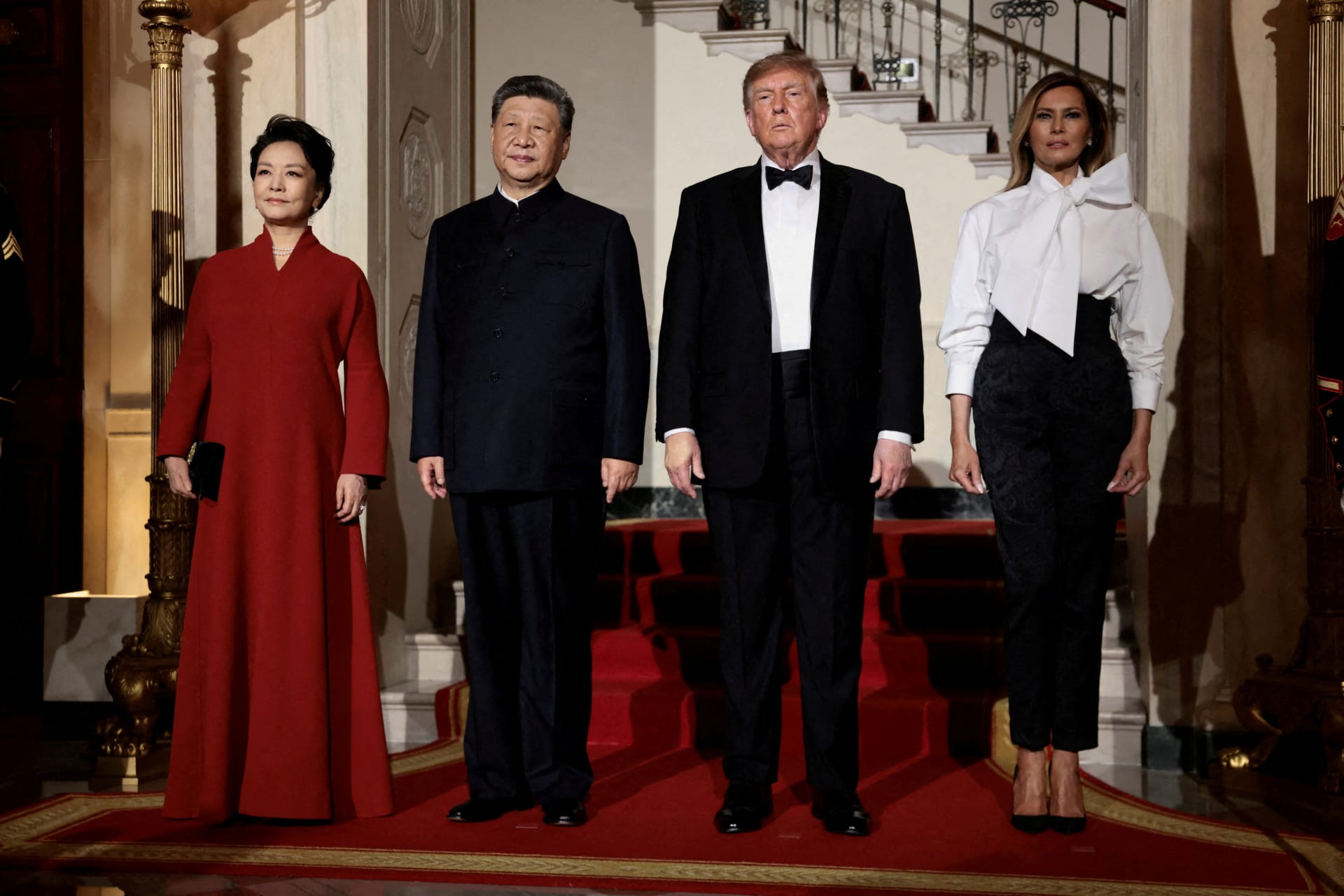
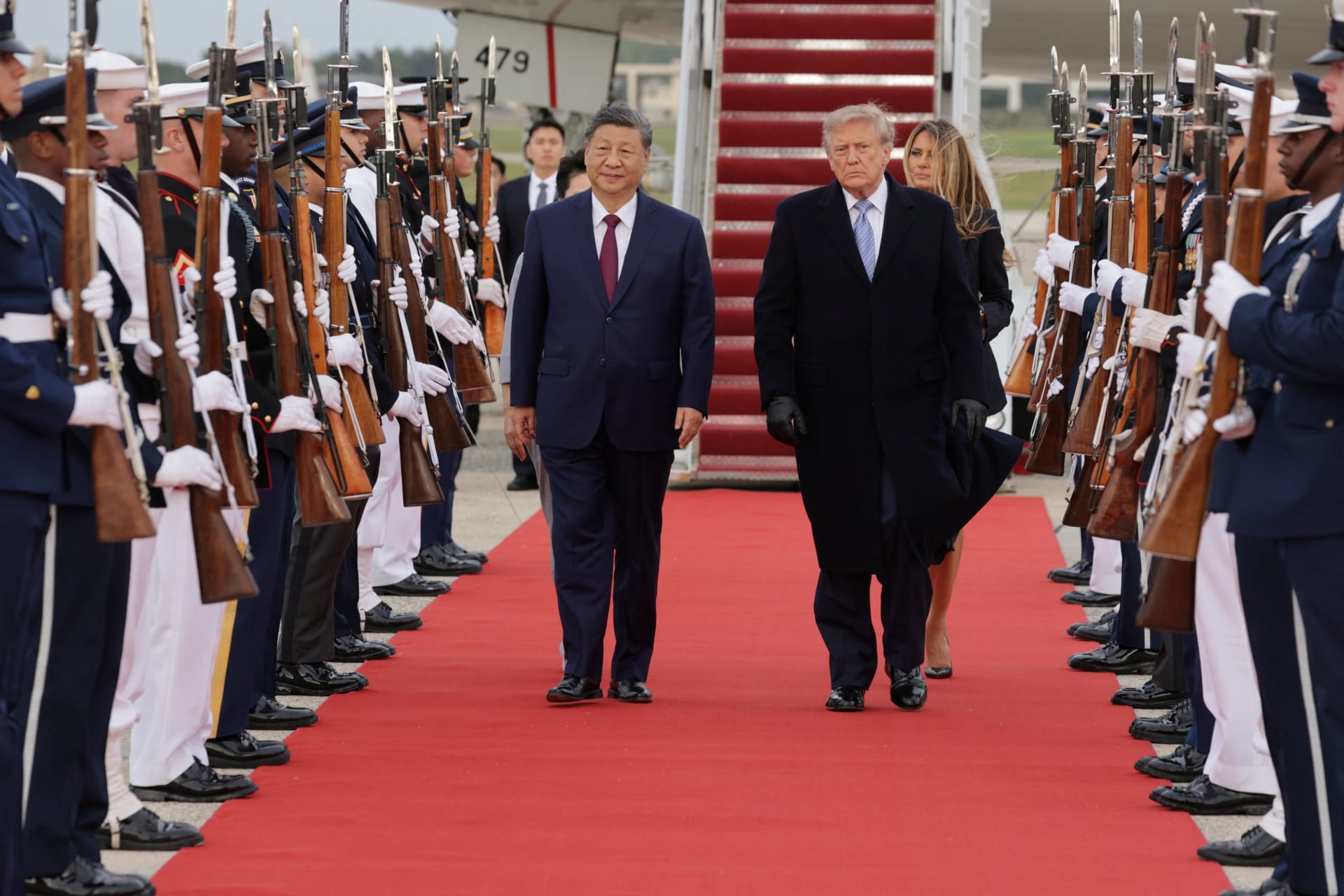
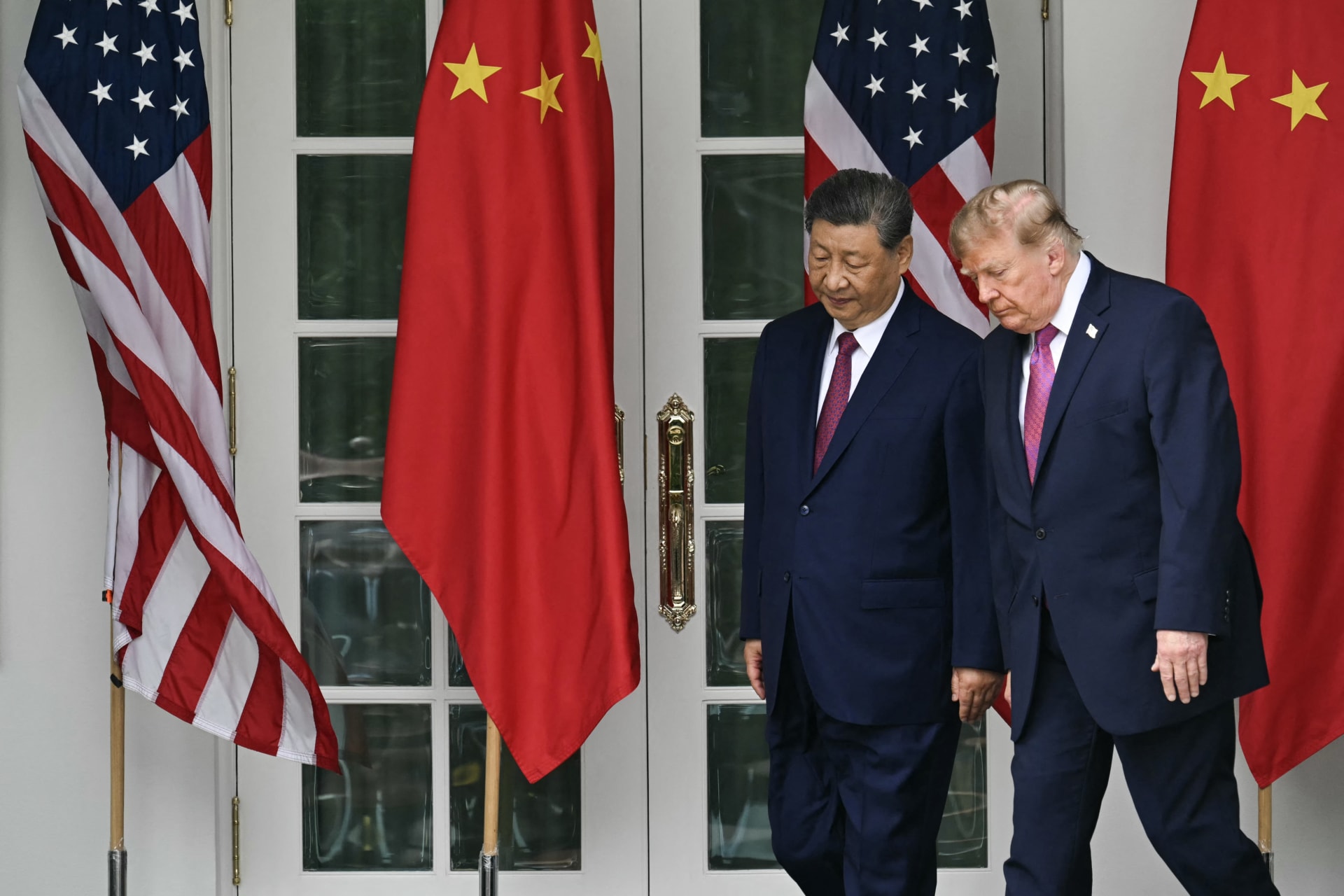
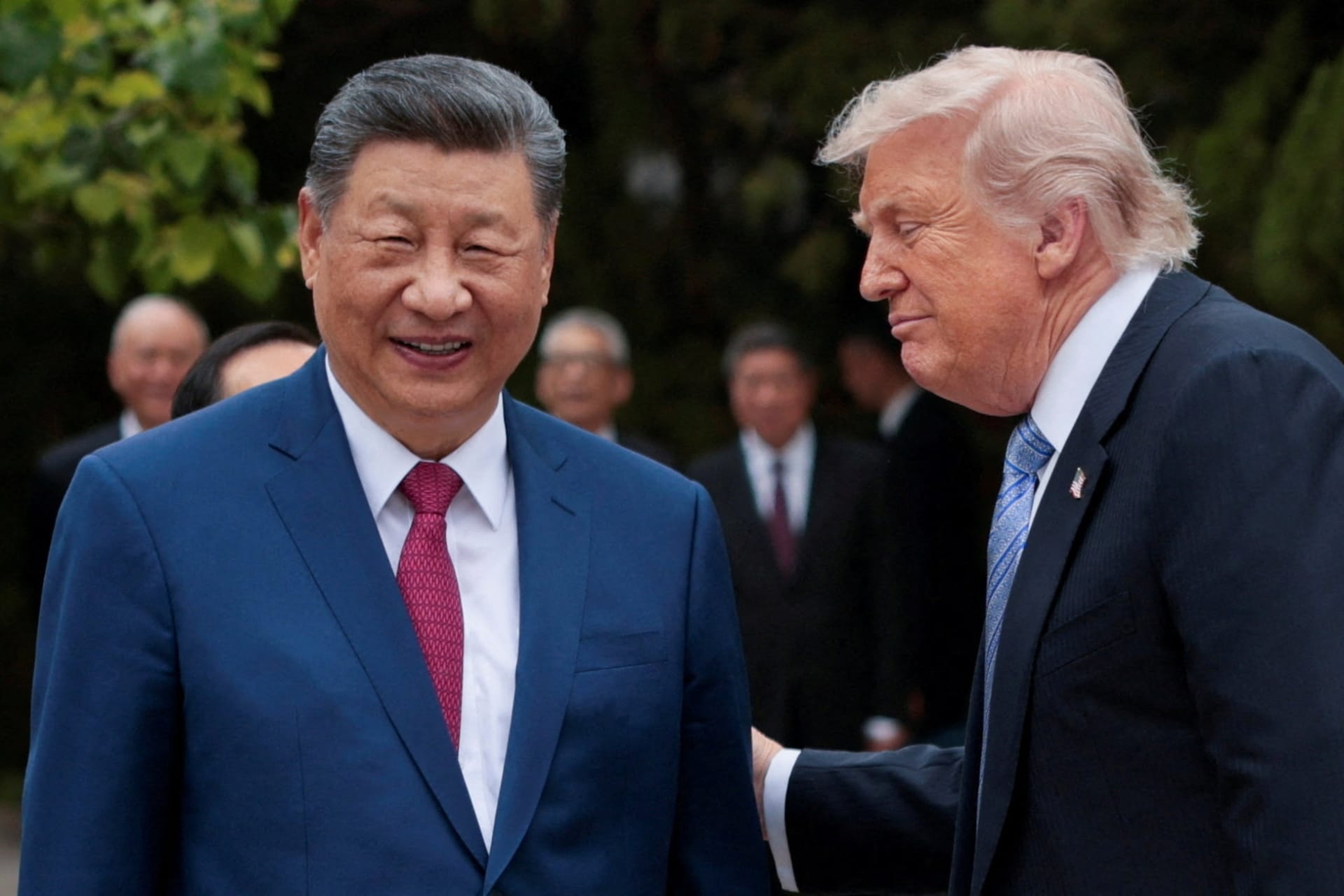
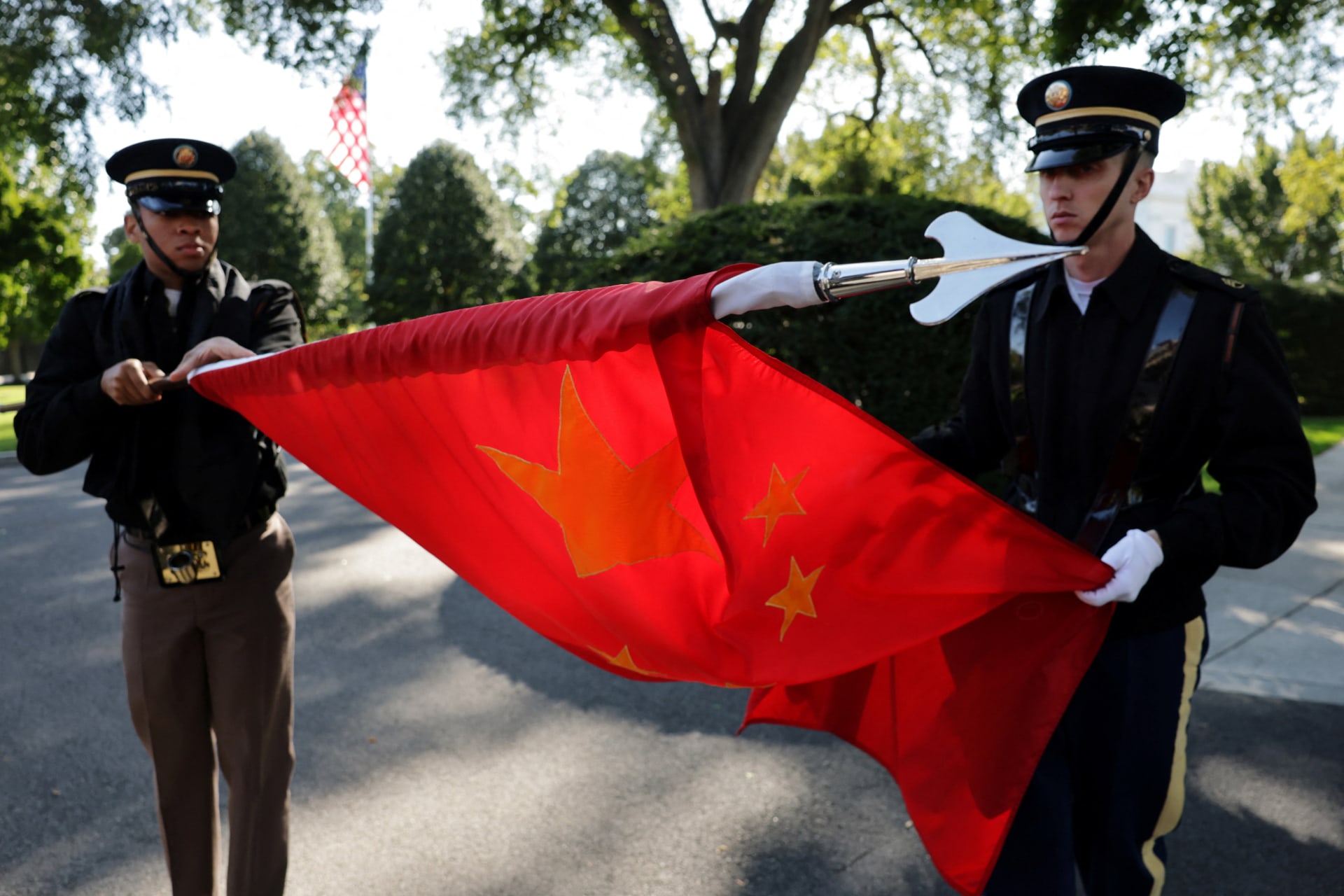
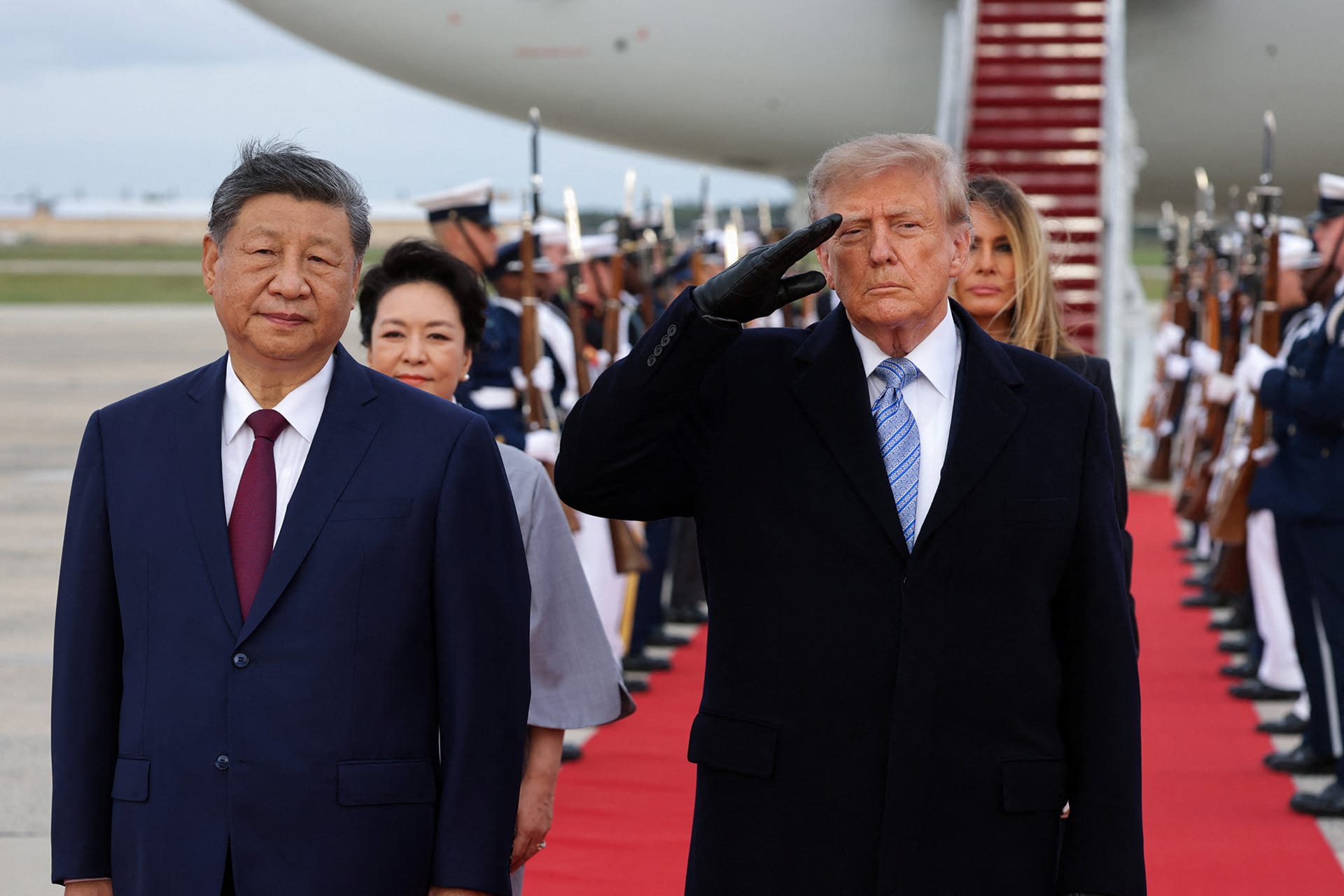
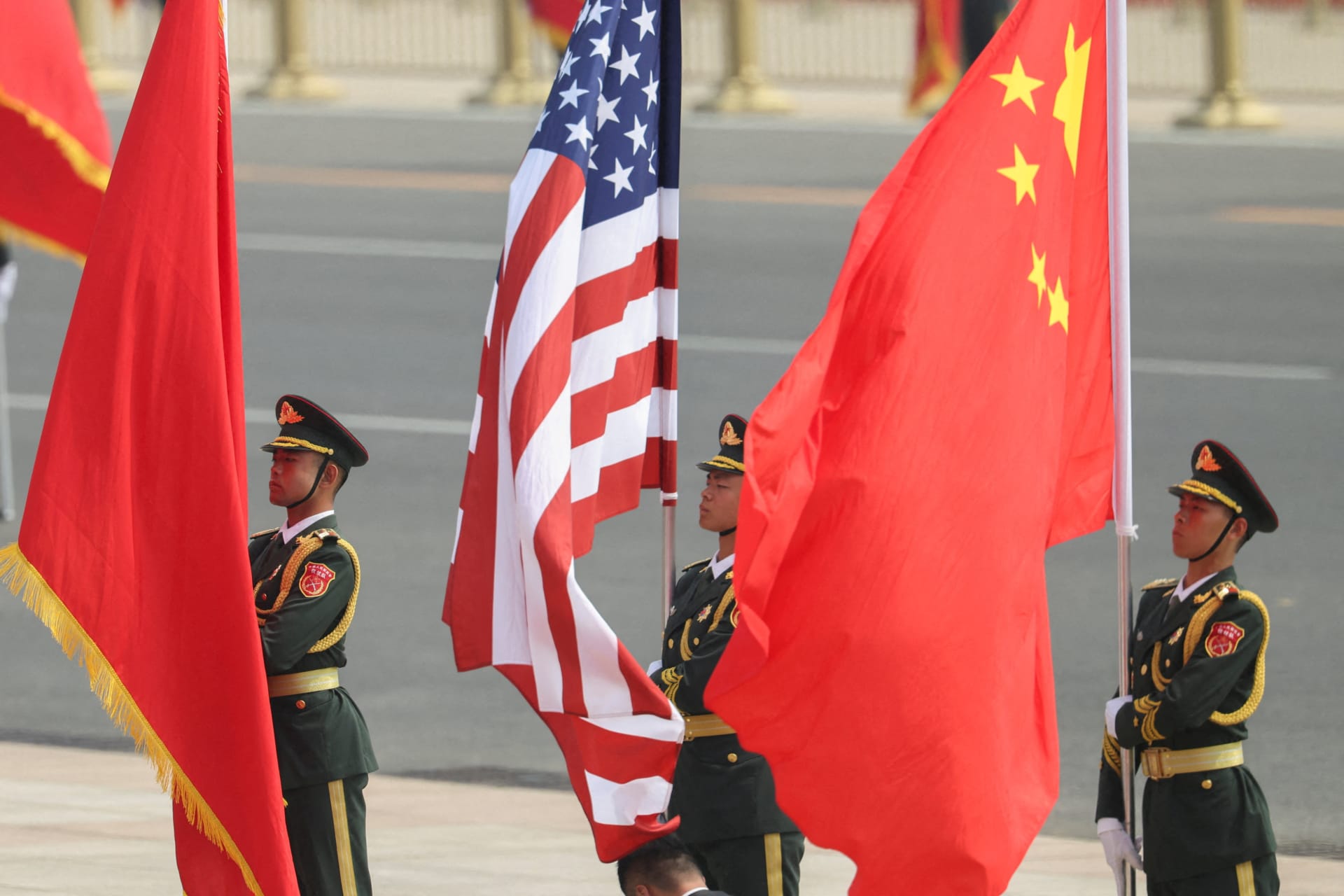
The Trump-Xi Summit
 Expert Take
 Expert Take
 Expert Take
 Expert Take
 Expert Take
 Expert Take
Visual Stories
An unprecedented emigration wave has emptied Cuba of up to a quarter of its population since 2020. The demographic fallout will reverberate for decades to come, affecting any future economic recovery or political transition.
By Will Freeman


Russia’s attacks on cultural heritage in occupied Ukraine are neither accidental nor merely symbolic, experts say. They are an attempt to rewrite history, erase Ukraine’s identity, and make annexation permanent.
By Mariel Ferragamo

Gang warfare, hunger, and a disintegrating health-care chain has hollowed out Haiti’s capital, Port-au-Prince. Seven hundred miles away, the U.S. government has revoked TPS, a humanitarian immigration status used by Haitians since the...
By Sam Vigersky
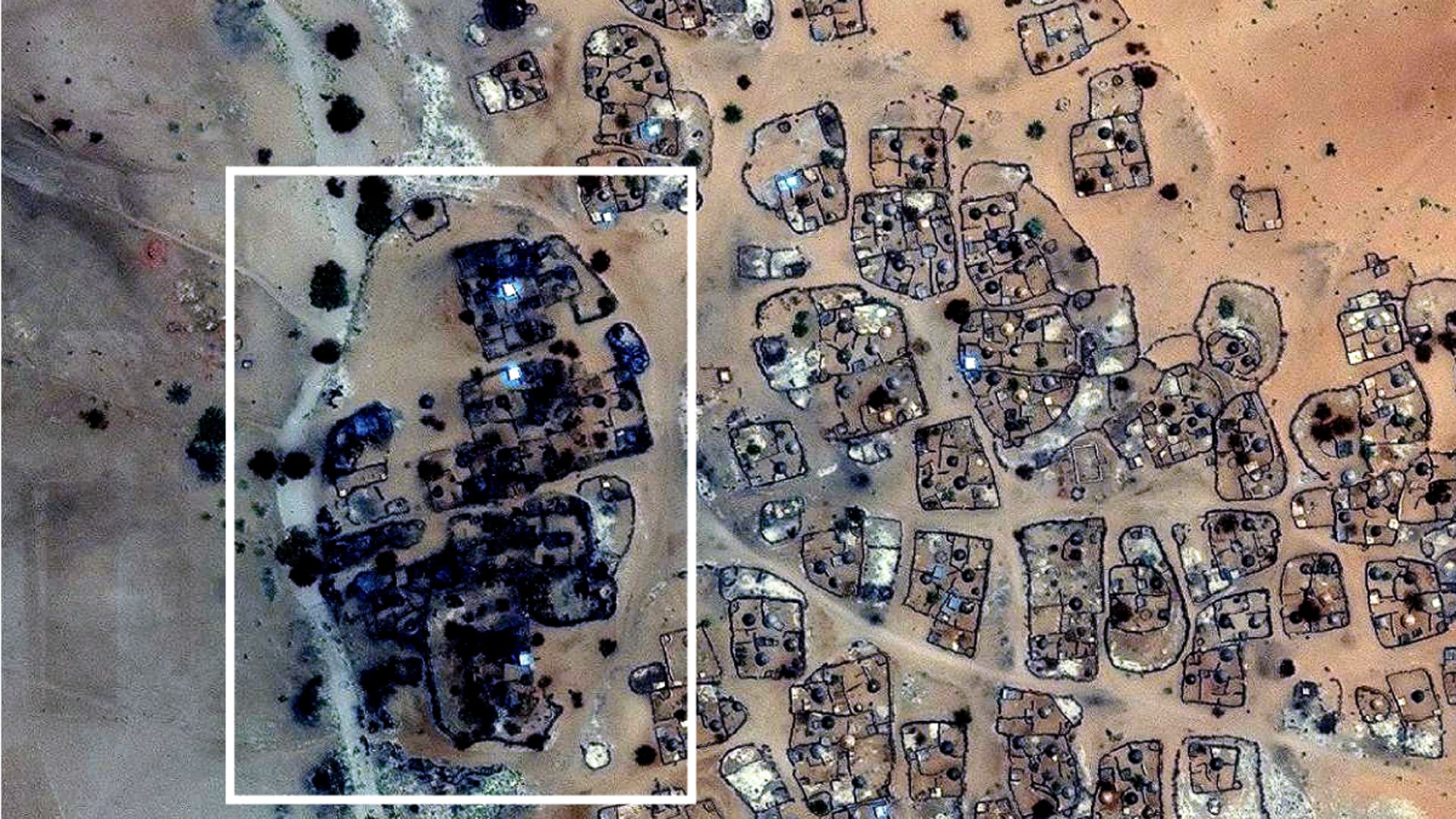
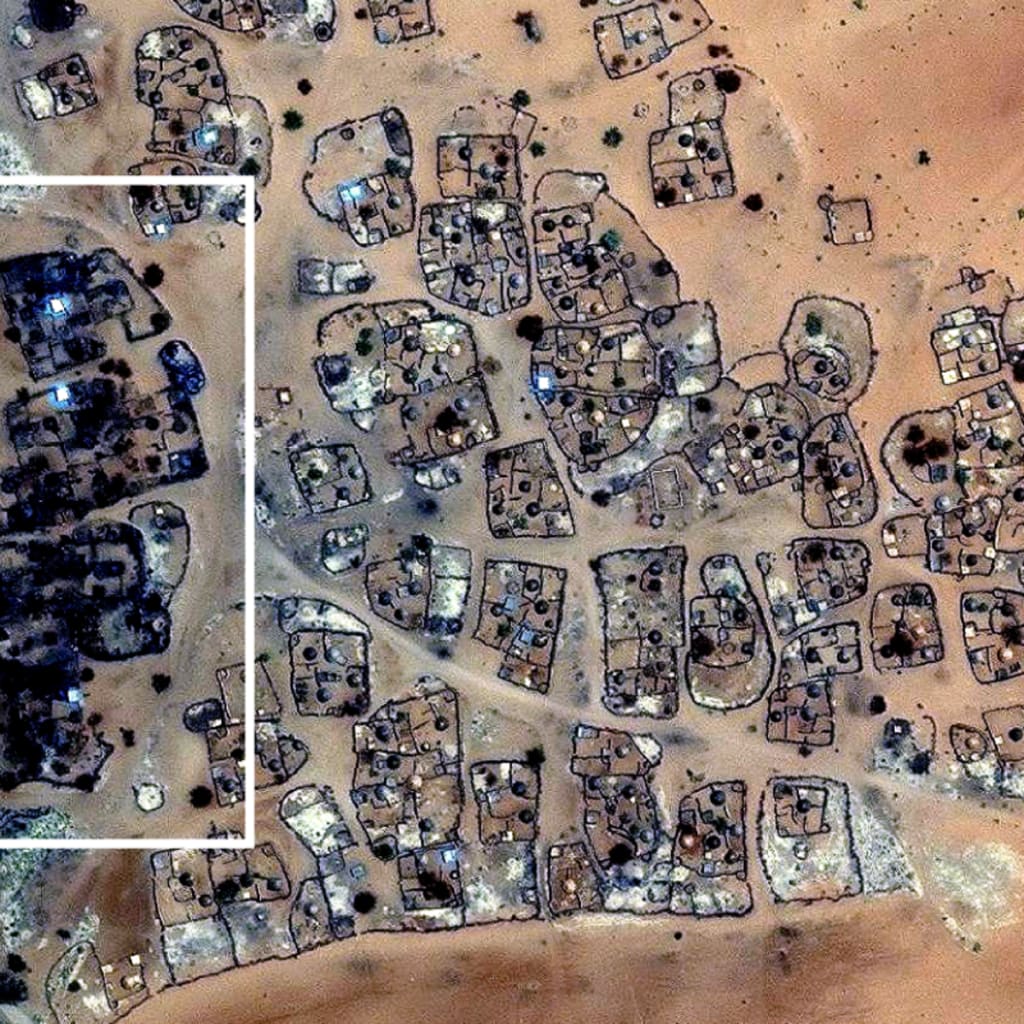
Food has increasingly become a tool of war, triggering humanitarian devastation and disrupting global food supplies. International authorities appear incapable of responding.
By Diana Roy
An unprecedented emigration wave has emptied Cuba of up to a quarter of its population since 2020. The demographic fallout will reverberate for decades to come, affecting any future economic recovery or political transition.
By Will Freeman
Russia’s attacks on cultural heritage in occupied Ukraine are neither accidental nor merely symbolic, experts say. They are an attempt to rewrite history, erase Ukraine’s identity, and make annexation permanent.
By Mariel Ferragamo
Gang warfare, hunger, and a disintegrating health-care chain has hollowed out Haiti’s capital, Port-au-Prince. Seven hundred miles away, the U.S. government has revoked TPS, a humanitarian immigration status used by Haitians since the...
By Sam Vigersky
Food has increasingly become a tool of war, triggering humanitarian devastation and disrupting global food supplies. International authorities appear incapable of responding.
By Diana Roy
An unprecedented emigration wave has emptied Cuba of up to a quarter of its population since 2020. The demographic fallout will reverberate for decades to come, affecting any future economic recovery or political transition.
By Will Freeman
Russia’s attacks on cultural heritage in occupied Ukraine are neither accidental nor merely symbolic, experts say. They are an attempt to rewrite history, erase Ukraine’s identity, and make annexation permanent.
By Mariel Ferragamo
Gang warfare, hunger, and a disintegrating health-care chain has hollowed out Haiti’s capital, Port-au-Prince. Seven hundred miles away, the U.S. government has revoked TPS, a humanitarian immigration status used by Haitians since the...
By Sam Vigersky
Food has increasingly become a tool of war, triggering humanitarian devastation and disrupting global food supplies. International authorities appear incapable of responding.
By Diana Roy
An unprecedented emigration wave has emptied Cuba of up to a quarter of its population since 2020. The demographic fallout will reverberate for decades to come, affecting any future economic recovery or political transition.
By Will Freeman
Russia’s attacks on cultural heritage in occupied Ukraine are neither accidental nor merely symbolic, experts say. They are an attempt to rewrite history, erase Ukraine’s identity, and make annexation permanent.
By Mariel Ferragamo
Gang warfare, hunger, and a disintegrating health-care chain has hollowed out Haiti’s capital, Port-au-Prince. Seven hundred miles away, the U.S. government has revoked TPS, a humanitarian immigration status used by Haitians since the...
By Sam Vigersky
Food has increasingly become a tool of war, triggering humanitarian devastation and disrupting global food supplies. International authorities appear incapable of responding.
By Diana Roy
CFR’s Career Series

Around the World
CFR analyses and explainers that address global issues and challenges.
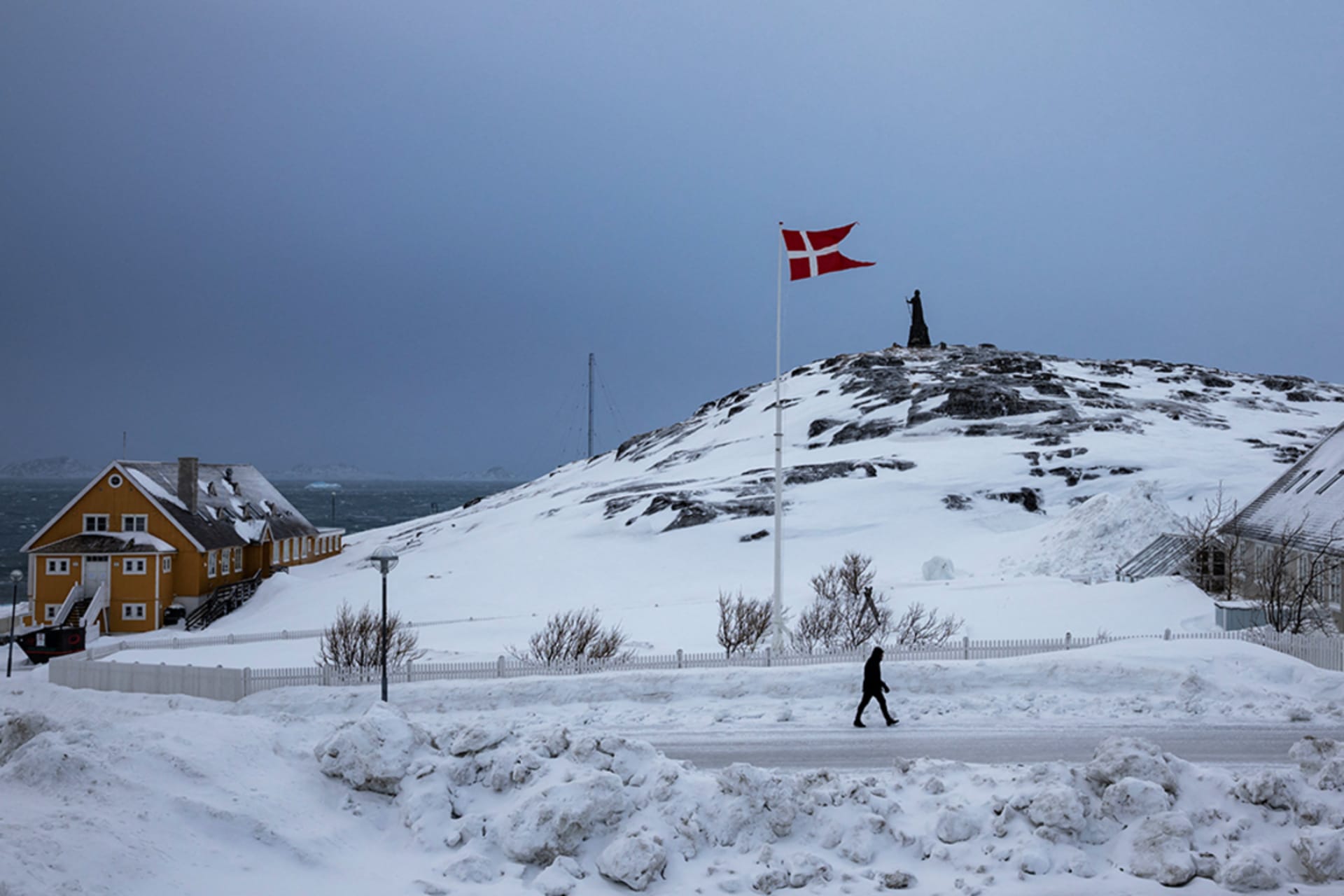
The U.S., Denmark, and Greenland Reached a Security Deal. Here’s What to Know.
By Diana Roy and Jonathan Masters
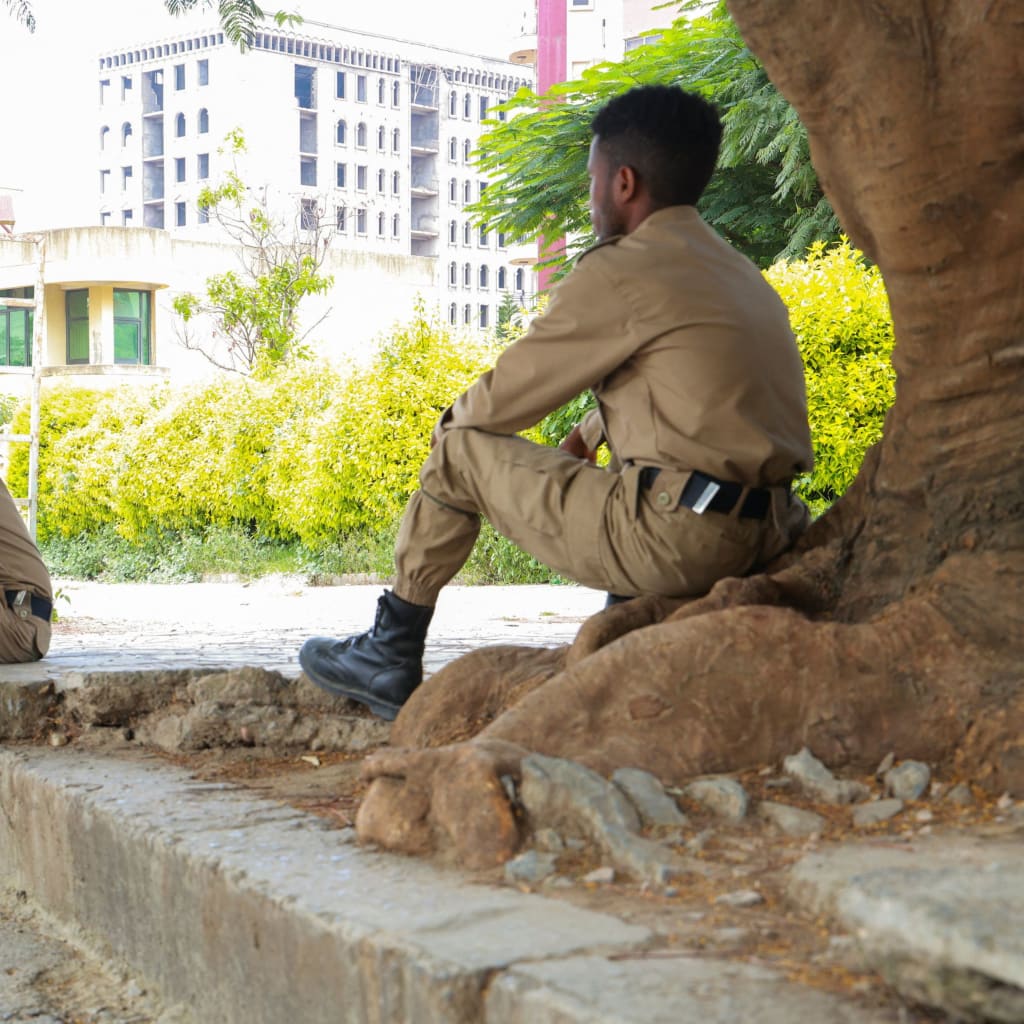
What Do Americans Want From U.S. Foreign Policy? A Dispatch From Maricopa County, AZ
By Rebecca Lissner

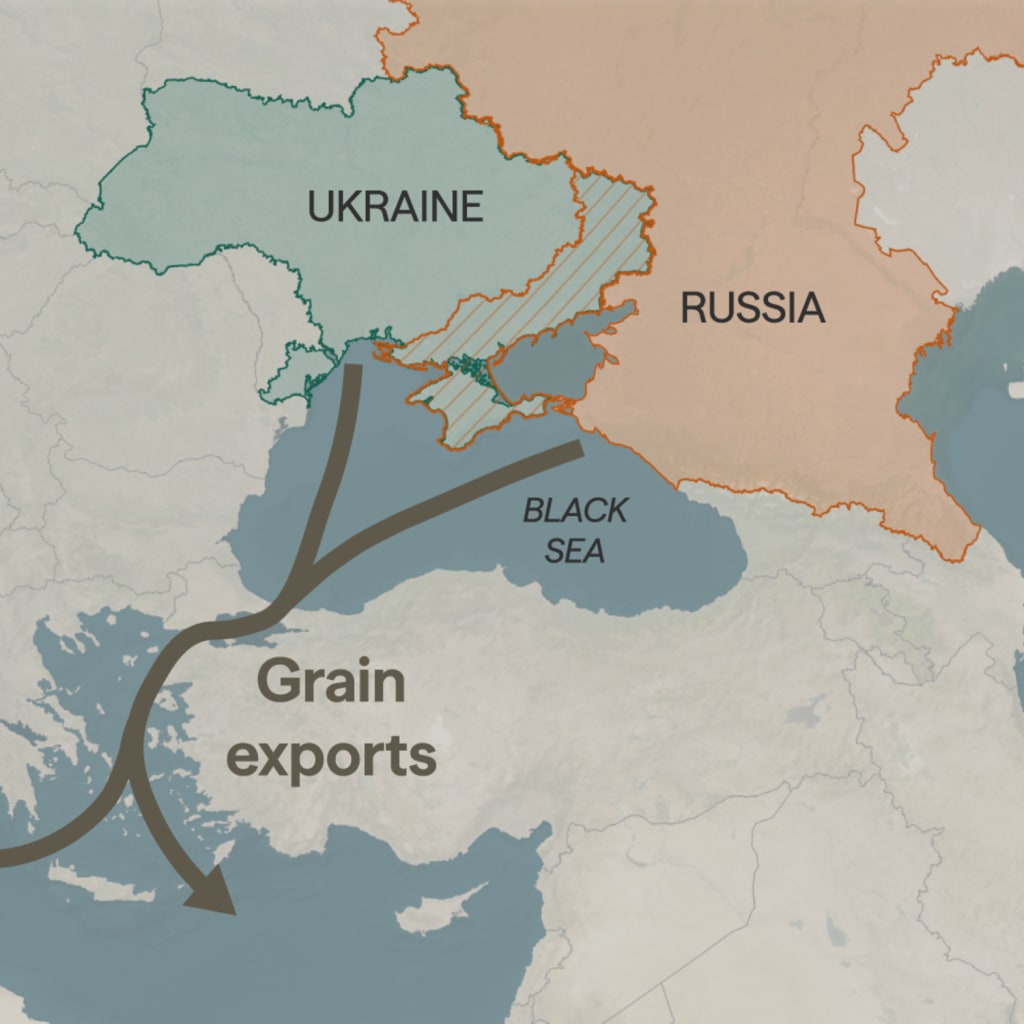
Hunger on the Horizon: The New Black Sea Grain Crisis
By Samuel Henry Lazarus
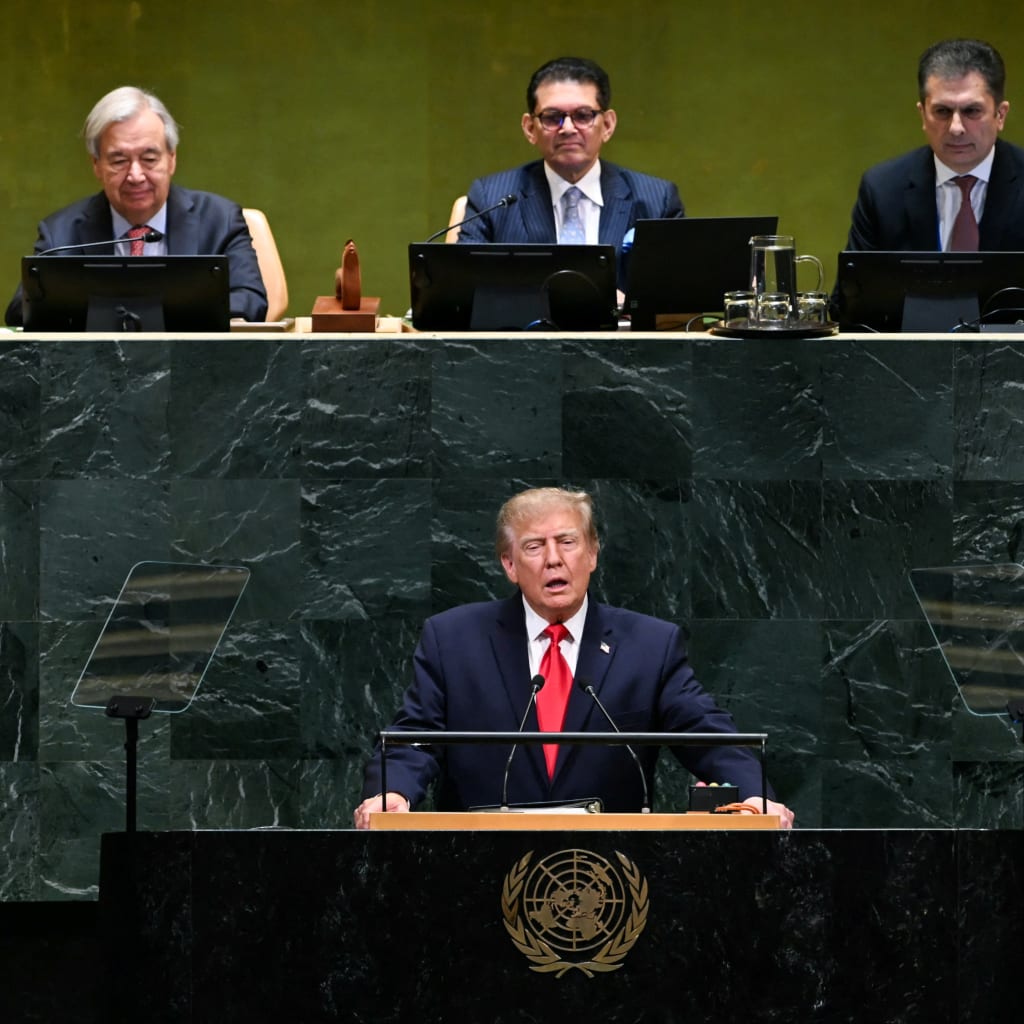
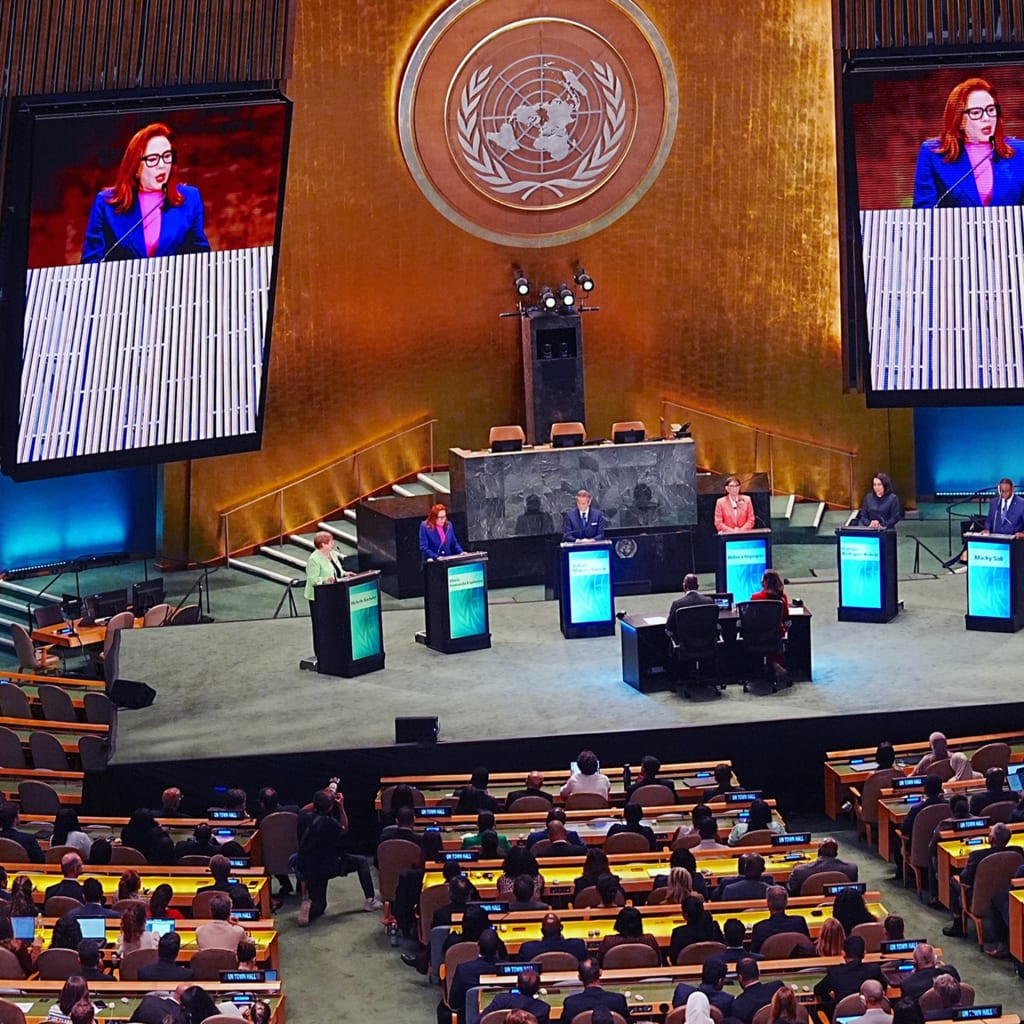
Who Will Be the Next UN Secretary-General?
By Diana Roy
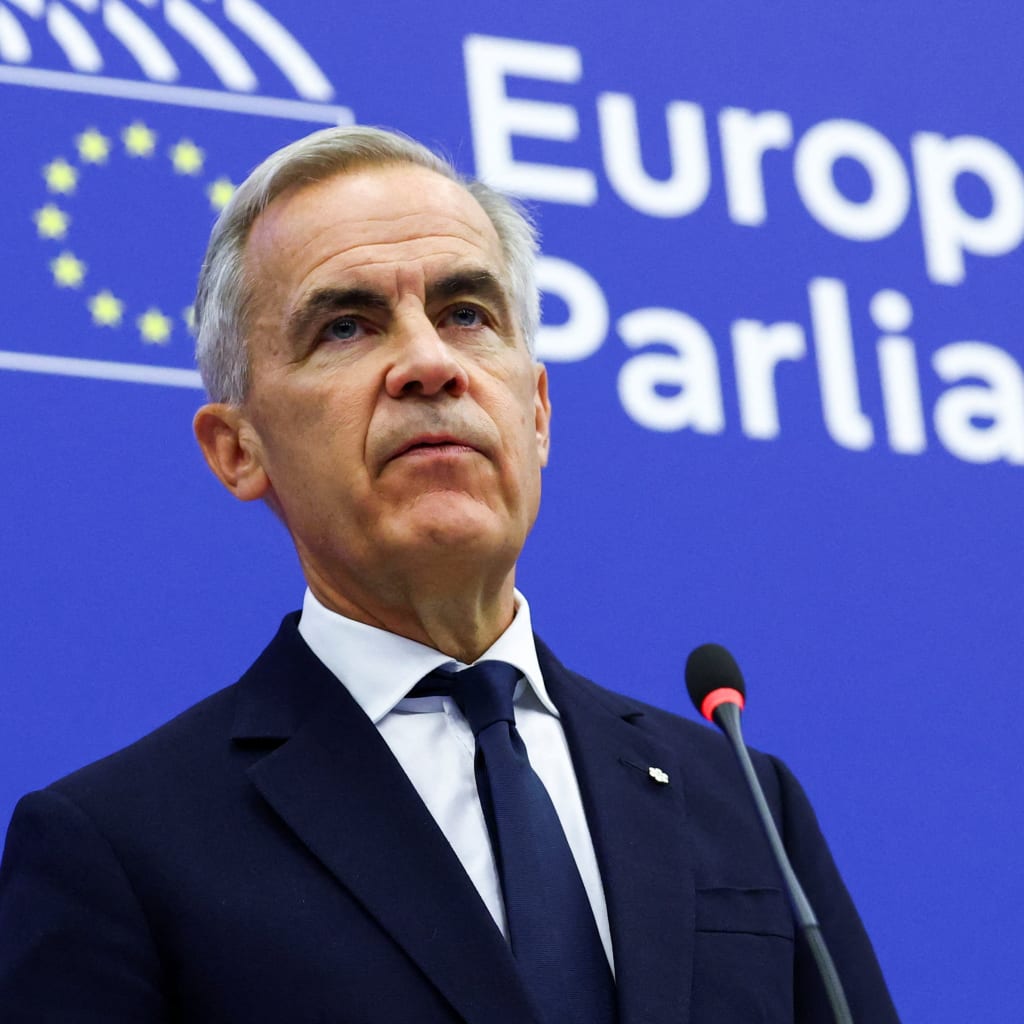
What Can Europe Really Offer Canada?
By Matthias Matthijs
Podcasts
View AllThe Spillover
Every geopolitical event — a war, an election, a new tariff, a technological breakthrough — sends ripples through the global economy. On The Spillover, Sebastian Mallaby and Rebecca Patterson trace those ripples, examining how international developments shape markets, policy, finance, and the future of business.
 47:25Podcast
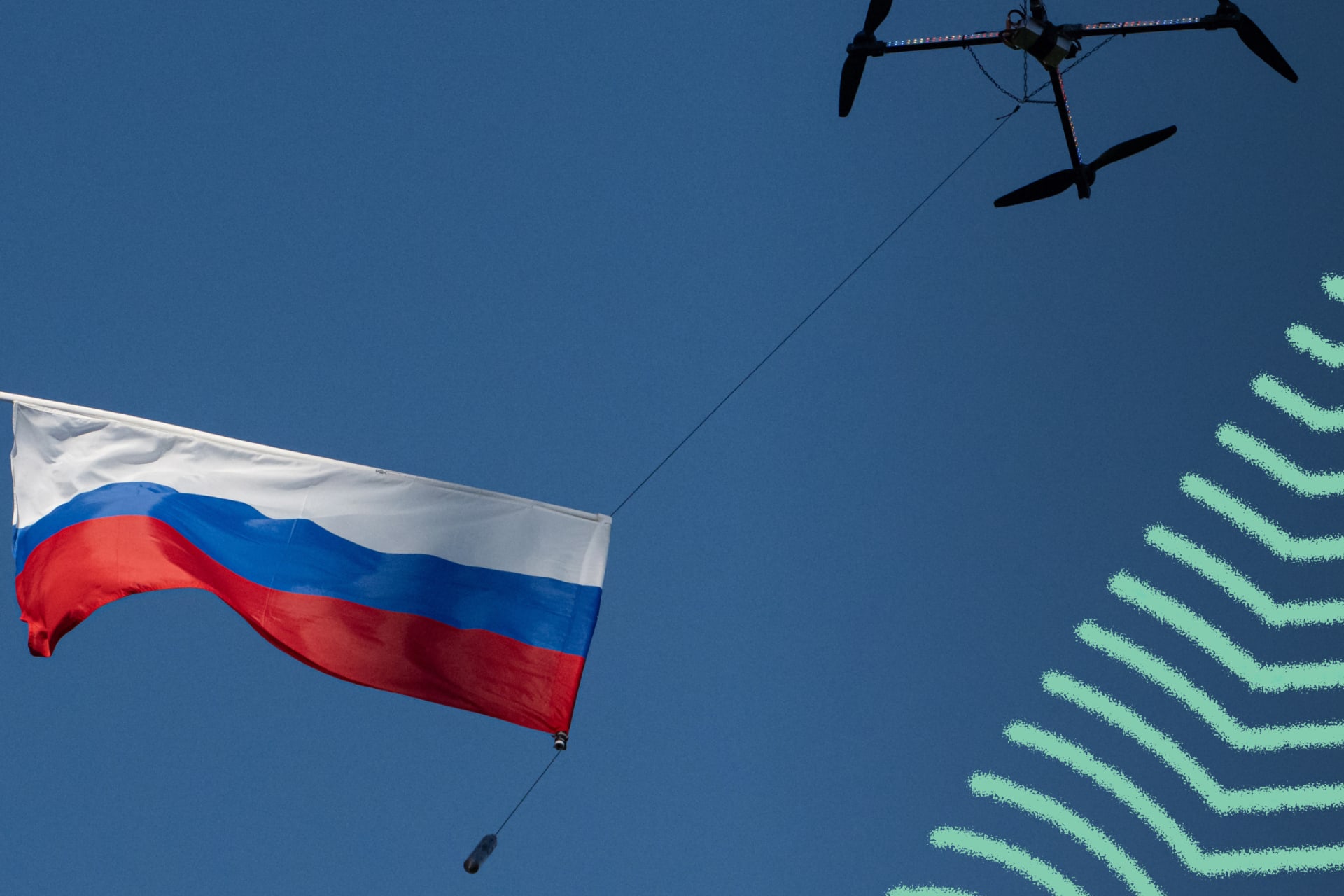 50:17Podcast
 52:31Podcast
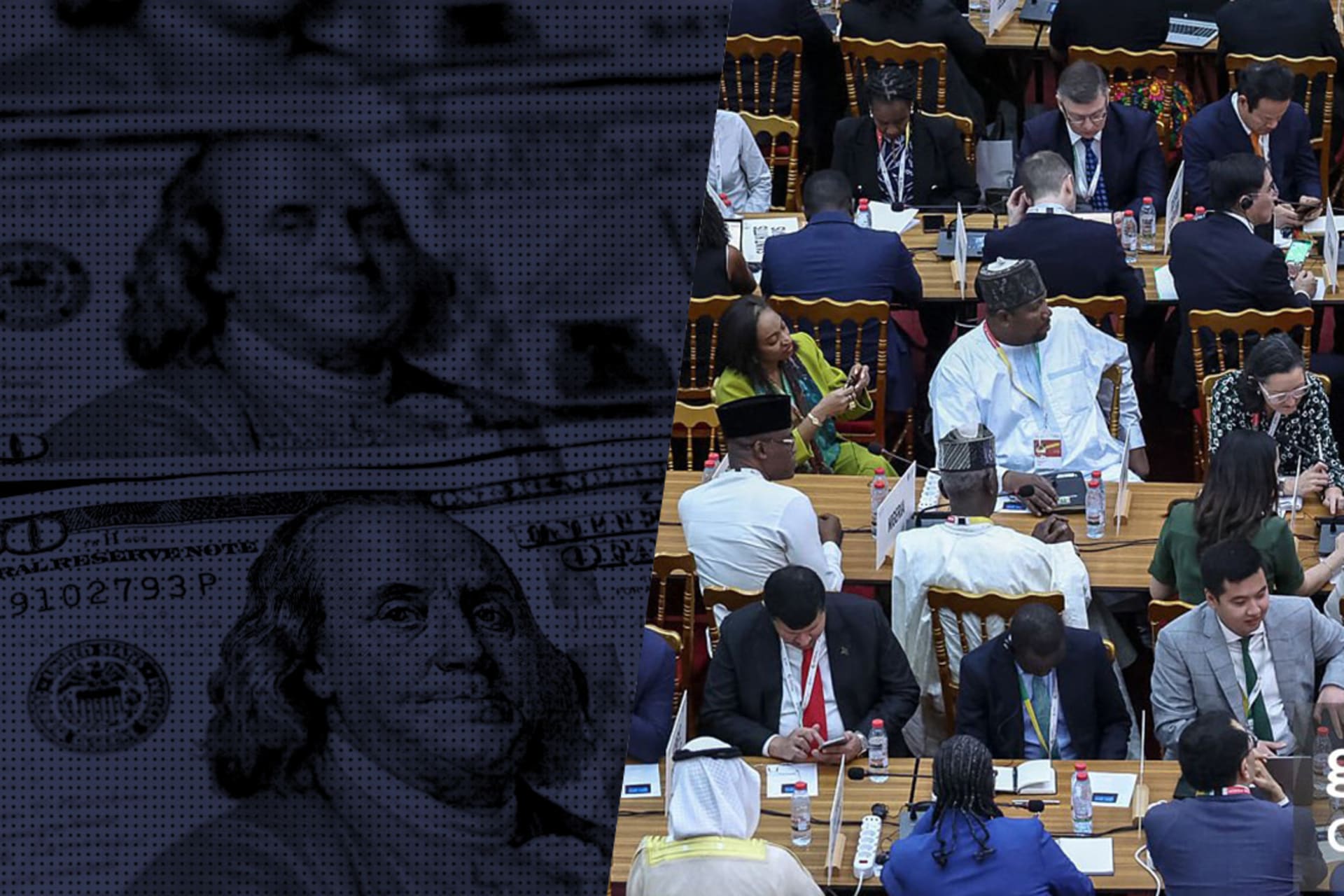
The Age of Economic Warfare
By Edward Fishman
The Protectionist Turn
By Benn Steil

Weaponizing Interdependence
By Brad W. Setser

The Labor Problem
By Rebecca Patterson

The Climate Threat
By Alice C. Hill

The Broken Economic Order
By Heidi E. Crebo-Rediker

CFR Events
View All
 Meeting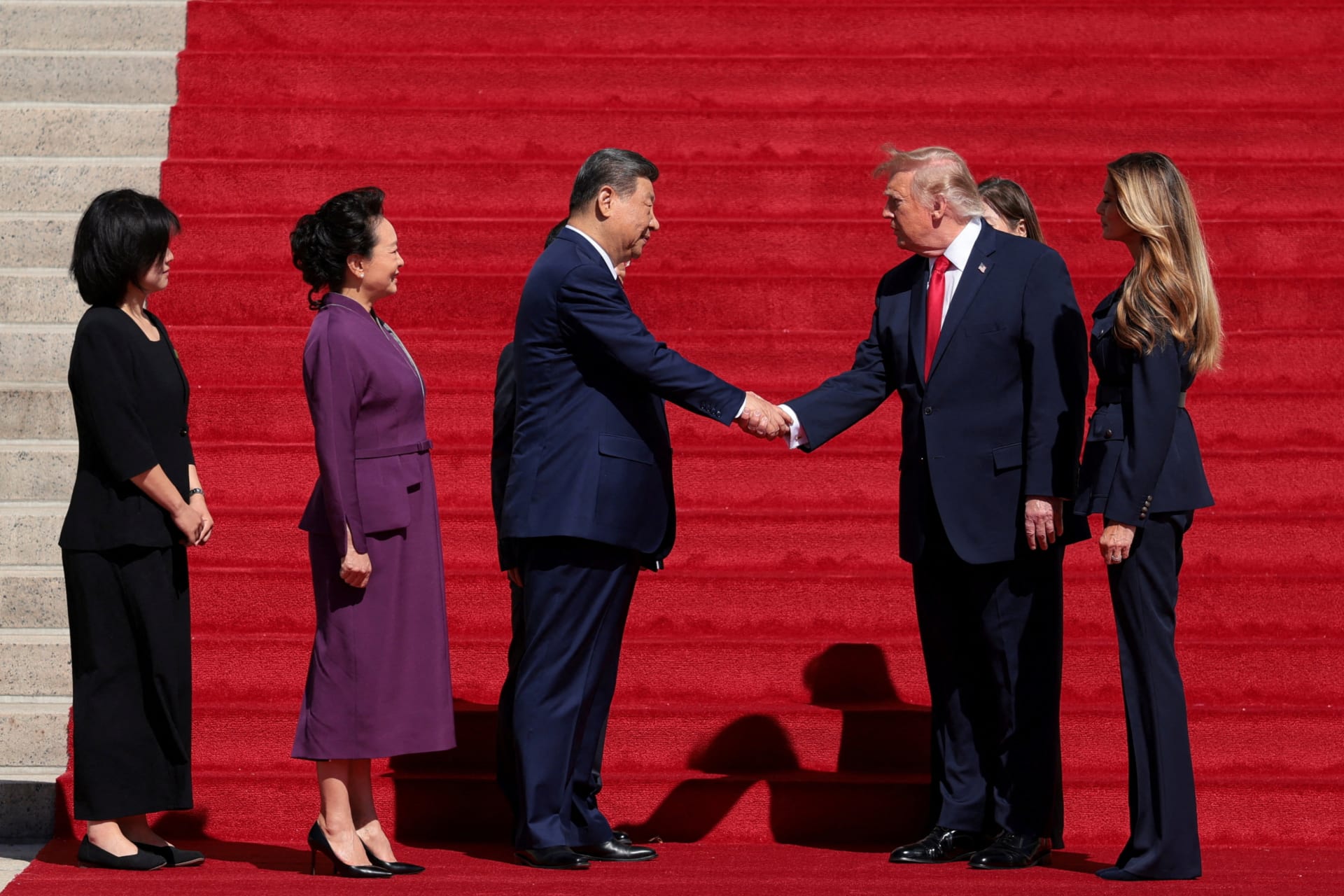
Publications
CFR publishes reports and papers for the interested public, the academic community, and foreign policy experts.
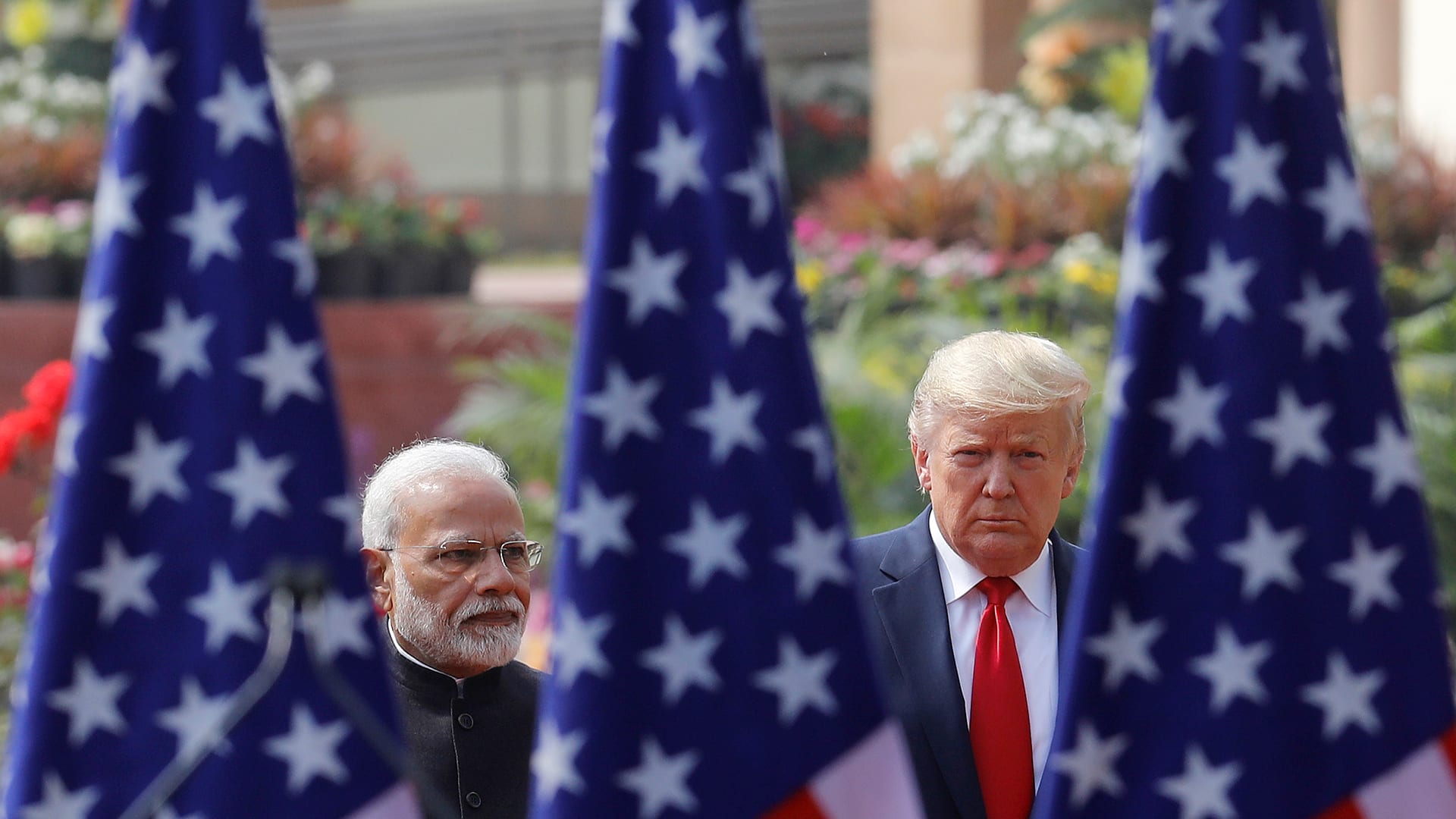
India has been skeptical of the U.S.-led liberal international order since its independence. Now, the United States also seems keen to abandon the order it once championed. This transition period poses a host of challenges—and a few opportunities for collaboration—for the world’s two largest democracies.
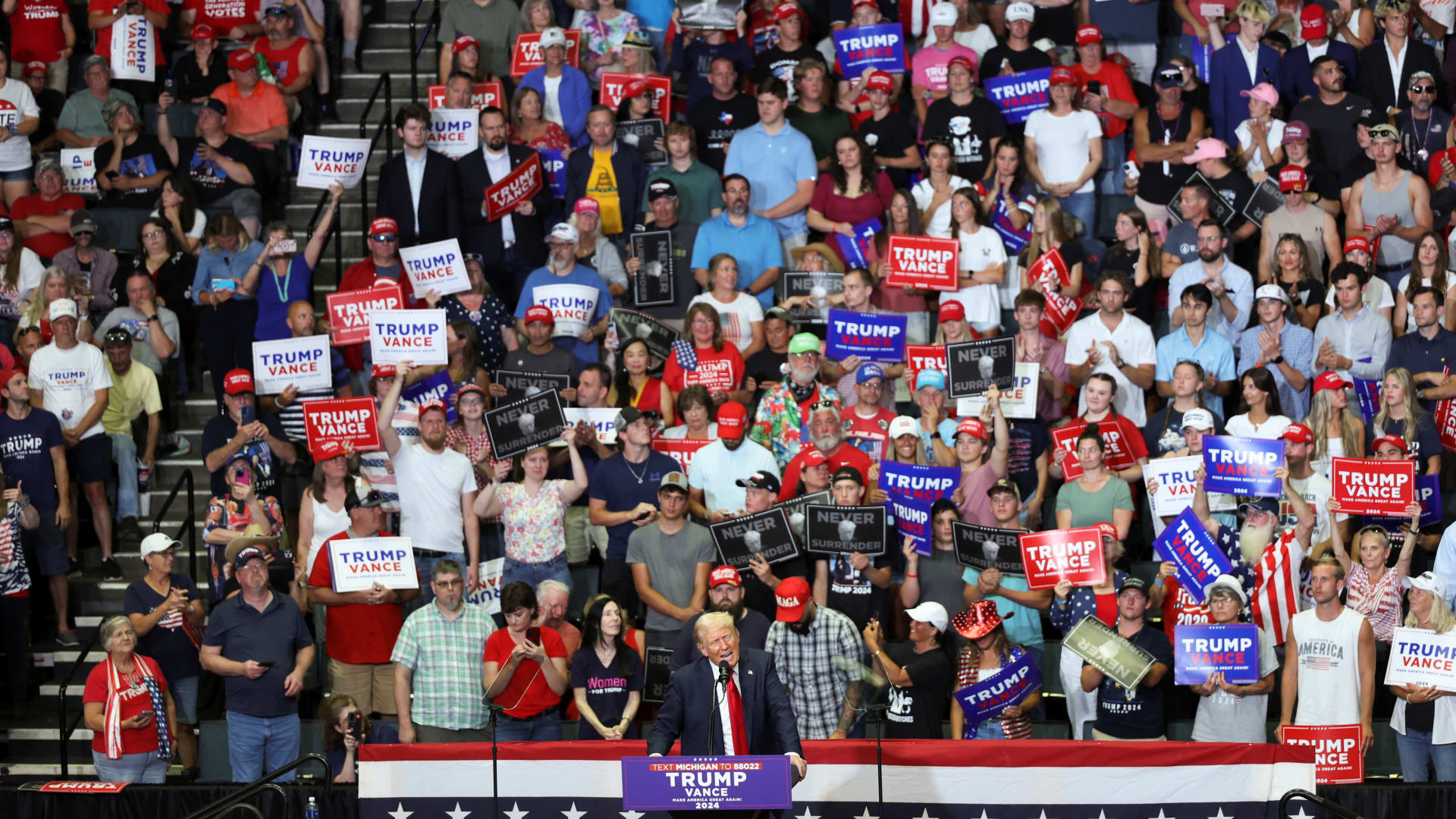

The Trump Coalition
A Council on Foreign Relations study group convened scholars and political analysts to examine the foreign policy views of several groups of 2024 Donald Trump voters: Hispanic, Black, Jewish, Muslim, evangelical, and white working-class Americans who supported Trump in that year’s election.
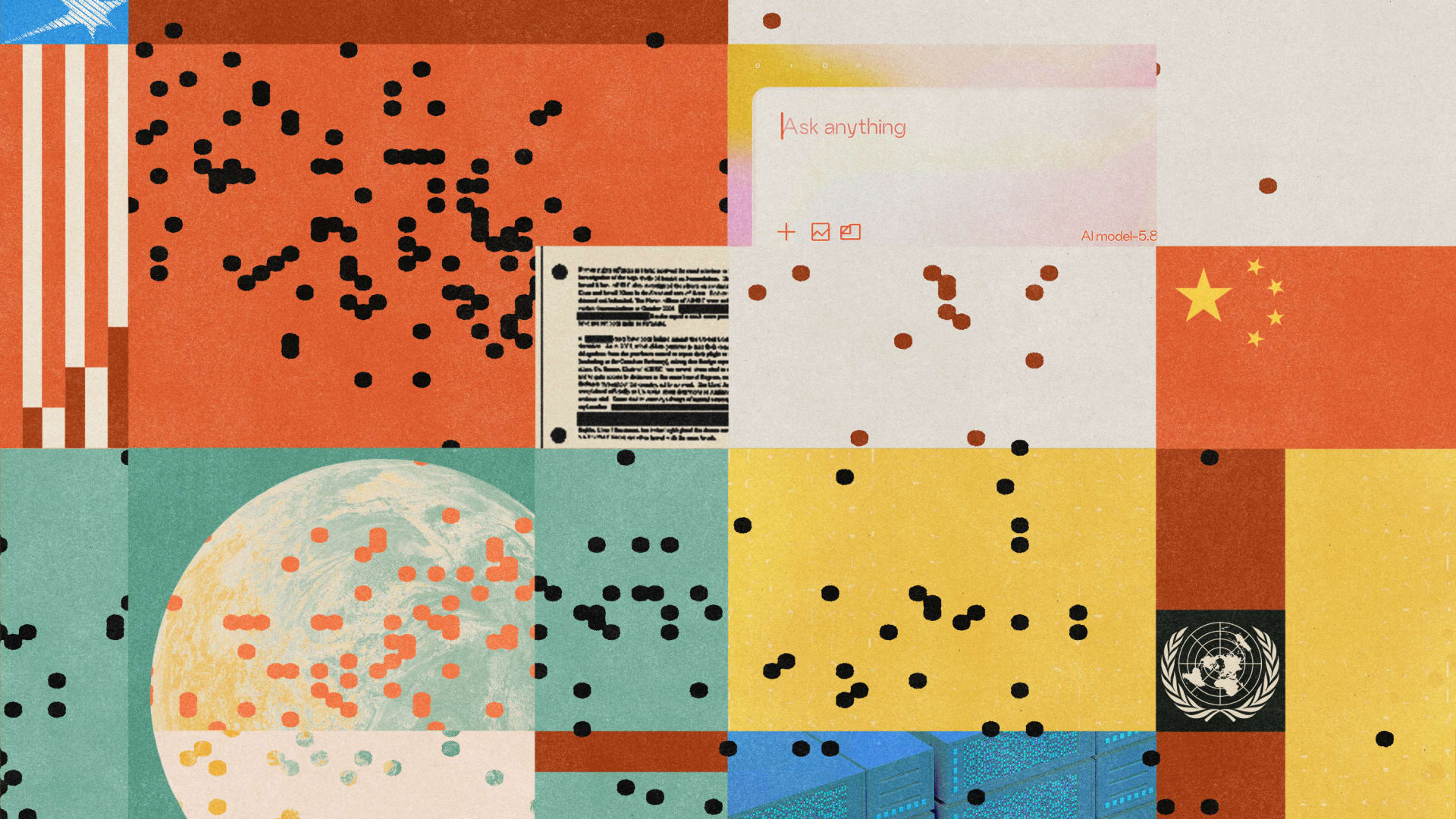
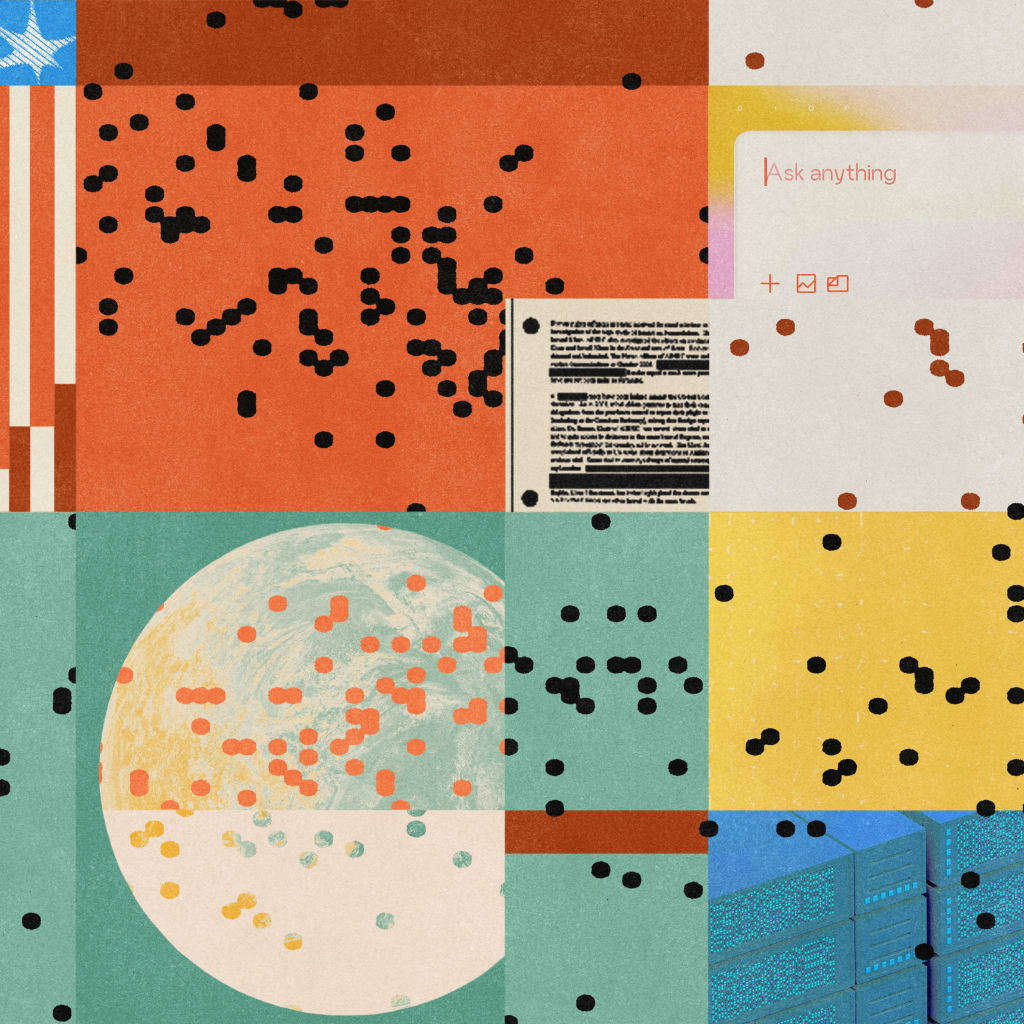
The rise of artificial intelligence (AI) means policymakers need to navigate a future defined by technological uncertainty. To help them do so, CFR asked foreign policy experts to predict how frontier AI capabilities and the governance structures that could emerge around them will affect the global order.
By Jessica Brandt, Adam Segal, Jacob Wentz and Zoë Moore
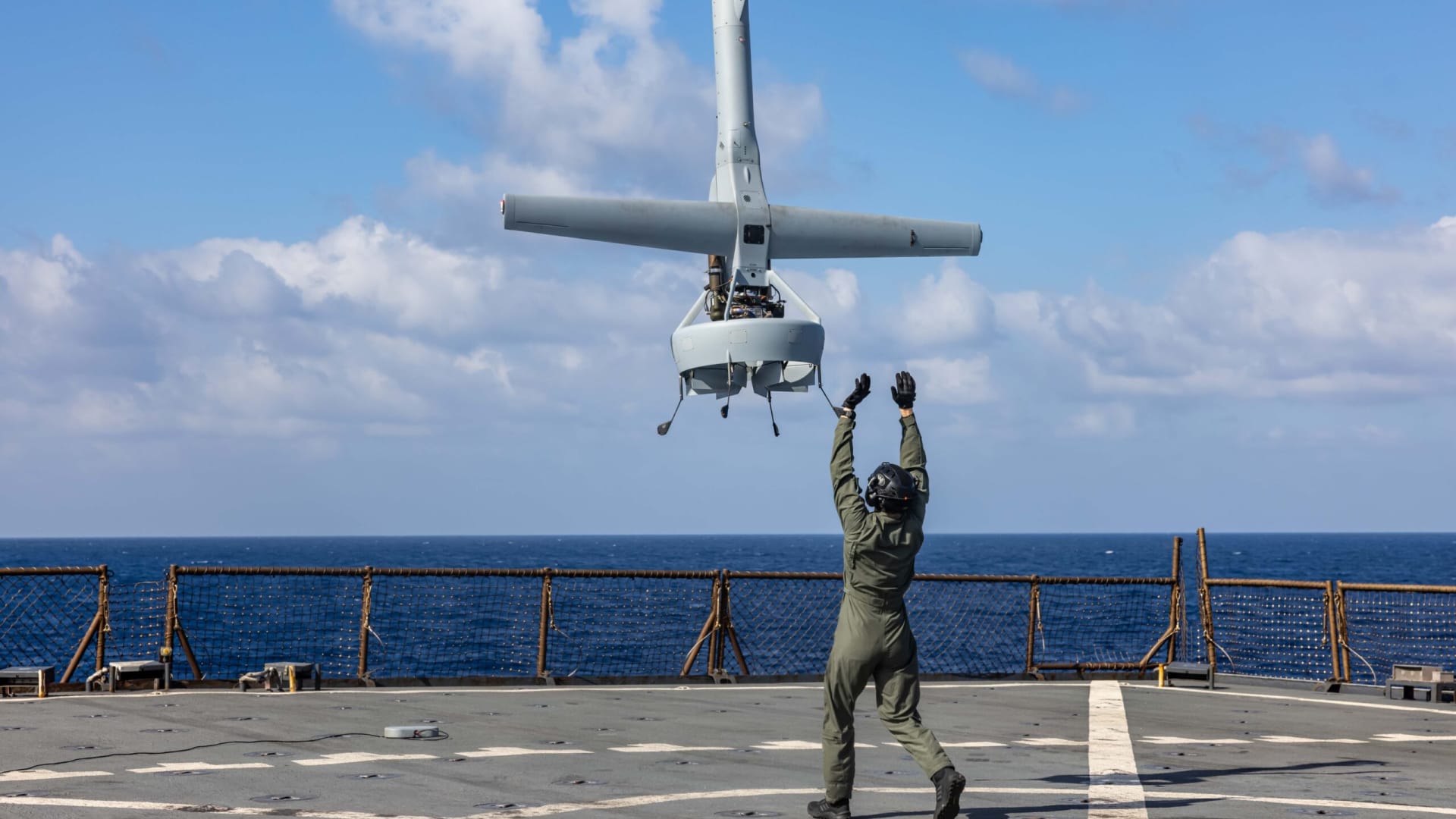
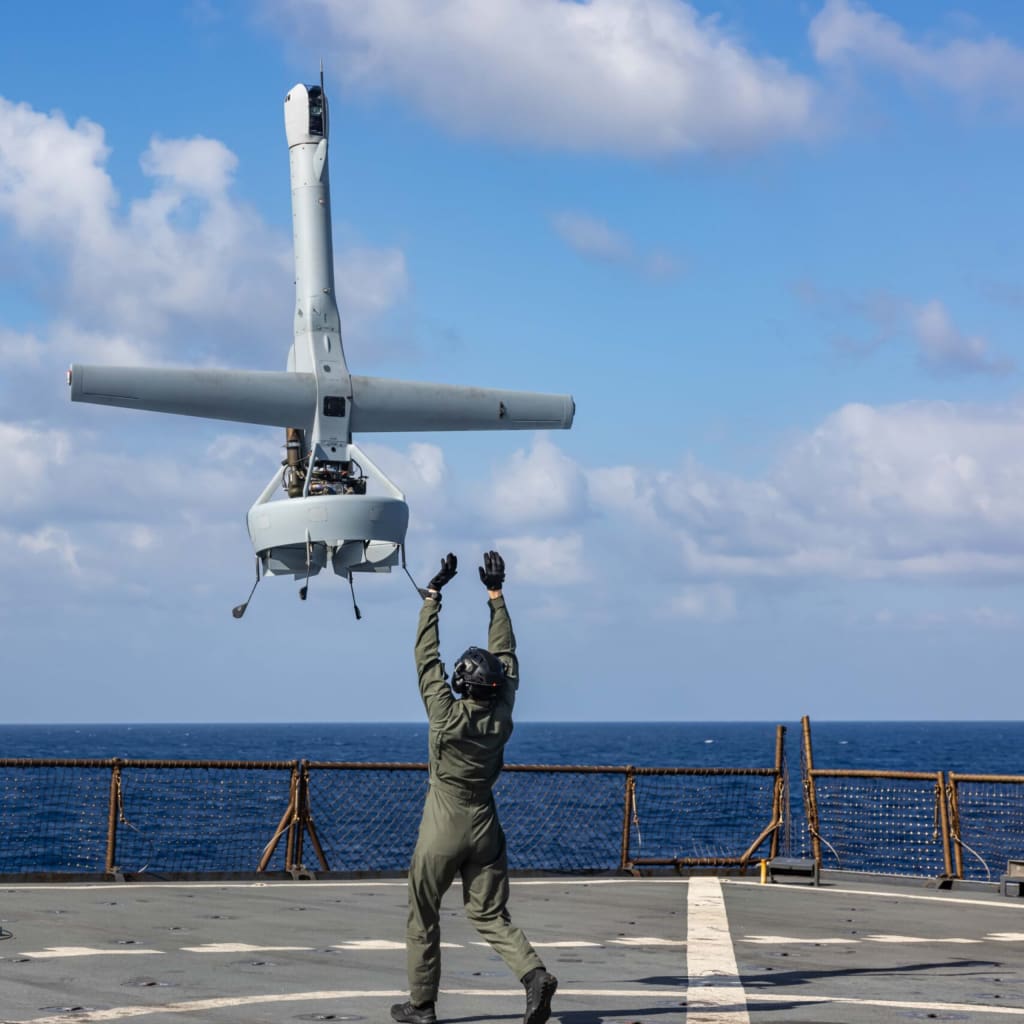
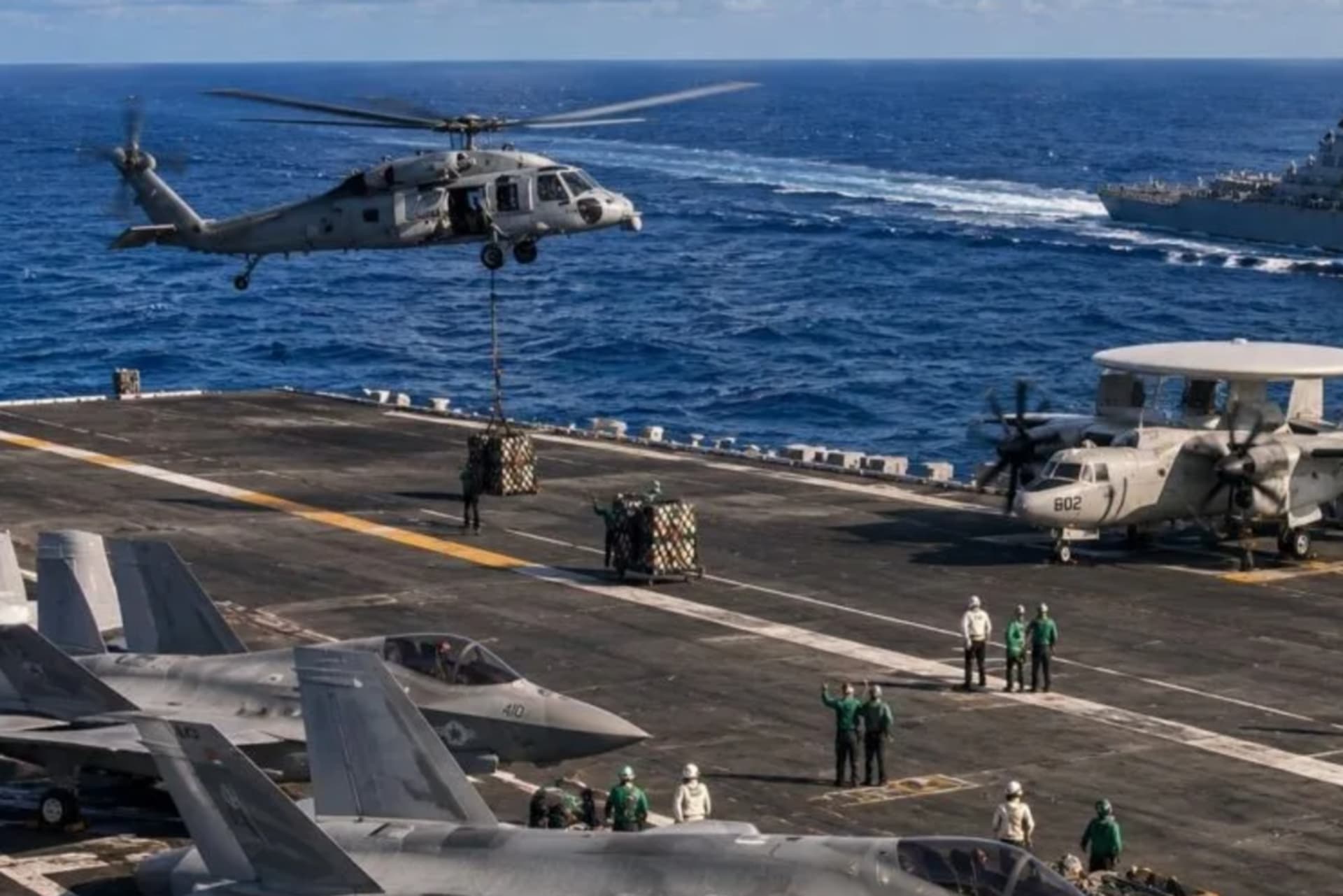
The U.S. weapons arsenal has been depleted and no longer has the capacity to deter a Chinese attack against Taiwan. In order to prepare for future conflicts in the South China Sea and elsewhere, the United States should undertake reforms of its defense industrial base to focus on the scaling of precise mass systems.


The Pharma Choke Point
The U.S. pharmaceutical supply chain faces a threat equal to the “rare earths” challenge already posed by China’s exploitation of its dominance of those critical minerals. The authors provide an archetype model that policymakers and researchers can use to anticipate and mitigate a crisis.
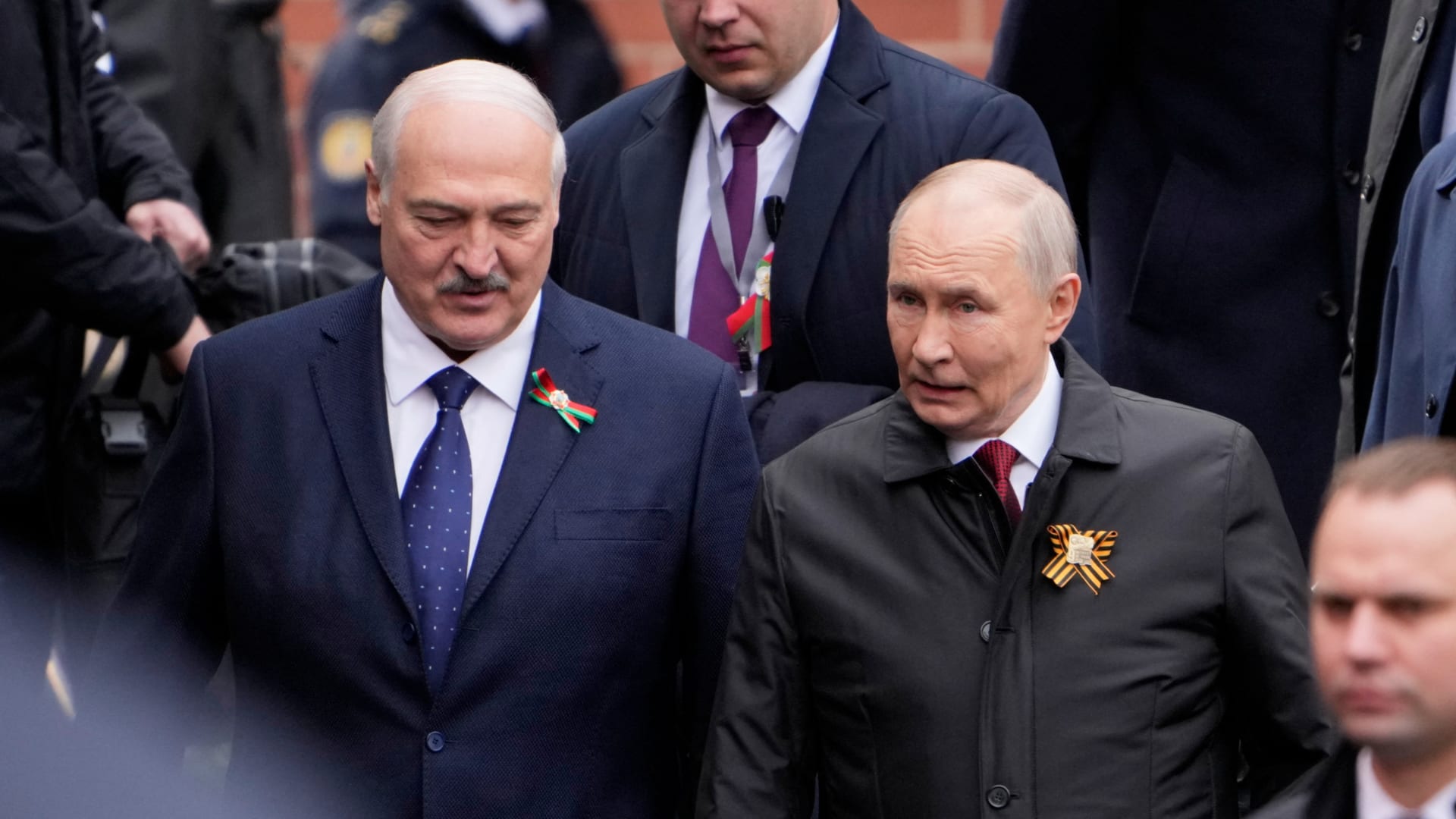
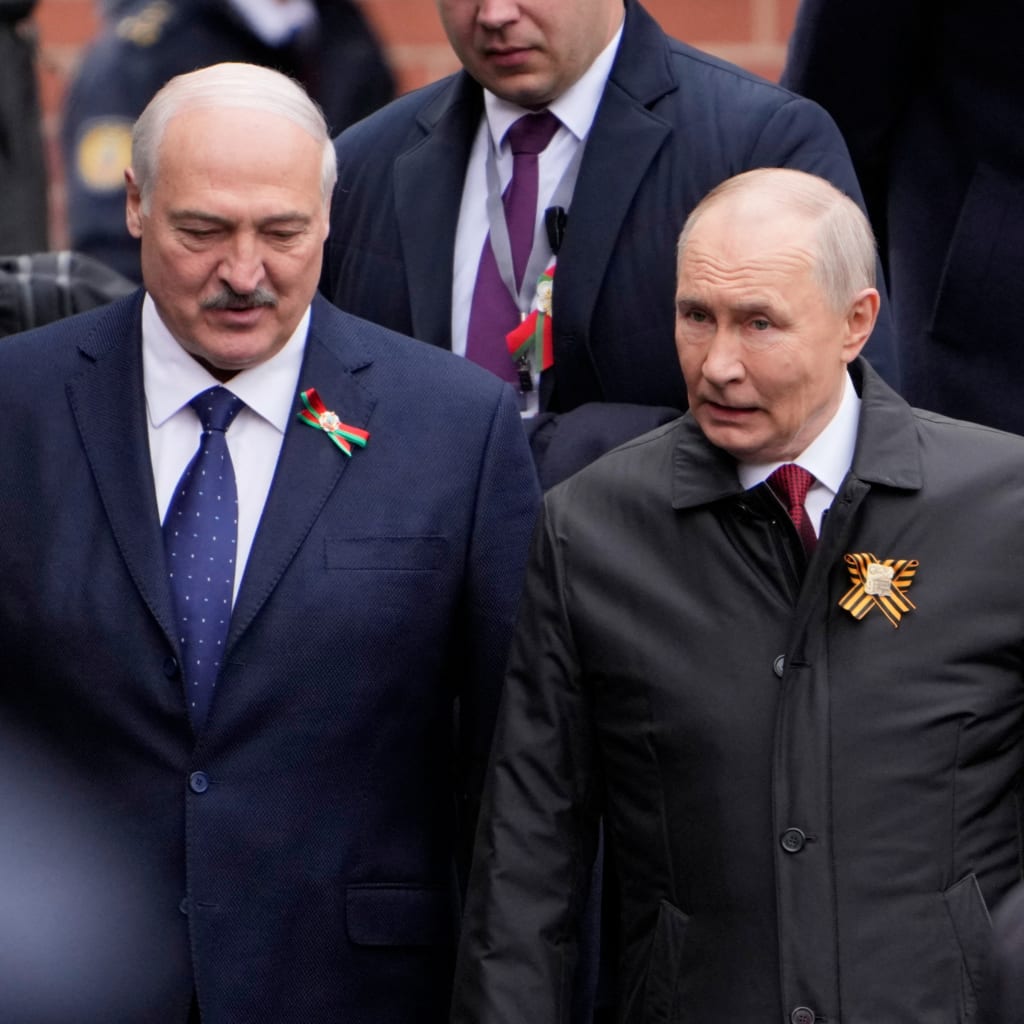
Washington needs to pursue a Belarus policy that cautiously renews relations with Minsk, engages Moscow to reduce the risk of overreaction, and prepares for annexation despite Washington’s best efforts to prevent it, argues CFR Henry A. Kissinger Distinguished Fellow Thomas Graham.


A gap in private funding for companies and projects inhibits energy innovation in the United States. This “missing middle” slows or blocks technologies that could help the energy system become more secure, affordable, reliable, and sustainable from advancing through the demonstration and scale-up stages. Recent events have made the missing middle wider.
CFR in the News
View All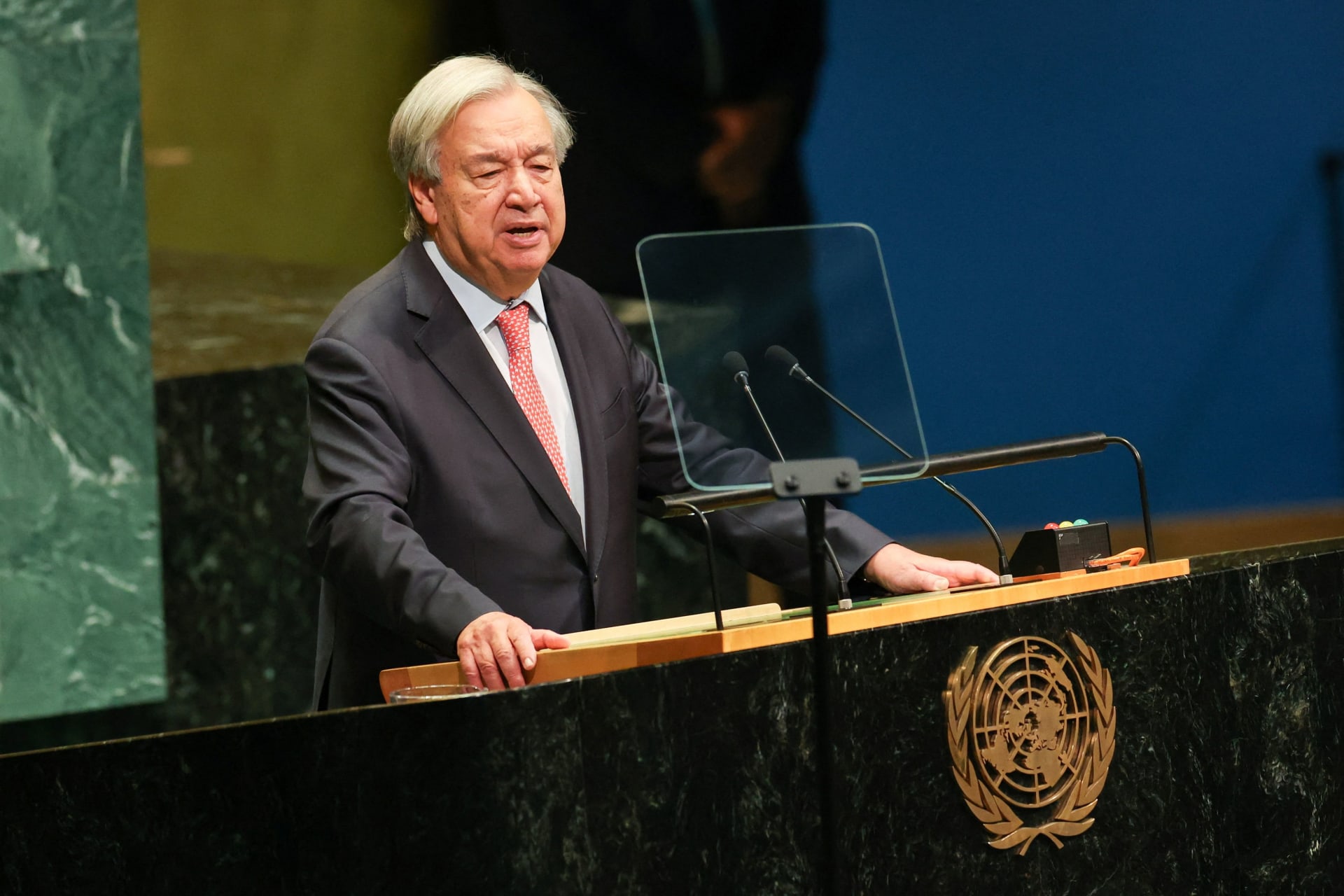

Liana Fix: Arming the German Bundeswehr for the AfD? Europe now fears this scenario (in German)
Focus+
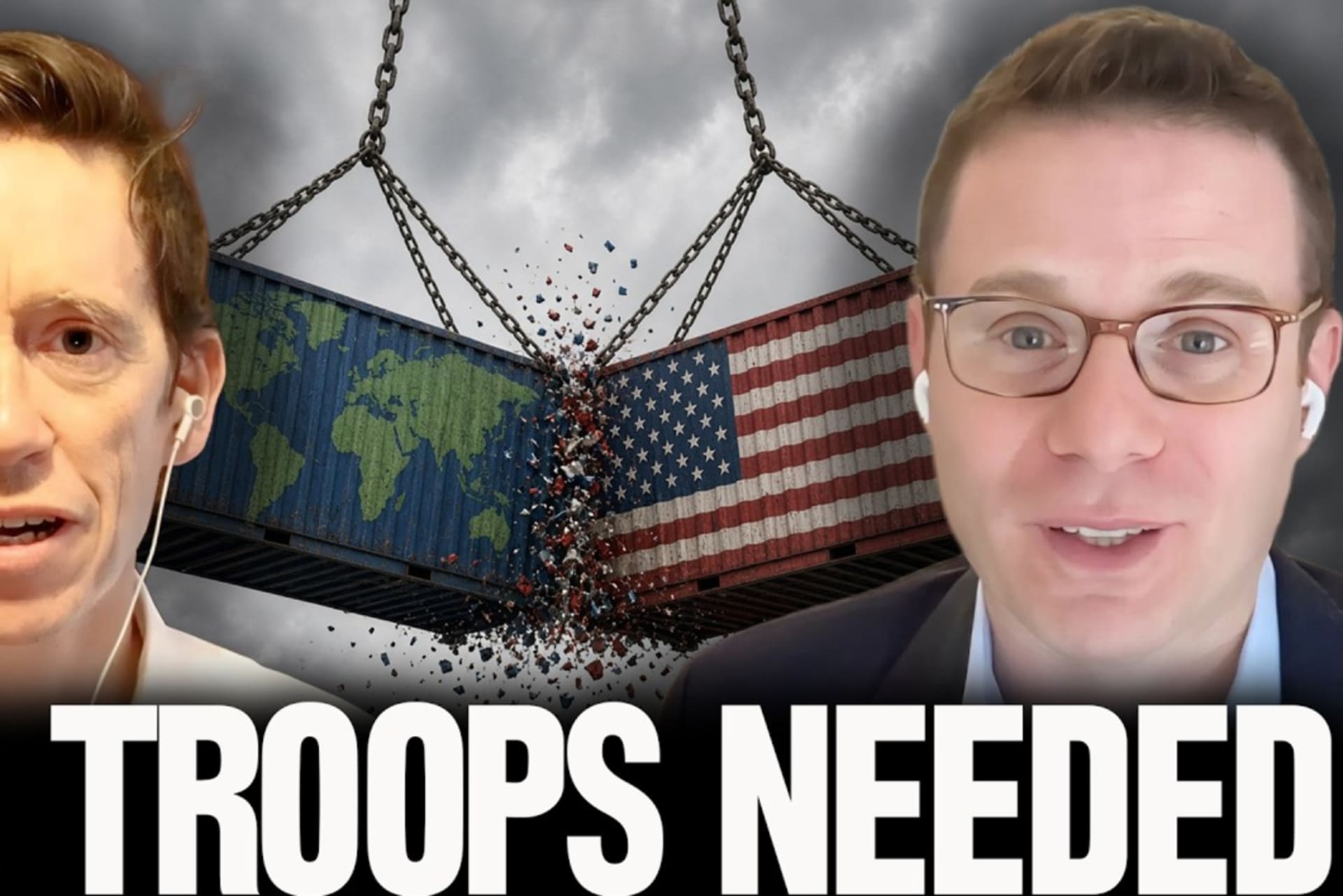
How The US Controls The World Without Firing a Shot | With Edward Fishman
The Rest Is Politics
Outpacing: A Grand Strategy for Avoiding the Carthaginian Error
Military Strategy Magazine