 Council of Councils
 Think Global Health
 Online Store
International efforts, such as the Paris Agreement, aim to reduce greenhouse gas emissions. But experts say countries aren’t doing enough to limit dangerous global warming.

About CFR
CFRMission Statement
Our Leadership

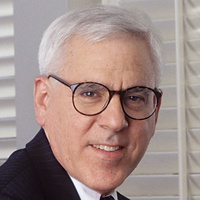
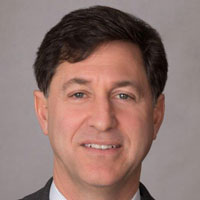
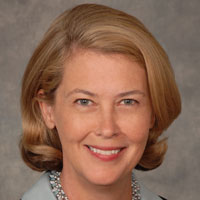
Our History
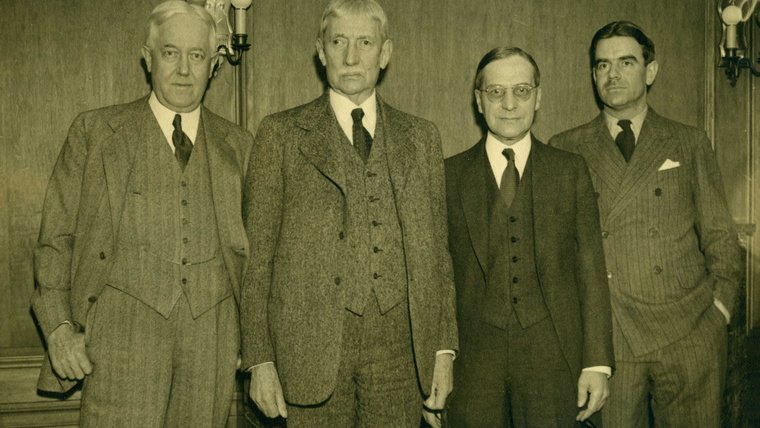
Since the establishment of the Council on Foreign Relations in 1921, the organization remains true to its founding principles to “afford a continuous conference on international questions affecting the United States, by bringing together experts on statecraft, finance, industry, education, and science.” Explore CFR history, growth, and impact over its first century through interactive multimedia, a short documentary, an informative book, and digital highlights from the think tank, Foreign Affairs, and other signature programs.
Membership
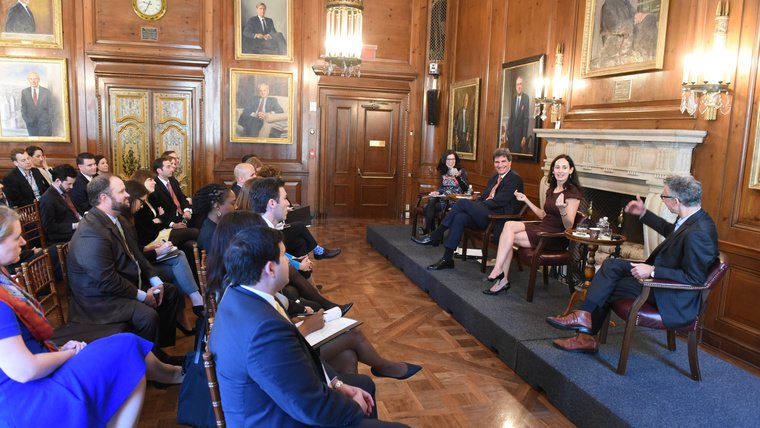
The Council on Foreign Relations is first and foremost a membership organization whose individual and corporate members represent a group unmatched in accomplishment. Based throughout the country and around the world, CFR members are exposed to top talent and expertise brought together to generate intellectual conversation regarding the most relevant topics in foreign policy and international relations.
Diversity, Equity, and Inclusion at CFR
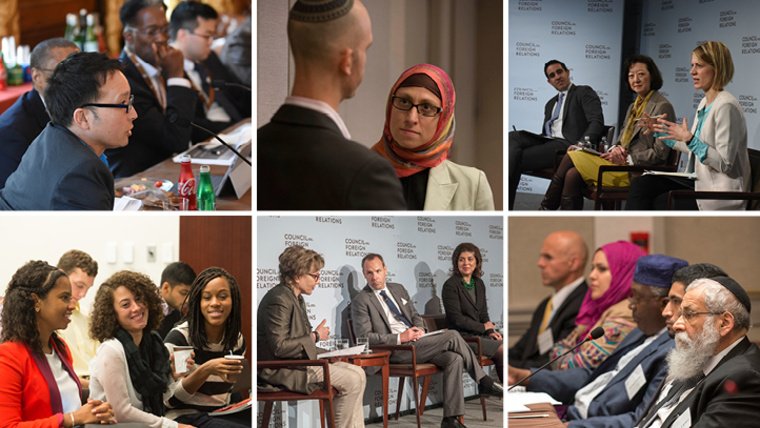
CFR is committed to fostering a foreign policy community in the United States that is more representative of American society as a whole. CFR advances this goal throughout its work and workplace by building a diverse membership and staff, as well as through outreach activities to various academic and religious institutions, hosting events on relevant topics, and collaborating with other organizations working toward the same mission.
2023 Annual Report
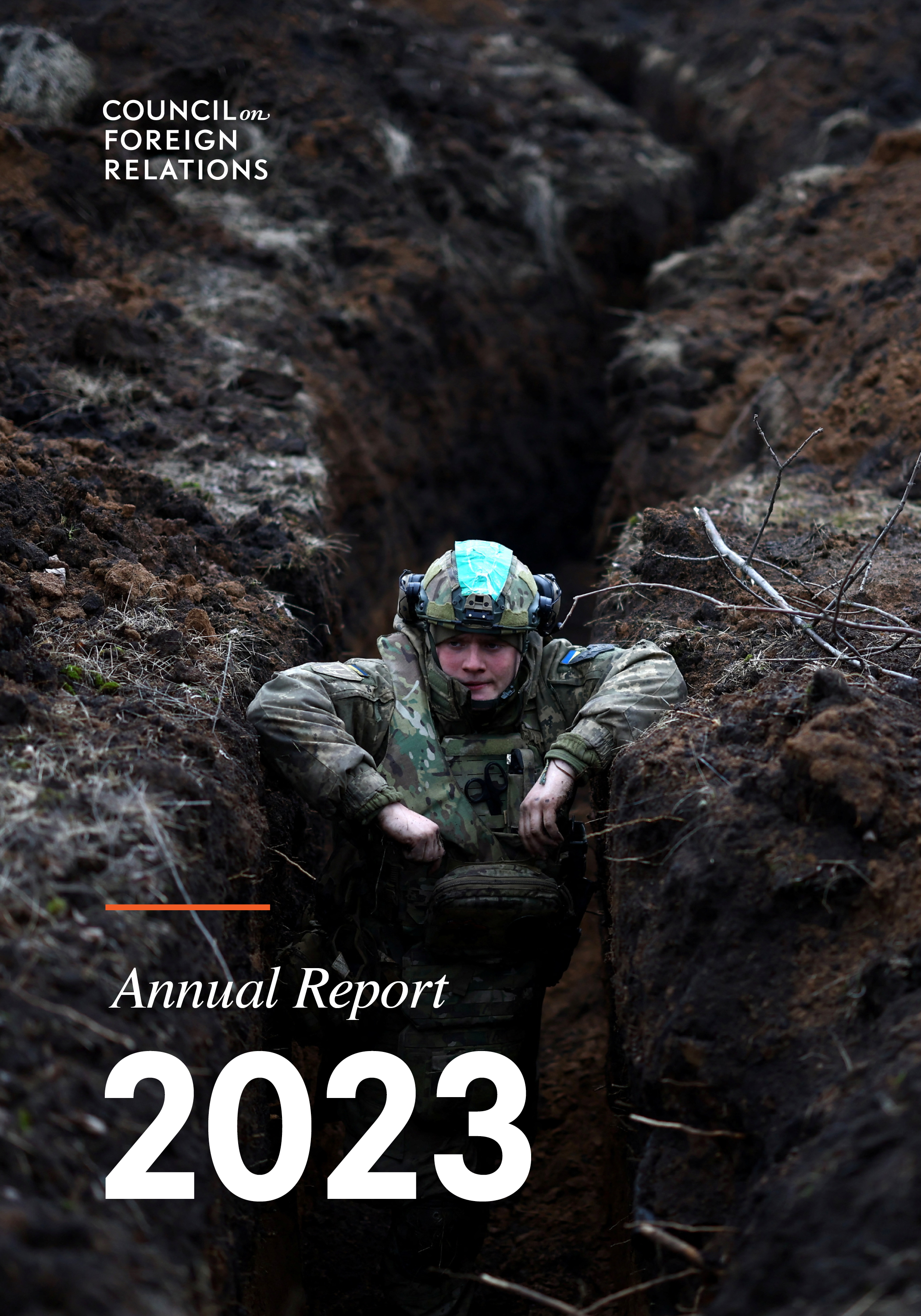
The 2023 Annual Report of the Council on Foreign Relations is available online.
Funding
The Council on Foreign Relations (CFR) is an independent, nonpartisan membership organization, think tank, and publisher dedicated to being a resource for its members, government officials, business executives, journalists, educators and students, civic and religious leaders, and other interested citizens in order to help them better understand the world and the foreign policy choices facing the United States and other countries.
Arthur Ross Book Award
The annual Arthur Ross Book Award recognizes books that make an outstanding contribution to the understanding of foreign policy or international relations. The prize, endowed by the late Arthur Ross in 2001, is for nonfiction works from the past year, in English or translation, that merit special attention for: bringing forth new information that changes the understanding of events or problems; developing analytical approaches that offer insights into critical issues; or introducing ideas that help resolve foreign policy problems.
Published by the Council on Foreign Relations since 1922, just a year after the organization’s founding, Foreign Affairs has long been America’s leading forum for serious discussion of foreign policy and international affairs.

