A Flurry of Tariff Announcements
By experts and staff
- Published
- CFR Editors
Welcome to the Daily News Brief, CFR’s flagship morning newsletter summarizing the top global news and analysis of the day.
Subscribe to the Daily News Brief to receive it every weekday morning.
Top of the Agenda
The White House yesterday announced a preliminary economic deal with South Korea as well as new tariff rates on copper products and Brazilian goods. With one day left before Trump’s August 1 deadline to raise tariffs, envoys from several nations—including major U.S. trade partners Canada, India, and Mexico—are still scrambling to negotiate agreements.
A federal appeals court in Washington is preparing to hear a challenge to Trump’s tariffs this morning. Meanwhile, in the past day:
Certain copper products including pipes, sheets, and tubes will face a 50 percent tariff, Trump ordered. He stopped short of a threatened tariff on all copper products. A recent U.S. probe concluded that copper is essential to national security.
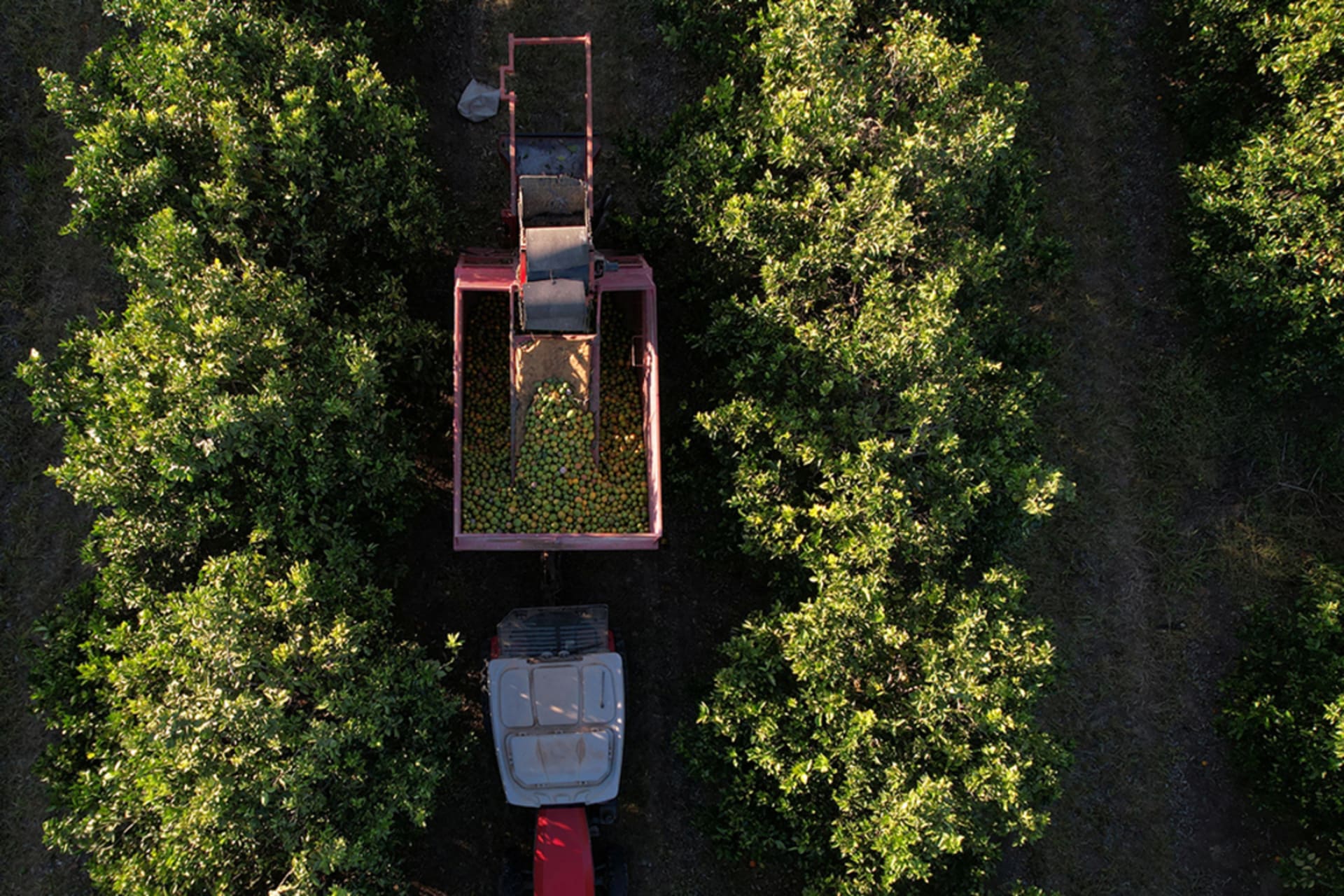
For Brazil, Trump decreed a baseline tariff of 50 percent, with exemptions for products including orange juice, energy, and airplanes. In addition to trade grievances, Trump mentioned Brazil’s trial of its former president Jair Bolsonaro in his tariff order. Bolsonaro is accused of attempting a coup; Washington announced financial sanctions on the judge overseeing the trial yesterday.
India’s goods will face 25 percent tariffs, Trump posted, but later said the decision might not be final. Trump cited India’s imports of Russian oil as justification, appearing to make good on a threat to wield secondary sanctions against Russia’s trade partners over the war in Ukraine.
Trump also said that he reached a deal with Pakistan, without revealing a tariff rate. He said the two countries would work together to develop Pakistan’s oil reserves.
Finally, Trump ended an import tax exemption for low-value packages shipped from around the world. He had already scrapped the exemption in May for packages from China and Hong Kong.
“Trade negotiations are not rapid-fire business deals. They involve serious and complex diplomacy that engages a broad range of stakeholders, government agencies, and lawmakers. Typically, trade negotiations take an average of 917 days to conclude—roughly 2.5 years. The Trump deals are taking a different path, as they are anything but typical.”
—CFR expert Inu Manak, RealEcon
Across the Globe
Canada’s Palestinian state stance. Canada will recognize a Palestinian state at September’s UN General Assembly if the Palestinian Authority holds an election this year and commits to reforms, Prime Minister Mark Carney said yesterday. His announcement echoes recent statements from France and the United Kingdom and came after a call with Palestinian Authority President Mahmoud Abbas. Trump posted on social media afterward that the move “will make it very hard” to reach a Canada-U.S. trade deal.
Lagging plans for renewables. The world is only on track to reach 7.4 terawatts of renewable energy capacity by 2030, far below a target of 11 terawatts set at the COP28 UN climate conference. Since the conference, only twenty-two countries have officially updated their national renewable energy goals, a new report by research group Ember found.
The Fed’s hold. The U.S. Federal Reserve maintained interest rates between 4.25 and 4.5 percent at a meeting yesterday, resisting strong pressure from Trump to reduce them. Two governors dissented, the first such split in more than thirty years. The decision came the same day as data that showed the U.S. economy grew at an annualized 3 percent pace in the second quarter, up from an 0.5 percent contraction in the first quarter.
China’s scrutiny of Nvidia. Chinese cyber authorities said they summoned representatives of U.S. tech firm Nvidia to discuss alleged security vulnerabilities with its chips. U.S. lawmakers have recently called for advanced chips being sold abroad to contain tracking capabilities, though Nvidia’s director has denied such backdoors exist.
Russia-U.S. space talks. The head of Russia’s space agency is meeting in person with the interim head of NASA today for the first time since 2018. He is in the United States ahead of today’s launch of a mission to the International Space Station carrying a crew from Japan, Russia, and the United States.
Iranian oil targeted. Washington announced sanctions on 115 people, ships, and entities it said were responsible for helping Iran evade Western oil sanctions. The penalties hit a network controlled by the son of an advisor to Iran’s top leader. Iran’s foreign ministry called the sanctions “a clear example of America’s hostility” and said they aimed to hurt economic development.
Cambodian-Thai truce. Cambodia has accused Thailand of detaining twenty of its military personnel, while Thailand accused Cambodia of repeatedly violating a fragile truce that has held for three days in their border region. Even so, the countries have not returned to full-fledged hostilities. Thailand requested to move follow-up truce talks on August 4 from Phnom Penh to a neutral place such as Malaysia.
Hezbollah stance on disarmament. Top Hezbollah official Sheikh Naim Qassem rejected calls to disarm in a public statement yesterday. Washington has urged Lebanon’s government to issue a formal commitment to disarming the group, five unnamed sources told Reuters. Hezbollah has reportedly considered scaling back its arsenal, in spite of public statements that it would not do so.
What’s Next
- Today, South Korea’s Foreign Minister Cho Hyun holds talks with U.S. Secretary of State Marco Rubio in Washington, D.C.
- Today, European officials begin a security conference in Helsinki.
- Tomorrow, Panama begins its monthlong presidency of the UN Security Council.