Why does this page look this way?
It appears that you are using either an older, classic Web browser or a hand-held device that allows you to view our content but may not work with every feature of our site. If you are using an older browser, please upgrade for the best experience.
Navigation
home > by publication type > news releases > Dreier, Lantos Introduce Key Diplomatic Legislation
April 8, 2003
Council on Foreign Relations
WASHINGTON, DC - Aiming to strengthen the hand of our diplomats working at the United Nations (U.N.) and other international organizations, Congressman David Dreier (R-CA), Chairman of the House Rules Committee, recently joined Congressman Tom Lantos (D-CA), ranking member of the House International Relations Committee, in introducing H.R. 1590, the United States International Leadership Act of 2003.
"International organizations are clearly playing an increasingly prevalent role in global diplomacy," Dreier said. "This legislation will provide the State Department with the tools it needs to aggressively pursue American interests and security at these multilateral institutions."
"For too long, the world's worst human rights abusers have manipulated the United Nations system to legitimize their repressive rule and undermine the cause of democracy," Lantos said. "The United States International Leadership Act, which Congressman Dreier and I have introduced, addresses this vulnerability and strengthens the U.N. by launching a Democracy Caucus and developing U.S. Government expertise in multilateral diplomacy. Now is the time for the United States to rally the forces of democracy at the U.N. - before the forces of tyranny and repression destroy its credibility."
The U.S. International Leadership Act requires the State Department to seek the creation of a "democracy caucus" at the United Nations and other key international organizations. It also requires the State Department to seek reform of the leadership criteria at all U.N. bodies to prevent countries who are subject to U.N. sanctions or are listed as state-sponsors of terrorism from heading U.N. commissions. Dreier pointed to Libya's chairmanship of the U.N. Commission on Human Rights as a prime example. "The selection of Libya, a consistent violator of human rights, to head this important commission is an embarrassment to the global community and it shouldn't happen again," he said. H.R. 1590 also increases training in multilateral diplomacy for Foreign Service Officers, and creates the Office on Multilateral Negotiations within the State Department to improve coordination of America's diplomatic efforts at international organizations.
The bill incorporates a many proposals made in a 2002 joint Council on Foreign Relations and Freedom House Task Force on Enhancing the Role of the United States at the UN, which was co-chaired by Dreier and former Congressman Lee Hamilton (D-IN). "I am pleased to bring some of the outstanding ideas of our task force to the House for consideration. I look forward to working with Congressman Lantos and Chairman Hyde to enact this important legislation," said Dreier.
To order Task Force reports, Council Special Reports, and Critical Policy Choices, please call, fax, or order online from our distributor, the Brookings Institution Press: phone +1.800.537.5487, fax +1.410.516.6998.
For information on other reports that are not for sale, or for general publications information, please call +1.212.434.9516 or email publications@cfr.org.
Start-Up Nation addresses the trillion-dollar question: How is it that Israel—a country of 7.1 million, only sixty years old, surrounded by enemies— produces more start-up companies than large, peaceful, and stable nations like Japan, China, India, Korea, Canada, and the UK? With the insights of geopolitical experts and investors, the authors examine this nation’s adversity-driven culture to answer this question and offer prescriptions for a global economy on the rebound.
In Forces of Fortune, Vali Nasr presents a paradigm-changing revelation that will transform the understanding of the Muslim world at large. He reveals that there is a vital but unseen rising force in the Islamic world—a new business-minded middle class—that is building a vibrant new Muslim world economy and that holds the key to winning the cold war against Iran and extremists.
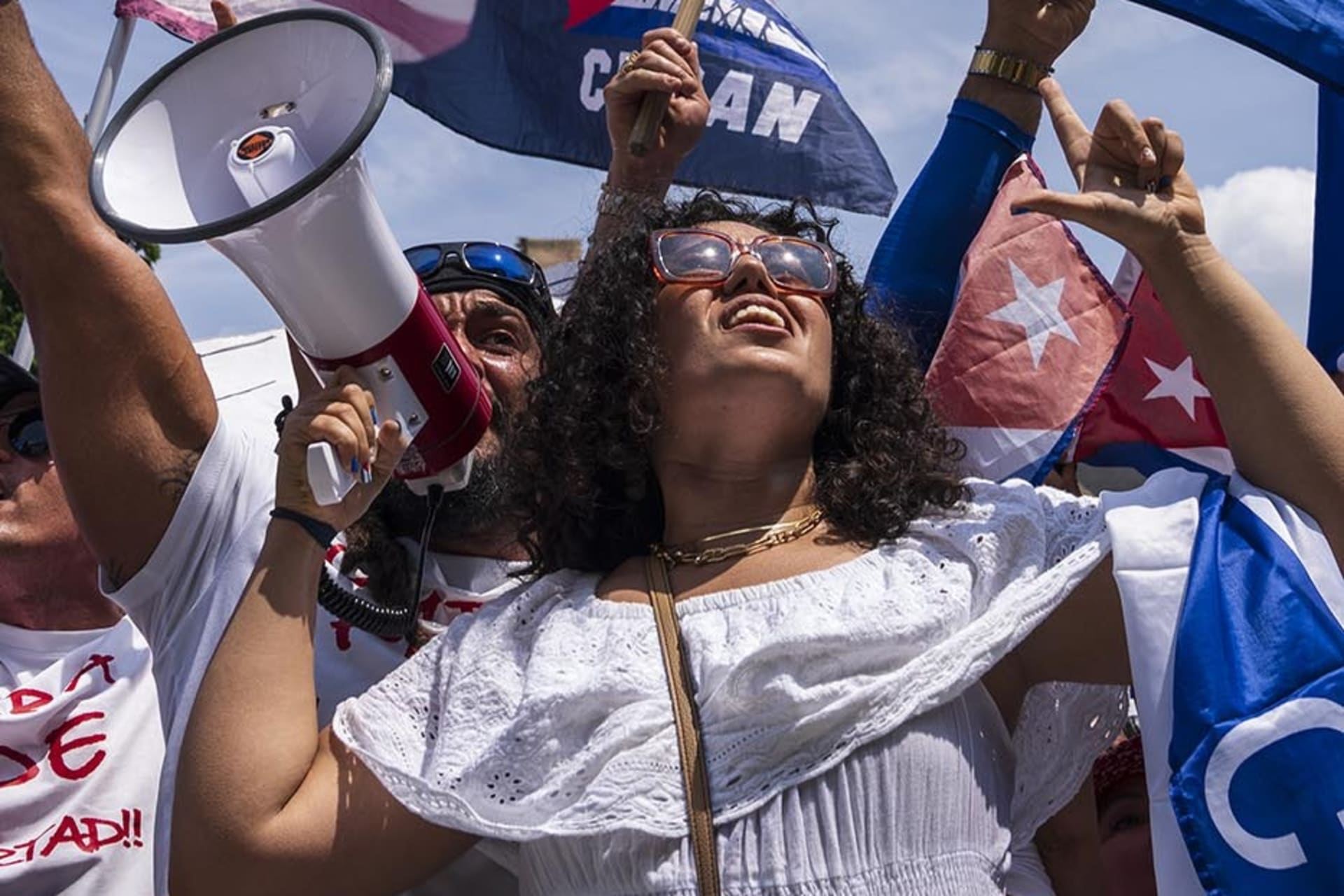
In Cuba: What Everyone Needs to Know, Julia E. Sweig presents a remarkably accessible portrait of Cuba's unique place on the world stage over the past fifty years, including its internal politics, its often fraught relationship with the United States, and its shifting relationship with the global community.
Complete list of CFR Books
Browse Content By Region IssuePublication TypeThe Think TankFor The MediaFor Educators About CFR
Copyright 2009 by the Council on Foreign Relations. All Rights Reserved.