Why does this page look this way?
It appears that you are using either an older, classic Web browser or a hand-held device that allows you to view our content but may not work with every feature of our site. If you are using an older browser, please upgrade for the best experience.
Navigation
home > by publication type > articles > Avoiding the mistakes of disasters past
| Author: | Laurie A. Garrett, Senior Fellow for Global Health |
|---|
January 14, 2005
International Herald Tribune
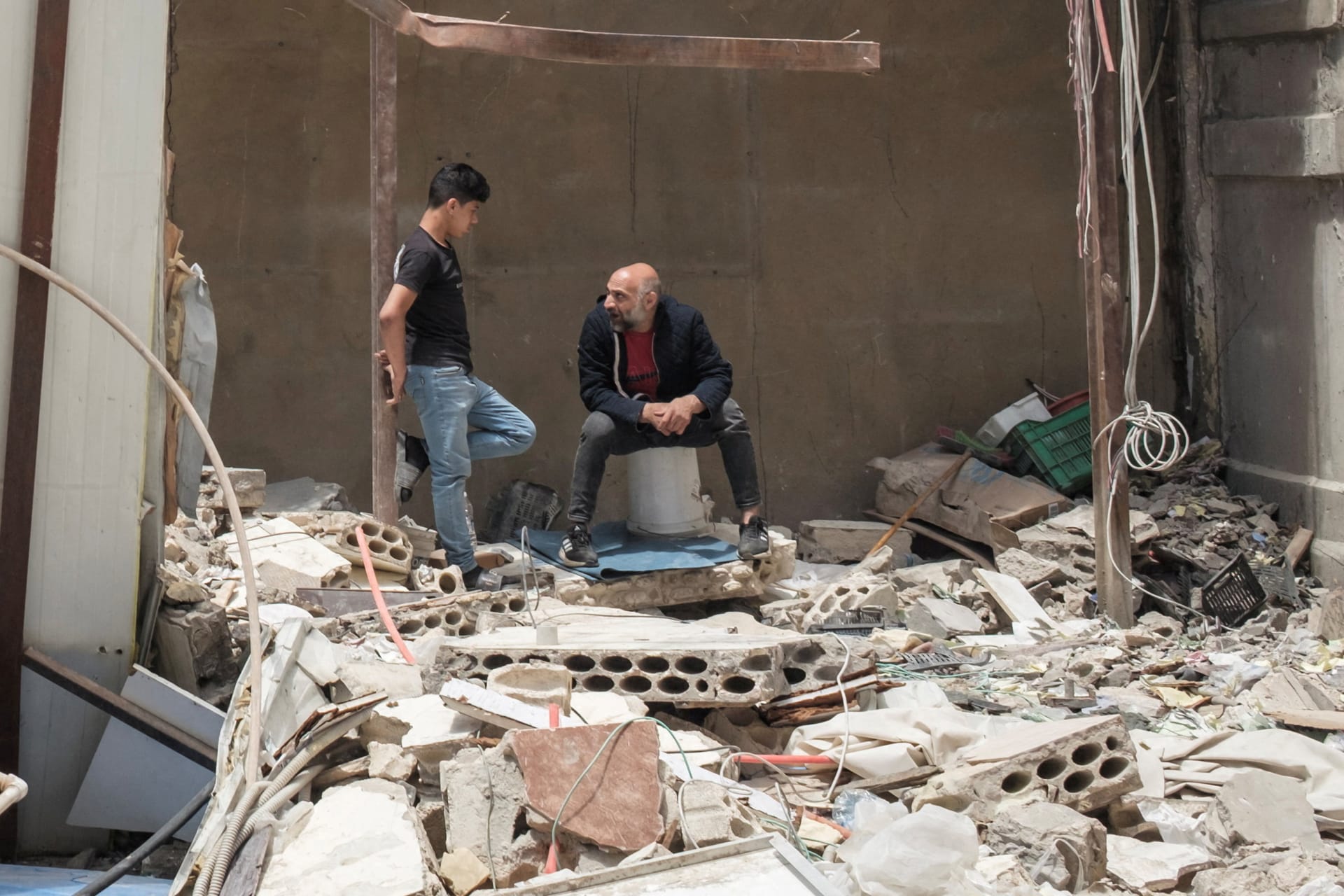
In the rush to do something in the Indian Ocean region, hundreds of relief groups, militaries and government agencies are now struggling against monumental logistical nightmares to get personnel and supplies where they are needed. The devastation is so great, the agonizing death toll so overwhelming, that the world is understandably anxious to simply do something. But we must be level-headed, and take great care not to repeat past humanitarian relief errors, potentially exacerbating the crisis.
Rather than detailing the regrettable mistakes of past, here are some provisions deriving from them that all parties - from the mighty U.S. military to the tiniest charity organization - need to build into their current relief efforts:
Doctors, do no harm: The tsunamis struck a region in which the most basic practices of infection control are ignored even in normal times; 75 percent of all medical injections are delivered using recycled, nonsterile syringes and needles. If medical relief operations do not take this into consideration, instituting strict infection control practices and using autodestruct, nonrecyclable syringes for all injections, the legacy of relief operations could be widespread hepatitis B and C, HIV and other blood-borne diseases.
Also, in past crises, widespread theft and misuse of antibiotics has bred highly drug-resistant forms of bacteria, like the killer dysentery agents, shigella and cholera. Relief workers must guard their supplies of these drugs zealously, and use them prudently.
Track algal blooms now: The Indian Ocean is filled with the unfiltered waste of two billion people. Thanks to the tsunami, this waste has been dredged up, mixed and expanded. Upon it feed algae that flow on the ocean surface in massive, satellite-detectable, blooms filled with cholera vibrio. Space agencies ought to be tracking algal blooms now, offering early warnings to relief workers and health ministries.
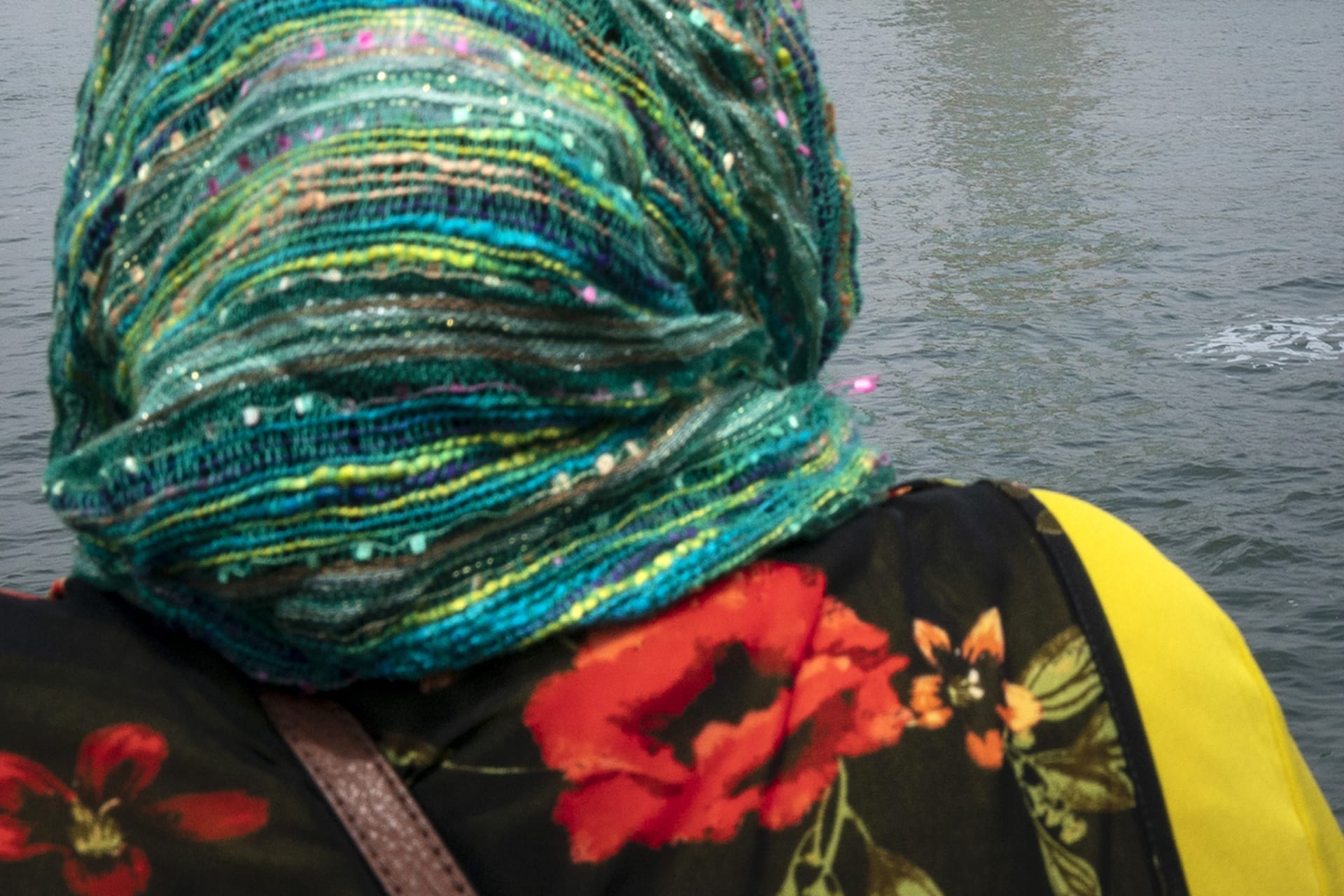
Get out the message: Individuals desperately need information to improve their chances of survival. Regional media - especially radio - can save lives by telling people how to make simple rainwater catchments, how to filter out cholera vibrio using sari cloth, where to get emergency services and with other simple, yet vital messages. Relief workers should take time to help local media get it right.
Focus on women and children: In every disaster, able-bodied men have distinct advantages in surviving catastrophe and benefiting from aid programs. Women and children are far less likely to gain employment during relief efforts. If responders do not craft efforts that quickly bring shelter and funds to widows and orphans, these victims will be forced into prostitution, domestic servitude and slave labor. Some of the tsunami-afflicted areas are notorious for criminal networks that traffic in sex slaves and child slave laborers.
Don't build crowds: As soon as possible, get victims out of crowded emergency housing, like schools, churches and town halls. These settings are recipes for epidemic spread, and create settings that prolong psychological trauma.
Build it to last: The familiar tent cities and field hospitals disappear over time. With billions of dollars now pouring into the regional effort, there is a desperate need to consider how vital institutions can be erected in permanent form, like modern hospitals, school rooms, housing for widows and orphans, water and sewage treatment facilities and drainage systems.
Watch whom you promote: All too often relief workers find themselves operating in extremely dicey political or criminal environs, forced to work with warlords, capos and ruthless dictators in order to get short-term aid to the poor. This catastrophe could reshape regional politics in good - or very bad - ways. Relief workers should be careful of where they tread.
Don't fight, unite: There are hundreds of relief agencies, journalists, military forces and government services, each carrying not only aid, but institutional agendas. The agencies and their workers are capable of horrible clashes. Yes, interpreters, gasoline, helicopters, cargo ships, large trucks, warehouse space, skilled doctors and nurses are all in short supply. But groups ought not respond to this by poaching personnel from one another, bidding up the price of gas, tarring rival groups in the news media, or in any way tring to sabotage another aid group's activities.
If the diverse groups trying to bring relief to this desperate region can get this operation right, it may well usher in a new climate of global cooperation and humanity. If we get it wrong, cynicism will reign.
To order Task Force reports, Council Special Reports, and Critical Policy Choices, please call, fax, or order online from our distributor, the Brookings Institution Press: phone +1.800.537.5487, fax +1.410.516.6998.
For information on other reports that are not for sale, or for general publications information, please call +1.212.434.9516 or email publications@cfr.org.
Start-Up Nation addresses the trillion-dollar question: How is it that Israel—a country of 7.1 million, only sixty years old, surrounded by enemies— produces more start-up companies than large, peaceful, and stable nations like Japan, China, India, Korea, Canada, and the UK? With the insights of geopolitical experts and investors, the authors examine this nation’s adversity-driven culture to answer this question and offer prescriptions for a global economy on the rebound.
In Forces of Fortune, Vali Nasr presents a paradigm-changing revelation that will transform the understanding of the Muslim world at large. He reveals that there is a vital but unseen rising force in the Islamic world—a new business-minded middle class—that is building a vibrant new Muslim world economy and that holds the key to winning the cold war against Iran and extremists.
In Cuba: What Everyone Needs to Know, Julia E. Sweig presents a remarkably accessible portrait of Cuba's unique place on the world stage over the past fifty years, including its internal politics, its often fraught relationship with the United States, and its shifting relationship with the global community.
Complete list of CFR Books
Browse Content By Region IssuePublication TypeThe Think TankFor The MediaFor Educators About CFR
Copyright 2009 by the Council on Foreign Relations. All Rights Reserved.