Why does this page look this way?
It appears that you are using either an older, classic Web browser or a hand-held device that allows you to view our content but may not work with every feature of our site. If you are using an older browser, please upgrade for the best experience.
Navigation
home > by publication type > backgrounders > The G-8 Summit
| Author: | Esther Pan |
|---|
June 30, 2005
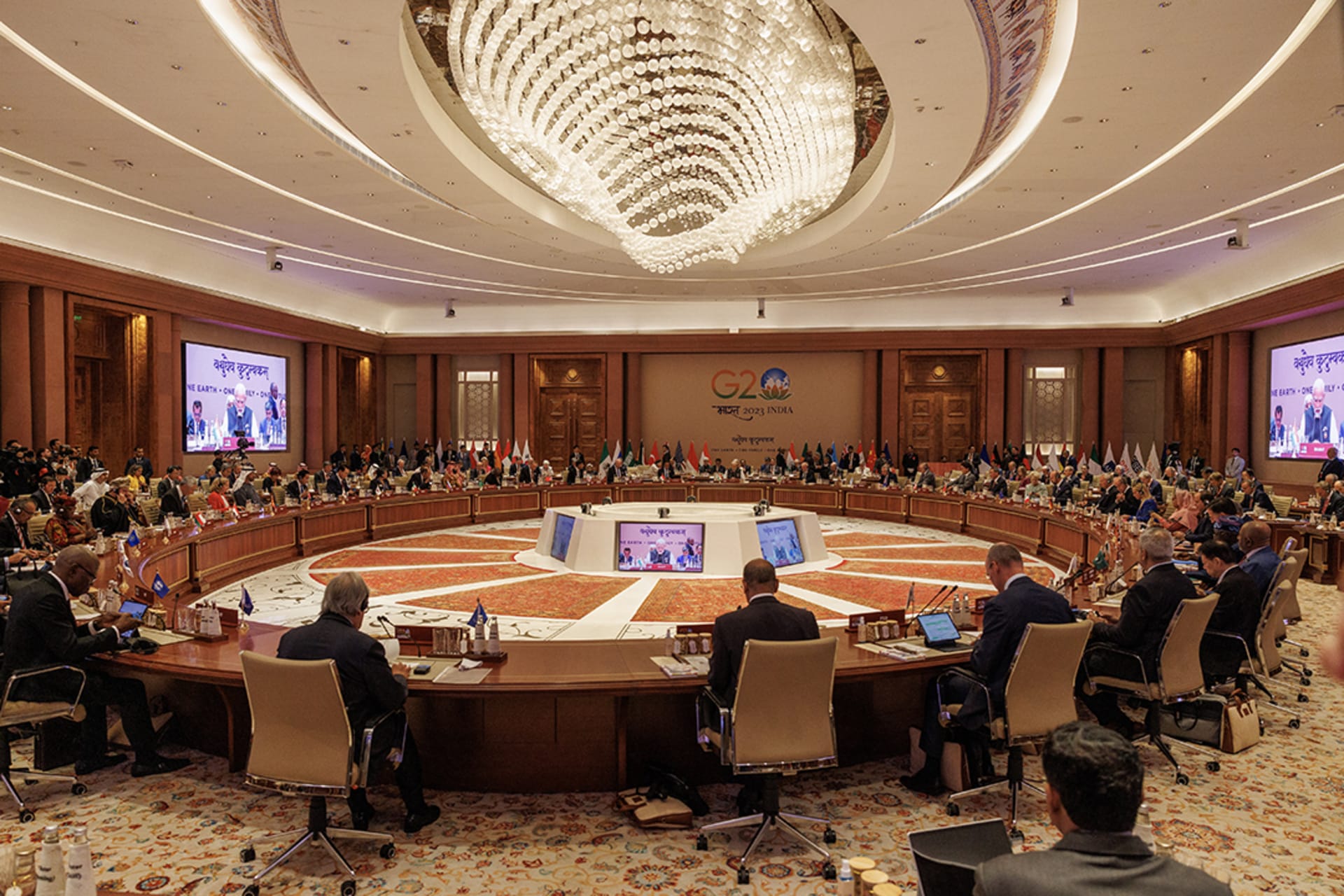
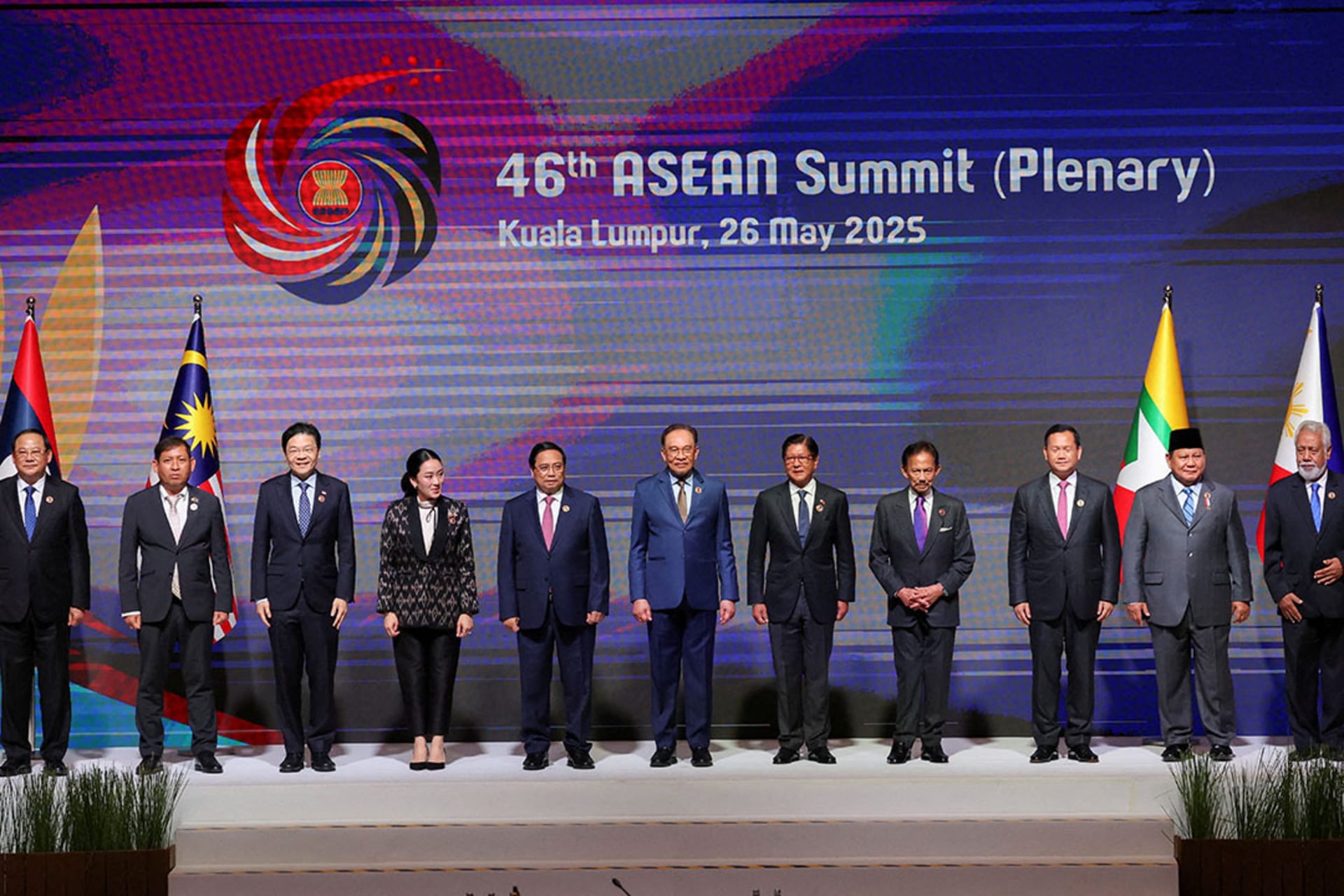
Climate change and aid to Africa will be the top priorities at this year's Group of Eight (G-8) Summit in Gleneagles, Scotland, which will take place from July 6-8. These issues were selected by British Prime Minister Tony Blair, whose country holds the G-8 presidency this year. The G-8 consists of the world's wealthiest industrialized countries--France, Germany, Italy, Japan, Great Britain, Canada, and the United States--plus Russia. Representatives from the European Union, as well as finance ministers from South Africa, India, China, and Brazil, will also attend the meeting.
Scientists around the world have been raising alarms for years about incremental increases in the earth's temperature, which they attribute to human activity. Emissions of so-called greenhouse gases, particularly carbon dioxide, rise into the earth's atmosphere and reflect the sun's heat back onto the planet, causing average global temperatures and sea levels to rise. Blair--whose government's chief scientist called climate change a more pressing threat than international terrorism--wants G-8 countries to take the lead on reducing carbon dioxide emissions.
That the phenomenon of the earth's warming is not scientifically traceable to human activity, that future variations in climate are notoriously unpredictable, and that the economic pain that would be caused by strict limits on emissions is not justified. The U.S. government wants to focus on technological innovation to reduce its dependence on fossil fuels, which produce carbon dioxide when burned. G-8 countries account for some 47 percent of the world's carbon dioxide emissions; the United States, with 5 percent of the world's population, contributes about 25 percent of the world's total emissions. The G-8 Summit will also address the issue of greenhouse-gas production with countries like India and China, whose pollution levels are rising with their rapidly growing economies.
Some experts say no. Seven of the G-8 nations have signed the 1997 Kyoto Protocol on climate change, which sets strict international limits on emissions of carbon dioxide and other greenhouse gases, and are attempting to meet its targets. The United States rejected the treaty, and Bush administration officials continue to question some of the science behind global warming. Blair's focus on climate change at the G-8 is likely an effort to press the United States on the issue, but the U.S. resistance is real and unlikely to change, experts say. American negotiators have reportedly weakened language addressing global warming in G-8 documents, and many expect the summit to produce no new action on the subject. "They'll work desperately to make it look like they've achieved something, but nothing will happen," says David Victor, director of the Program on Energy and Sustainable Development at Stanford University and an adjunct senior fellow at the Council on Foreign Relations.
Blair and his chancellor of the exchequer, Gordon Brown, want the G-8 to agree on a plan to implement the U.N. Millennium Development Goals, which include cutting global poverty in half, reducing child mortality by two-thirds, providing primary education for all children, and halting the spread of AIDS by 2015. Britain is urging G-8 countries to give 0.7 percent of their gross domestic products [GDPs] toward these goals, and Blair has embarked on a whirlwind round of shuttle diplomacy leading up to the conference to secure the agreement of G-8 finance leaders. However, Bush has resisted this plan, saying the United States already gives millions in aid around the world.
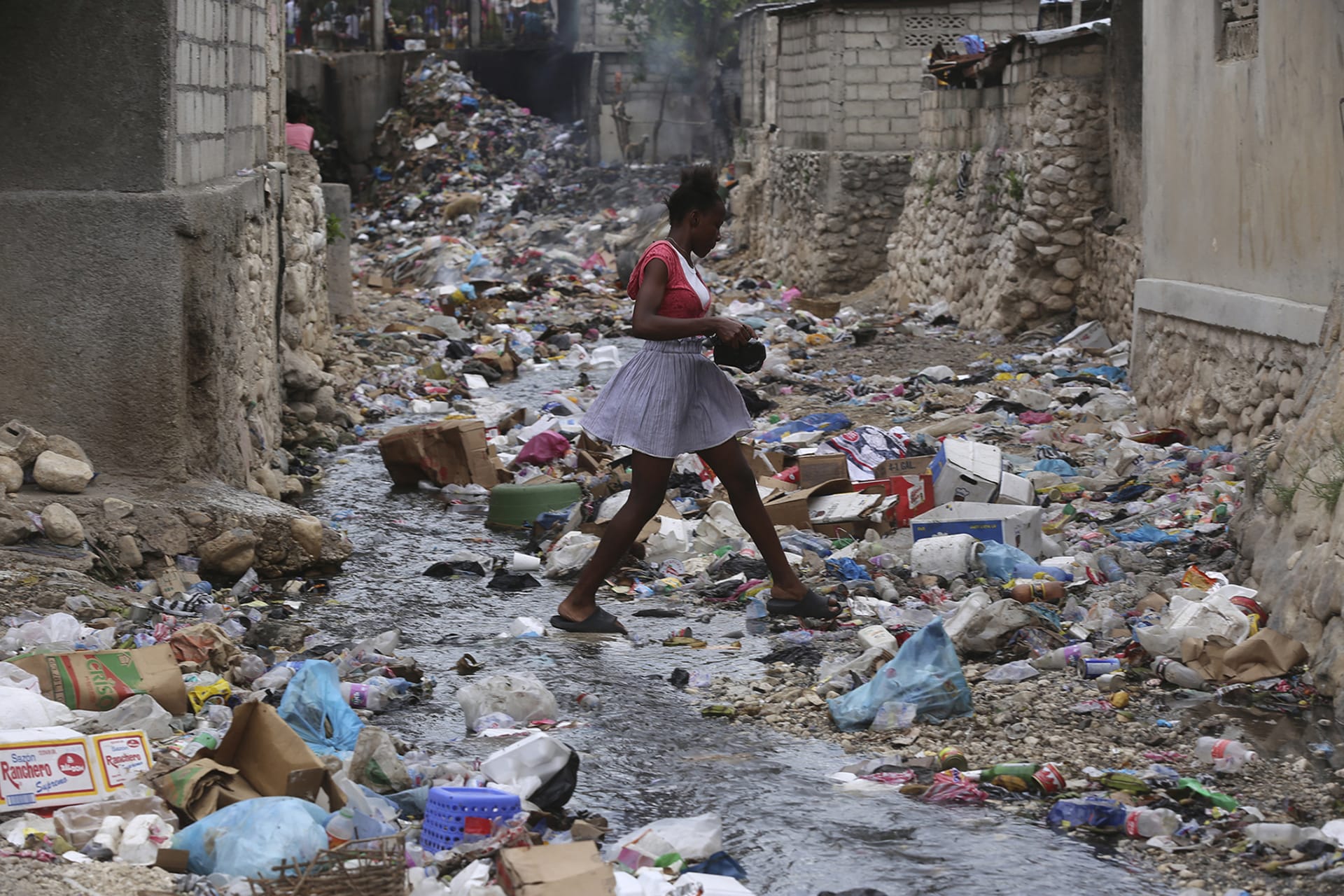
Africa is the special focus of this aid effort due to the dire need of many of its people. Africa is the only region of the world where average incomes are lower now than they were 30 years ago, according to U.N. statistics. Africa is home to 13 percent of the world's population, and nearly one-third of the people worldwide who live in extreme poverty, or on less than one dollar a day. Thirteen million Africans have already died of AIDS, and another 26 million are infected with the virus, a figure that increases daily.
His administration is focusing much of its attention on its own, new approach to international development, the Millennium Challenge Account, which ties development aid to anti-corruption and good governance measures in the recipient countries. On June 30, Bush proposed additional aid spending for Africa, including $1.2 billion to reduce malaria deaths, $55 million to improve legal protections for African women against violence and sexual abuse, and doubling the amount the United States spends on girls' education in Africa to $400 million. The United States gives 0.2 percent of its GDP in international aid each year, according to the Economist.
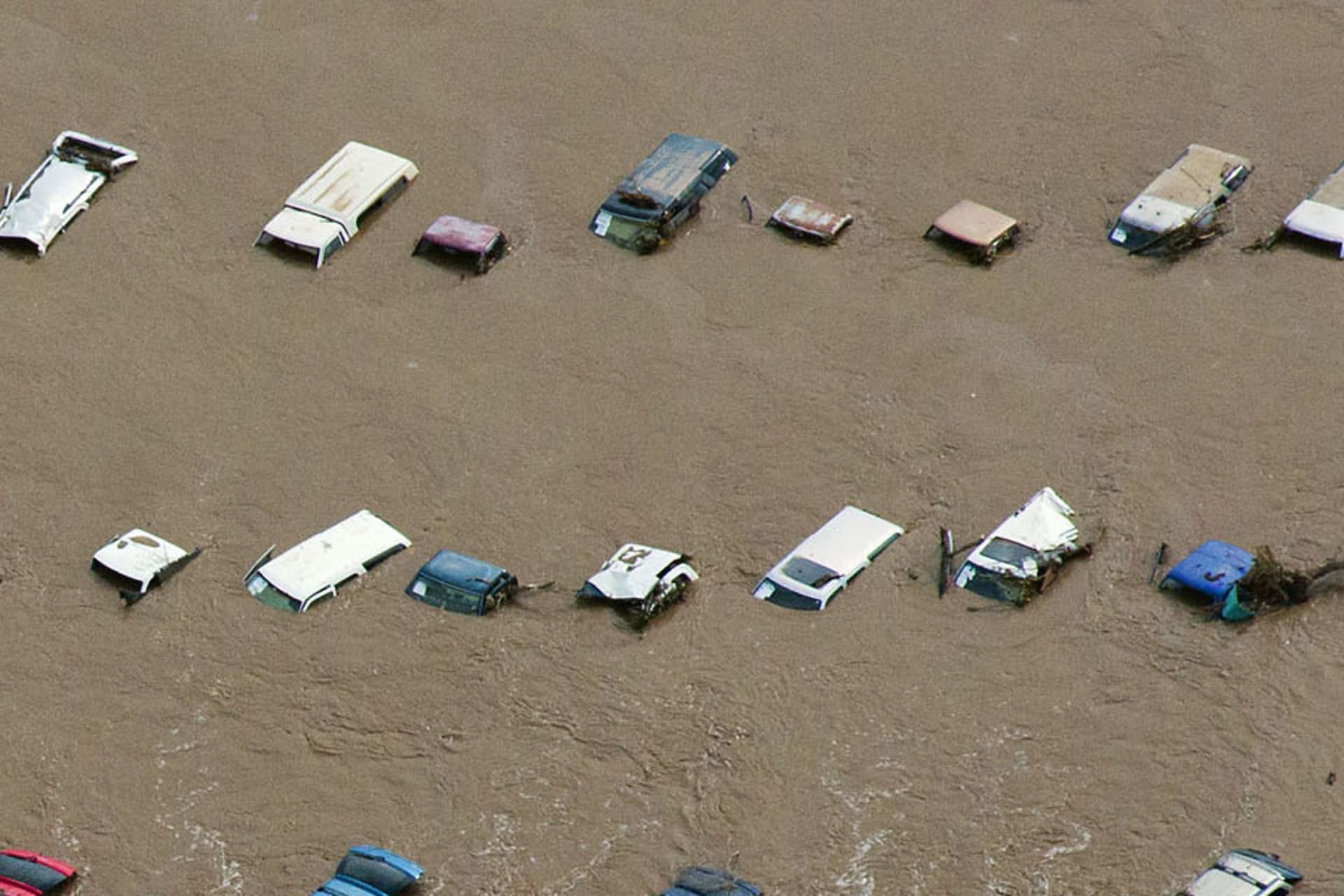
Yes. Experts say Africa is the continent most vulnerable to projected climate changes. Water levels across Africa have dropped by nearly a third since 1970, and 25 countries will suffer some sort of water shortage in the next two decades, according to a report from a coalition of environmental and aid organizations. Another report by the U.N. Food and Agriculture Organization says that 65 developing countries risk losing $56 billion in crops as a result of climate change, which could limit rainfall, flood low-lying areas, cause drought, and spread new animal diseases and plant pests.
They include the following:
--by Esther Pan, staff writer, cfr.org
Weigh in on this issue by emailing CFR.org.
To order Task Force reports, Council Special Reports, and Critical Policy Choices, please call, fax, or order online from our distributor, the Brookings Institution Press: phone +1.800.537.5487, fax +1.410.516.6998.
For information on other reports that are not for sale, or for general publications information, please call +1.212.434.9516 or email publications@cfr.org.
Start-Up Nation addresses the trillion-dollar question: How is it that Israel—a country of 7.1 million, only sixty years old, surrounded by enemies— produces more start-up companies than large, peaceful, and stable nations like Japan, China, India, Korea, Canada, and the UK? With the insights of geopolitical experts and investors, the authors examine this nation’s adversity-driven culture to answer this question and offer prescriptions for a global economy on the rebound.
In Forces of Fortune, Vali Nasr presents a paradigm-changing revelation that will transform the understanding of the Muslim world at large. He reveals that there is a vital but unseen rising force in the Islamic world—a new business-minded middle class—that is building a vibrant new Muslim world economy and that holds the key to winning the cold war against Iran and extremists.
In Cuba: What Everyone Needs to Know, Julia E. Sweig presents a remarkably accessible portrait of Cuba's unique place on the world stage over the past fifty years, including its internal politics, its often fraught relationship with the United States, and its shifting relationship with the global community.
Complete list of CFR Books
The report of this bipartisan Task Force of distinguished leaders and experts represents a strong consensus on the importance of repairing America's immigration policy. It makes the case that maintaining America's political and economic leadership depends on attracting talented and hard-working immigrants, and on securing the country's borders in a smart, effective, and humane way.
This report finds that nuclear weapons will remain a fundamental element of U.S. national security in the near term, and makes recommendations on how to ensure the safety, security, and reliability of the U.S. deterrent nuclear force, prevent nuclear terrorism, and strengthen the nuclear nonproliferation regime.
About Independent Task Forces at CFR
Complete list of Task Force reports
Identifying international threats and acting on them may be the most difficult job for U.S. policymakers. This report
provides an actionable road map for managing international threats before they erupt into crises and makes a strong case that preventive action is not a luxury but a necessity.
For more than a decade, the United States has mostly watched from the sidelines as Asian countries organize themselves into an alphabet soup of new multilateral groups. In this report, the authors review the relationship between pan-Asian and trans-Pacific institutions and suggest policy guidelines for a new U.S. approach to this new Asian landscape.
Complete list of Council Special Reports
To request permission to reprint or reuse CFR material, please fill out this permissions request form (PDF), referring to the instructions on page 1.
Browse Content By Region IssuePublication TypeThe Think TankFor The MediaFor Educators About CFR
Copyright 2009 by the Council on Foreign Relations. All Rights Reserved.