Global Efforts to Counter Violent Extremism

Wednesday, May 20, 2015
Mian Kursheed/Reuters
Speakers
Matthew Levitt

Fromer-Wexler Fellow and Director, Stein Program on
Counterterrorism and Intelligence, Washington Institute for Near East Policy

Peter Mandaville

Senior Advisor, Office of Religion and Global Affairs,
U.S. Department of State
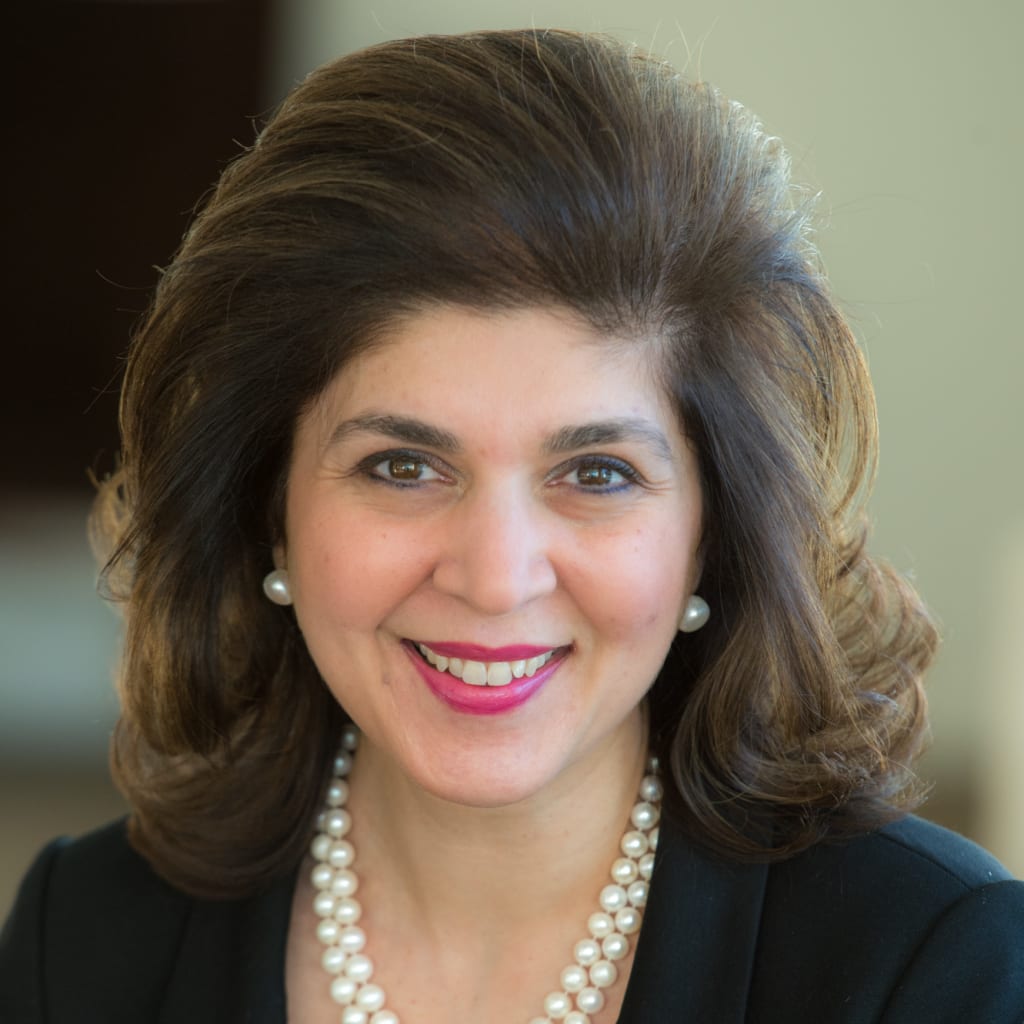
Adjunct Senior Fellow, Council on Foreign Relations

Moderators
Deborah Amos

International Correspondent, National Public Radio

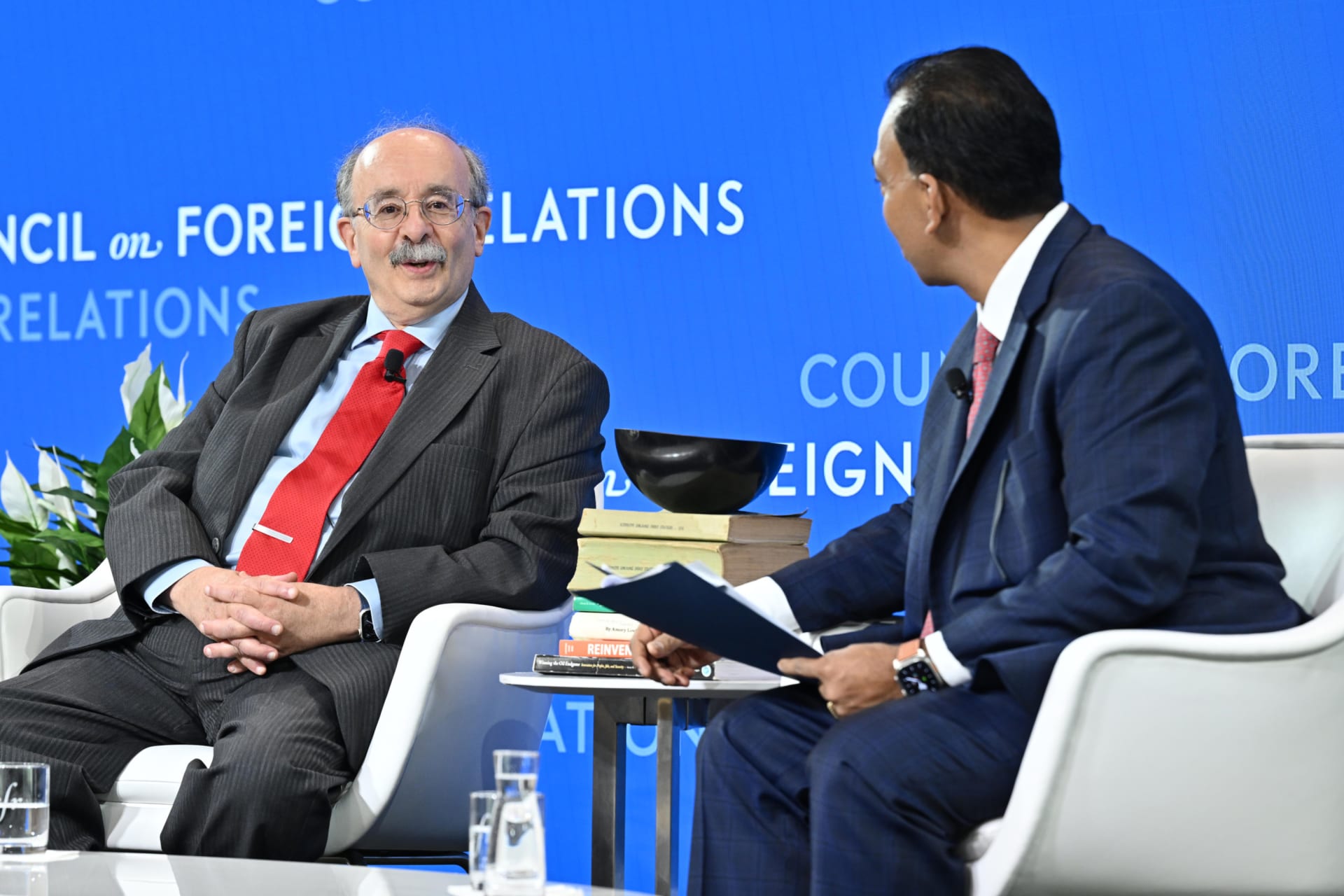
The Washington Institute for Near East Policy's Matthew A. Levitt, the U.S. State Department's Peter Mandaville, and CFR Adjunct Senior Fellow Farah Pandith join National Public Radio's Deborah Amos to discuss global efforts in countering violent extremism, with a focus on the identity, goals, and bureaucratic organization of the Islamic State group.
Top Stories on CFR

United States

The world faces unresolved conflicts, growing climate crises, attacks on aid workers, two famines, and diminishing political will—along with significant aid cuts. Altogether, 2025 has earned a grim new superlative: the worst humanitarian year on record.

Southeast Asia

Autocrats have become more skilled in their intimidation and even harm of exiled dissidents and critics living abroad. Many countries where this repression is happening have weakened defenses against it or tolerated it because of economic ties to autocratic powers.

Conflict Prevention

The world continues to grow more violent and disorderly. According to CFR’s annual conflict risk assessment, American foreign policy experts are acutely concerned about conflict-related threats to U.S. national security and international stability that are likely to emerge or intensify in 2026. In this report, surveyed experts rate global conflicts by their likelihood and potential harm to U.S. interests and, for the first time, identify opportunities for preventive action.