Council of Councils
 Think Global Health
 Online Store
Introduction
Over the last several decades, governments have collectively pledged to slow global warming. But despite intensified diplomacy, the world is already facing the consequences of climate…
Research & Analysis
Books & Reports
-
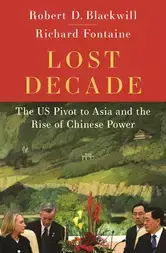
Robert D. Blackwill and Richard Fontaine evaluate the limitations of the Pivot to Asia and offer a compelling vision for the future of U.S. foreign policy in the Indo-Pacific.
-
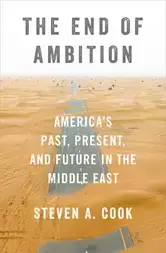
A clear-headed vision for the United States' role in the Middle East that highlights the changing nature of U.S. national interests and the challenges of grand strategizing at a time of profound change in the international order.
-
Terrorism and Counterterrorism
Introduction There is a serious risk of extremist violence around the 2024 U.S. presidential election. Many of the same sources of instability and grievances that precipitated the January 6, 2021,… -
Paul J. Angelo provides the first headlining case studies of Plan Colombia and the Mérida Initiative.
-
Vladimir Putin’s grip on power in Russia does not appear as ironclad as it once did. Liana Fix and Maria Snegovaya recommend that the United States prepare for potential leadership change in Moscow and develop response strategies with its allies to mitigate fallout.
-
Nagging Constraints to Democratic Stability and Economic Prosperity in Nigeria Prepared statement by Ebenezer Obadare Douglas Dillon Senior Fellow for Africa Studies Council on Foreign Re…
-
The Cyber Safety Review Board: Expectations, Outcomes, and Enduring Questions Prepared statement by Tarah Wheeler Senior Fellow for Global Cyber Policy Council on Foreign Relations …
-
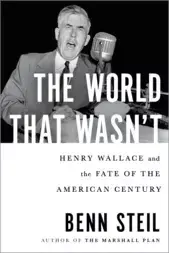
A dramatic and powerful new perspective on the political career of Henry Wallace—a perspective that will forever change how we view the making of U.S. and Soviet foreign policy at the dawn of the Cold War.
-
For CFR’s annual Preventive Priorities Survey, U.S. foreign policy experts assessed the likelihood and impact of thirty potential conflicts that could emerge or escalate in 2024.
-
A riveting exploration of the current state of far-right terrorism in the United States—and recommendations to stop its rise.
-
The alliance between the United States and South Korea has endured through seven decades of shifting regional and geopolitical security contexts. Yet it now faces challenges from within. Domestic pol…
-
The Middle East has suffered from protracted instability in recent decades, and climate-related disasters compound existing suffering. Marwa Daoudy argues that the United States and its partners should center mitigation efforts in assistance to the region.
-
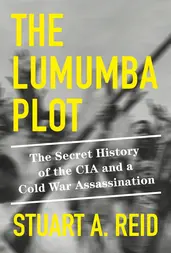
A spellbinding work of history that reads like a Cold War spy thriller—about the U.S.-sanctioned plot to assassinate the democratically elected leader of the newly independent Congo.
-
World Health Organization (WHO)
Lessons from the COVID-19 pandemic could revolutionize global health security, but the window for change is closing—quickly. In the latest Council Special Report, Yanzhong Huang and Rebecca Katz outline the urgent reforms that could lead to a safer, healthier world. -
Hearing on Security on the Korean Peninsula Mr. Chairman, I am pleased to have the opportunity to testify before this committee on the security situation on the Korean Peninsula. We have just …
-
-
Mr. Chairman and Members of the Subcommittee, Thank you for inviting me here today. As you know, there has been a serious rise in terrorist attacks this year in the West Bank. Why has …
-
One of our leading public intellectuals traces the origin of a set of ideas about identity and social justice that is rapidly transforming America—and explains why it will fail to accomplish its noble goals.
-
-
The World Trade Organization needs an updated toolbox in the face of rising industrial policies across the globe.
-
Chair Cleveland, Chair Glas, and members of the Commission, thank you for inviting me to testify before the Commission. I appreciate the opportunity to appear before you today to testify abo…
-
Changing Geopolitics in the Arctic Prepared statement by Esther D. Brimmer James H. Binger Senior Fellow in Global Governance Council on Foreign Relations Before the Subc…
-
The United States should treat pandemics and global warming as apex health threats to its national interests, argues David P. Fidler.
-
Sessions were held on the future of AI governance, accountability for war crimes in the invasion of Ukraine, reworking the Sustainable Development Goals and the global development model, revitalizing the World Trade Organization, and strengthening the global geopolitical order.