What Is Climate Finance?
Learn how the public and private sectors can collaborate to fund climate solutions.
By experts and staff
- Updated
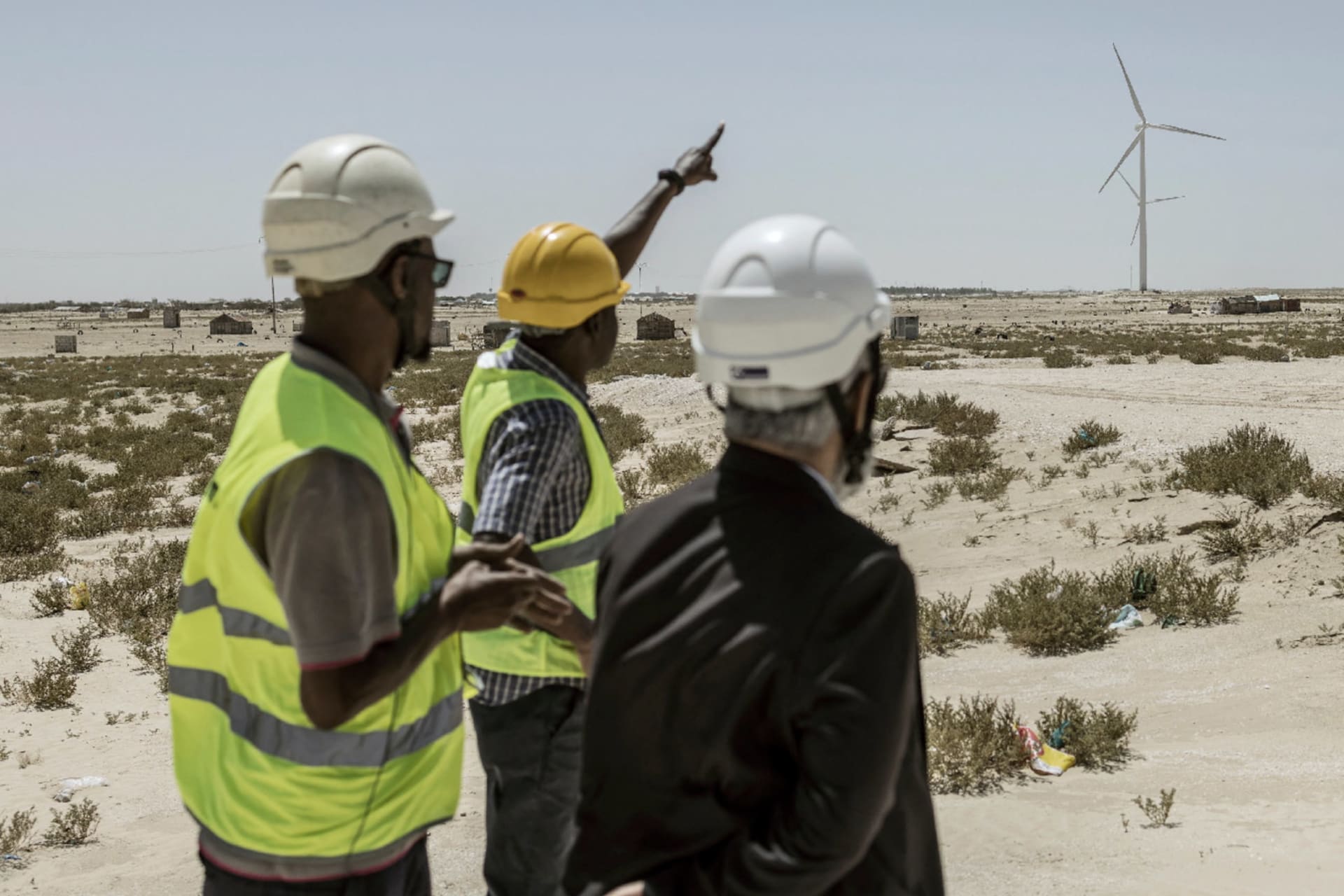
For the most part, tackling climate change does not require new, monumental scientific breakthroughs. We know how to generate energy without emitting . We know how to build cars that run on electricity rather than gasoline. We already have many tools and technologies that can make our economies and lives greener.
However, what tackling climate change does require is political will and money—lots and lots of money. Achieving a clean-energy future requires transforming our entire economy. That means building new factories, new vehicles, new power plants, and new power lines that can minimize our reliance on and consume resources and energy more efficiently. All those things come with a hefty price tag. Experts estimate that combating climate change could cost up to $275 trillion [PDF] between 2021 and 2050. To put that figure in context, governments worldwide spent a total of about $16.7 trillion on all expenditures—defense, education, infrastructure, everything—in 2022. If the world’s governments spent every single penny on nothing but climate change, it would still take them sixteen years to tackle this global issue.
So how do we pay for those massive costs?
This learning resource explores the price of tackling climate change, the challenges of mobilizing funding, and the potential for governments and the private sector to collaborate on this issue.
Why is confronting climate change so expensive?
The cost of fighting climate change is massive. It will require fundamentally reshaping existing systems for energy, food, transportation, and more. And given the global nature of climate change, that process needs to happen all over the world.
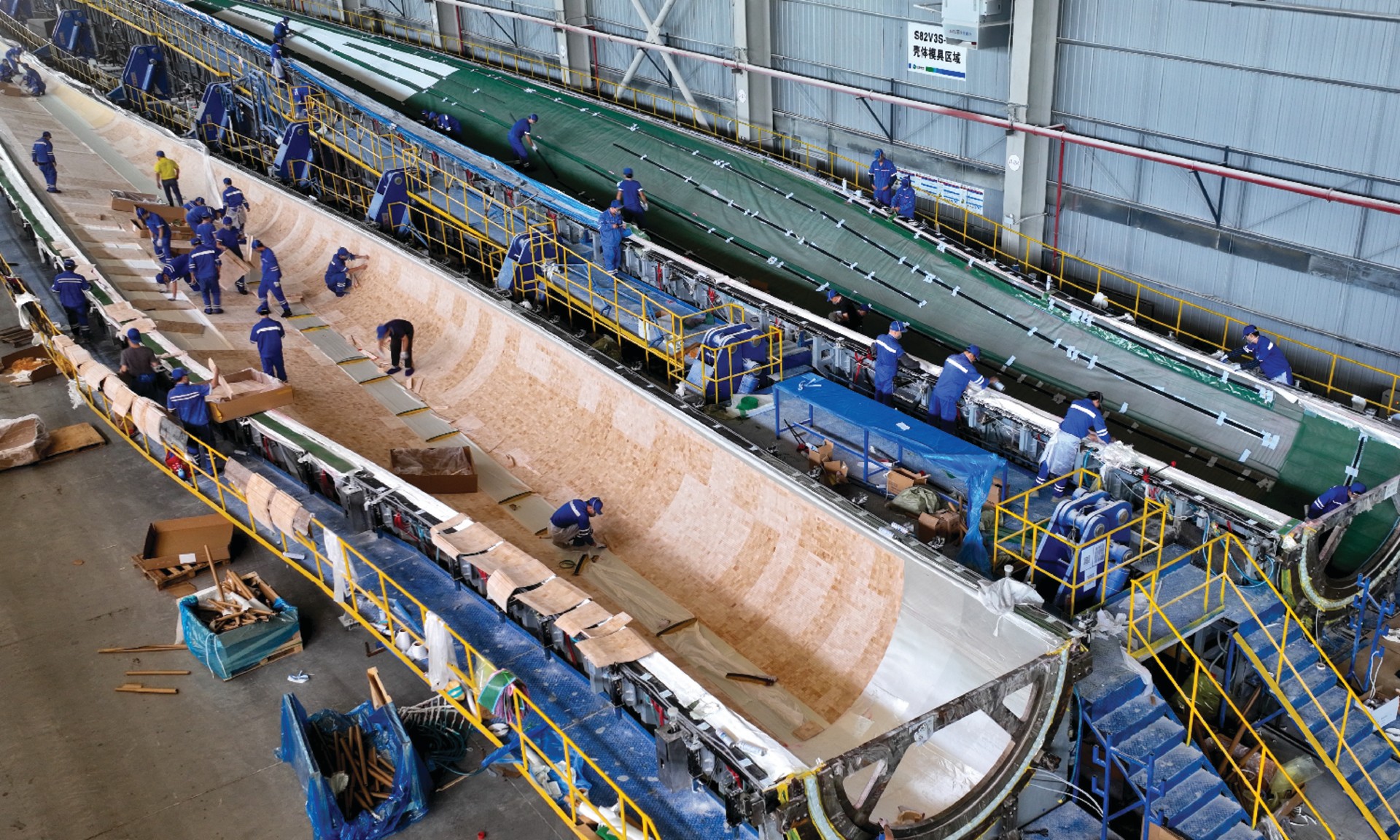
Climate-related spending can typically be divided into two big categories: costs and costs.
Mitigation costs refer to the investments needed to reduce our carbon footprint. Some examples of mitigation costs include
- building renewable-energy infrastructure like wind farms and solar power plants,
- swapping fossil-fuel-powered vehicles and appliances for electric options, and
- installing carbon capture systems to remove greenhouse gases from the atmosphere.
Adaptation costs refer to the investments needed to reduce the harms posed by a changing world. Some examples include
- building cooling centers in heat-wave-prone areas;
- investing in dams, levees, and irrigation systems to protect agriculture from saltwater intrusion; and
- constructing seawalls to protect coastal cities from rising sea levels.
Mitigating and adapting to climate change will involve a staggering amount of money, but it would be far more expensive to do nothing. Although proactive climate investments could cost $275 trillion, failure to make those investments could result in $2.3 quadrillion worth of damages by the end of the century.
Unfortunately, however, countries are not spending enough money today on climate change. The United Nations estimates that spending levels need to increase sixfold to meet the ’s goal of ensuring global temperatures do not rise more than 2°C above preindustrial levels.
That is where climate finance comes into play.
Rich countries can help low-income countries fund climate action
The world’s wealthiest countries do have the financial means to reduce their and adapt to a changing world. Lower-income countries, on the other hand, cannot independently finance adequate climate responses. Wealthier countries have stepped in to provide support—with mixed success.
In 2009, developed countries promised that by 2020, they would begin delivering $100 billion per year to help developing countries address climate change.
That funding, however, has been slow to materialize and ultimately inadequate. Industrialized countries didn’t manage to hit that $100 billion figure until 2023, by which point it had already become painfully obvious that the actual need was far greater. A 2021 UN Report found that nearly $6 trillion [PDF] annually would be needed by 2030 to meet developing countries’ mitigation and adaptation goals. However, even that figure could be an underestimate.
One reason why those contributions have been so underwhelming is because they are voluntary. International climate agreements outline expectations for government contributions. However, they do not require specific contributions. Instead, donor countries decide how much to give—with no consequences for falling short of promises.
Nevertheless, governments and international organizations have established several global institutions to manage the flow of funding, including the following:
- Global Environment Facility (GEF): Founded in 1991, the GEF provides direct funding, policy advice, and technical expertise to mobilize private-sector funding to governments, civil-society organizations, universities, and other groups in developing countries working to fulfill international climate agreements.
- Green Climate Fund (GCF): Founded in 2010, the GCF complements the GEF by offering a wider range of financial services. Those can range from investing in individual companies to offering microloans, in addition to large-scale grant funding to national governments. Today, the GCF is the largest climate fund in the world, with some $52 billion committed to projects in 129 countries.
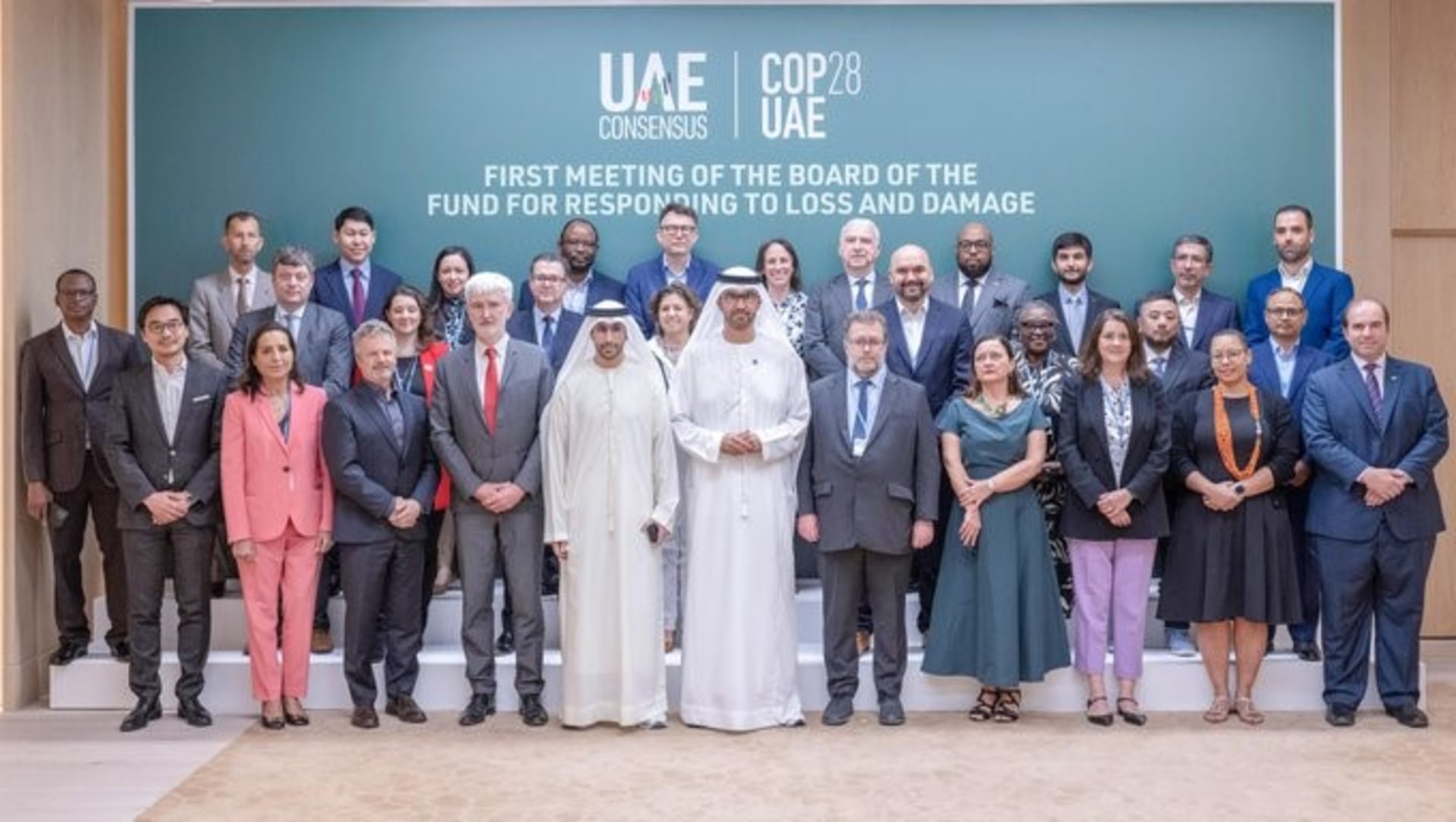
- Loss and Damages Fund: In 2023, world leaders agreed to create a fund for losses and damages. The fund is meant to be a way for developed countries to financially support developing countries so they can better cope with climate-related harms. In particular, those harms are the type that cannot be addressed through climate mitigation and adaptation (for example, the loss of livelihoods, property, and cultural heritage sites). Although initial pledges amounted to less than $1 billion, the establishment of the fund marked an important step. It signaled that industrialized countries—historically the leading drivers of climate change—are acknowledging their role in the damage climate change is already causing.
- Multilateral Development Banks (MDBs): International financial institutions like the , the African Development Bank, and the Asian Infrastructure Investment Bank have financed billions of dollars’ worth of climate projects in recent years. Whereas the abovementioned funds typically provide grants, MDBs mostly offer loans.
What’s the difference between grants and loans?
For developing countries, grant funding—or money that does not need to be repaid—is one of the most desirable forms of climate finance. Loans, on the other hand, need to be repaid, typically with interest. From 2016 to 2020, loans accounted for 72 percent of climate aid.
Three-quarters of those loans had interest payments structured to be cheaper than borrowing from private banks. Still, cheaper isn’t the same as free. Of the funding provided, 20 percent was loaned at market rates, which are significantly higher in poorer countries.
Loans can be a mixed blessing. They can help countries fight climate change but also burden them with a lot of debt. That debt can force those countries to spend scarce resources on interest payments rather than health or education. It can also make it harder to access new funding for climate or other purposes. Some nations, therefore, are exploring novel forms of aid like debt-for-climate swaps. Those programs offer debt forgiveness, lower , or longer payback periods if countries take certain climate actions such as protecting their forests.
What role does the private sector play?
Aid from wealthy countries and nonprofit organizations can help fill some of the climate funding gaps. However, involving private, for-profit businesses is crucial for the energy transition. Although a of 530 of the world’s largest public development banks manage $23 trillion in assets, the private sector manages more than $210 trillion in financial assets.
Developing countries could benefit enormously if the private sector invested more resources in their economies. However, in 2019 and 2020, the private sector invested just $310 billion per year on average in climate solutions. That is just below the $321 billion from public sources like government-funded aid agencies and development banks.
Why has the private sector been so slow to make climate investments? One reason is that unlike governments and development banks, which can prioritize social goals such as promoting health and sustainability, the private sector prioritizes return on investment (ROI). Every dollar invested is intended to yield a profit—the larger, the better.
But, surely, money can be made in the clean-energy transition? German solar farms, Danish wind farms, and French nuclear power plants all generate big bucks. The electric car–maker Tesla is one of the most valuable companies in the world. Indeed, one report estimated that every dollar invested in climate adaptation efforts could yield between $2 and $10 in returns.

What’s keeping the private sector from making those investments in a developing country like Mali or Mauritania? The main issue is risk. For various reasons, private actors fear their invested money will not yield fast and profitable returns. Common concerns include
- political instability or civil conflict stalling infrastructure projects;
- corruption leading to money being wasted or stolen;
- lack of fundamental infrastructure (like a reliable electrical grid) limiting the usefulness of new projects (like a renewable-energy plant).
Governments are typically more willing to accept those risks in order to promote social goals. Private companies, on the other hand, are often more hesitant to invest in environments they perceive as risky. When they do make such investments, it will typically be at much higher interest rates to compensate for the risks. The result is a vicious cycle in which underdevelopment makes it more difficult for countries to borrow the very same funds needed to develop. African countries, for instance, on average pay interest rates at levels eight times higher than European countries like Germany.
How can the public and private sectors work together?
Governments can help reduce the risks slowing private-sector investments and mobilize trillions of dollars to fight climate change.
One way to combine those two advantages is through blended finance. It involves strategies that combine limited amounts of lower-interest funding from governments with private-sector investments to offset risks. In a blended finance model, public funders take on higher risk. For example, they may accept lower rates of return or receive lower priority in a loan repayment schedule. That, in turn, can help entice greater private investment.
Governments can also offer guarantees to private investors in a climate project. Guarantees essentially act as insurance policies against certain types of negative outcomes for the project. They limit the risk private investors face, making them more likely to fund climate projects.
To date, blended finance models have mobilized around $213 billion for sustainable development in developing countries.
Even with blended finance, a big funding disparity exists between mitigation and adaptation projects. According to the United Nations, a whopping 90 percent of private finance goes toward mitigation projects. That is because adaptation projects are generally less likely to return profits for investors. Take, for instance, a seawall. This initiative will prevent economic damage and protect surrounding communities. However, it will not necessarily generate direct revenue. Conversely, the financial returns of a renewable-energy plant can be predicted before the project even begins.
In turn, governments and development banks are exploring how to leverage public funds to improve the terms of adaptation projects and attract more private investors.