How Electrification Can Reduce Emissions
Electrifying the economy may play a crucial role in the fight against climate change.
By experts and staff
- Updated
Imagine waking up on a cold morning. You turn the lights on and consider dialing up the thermostat. Then you open your phone and scroll on the internet for a while before going to your kitchen to make breakfast. You check your refrigerator to see what you have and decide to cook some eggs on your stove. After eating, you get in your car and drive to school or work. All those activities require various forms of energy.
Energy is an essential part of modern society. But the way people use energy can also harm the environment. Most energy the world consumes comes directly from burning , which emit into the atmosphere. Many buildings burn fossil fuels for heat and to power stoves for cooking. Most cars still run on gasoline or diesel.
Part of reducing , then, involves reducing the amount of energy countries use that comes from fossil fuels. That largely involves switching fuel-burning operations to electric ones, a process known as electrification. But electrification is not the whole story. Even electrical appliances can still rely on power generated by burning fossil fuels. Transitioning the world’s energy systems therefore entails electrifying more activities as well as making sure the electricity human beings use comes from clean energy sources.
This resource will go over the basics of energy, as well as discuss ways to replace –generated energy with electricity and make sure that electricity is generated as cleanly as possible.
What is energy?
Words like energy, electricity, and power arise frequently in daily life. Sometimes people use those terms interchangeably.
For policymakers and scientists, though, they have specific meanings. Before going further, it’s helpful to know what some common terms related to energy technically mean:
- Energy is the ability to move or change something. If you raise your arm in the air, you are using energy to do so. Energy comes in many forms. The process of burning releases thermal energy. Splitting a uranium atom releases nuclear energy. Mechanical energy from wind spins the blades of a windmill.
- Power is the rate at which energy is transferred or used over time. If you lift your arm twice as fast as before, you’ve used the same amount of energy but more power.
- Electricity is a type of energy that comes from the movement of electrons. Because electricity can be transmitted long distances and be converted relatively easily into other types of energy, it is a useful way to deliver energy from one location to another. Although each electron is tiny, electricity involves the movement of a lot of electrons. The basic unit of electricity references electrons by the quintillions (i.e., billions of billions).
- Watts (W) measure the power of electricity, or how many electrons are flowing per second. The average incandescent lightbulb in a home needs 60 watts of power. Experts often measure the power of large amounts of electricity by thousands of watts (kilowatts, or kW). At even larger scales, such as in power plants, watts are measured by the million (megawatts, or mW) or even billion (gigawatts, or gW).
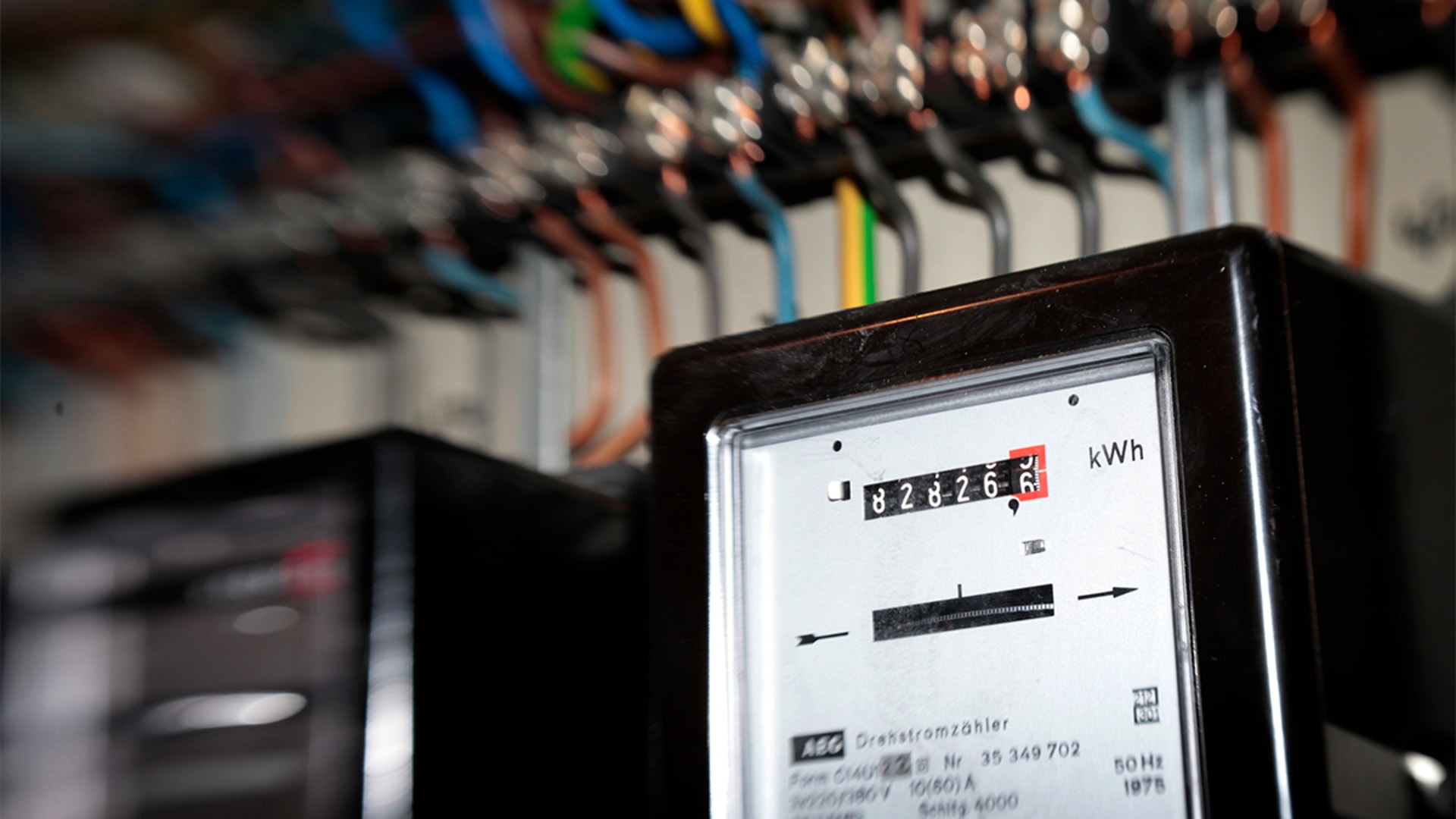
- Watt-hours (Wh) measure how much energy is supplied over time. For example, if you leave a 60-watt lightbulb on for one hour, it will use 60 watt-hours of energy. If you leave it on for two hours, it will consume 120 watt-hours, and so on. Watt-hours typically describe the quantity of electricity generated and consumed within the energy grid. If a power plant were a car, watts would measure its speed, while watt-hours would measure the distance it drove.
Why is energy important?
Humans use energy for just about everything—from manufacturing and health care to building appliances, lights, and the internet. Without energy to power office buildings, machines, computers, and transportation networks, economies could not operate as they do today.
Because energy is so vital to the way economies function, access to the resource is closely tied to economic growth. The world’s wealthiest countries tend to consume the most energy per capita, while low-income countries tend to have the least access to energy.
Electricity is an especially important component of energy access. It can light homes and power stoves without burning materials that produce harmful household air pollution. Electricity also powers medical equipment, household appliances, and communications technology. Its availability to communities is correlated with lower rates of infant mortality and higher educational attainment. Studies have even shown that people with access to electricity at home tend to live longer—potentially years longer—than people without. As of 2022, 685 million people lacked access to electricity. Those challenges were particularly pronounced in sub-Saharan Africa. In Chad, Democratic Republic of Congo, and Niger, as few as 10–20 percent of the population had a reliable electricity source.
As economies develop and populations grow, they will consume increasing amounts of energy. In India, one of the world’s fastest-growing economies, energy demand is expected to double by 2040. Even in developed countries, energy demand is on the rise. In the United States, energy demand is expected to grow 15–20 percent in the next decade. To meet the demand for energy today, and to generate the power necessary in the coming decades, countries will need to invest substantially in expanding their access to energy.
That said, the way people produce and use energy matters for the climate. Currently, more than 60 percent of the energy used around the world comes directly from burning fossil fuels for activities like heating, cooking, and transportation.
What is Electrification?
To meet global climate goals while addressing growing demand for energy, countries will need to increase the proportion of energy they use that comes from electricity. Tools like cars, furnaces, and machinery can all be replaced by electric alternatives that don’t emit greenhouse gases. Let’s take a closer look at how to implement electrification across different economic sectors.
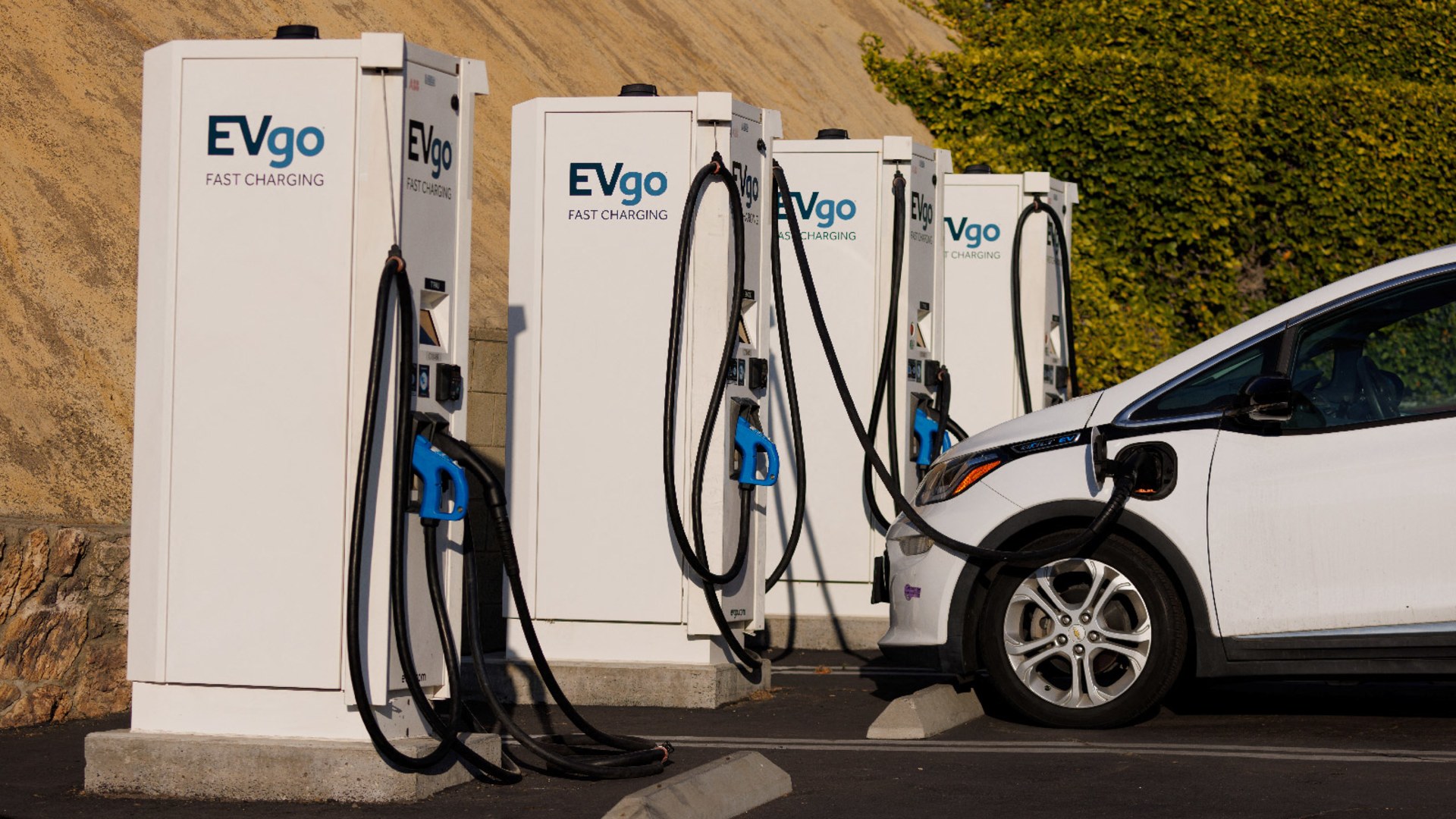
Transportation: The transportation sector, which includes the boats, cars, planes, trains, and trucks people use for travel and trade, runs almost entirely on fossil fuels. Not only do the emissions from those vehicles contribute to climate change, but they can also produce harmful air pollution. Electric passenger vehicles are growing increasingly available, accounting for around 18 percent of global car sales in 2023 and expected to make up nearly two-thirds of the market by 2030. But other transportation methods are trickier to electrify. Planes, ships, and trucks all carry large loads over long distances, often requiring more energy than current battery technology can provide. Some electric trucks and boats are becoming available, but other mitigation strategies like will also have a part to play in reducing transportation-sector emissions.
Buildings: Millions of buildings around the world use fossil fuels to power furnaces, water heaters, and stoves. The good news is that electric alternatives for those appliances have existed for decades and are increasingly replacing fossil fuel options in new buildings. In a push for increased electrification, some countries like Denmark and the Netherlands have banned new buildings from being connected to gas networks. For buildings that already use fossil fuels, however, the upfront costs of electrification can be high. Governments have taken steps to help share those costs. In the United States, for instance, the 2022 Inflation Reduction Act offers tax incentives for homeowners to swap gas appliances for electric ones.
Industry: Industrial processes require a lot of energy, especially for heavy machinery—like construction vehicles—and heat, which is used for anything from drying the paint on cars to melting steel. Electric alternatives for heavy machinery are becoming available, although current battery limitations make large pieces of equipment difficult to electrify. For heating, electricity can provide the temperatures necessary for some industrial processes, such as those involving plastic, aluminum, and rubber goods. Other products, especially steel, glass, and cement, need temperatures up to 2000°F—higher than electric systems can produce.
Electrification will be an important tool across all those sectors in reducing reliance on fossil fuels. It will also decrease overall energy demand because electric appliances are more efficient than fuel-powered ones.
Fortunately, in many cases, electric options are already available and improving quickly. But switching to electric options will require sweeping changes. In the United States alone, widespread electrification could mean replacing over 280 million cars and 200 million home appliances. Electrification will also require new infrastructure, such as charging stations for electric vehicles.
Most important, electrification will require countries to generate significantly more electricity. The International Energy Agency estimates that the electrification needed to meet current climate goals will cause electricity demand to increase by one-third by 2030. Improved electricity conservation practices and the development of more efficient electrical devices can slow but not stop rising demand. Societies will need to generate more electricity, and how they do so will have consequences for the climate.
How to generate electricity cleanly
Just switching to electric appliances doesn’t necessarily mean eliminating the greenhouse gas emissions that accompany energy use. Those appliances could still be running on electricity that was generated with fossil fuels.
Several different sources of energy can be used in the electricity-generation process:
- Fossil fuels are nonrenewable sources of energy like coal, oil, and natural gas that are burned to release energy and emit carbon dioxide and other greenhouse gases.
- Nuclear energy uses the energy released in nuclear reactions to generate electricity. Nuclear is not renewable, but it is considered “clean energy” because it does not emit greenhouse gases.
- Renewable sources rely on natural, inexhaustible resources and do not emit greenhouse gases. Often referred to as green energy, they include wind, solar, hydro, and biomass.
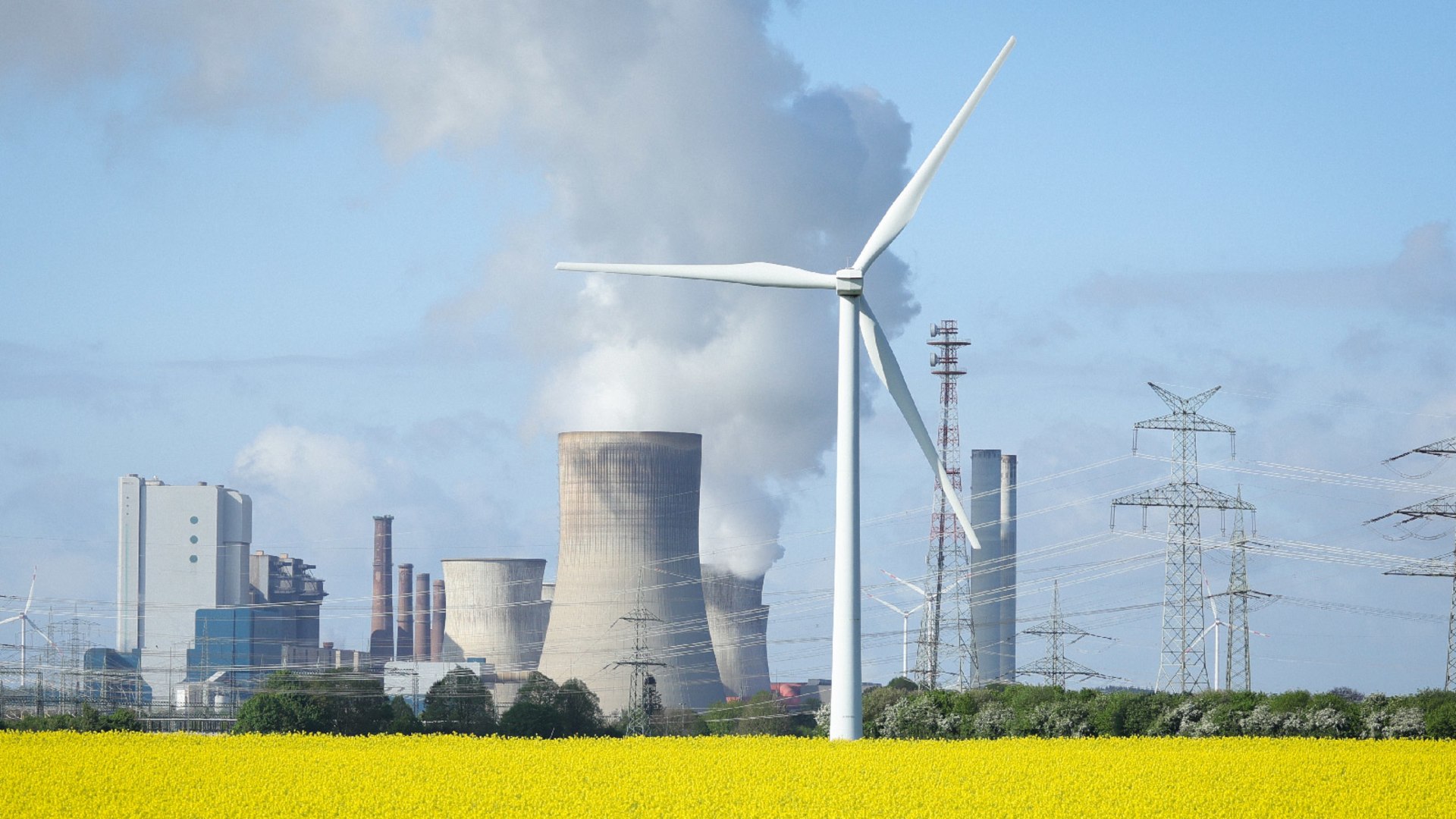
Worldwide, about 60 percent of electric power is produced by burning fossil fuels, particularly coal and natural gas. But to reach UN climate goals, clean energy will need to generate 90 percent of the world’s electricity by 2050. Reaching that goal will require significant investment in clean energy plants like wind and solar farms, as well as energy storage solutions that can ensure a constant supply of .
Balancing the rising demand for energy with increasingly urgent climate goals will remain a significant challenge for governments in the years to come. But progress is already being made to promote electrification and develop clean energy. The world is on track to add more than 5,500 gigawatts of new renewable-energy capacity between 2024 and 2030—almost three times more than was added between 2017 and 2023. However, experts stress that even as momentum toward clean energy picks up, governments will need to supercharge their efforts to stop climate change.