How to Lower Agriculture and Land-Use Emissions
Agriculture is warming the planet. Changing how we farm and manage land can decrease greenhouse gas emissions.
By experts and staff
- Updated
Climate change is mainly caused by humans burning , but that’s not the only way we’re warming the planet.
Human activity can affect how many are emitted by Earth’s soil, plants, and animals. From cutting down trees to growing crops and raising livestock, human land use and agriculture generates 22 percent of global .
This resource explains why land use harms the climate so significantly and outlines steps that can help reverse the damage.
How does land use affect greenhouse gases?
When human activity causes the release of carbon dioxide, that CO2 doesn’t just sit in the atmosphere. It gets removed by the soil and vegetation on land.
This happens primarily through photosynthesis, the process plants use to grow. It involves absorbing water and CO2 from the air. That captured CO2 remains a part of the plant (and out of the atmosphere) until it dies and decomposes. However, the parts of the plant that end up in the soil don’t release the carbon back into the atmosphere. Instead, the carbon sits underground as organic matter. When an ecosystem is absorbing and retaining (or “sequestering”) more CO2 than it releases, it’s referred to as a carbon sink.
In the 2010s, land-based carbon sinks absorbed about 30 percent of human-generated carbon emissions, keeping the speed of climate change in check. But many of those carbon sinks are being changed by human land use, releasing more carbon dioxide into the atmosphere. One of the biggest disruptions is from .
How deforestation worsens climate change
About 30 percent of the world’s landmass is covered by forests. Each year, forests absorb roughly 7.6 billion more tons of CO2 than they produce. That net difference is 1.5 times more carbon dioxide than the United States emitted in 2023.
However, as part of farming, agriculture, and other activities, humans are clearing over 38,000 square miles (about 61,155 kilometers) of forests every year—about the size of Virginia. This means that fewer trees are left to absorb carbon. Even if a forest isn’t entirely cleared, removing enough trees from a forest and disrupting its natural growth in other ways can turn certain forests from carbon sinks into a sources of carbon emission. That transformation is happening in parts of the Amazon and in rainforests in Southeast Asia. Additionally, deforestation increases the likelihood of wildfires, which can release a massive amount of greenhouse gas.
Over four-fifths of deforestation (or the purposeful clearing of trees) around the world has been to clear the land for agriculture. Beyond eliminating carbon sinks, agricultural practices can release a lot of greenhouse gases as well.
How agriculture contributes to climate change
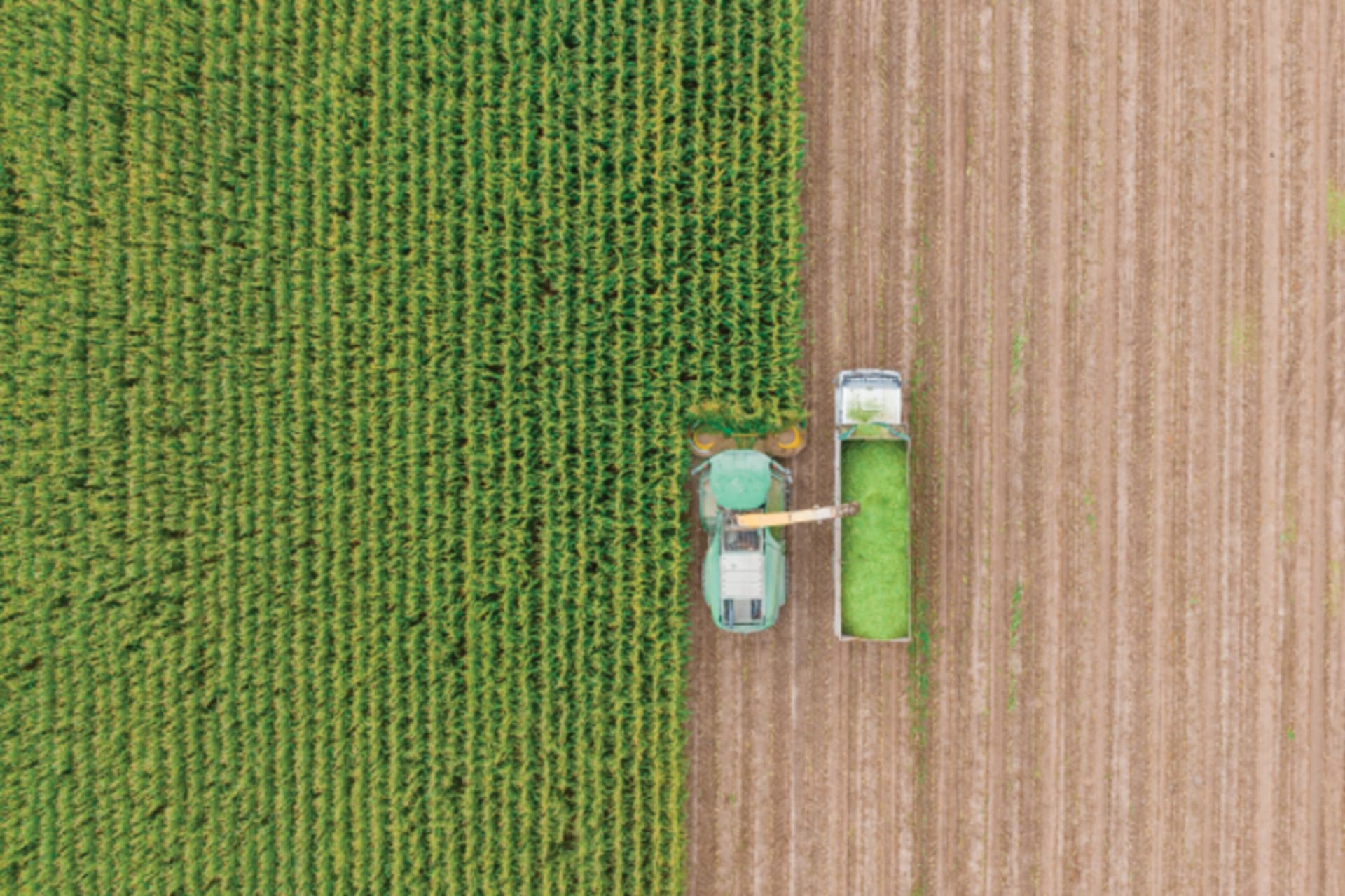
The fundamental practices of growing crops are themselves a climate change problem. There are more than eight billion people in the world, and they all need to eat. Modern agriculture, which produces all that food, releases many greenhouse gases in multiple ways:
- Fertilizer: Plants need nitrogen. Synthetic chemical fertilizers and natural fertilizers add nitrogen into the soil, helping plants grow. However, crops aren’t the only things that benefit from the additional nitrogen. Certain soil microbes also digest the fertilizers, producing nitrous oxide (N2O), a powerful greenhouse gas. Nitrous oxide is about three hundred times more potent than carbon dioxide, which means that even small amounts can do substantial harm.
- Rice: Half of the world eats rice every day. It’s an important staple crop. However, it produces a lot of greenhouse gas. Rice needs plenty of water, so it’s typically grown in flooded fields. Those rice paddies create anaerobic conditions (without oxygen); when bacteria eat organic matter (like parts of the rice plant), they produce methane, which is then emitted into the atmosphere.
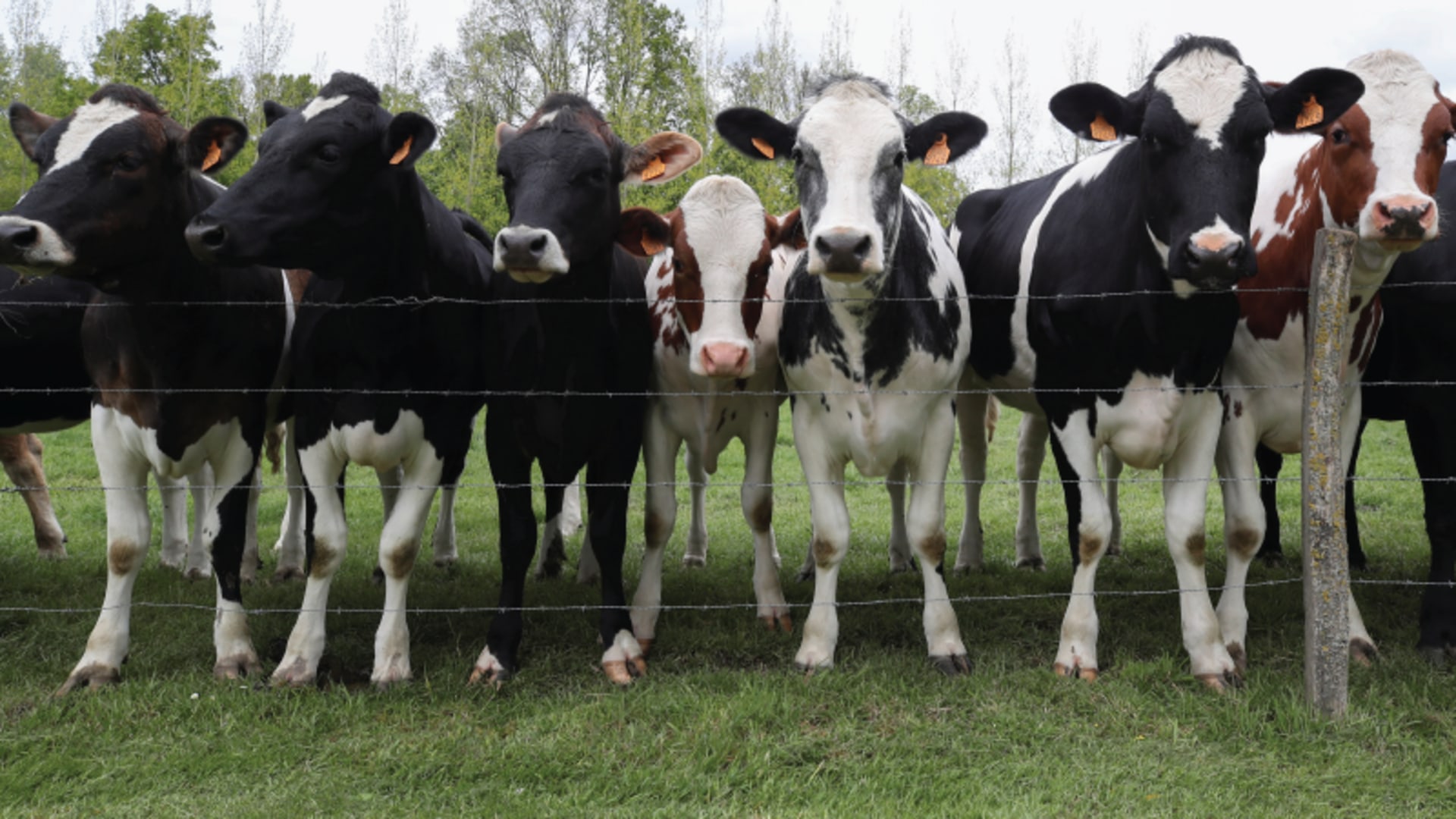
- Livestock gas: Cattle, goats, and sheep—a group of animals known as ruminants—digest food through a process called enteric fermentation. Simply put, microbes in their digestive systems break down the tough grasses that make up the animal’s diet and produce the greenhouse gas methane as a byproduct. Through the animals’ natural bodily functions, that methane is released into the atmosphere.
- Soil and pasture management: As livestock graze pasturelands, they deposit a lot of urine and dung into the ground. Microbes in the soil consume the nitrogen in that waste and emit the greenhouse gas nitrous oxide. Also, on cropland, farmers often till their soil. That involves turning it over in preparation for planting crops. But tilling exposes more decomposing organic matter to the air, releasing more carbon dioxide into the atmosphere.
- Manure management: When there are a lot of animals on farms, there’s going to be a lot of animal waste. Managing all that manure can be tricky, and farmers often resort to piling it up and storing it in anaerobic conditions. As with the rice paddies, microbes will digest the organic matter without the presence of oxygen, thus producing methane and ultimately releasing it into the air.
How to reduce agricultural emissions
There are many ways to reduce agricultural emissions. Here are some examples:
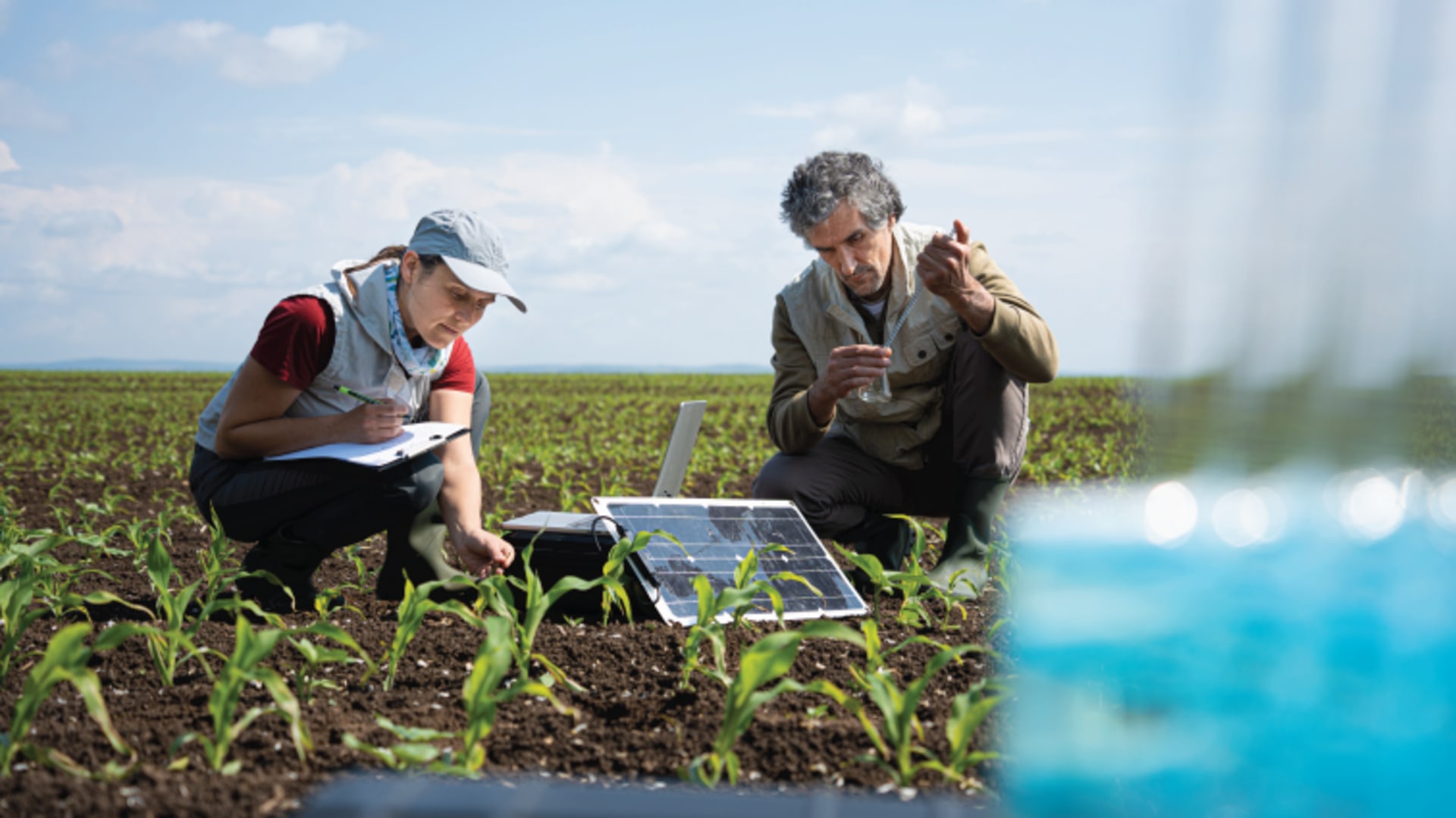
- Tech innovations: New fertilizers formulated to release nitrogen more slowly can lower nitrous oxide emissions, while improving crop yields. Also, precision agriculture—an umbrella term for an array of data-driven analyses, machinery, and new farming techniques—can fine-tune fertilizer applications, making them more efficient and reducing unnecessary emissions. And analysts can use machine-learning models to determine best practices for reducing emissions from rice paddies.
- Lower livestock emissions: Breeding strategies, feeding animals higher-quality food, and providing modern veterinary care can lead to livestock gaining weight more quickly. That means the livestock can produce the same number of calories while reducing the amount of food eaten and greenhouse gases emitted. Those animals still produce methane as part of their digestion. But feed supplements will likely eventually be able to reduce the amount of methane cattle produce. Under lab conditions, supplements made from a type of seaweed were able to reduce methane production during digestion by up to 60 percent [PDF]. There are also ways to capture the methane from livestock manure and use it, instead of fossil fuels, to generate electricity and heat homes.
- Diet changes: Reducing demand for beef and other ruminant meats by switching to healthier plant-based foods can lower livestock emissions. That does not mean, however, that everyone should become a vegetarian or vegan. In a recent report, climate experts recommended that wealthy countries limit their intake of beef, lamb, and goat meat to the equivalent of roughly two burgers per person, per week, in order to hit global climate targets.
- Carbon sequestration: Farmers can use regenerative agriculture practices and other soil management techniques to keep an estimated billion tons of CO2 in the ground each year. That can involve planting “cover crops” that can be plowed into the ground (storing their nutrients and carbon) before the main crop is planted. Also, those practices help limit the extent of tilling farmers need to do, so less of the organic matter is exposed to air and more of its carbon stays in the soil.
- Nature-based solutions: Ranchers and farmers can give more consideration to how their activity damages their unique local environments. Finding ways to grow crops and raise livestock without harming the ecosystems around them can help prevent additional emissions.
Although plenty of opportunities exist to reduce agricultural emissions, changing human land use is also important to addressing climate change.
What’s holding us back?
For many people around the world, farming and working the land is their livelihood. According to the Food and Agriculture Organization (FAO), as of 2023, agriculture employed some 873 million people in 2021, or 27 percent of the global workforce. Many do not necessarily have the financial resources to adopt new low-emissions practices. And even if they do have the means, farmers could be wary of unfamiliar techniques and could worry that they would increase costs and lower their earnings.
Hunger is another concern. According to some reports, almost one-in-ten people around the world don’t have enough food to eat. What’s more, the need for nourishment is growing. The global population is expected to grow by nearly two billion in the next thirty years. While many governments are concerned about lowering emissions, they could simultaneously be wary of actions that could reduce the available food—particularly as experts fear that droughts and other effects from climate change will worsen food insecurity.
What is being done?
The U.S. Department of Agriculture is investing over $2 billion in Partnerships for Climate-Smart Commodities. The program finances agricultural pilot projects that feature innovative approaches to tracking and reducing emissions in a way that would lead to viable enterprises. At the same time, the National Institute of Food and Agriculture promotes sustainable agricultural practices and provides funding for research and training programs.
It’s not just the United States taking action. The similarly funds sustainable agriculture research and promotion. International organizations also work to advance emissions- lowering practices in the developing world.
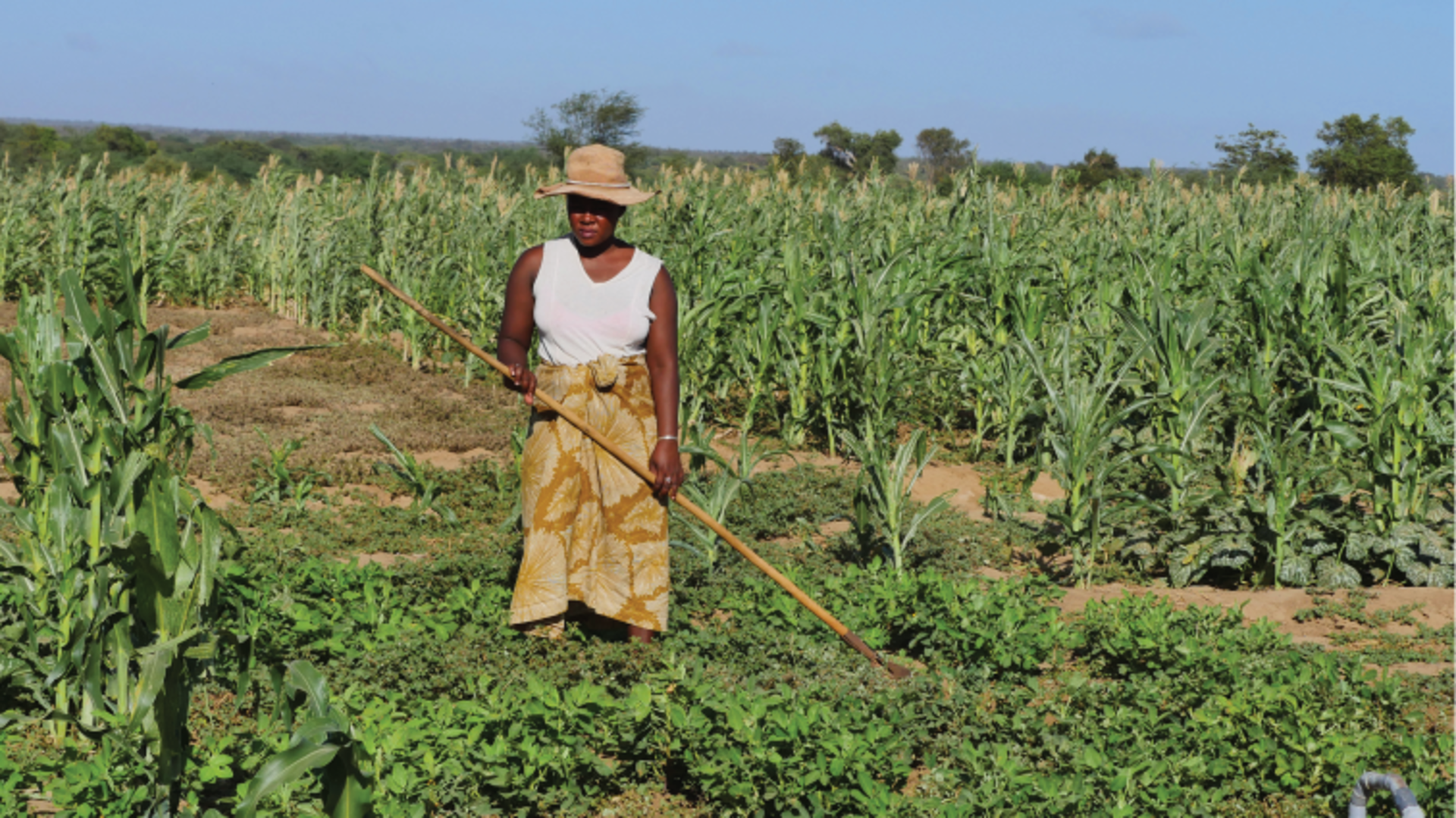
For example, the World Bank–funded Rural Alliances Project (PAR) supports “climate smart agriculture” interventions in Bolivia. They leverage automated irrigation, humidity sensors, and technology to enhance data collection that facilitates sustainable farming. While lowering greenhouse gas emissions, the practices also increase the size and quantity of food grown— offering a potential boon to Bolivians, one-third of whom are employed in the agricultural sector.
The United Nations also helps developing countries on that front. Its Food and Agriculture Organization (FAO) promotes sustainable approaches for using environmental resources efficiently. FAO offers tools and guidance for policymakers and coordinates international financing for projects and programs related to sustainable agriculture and forestry management.
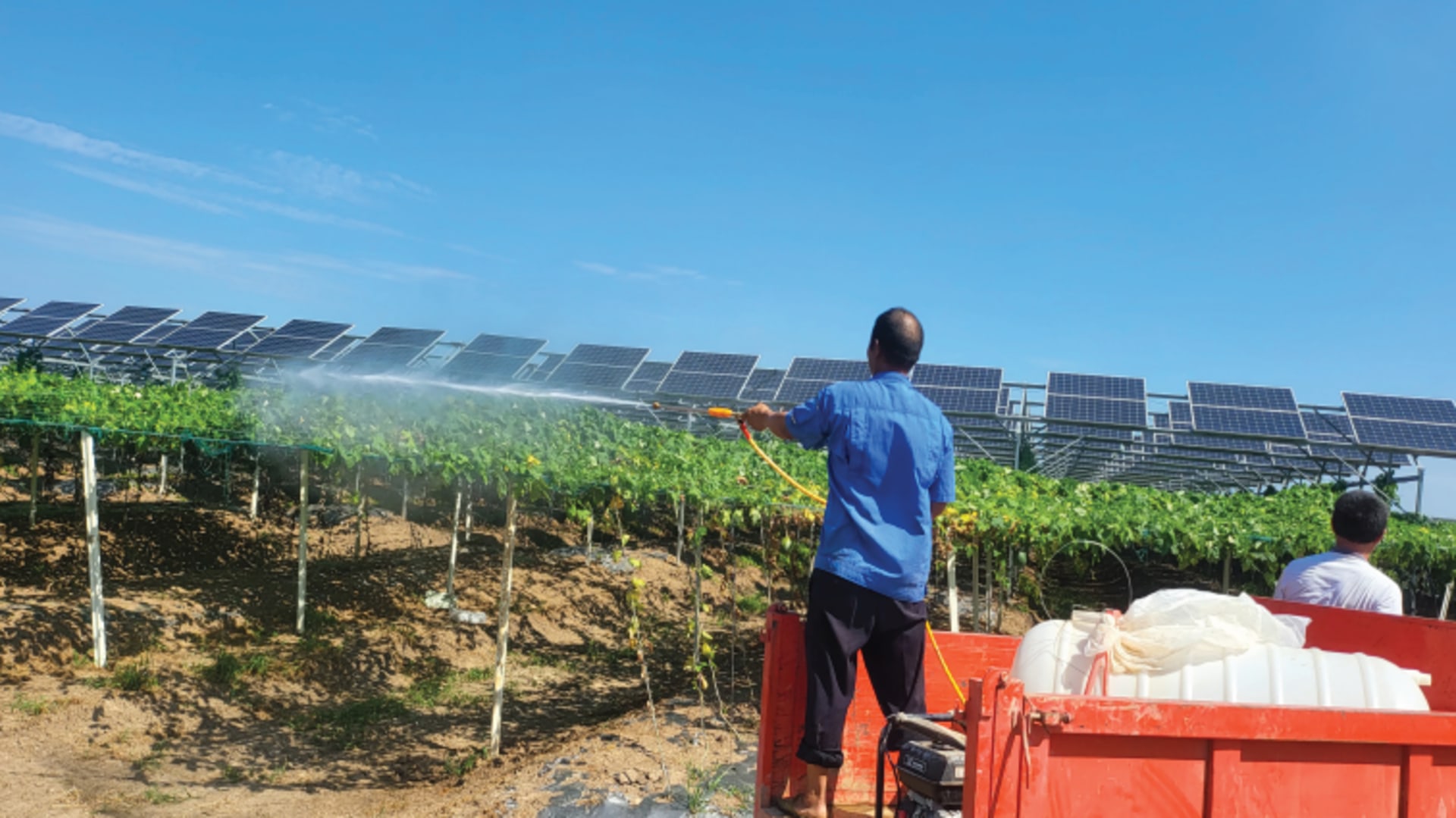
Farming is fundamental to human survival, but current practices are contributing to climate change, which threatens millions of lives and livelihoods. Ramping up work to reduce emissions from agriculture and land-use practices around the world is an urgent task for policymakers and leaders in this sector.