How to Lower Energy-Sector Emissions
Replacing fossil fuels with renewable energy can help mitigate climate change.
By experts and staff
- Updated
What are you looking at right now? This screen is either plugged in or runs on a charged battery. Electricity is lighting up those letters right in front of your face. Maybe earlier in the day, you brushed your teeth with an electric toothbrush, or perhaps put on a digital watch, or watched a little bit of TV. Electricity is an intimate part of daily life, but it’s also so much more than that.
Electricity is the key to modern existence. It powers the machines that keep food fresh, coffee hot, and cream cold. Electricity is used to make clothes, gadgets, and pharmaceuticals. It’s how people communicate with each other every day. (Come on, when’s the last time you wrote a letter with pen and paper?) Electricity is essential for both minor conveniences and manufacturing, and everything in between.
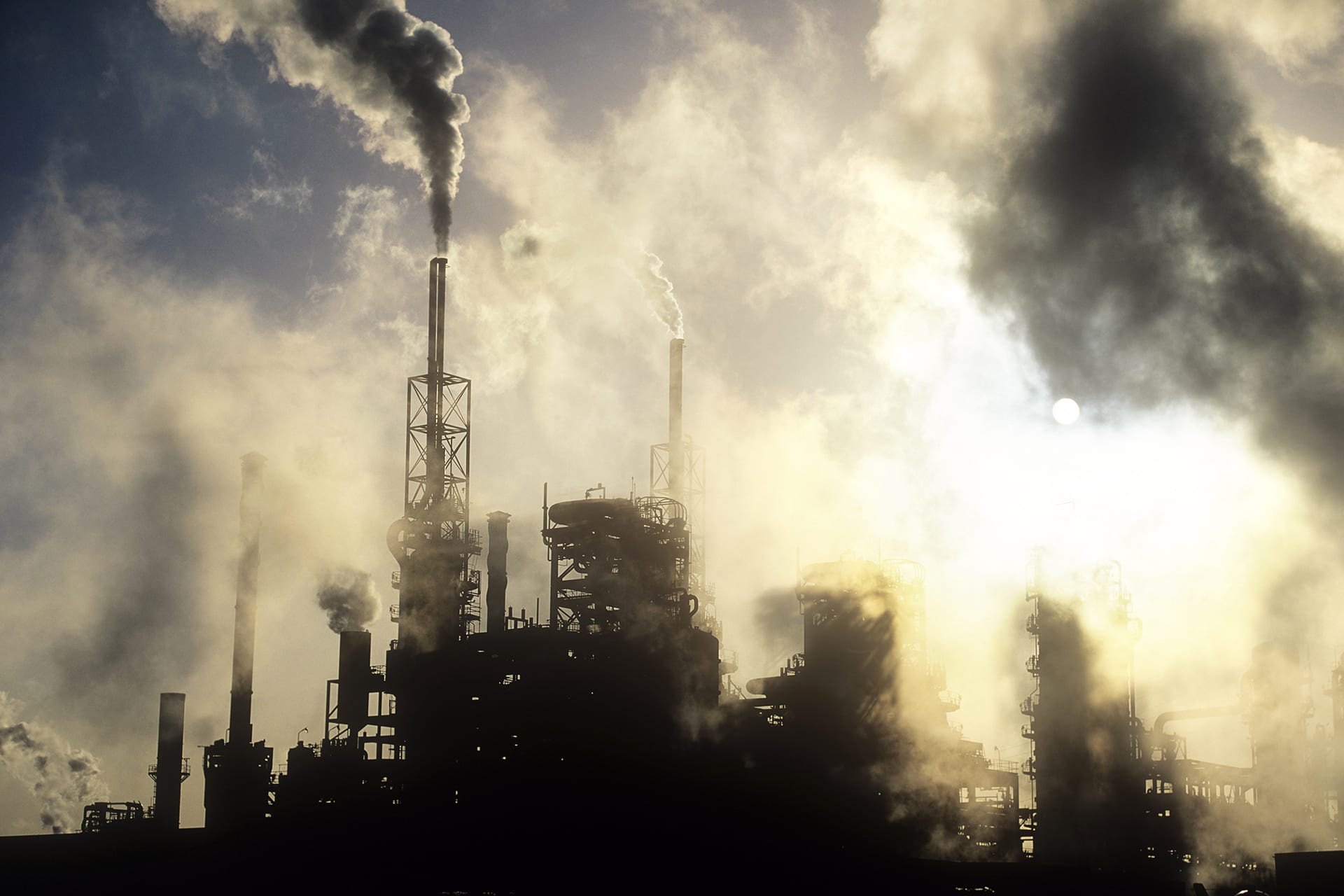
However, the way humans produce electricity—primarily by burning —is contributing to climate change. The world’s energy sector accounts for around 34 percent of global . And the demand for energy is expected to double by the year 2050.
This learning resource explains how the energy sector is currently driving climate change and explores the technology and policies that can lead to a greener future.
How does energy production emit ?
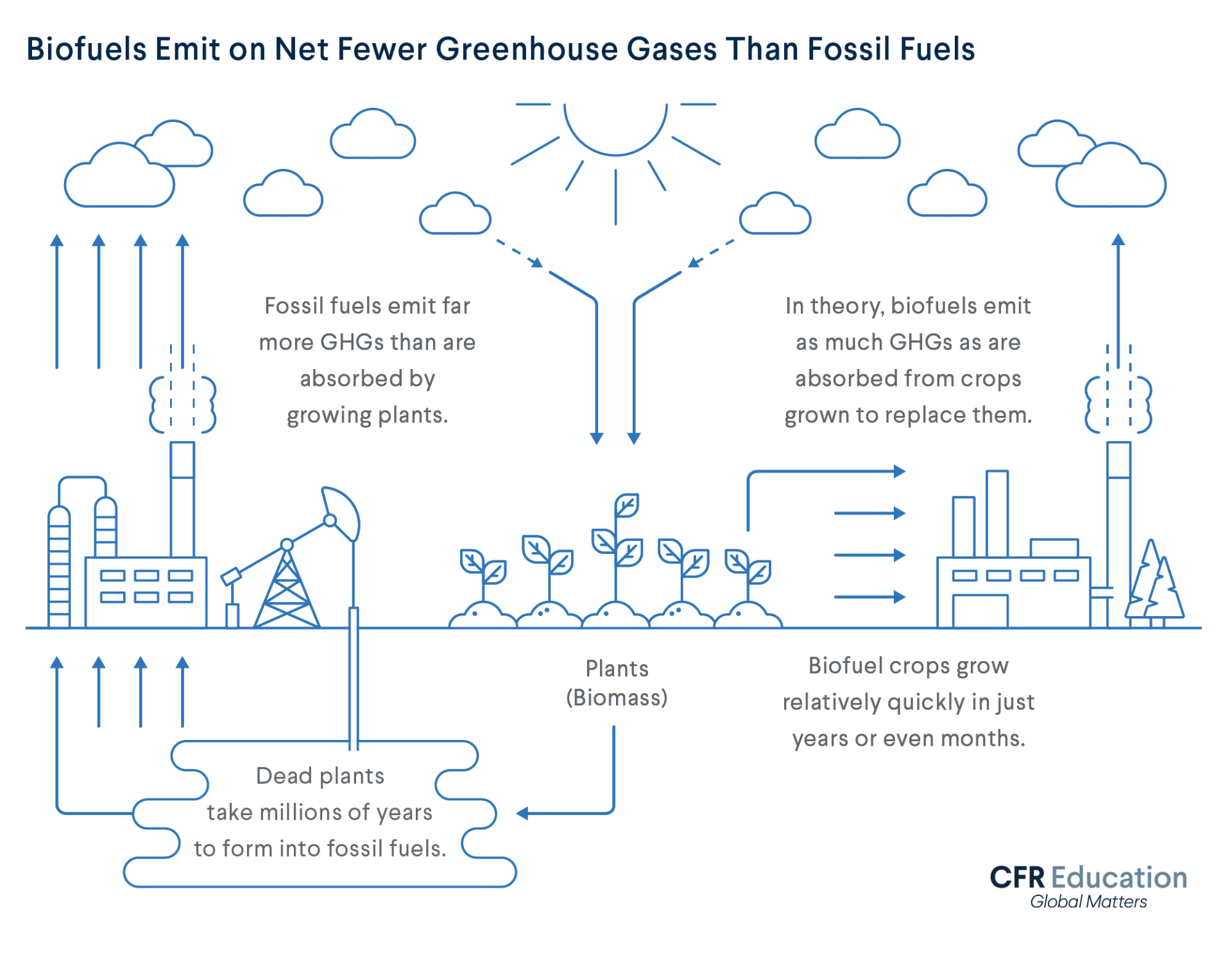
Most of the world’s energy comes from burning fossil fuels. Fossil fuels were formed over millions of years as dead plants and animals were covered by ground and subjected to extreme heat and pressure in the earth’s crust. That natural process converted the organic matter into carbon-rich substances. Here are three main fossil fuels:
- Coal is a rock found close to the earth’s surface and is one of the world’s most abundant fossil fuels.
- Petroleum is a liquid , commonly referred to as oil.
- Natural gas is a mixture of methane and other carbon-based gases trapped underneath the earth’s surface.
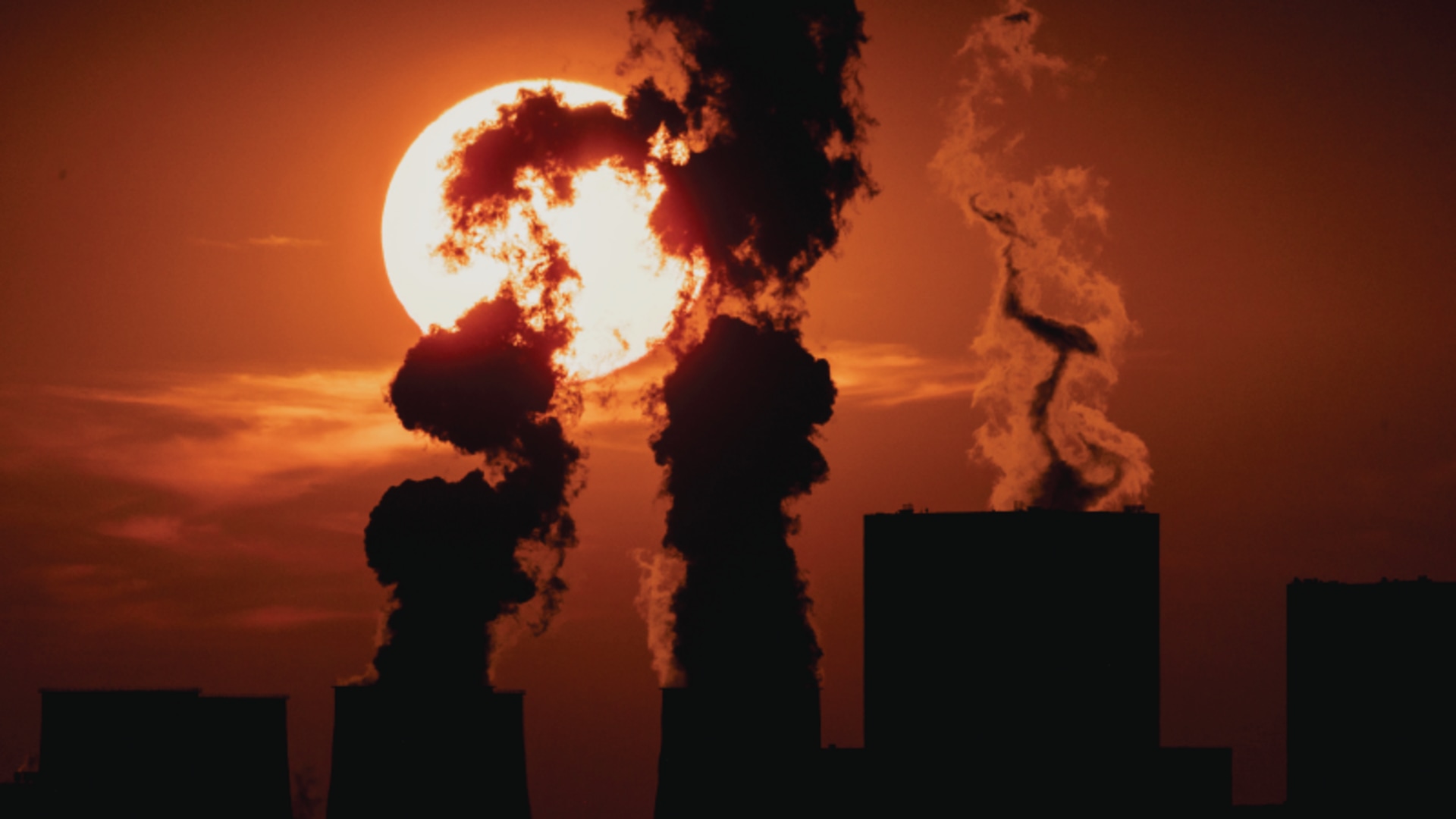
When those fossil fuels are burned, they release the greenhouse gas carbon dioxide (CO2) into the air. They also release energy, which humans can use to create heat and electricity at generation stations. That’s what the Intergovernmental Panel on Climate Change’s energy sector refers to, as well as the emissions from producing and transporting the fossil fuels themselves.
Although most of the world’s energy supply relies on fossil fuels, there are alternative sources of energy available that don’t contribute to climate change.
How can we produce energy without emissions?
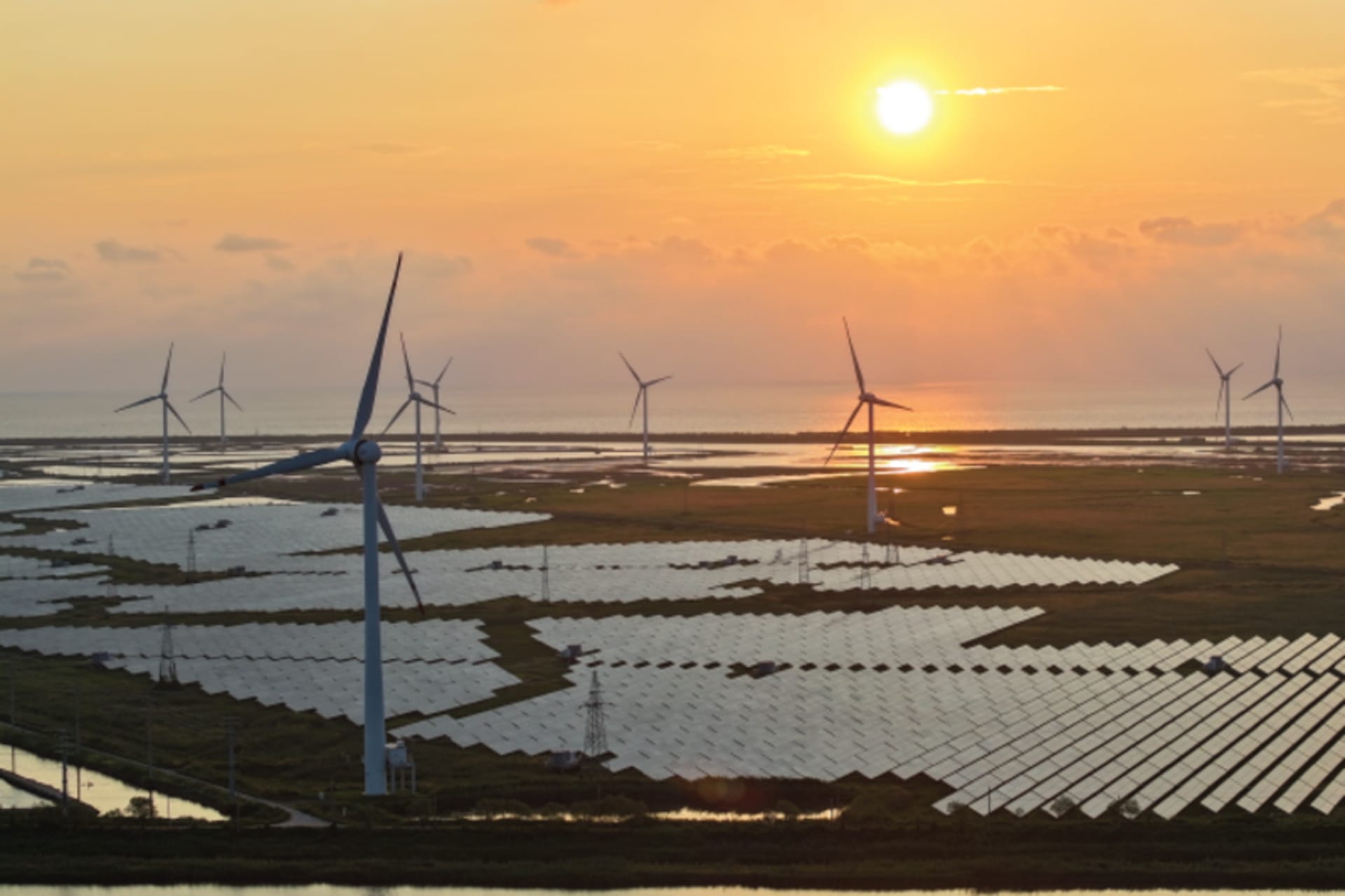
Instead of fossil fuels, we can use alternative sources of energy that help mitigate climate change:
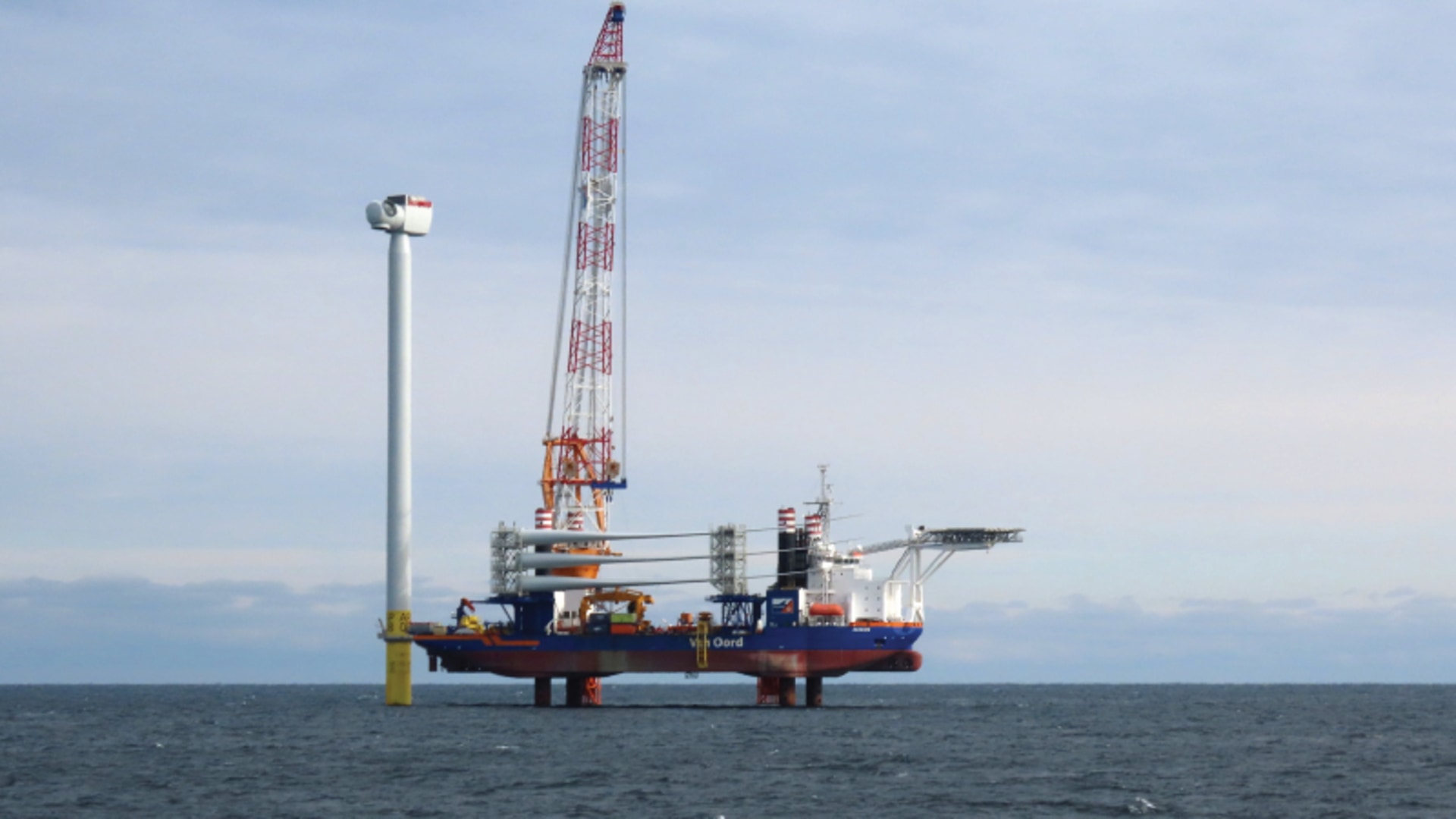
- Wind power is created when wind spins a turbine, or a windmill, that can be located on land or offshore.
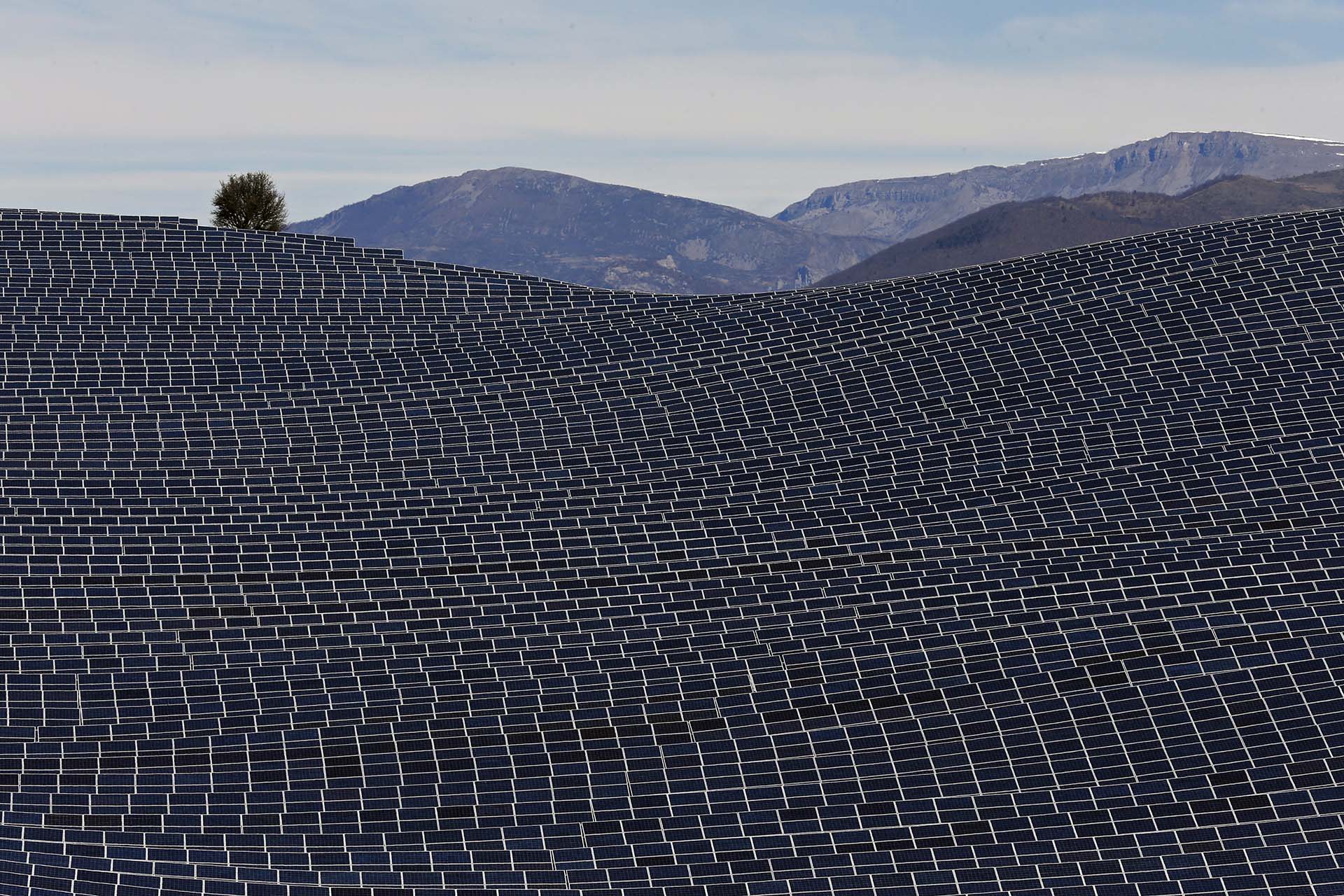
- Solar power harnesses the sun’s energy in two ways: by converting the sun’s light directly into electricity when the sun is out (think solar panels) or by solar thermal energy, which uses the sun’s heat to create electricity, a method that works even when the sun is down.
- Hydropower is created when rapidly flowing water turns turbines inside a dam, generating electricity.
- Geothermal energy is created by tapping into the hot temperatures below the earth’s surface, which can create steam that’s used to generate electricity.
- Nuclear energy is produced at power plants by the process of nuclear fission. The energy created during nuclear reactions is harnessed to produce electricity.
- Biomass, also referred to as , is produced using organic materials (wood, agricultural crops and waste, food waste, and animal manure) that contain stored energy from the sun.
Apart from nuclear, these energy sources are considered renewable and sometimes referred to as green. That means that they come from natural resources that are quickly replaced as they’re consumed. For example, if a solar panel absorbs some sunlight for energy, there’s still plenty more sunlight coming from the sun—whereas it will take millions of years for a new ounce of coal to be created. (Nuclear is not a source because it relies on the common but finite mineral uranium for fuel.)
Wind, solar, hydropower, and nuclear are alternative power sources because they emit zero, or minimal, greenhouse gas into the air. But there’s one exception: biomass does release CO2 when it’s burned. So why is it considered an alternative? The burned plant matter is expected to be replaced by new plant matter. As those plants grow, they should be pulling an equivalent amount of CO2 out of the atmosphere. Therefore, considering the whole picture, biomass would not increase the CO2 concentration in the atmosphere.
Over the past few decades, alternative and renewable sources have become an increasing part of the global energy sector. But fossil fuels still dominate.
What’s holding us back?
If all this green energy technology exists, why hasn’t society completely replaced fossil fuels?
There are many reasons why the green transition hasn’t been achieved yet. Partly, the delay is due to technical and logistical challenges.
For example, wind, solar, and hydropower systems need to be where the natural resources are. You can’t build a hydropower plant without a flowing body of water. However, it’s not always the wettest or sunniest or windiest where the most people live. So, electrical grids need to be updated and expanded to carry the renewable energy from where it can be most effectively produced to where it’s consumed.
Also, renewables like wind and solar are intermittent. This means they only produce energy when it’s windy or when it’s sunny. However, people need electricity when the air is still and after the sun has set. That intermittency challenge is solvable though, largely with giant batteries. Humans can store extra energy produced during the windier and sunnier times in the batteries and then use that energy later as needed.
Another concern is that those batteries and advanced renewable technology require certain critical minerals. They can be relatively rare, or difficult to process, and some are concentrated in just a handful of countries.
One of the largest issues that have been holding back renewables is economics. For a long time, renewable sources of energy were more expensive than fossil fuels. That has been a big concern for policymakers because increasing electricity costs can also raise the prices of goods and services produced using electricity. Energy price increases are not only unpopular but also can reduce economic growth.
Fortunately, renewables have become much cheaper in recent years and are now competitive with fossil fuel pricing in many cases. Advocates expect that increased affordability will encourage individuals, businesses, and public-sector leaders to install more renewables moving forward.
How to make the energy sector greener
Policymakers have plenty of options available to accelerate the adoption of .
- Subsidize alternatives: The government can further lower the cost of alternative sources of energy using subsidies. They can offer funding to new alternative and renewable projects and provide financial incentives that make it cheaper for people to switch to renewables.
- Curb fossil fuels: At the same time, policymakers can remove financial support for fossil fuels. As of 2022, the world’s governments were providing $7 trillion worth of fossil fuel subsidies. Instead, they could work to make fossil fuel use more expensive by either taxing carbon emissions or capping the amount the energy sector is allowed to produce.
- Research and development: Governments can invest in research to further develop energy technology. That could involve improving the effectiveness of existing alternative energy sources, as well as figuring out new ways to produce low- and zero-emissions energy.
- Infrastructure: Governments can build out the electrical grid infrastructure necessary to incorporate more renewables into their energy systems. They can also eliminate zoning restrictions and other barriers to the construction of new alternative energy systems.
What is being done?
Many policymakers are indeed taking action.
In the United States, the 2022 Inflation Reduction Act allocated billions of dollars in subsidies and investment for developing renewable energy. Also, that bill, as well as legislation in Australia, Canada, and the , is providing additional support for critical mineral production and battery manufacturing. Meanwhile, Hungary adopted a last year, joining dozens of other countries, including Argentina, Japan, Mexico, and South Africa. And the United Kingdom recently lifted its ban on building new wind farms on land.
Although promoting renewable energy is critical to mitigating climate change, we can also reduce the energy sector’s emissions in the meantime by reducing energy demands from other sectors.
Most electricity and heat the energy sector produces powers industry and buildings. So, finding ways to make industrial processes and energy use in buildings more efficient could help lower emissions significantly.
Also, about one-third of the energy sector’s greenhouse gas emissions come from the production and refining process. Those gases either inadvertently escape the fossil fuel equipment as “fugitive emissions” or are deliberately vented and burned off. Stricter regulations and more advanced processes could help limit that large source of emissions.
How can the world work together on greener energy?
Although many countries are making strides on renewables, progress is uneven.
Between 2013 and 2023, India doubled its electricity generation from renewables, and China increased the amount of electricity it produced from renewables by over 150 percent. But renewable energy is growing at slower rates in other countries. The world averaged a 5.5 percent annual growth rate during that same decade.
Increasing renewables’ share of electricity production requires much more climate financing. The estimates that energy sector investments in lower- and middle-income countries (excluding China) will need to quadruple to $1 trillion per year on average by 2030 to hit global climate targets.
Fortunately, the world is relatively unified in its general support for renewable energy. Over 160 countries, including the United States, China, and Russia, as well as those in the European Union, have signed on as members to the International Renewable Energy Agency. The intergovernmental organization is meant to serve as a platform for countries to share policy, technology, and financial knowledge to help facilitate the adoption of renewable energy around the world. It’s an important goal, as reducing emissions from the energy sector is a critical part of mitigating climate change.
Used in
Renewable Energy and Batteries Lesson Plan
Lesson Plans