Awareness of Human-Caused Climate Change
Explore the changes in human awareness of climate change from 1824 to today.
By experts and staff
- Updated
Since the , additional have increased global temperatures by about 1.1°C (2°F). Even if that temperature shift does not sound extreme for a planet, consider that the human-driven increase is enough to melt sea ice and cause extreme weather events, among other effects. A few elevated degrees have already done significant damage.
But these observations of greenhouse gas emissions and the climate crisis are contemporary. When and how did humans begin noticing their activity was harming the environment and climate? Let’s look at a timeline of changes in human awareness of climate change over the past two hundred years.
1824Greenhouse Effect Discovered
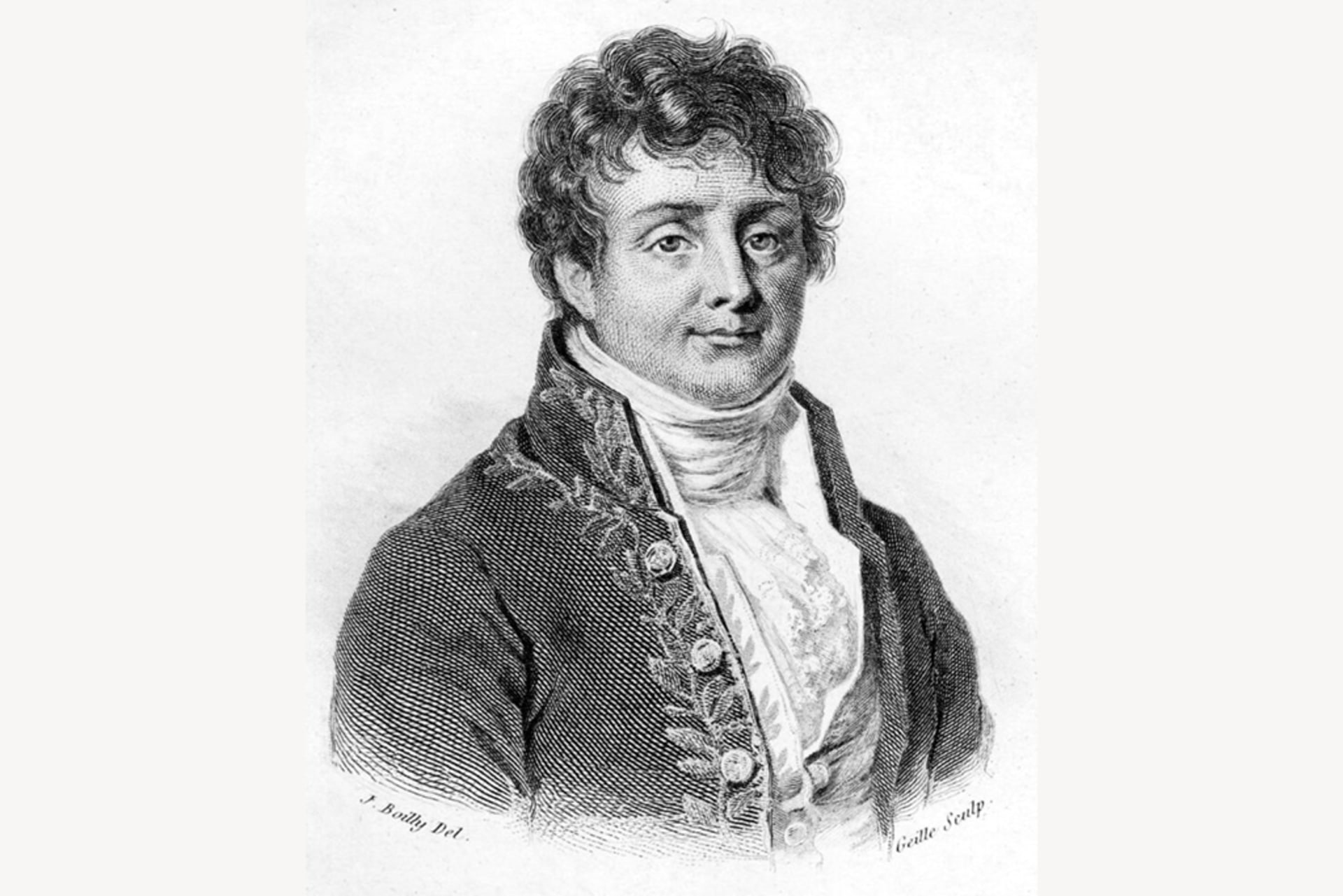
Physicist Joseph Fourier first proposes the idea of the “.” He observes that the earth is much warmer than it should be based only on heat from the sun and hypothesizes that the atmosphere has an insulating effect.
1856Carbon Dioxide Is Revealed to Be a Greenhouse Gas
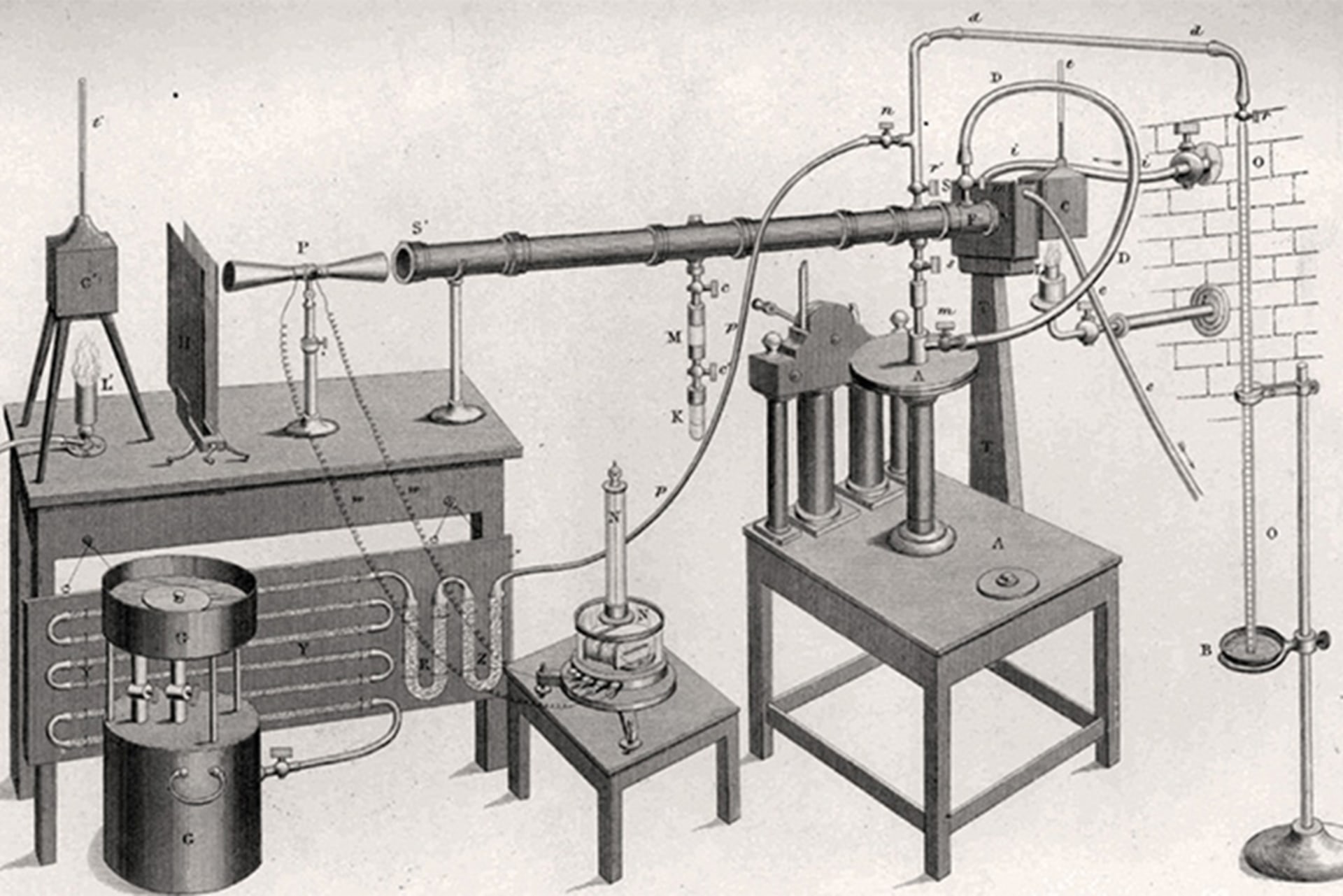
Scientist and inventor Eunice Newton Foote observes the warming effect of carbon dioxide (CO2). She fills glass cylinders with various gases and measures their temperature as they sit in the sunlight and then as they cool in the shade. Foote observes that CO2 retains significantly more heat than regular air and that it takes longer to cool. She concludes that “an atmosphere of that gas would give to our earth a high temperature.” Three years later, the physicist John Tyndall publishes similar findings identifying the gases responsible for the greenhouse effect. Tyndall’s work is more widely received than Foote’s, and he is commonly remembered as the scientist who proved the link between CO2 and the greenhouse effect.
1896Global Warming Is First Hypothesized
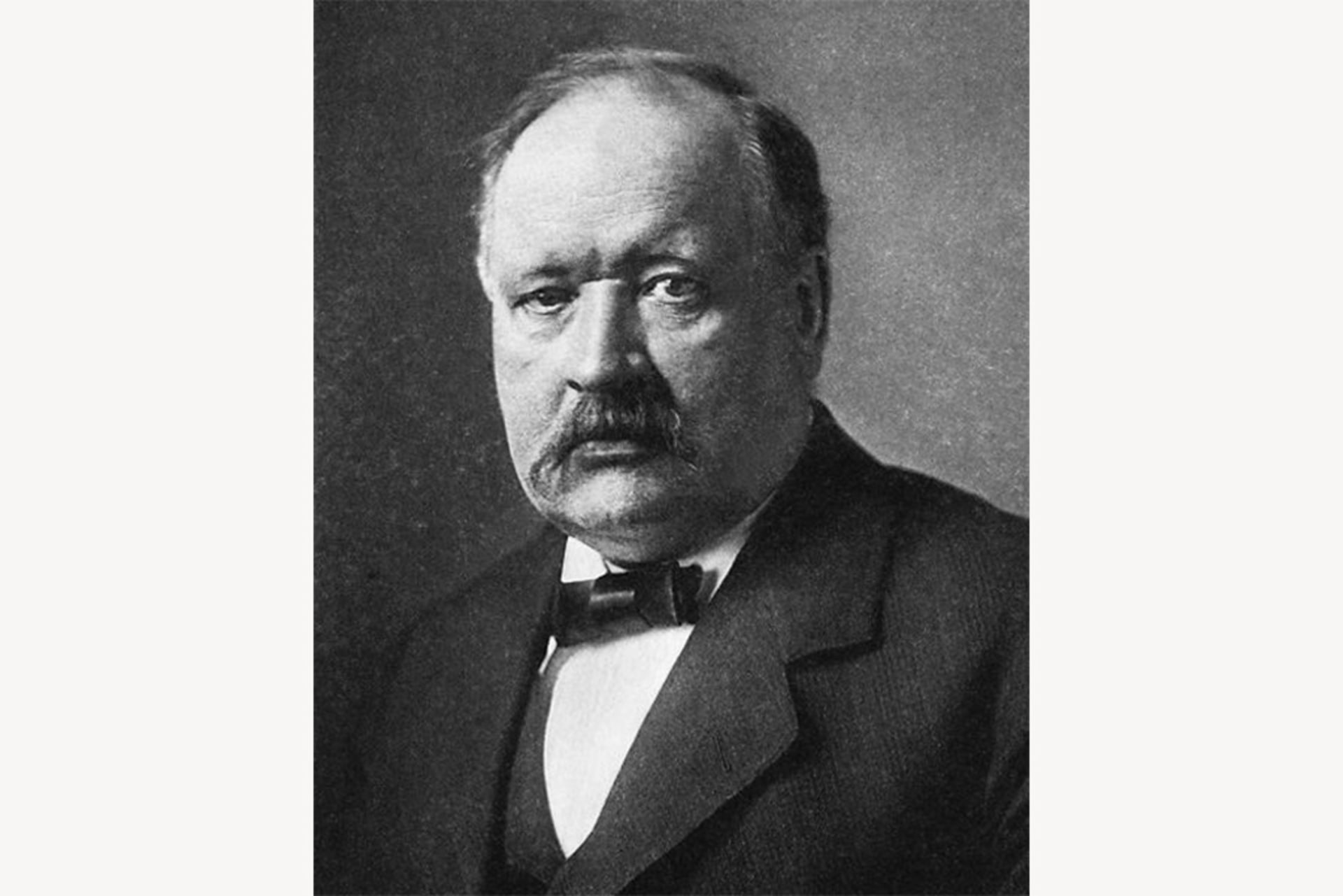
Chemist Svante Arrhenius introduces the idea of human-caused global warming. Arrhenius calculates the effect of changing amounts of CO2 on the earth’s temperature and estimates that doubling of CO2 in the atmosphere would result in a 5°C to 6°C increase in the surface temperature of the earth. In later work, he suggests that an increase in use could be a source of that warming process. However, Arrhenius assumes that would happen slowly—over thousands of years— and potentially even benefit the planet.
1938Global Warming Is First Observed
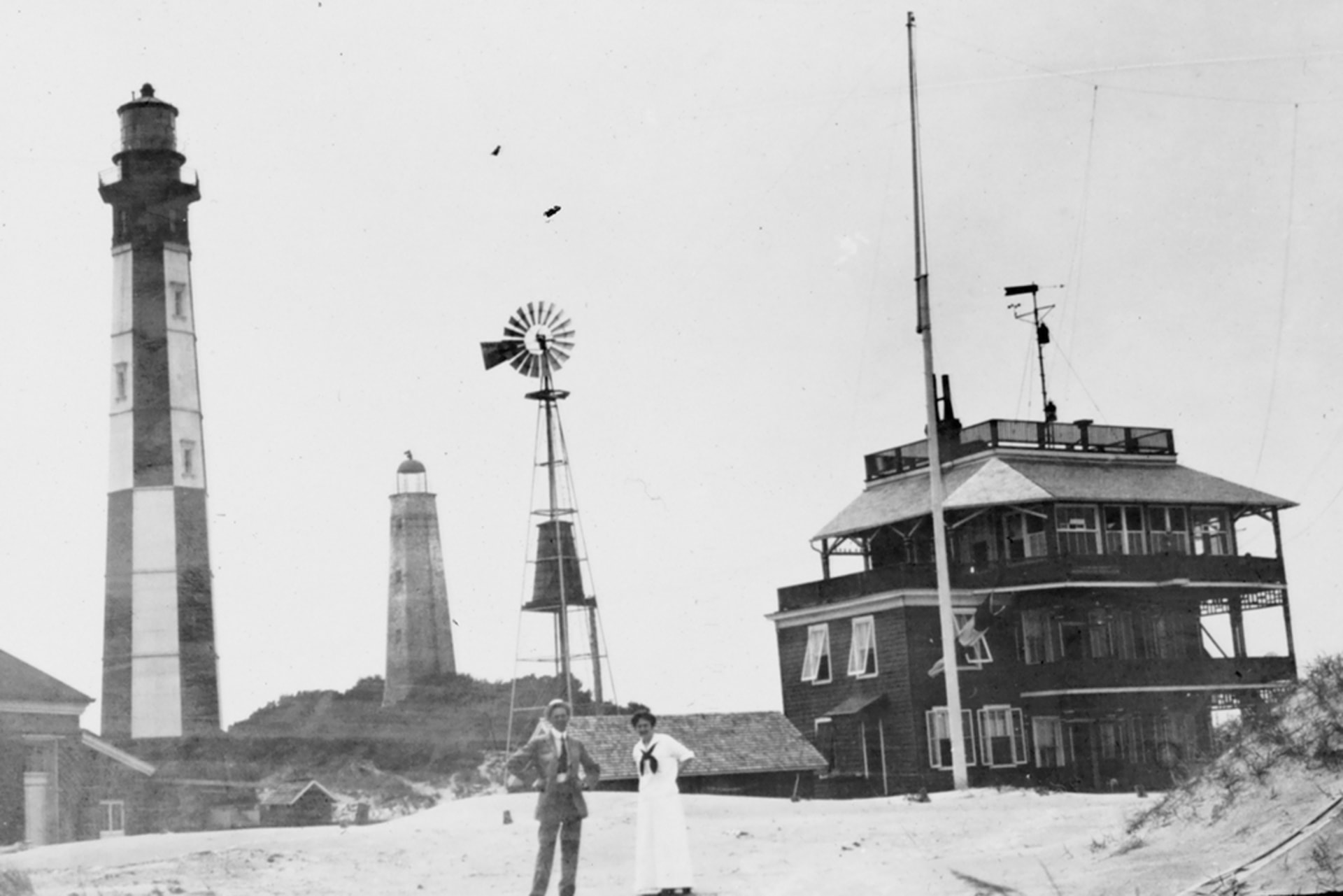
Steam engineer and amateur scientist Guy Callendar discovers the planet has warmed and argues that humans are responsible. By analyzing weather patterns from weather stations around the world and correlating temperatures with the estimated amount of CO2 that had been released into the atmosphere, Callendar claims that global temperatures had risen by 0.3°C over the previous fifty years, largely due to human fossil fuel use. Callendar’s theory initially meets with widespread skepticism.
1958The Keeling Curve Reveals Rising CO2 Levels
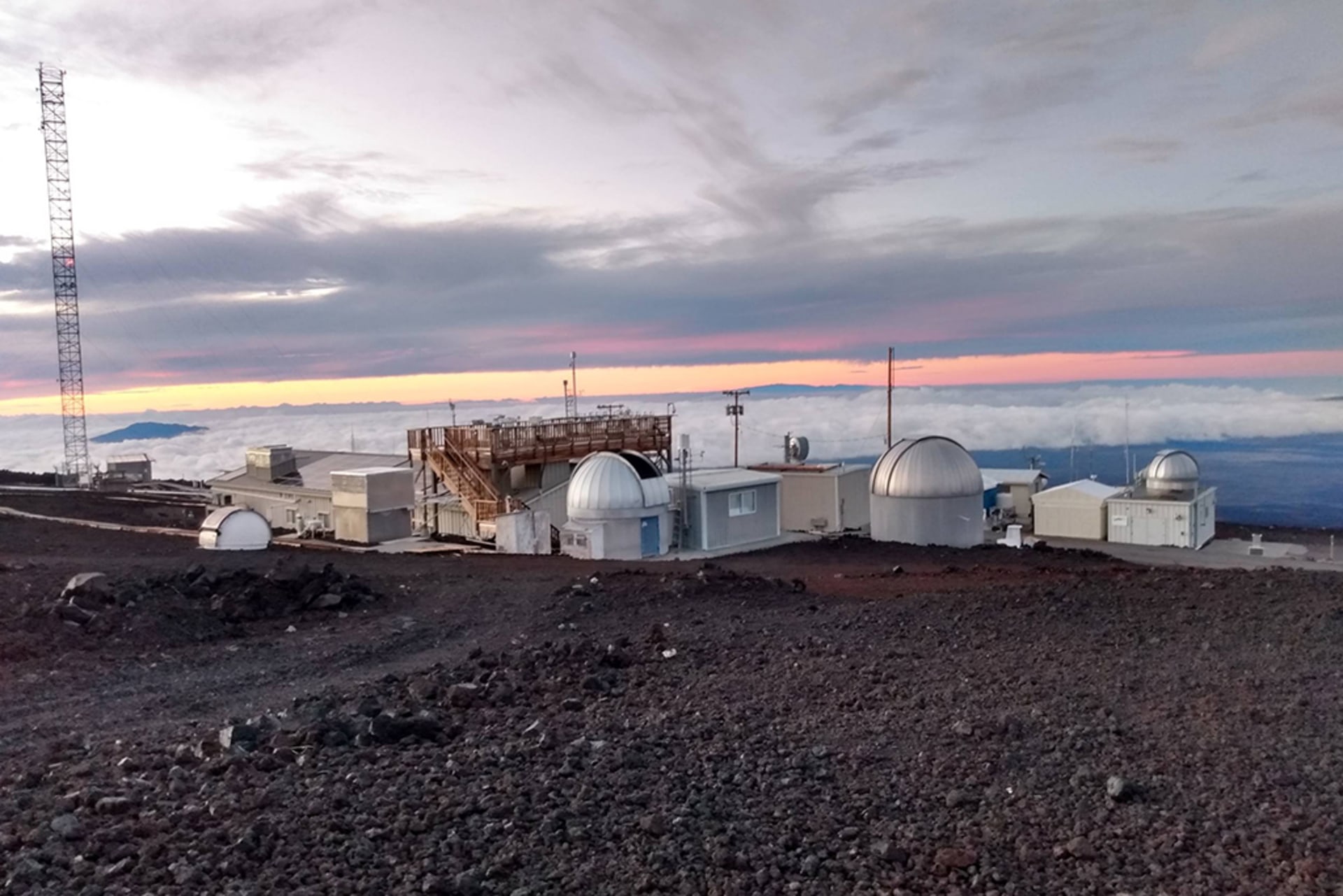
Charles David Keeling makes some of the first measurements of CO2 concentrations in the water and air and confirms that levels of the gas are rising. Over five years, Keeling takes daily measurements of the amount of CO2 in the air and water surrounding a weather observation station at the top of the Mauna Loa volcano in Hawaii. He observes that not only is the amount of CO2 in the atmosphere rising, but its increasing concentration can be attributed to human fossil fuel use. The Mauna Loa observatory continues to take daily readings that form the “Keeling Curve,” which graphs the rise in global CO2 concentrations to this day.
1959Edward Teller Warns the Energy Industry
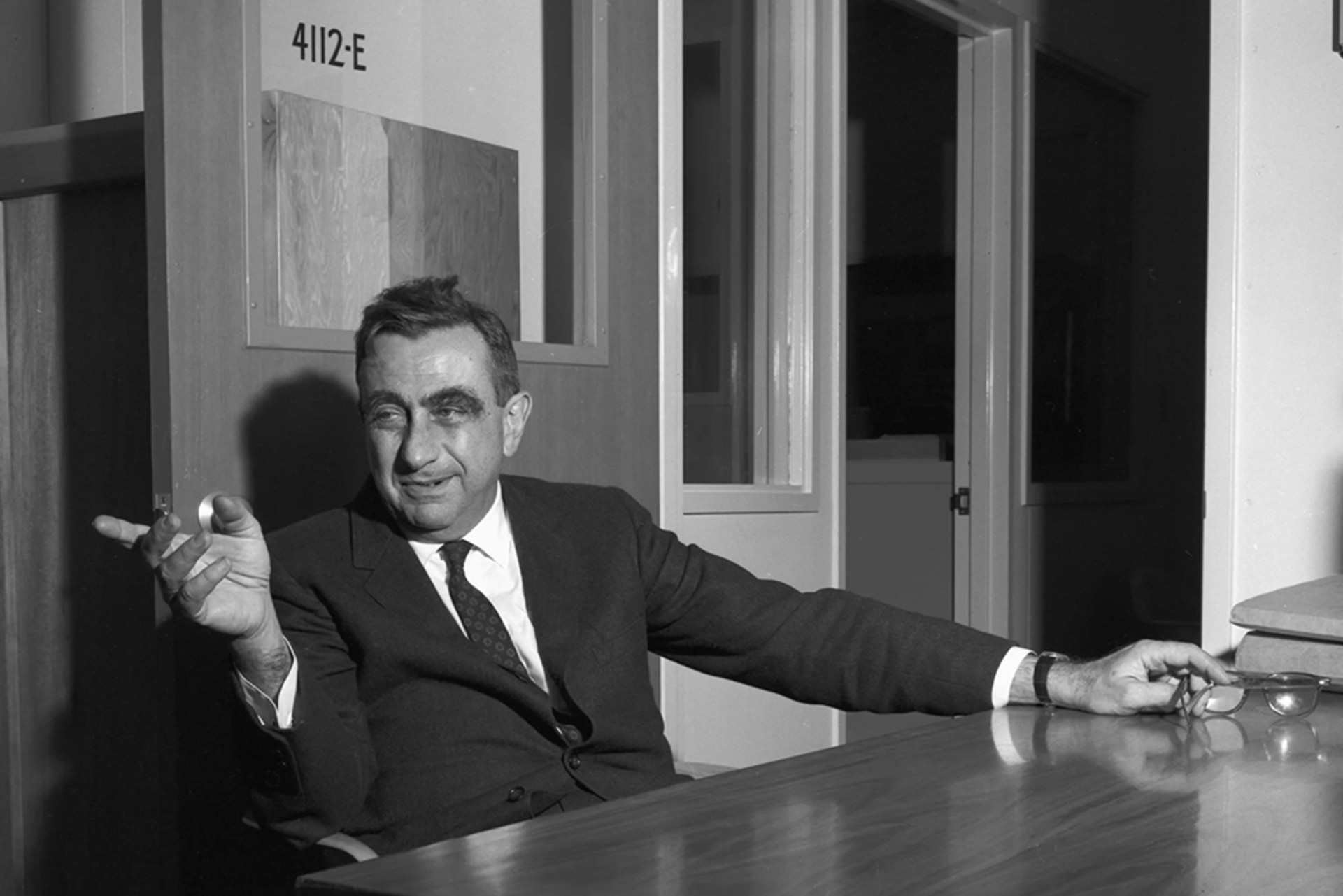
In a speech to a conference of oil industry leaders and government officials, physicist Edward Teller highlights Keeling’s observations and warns of catastrophic sea-level rise if fossil fuel use continues its present trends. Teller—who had previously been involved in the research and development of the nuclear bomb— urges the energy industry to develop nuclear energy as an alternative to .
1965Scientists Sound the Alarm to the President
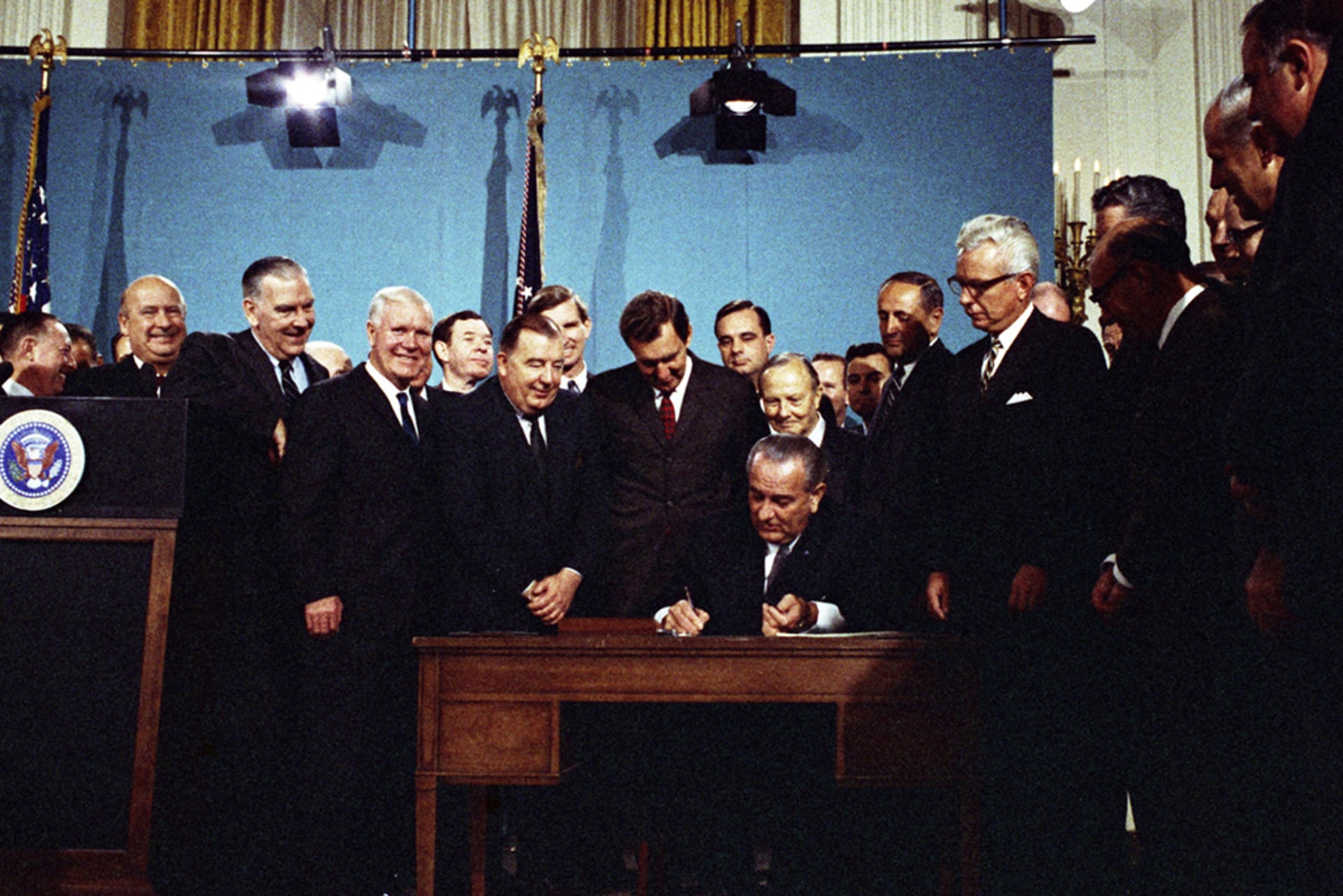
Scientists warn the president about climate change for the first time. President Lyndon B. Johnson’s Science Advisory Committee issues a report stating that by burning increasing amounts of fossil fuels, “Man is unwittingly conducting a vast geophysical experiment,” and concluding that if emissions continue to rise there could be “marked changes in climate” by the year 2000.
1967First Computer Climate Models Predict More Warming
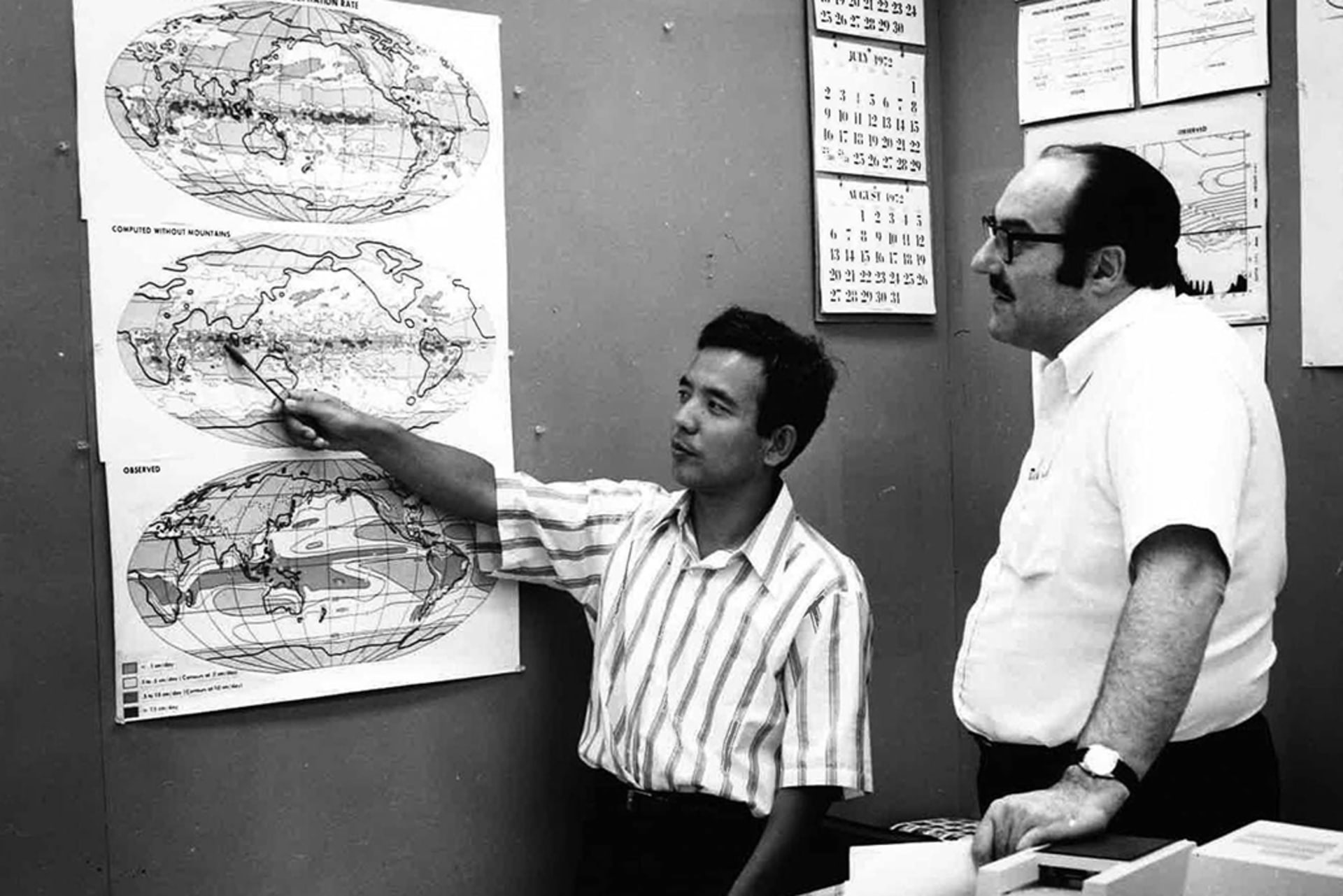
Scientists create the first computer model of the earth’s climate. The model predicts that a doubling of CO2 in the atmosphere would raise global temperatures by about 2°C. The model sets the stage for an increasingly sophisticated field of climate modeling to develop over the following decades.
1968Scientists Predict Sea Level Rise
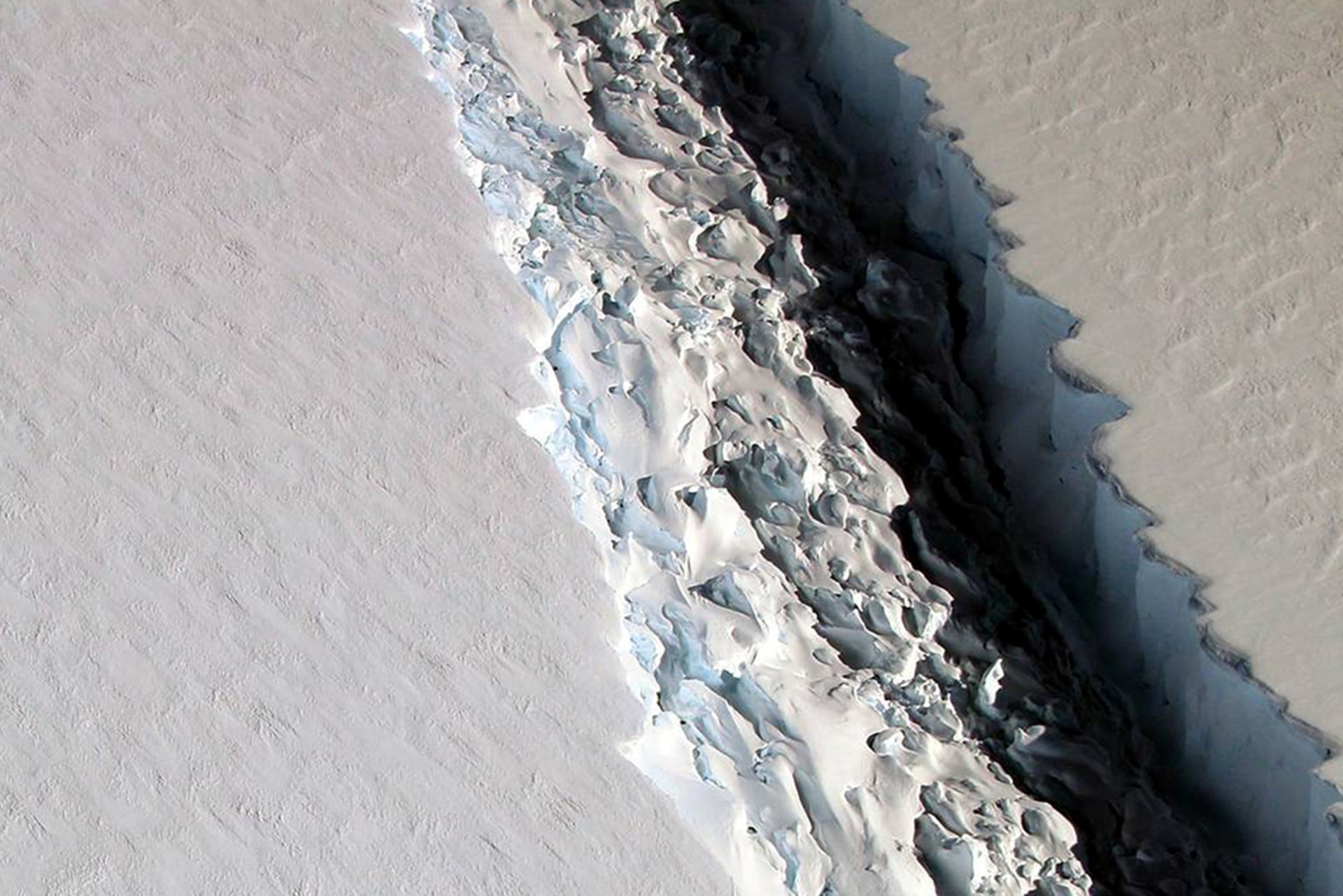
Glaciology expert John Mercer predicts global warming will cause Antarctic ice sheets to melt and collapse, leading to major sea-level rise of up to five meters. Mercer’s findings initially received little attention. However, in 1995, the massive Antarctic Larsen Ice Shelf began to break up, renewing focus on Mercer’s warning.
1975The Term Global Warming is Coined
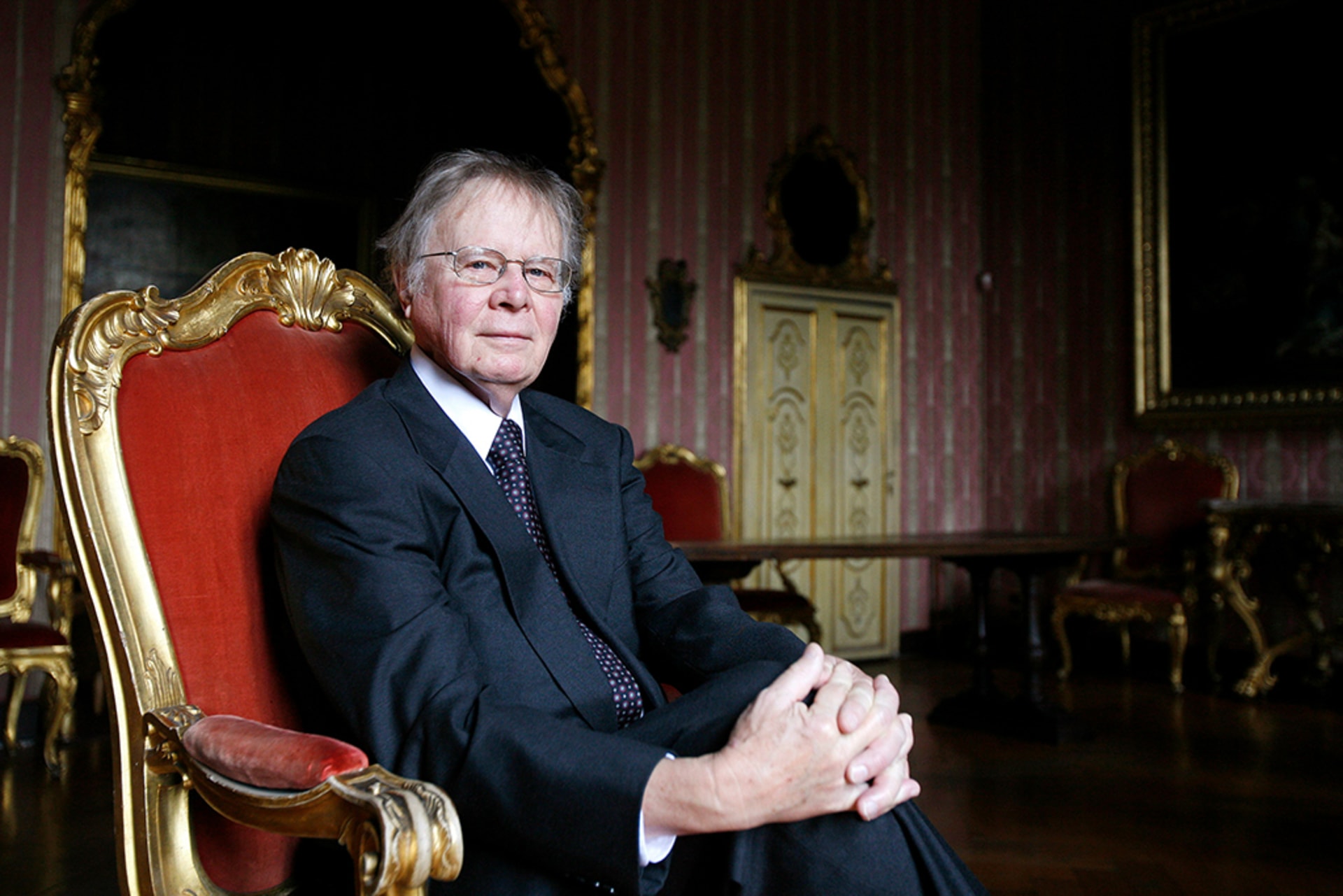
Geoscientist Wallace Broecker first coins the phrase global warming.
1977James Black Warns Exxon About Global Warming
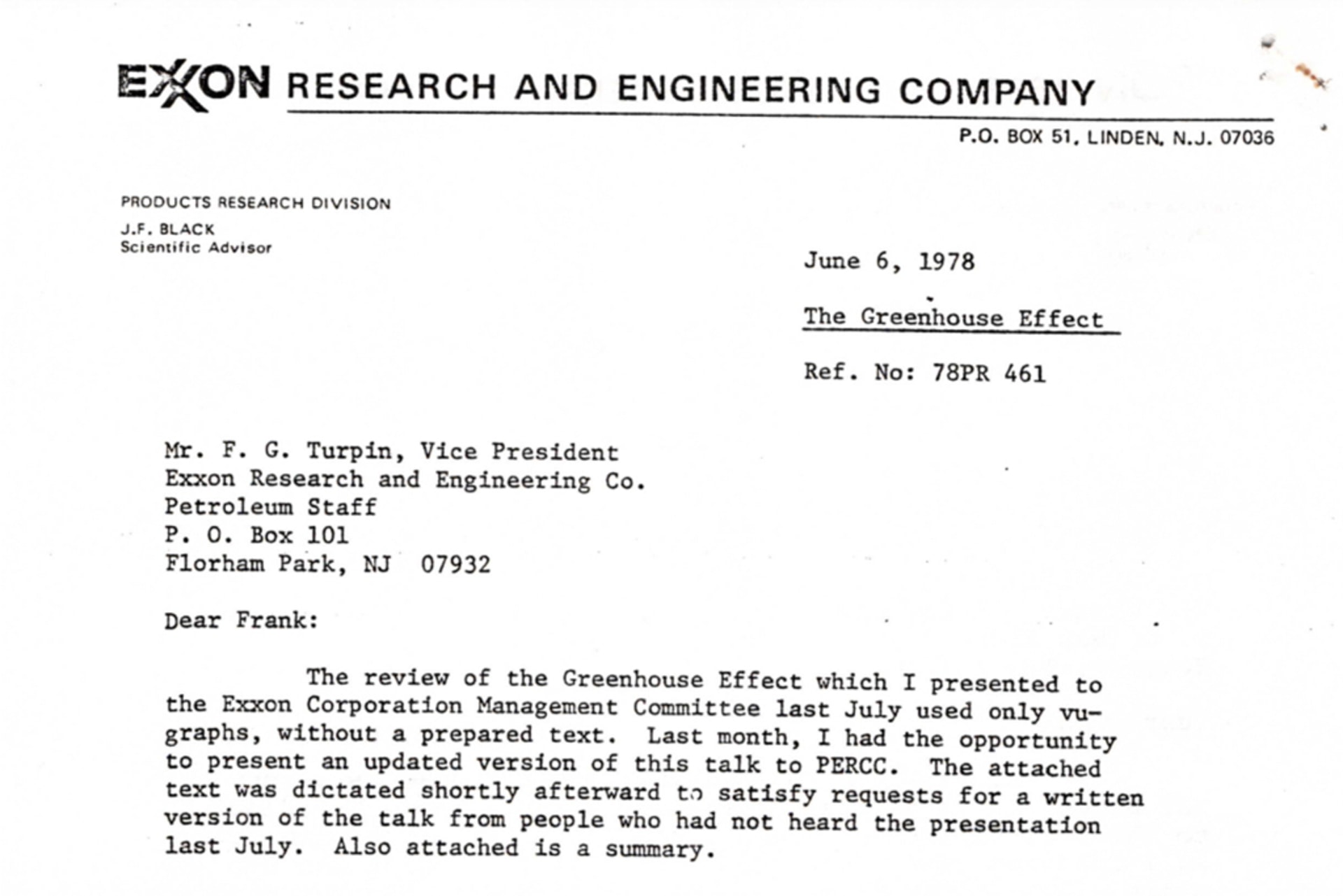
Scientist James Black gives a presentation to senior leaders of the oil and gas company Exxon warning of climate change. Black emphasizes that “present thinking holds that man has a time window of five to ten years before the need for hard decisions regarding changes in energy strategies might become critical.”
1985-1998Ice Core Studies Confirm Global Warming
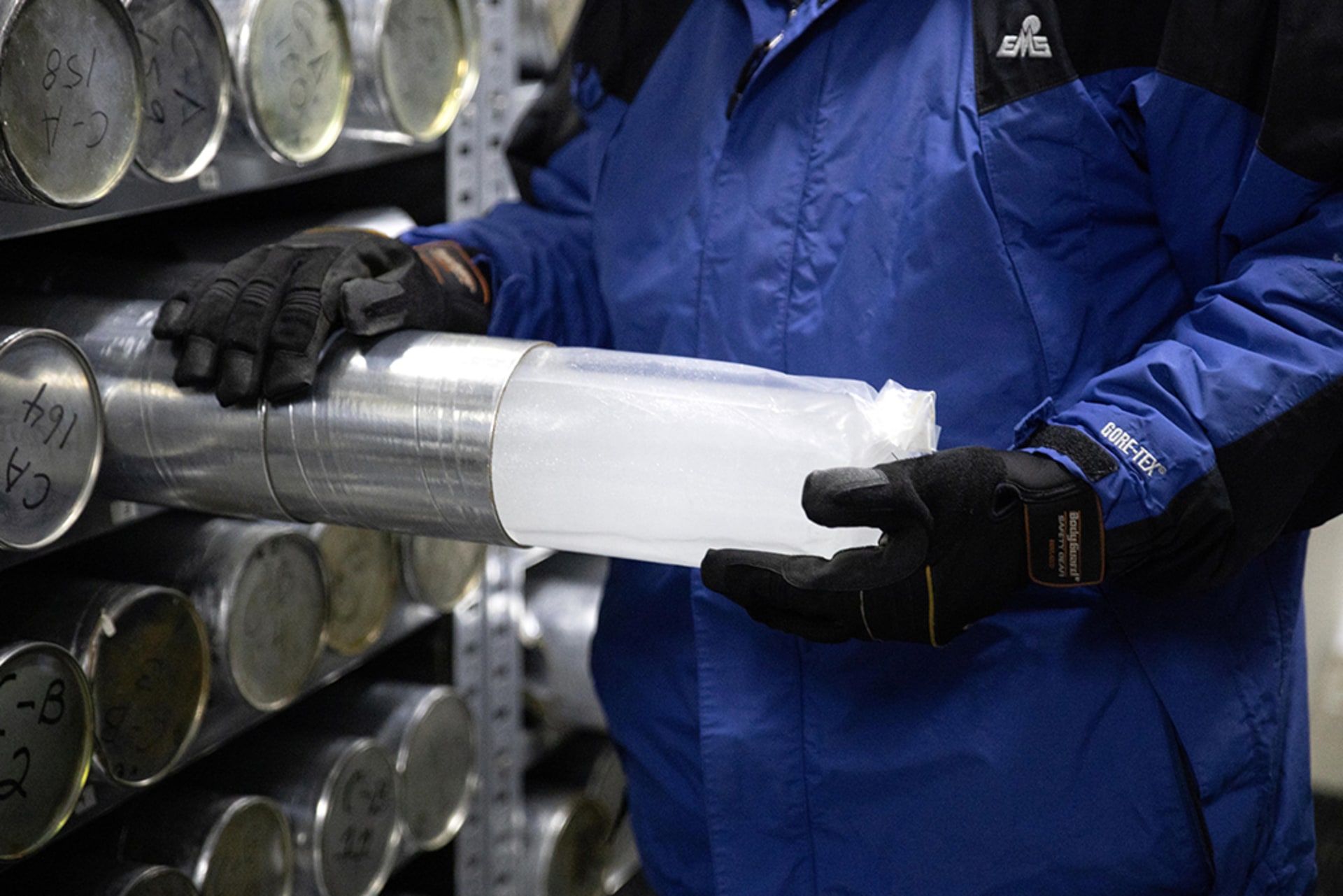
Soviet scientists extract ice cores revealing 420,000 years of global climate data. Chemical analysis on trapped gases in different portions of the core can determine the temperature and atmospheric conditions at different points in time. Studies on those ice cores confirm that rising concentrations of greenhouse gas correspond with rising temperatures. Moreover, they reveal that concentrations of are higher than at any point in the last 420,000 years.
1985A Hole in the Ozone Layer is Discovered
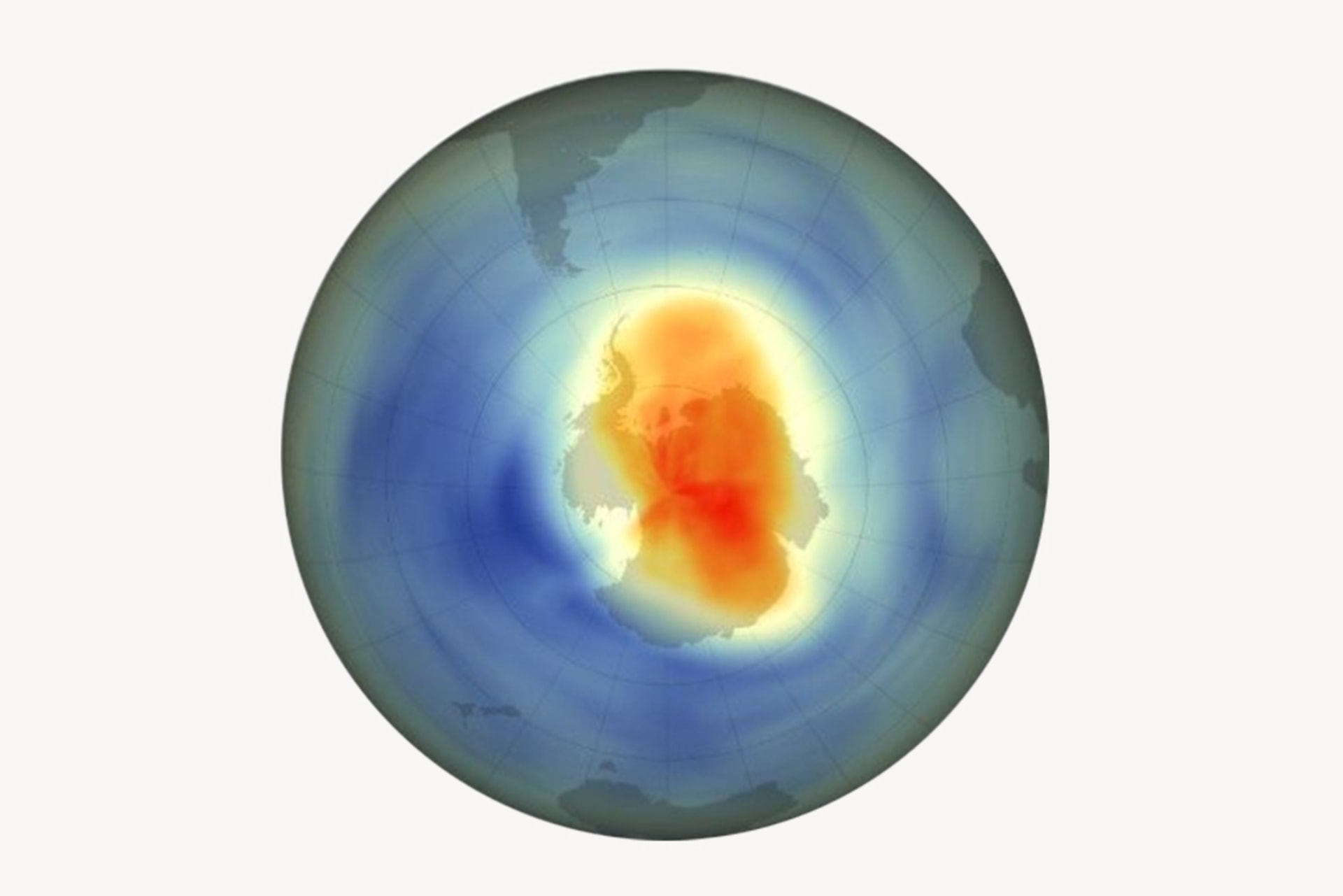
Scientists discover a hole in the ozone layer over the South Pole. In the upper atmosphere, a layer of ozone gas covers the earth and reflects harmful ultraviolet radiation. However, researchers suggest that compounds known as chlorofluorocarbons (CFCs)—commonly used in refrigerators and aerosol sprays—were breaking down the ozone layer. Two years later, the discovery triggers world governments to adopt the Montreal Protocol, calling for countries to phase out CFC use. The agreement succeeds, and present-day analysis reveals that the ozone layer is slowly recovering.
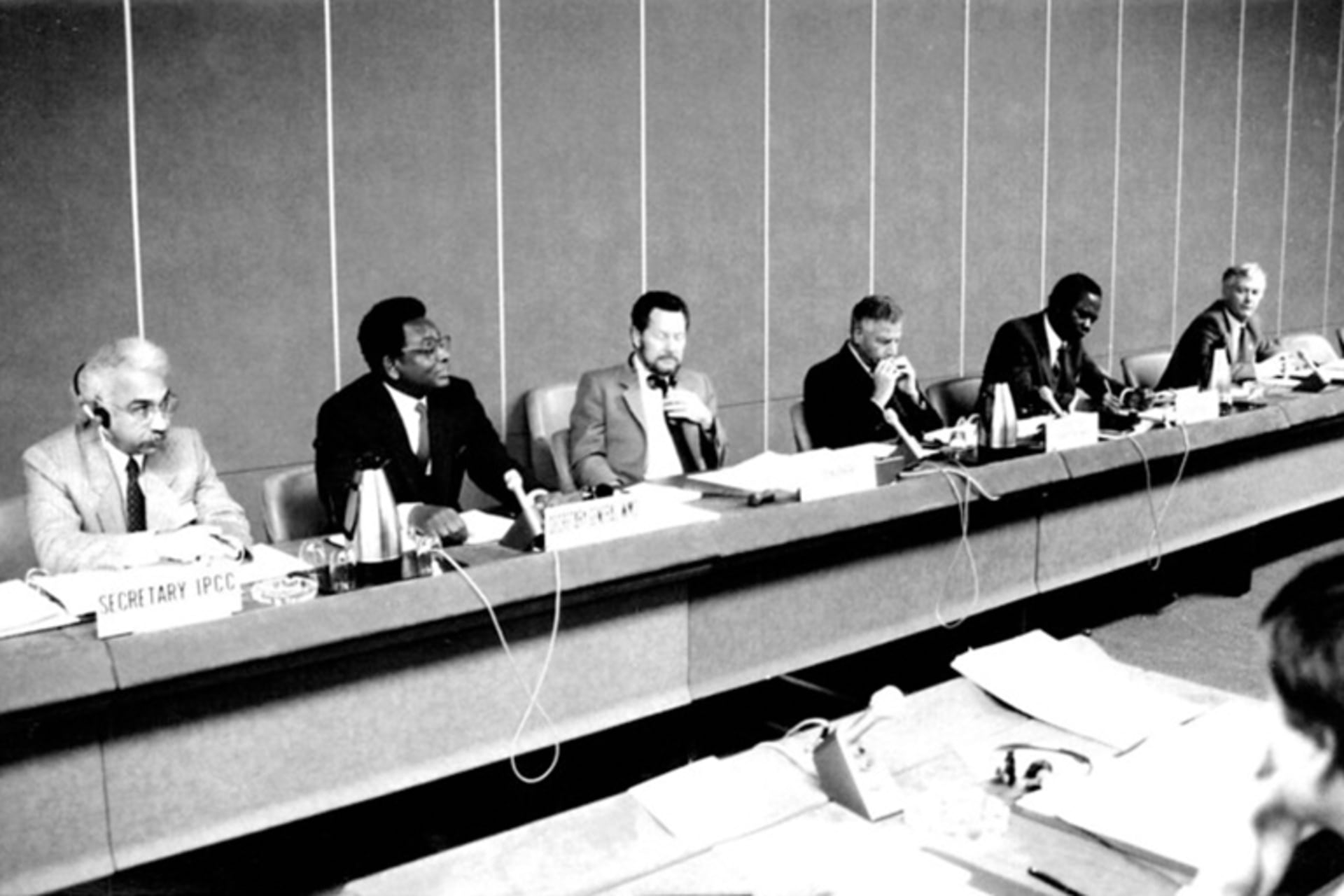
1988The IPCC is Born
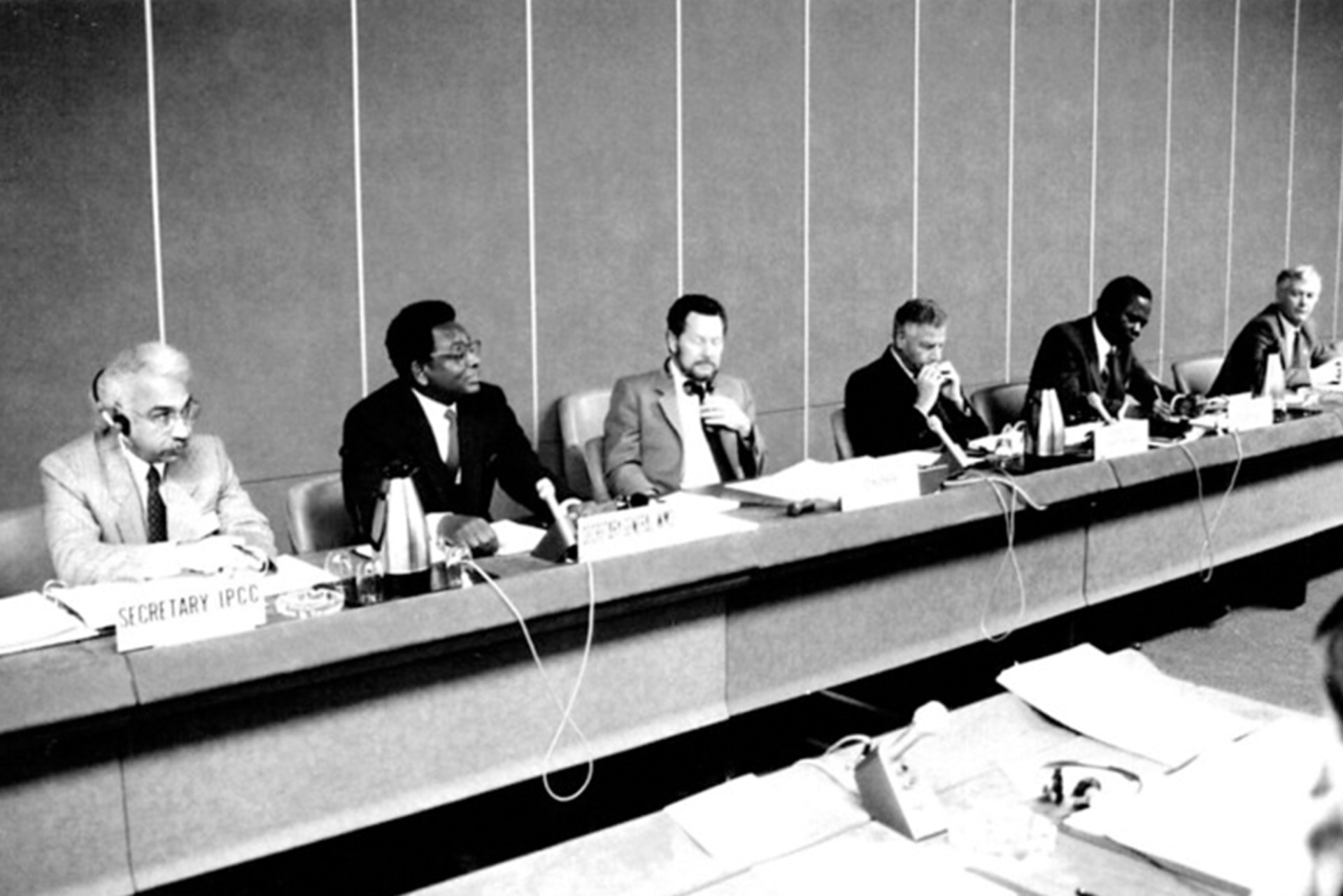
The United Nations establishes the . The panel is designed to gather and present scientific research on climate change to policymakers. To that end, the IPCC begins releasing regular assessment reports that synthesize thousands of published papers to present policymakers with an up-to-date understanding of the scientific consensus on climate change. Many of those reports form the basis of future international climate agreements, including the 1997 and the 2015 . As of 2024, the IPCC had released six assessment reports. Each confirmed with increasing certainty that the earth is warming and that human-emitted greenhouse gases are responsible.
1992Climate Change Predicted to Threaten Coral Reefs
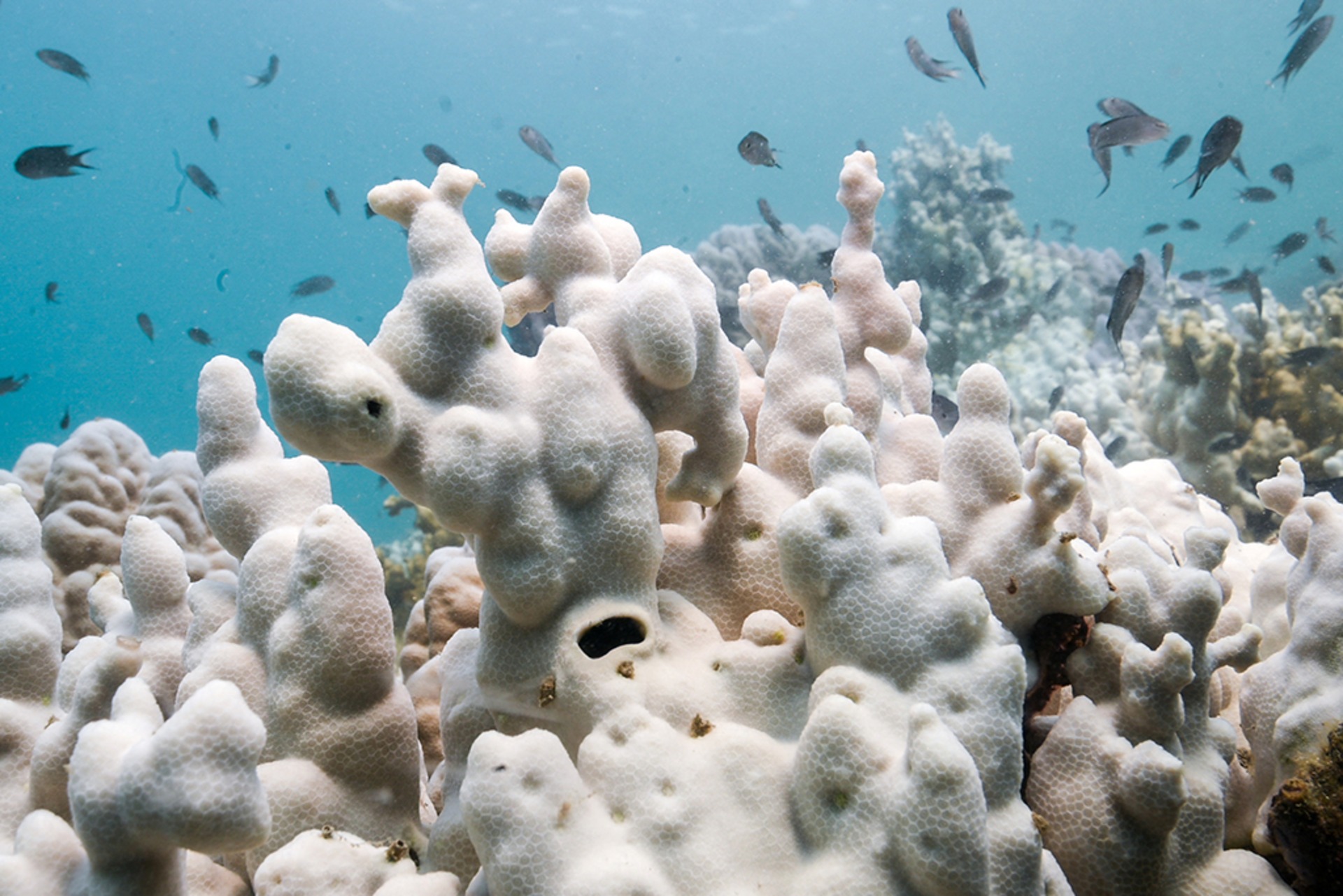
Researchers Stephen Smith and Robert Buddemeier determine that climate change poses a threat to coral reefs. Rising CO2 levels cause the ocean to grow more acidic, which weakens coral reefs and makes it harder for them to regrow. Rising ocean temperatures can further cause coral to expel the algae that gives them their color, leading them to turn white (a phenomenon known as coral bleaching). The research highlights the risks of climate change to the planet’s delicate and interconnected ecosystems.
2004Attribution Science is Born
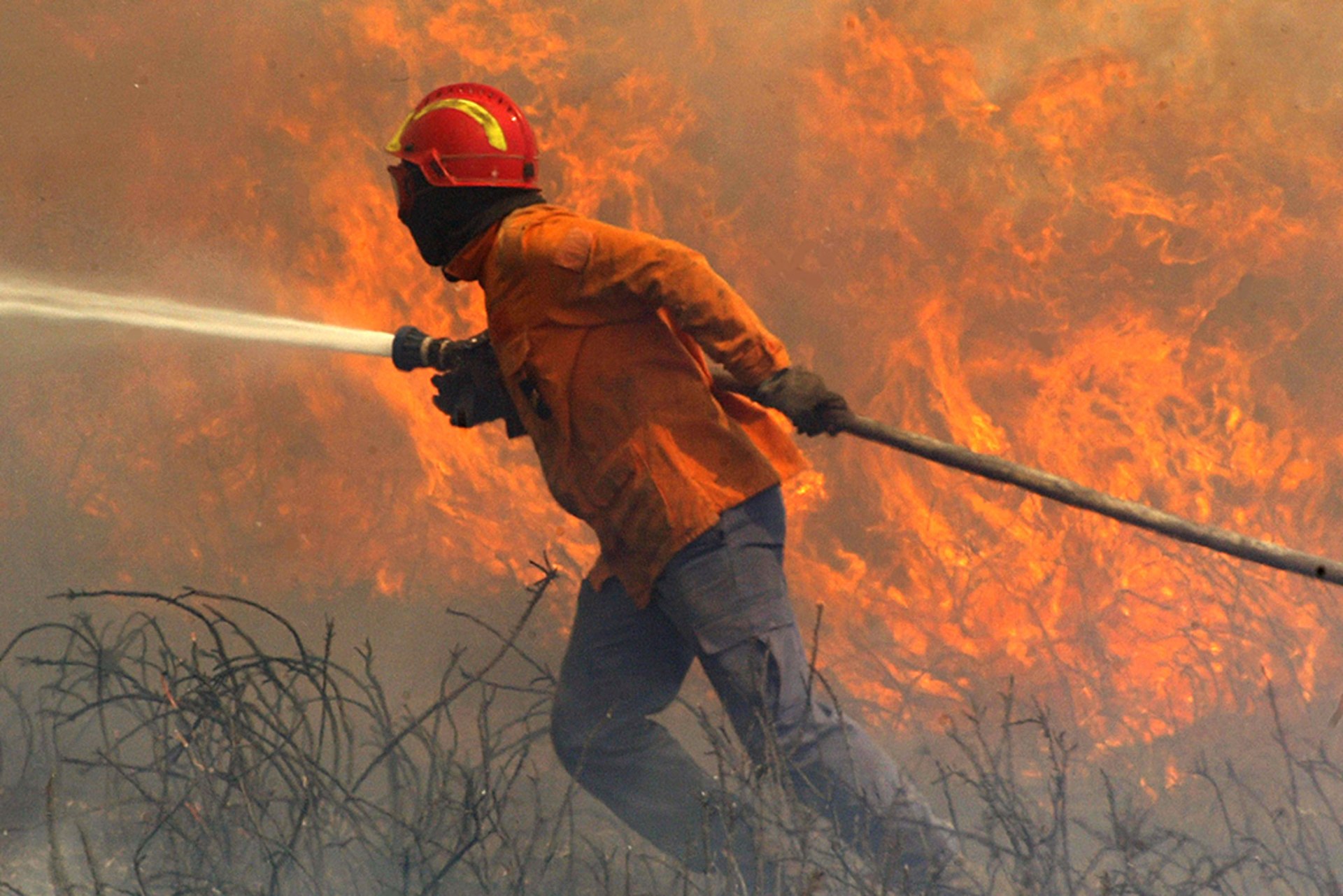
After a deadly heat wave contributes to tens of thousands of deaths in Europe, climate scientist Pete Stott publishes research finding that climate change had doubled the risk of such a deadly happening. Stott’s research is the first to explicitly link an extreme weather event to climate change. In the years following, a growing field of research, known as attribution science, emerges to identify how climate change influences the likelihood of extreme weather events. In 2011, the Bulletin of the American Meteorological Society begins issuing an annual report about how climate change has altered the risk of extreme weather events.
2007Scientists Discover Global Warming is Worse at the Poles

Scientists discover that parts of the earth’s polar regions are warming twice as fast as the rest of the planet. A multinational research campaign dubbed the International Polar Year brings around fifty thousand scientists, students, and staff to research the Arctic and Antarctic. The campaign revealed that the earth’s polar regions were warming at an alarming rate, with ice sheets in both polar regions melting faster than at any point in the last ten thousand years.
2008Tipping Points Discovered
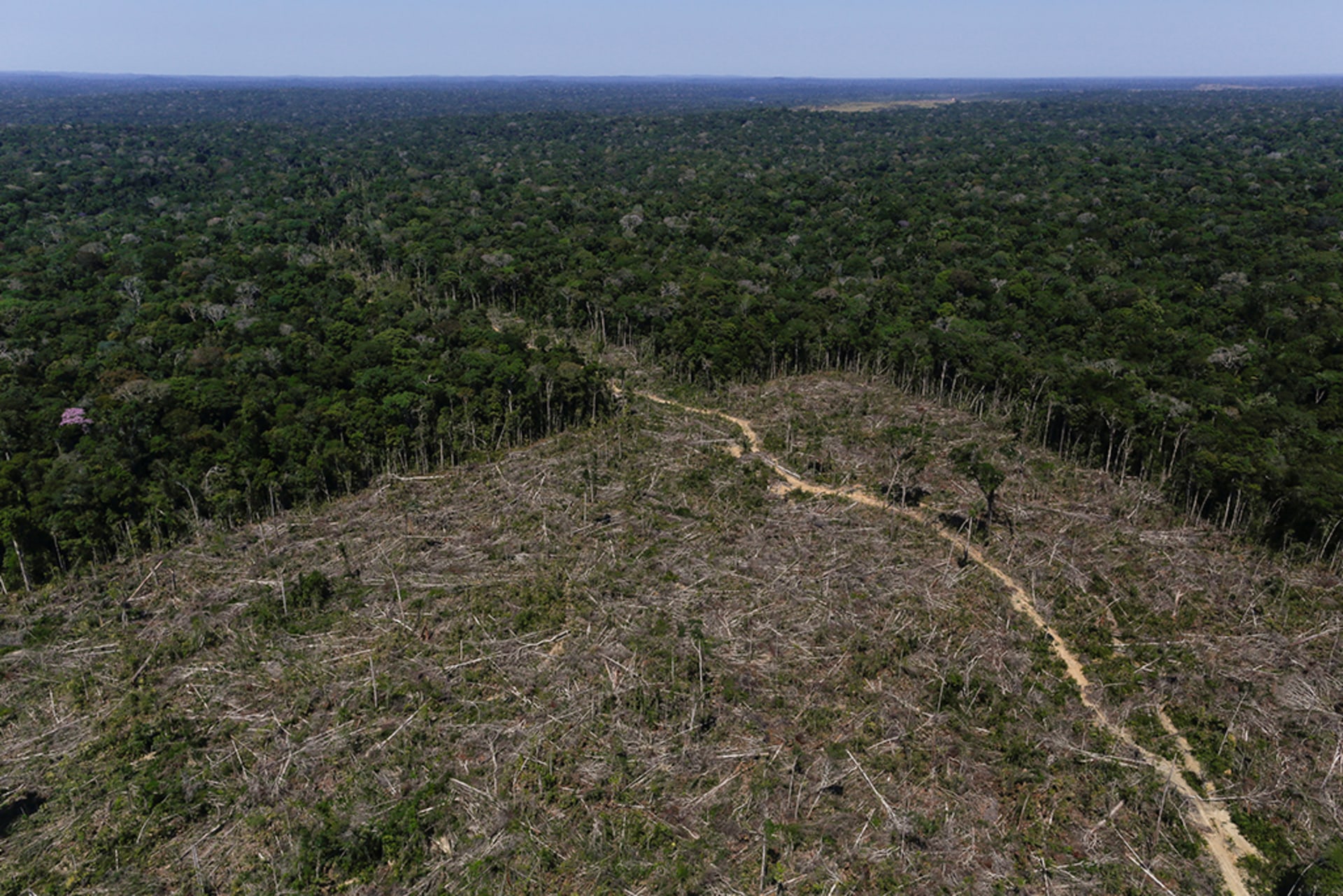
A group of researchers in England, led by Tim Lenton, introduces the concept of climate tipping points: thresholds for global warming that, once crossed, could trigger cascading and irreversible effects for the climate. Those potential points include runaway melting of ice sheets, the loss of forests like the Amazon as natural carbon sinks, and the disruption of the oceans’ heat circulation systems. At first, researchers believe such tipping points would only be a threat if warming reached 5°C above preindustrial levels. However, research in 2019 will conclude the risks were far more imminent, and some tipping point thresholds could already have been crossed.
2019IPCC Warns of Catastrophic Sea Level Rise
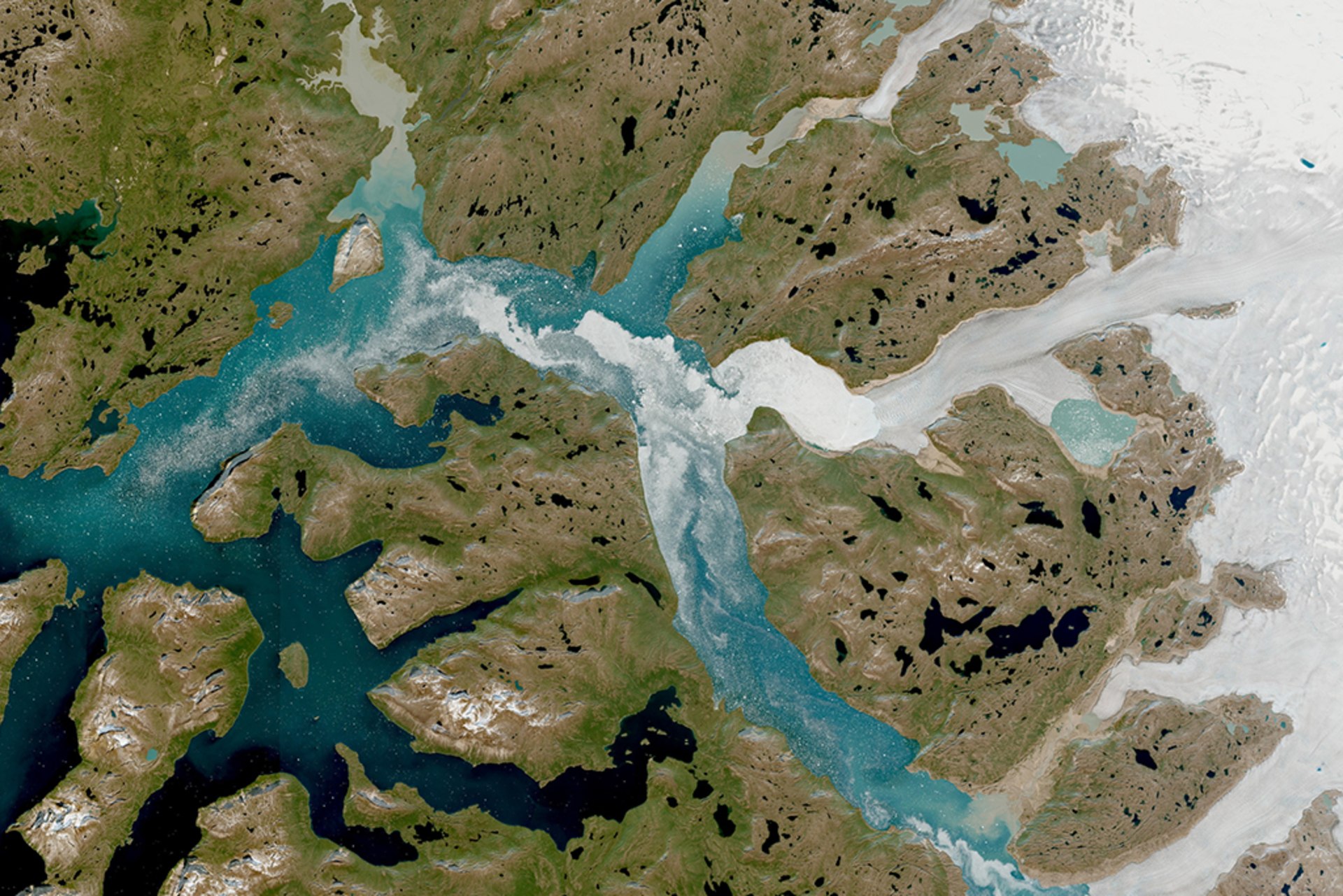
In a special report, the IPCC warns that parts of the ice sheets in Greenland and Antarctica could have melted to an irreversible degree. If temperatures rise beyond 1.5° C, the report highlights, then sea levels could rise by ten meters over the next thousand years.
2019Scientists Warn of Mass Extinction
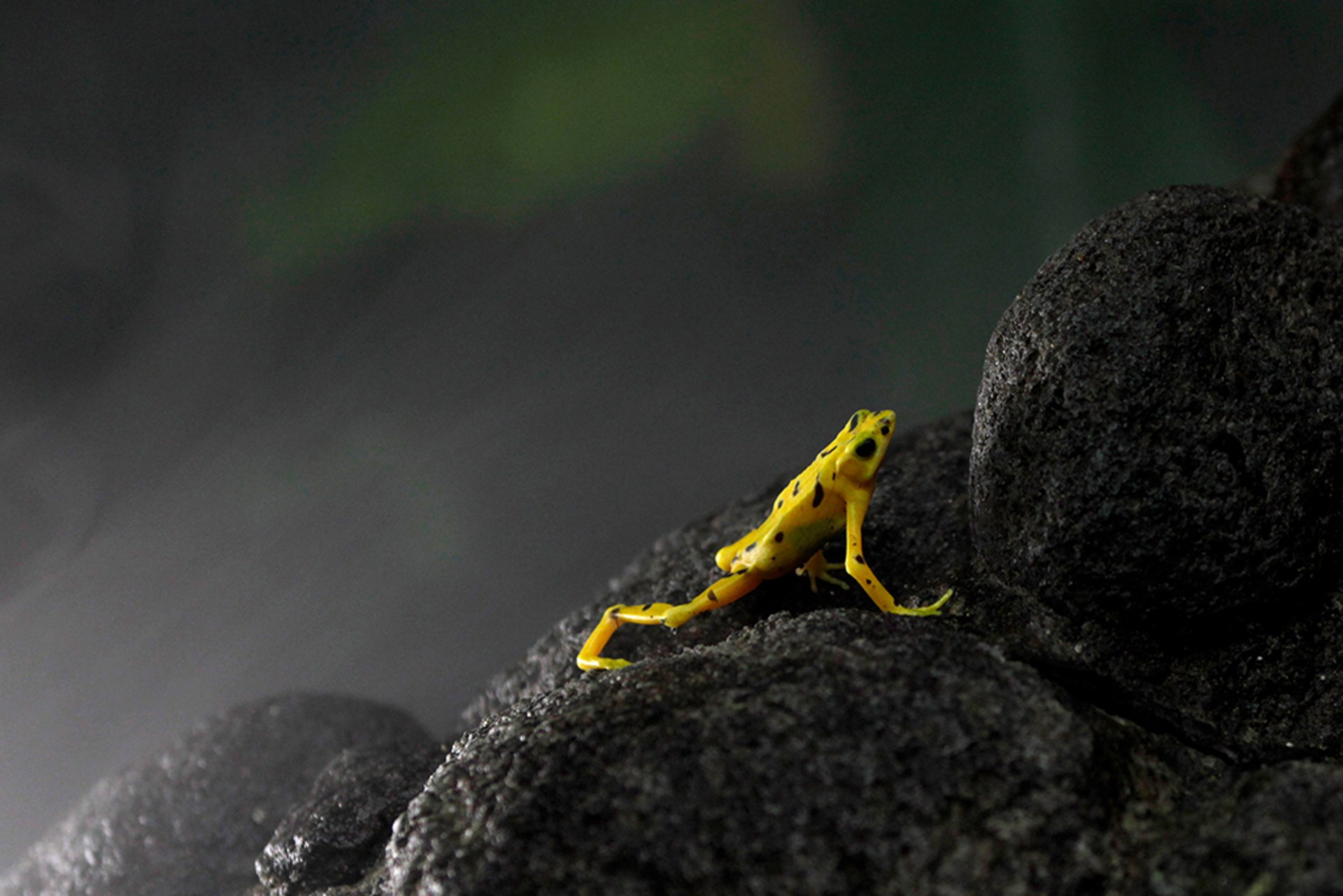
A UN report finds that climate change and other human-caused effects like and pollution pose an extreme, immediate threat to global biodiversity. According to the report, “around 1 million species already face extinction, many within decades.” Subsequent studies suggest the toll could be even higher. The report fuels claims among some scientists that human activity has triggered a sixth mass-extinction event. (The fifth mass extinction saw the death of the dinosaurs sixty-five million years ago.)
2021IPCC Predicts Irreversible Climate Damage By 2040
An IPCC report predicts that global warming will reach 1.5° C above preindustrial levels by 2040, earlier than previous research had suggested. That would make many changes to the earth’s climate—such as sea-level rises, melted Arctic ice, and —irreversible.