NATO: The World’s Largest Alliance
What is NATO? Trace NATO’s history and learn how the organization’s mission has evolved over seventy-five years, from the end of World War II to Russia’s war in Ukraine.
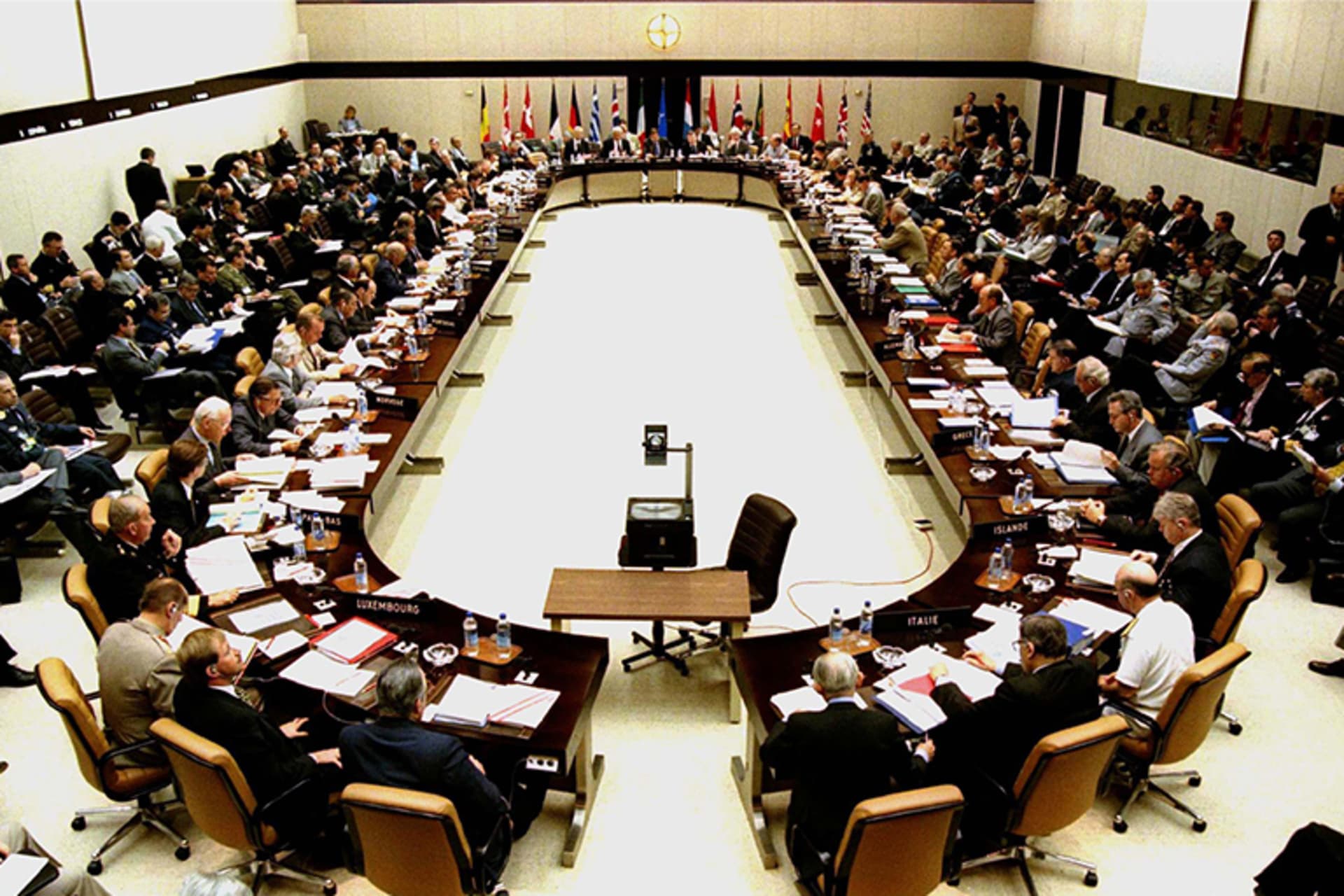
By experts and staff
- Updated
Following the end of World War II, the relationship between the and other Allied powers deteriorated. As a result, the United States, Canada, and a group of ten European countries organized themselves for a new geopolitical reality. In 1949, they created the , an to preserve a free, integrated, and democratic Europe. NATO was established to particularly combat the growing influence of the Soviet Union.
In international relations, an alliance is a group of countries that come together to promote their common security interests. In many cases, alliances promise military support if one member is threatened. This formal commitment is known as mutual security. The core of NATO’s strength comes from Article 5 of its founding treaty—a commitment that an attack on one member country will be considered an attack on the entire alliance.
All kinds of countries benefit from alliances. For smaller, weaker countries that lack resources to mount a proper defense, joining an alliance can be the only realistic path to maintaining security and deterring potential foes. Larger or stronger countries use alliances to increase their military might. Large countries sometimes also use alliances to assert their influence over smaller countries. Specifically, alliances have been leveraged by powerful countries to discourage nuclear proliferation among smaller, weaker countries.
For over seven decades, NATO has endured, even as the common foe that it was organized against—the Soviet Union—disappeared. It successfully protected its members against Soviet aggression; no NATO member was ever attacked by the Soviet Union. Today, the alliance consists of thirty-two member countries. NATO has played a crucial role in keeping Europe mostly conflict-free since the end of World War II. But it has also recently taken on faraway missions in places like the Middle East to prevent humanitarian suffering. However, such humanitarian interventions have had mixed results. Additionally, the alliance has come under increased scrutiny amid charges that some of NATO’s European states, by spending less on defense than other members, are not pulling their weight. These challenges come as many NATO countries consider Russia a renewed threat to Europe’s security following its aggression in Ukraine.
NATO Timeline
This timeline explores NATO’s history—from its origins as a bulwark against the Soviet Union to its present-day operations far from Europe’s shores. This resource also examines the effects of expanding NATO membership, evolving mission, and recent funding concerns, all of which point toward an uncertain future.
1949 - 1991: NATO Origins
As World War II came to a close, the alliance between the Soviet Union and Western powers deteriorated. Europe needed a plan for maintaining long-term peace. Under terms outlined at the Yalta and Potsdam Conferences, Soviet Premier Joseph Stalin was given temporary control of Poland and a portion of Germany. However, it quickly became clear that the Soviet Union had greater ambitions. The Soviets sponsored communist-led coups in Czechoslovakia and surrounding east European territories. Fearful of further Soviet encroachment on Western Europe, these countries discussed forming an organization capable of providing mutual security.
1949The Birth of NATO
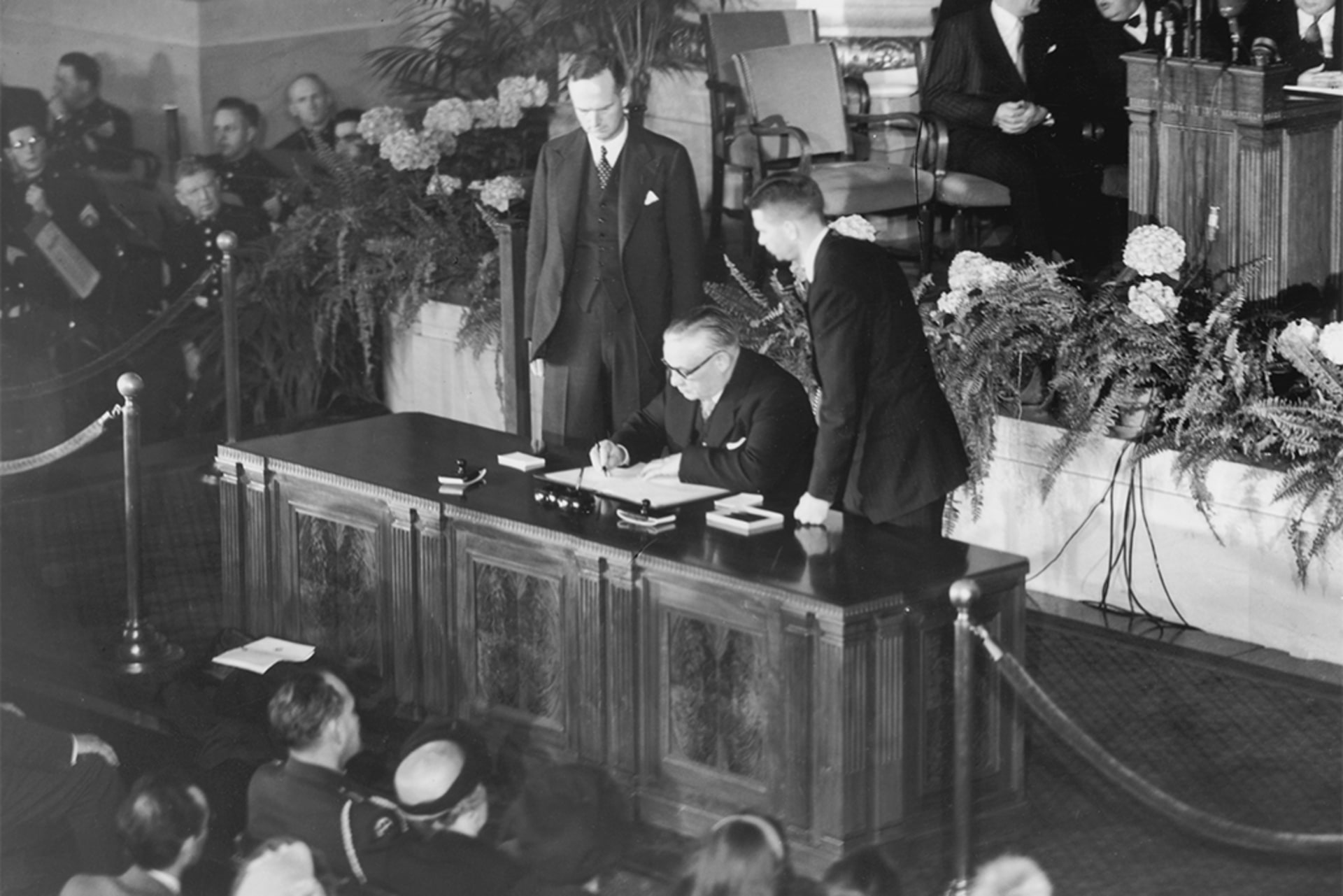
The Soviet Union’s alarming expansion and failure to comply with the terms of the Potsdam and Yalta Conferences led to the creation of NATO. It was established as a means to preserve a unified, democratic Europe. The defensive alliance was formed in 1949 and consisted of twelve members: the United States, Canada, and ten European countries. NATO’s founding members structured the organization so that all decisions would be made through consensus. Despite the alliance’s egalitarian structure, the United States’ leading role was clear from the start; a supreme allied commander Europe (SACEUR), a position that an American has always held, leads NATO’s military operations.
1952-1955Early Expansion to Bring in West Germany
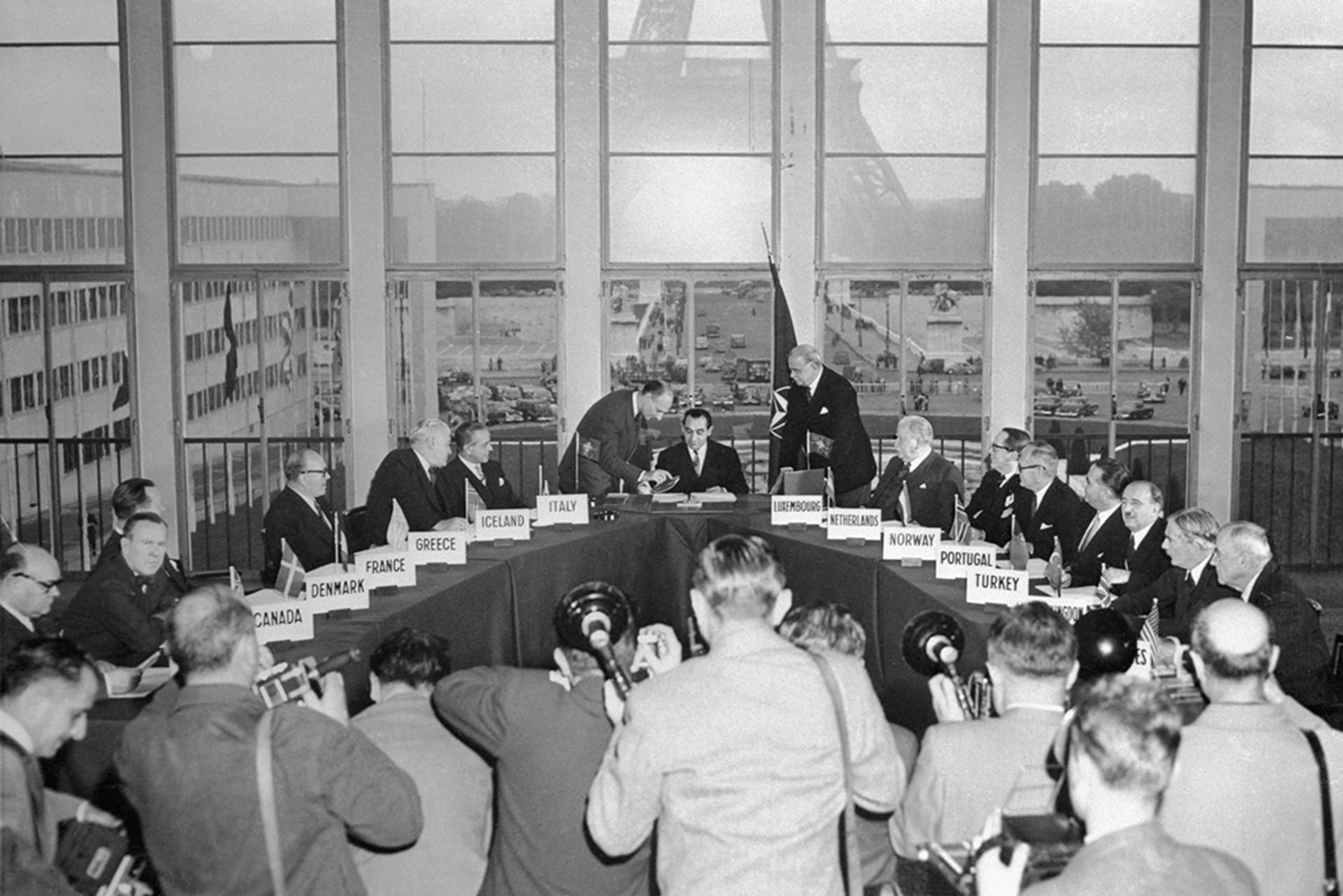
NATO’s founding members believed that expanding the alliance was crucial to ensuring peace in Europe. They offered membership to Greece and Turkey in 1952 and West Germany in 1955. The inclusion of West Germany was an especially consequential decision given Germany’s history of provoking conflict in Europe. With its entry into NATO, West Germany became more integrated with Western Europe. In exchange for NATO membership, the West Germans also committed to never manufacturing weapons of mass destruction. In the words of NATO’s first secretary-general, the purpose of NATO was to “keep the Soviet Union out, the Americans in, and the Germans down.”
1955Warsaw Pact
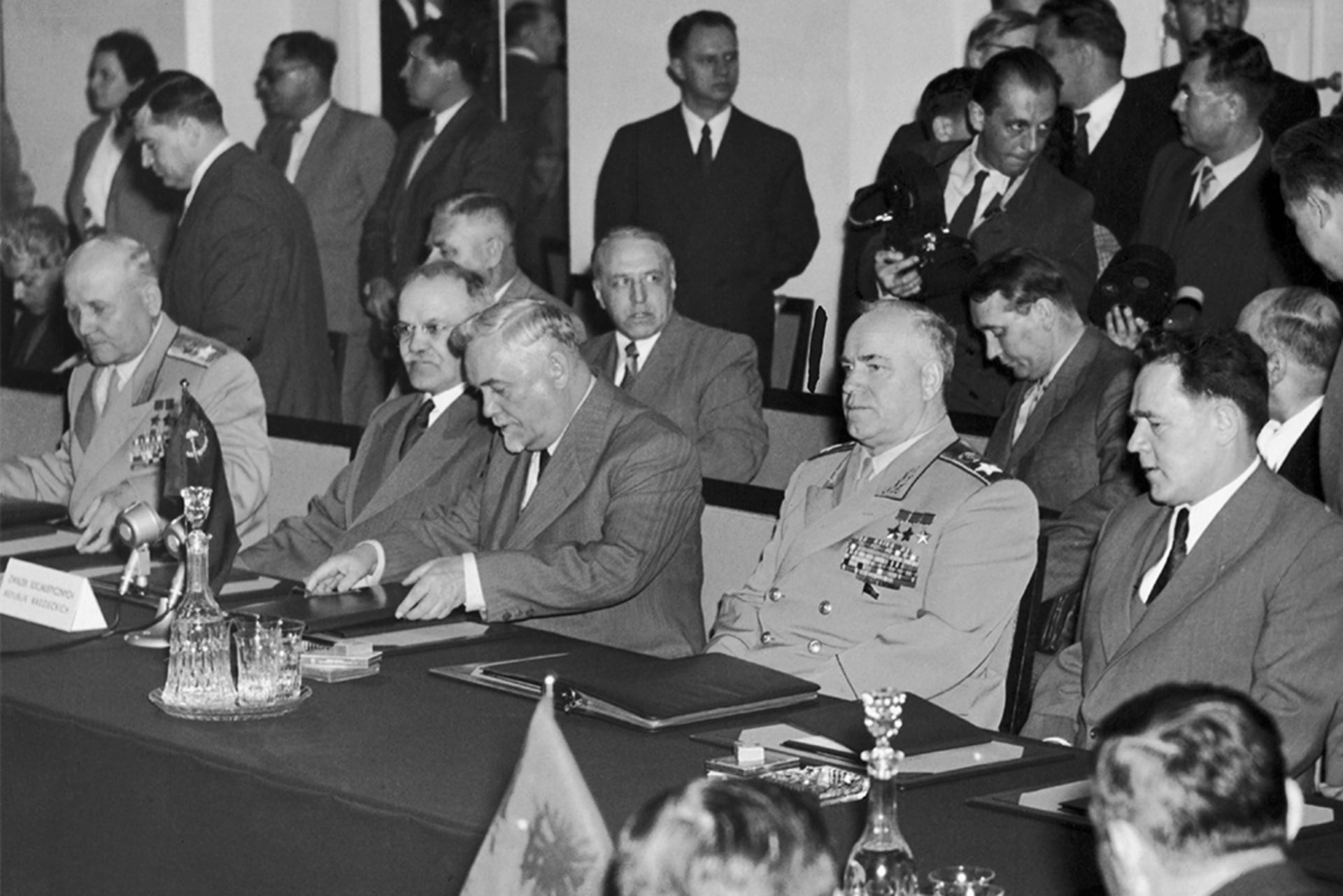
West Germany’s entrance into NATO prompted the Soviet Union to create its own alliance: the . Although the Soviet Union already had defense agreements with most of its communist neighbors, the Warsaw Pact formalized these relations into a bloc that could act in a unified manner. By focusing on integrating the militaries of Warsaw Pact countries, the Soviet Union could control smaller east European countries more effectively. As a result, Eastern Europe was insulated from NATO influence. The Soviet Union went to great lengths to retain these allies: when in 1956 Hungarian demonstrators called for greater political and economic freedoms, and the country’s withdrawal from the Warsaw Pact, the Soviet Union sent in tanks and crushed the protests, killing 2,500 Hungarians.
1979-1987Dual-Track Decision a Risky Success

During the , NATO deployed hundreds of U.S. missiles close to the borders of several Warsaw Pact countries, including the Soviet Union. At the same time, NATO leveraged the presence of these warheads to negotiate a dismantling of all short- and intermediate-range missiles with the Soviet Union. Ultimately, the strategy (known as the dual-track decision) was successful: the two sides reached an in 1987. The NATO-sponsored military buildup was risky and controversial among the European public. The presence of warheads on the European continent would have made any conflict that did erupt much deadlier.
1991Dissolution of the Soviet Union
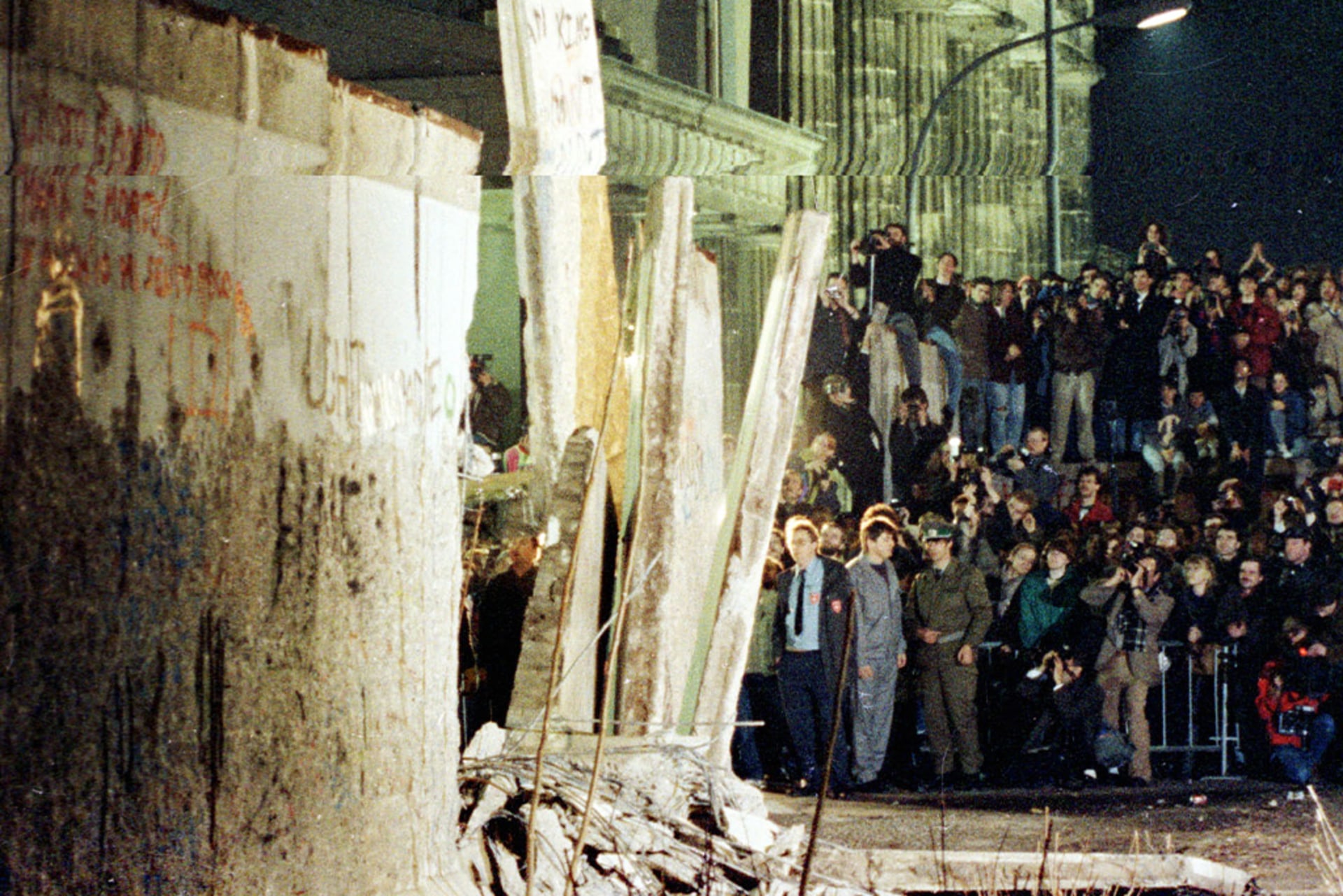
In 1991, prompted by domestic political reforms and democratic momentum in the countries within its orbit, the Soviet Union disintegrated. Russia and fourteen other countries emerged from the ashes of the former communist country. This collapse and the dissolution of the Soviet-led Warsaw Pact marked a swift end to the Cold War. NATO had successfully achieved its mission of deterring armed conflict on the continent, keeping the Cold War mostly cold. It is rare for an alliance born in one strategic context to endure once that strategic context fundamentally changes. With the fall of the Soviet Union and the disappearance of its common foe, would NATO dissolve or persevere and take on new missions?
1991-2001: As Cold War Ends, NATO Faces Inflection Point
At the end of the Cold War, NATO faced the question of whether it should continue to exist. Rather than retire one of history’s most successful military partnerships, NATO officials decided to reimagine the group’s mission. But many questions remained: Would the alliance stay the same size or admit new members? Would it remain a purely defensive alliance or expand its mission? Over the next decade, NATO expanded its membership and confronted new forms of instability outside its members’ borders.
1994Partnership for Peace With Russia
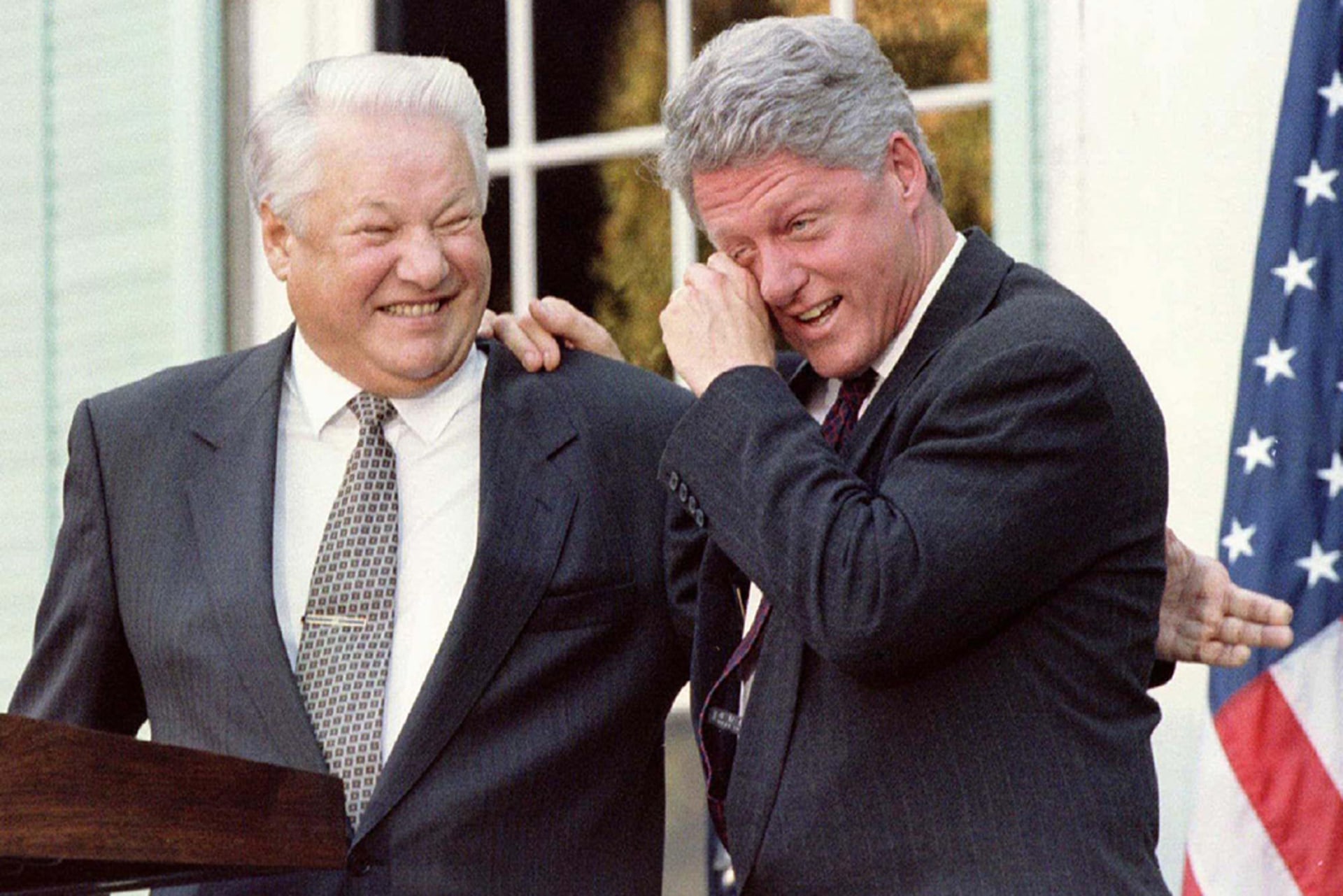
The first step in reimagining a post–Cold War NATO was an initiative called Partnership for Peace. Its main objectives were forming relationships with former Soviet countries. These efforts demonstrated that NATO did not intend to disappear after the Cold War. Former Warsaw Pact countries’ voluntary participation in the partnership did not guarantee future NATO entry. However, it was widely seen as a first step toward obtaining membership. Thirteen east European countries—including Russia—worked with NATO allies and cooperated on activities like humanitarian assistance, peacekeeping, and crisis management. Critics of NATO’s activities in the immediate post-Cold War period believe the alliance should have done more to integrate Russia. In hindsight, providing Russia with greater economic assistance could have prevented its alienation.
1995-1999NATO Involvement in Serbia
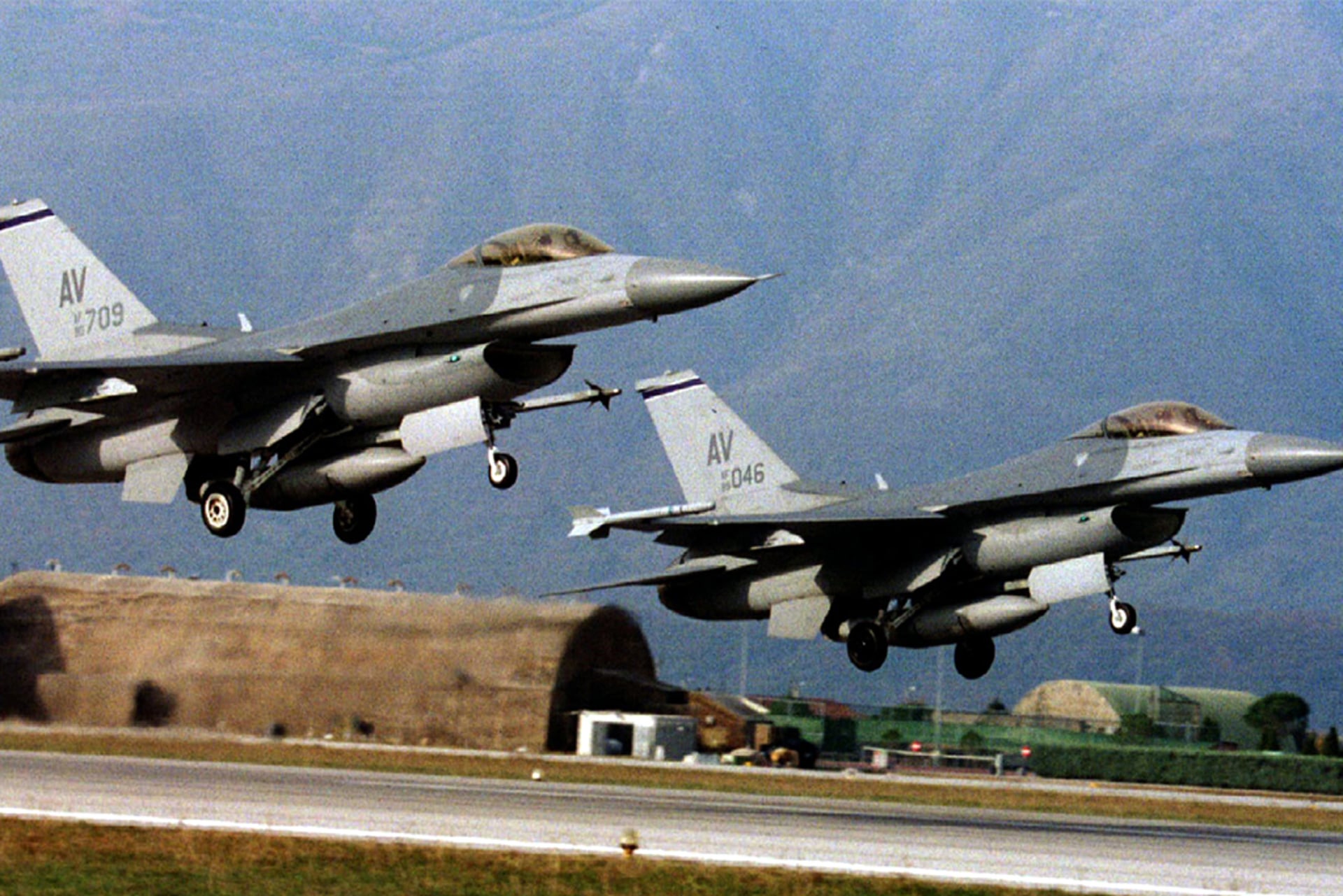
In 1995, Bosnian Serbs violated a UN Security Council resolution during the Bosnian War. In response, NATO launched an air campaign against the Bosnian army. In 1999, violence resurged in the region as Serbian authorities persecuted a group of ethnic Albanians who were calling for an independent country. NATO concluded that attacking Serbia was justified to prevent mass atrocities. Led by the United States, the alliance launched another extensive bombing campaign. This marked the start of NATO’s transformation from a purely defensive alliance. Moving forward, NATO would transform into a large, coordinated, and powerful military force operating beyond its members’ borders.
1999-2004Challenges of NATO Enlargement
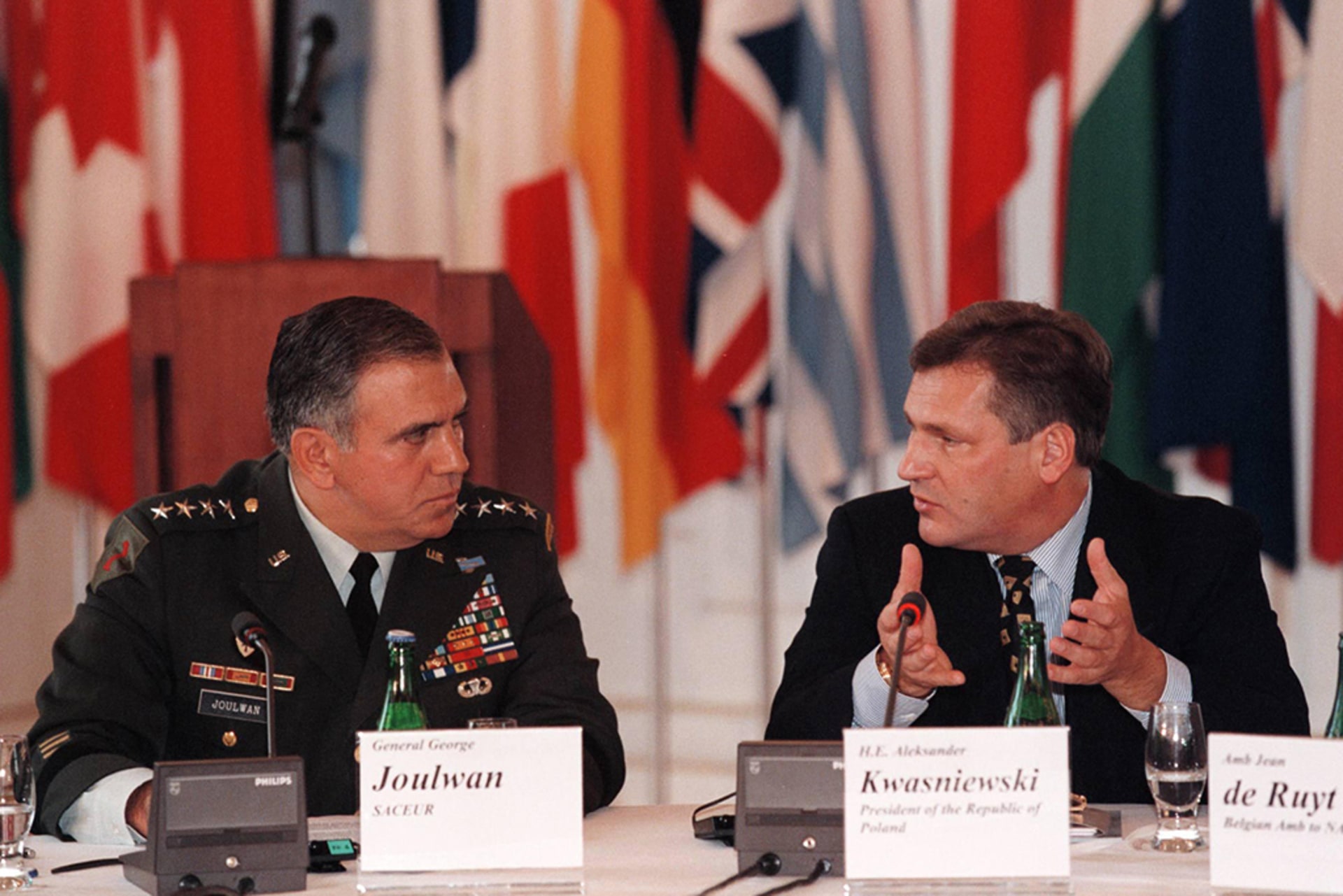
NATO continued its expansion in 1999, adding the Czech Republic, Hungary, and Poland. The alliance grew again in 2004, extending membership to seven east European countries, many of which were former Soviet republics. The United States largely drove this period of growth, believing that expanding NATO would deter future Russian aggression. Moreover, NATO membership would provide members with the security they needed to allow for the transition to democracy. Yet, the expansion was not without consequences. Russia perceived NATO’s creep into Eastern Europe as a direct threat to its security and influence across the region. The Kremlin felt increasingly alienated by the expansion. And as NATO grew, member countries worried that the additional obligations would stretch the alliance thin.
2001-2013: 9/11 Ushers in New Chapter
The September 11, 2001 attacks had a major effect on NATO. The attacks led to the first—and only—time the alliance invoked Article 5 and highlighted the challenges of an increasingly interconnected world. NATO used this reality as justification to fight threats at their source, even if those were far away from NATO homelands. In the opening years of the new century, NATO adopted a more expansive definition of what it meant to protect its members’ national interests. The traditional defensive alliance transformed into a collective of like-minded countries willing to pursue broader objectives.
20019/11 Response
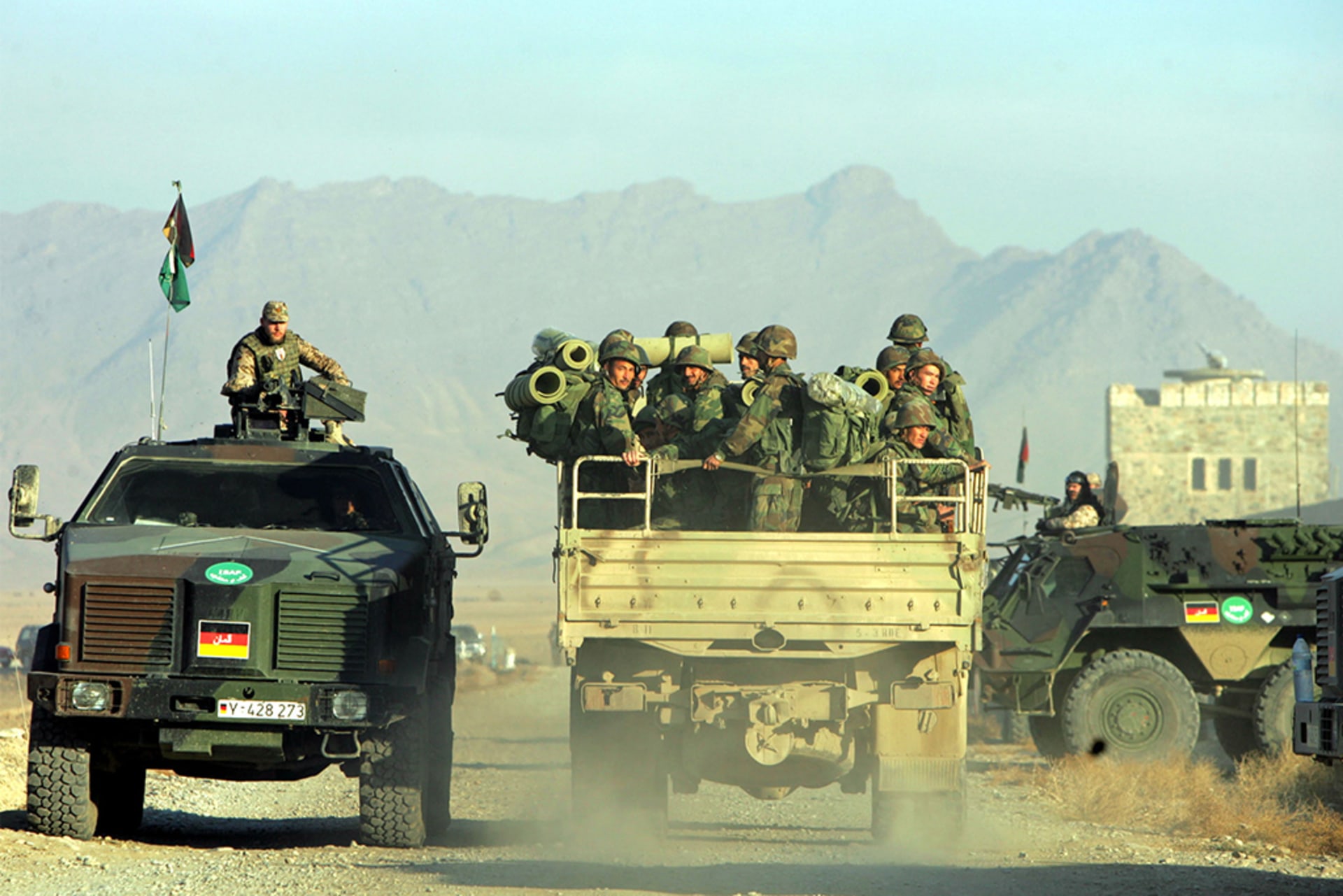
On September 11, 2001, militants from the group hijacked four planes and used them as weapons to kill 2,977 people in the United States. The 9/11 attacks prompted the first—and only—invocation of Article 5, under which NATO considered the attacks to be against all of its members. In response, NATO spearheaded an anti-Taliban in Afghanistan. The intervention in Afghanistan constituted its first mission outside the North Atlantic. The mission evolved over two decades until NATO forces pulled out in 2021.
2011Questions on Expanded Mission After Chaos in Libya
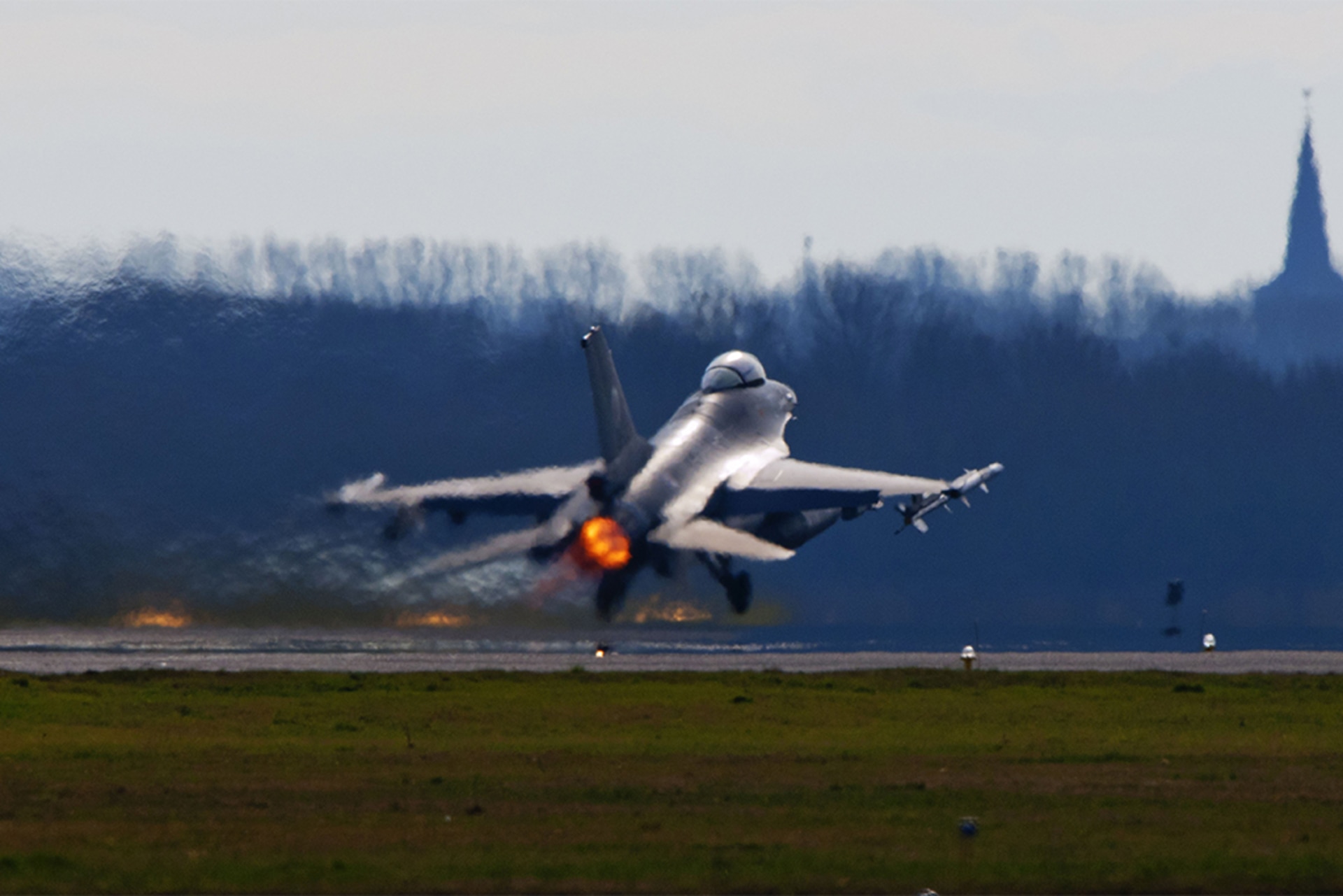
In early 2011, NATO intervened in Libya’s in an effort to stem the fighting between dictator Muammar al-Qaddafi and rebel forces. But NATO’s mission quickly expanded from simply grounding Qaddafi’s air force into a broader political mission to remove Qaddafi from power. In the following months, NATO-backed rebels took over most of Libya and executed Qaddafi. NATO leaders hoped Qaddafi’s ouster would mark the end of Libya’s violence. However, the country soon spiraled into even greater chaos. The unintended consequences of the Libya campaign raised questions about the effectiveness of NATO’s expanding mission. Though NATO was not able to restore democracy in Libya, it achieved its goal of protecting Libyan citizens and preventing a massacre.
2014– : Renewed Relevance in Face of Russian Aggression
In 2014, Russia annexed the Ukrainian territory of . Additionally, the Kremlin began arming separatists to fuel conflict in the southeastern part of the Ukraine. This aggression acted as a reminder to NATO countries that Russia still threatened democracy in Europe. NATO responded by suspending all military and civilian cooperation with Russia. The alliance also promised to send more troops to its members in Eastern Europe. The need for an alliance to defend Europe’s democracies is particularly acute in the Baltic countries of Estonia, Latvia, and Lithuania. They are seen as especially vulnerable to Russian military force.
2022War in Ukraine
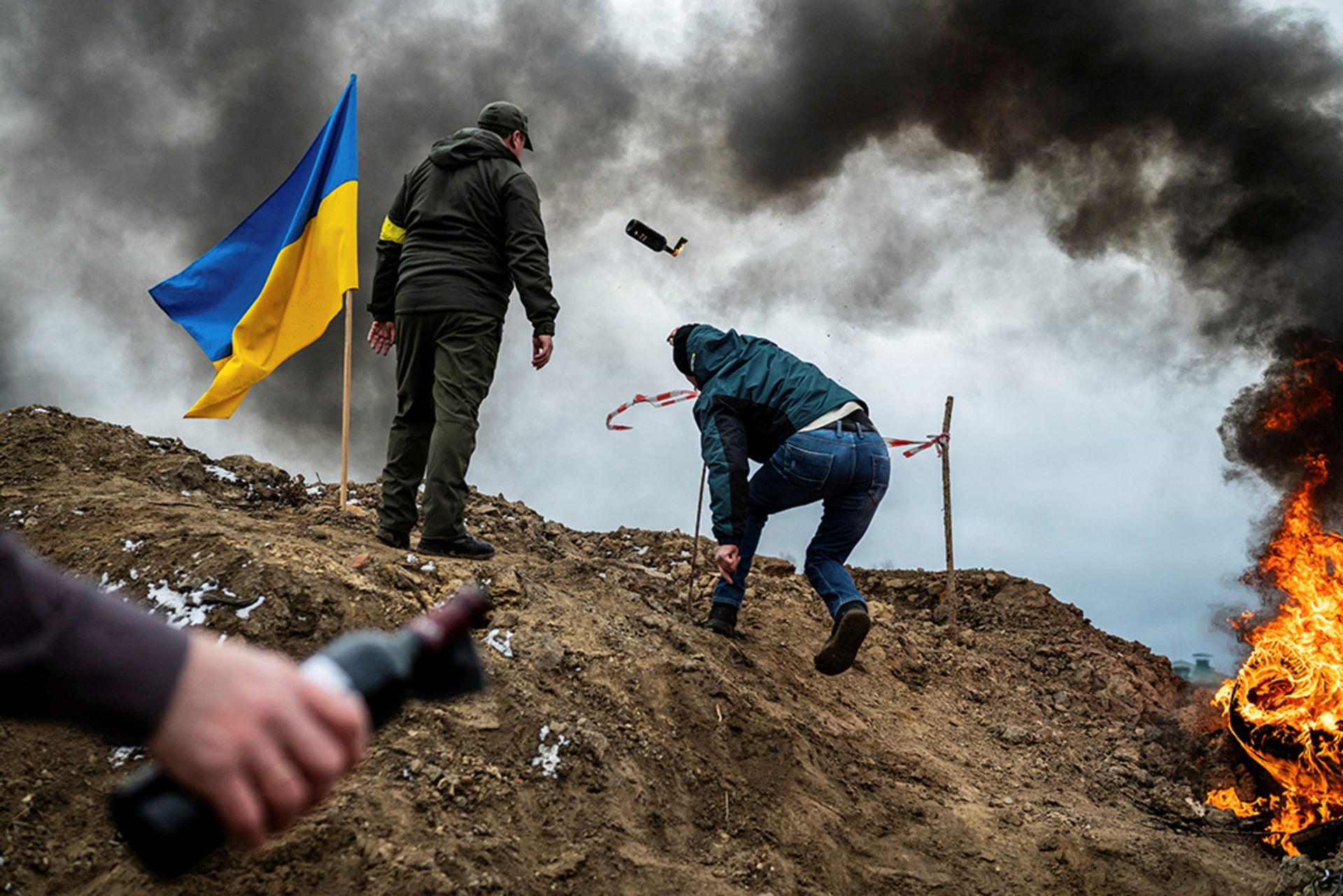
Russia fully invaded Ukraine in 2022, initiating a destructive conflict that has killed hundreds of thousands. Wary of Russian aggression, more European leaders turned to NATO for protection, renewing the alliance’s strength. Member states also worked together to deliver billions of dollars’ worth of military and financial assistance to Ukraine. NATO has also supported the training of Ukrainian troops. Ukraine applied to join the alliance, but NATO has not accepted. The extension of membership to Ukraine would put NATO in direct conflict with nuclear-armed Russia. NATO Secretary General Jens Stoltenberg did announce that all member countries have agreed to allow Ukraine to join the alliance once the conflict ends, when it is safer to do so.
2023-2024NATO Accepts Finland and Sweden
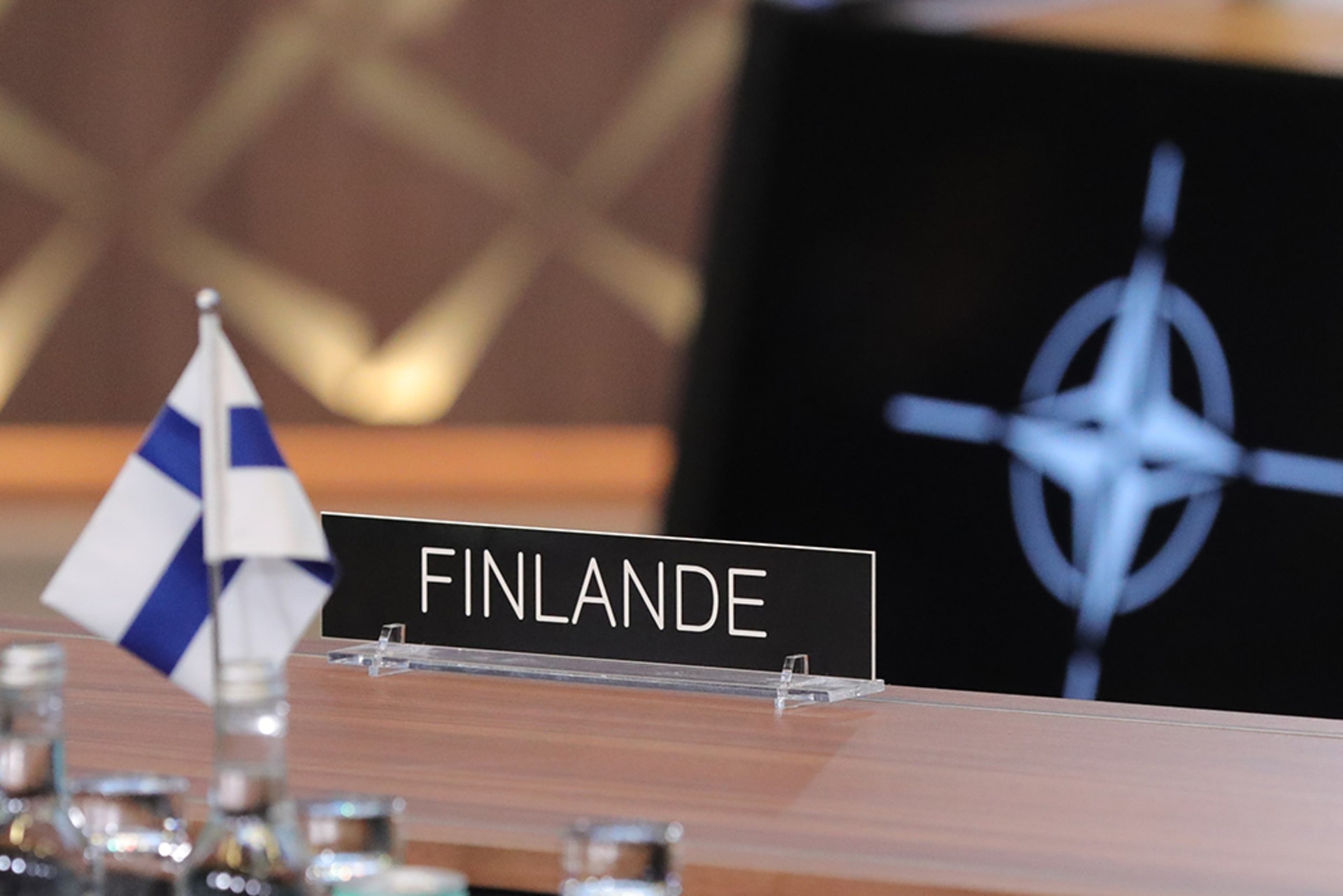
Just months after the Russian invasion of Ukraine, Finland and Sweden applied to become members of NATO. The two countries had previously maintained a more neutral position outside of the alliance. However, the Ukraine War caused a major shift in their political calculus. Finland formally joined in April 2023, becoming NATO’s thirty-first member. Sweden’s application was initially blocked by two other members, Hungary and Turkey, over political tensions. But by March 2024, they had reversed their position and Sweden became the thirty-second member of the alliance.