Making Migration Policy Lesson Plan
- Length
- One 60-minute period
- Grade Level
- High School
Learning Objectives
- Students will analyze common push and pull factors behind global migration and design a realistic immigration policy for a fictional country in response to those factors.
Instructional Plan
- (5 minutes) - Open the class session by having students watch CFR Education’s “What is Migration?” video as a class (linked below under “Materials”). While watching, students should jot down notes by hand in a notebook or on a printed copy of the “Making Migration Policy” worksheet (linked below under “Materials”).
- (5 minutes) - When the video concludes, ask students a third question: “The video describes several different categories of people on the move - economic migrants, refugees, asylum seekers, internally displaced persons. What’s the difference, and why does the label matter?” Have students talk through ideas in pairs, then ask 2-3 students to share their responses with the full class. Explain to students that these categories matter when designing immigration policy, as they’ll discover for themselves in today’s class session.
- (10 minutes) - Next, have students read CFR Education’s “Migration Today” reading independently or with a partner (linked below under “Materials”). Students should read looking specifically for numbers and facts they might need as policymakers. Guide students through this work with the following prompt: “You are about to design an immigration policy for a country. Read this resource and pull out at least three facts, statistics, or trends that a policymaker would need to know to design an effective immigration policy. Write them down.”
- After 7 minutes of reading, ask 4-5 students to name one key fact they pulled. Write responses on the whiteboard as students share, or project key facts and figures on the board so that students can keep these information in mind during the next part of the session.
- (20 minutes) - Divide students into 3-4 groups and provide each group with a fictional country profile (examples linked below under “Materials”). Groups will spend the next 20 minutes designing an immigration policy that addresses the following questions for their assigned fictional country: 1) Who gets in? (Criteria), 2) How many? (Annual cap), 3) What happens to those who do not qualify? (Penalties)
- Have each group document their policy on the worksheet. Circulate the room while groups are working to ask students specific questions about their policies, particularly the difficult or uncomfortable aspects of their policies (i.e. “Your policy prioritizes skilled workers - what happens to families fleeing difficult situations who do not have those skills?”). Remember, the goal here is reflection and productive discomfort, not perfection.
- (10 minutes) - Ask groups to post their completed worksheets on the wall. Each group has 60 seconds to explain their policy to the class - what they decided, and which tradeoff they found hardest.
- After each group has presented, ask the class: “Look at all these policies. Which one would you most want to arrive under if you were fleeing a conflict zone? Which one would you most want to arrive under if you were an economic migrant? Are they the same country?” Allow students to respond by pointing at the wall - observe their answers quietly, reserving formal discussion for the conclusion of the lesson.
- (10 minutes) - Debrief the policy design activity by asking students to reflect on the following prompts:
- “What was the hardest decision your group had to make? What made it hard?”
- “Did you find yourself making decisions that you personally disagreed with because they seemed politically necessary for your country? What does that tell you about how policy actually gets made?”
- “Migration patterns have become increasingly difficult to predict — conflicts end, regimes fall, economies shift. How do you design a policy for a problem that keeps changing shape?”
- Conclude class by reminding students: “Policy design is supposed to feel uncomfortable; every decision comes with trade-offs. This matters because migration is not an abstract problem - it is 304 million human stories. Policymakers - the people who make decisions about immigration - are not so different from you. The discomfort you felt today is the beginning of taking that responsibility seriously.”
Materials

What Is Migration?
Videos
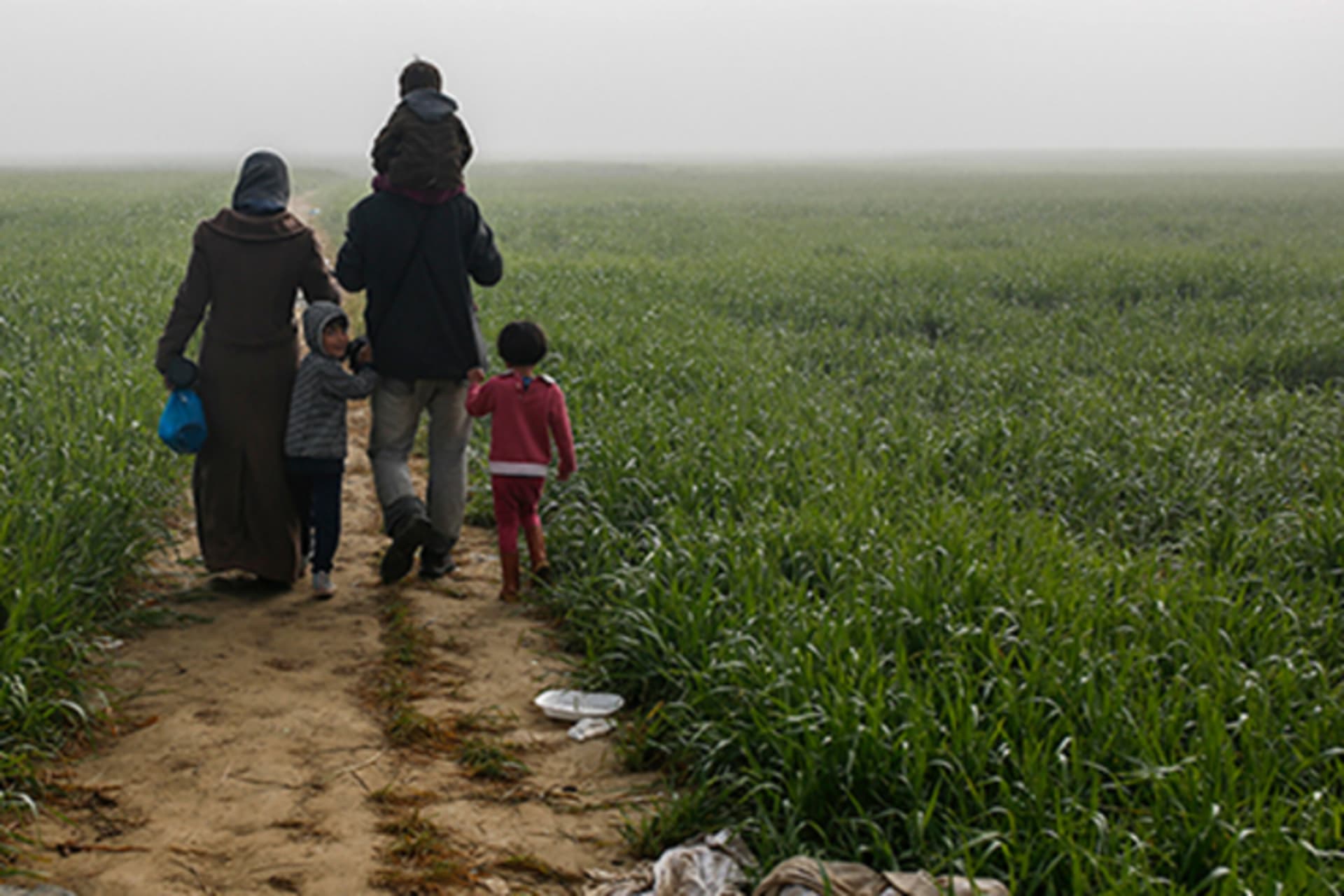
Migration Today
Readings
Worksheet
via docs.google.com
Fictional Country Profiles
via docs.google.com