Skip to content

Join CFR Education for a live walkthrough of the updated website – Sign up here.

Education

Drones in Pakistan in 2011 (NSC) — Student

Set in Spring 2011. The United States has the opportunity to eliminate or capture a senior al-Qaeda leader in Pakistan.

Level
High School, Higher Education

What is a simulation?

Simulations offer students the chance to role-play either the U.S. National Security Council or the UN Security Council.

How do I use them?

A simulation comprises two readings (a council guide and the case notes) of roughly 2,500 words each. They also offer detailed guidance for preparing for and running the simulation in the classroom and reflecting on the experience.

Case Overview

Set in Spring, 2011. Since the attacks of September 11, 2001, the United States has pursued a vigorous campaign against groups like . The U.S. intelligence community believes they have identified the location of al-Qaeda’s leader, . The United States must decide whether to try to kill or capture bin Laden—and if so, how. Each policy option—including a strike, a raid by special operations forces, a request that Pakistan act, and inaction—has costs and benefits for U.S. security and the U.S.-Pakistan relationship. Drones, in particular, have become a core element of the U.S. strategy, but their use is controversial. 

NSC Guide

Overview

The United States plays a critical role in establishing and maintaining international order. This is particularly true in an increasingly globalized world. The range of foreign policy issues that require its attention is vast. The United States must consider foreign policy issues from conflicts in Afghanistan, Nigeria, and Syria to tensions with Iran and North Korea; from long-standing alliances to complex, evolving relationships with Brazil, China, India, Russia, and South Africa. Issues on the agenda range from the stability of global finance to the promotion of economic opportunity in low-income countries; and from climate to health to nuclear proliferation to terrorism. The United States has a vested interest in myriad world affairs. Further, issues such as immigration, trade, cybersecurity, climate change, and global health underscore the fading distinction between domestic and international matters.

Interagency Process

Regardless of the scale of the problem, a successful foreign policy–making process starts by defining interests and goals. Policymakers and their advisors then formulate policy options to meet those goals and consider each option’s strengths and weaknesses. This process is challenging. In the best of times information can be unreliable or incomplete or an adversary’s intentions can be unclear. Often a decision’s consequences can be unknowable. Leaders frequently have to choose from a list on which every option is imperfect. Adding to this uncertainty is the complexity of the U.S. government’s foreign policy machinery. Numerous agencies—each with its own interests and biases—seek to influence how policy is decided and carried out. It takes considerable effort to run a process capable of producing sound policy decisions.

The National Security Council (NSC) plays a critical role in this effort. Its mission is to help the president effectively use a variety of instruments—military, diplomatic, or otherwise—to forge policies that advance U.S. national security goals.

The NSC was created by the National Security Act of 1947. This act defined the NSC as an interagency body intended to “advise the president with respect to the integration of domestic, foreign, and military policies relating to the national security.” The period after World War II was an age of expanded American interests and responsibilities. The NSC was expected to provide a place where the heads of federal departments and agencies could cooperate to develop recommendations for policies that would advance U.S. aims. The NSC and its staff were also meant to manage the policymaking process. This ensured that the president would receive a full range of advice and opinion from the departments and agencies involved in national security.

The NSC has evolved significantly over the years. The NSC has adapted to the preferences of successive presidents and the challenges they faced. Variables such as the attendees, the frequency of meetings, the manner in which information is passed to the president, the importance of consensus, and the relative dominance of the NSC over other government institutions have changed over the decades.

The NSC has evolved to comprise various interagency committees and a large staff to prepare analysis and coordinate policymaking and implementation. The NSC is at the center of the interagency process. This process is one through which relevant government agencies address foreign policy issues and help the president make and execute policy choices.

I. National Security Advisor

The national security advisor (formally assistant to the president for national security affairs) is at the heart of the NSC structure. The national security advisor’s role is twofold: to offer advice to the president and to coordinate and manage policymaking. Because they have direct access to the president and do not represent a cabinet department, national security advisors are in a unique position. From this neutral perch they drive foreign policy decisions, manage the actors involved, and mitigate conflict throughout the decision-making process.

II. National Security Council Staff

The NSC staff consists of individuals from a collection of agencies that support the president, the vice president, and the administration. NSC staff members are generally organized into directorates that focus on regions or issues. The size and organization of the staff vary with each administration.

The NSC staff provides expertise for the variety of national security policy matters under consideration. It manages numerous responsibilities, including preparing speeches, memos, and discussion papers and handling inquiries from Congress on foreign policy issues. Staff members analyze both immediate and long-standing issues and help prioritize  the agenda.

III. Committee Structure

Committees are at the core of policy deliberation and policymaking in the NSC. They fall into four categories:

  • The highest level is the National Security Council itself. Formal NSC meetings are chaired by the president and include individuals named by the National Security Act of 1947 as well as other senior aides the president invites.
  • The Principals Committee (PC) comprises cabinet-level officials who head major government departments concerned with national security, such as the secretaries of state and defense. The national security advisor traditionally chairs the Principals Committee.
  • The Deputies Committee (DC) includes the deputy leaders of the government departments represented on the principals committee and is chaired by the deputy national security advisor.
  • Interagency Policy Committees (IPCs) cover a range of regional areas and issues. Each committee includes officials who specialize in the relevant area or issue at one of the departments or agencies in the interagency system. IPCs are generally chaired by senior directors on the NSC staff. Much of the day-to-day work needed to formulate and implement foreign policy across the U.S. government happens at the IPC level.

This committee structure tackles both immediate crises such as an outbreak of conflict and enduring issues such as climate change. IPCs conduct analysis on an issue, gather views on it and its importance from various departments, formulate and evaluate policy options, and determine what resources and steps would be required to carry out those options. The Deputies Committee manages the interagency process up and down. It decides what IPCs to establish. and gives them specific assignments. It also considers information submitted by the IPCs before relaying it to the Principals Committee or the full NSC.

The Principals Committee is the highest-level setting, aside from the NSC itself, for debating national security issues. It consists of the heads of the NSC’s component agencies. The Principals Committee is essentially all the members of the NSC except the president and vice president. Formal NSC meetings, which the president chairs, occur whenever the president sees fit. They consider issues that require the president’s personal attention and a direct presidential decision.

The goal of this committee structure is to foster consensus on policy options or highlight where and why consensus cannot be reached. If officials at one level agree on an issue, it does not need to go to senior officials for a decision. This practice reserves the president’s time and that of members of the Principals Committee for the most complicated and sensitive debates.

When a crisis erupts issues sometimes do not follow the usual path up from the IPCs. In these cases, NSC staff members and officials in government departments and agencies generally draft papers drawing on their expertise, available intelligence, and any existing contingency plans. Policy options are then debated and decided at the appropriate level. The policymaking process can also deviate from this model based on the preferences of each president.

For the purposes of this NSC simulation, you will role-play the NSC meeting with the assumption that the committees described have already done their jobs. Any critical information has already been passed to the highest-level decision-makers.

Presidential Decisions

When the president makes a policy decision, it can take the form of a verbal instruction recorded and shared with relevant departments and agencies. The president can also issue formal decisions in documents that lay out the administration’s policy and explain its rationale and goals. These documents have gone by different names under different presidents. President Joe Biden issues national security memoranda and national security study memoranda. President Donald Trump issued national security presidential memoranda.

The president can also issue an executive order (EO). EOs are a more formal and public declaration of policy. In contrast, national security directives are generally directed internally to federal departments and are often classified. In the past, presidents have issued EOs for such purposes as facilitating sanctions against foreign individuals and establishing new offices in government departments to carry out foreign policy aims. For federal agencies, both national security directives and executive orders carry the full force of law.

Departments and Agencies

Although many executive branch departments and agencies are involved in foreign policy, the Department of State, the Department of Defense, and the intelligence community form the core of the foreign policy bureaucracy. The Department of the Treasury, the Department of Homeland Security, and the Department of Justice often play crucial roles as well.

The Department of State conducts the United States’ relations with other countries and international organizations. It maintains U.S. diplomatic presence abroad. The Department of State also issues visas for foreigners to enter the country, aids U.S. citizens overseas, and manages other programs to promote American interests. The secretary of state is the president’s principal foreign affairs advisor and has a keen understanding of the United States’ international relations. They are also well informed on the relationships between foreign countries, and the behavior and interests of their governments.

The Department of Defense carries out U.S. defense policy and maintains U.S. military forces. It includes the U.S. ArmyNavyMarine Corps, and Air Force, as well as an array of agencies related to defense. The department employs more than two million military and civilian personnel and operates military bases around the world. The secretary of defense is the head of the department and the president’s principal defense policy advisor. They also stay up-to-date on the security situation in foreign countries and the possibilities and implications of U.S. military involvement. The chairman of the joint chiefs of staff is the highest-ranking member of the U.S. armed forces and the president’s top military advisor.

The U.S. intelligence community consists of eighteen agencies and organizations, including the Central Intelligence Agency (CIA), National Security Agency (NSA), and Federal Bureau of Investigation (FBI), which gather and analyze intelligence. Each of these agencies has its own mission; for example, the NSA focuses on signals intelligence (information gathered from communications and other electronic signals) and the Defense Intelligence Agency on military information. The director of national intelligence is the president’s principal advisor on intelligence issues. They oversee this network of agencies with the aim of ensuring that they work together and deliver the best possible information to U.S. policymakers.

The Department of the Treasury carries out policy on issues related to the U.S. and global economies and financial systems. The secretary of the treasury serves as one of the president’s chief economic advisors and is responsible for addressing a range of economic concerns. The Treasury’s ten bureaus, which include the U.S. Mint and the Internal Revenue Service, do much of the department’s work, which ranges from collecting tax to printing currency and executing economic sanctions.

Created soon after the terrorist attacks of September 11, 2001, the Department of Homeland Security works to counter and respond to risks to American security. It focuses on issues such as terrorism prevention, border security and immigration, disaster response, and cybersecurity. Familiar agencies within the department include U.S. Customs and Border Protection, the U.S. Secret Service, and the Transportation Security Administration. The secretary of homeland security oversees the department and advises the president on relevant issues.

The Department of Justice investigates and prosecutes possible violations of federal law. The Department of Justice represents the U.S. government in legal matters and works more broadly to prevent and respond to crime. Agencies such as the FBI and the Drug Enforcement Administration are part of the department, as are divisions focusing on particular areas of law, such as national security and civil rights. Leading the department is the attorney general, who offers legal advice to the president and the heads of other departments.

Case Notes

The Issue

After the attacks of September 11, 2001, combating organizations became a core concern of U.S. foreign policy. This led the United States to conduct operations against terrorist and militant groups around the world. Although the United States targeted various groups, its primary target was —the group responsible for the September 11 attacks—and its leader, .

The United States’ efforts to combat terrorism led it to wage fully-fledged wars against terrorist groups and those who harbor them. The war in Afghanistan was the primary example. However, terrorist groups do not obey national boundaries. Therefore, the war on terror also led the United States to conduct operations in countries with which it was not formally at war. These included  Pakistan, Somalia, and Yemen.

The United States used various tools in its pursuit of terrorist and militant groups beyond the battlefield.  In many cases, the United States has cooperated with various countries by providing training and intelligence to their security forces. The goal is to help them conduct their own operations against terrorist groups. In some scenarios, the United States has decided that it needs to take action itself. Washington has authorized special forces operations to capture or kill members of terrorist organizations. The United States also increasingly began to conduct precision air strikes from . Such attacks could target members of terrorist organizations without putting U.S. personnel at risk.

U.S. operations proved controversial both at home and abroad. Critics highlighted that U.S. operations, especially drone strikes, carried the risk of causing collateral, including killing civilians alongside their targets. Counterterrorism operations, especially in non-battlefield countries, also risked tarnishing the U.S. reputation overseas and straining U.S. relationships with other countries. U.S. counterterrorism operations have been condemned by foreign governments as a violation of their . These operations have also sparked public protests both at home and abroad, and drawn sharp criticism from human rights organizations over their legality and ethics.

Decision Point—Set in Spring 2011

After a decade-long search, the CIA has come upon credible evidence of the location of Osama bin Laden. A man whom they believe to be the al-Qaeda leader is living inside a large compound in Abbottabad, a populous city near Pakistan’s capital of Islamabad. The compound also houses roughly twenty women and children, believed to be bin Laden’s relatives. However, based on of the compound, no one can say with absolute certainty that the individual they have identified is indeed bin Laden. Most of the CIA analysts involved have put their confidence level at 80 percent; some report 95 percent confidence, others rate their confidence as low as 40 percent. 

The president has convened a meeting of the National Security Council (NSC) to receive advice on how to proceed. If the president decides to authorize action, three main options exist. The first is to conduct a drone strike against the compound, likely killing those in it. This option would risk civilian casualties and potential damage to an already tumultuous relationship with Pakistan. The second option is a raid by special operations forces. A raid could be effective in that troops could correctly identify individual targets and take caution to protect civilians. Troops could also collect computers and documents for intelligence. However, this option poses greater risk to the lives of U.S. service members and could also damage the U.S. relationship with Pakistan. Third, the president could ask the Pakistani military to capture or kill bin Laden. This would respect diplomatic ties but has a lower chance of success. Given the lack of complete certainty, the president could also decide to wait for additional confirmation or a better opportunity to strike. However, waiting risks losing the chance to act entirely if the occupants of the compound move and the CIA loses track of them. The president needs to decide quickly whether to authorize action to kill or capture the man believed to be bin Laden and, if so, what action to take.

Background

The War on Terror 

Following the end of the in 1991, the risk of conflict diminished significantly. However, new dangers came to the fore as activity posed an increasing threat against U.S. citizens both at home and abroad. One terrorist group, , would become the primary focus of U.S. efforts.

Al-Qaeda was established in 1988 by and Ayman al-Zawahiri with the aim of supporting Islamist causes around the world and countering what it saw as profane Western influence in Muslim countries. Over the following years, the United States became the group’s primary target. Al-Qaeda conducted several attacks against the United States and its allies in the late 1990s. The group’s deadliest attack came on September 11, 2001, when militants hijacked four planes and crashed them into targets in the United States.  The attacks killed 2,977 people and caused extraordinary destruction at the World Trade Center and the Pentagon.

The 9/11 attacks brought terrorism definitively to the center of U.S. foreign and domestic policy. Abroad, the United States embarked on an expansive campaign to eliminate al-Qaeda and ultimately combat the very notion of terrorism. One week after the attacks, Congress passed an Authorization for the Use of Military Force (AUMF) that formed the basis for a U.S.-led war in Afghanistan, where the ruling Taliban regime had harbored al-Qaeda. 

However, many al-Qaeda leaders and militants—including bin Laden himself—were able to flee Afghanistan, with many escaping to the border regions of neighboring Pakistan. This led President George W. Bush to authorize targeted killings of al-Qaeda leaders outside the designated combat zone in Afghanistan. 

Pakistan’s government quietly allowed the United States to carry out targeted strikes within its borders.  However, it refused to publicly acknowledge that such strikes were occurring at all. Yet as it became more obvious that the United States was conducting regular strikes, the Pakistani public grew to strongly oppose the program. he issue of drone strikes became an enduring wedge in U.S.-Pakistan relations.

The Bush administration claimed that these counterterrorism operations were needed because of Pakistan’s unwillingness to counter the threat al-Qaeda and other terrorist groups posed. That unwillingness was partly due to Pakistan’s lack of capacity and the fact that it remained primarily focused on its tensions with neighboring India. Yet Pakistan’s reluctance could also have been partly caused by links between terrorist groups and elements of the Pakistani government.

Between 2004 and 2009, the CIA carried out fifty-one reported drone strikes in the country. Initially, the Bush administration used drones sparingly. The administration carried  out targeted strikes against known individuals while informing Pakistani military and intelligence officials of each strike. In 2008, however, the Bush administration escalated its drone use in Pakistan, ceasing the practice of notifying Pakistani officials of strikes.

The Obama administration significantly escalated the global war on terror. Correspondingly, non-battlefield operations in Pakistan greatly increased, reaching a peak in 2010 when the United States conducted 122 drone strikes. Obama also expanded non-battlefield counterterrorism operations beyond Pakistan. Still, the United States’ primary counterterrorism focus remained on eliminating Al-Qaeda and finding its leader, who remained at large.

The Tools of Counterterrorism

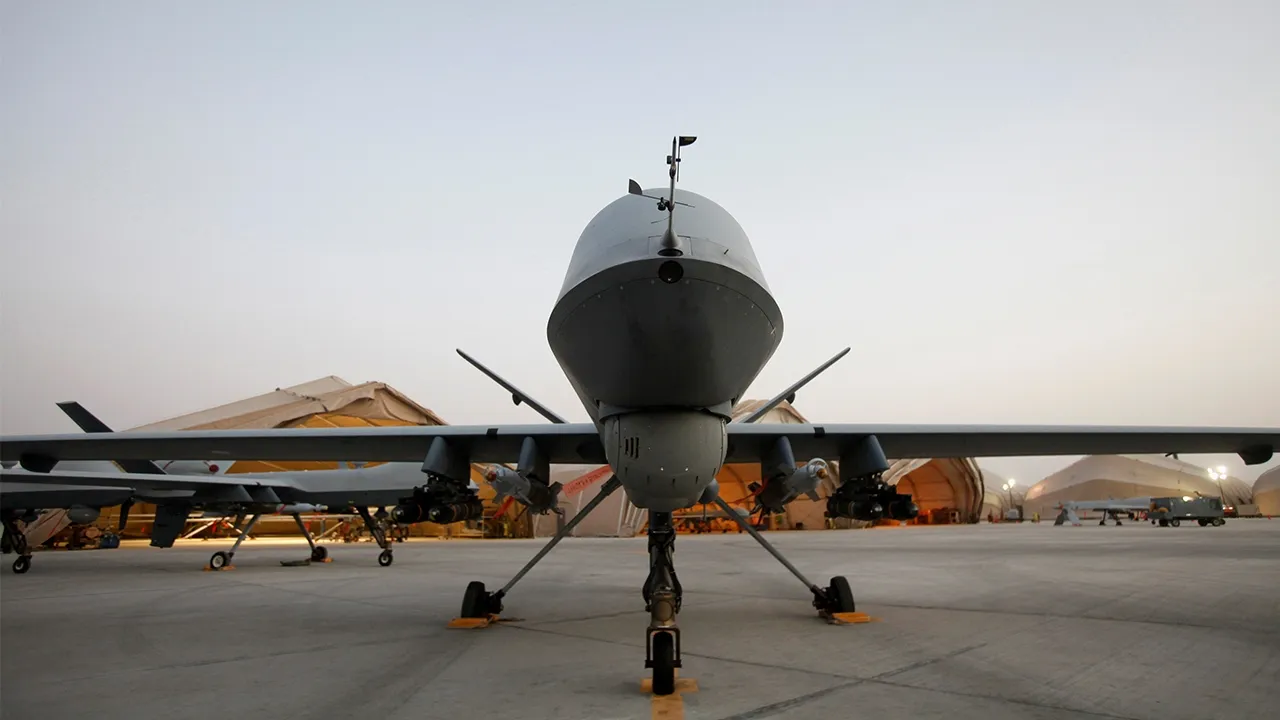
The United States employed numerous tools in its fight against terrorist organizations. Drone strikes quickly became one of the most frequently used options. This is because Drones offer several advantages over other types of operations. First, drones can fly directly over hostile territory without putting military personnel at risk. Moreover, a fully armed drone can stay in flight over potential targets for over fourteen hours, far longer than any piloted aircraft. As a result, drone strikes can be timed for an ideal moment that minimizes collateral damage. Finally, drones can fire smaller, more precise missiles. 

However, drones have several limitations as well. First, drones require a robust intelligence network that can provide accurate targeting information. Faulty intelligence can lead to a failed strike or cause unintended casualties.  Moreover, drones fly lower and slower than other aircraft, making them vulnerable to attack. Successful drone operations therefore can often only be effective in countries that lack robust air defense systems or where the United States can depend on the country’s support, or at least consent. 

Drone strikes have also proven a controversial tool of counterterrorism. Despite claims of their precision, drone strikes still cause unintended civilian casualties. By some estimates, between 2004 and 2011, U.S. drone strikes in Pakistan caused up to 638 civilian casualties. U.S. drone practices raise legal and ethical questions as well. The U.S. government argues that it can lawfully conduct targeted killings of members of terrorist organizations, even outside battlefield zones. However, many countries have condemned drone strikes as a violation of their .  Human rights groups have also claimed drone strikes violate international human rights law. This has made their use costly both to the United States’ relationships with its partners and to the U.S. image worldwide.

Drones were not the only instrument of U.S. counterterrorism operations. The United States also employed special operations forces to capture or kill targets. Special forces operations can be effective in areas a drone strike cannot reach. They can also ensure the identification of the targets and retrieve intelligence. However, these operations risk being more costly than drone strikes. In addition to putting U.S. personnel in harm’s way they are higher-profile operations that can cause increased diplomatic tension. Washington has also sought to counter security threats by cooperating with its partners. The United States does this by providing financial and logistical support to countries conducting counterterrorism operations of their own. The United States has provided training assistance, intelligence support, and financial aid to bolster counterterrorism efforts in numerous countries, including Kenya, Nigeria, Pakistan, and Somalia. However, in many cases U.S. assistance and cooperation have not sufficiently improved the recipient’s capacity to combat terrorist groups within its borders. 

Role of the United States

The U.S. involvement in this case stems from not only September 11 but also a long history of attacks against U.S. service members, civilians, and interests. Especially since 9/11, U.S. military forces, diplomats, and intelligence personnel have operated both unilaterally and in conjunction with local security forces in Afghanistan, Pakistan, and elsewhere in the world to detect and disrupt plots. A primary tactic has been killing certain al-Qaeda leaders and a vastly greater number of anonymous militants through strikes and other operations. 

The principal options available in this case are as follows:

Conducting strikes on the compound believed to be inhabited by bin Laden

A drone strike offers a relatively low-risk option that could provide a strong chance of eliminating bin Laden if he is present at the compound. It would not put U.S. personnel in harm’s way. Drones can also be incredibly precise, capable of killing targeted individuals while leaving those nearby unharmed. Despite this precision, drones do still pose the risk of killing or injuring any civilians in the immediate area of the strike.  The precision of strikes only matters if the intelligence is timely and accurate. Additionally, after a drone strike, it could be impossible to confirm the identity of the target. Given the range of confidence levels in the available intelligence and the extremely high priority of bin Laden as a target, this option could therefore leave an intolerable amount of uncertainty over whether the strike indeed killed bin Laden. Finally, given the public opposition to drones in Pakistan, this option would risk further damaging already delicate relations with Pakistan. 

Ordering a U.S. special forces raid on the compound

A special forces raid offers certain advantages over drone strikes. Primarily, U.S. forces can confirm the identity of those in the compound to ensure that bin Laden was present. Moreover, special forces teams could capture individuals to interrogate and collect information and equipment that could provide intelligence about . Additionally, personnel can take greater care to protect civilians. However, a raid would expose the individuals involved—and the United States’ reputation—to extreme risks. U.S. forces could be killed in a battle at the compound or by the Pakistani military should it become aware of the mission and try to disrupt it. Al-Qaeda could also capture members of the raiding party, giving the organization hostages of incalculable value and immediately presenting the United States with the agonizing choice of how to respond. All of this raises the risk of deeper U.S. involvement. Additionally, Pakistan would likely perceive a high-profile American raid—especially one so close to its capital—as an intolerable violation of its . The operation could lead to a rupture that would end what little cooperation remained between the two countries. If the United States gave Pakistan prior warning of the mission to avoid such a rupture, elements of Pakistan’s government could pass on the information to al-Qaeda leaders allowing bin Laden and others to flee.

Asking the Pakistani government to capture or kill bin Laden

This option would spare American lives and eliminate the chance of an irreparable diplomatic breach. However, it also offers a far more uncertain chance of success. The Pakistani government could refuse to pursue bin Laden or it could agree but tip off bin Laden or execute the mission incompetently. Despite occasional successes, the United States has had a long history of frustration with Pakistan’s efforts. This frustration has contributed to tensions and the belief among many American policymakers that the United States needs to pursue major terrorist targets itself. Especially for such a high-value target, the risks of entrusting this operation to another country would be significant.

Doing nothing

Given the drawbacks of the other available options and the lack of complete certainty from the intelligence community, the president could choose to delay action and continue to monitor the compound. Such a step has the downside of diminishing the utility of timely intelligence and allowing bin Laden to continue operating unhindered, possibly leading to further attacks on the United States or its allies. Moreover, similar issues to those considered here are likely to arise the next time intelligence on his location emerges. Given the particular circumstances of this case—including the possible presence of civilians at the targeted site—the president could decide to pass on this opportunity. There is a chance that the target’s whereabouts and U.S.-Pakistan relations will be more favorable in the future. At times in the past, the United States has carefully considered the consequences of a counterterrorism operation for its relationship with Pakistan. In 2005, then Secretary of Defense Donald Rumsfeld aborted a large-scale raid on senior al-Qaeda members located in Pakistan’s tribal areas because it had the potential to jeopardize U.S.-Pakistan relations and place many American lives at risk. 

Preparation and Role-Play

Roles Overview

Print these custom placards for use during your simulation. If you need to edit them, make a copy to your Google Drive.

President

  • How does international terrorism threaten U.S. national security? In particular, how much of a threat to the United States are leaders?
  • What diplomatic, reputational, or other costs should the United States be willing to bear to eliminate leaders? What is the best way to think about the costs and benefits involved?
  • What are the major characteristics of the United States’ relationship with Pakistan? How important is this relationship to U.S. foreign policy goals, including but not limited to ?
  • What has been Pakistan’s position on and response to U.S. strikes and counterterrorism raids on its territory? How have these events affected U.S. cooperation with Pakistan, and what does that suggest about the implications of different options in this case?
  • What is the effect of various counterterrorism practices on terrorist recruitment, global extremism, and public support for extremist ideologies? Could certain policies fuel the forces they are trying to extinguish?

Vice President

  • How does international terrorism threaten U.S. national security? In particular, how much of a threat to the United States are leaders?
  • Is Pakistan a friend, an adversary, or a combination thereof? What does this suggest about the most effective approach to U.S. policy in that country?
  • What diplomatic, reputational, or other costs should the United States be willing to bear to eliminate leaders? What is the best way to think about the costs and benefits involved?
  • What have been the successes, drawbacks, and overall effects of the U.S. use of for targeted killings? What about raids by special operations forces?
  • What are the major elements of congressional and public opinion about various counterterrorism options?

Secretary of State

  • What are the major characteristics of the United States’ relationship with Pakistan? How important is this relationship to U.S. foreign policy goals, including but not limited to ?
  • What has been Pakistan’s position on and response to U.S. strikes and counterterrorism raids on its territory? How have these events affected U.S. cooperation with Pakistan, and what does that suggest about the implications of different options in this case?
  • What are the major components and characteristics of U.S. military and humanitarian assistance to Pakistan? What has been the effect of this assistance, especially in the area of counterterrorism?
  • Is Pakistan a friend, an adversary, or a combination of the two? What does this suggest about the most effective approach to U.S. counterterrorism policy and broader diplomacy in that country?
  • What are the advantages and disadvantages of involving the Pakistani government in U.S. counterterrorism plans versus proceeding alone?

Secretary of Defense

  • What are the principal capabilities, including and special operations forces, that the United States could deploy in this case? What are their main strengths and weaknesses?
  • What are the immediate security risks of the policy options being considered in this case? For example, what would be the implications if U.S. forces involved in a raid were captured or killed?
  • What have been the successes, drawbacks, and overall effects of the U.S. use of drones for targeted killings? What about raids by special operations forces?
  • What have been the major successes and failures of efforts conducted by the Pakistani government? What does this record suggest about asking Pakistan to pursue specific leaders?
  • What is the effect of various counterterrorism practices on terrorist recruitment, global extremism, and public support for extremist ideologies? Could certain policies fuel the forces they are trying to extinguish?

Secretary of the Treasury

  • What are the economic dimensions of the U.S.-Pakistan relationship? What are the United States’ principal economic interests in Pakistan?
  • What are the costs of terrorism to the U.S. and global economies? This includes direct costs, such as the cost of recovery from a attack, and indirect costs, such as the cost of increased security measures, insurance for private interests, and more.
  • How do groups such as fund themselves, and how have U.S. and international efforts to cut off their financing streams affected their capabilities?
  • What are the major components and characteristics of U.S. military and humanitarian assistance to countries where the United States has conducted strikes? What has been the effect of this assistance, especially in the areas of economic development and ?

Secretary of Homeland Security

  • How does international terrorism threaten U.S. national security? In particular, how much of a threat to the United States are leaders?
  • What are the immediate security risks of the policy options being considered in this case? For example, what would be the implications if U.S. forces involved in a raid were captured or killed?
  • How could various policy options affect the security of the U.S. homeland and U.S. citizens and interests abroad, such as through retaliatory efforts by al-Qaeda or other groups?
  • What is the effect of various practices on recruitment, global extremism, and public support for extremist ideologies? Could certain policies fuel the forces they are trying to extinguish?

National Security Advisor

  • What danger does international terrorism pose to U.S. national security? In particular, how much of a threat to the United States are leaders?
  • Is Pakistan a friend, an adversary, or a combination of the two? What does this suggest about the most effective approach to U.S. policy in that country?
  • What diplomatic, reputational, or other costs should the United States be willing to bear to eliminate leaders? What is the best way to think about the costs and benefits involved?
  • What are the immediate security risks of the policy options being considered in this case? For example, what would be the implications if U.S. forces involved in a raid were captured or killed?
  • What is the effect of various counterterrorism practices on terrorist recruitment and global extremism? Could certain policies fuel the forces they are trying to extinguish?

Chief of Staff

  • What danger does international terrorism pose to U.S. national security? In particular, how much of a threat to the United States are leaders?
  • What are the major characteristics of the United States’ relationship with Pakistan? How important is this relationship to U.S. foreign policy goals, including but not limited to ?
  • What diplomatic, reputational, or other costs should the United States be willing to bear to eliminate leaders? What is the best way to think about the costs and benefits involved?
  • What are the costs of terrorism to the U.S. and global economies? This includes direct costs, such as the cost of recovery from a terrorist attack, and indirect costs, such as the cost of increased security measures, insurance for private interests, and more.
  • What are the attitudes of Congress and the general public toward this issue? What could be the domestic political consequences of a U.S. response perceived as “weak” or “strong”?

Director of National Intelligence

  • How does international terrorism threaten U.S. national security? In particular, how much of a threat to the United States are leaders?
  • What is the effect of various practices on recruitment and global extremism? Could certain policies fuel the forces they are trying to extinguish?
  • What are the advantages and disadvantages of involving the Pakistani government in U.S. plans versus proceeding alone?
  • What diplomatic, reputational, or other costs should the United States be willing to bear to eliminate terrorist leaders? What is the best way to think about the costs and benefits involved?
  • Is Pakistan a friend, an adversary, or a combination of the two? What does this suggest about the most effective approach to U.S. counterterrorism policy in that country?

Attorney General

  • What does U.S. and say about the practice of targeted killings, for example via ? What do these laws say about other policy options, such as raids conducted in another country’s territory?
  • What is the range of opinion among officials of international legal bodies and international law scholars about the U.S. drone program and other tools?
  • To what degree should the United States be bound by international human rights laws and in its counterterrorism practices? What are the costs and benefits of adhering to such laws and norms?
  • What are the legal issues surrounding a drone strike or raid resulting in the death of civilians?
  • How do groups such as fund themselves, and how have U.S. and international efforts to cut off their financing streams affected their capabilities?

Chairman of the Joint Chiefs of Staff

  • How does international terrorism threaten U.S. national security? In particular, how much of a threat to the United States are leaders?
  • What are the principal capabilities—including and special operations forces—that the United States could deploy in this case? What are their main strengths and weaknesses?
  • What have been the successes, drawbacks, and overall effects of the U.S. use of drones for targeted killings? What about raids by special operations forces?
  • What have been the major successes and failures of efforts conducted by the Pakistani government? What does this record suggest about asking Pakistan to pursue specific leaders?
  • What are the immediate security risks of the policy options being considered in this case? For example, what would be the implications if U.S. forces involved in a raid were captured or killed?

U.S. Permanent Representative to the United Nations

  • How does international terrorism threaten U.S. national security? In particular, how much of a threat to the United States are leaders?
  • What is the role of the United Nations in combating al-Qaeda and in the debate over and other tools?
  • What are the major characteristics of the United States’ relationship with Pakistan? How important is this relationship to U.S. foreign policy goals, including but not limited to counterterrorism?
  • What does U.S. and say about the practice of targeted killings, for example via drones? What do these laws say about other policy options, such as raids conducted in another country’s territory?
  • To what degree should the United States be bound by international human rights laws and in its counterterrorism practices? What are the costs and benefits of adhering to such laws and norms?

General Advisor to the President

  • What are the principal capabilities, including and special operations forces, that the United States could deploy in this case? What are their main strengths and weaknesses?
  • What are the major characteristics of the United States’ relationship with Pakistan? How important is this relationship to U.S. foreign policy goals, including but not limited to ?
  • What diplomatic, reputational, or other costs should the United States be willing to bear to eliminate leaders? What is the best way to think about the costs and benefits involved?
  • What are the immediate security risks of the policy options being considered in this case? For example, what would be the implications if U.S. forces involved in a raid were captured or killed?
  • What are the attitudes of Congress and the general public toward this issue? What could be the domestic political consequences of a U.S. response perceived as “weak” or “strong”?

Guide to the Memorandum

All National Security Council (NSC) members except the president will write a position memo before the role-play. You can find more details about writing position memos under Student Resources. The president will write a presidential directive after the role-play. More details about that are also under Student Resources.

What is a memorandum?

  • A memo is a formal, succinct written message from one person, department, or organization to another. It is an important form of formal, written communication in the workplace. A memo is generally short, to the point, and free of flowery language and extraneous information. A memo is typically informative or decision-oriented and is formatted in a way that helps readers quickly grasp the main points.
  • In the NSC, memos consider, coordinate, and articulate policy options. They help analyze, evaluate, advocate, and channel those policy options and decisions within the bureaucracy.
  • Memos also function as historical record. Many memos related to NSC discussions and presidential decisions are filed in government archives. Some are later declassified and released to help people understand how policy was devised at a given time in U.S. history.

Guide to the Role-Play

  • There is no right or wrong way to participate in a role-play, but the better prepared you are, the more likely you will be able to advance a position effectively, and the more you and your peers will get out of the experience.
  • Be patient during the role-play. Do not hold back from sharing your perspective, but be sure to give others a chance to do the same.
  • Where there are competing interests, make the judgment calls that you would make if you were a government official, as informed by your earlier consideration of potential trade-offs. Ensure that the consequences of various decisions are carefully weighed.
RoundTimingObjectivesProcedural Notes
One:2 to 3 minutes per participantPresent initial positions to the president.Investigate the nuances of the positions through questioning.Clarify the central questions to be debated.Each participant presents their position statement. If time permits, the president may ask questions to understand each NSC member’s position and bring out the essential questions they wish to debate.
Two30 to 60 minutesClarify the obstacles, risks, opportunities, and threats.Evaluate the various positions on their merits.This is the debate portion of the role-play, when participants can defend their recommendations against others’ and identify potential areas of compromise agreement.
Three30 to 60 minutesNarrow the options to a few comprehensive and well- focused strategies that the president prefers.Provide the president with clear recommendations (from NSC members), perhaps as a consensus or through a vote.Arrive at a final presidential decision.This round should start with the president’s stating one to three preferred options to be fleshed out.

Wrap-Up

What Actually Happened

In the months leading up to the operation, Obama and his advisers had vigorously debated the best course of action. Without complete certainty in the intelligence some advocated waiting for additional confirmation.  Others argued that a strike was the safest option. Most agreed that for a target like bin Laden, the United States could not rely on cooperation from Pakistan’s security services. Even providing Pakistani forces advance notice of the operation was deemed too risky. Ultimately, Obama and his NSC decided that a raid was necessary.  The administration wanted to be certain of the operation’s success and to gather intelligence about the activities of al Qaeda.

In the early hours of May 2, 2011, a team of U.S. Navy SEALs conducted a covert raid, code-named Operation Neptune Spear, on the compound where bin Laden was suspected to be located. Ultimately, the raid was a success, killing bin Laden and four others on the compound, including one of bin Laden’s sons. SEALs also retrieved a large amount of intelligence from the compound that would be used to shed light on ’s activities.

The raid put considerable strain on the United States’ already tense relationship with Pakistan. Initially, the Pakistani government praised the operation as a victory against terrorism. It quickly also condemned the raid as “an unauthorized unilateral action.” Pakistan warned the United States that future violations of its would not be tolerated. Ultimately, the event did not completely rupture relations. Cooperation between the two countries on operations continued in the following years, although tensions routinely flared. The tumultuous relationship has prompted a significant decrease in counterterrorism operations in the country since their peak in 2010.

The successful operation marked a significant U.S. victory in the war on terror, but it did not bring that war to an end. Al-Qaeda, though diminished, continued to operate. New threats, including the self-proclaimed Islamic State, emerged. U.S. counterterrorism operations, especially drone strikes, continued both in Pakistan and beyond, in countries such as Somalia and Yemen. The Bureau of Investigative Journalism has reported that between 2001 and 2020, the United States conducted an estimated total of over 14,000 drone strikes. The United States has additionally conducted other special forces operations to kill leaders, such as a 2019 raid in Syria killing Islamic State founder and leader Abu Bakr al-Baghdadi.

Ultimately, counterterrorism will likely remain a prominent U.S. national security issue for years to come. Washington will need to contend with an ever-shifting landscape of terrorist threats and balance its national security with its reputation and relationships with partners and allies.

The Debrief

After the debate and deliberation close, the president will announce his or her decision, to be later finalized in the form of a written presidential directive. If time permits, you will participate in a debrief following the president’s announcement.

Be active in this debrief. The role-play might seem to be the most challenging part of the experience, but the debrief is equally important. It will reinforce what you learned during the role-play exercise and refine your analytical skills. It will also force you to step out of your role and to view the case from a personal perspective. You will have the opportunity to discuss any challenges you encountered as you worked through the discussion with your peers and how you felt about the final presidential decision.

The debrief will close with a reflection on the complexities and challenges of crafting foreign policy. This should help clarify your understanding of what you learned and answer any lingering questions. This exercise will also assist you in completing your final assignment, a written reflection.

Reflecting on the Experience

The following questions are proposed to guide the discussion in the in-class debrief. This is not an exhaustive list and may vary depending on how your role-play exercise unfolded. If your class or group does not hold a debrief, these questions will nonetheless help you reflect on the role-play and write your policy review memo: 

  • Which issues received adequate attention during the role-play? Which, if any, received excessive attention or were left unresolved?
  • Did the group consider long-term strategic concerns, or was it able to focus only on the immediate issue and the short-term implications of policy options?
  • Which U.S. interests did the group or the president prioritize in the presidential directive and why? Were you comfortable with this prioritization?
  • What techniques did you use to convince others that your policy position was the best option? What were successful strategies employed by others?
  • What were the most significant challenges to your position? Did any make you rethink or adjust your position?
  • Did your points cause anyone else to change their arguments or position?
  • What political, economic, and other issues arose that you had not previously considered?
  • If you could go back, what would you have done differently in presenting and advocating your point of view?

Written Reflection

The written reflection is your final assignment in the simulation. In the debrief discussion after the role-play, you and your peers went beyond the role you played and thought about the issue from a variety of perspectives. Now that the National Security Council discussion and debrief are behind you, you can consider whether you personally support your recommended policy given the full spectrum of arguments and considerations that arose. Shedding your institutional role and writing from a personal point of view, you will craft a policy review memo that outlines and reflects on the policy options discussed, incorporating and critiquing the president’s decision where appropriate.

If you played the role of president in the simulation, your memo should still reflect your personal opinion. You can comment on the course of action you ordered as president, further justify it, write more extensively on the options you dismissed, or suggest and support alternate options.

No matter which role you played originally, take into account all you have learned. Your instructor or facilitator will want to see whether and how your understanding of the issue and of the policymaking process has evolved from that expressed in your position memo.

More details about the written reflection are available under Student Resources.

Student Resources

Reading List

Essential Resources

Additional Resources

How to Conduct Research and Use Sources

Research and Preparation

  • Draw on the case notes, additional case materials, and your own research to familiarize yourself with
    • the goals of the NSC in general and of this NSC meeting in particular;
    • the U.S. interests at stake in the case and their importance to national security;
    • your role and your department or agency, including its purpose and objectives in the government and on the NSC;
    • the aspects of the case most relevant to your role;
    • the elements that a comprehensive policy proposal on the case should contain; and
    • the major debates or conflicts likely to occur during the role-play. You need not resolve these yourself, of course, but you will want to anticipate them in order to articulate and defend your position in the NSC deliberation.
  • Set goals for your research. Know which questions you seek to answer and refer back to the case notes, additional readings, and research leads as needed.
  • Make a list of questions that you feel are not fully answered by the given materials. What do you need to research in greater depth? Can your peers help you understand these subjects?
  • Using the case materials, additional readings, and discussions with your peers, weigh the relative importance of the U.S. interests at stake in the case. Determine where trade-offs might be required and think through the potential consequences of several different policy options.
  • Conduct your research from the perspective of your assigned role, rather than the particular perspective of the person who currently inhabits that office. Make sure to consider the full range of U.S. interests at stake in the case, whether diplomatic, military, economic, environmental, moral, or otherwise. This will help you strengthen your policy position and anticipate and prepare for debates in the role-play.
  • Consider what questions or challenges the president or other NSC members might raise regarding the options you propose and have responses ready.

Sources

  • Consult a wide range of sources to gain a full perspective on the issues raised in the case and on policy options. Seek out sources that you may not normally use, such as publications from the region(s) under discussion, unclassified and declassified government documents, and specialized policy reports and journals.
  • Remember: Wikipedia is not a reliable source, but it can be a reasonable starting point. The citations at the bottom of each entry often contain useful resources.
  • Just as policymakers tackle issues that are controversial and subject to multiple interpretations, so will you in your preparation for the writing assignments and role-play. For this reason, evaluate your sources carefully. Always ask yourself:
    • When was the information produced? Is it still relevant and accurate?
    • Who is writing or speaking and why? Does the author or speaker have a particular motivation or affiliation that you should take into account?
    • Where is the information published? Determine the political leanings of journals, magazines, and newspapers by reading several articles published by each one.
    • Who is the intended audience?
    • Does the author provide sufficient evidence for their analysis or opinion? Does the author cite reliable and impartial sources?
    • Does the information appear one-sided? Does it consider multiple points of view?
    • Is the language measured or inflammatory? Do any of the points appear exaggerated?
  • Take note of and cite your sources correctly. This is important not just for reasons of academic integrity, but so that you can revisit them as needed.
  • Ask your teacher which style they prefer you use when citing sources, such as Modern Language Association (MLA), Chicago Manual of Style, or Associated Press (AP).

How to Write a Position Memo

  • The first memo everyone (except the president) writes is called a position memo. It is written from the perspective of your assigned role. It presents a set of policy options for consideration by the NSC and recommends one of them to the president. The recommendation, or position, outlined in this memo is the one you will present during the role-play. (Keep in mind you may change your position as a result of the role-play discussion.)
  • The position memo will help your fellow NSC members consider the issue efficiently and facilitate decision-making by the president. Equally important, it will help you clarify your understanding of the case by forcing you to identify the essential facts and viable policy options.
  • If you have been assigned a specific role, remember that you are writing from the point of view of the department, agency, or office you represent, and not directly mimicking the policies or opinions of the person currently in that office (unless your instructor says otherwise). If needed, return to your case role description to understand the interests and position of your institution as well as goals of your role. Using the perspective of your institutional position, you will outline a set of options to address the crisis. Make sure you take into account the pros, cons, and ramifications of each policy option as it pertains to your role, institution, and as it is informed by your reading of the case materials and further research. Also, anticipate critiques of your proposed policy and incorporate your response into the memo. Doing so will help you prepare for the role-play.  

Note: If you are assigned the role of president, you will not write a position memo. Instead, you will write a two-page presidential directive (PD) at the conclusion of the role-play. You will address the PD, which will follow a memo format, to the NSC members and inform them of your final decision regarding the policy option or options to be implemented (see below).

If your teacher has chosen to assign you the role of general advisor to the president, you will not need to write the position memo from a particular institutional position. Instead, you will have the flexibility to approach the issue from your own perspective, incorporating a comprehensive assessment of the crisis into your argument.

Click here to see a sample of a position memo.

How to Write a Presidential Directive

The format of the presidential directive is simpler than that of a position memo. A directive contains a record of the policy option or options that the president has chosen as well as the accompanying orders to various parts of the government with details on how to carry out these decisions.

  • Start with a short paragraph describing the purpose of the memo. Everyone you are writing to was in the NSC meeting, so only brief context is needed.
  • Explain in numbered paragraphs the decisions you have made, why you have made them, and any details regarding how you want the decisions carried out.
  • Explain the communications strategy for the decision, considering both relevant foreign governments and the public. Also, consider that you may wish to keep certain elements of the decision secret from the public.
  • Include any additional details before you sign.
  • Be sure to include all the information necessary for NSC members to understand and carry out your intentions.

Click here to see a sample presidential directive.

How to Prepare for Role-Play

During the simulated NSC meeting, you will meet to debate and discuss U.S. policy options in response to the issues outlined in the case. Consistent with the NSC’s mission to advise the president, you should raise the issues that are most important for the president to consider. This will enable them to make the most informed decision on policy options. Though you may or may not agree with this decision, your responsibility as an NSC member is to provide the best possible analysis and advice from the perspective of your role.

Role-play Guidelines

  1. Stay in your role at all times. (Keep in mind that your role refers to the perspective and duties of the agency or department you represent, and not the specific person currently holding office of the role.)               
  2. Follow the general protocol for speaking.
    1. Signaling to Speak
      1. The National Security Advisor (NSA) will administer the meeting and should decide on a speaking order. Wait to be called on by the NSA.
      2. If you would like to speak out of turn, signal to the NSA, perhaps by raising a hand or a placard, and wait until the NSA calls on you.
    2. Form of Speech
      1. All NSC members (like the president in the following example) can be addressed as Mr./Madam/Mx. President or simply President [last name]. Before you begin the role-play, share which title you would like to use, and make sure to respect the title your fellow NSC members choose to use as well.
      2. Do not exceed predetermined time limits. If you exceed these limits, the NSA will cut you off.
      3. Frame your comments with a purpose and stay on topic. Remember that you must advise the president so that they can reach a decision on a precise policy question.
    3. Listening
      1. Take notes while others are speaking.
      2. Refrain from whispering or conducting side conversations.
      3. Applause and booing are not appropriate. Your words will be the most effective tool to indicate agreement or disagreement.

How to Write a Written Reflection

Guidelines

  • Subject (one short paragraph): Offer a brief statement about the significance of the issue as it relates to U.S. foreign policy and national security. Provide just enough information about the crisis so that the reader can understand the purpose and importance of your memo. Be sure to include an initial statement of whether you agree or disagree with the president’s decision.
  • Options and analysis (one paragraph per option): Present and analyze the options discussed during the debate, deliberation, or debrief. Discuss their drawbacks, benefits, and resource needs. Be sure to acknowledge any weaknesses or disadvantages of the proposed options.
  • Recommendation and justification (several paragraphs): Identify and explain your preferred policy option or options in more detail. Here, you can explain why you personally favor one or more of the recommendations that you initially presented or the president chose, or different options entirely. If you choose to support the options you presented in your position memo, make sure to justify why you feel yours is still the best position.
  • Reflection (one to two paragraphs): Discuss how your position and the presidential directive are similar; if they are not, discuss how they are different. Use this section to give your thoughts on what the president should have included in their directive, or what you would have done differently. Remember, this is from your point of view; you are no longer advocating on behalf of a department or agency.

Click here to see a full example of a written reflection.