Explainers

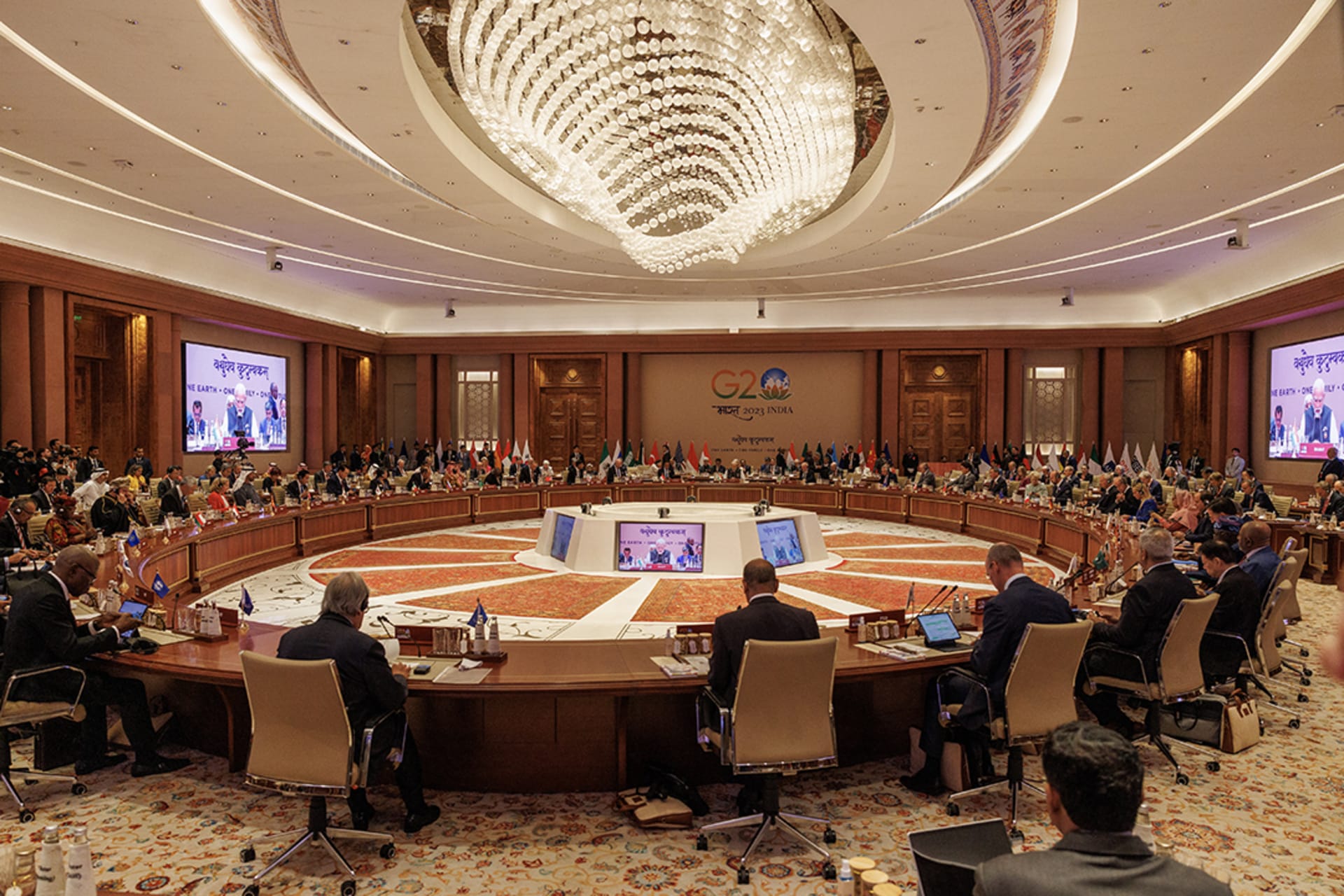
  • The Group of Twenty, an informal gathering of many of the world’s largest economies, is the premier global forum for discussing international economic issues. Its 2025 summit marks the first time the forum is hosted in Africa, but questions loom about the group’s continued relevance. 
  • International efforts, such as the Paris Agreement, aim to reduce greenhouse gas emissions. But experts say countries aren’t doing enough to limit dangerous global warming.
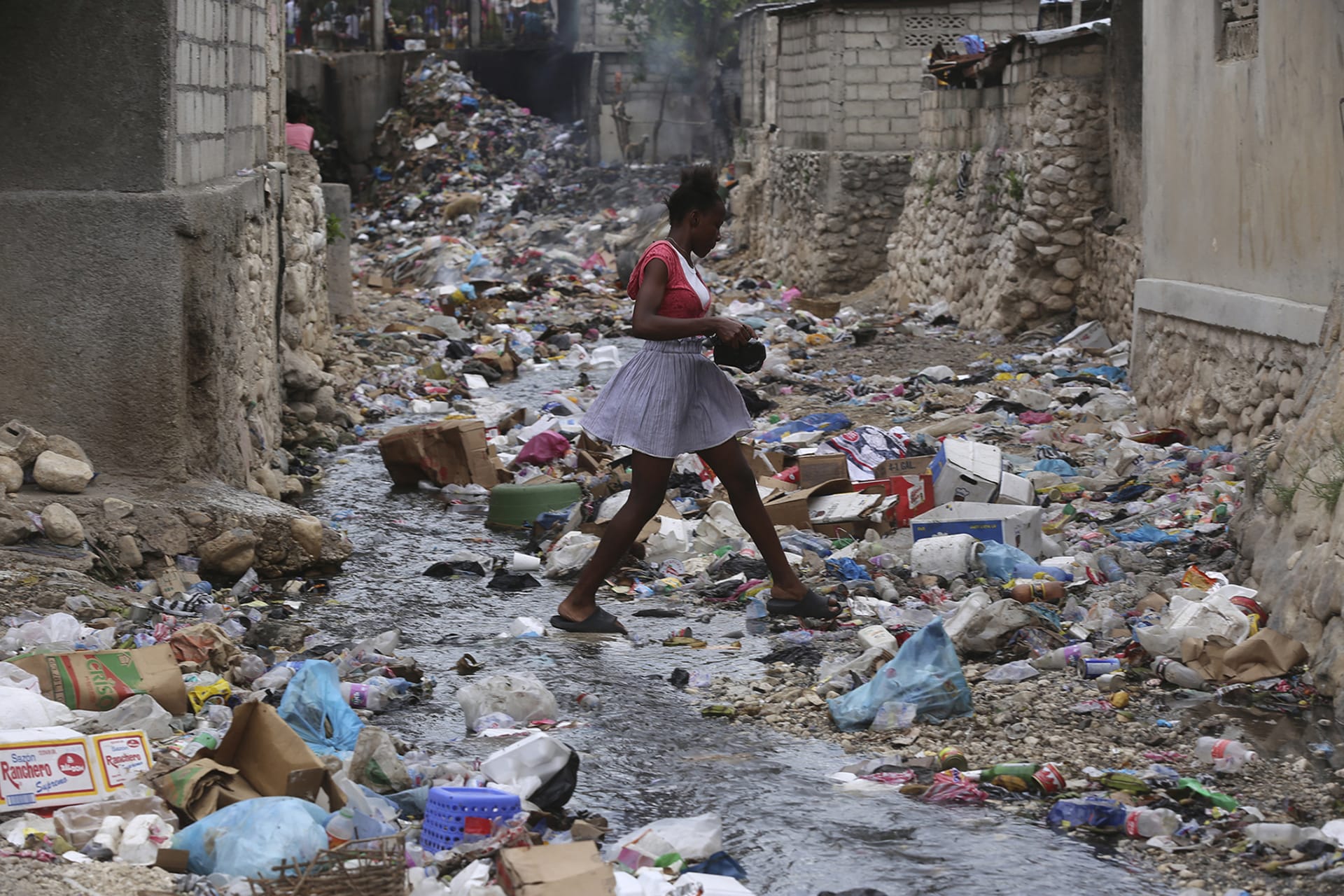
  • Hobbled by foreign interventions, political instability, and natural disasters, the former French colony remains paralyzed by multiple crises and a deepening humanitarian disaster.
  • The United States has long been considered a safe haven for refugees from around the world, but this could change in light of the Trump administration’s efforts to reshape the country’s decades-old refugee resettlement program.
  • The United States and its allies have imposed broad economic penalties on Russia over its war in Ukraine. As the conflict continues, experts debate whether the sanctions are working.
  • The Trump administration’s deportations of undocumented immigrants are accelerating as part of a broader crackdown on unauthorized immigration. The focus so far has been on immigration raids across the country and hundreds of deportation flights, mainly to Latin American countries.
  • Russia holds a sizable advantage over Ukraine on troop numbers and weaponry yet the two sides have fought to a standstill. Russia this spring has ramped up attacks on civilian targets while resisting U.S. ceasefire calls.
  • Presidents Trump and Biden have turned to the Defense Production Act to address the country’s vital needs, from stimulating critical supply chains during the COVID-19 pandemic to countering growing competition with China. How does the law work?
  • Jonathan Hillman, senior fellow for geoeconomics at the Council, sits down with James M. Lindsay to discuss the steps the U.S. government should take to protect and support American firms developing critical new technologies such as artificial intelligence, quantum computing, and biotechnology from predatory foreign challenges without stifling its own growth and innovation.
  • Hal Brands, Henry A. Kissinger Distinguished Professor of Global Affairs at the School of Advanced International Studies at Johns Hopkins University, and Mike Kuiken, Distinguished Visiting Fellow at Stanford University's Hoover Institution, sit down with James M. Lindsay to discuss the U.S.-China Economic and Security Review Commission's latest annual report to Congress and how China is working to reshape the global balance of power.
  • Chris McGuire, senior fellow for China and emerging technologies at the Council, sits down with James M. Lindsay to discuss whether U.S. efforts to deny China advanced semiconductor chips will sustain the U.S. lead in artificial intelligence or unintentionally accelerate Chinese innovation.
  • Experts, physicians, and humanitarian workers point to an alarming pattern that spans across regions, countries, and conflicts: food is being weaponized. And that weaponization is evolving—shaped by technology, globalization, and the politics of power.
  • As part of our Election 2024 initiative exploring the role of the United States in the world, how international affairs issues affect voters, and what is at stake as voters make their choices in November, CFR visited colleges and universities in four battleground states—Arizona, Georgia, Michigan, and Pennsylvania—to hold public forums with top experts on international issues and how they influence the lives of Americans. Our nonpartisan conversations, co-hosted with Arizona State University, the Georgia Institute of Technology, Grand Valley State University, and Franklin & Marshall College covered the U.S. role in the world, the trade-offs presented by different policy options both locally and globally, and context on the international issues, choices, and challenges facing the next president.
  • 2023 was a tumultuous year, marked by violent conflicts, democratic erosion, and record-high temperatures. This year, experts at the Council on Foreign Relations, along with visiting world leaders and thinkers, unpacked these issues and more. Join CFR’s director of studies, Jim Lindsay, in looking back at his list of the ten most impactful events of the year.  
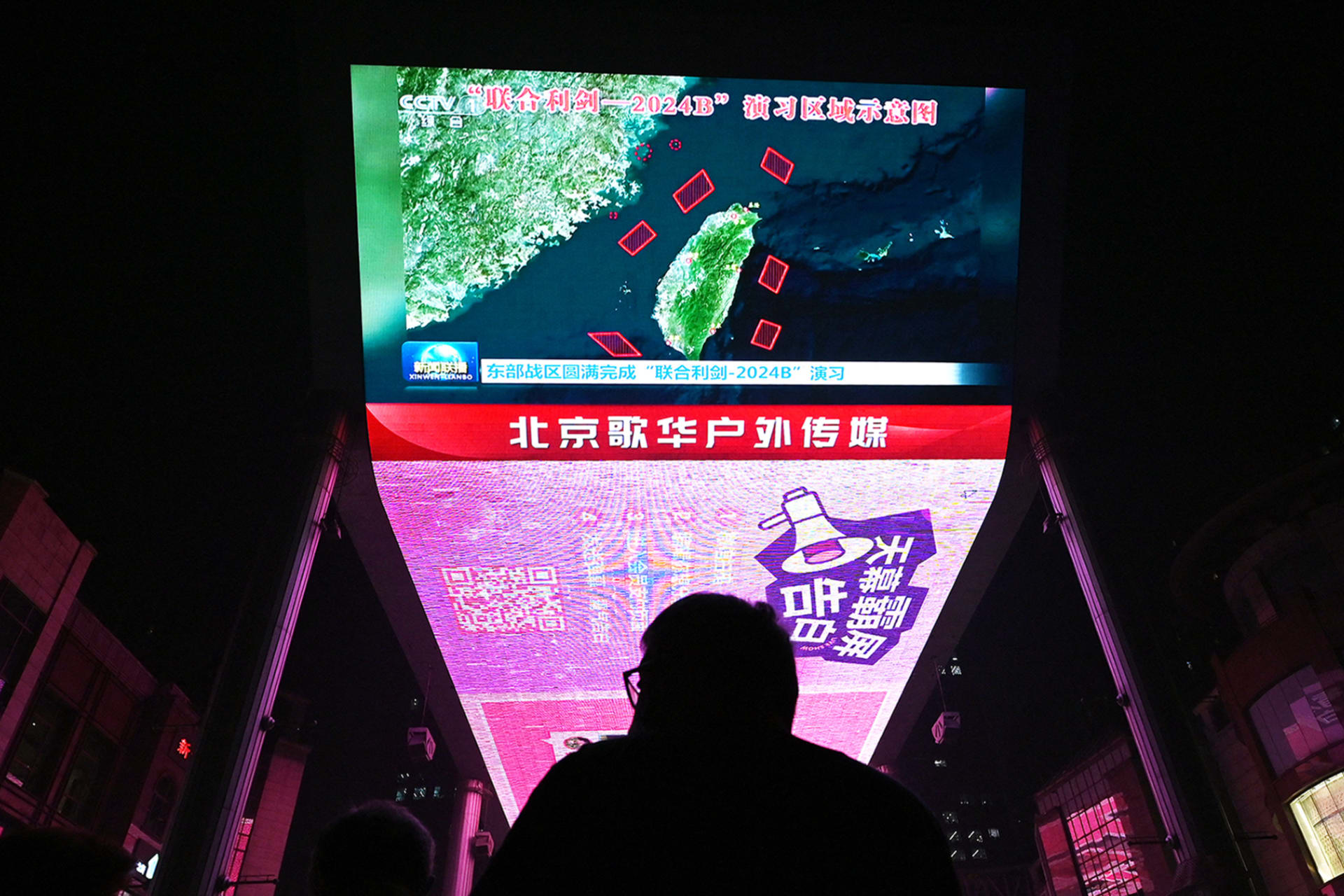
  • Taiwan's relationship with the United States, China, and the rest of the world has a complex history that informs why the island is so consequential to today's geopolitics. To better understand these dynamics, David Sacks, CFR's fellow for Asia studies, answers questions about Taiwan's history and its significance to diplomacy in East Asia. For more on the relationship between the United States, China, and Taiwan, check out the Council on Foreign Relations–sponsored Independent Task Force, "U.S.-Taiwan Relations in a New Era". cfr.org/us-taiwan
  • Over the two centuries since Colombia’s independence, the relationship between Washington and Bogotá has evolved into a close economic and security partnership. But it has at times been strained by U.S. intervention, Cold War geopolitics, and the war on drugs.
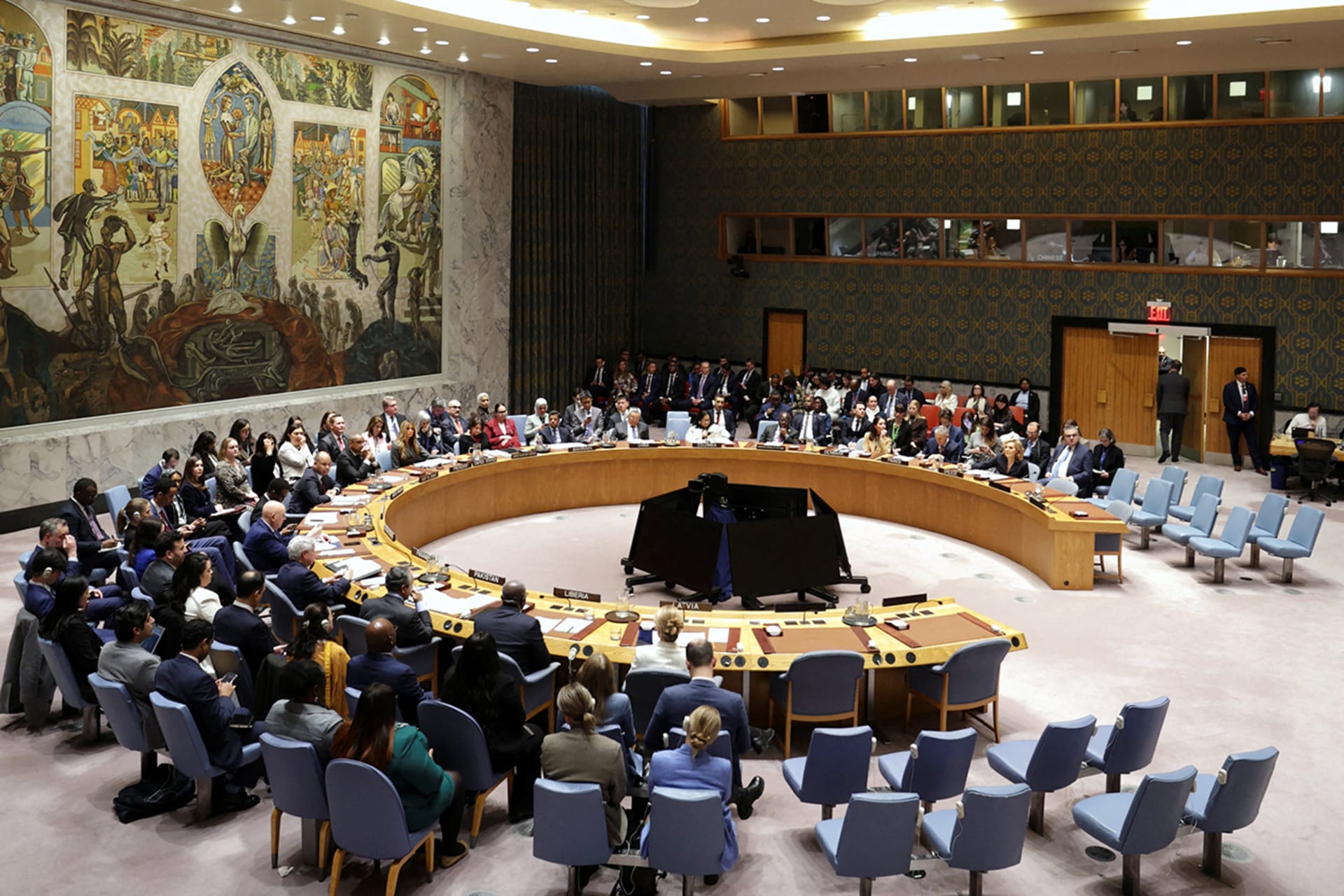
  • Since the end of World War II, the United Nations has served as the world’s leading international body dedicated to promoting peace, security, and cooperation. From conflict resolution to climate action, it has played an evolving role over the past eight decades in attempting to address global challenges.
  • Since India’s independence, ties with the United States have weathered Cold War–era distrust and estrangement over India’s nuclear program. Relations have warmed in recent years and cooperation has strengthened across a range of economic and political areas.
  • Since Fidel Castro’s ascent to power in 1959, U.S.-Cuba ties have endured a nuclear crisis, a long U.S. economic embargo, and persistent political hostilities. The diplomatic relationship thawed under President Barack Obama, but many restrictions have since been renewed.