Protecting Global Food and Water Supplies in a Warming World
Discover how climate change is diminishing global food and water security, and how the world can adapt to those vital resource challenges.
By experts and staff
- Updated
Climate change is disrupting the world’s ability to produce and transport food and secure clean water. Extreme weather events, rising sea levels, and shifting temperature patterns are placing immense pressure on vital systems. The stakes are high, but some are emerging.
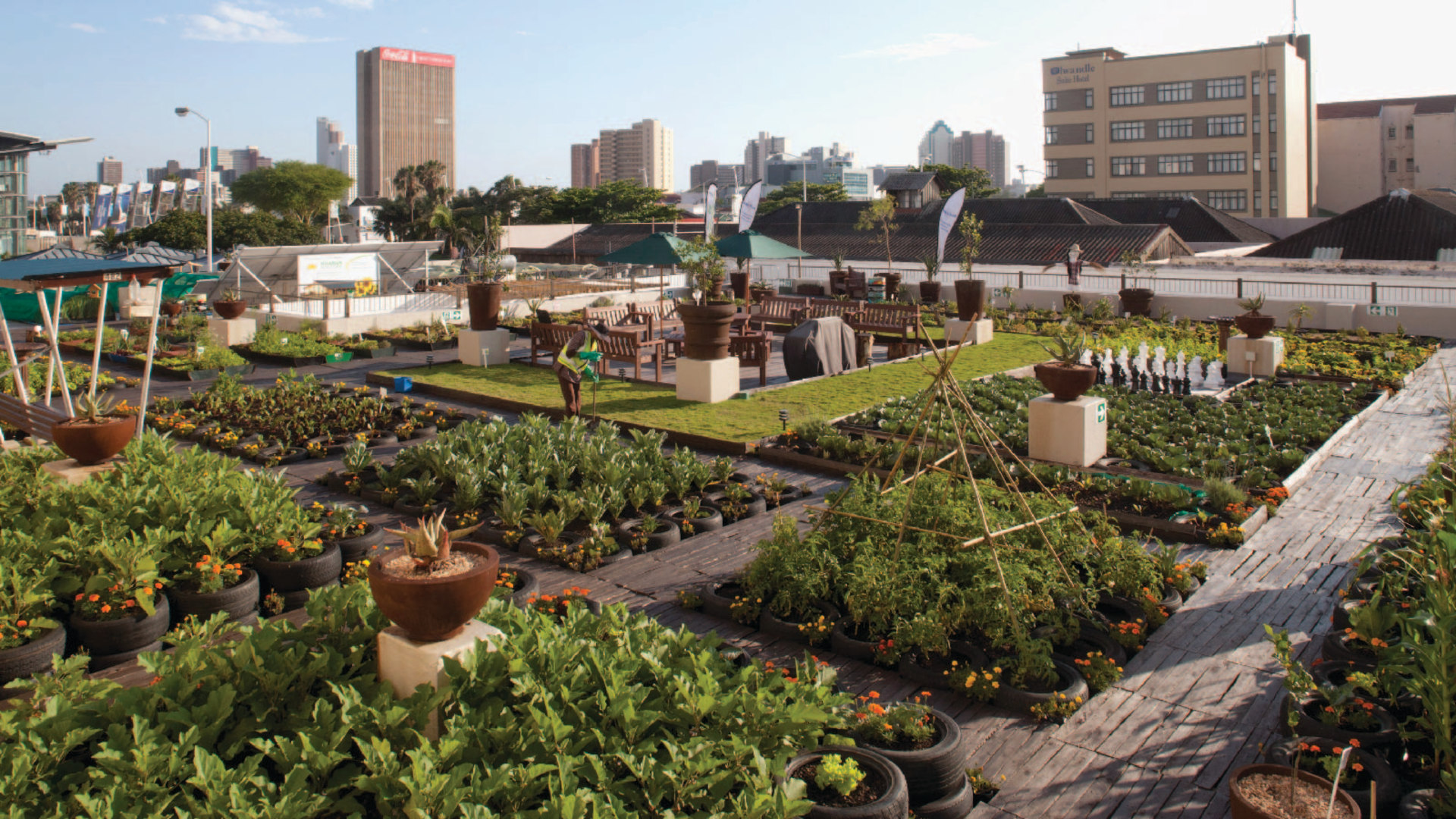
Communities worldwide are adapting in innovative ways. Rooftop gardens are sprouting up in bustling cities, and ancient grains are making a comeback on rural farms. Coastal villages are constructing living seawalls made of oysters to protect against rising tides while also boosting seafood supplies. In drought-stricken places, farmers are replacing traditional seeds with new varieties that can withstand the scorching temperatures.
Those adaptations are promising, but not all areas are equally equipped to handle the challenges. And current adaptations are not sufficient to ensure adequate supplies. A significant percentage of people at risk of crop failures and hunger live in already vulnerable regions such as sub-Saharan Africa and South Asia. In particular, small-scale farmers and coastal communities need targeted support to build resilience and ensure a sustainable future.
This resource explores the complex interplay between climate change and food-and-water security, highlighting both the challenges and the emerging solutions around the globe.
How climate change decreases water supplies
Earth is called the Blue Planet for a reason: it’s awash in billions of billions of gallons of water. Most of it is salty ocean water (97 percent), and a bit more is locked away in glaciers and ice caps (2 percent). Only the remaining one percent is readily accessible for drinking and other purposes. But that critical supply is being squeezed by climate change. Here are some of the biggest stressors:
- Increasing droughts: Droughts are becoming more frequent and severe due to climate change, reducing the availability of freshwater from rivers, lakes, and reservoirs. That can lead to water shortages and hurt agriculture, drinking-water supplies, and ecosystems.
- Disappearing meltwater: Climate change is causing glaciers and snowpacks to melt at accelerated rates. That decreases the amount of meltwater that typically feeds rivers and lakes during warmer months, diminishing a crucial source of freshwater for many regions.
- Emptying aquifers: Groundwater aquifers, which supply a significant portion of the world’s freshwater, are being depleted faster than they can be replenished due to overextraction for agricultural, industrial, and domestic use.
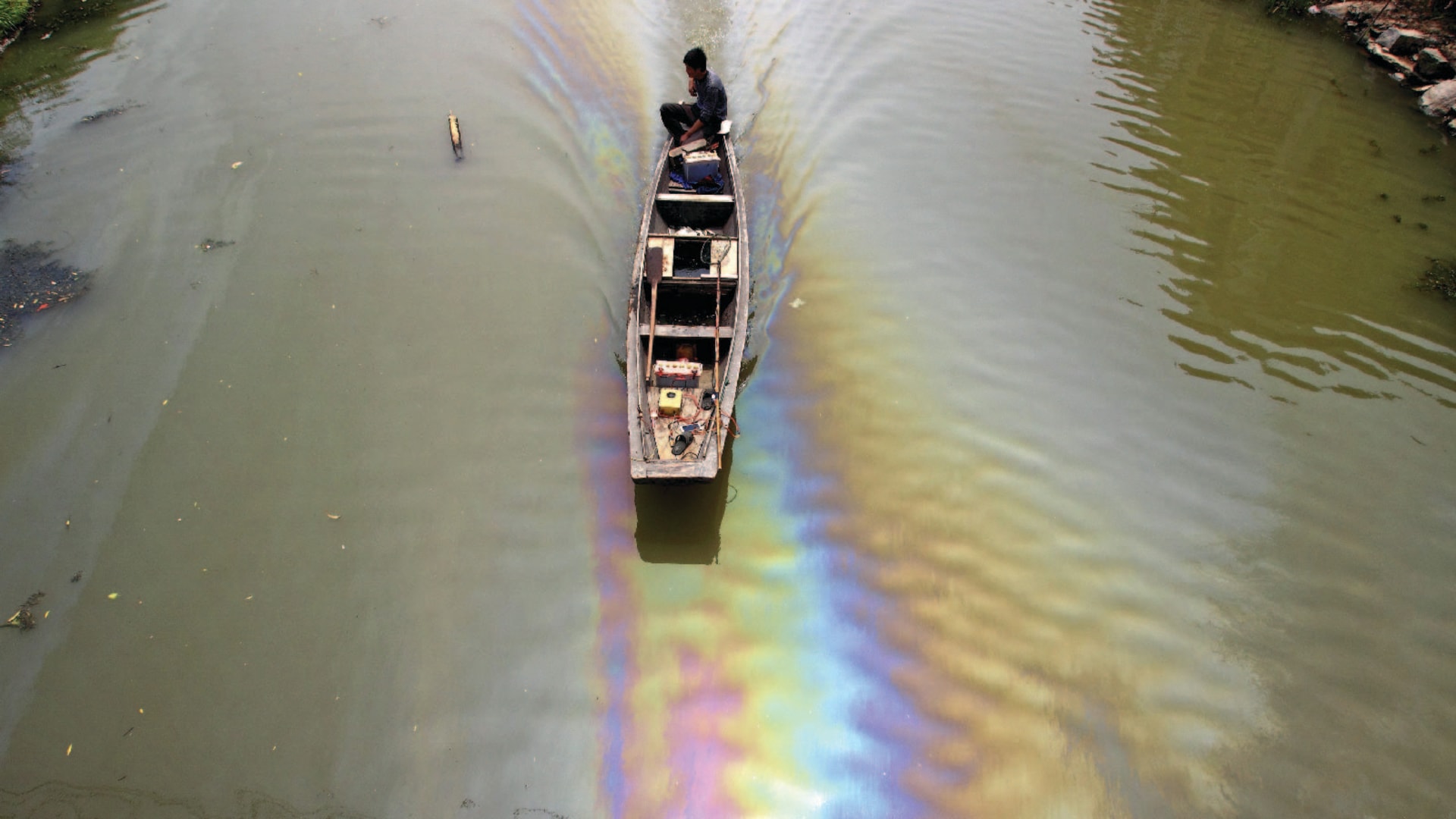
- Freshwater contaminated: Pollution from industrial activities, agricultural runoff, and inadequate waste management contaminate freshwater sources. That makes them unsafe for human consumption and harms aquatic ecosystems. Climate change exacerbates the problem by increasing the frequency and intensity of extreme weather events that can wash pollutants and harmful bacteria into water supplies. Rising sea levels push saltwater into coastal freshwater sources, making them undrinkable.
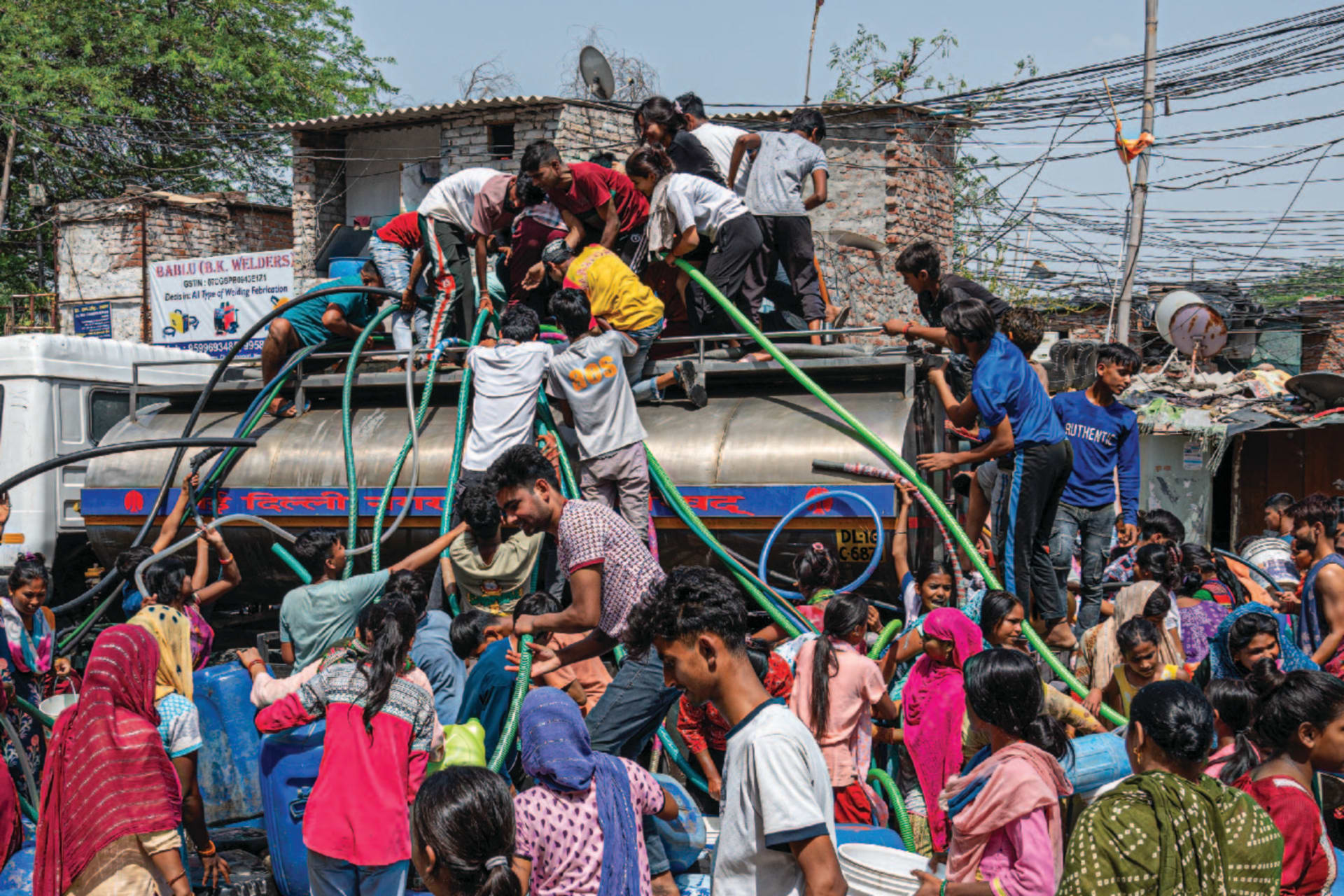
Nearly two billion people around the world still do not have access to safely managed drinking water. People need a lot of water for other purposes, too, like growing food and producing everyday items. For example, manufacturing a single pair of jeans consumes a staggering two thousand gallons—that’s more than thirty thousand glasses of water.
Most of the world’s accessible freshwater—about 80 percent—is used for farming, especially to raise animals for meat. As populations grow and more people need more food, farmers will have to compete for the limited water available.
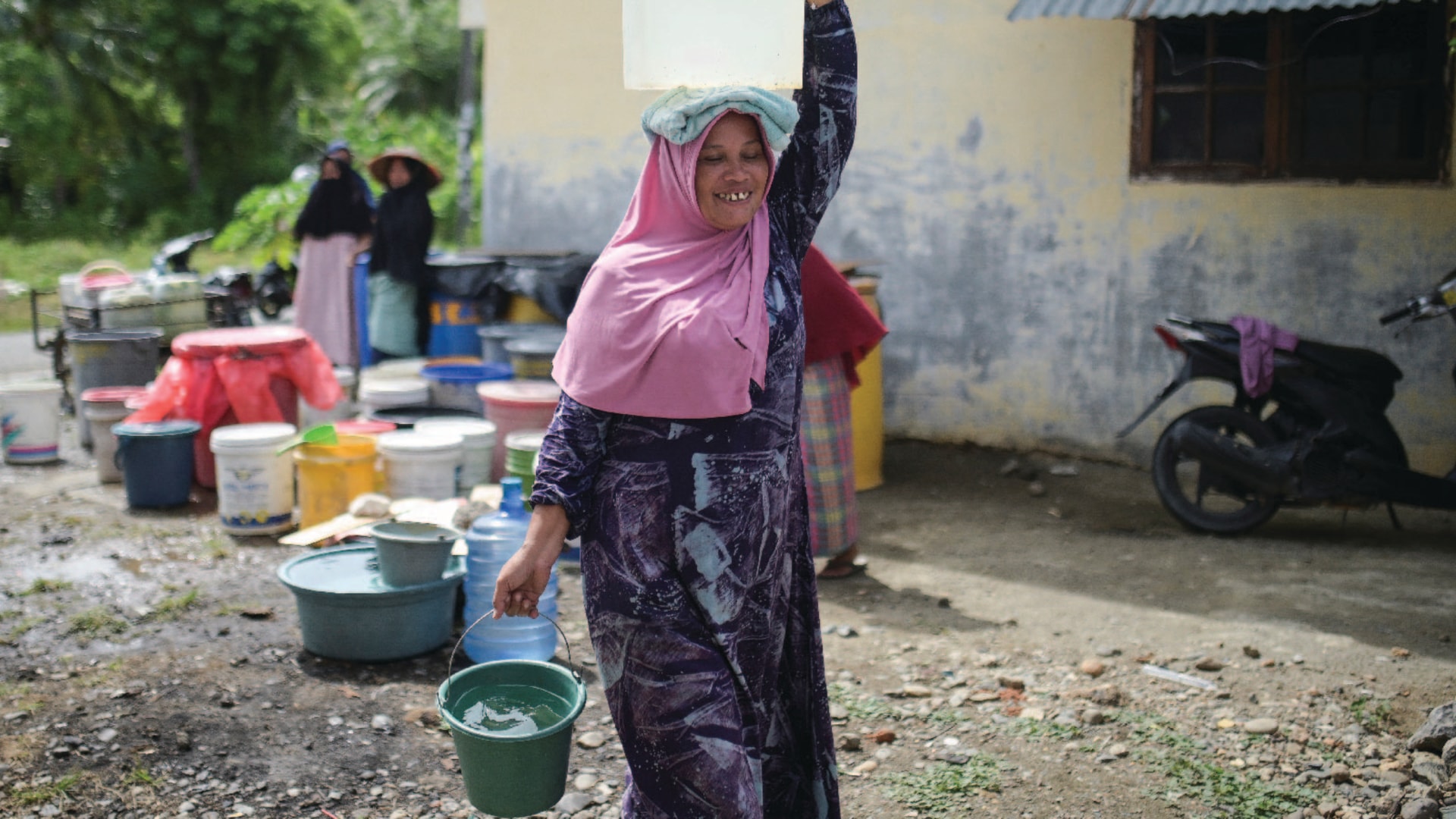
The pressure on water supplies is worsening existing inequalities. For example, worldwide, women are more often involved in water collection than men, and climate change is making that vital task harder. Read more about climate change and inequality in our dedicated resource.
Adaptation strategies for water security
By 2050, the number of people who lack sufficient water for at least one month per year is expected to rise to more than 5 billion from 3.6 billion. Competition for water could lead to conflicts and migration crises, especially in developing countries. To avoid the harms from water stress, countries can take on a variety of adaptation strategies:
- Protect natural resources: Governments can invest in protecting natural water sources like wetlands and forests. Those areas help control floods, store water, and provide clean water supplies.
- Upgrade and maintain water infrastructure: Modernizing existing infrastructure to reduce leaks and inefficiencies helps ensure that water supply systems can better operate under extreme weather events.
- Expand water storage: Building and improving reservoirs and other storage facilities can help sustain water supplies in periods of stress.
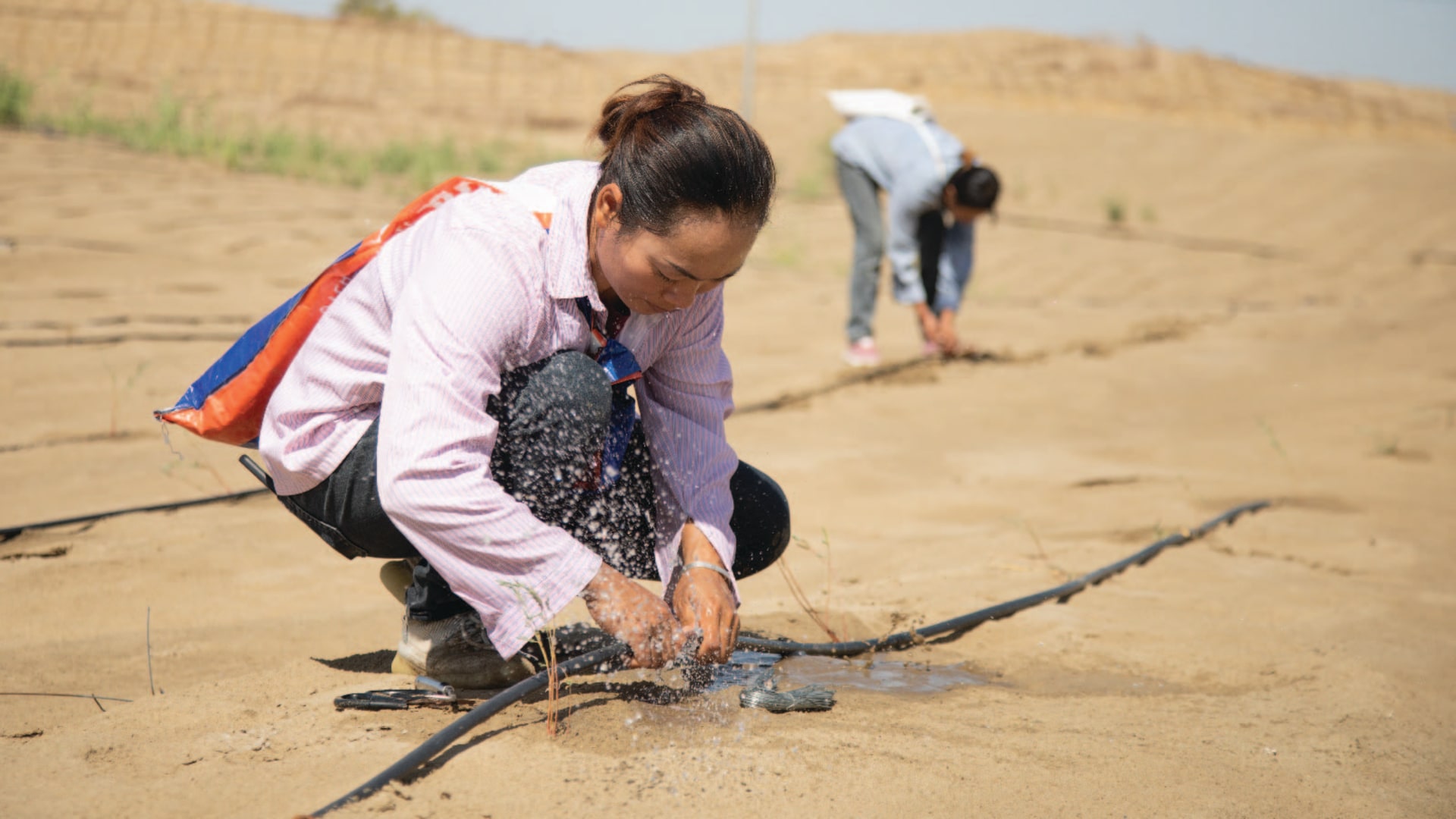
- Adopt water-saving technologies: Using efficient irrigation systems, such as methods like drip irrigation in agriculture. This helps minimize water use without sacrificing crop yields. Similarly, low-flow fixtures save water by slowing the flow rate of water for showerheads, faucets, and toilets.
- Recycling water: Developing systems to treat and reuse wastewater for nondrinking purposes can reduce the demand for fresh water supplies.
- Planning ahead with data: Another adaptation involves improving climate models to better predict changes in water availability. Stakeholders can then develop better water management plans that consider the entire watershed and incorporate climate forecasts.
- Regulation and incentives: Implementing policies that encourage water conservation and penalizing wasteful practices in agriculture, industry, and households can help prevent scarcity.
- Shared resources: Developing international agreements to manage shared water resources and addressing cross-border water issues are both effective measures. International organizations can help facilitate the exchange of best practices and technologies among countries facing similar challenges. Water agencies can find fair ways to allocate water to where it’s needed most. That measure could involve trading water rights or setting water prices that encourage conservation.
How climate change threatens food supplies
The global food system is also increasingly under threat from climate change. While agriculture itself is a major source of , the sector experiences some major harms from climate change.
Water scarcity: Altered precipitation patterns, accelerated glacier melt, and prolonged droughts are depleting water resources essential for agriculture.
Extreme weather events: Climate change is increasing the frequency and intensity of natural disasters, including floods, hurricanes, and heat waves. Those events inflict substantial damage on crops, disrupt planting and harvesting cycles, and erode fertile topsoil.
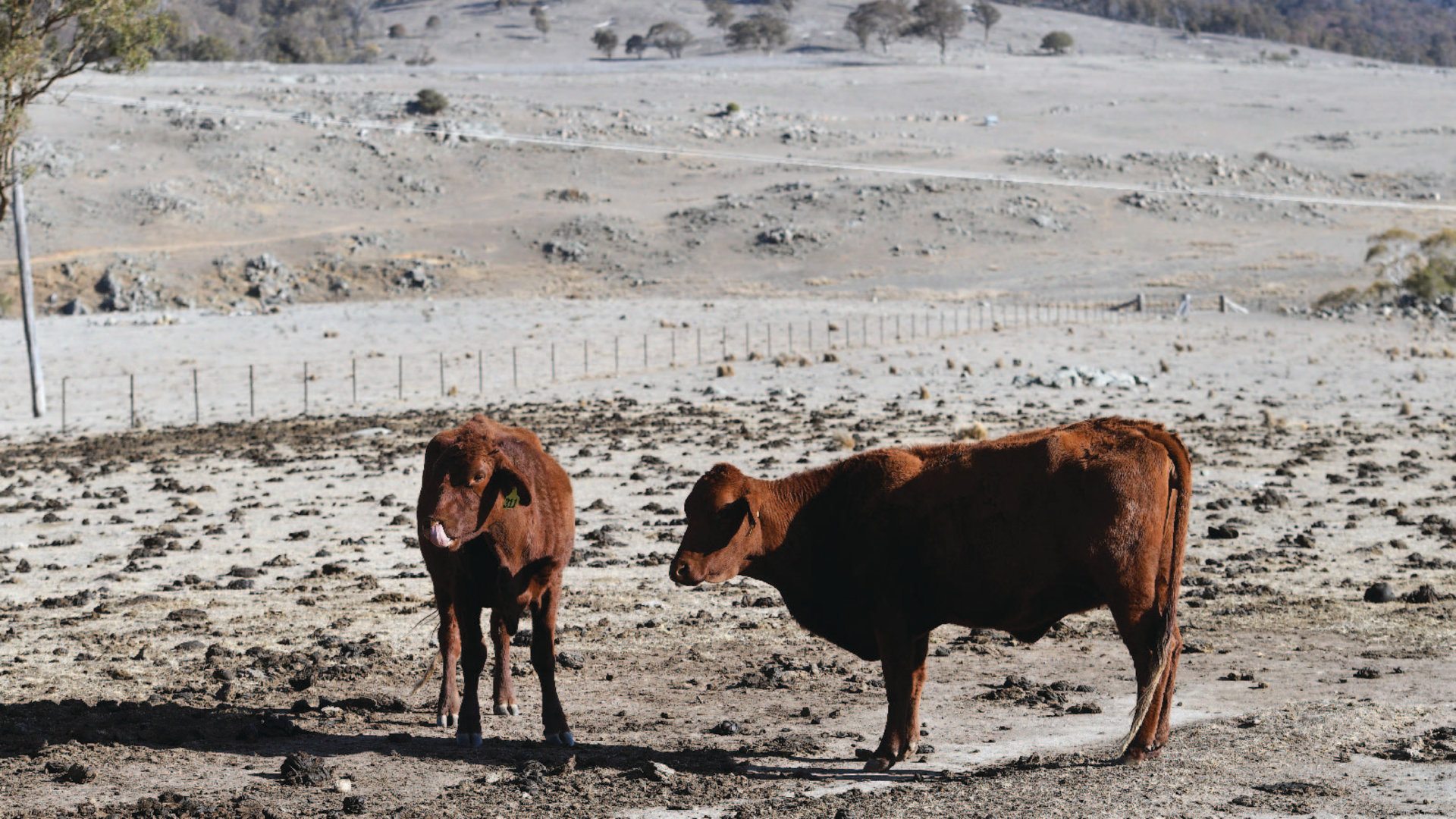
Livestock challenges: Extreme heat can make it harder for livestock to grow and increases their susceptibility to disease. It also reduces the availability of food, pastureland, and water sources for the animals.
and overfishing: Rising ocean temperatures and increased acidity disrupt marine ecosystems, putting stress on fisheries and harming the livelihoods of coastal communities.
Pests and diseases: Warmer temperatures create favorable conditions for pests, diseases, and invasive species—which leads to crop losses and increased reliance on pesticides.
Soil degradation: Climate change accelerates soil erosion, nutrient depletion, and desertification. That affects a soil’s ability to support plant life and ecosystem health, reducing agricultural productivity and resilience.
With those effects from climate change, the world could face challenges meeting the growing demand for food in the future. The global population is projected to increase by around 20 percent, reaching nearly ten billion hungry people by 2050.
To improve agricultural productivity and meet growing global food demands, farmers need access to data, technology, and knowledge to manage resources effectively and to adapt food production practices to changing environmental conditions.
Adaptation strategies for food security
Productivity gains are important for keeping up with the needs of a growing population. Improving food production and using resources more efficiently can ensure there’s enough to go around. There are many ways to increase agricultural productivity, including the following:
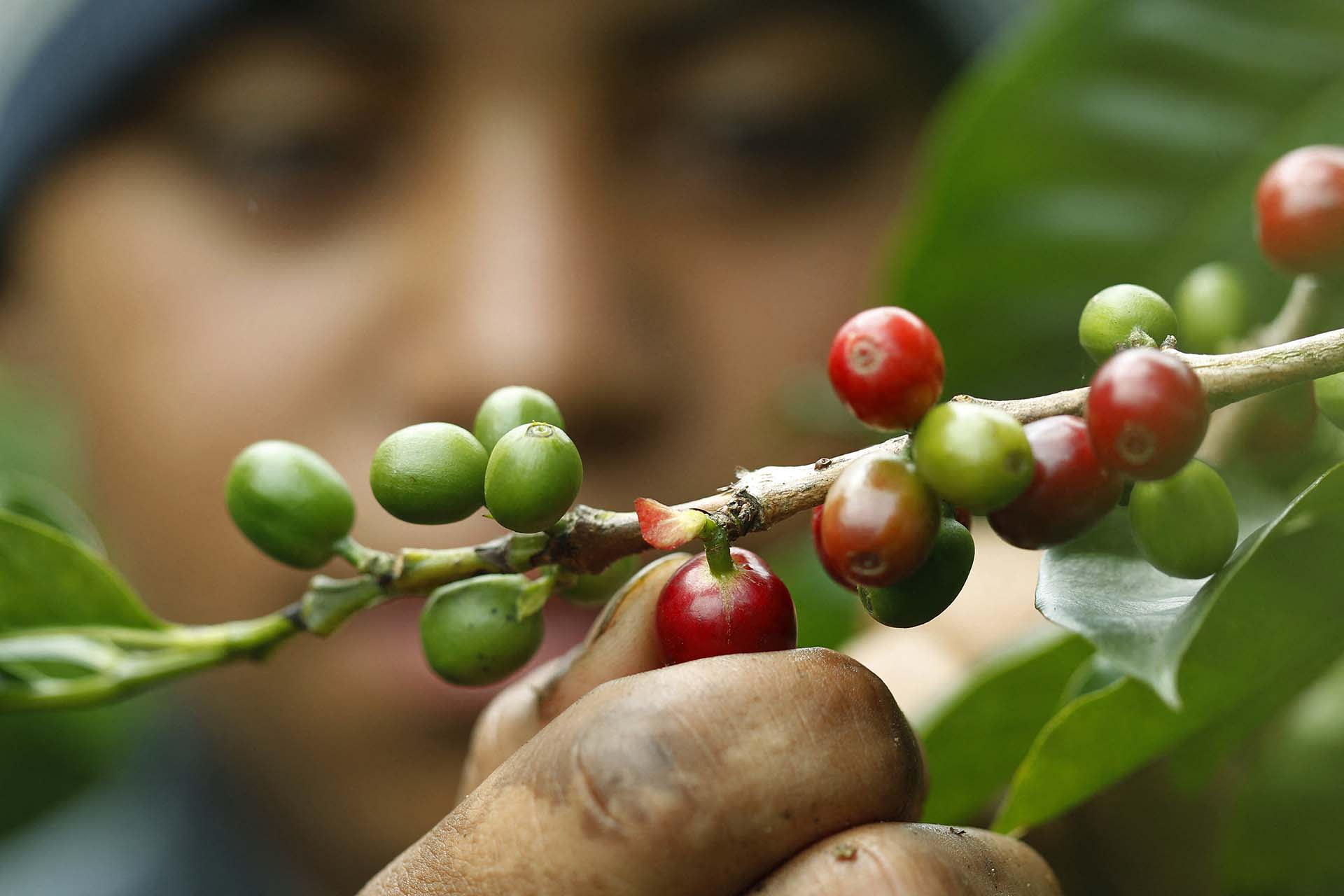
- Drought-resistant crops: Scientists are creating new types of crops that can survive with less water. They help farmers to keep producing food even when there’s not much rain.
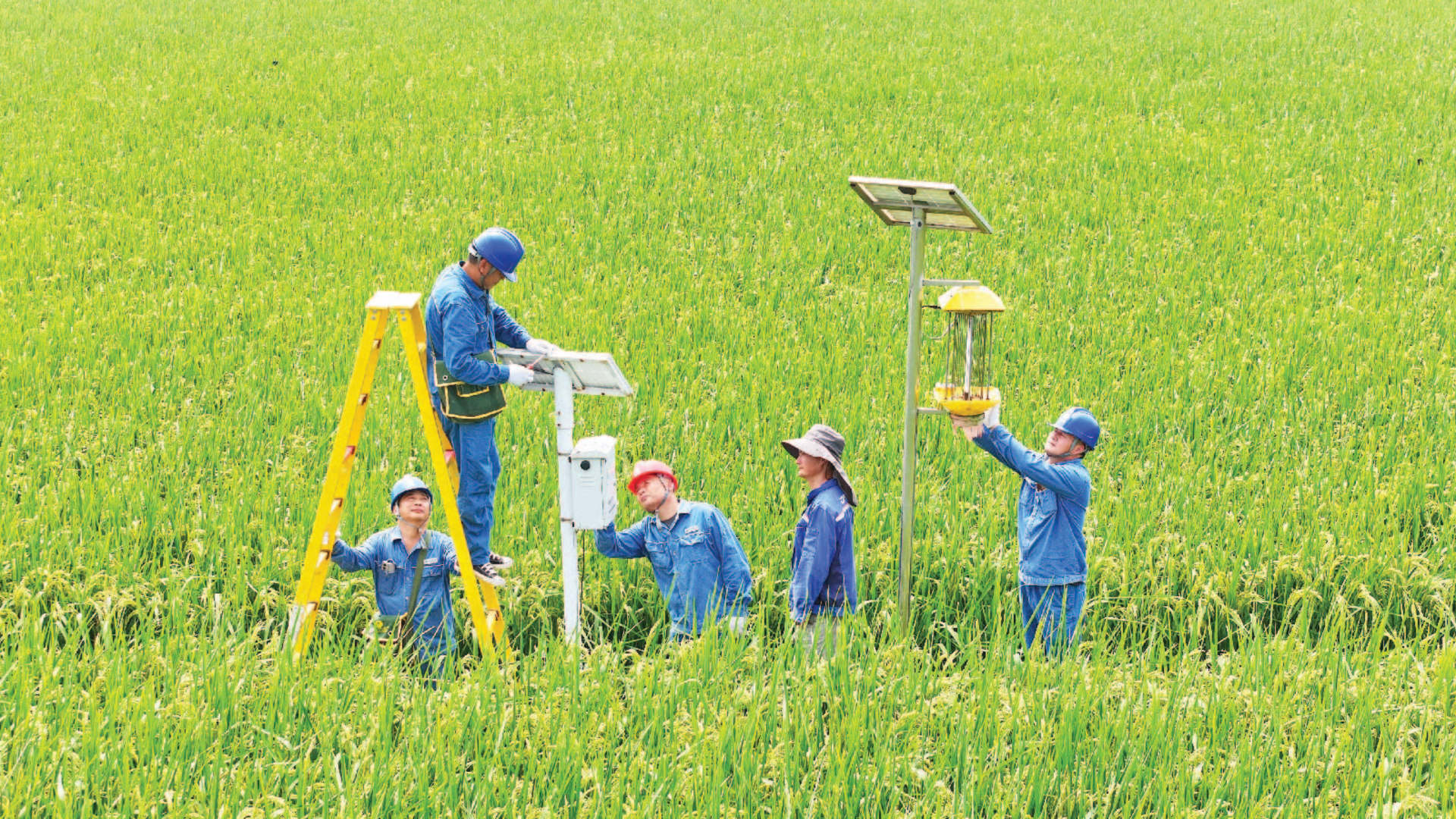
- Precision agriculture: Farmers can rely on technology and sensors to make sure they use the right amount of water and fertilizer. That reduces waste and improves crop yields.
- Crop diversity: There are tens of thousands of edible plants in the world, but just fifteen of them provide around 90 percent of the world’s intake. Growing different types of crops reduces the risk that a vulnerable-to-climate-change crop will fail on a wide scale.
- Soil management: Techniques like composting and planting cover crops help keep soil healthy and able to hold more water. Healthier soil produces crops of higher quality and yield.
However, simply increasing productivity isn’t the only adaptation on the table. Finding ways to better manage and distribute the food available can prevent and address shortages spurred by climate change.
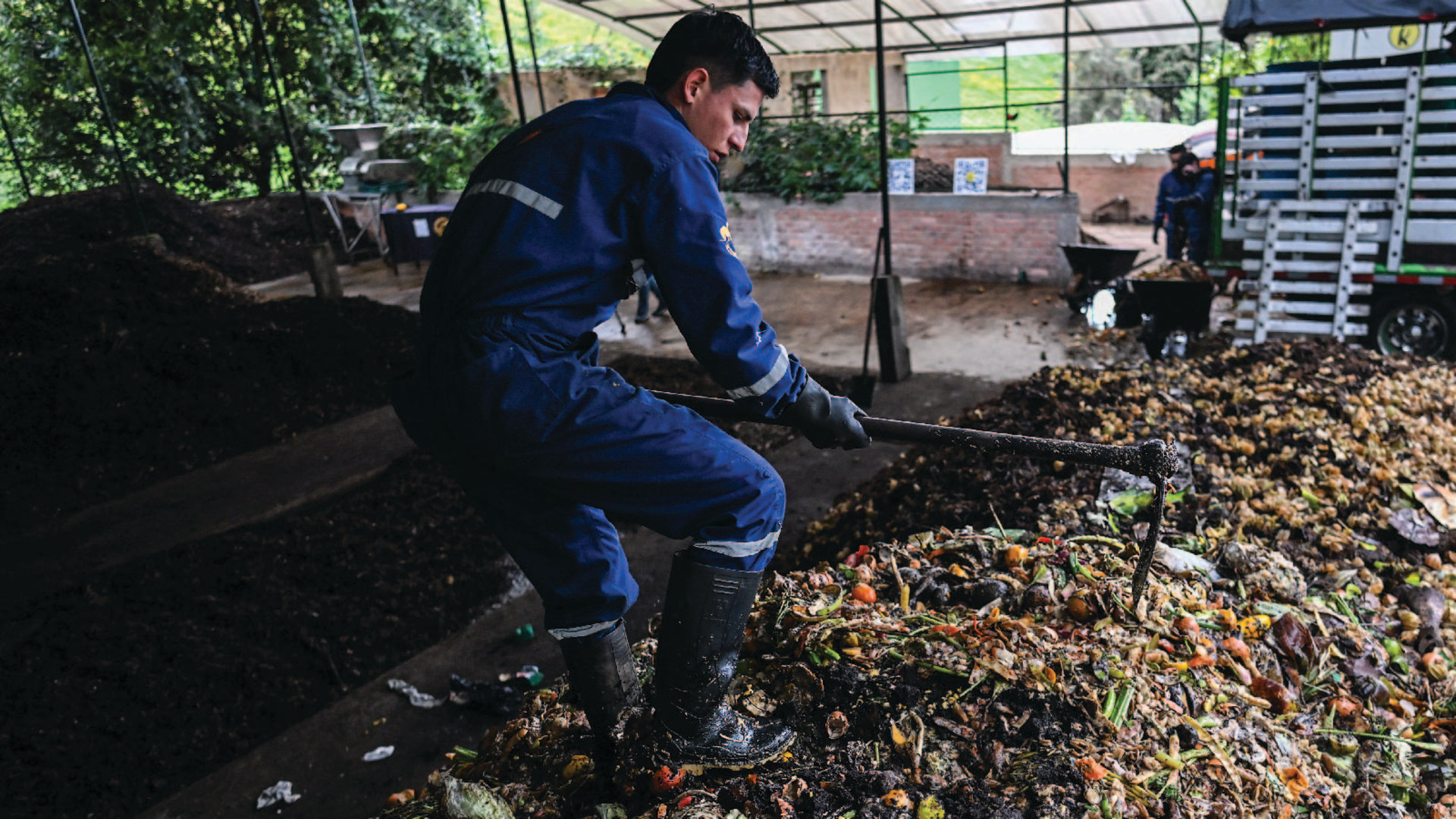
Limiting food waste: Around one-third of all food produced globally for human consumption is wasted or lost. That wasted food, when converted into calories, represents nearly a quarter of the global food supply. To address the issue, it’s important to build resilient infrastructure to make sure that food gets to places where it’s needed most. Such methods include creating efficient transportation and storage systems to reduce post-harvest losses and maintain food quality for longer. Reducing food waste could help make more food available for hungry people, while also reducing greenhouse gas emissions from agriculture.
Global food aid: Food aid is a collaborative effort between countries and organizations to deliver food to the regions facing severe shortages. UN agencies such as the World Food Program and the play a vital role in providing immediate relief as they respond to crises triggered by climate disasters. They also help developing countries build more resilient food systems for the future, promote better nutrition practices, and spread knowledge about climate-smart agriculture.
Local food systems: Growing food in cities and local areas can help reduce the distance food needs to travel, making it more available to people nearby.
Nutritional support: Programs can be set up to ensure that people, especially in poorer areas, get the essential nutrients they need to stay healthy.
Stockpiling essential food for emergencies: Storing food for emergencies is another strategy for addressing climate-related food insecurity. Efforts to stockpile food to help prepare for future food shortages are already underway in countries such as India.
Climate change poses a major obstacle to food and water security. However—through efforts to develop a more resilient food-and-water system—it is one that governments, businesses, and individuals can overcome.