The Sustainable Development Goals
Learn about the formation of the United Nations Sustainable Development Goals (SDGs), and review the opportunities and challenges for meeting them.

By experts and staff
- Updated
In 2015, UN members unanimously adopted the Sustainable Development Goals, designed to guide global progress toward a more prosperous and sustainable future. Building on a set of earlier goals known as the Millennium Development Goals (MDGs), the SDGs established seventeen focus areas with targets countries wish to achieve by 2030. Those focus areas include promoting gender equality, reducing poverty, improving education, responding to climate change, promoting peace, and more.
UN Secretary-General Ban Ki-moon described the goals as “a to-do list for people and planet, and a blueprint for success.” Essentially, they are meant to serve as guideposts for governments—national and local—as well as civil-society organizations and private-sector institutions to adopt policies, direct investment, and cooperate on a shared vision of the future.
The SDGs are ambitious. Meeting their targets would require substantial investment, change, and collaboration in both developed and developing countries. Few experts now believe the SDGs will be achieved by their 2030 deadline, especially as the world has seen a major decline in development funds from wealthy nations in recent years. Still, many maintain that the SDGs are a useful framework to keep the world focused on common goals for the future.
History of the SDGs
The foundation of the SDGs began well before 2015. In September 2000, world leaders gathered in New York to decide the United Nations’ goals for the new millennium. From that gathering came the MDGs, eight priorities for the first fifteen years of the new millennium, and the precursors to the SDGs.
The MDGs focused on basic objectives such as bringing people out of extreme poverty (then defined as living on less than $1.25 per day). And because problems such as extreme poverty disproportionately affect the world’s , the MDGs mainly focused on directing funding from wealthy countries to support development in Africa, Asia, and Latin America.
On paper, countries successfully met the MDG targets: from 2000 to 2015, the world experienced rapid development. One billion people [PDF] rose out of extreme poverty, and global (GDP) more than doubled.
That does not mean, however, that the world has finished developing, or that the development driven by the MDGs was felt equally everywhere.
Much of the progress made toward the MDGs happened in just two countries: China and India. They have the world’s two largest populations and were long home to more poor people than anywhere else. Between 2000 and 2015, approximately three hundred million people in China emerged out of extreme poverty. But many of the methods used to achieve that goal afforded Chinese citizens few individual rights and, notably, had severe environmental consequences. For example, the Chinese government encouraged factories to increase the production of goods for export, and many farmers moved to cities for work. More coal-powered factories intensified air pollution, and weak environmental laws did not prohibit pollution in waterways, contributing to long-standing environmental degradation.
In India, too, more than three hundred million people rose out of extreme poverty during the same period and the country’s GDP quadrupled between 2000 and 2015. But although India succeeded in sharply reducing extreme poverty, it had moved hundreds of millions of people just above the extreme poverty threshold with few savings, and major growth benefited different economic classes of people unequally.
UN members convened in 2015 to build on the progress of the MDGs and address some of their shortcomings. Identifying sustainable ways for every country to develop was a top priority. The result of those discussions was the seventeen SDGs, which officially came into effect on January 1, 2016.
How Do the SDGs Work?
The SDGs are not a formal treaty; they do not require countries to make binding commitments or even report on their own progress (though nearly every country voluntarily does so). Instead, the goals are designed to set a common, measurable agenda to guide the efforts of governments, nongovernmental organizations (NGOs), and private institutions.
Crucially, the SDGs are also meant to direct the flow of resources. Making progress on global development requires significant funding for projects like building new infrastructure, constructing systems, creating housing, and adopting new education initiatives, among many others. Much of that funding comes from governments, private-sector institutions, international development banks, and philanthropic donors. The SDGs provide a framework for driving investment toward a unified set of priorities.
What Are the Seventeen SDGs?
The UN website lists the seventeen goals set out in the SDGs as the following:
- No Poverty: End poverty in all its forms everywhere.
- Zero Hunger: End hunger, achieve food security and improved nutrition and promote sustainable agriculture.
- Good Health and Well-Being: Ensure healthy lives and promote well-being for all at all ages.
- Quality Education: Ensure inclusive and equitable quality education and promote lifelong learning opportunities for all.
- Gender Equality: Achieve gender equality and empower all women and girls.
- Clean Water and Sanitation: Ensure availability and sustainable management of water and sanitation for all.
- Affordable and Clean Energy: Ensure access to affordable, reliable, sustainable and modern energy for all.
- Decent Work and Economic Growth: Promote sustained, inclusive and sustainable economic growth, full and productive employment and decent work for all.
- Industry, Innovation, and Infrastructure: Build resilient infrastructure, promote inclusive and sustainable and foster innovation.
- Reduced Inequalities: Reduce inequality within and among countries.
- Sustainable Cities and Communities: Make cities and human settlements inclusive, safe, resilient and sustainable.
- Responsible Consumption and Production: Ensure sustainable consumption and production patterns.
- Climate Action: Take urgent action to combat climate change and its impacts.
- Life Below Water: Conserve and sustainably use the oceans, seas and marine resources for sustainable development.
- Life on Land: Protect, restore and promote sustainable use of terrestrial ecosystems, sustainably manage forests, combat desertification, and halt and reverse land degradation and halt biodiversity loss.
- Peace, Justice, and Strong Institutions: Promote peaceful and inclusive societies for sustainable development, provide access to justice for all and build effective, accountable and inclusive institutions at all levels.
- Partnerships for the Goals: Strengthen the means of implementation and revitalize the Global Partnership for Sustainable Development.

Focus of the SDGs
Three main characteristics distinguish the SDGs from the MDGs: sustainability, interconnectedness, and a global focus. Each characteristic shapes how the goals work in practice.
Sustainability
Sustainable development means improving the lives of populations in the present without harming future generations’ ability to do the same. It is no longer considered enough to improve people’s livelihoods regardless of the environmental cost. The SDGs encourage countries to find environmentally friendly methods of development, such as powering factories with renewable energy rather than exclusively exploiting , which contribute to climate change. Each development project has to account for its environmental effects: how it would affect life on land, ensure a clean water supply, and respond to climate change.
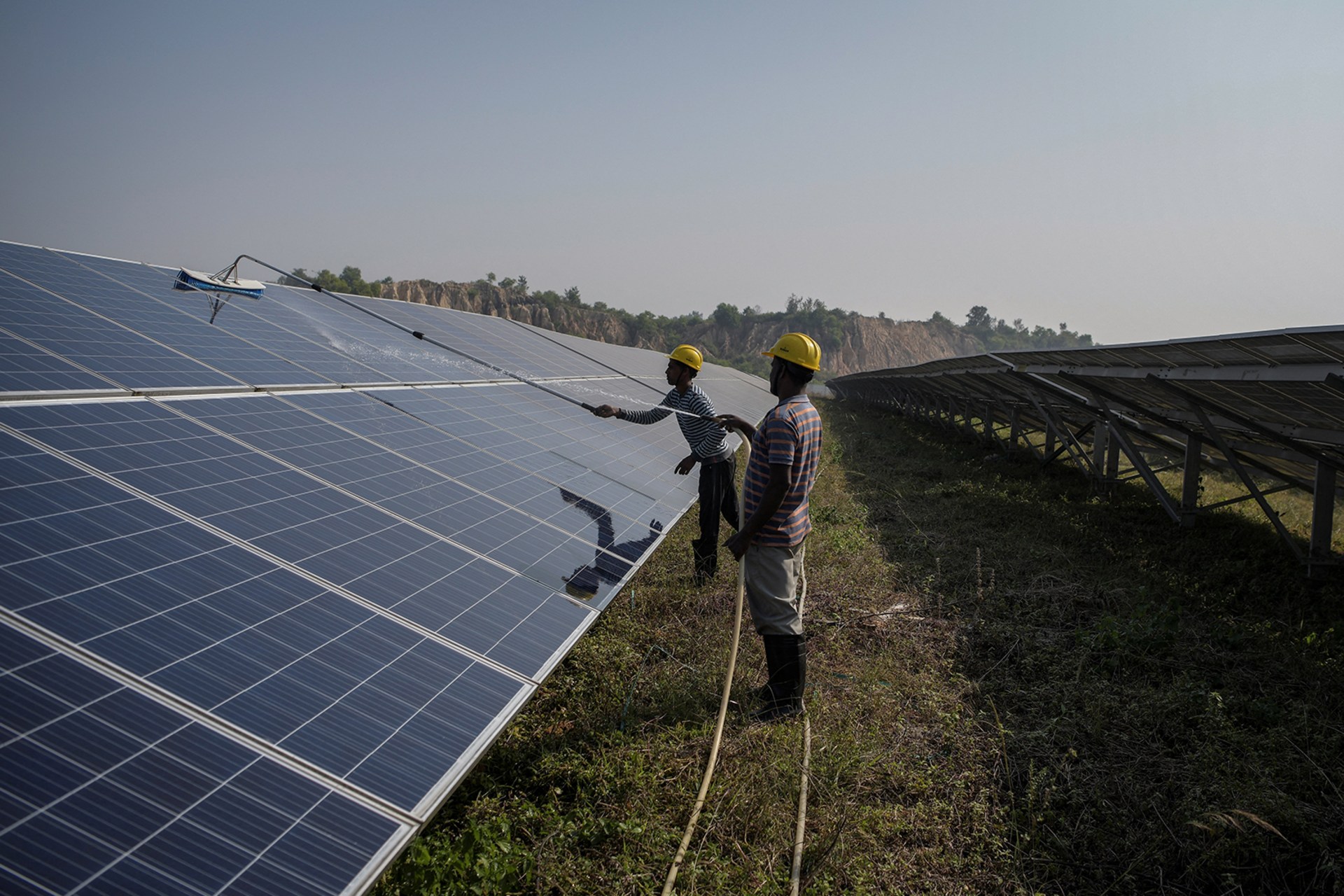
The SDGs are also designed to encourage economically sustainable development by promoting inclusive growth. An overall increase in a country’s wealth is a worthwhile goal, but the SDGs ask these questions: Who benefits, and is the average person in a country gaining from the growth, or are just a few wealthy people reaping all the rewards? The SDGs push for programs that specifically target marginalized social groups, which often include women, ethnic and racial minorities, and people with disabilities. To be considered sustainable, development projects need to ensure equal opportunities for growth and eliminate discriminatory practices.
Interconnectedness
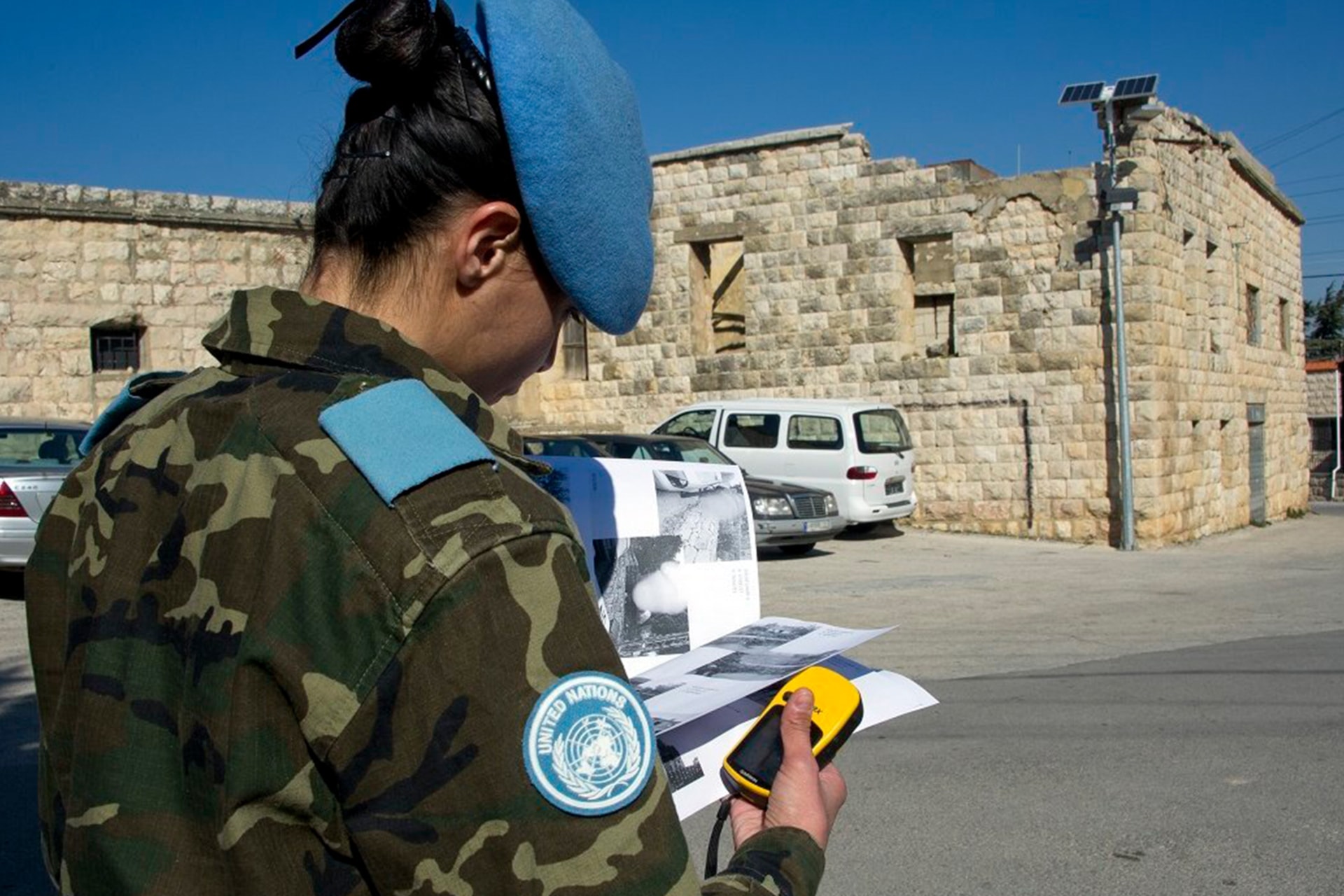
Rather than looking at poverty in isolation, the SDGs focus on how improvements in one area can help promote progress in others. For example, one way to improve gender equality is to install solar-powered streetlights that stay on all night so that women feel safer walking home later in the evening, a strategy used to support women in rural Lebanon. That small, environmentally friendly step has a ripple effect: women who can extend their hours of activity outside the house past sunset have more opportunities to take night classes at university and improve their educational attainment. They can also work more flexible hours and avail themselves of new job opportunities. Programs that address inequalities end up helping everyone: the more citizens able to work, the larger an economy can grow.
Global Focus
The MDGs were drafted by a small circle of experts and focused primarily on helping poor countries reduce poverty. The SDGs, by contrast, were negotiated over several years by dozens of countries, and they were meant to apply to everyone. Rich and poor countries alike are expected to make progress toward the targets included in the SDGs. Indeed, some of the SDGs are aimed directly at wealthier societies. SDG 12, for instance, calls for countries to use resources more efficiently, reducing wasteful consumption and production.
Global focus is not just about the rich and poor. It also reflects the fact that progress requires action across borders as much as within them. For example, overfishing has become an increasingly urgent challenge for the world’s food supplies, and because fish do not respect national borders, addressing it requires international coordination. One factor contributing to the problem is government subsidies. Those subsidies can boost a country’s fishing industry by making it cheaper for fishers to operate. That can make fishing a stronger industry in one country, but it can also mean more competition for others, and fewer fish overall. Countries had tried to negotiate limits on fishing subsidies since at least 2001, with little to show for it. But after the SDGs added a target explicitly calling for action, negotiations found new momentum. Members of the World Trade Organization adopted an agreement on fishing subsidies in 2022.

Tracking the SDGs’ Progress
Each of the seventeen SDGs has targets and indicators that help narrow the focus of development efforts and provide a way to measure those efforts’ success. For example, the second SDG, which concerns eliminating hunger, calls for doubling the productivity and incomes of small-scale food producers as one of its sub-targets, and identifies the average income of small-scale food producers as an indicator for that sub-target.
In the years since the SDGs were adopted, countries’ abilities to measure their progress have improved considerably. Still, measuring progress is not the same as making it. As the world moves closer to 2030, the target completion date for the SDGs, progress varies significantly depending on the goal. On some targets, such as access to electricity and the internet, and reducing child mortality, the world has made notable improvements. But overall, experts continue to underscore the crucial need for further progress. As of 2025, the world is on track to achieve only 15 percent of the SDG targets.
Will the SDGs Succeed?
The world is not on track to meet its development goals. And experts warn that the consequences of failure could be dire. Falling short of the targets laid out in the SDGs could leave hundreds of millions of people facing extreme poverty and food insecurity, billions facing rising threats from climate change, and billions more without reliable access to health care, education, and clean water. And without progress to address global inequalities, women, rural communities, and the world’s poorest countries would bear the heaviest costs.
Conflicts, climate change, the COVID-19 , and other challenges have all posed major setbacks. But one of the biggest hurdles is funding. Many developing countries have limited resources and high levels of debt, making it difficult for them to independently finance development projects. Policymakers have called on wealthier countries and financial institutions to ramp up foreign aid and provide debt relief. But despite those calls, development assistance from the world’s wealthiest donor countries fell a record 23 percent in 2025. The United States drove about three-quarters of the decline, cutting its own assistance by nearly 57 percent.
Some critics also argue that many challenges have to do with the SDGs themselves. They claim that the SDGs are too broad and too ambitious, and that pursuing a narrower set of priorities could better focus funds and attention where they would be the most effective. Others say that because the SDGs are not binding, they lack a way to hold countries accountable for their insufficient progress.
Fulfilling the SDGs by their 2030 deadline would require a massive amount of funding and renewed resolve for global coordination. Some experts believe that total success could now be out of reach. But many also stress that despite their challenges, the SDGs have played an important role in focusing global attention on a shared set of priorities with sustainability and global cooperation at their center. World leaders are already planning discussions of a development framework to follow the SDGs. Those discussions will decide which successes of the SDGs to build on, which challenges to learn from, and how to maintain international commitment to a more prosperous and sustainable future.
Used in

Sustainable Development Goals Lesson Plan
Lesson Plans