What Is Arms Control?
In this free resource on arms control agreements, learn how countries try to regulate the world’s most powerful weapons through foreign policy.
By experts and staff
- Updated
What are arms control agreements?
Arms control agreements are a specialized subset of diplomacy that limit developing, testing, producing, deploying, or using certain types of weapons. They can also create transparency and predictability around the world’s most dangerous weapons and decrease the likelihood and potential costs of conflict.
Such agreements can occur between two countries (bilaterally) or many countries (multilaterally) and can take different forms.
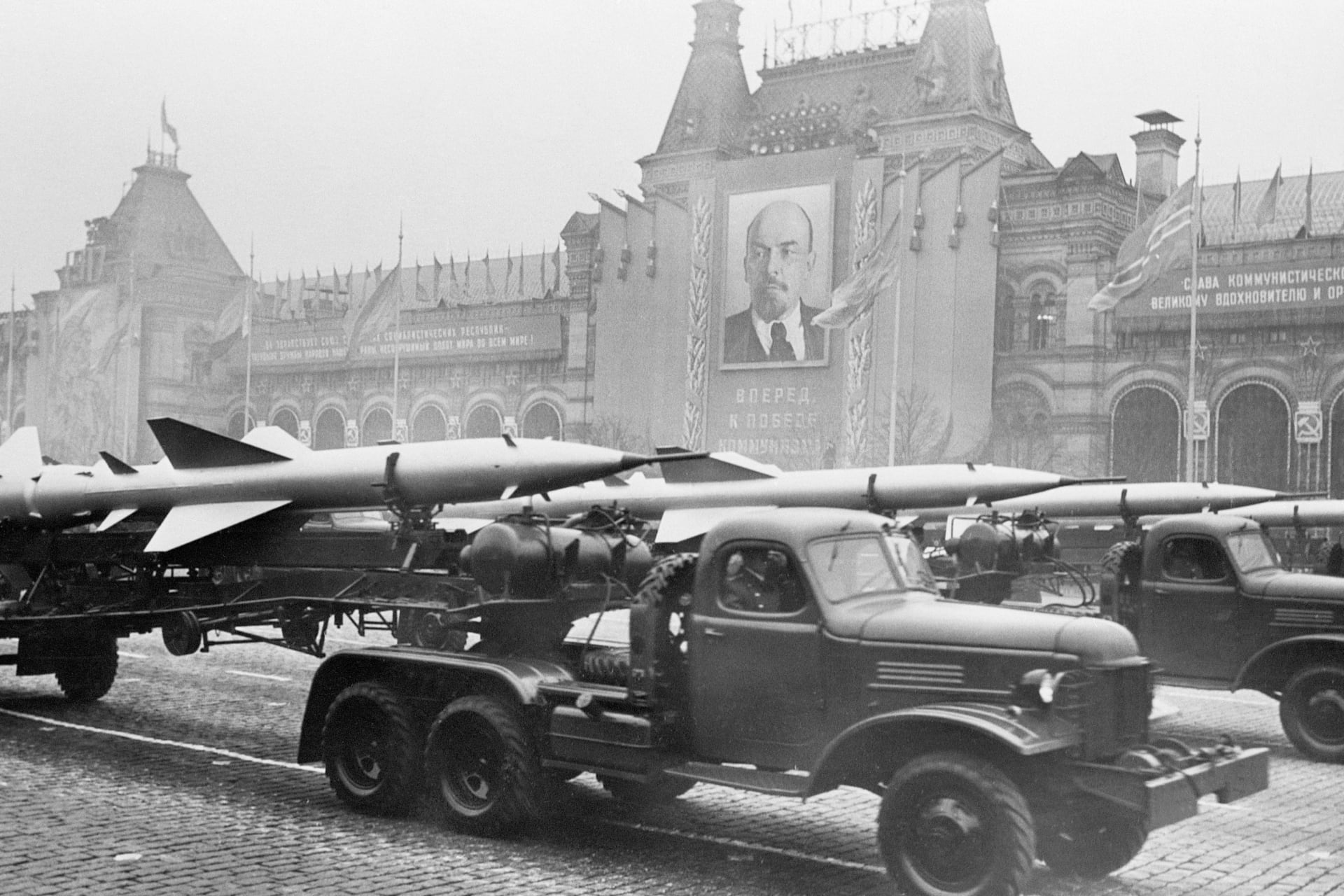
Quantitative agreements cap the number of certain types of weapons that countries can produce, store, and/or deploy. The United States and the , for example, signed multiple quantitative arms control agreements during the that limited their stockpiles of nuclear weapons and intercontinental ballistic missiles.
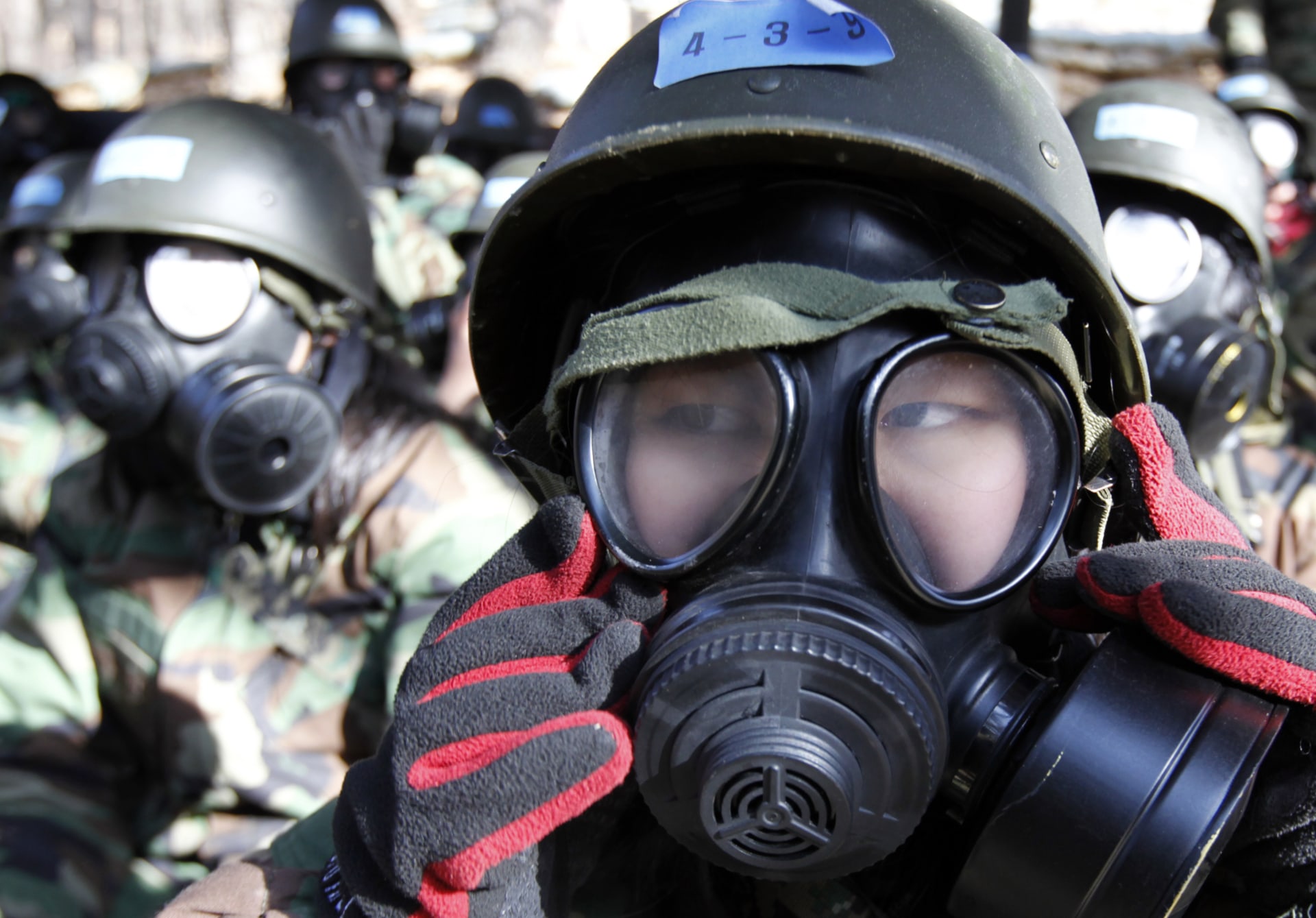
Qualitative agreements ban certain types or aspects of weapons altogether. For instance, the Chemical Weapons Convention (CWC) prohibits countries from producing or using weapons such as sarin or mustard gas.
Horizontal agreements prohibit countries from acquiring a specified type of weapon. For instance, the designated five “nuclear weapons states” (the United States, China, France, the former Soviet Union, and the United Kingdom) and seeks among other things to prevent additional countries from acquiring that weapon of mass destruction.
Why do countries pursue arms control?
Throughout history, empires have risen and fallen based on their ability to form the most advanced army, build the most lethal ship, and develop the most powerful bomb. Given that pursuit for military supremacy and the reality that countries have to defend themselves, why do governments voluntarily agree to limit or relinquish certain weapons through arms control?
Safety: Arms control lowers potential fighting costs by restricting the number and/or use of the most dangerous weapons. For example, banning certain weapons of mass destruction—such as chemical and biological weapons—can minimize casualties in the event of conflict.
Stability: Arms control helps countries determine the types and numbers of weapons their rivals possess. Transparency and predictability helps leaders avoid costly miscalculations that could start an or conflict.
Cost: Arms control agreements can financially benefit countries. Instead of spending billions of dollars developing the latest weapon, governments can avoid costly arms races and redirect funds when they have assurances that rivals will do the same.
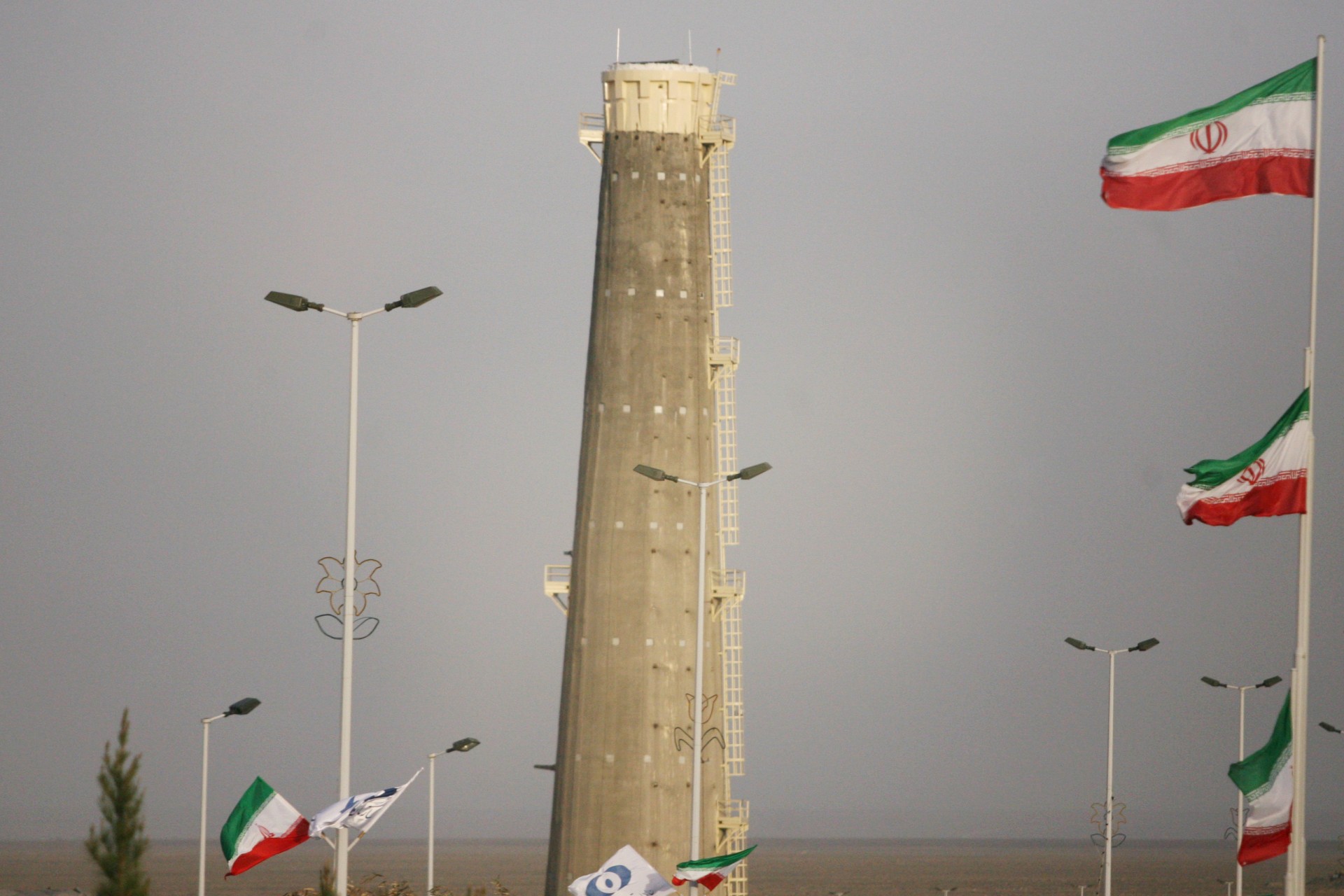
Compliance: Governments occasionally join arms control agreements to avoid or other forms of punishment. In 2015, Iran signed a landmark deal with the United States and five other countries known as the Joint Comprehensive Plan of Action (JCPOA), where it agreed to various limits on its nuclear program in exchange for lifting international sanctions. (The United States withdrew from the deal in 2018, and Iran subsequently expanded its nuclear activities.)
What are the limitations to arms control?
Arms control places guardrails around the world’s most powerful weapons; however, those agreements have their limitations.
Voluntary buy-in: Countries can opt in or out of international laws according to their interests. As such, countries often withdraw from or refuse to join arms control agreements that potentially jeopardize their military edge. India, Israel, North Korea, and Pakistan are not parties to the NPT, and all are believed to possess nuclear weapons.
Limited enforcement: Even if a government agrees to arms control and subsequently violates an agreement, other countries can do little to hold bad actors accountable without a global police force or international prison. Despite having signed the CWC, Syria’s government used chemical weapons hundreds of times throughout the country’s thirteen-year . The United States and others responded with sanctions and even targeted military strikes, but Syria’s President Bashar al-Assad remained in power until rebel forces toppled his government in 2024.
Technological innovation: Warfare is constantly evolving, but arms control agreements can struggle to keep pace with technological innovation. For example, countries have yet to reach international agreements to regulate new fronts in warfare such as cyberweapons and hypersonic missiles.
: Even if governments agree to arms control, nonstate actors can still flout the terms of those agreements by producing and using banned weapons. From 2014 to 2017, the Islamic State developed several chemical agents whose use as weapons is banned by the Chemical Weapons Convention, including chlorine and mustard gas. The group deployed chemical weapons in at least thirteen attacks.
: Some experts argue that the most powerful weapons can actually make the world safer by serving as powerful deterrents to conflict. In that view, nuclear weapons helped ensure the United States and the Soviet Union avoided direct conflict during the Cold War, as any confrontation could have escalated to the nuclear level and resulted in mutual annihilation. However, critics of the viewpoint highlight nuclear deterrence’s risks, namely that any miscalculation, error, or physical loss of control of weapons or nuclear material could have catastrophic consequences.
Where have arms control agreements been most influential?
The Cold War: Tensions between the United States and the Soviet Union stayed limited during the Cold War, in part because arms control agreements helped both sides maintain nuclear and conventional military balances.
Both countries agreed to restrict the size and strength of their arsenals so that neither side could attack with enough force to prevent the other from retaliating with devastating consequences. U.S. and Soviet leaders also agreed to limit the types of defenses they could develop, including missiles that could knock out incoming nuclear weapons. Such boundaries helped keep both sides vulnerable to attacks, preserving stability in the process.
Cold War arms control agreements increased transparency, giving each country a more accurate idea of their rivals’ military capabilities, reducing the odds that some miscalculation could lead to war. Regular communication between officials in both countries also helped avoid misunderstandings and overreactions.
Nuclear proliferation: The 1968 Nuclear Nonproliferation Treaty has sought to restrict countries beyond the United States, China, France, the former Soviet Union (now Russia), and the United Kingdom from developing nuclear weapons. Today, 191 countries are party to the NPT—more than any other .
The NPT has largely succeeded in establishing the that no additional country should build nuclear weapons. But despite the agreement’s goals, four countries (India, Israel, North Korea, and Pakistan) are known or believed to have acquired nuclear weapons, and several other countries have pursued nuclear weapons programs, including Iran, Iraq, and Syria.
What are examples of arms control agreements?
Let’s explore some other examples of history’s most important arms control agreements:
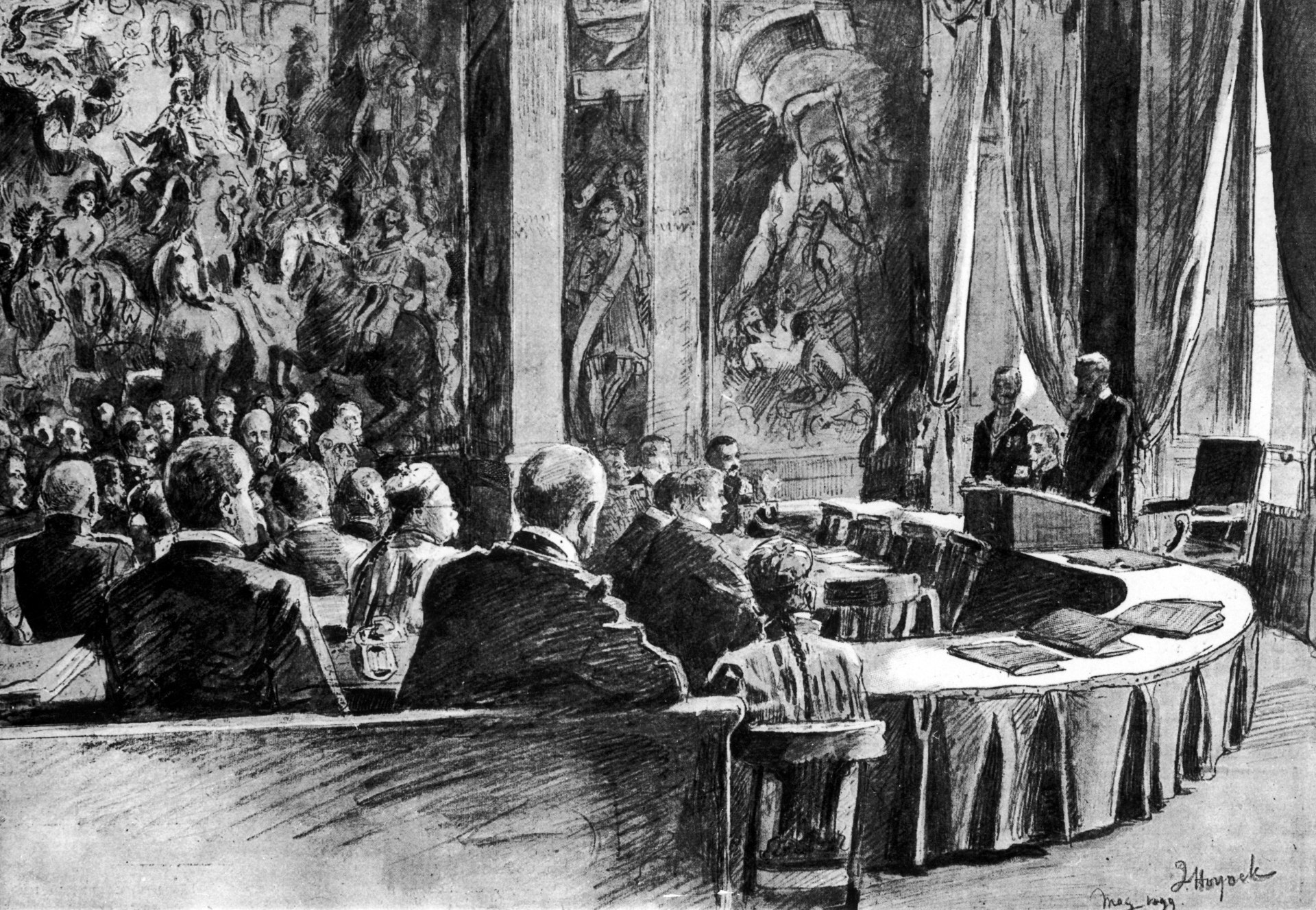
The Hague Conventions
- Entered into force: 1899 and 1907
- Goal: In addition to establishing various laws of war that set standards as to when war was legitimate or how to conduct it, the Hague Conventions banned chemical and biological warfare and certain armaments like exploding bullets.
- Significance: The Hague Conventions were among the world’s first arms control agreements—and, also, among the world’s first failed arms control agreements. During World War I, countries used chemical weapons widely in flagrant violation of the treaties’ terms. The Hague Conventions illustrate the difficulty of enforcing arms control agreements, particularly in times of war.
Strategic Arms Limitation Talk I (SALT I)
- Entered into force: 1972
- Goal: The United States and the Soviet Union agreed to reduce their respective nuclear arsenals and freeze development of ballistic missile launchers, which can send nuclear warheads around the world.
- Significance: Despite the United States and the Soviet Union’s fierce Cold War rivalry, the two superpowers consented to a historic arms control agreement that lowered the potential costs of any direct conflict. Both sides had a clear incentive to pursue arms control given that any nuclear exchange would almost certainly have devastated both sides—a principle known as .
Biological Weapons Convention (BWC)
- Entered into force: 1975
- Goal: The BWC bans producing and using all biological weapons and calls for eliminating existing stockpiles.
- Significance: The BWC was the first international treaty to ban producing an entire type of weapon. Although the arms control agreement has been violated—notably by the Soviet Union, which maintained a supply of biological weapons—most countries have adhered to the convention, particularly given the massive and indiscriminate threat posed by biological weapons.
Chemical Weapons Convention (CWC)
- Entered into force: 1997
- Goal: The CWC bans producing and using all chemical weapons and calls for eliminating existing stockpiles.
- Significance: The CWC has largely succeeded. Thousands of tons of chemical weapons have been destroyed, and all but three countries (Egypt, North Korea, and South Sudan) have signed the treaty. However, signing the agreement does not guarantee compliance. Syria, for instance, has continued to manufacture and use chemical weapons against its own people amid the country’s civil war.
The Ottawa Treaty
- Entered into force: 1999
- Goal: The Ottawa Treaty bans producing and using all antipersonnel land mines and calls for eliminating all existing land mines.
- Significance: The Ottawa Treaty has contributed to reducing landmines globally; however, the arms control agreement is not without limitations. For one, the United States, China, Russia, and twenty-nine other countries are not party to the treaty. The United States claims that it has not signed on because land mines are an integral part of South Korea’s defense against a potential military incursion from North Korea.
Joint Comprehensive Plan of Action
- Entered into force: 2015
- Goal: The JCPOA sought to curb Iran’s nuclear weapons program in exchange for the lifting of sanctions by the United States, China, France, Germany, Russia, and the United Kingdom.
- Significance: Despite Iran agreeing to several duration-limited constraints on its nuclear program, the JCPOA faced criticism. Opponents of the deal claimed its limits were too short lived, that it failed to address Iran’s sponsorship of terrorism in the region, and that it ignored the country’s ballistic missile program. President Donald Trump withdrew the United States from the JCPOA in 2018, reinstating U.S. sanctions on Iran. In response, Iran resumed production of weapons-grade uranium—an essential component for building a nuclear weapon.
Now that this resource has covered the fundamentals of arms control, put those principles into practice with CFR Education’s companion mini simulation on Arms Control.