The Hacked World Order
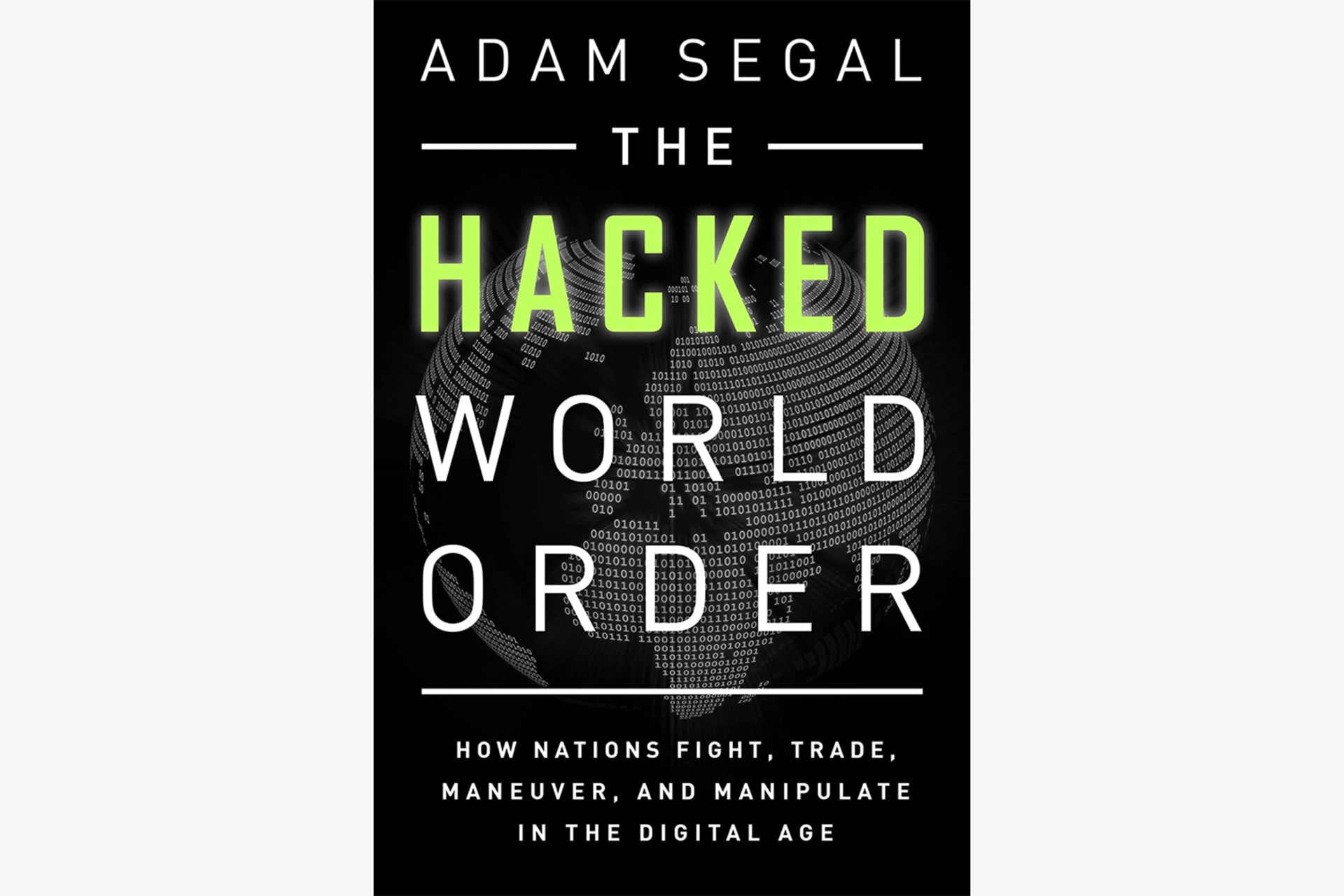
In The Hacked World Order, Adam Segal shows how governments use the web to wage war, spy on, coerce, and damage each other. While scholars, activists, and technologists initially heralded the Internet as a space outside of state control, governments have been quick to step into this new domain—both to control activity that happens within it and to adopt it as a new tool of state power.
By experts and staff
- Published
Summary
In The Hacked World Order, Adam Segal shows how governments use the web to wage war, spy on, coerce, and damage each other. While scholars, activists, and technologists initially heralded the Internet as a space outside of state control, governments have been quick to step into this new domain—both to control activity that happens within it and to adopt it as a new tool of state power.
The Hacked World Order analyzes the differing approaches that states have taken to control and weaponize the Internet. Israel is intent on derailing the Iranian nuclear weapons program. Russia uses proxies to launch disruptive cyberattacks on its neighbors. Brazil has plans to lay new fiber cables and develop satellite links so its Internet traffic no longer has to pass through Miami. China does not want to be dependent on the West for its technology needs. The United State pressures technology companies to provide “backdoors” and other methods to access encrypted data.
This book is suitable for undergraduate and graduate courses in the following disciplines:
- International Relations
- U.S. Foreign Policy.
Discussion Questions
For undergraduate and graduate courses on International Relations:
- Two broad foreign policy approaches to the Internet have emerged: one advocates a free, open, global Internet and a multistakeholder model of global governance involving states and private actors, while the other supports limiting the flow of certain information online and a state-centric, multilateral model of governance. What motivates each of these approaches?
- How revolutionary is cyberspace? In what ways have policymakers and academics struggled to apply traditional concepts in international relations to cyberspace?
- What are the effects of cyber weapons on international stability? Is deterrence possible? Does the offense always have the advantage over the defense?
- What are some of the challenges to Westphalian sovereignty—particularly state control over what goes on within their borders—presented by the Internet? How have states reacted to the loss of absolute power in cyberspace?
- How does cyberwar differ from traditional warfare, if at all? What picture of cyberwar is presented in The Hacked World Order? Do you agree with the vision of cyberwar Segal outlines?
For undergraduate and graduate courses on U.S. foreign policy:
- The United States government promotes a “global, open, secure, and resilient Internet.” Why do U.S. policymakers see this as a matter of national interest?
- What rules have U.S. policymakers identified for the use of force in cyberspace?
- How has the Internet changed the way U.S. foreign policy officials interact with audiences at home and abroad? In what ways have they been proactive in responding to these changes, and in what ways have they fallen short?
- United States officials have made a distinction between cyber-enabled espionage that steals political and military secrets and espionage that targets commercial secrets. Is this a meaningful distinction? Why have some foreign governments resisted recognizing this distinction?
- How does the United States ensure that the pursuit of security in cyberspace does not undermine competing economic and foreign policy interests?
Essay Questions
For undergraduate and graduate courses on International Relations:
- What norms of state action in cyberspace have different governments promoted? What has caught on and what has not? What does this tell us about how international norms are formed?
- If a criminal hacker in Russia uses a computer in France as part of an attack that temporarily shuts down a power plant in the United States, do any of these states have a responsibility to act? What types of responses would be justified?
For undergraduate and graduate courses on U.S. Foreign Policy:
- Has the United States government been consistent in its efforts to realize a “global, open, secure, and resilient Internet?” If not, why? Is it possible to maintain each of these standards at once or will trade-offs be necessary?
- How should the United States balance individual rights and government interests in cyberspace? Identify and explain a specific case where these rights and interests are in competition.
Related Articles

The Origins of the Internet
Timelines

The Internet by the Numbers
Readings