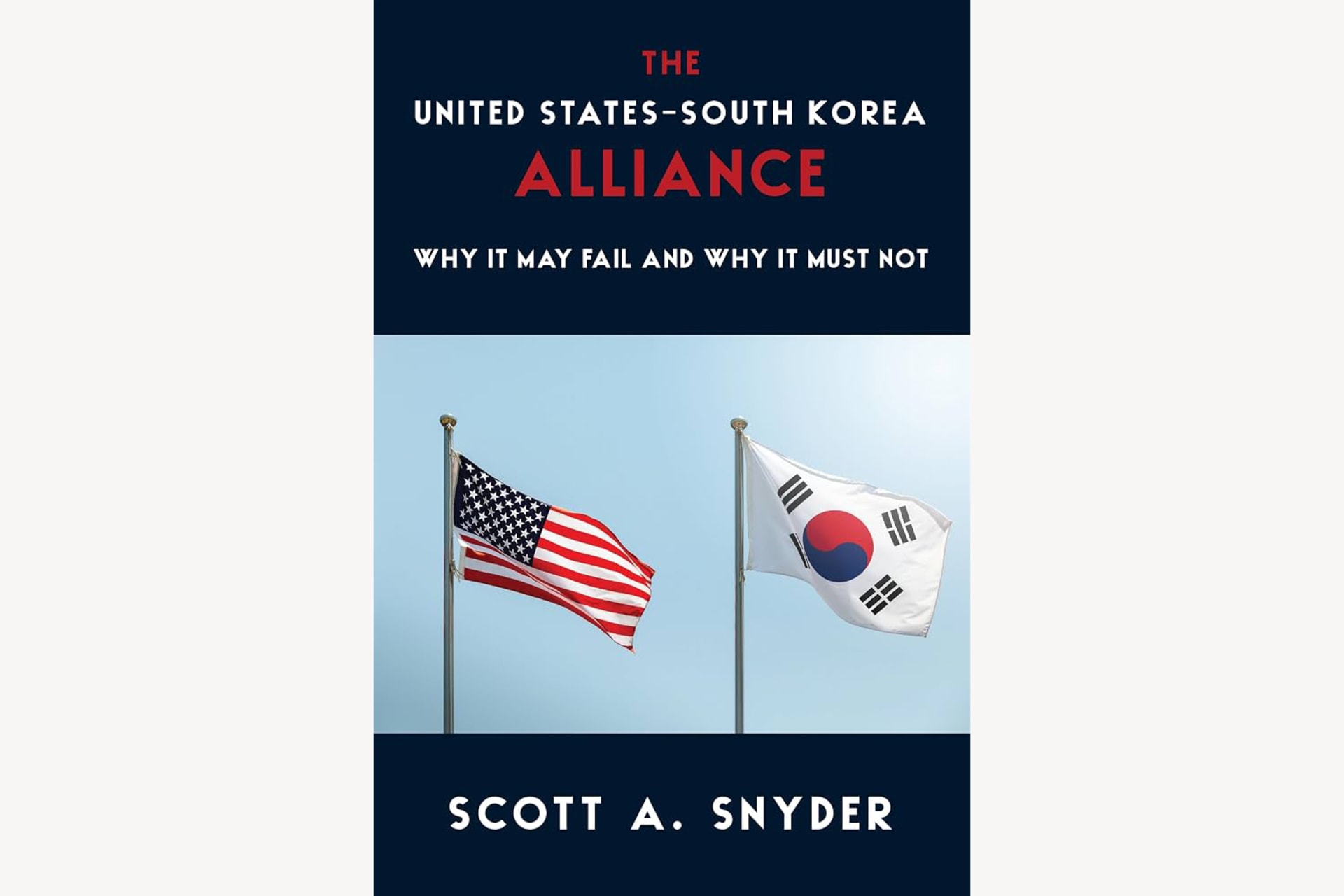
The United States–South Korea Alliance: Why It May Fail and Why It Must Not
The United States–South Korea Alliance: Why It May Fail and Why It Must Not analyzes the internal and external threats to the alliance. It explores how a weakened U.S.-South Korea alliance could impact the security strategies of both countries and the broader security landscape in Northeast Asia. Additionally, it hypothesizes a future without the U.S.-South Korea alliance, shedding light on its potential impact and implications for U.S. and South Korean security strategies. Based on the analysis, the author concludes by offering valuable recommendations to the United States and South Korea for preserving and sustaining the alliance.
Discussion and Essay Questions
Courses on international relations:
- How does the emergence of exclusive nationalism and domestic political polarization influence the commitments of states to cooperate on shared global challenges?
- What are the main differences in foreign policy approaches between South Korean conservative and progressive administrations toward the United States, Japan, and China? What historical and political factors account for these differences?
- How has intensifying U.S.-China competition impacted relations in East Asia? What are options that smaller countries may use to preserve national interests and mitigate risks in the context of rising major power rivalry?
- What are the implications of intensifying U.S.-China rivalry in both the security and technology realms on regional and global affairs?
Courses on East Asian studies and history:
- What are the main differences in foreign policy approaches between South Korean conservative and progressive administrations toward the United States, Japan, and China? What historical and political factors account for these differences?
- How have South Korean efforts toward inter-Korean reconciliation generated both opportunities and frictions within the U.S.-South Korea alliance?
- How does polarization within South Korean politics regarding the legacies of Japanese colonial rule impact South Korea-Japan relations, the U.S.-South Korea alliance, and prospects for U.S.-South Korea-Japan trilateral cooperation?
- What strategies has North Korea historically employed to drive a wedge into the U.S.-South Korea alliance? How have North Korean efforts evolved alongside changes in inter-Korean relations and U.S.-North Korea relations?
Courses on contemporary East Asian foreign relations:
- What are the different views on how South Korea should position itself in the context of U.S.-China competition? What are the limitations and implications of the different approaches?
- What contemporary factors have shaped relations in East Asia? In particular, what developments have most impacted South Korea’s relations with China and Japan, respectively?
- How does competition between the United States and China in technology and supply chain resiliency impact East Asia? What have been the opportunities and risks for South Korea?
- What role has the credibility of the U.S. alliance commitment in South Korea and Japan played in influencing the security environment of East Asian countries?
Courses on Asian security:
- In what ways are U.S. and South Korean approaches toward peace and denuclearization on the Korean Peninsula aligned and in what ways are they different? What are the implications of the varying levels of U.S.-South Korea policy coordination toward North Korea on peninsular and regional security?
- How have external threats to the U.S.-South Korea security alliance changed in the era of U.S.-China competition?
- How do tensions between South Korea and Japan affect U.S. security strategy in East Asia?
- How would U.S. retrenchment from South Korea and/or Japan impact security in Northeast Asia? What alternative actions might the two countries pursue in the event of U.S. withdrawal?
Further Projects
Op-Ed:
- Write a 700-word opinion piece on why a resilient and strong U.S.-South Korea alliance is important to both countries in the face of rising domestic challenges and political polarization within both the United States and South Korea.
- Write a 700-word opinion piece on how or whether the U.S. alliance approach toward South Korea should change given the political party in power in South Korea.
Analytical essay:
Write a 2,000-word essay on one of the following topics:
- What were South Korean concerns regarding U.S. alliance credibility and leadership during the Trump administration, and how did these concerns differ between South Korean conservatives and progressives?
- In what ways would the deterioration of the U.S.-South Korea alliance impact U.S. strategy in East Asia?
- How has South Korea’s response to rising U.S.-China rivalry and its foreign policy given China’s rise evolved? What factors or incidents have shaped South Korea’s strategy?
Speechwriting:
- Step into the role of advisor and speechwriter for a presidential candidate in the 2024 U.S. presidential election. You have the opportunity to choose your candidate’s political affiliation, either Democrat or Republican. Based on recommendations provided by the book, draft a compelling campaign speech for the candidate that reflects their stance on U.S. foreign policy and approaches toward alliances, especially in East Asia.
- It is November 2024, and a new U.S. president has been elected. You are the speechwriter for the South Korean president, who is concerned about whether the U.S. president will maintain the U.S. alliance commitment toward South Korea. You are tasked with drafting a speech for the South Korean president that will provide security, political, and economic rationales in support of the U.S.-South Korea alliance with the goal of influencing the new U.S. president’s course of action. Based on the lessons and themes learned from the book, what would you highlight in your speech?
Policy memo:
- As the U.S. national security advisor, you play a pivotal role in navigating the complex dynamics of East Asia. This includes addressing the ongoing rivalry between the United States and China, as well as U.S. relations with South Korea, Japan, North Korea, and Taiwan. You are tasked with drafting a policy memo for the U.S. president that outlines an alternative U.S. strategy for managing its alliances in the region amid intensifying tensions between the United States and China and growing concerns regarding a conflict involving Taiwan. The memo should also cover potential consequences should U.S. credibility and commitment deteriorate amidst escalating regional tensions.
Negotiation:
- Imagine a hypothetical situation in which the United States is planning to reduce its military presence in South Korea and Japan. Participants will be divided into three groups, representing the United States, South Korea, and Japan. Ask students to discuss their perspectives on the U.S. plan and address the following topics: North Korea’s nuclear program, prospects for trilateral cooperation among the three countries, changes in the dynamics of U.S.-China competition, and the future of U.S. alliances with the two countries.
Related Articles
Tracking Global Conflict Activity
Activities


What Is Arms Control?
Readings