Simulations
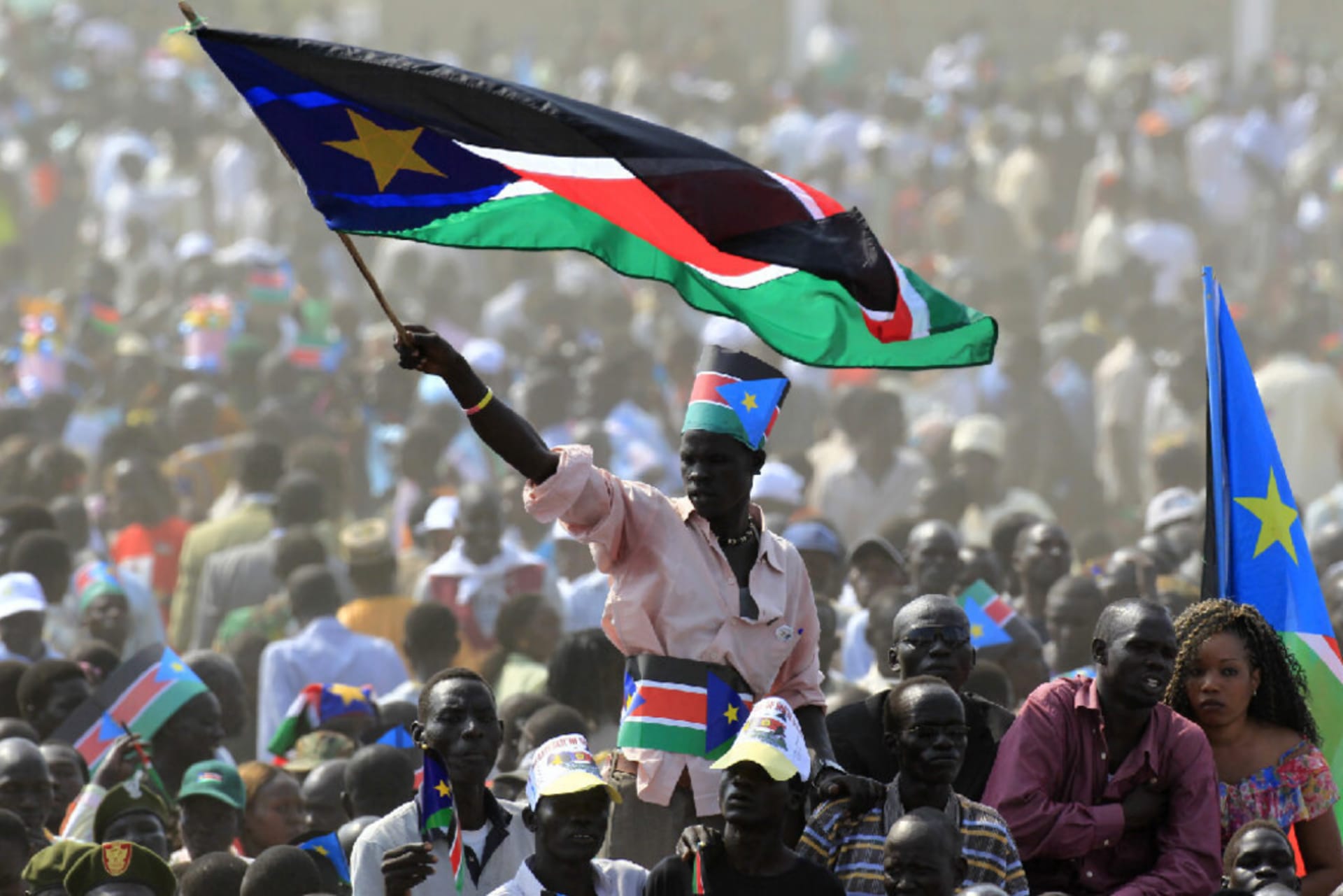
Humanitarian Intervention in South Sudan in 2014 (UNSC)
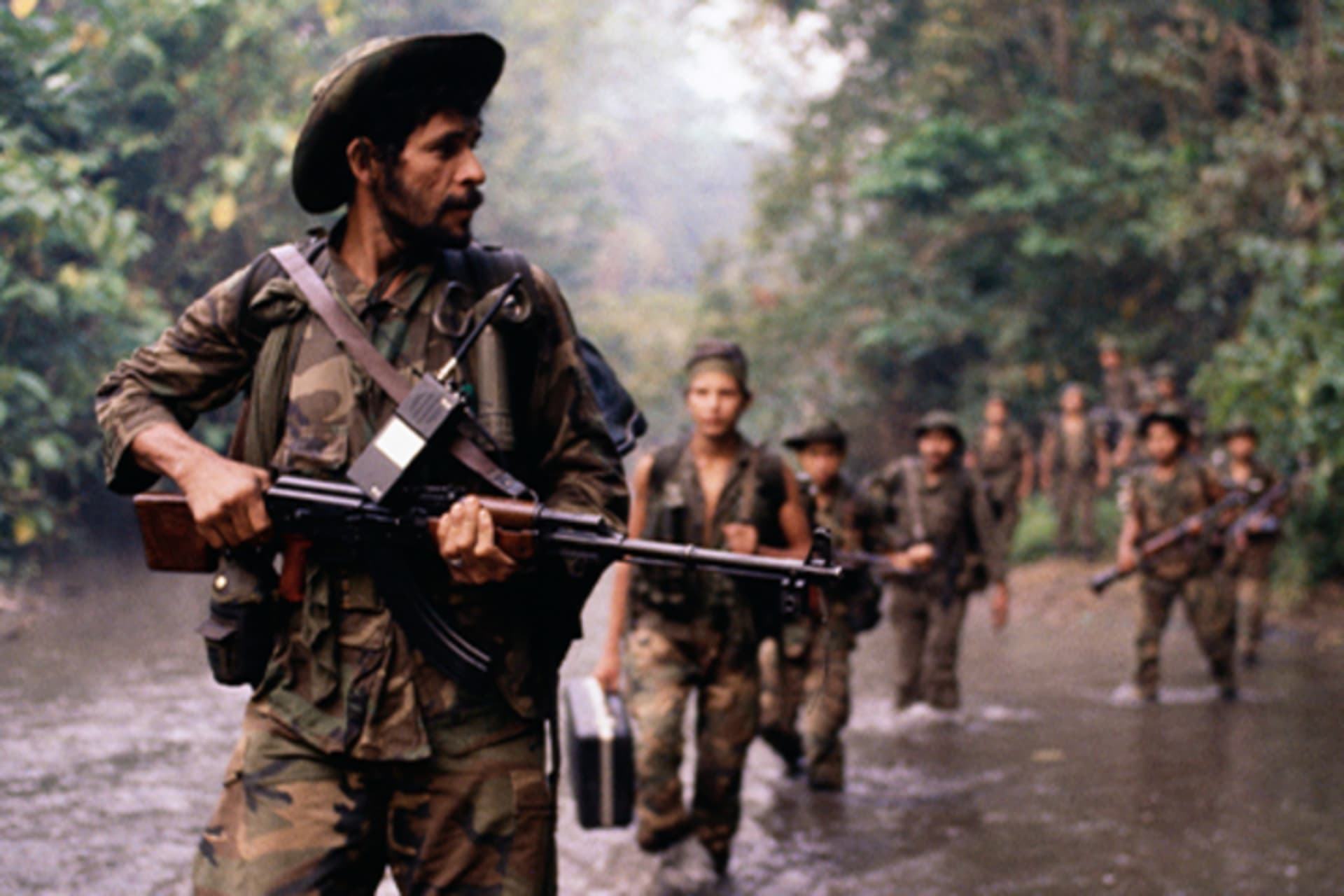
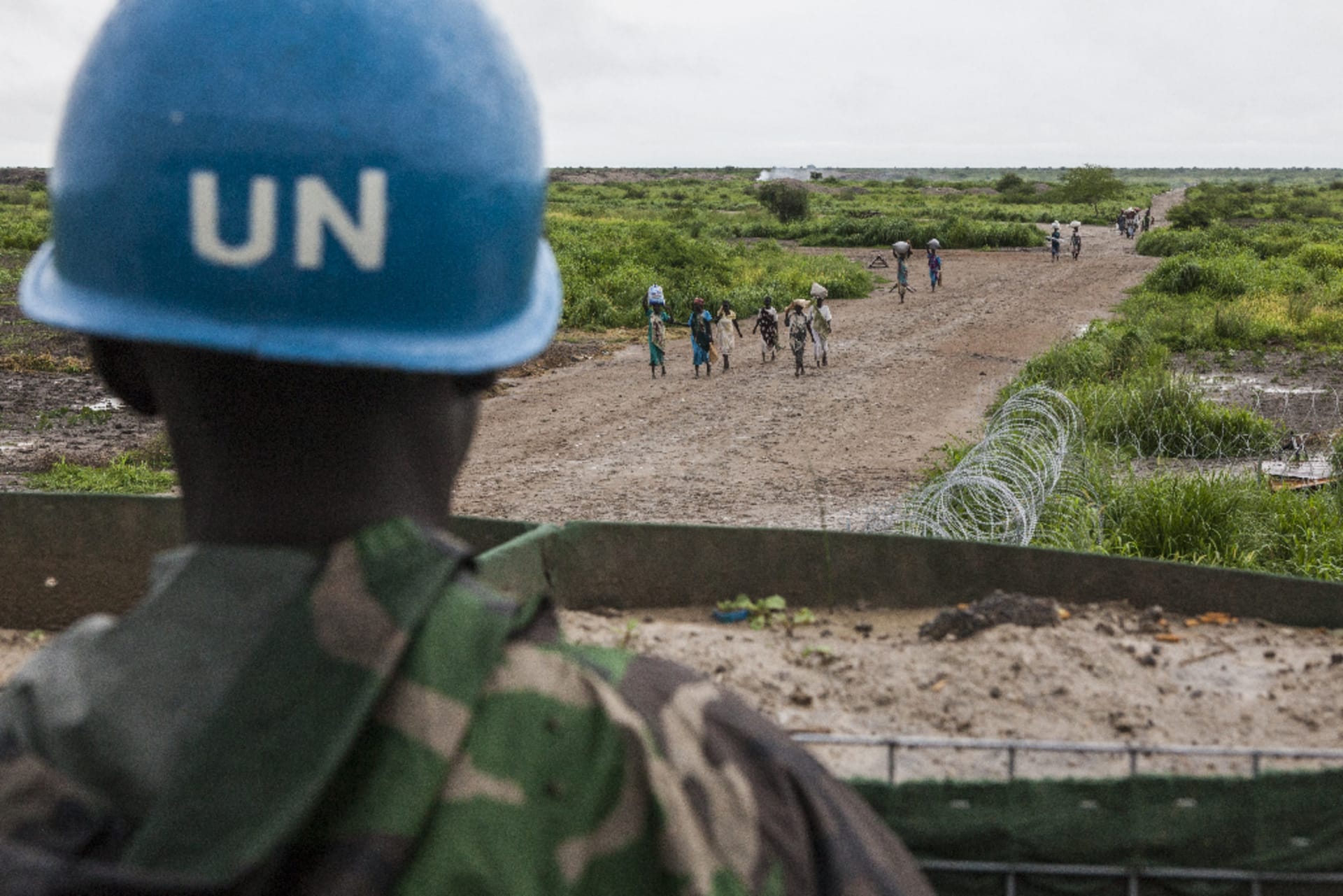
Set in May 2014. An ongoing civil war means South Sudan faces the threat of mass violence, reprisals, and possibly genocide.
Do your students have questions about AI? We asked an expert.
CFR Education offers a range of free resources that can supplement your IB History curriculum. Browse readings, timelines, videos, and simulations covering the IB curriculum’s prescribed subjects, world history topics, and regional studies.
Set in May 2014. An ongoing civil war means South Sudan faces the threat of mass violence, reprisals, and possibly genocide.
Set in May 2014. An ongoing civil war means South Sudan faces the threat of mass violence, reprisals, and possibly genocide.
Learn how journalism, social media, public opinion, and lobbies are all a part of American democracy and influence U.S. foreign policy.
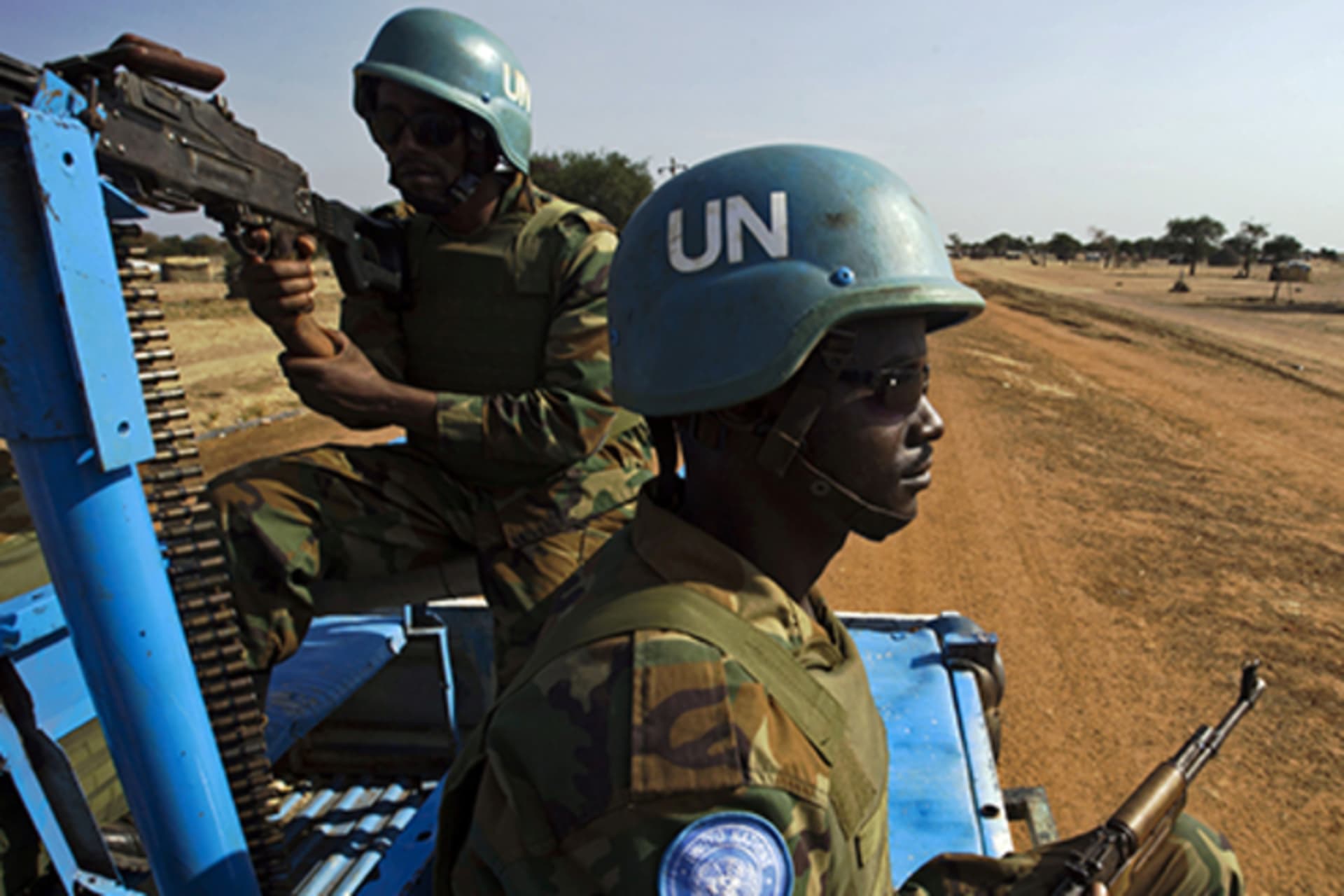
In this free resource on the successes and failures of peacekeeping, learn about the UN missions tasked with transitioning countries out of war.
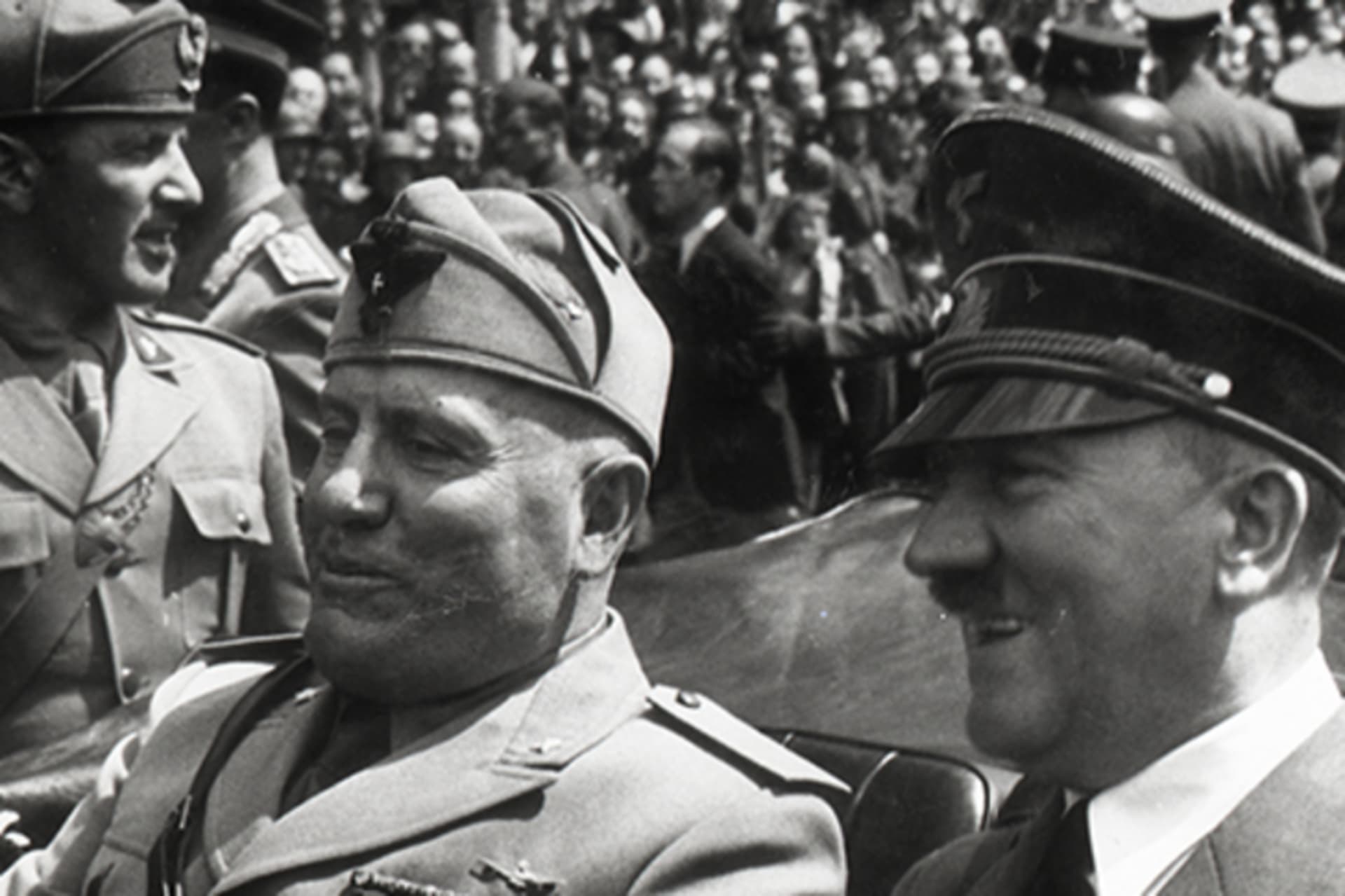
In this free resource, learn how Benito Mussolini and Adolf Hitler rose to power and the lessons their political journeys hold for today.
In this free resource on World War II, understand the causes of World War II and why these issues drove countries back to battle just two decades after World War I.
In this free resource, learn more about the United Nations’ most powerful body working to maintain international peace and security. Explore the security council’s failures and successes, and why the UN Security Council’s veto power is so controversial.
Why did South Africa give up its nuclear weapons? In this historical case study, learn about the only country in the world to have developed and then dismantled its nuclear program.
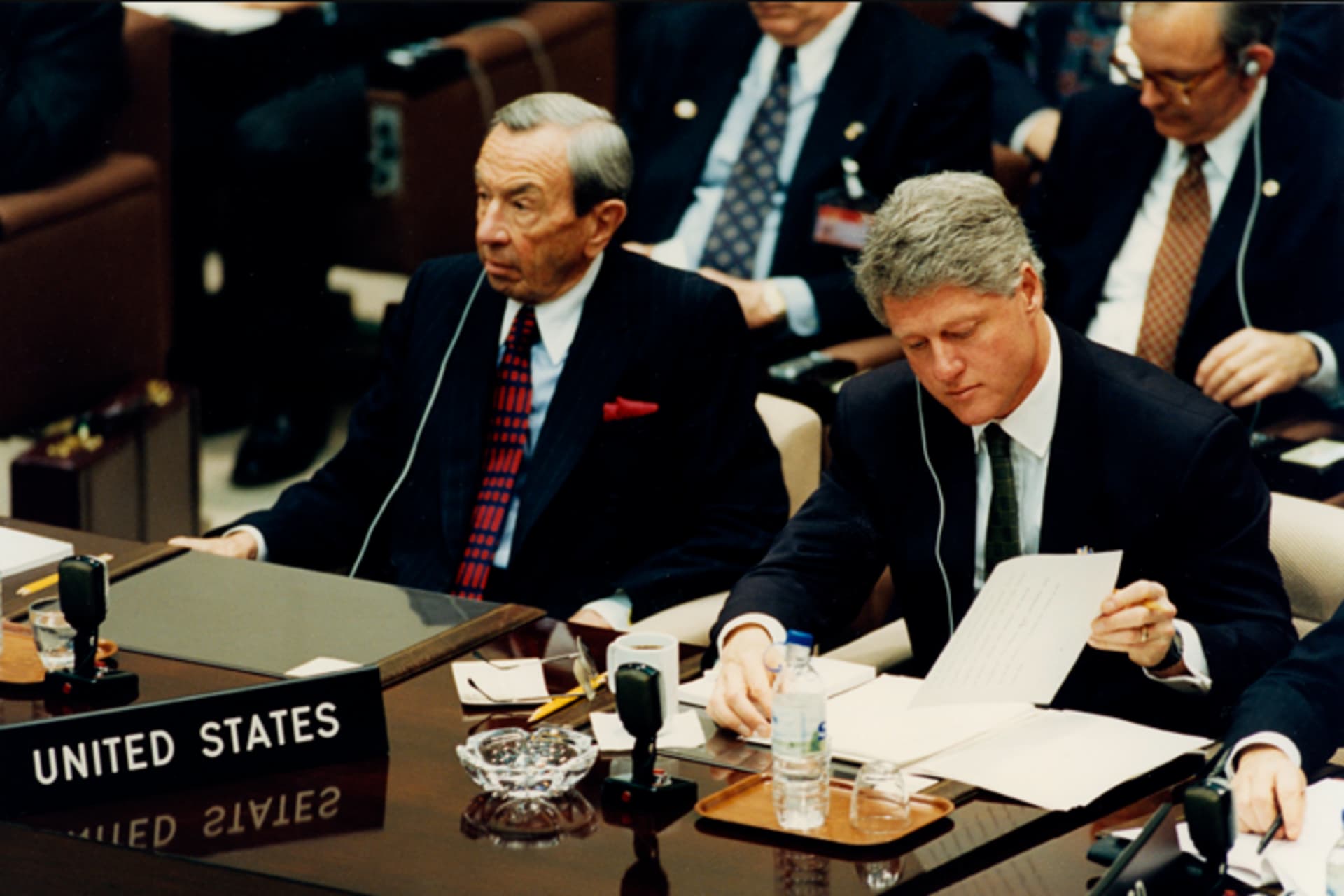
Set in January 1994. Following the collapse of the Soviet Union, many former Soviet states express interest in joining NATO.
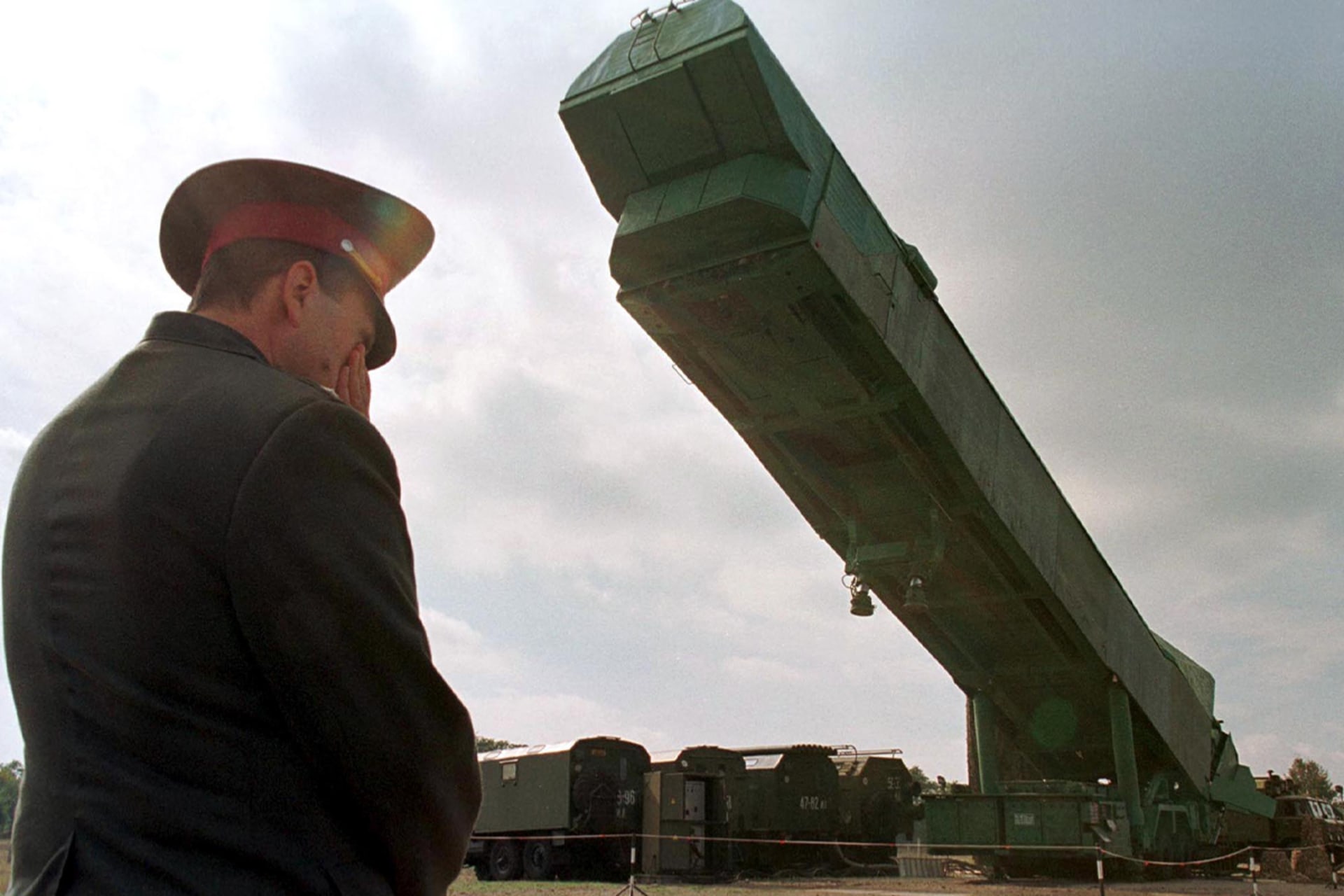
How should the United States manage dismantling Ukraine’s nuclear arsenal while safeguarding against renewed conflict in Europe? Explore this historical simulation set in 1993.
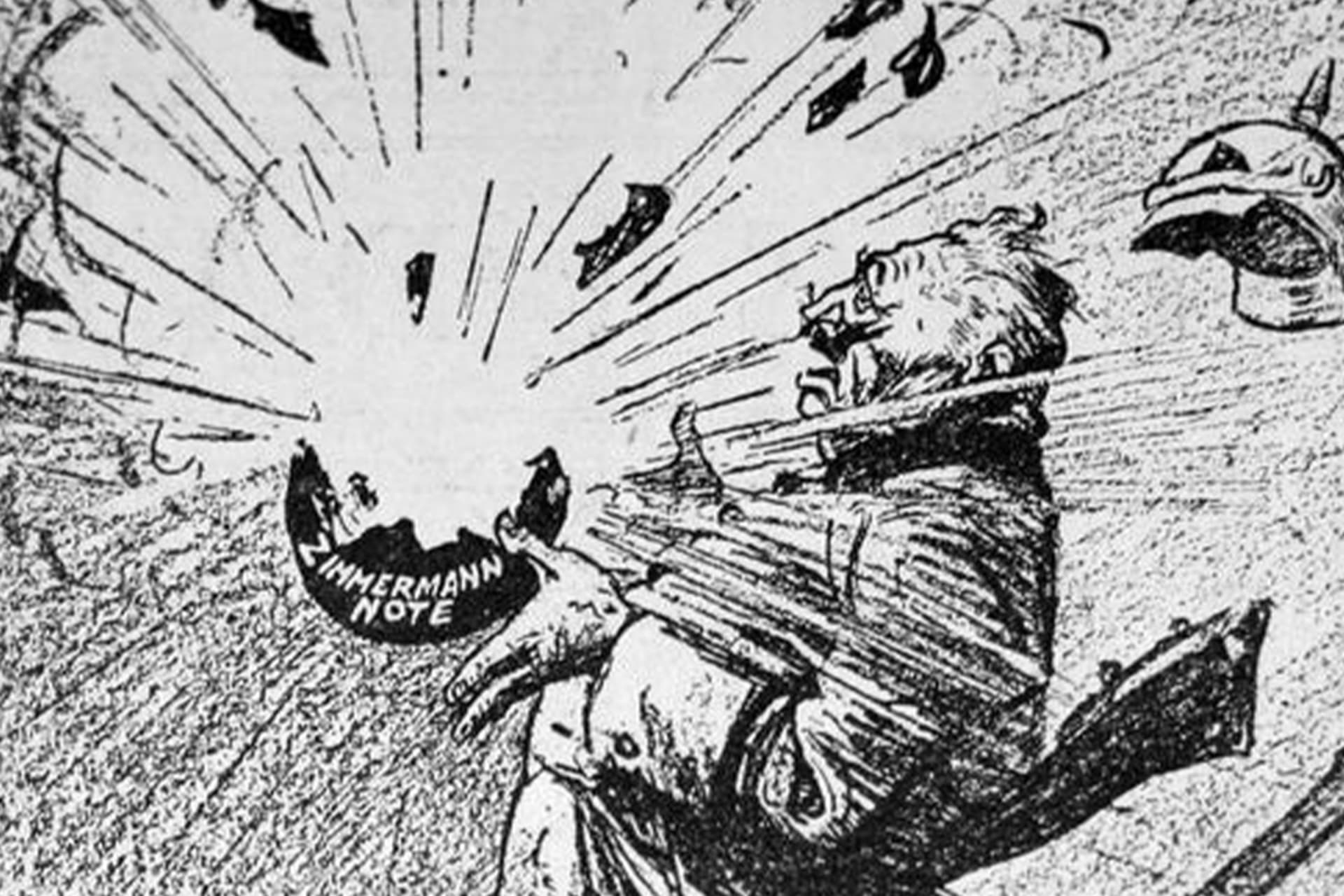
Should the United States take action against Germany? Explore this historical simulation set in 1917.
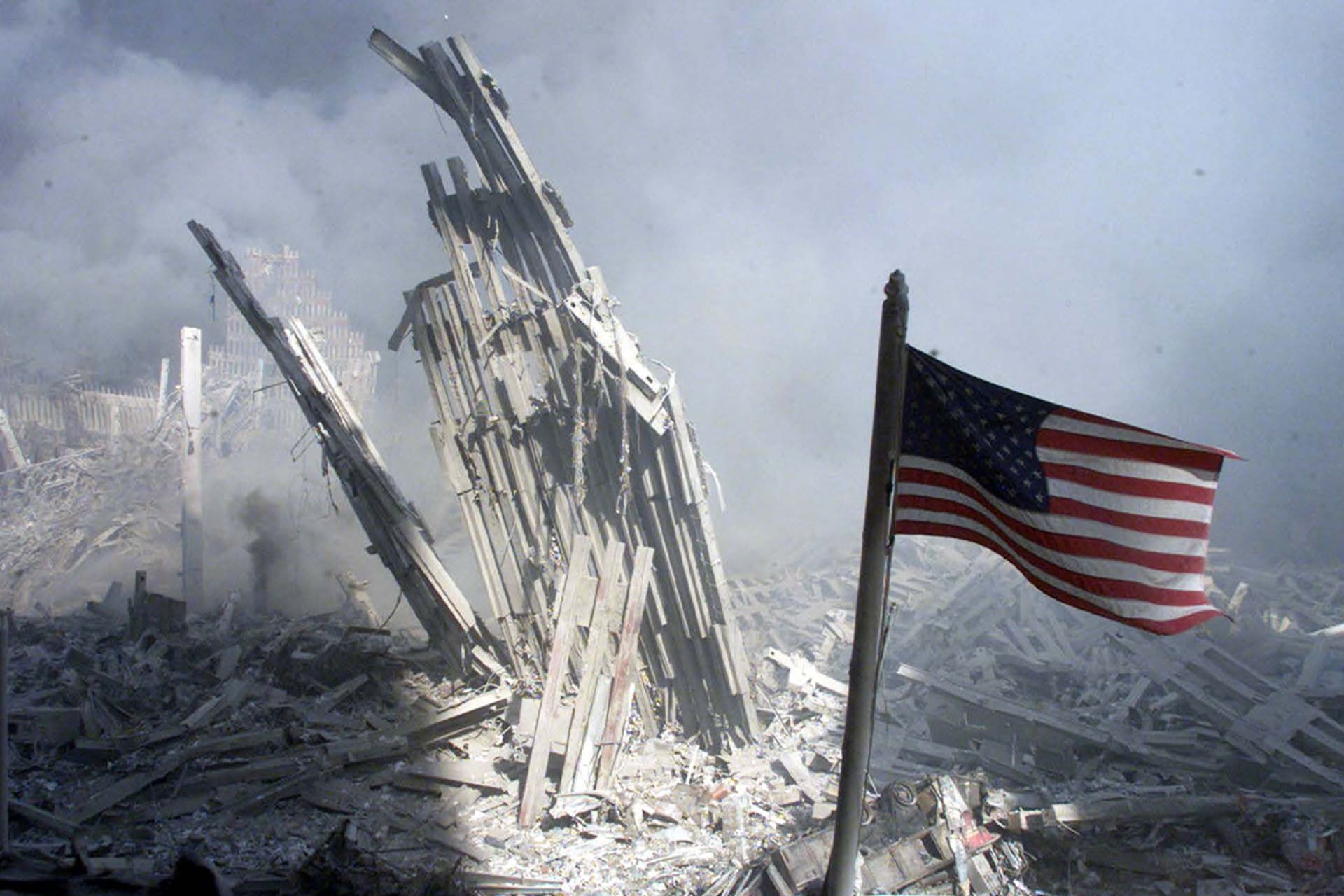
Should the United States strike al-Qaeda in Afghanistan in response to 9/11? Explore this historical simulation set in 2001.
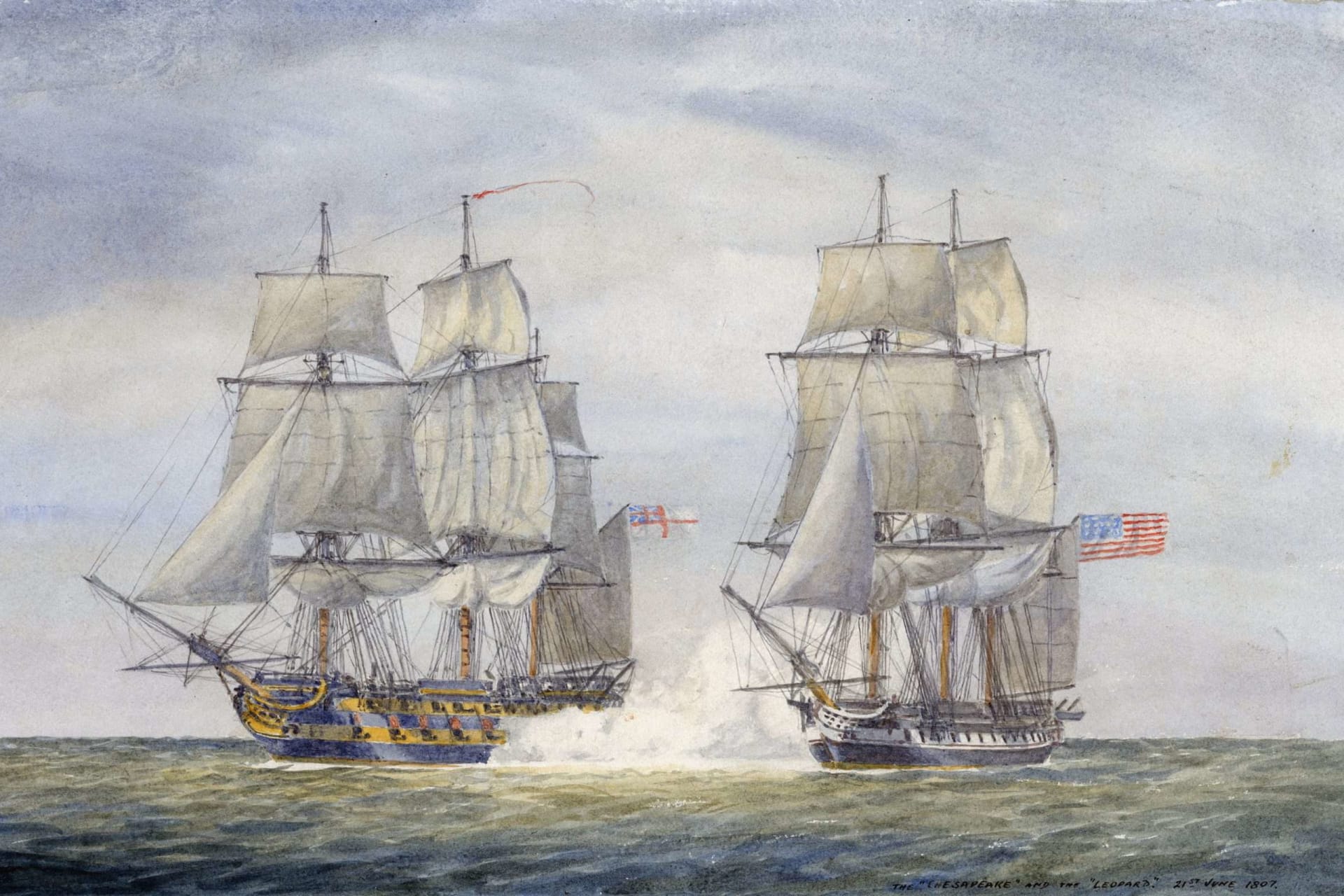
Should the United States remain neutral during the war between France and England? Explore this simulation set in 1807.
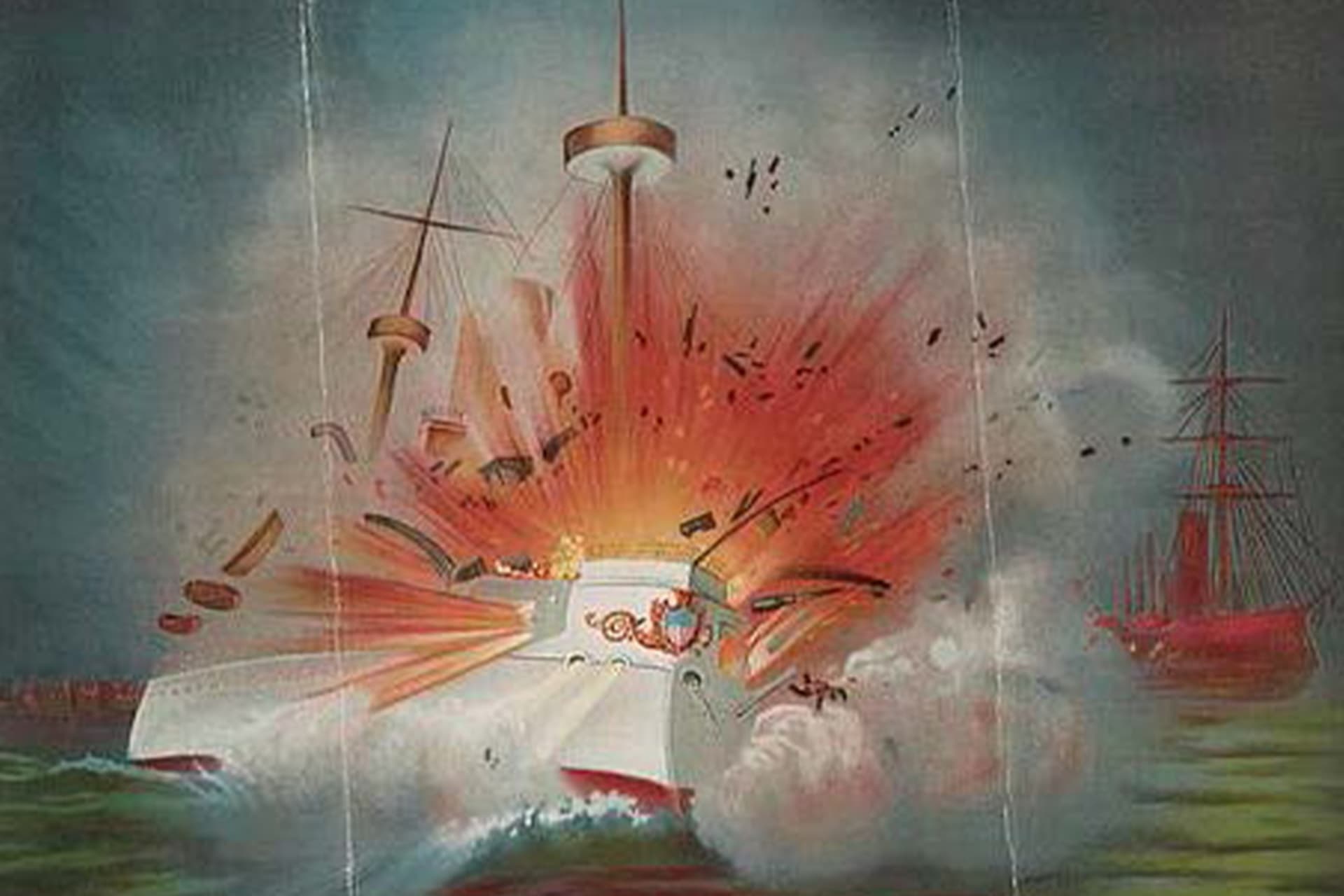
How should the United States intervene against Spanish colonial rule in Cuba? Explore this historical simulation set in 1898.
How should the United States respond to the massive influx of Cuban migrants? Explore this historical simulation set in 1980.
From the British occupation of India to China’s twenty-first century rise, learn how history and foreign influence have shaped the region.
From mineral extraction to new digital currencies, learn about the region’s most impactful developments.
Learn how culture, demographics, and social trends shape everyday life in the region.
From third termism to democratic reform, learn about the issues and trends shaping ten countries today.
From European colonialism to independence movements and beyond, learn how foreign influence and history have shaped the region.
From climate change to Chinese development, learn about ten issues and relationships defining the region.
From press freedom to reform, learn about the issues shaping ten countries today.
From the fall of the Ottoman Empire to U.S. efforts to advance Arab-Israeli partnerships, learn how history and foreign influence have shaped the region.
From World War I to the War in Ukraine, learn how history and U.S. intervention has shaped the region.
From colonization to the Cold War, learn about the major historical moments that have shaped the Americas.
Set in September 1950. Five years after World War II, conflict on the Korean Peninsula threatens the fragile post-war order.
Should the United States take action against Germany? Explore this historical simulation set in 1917.
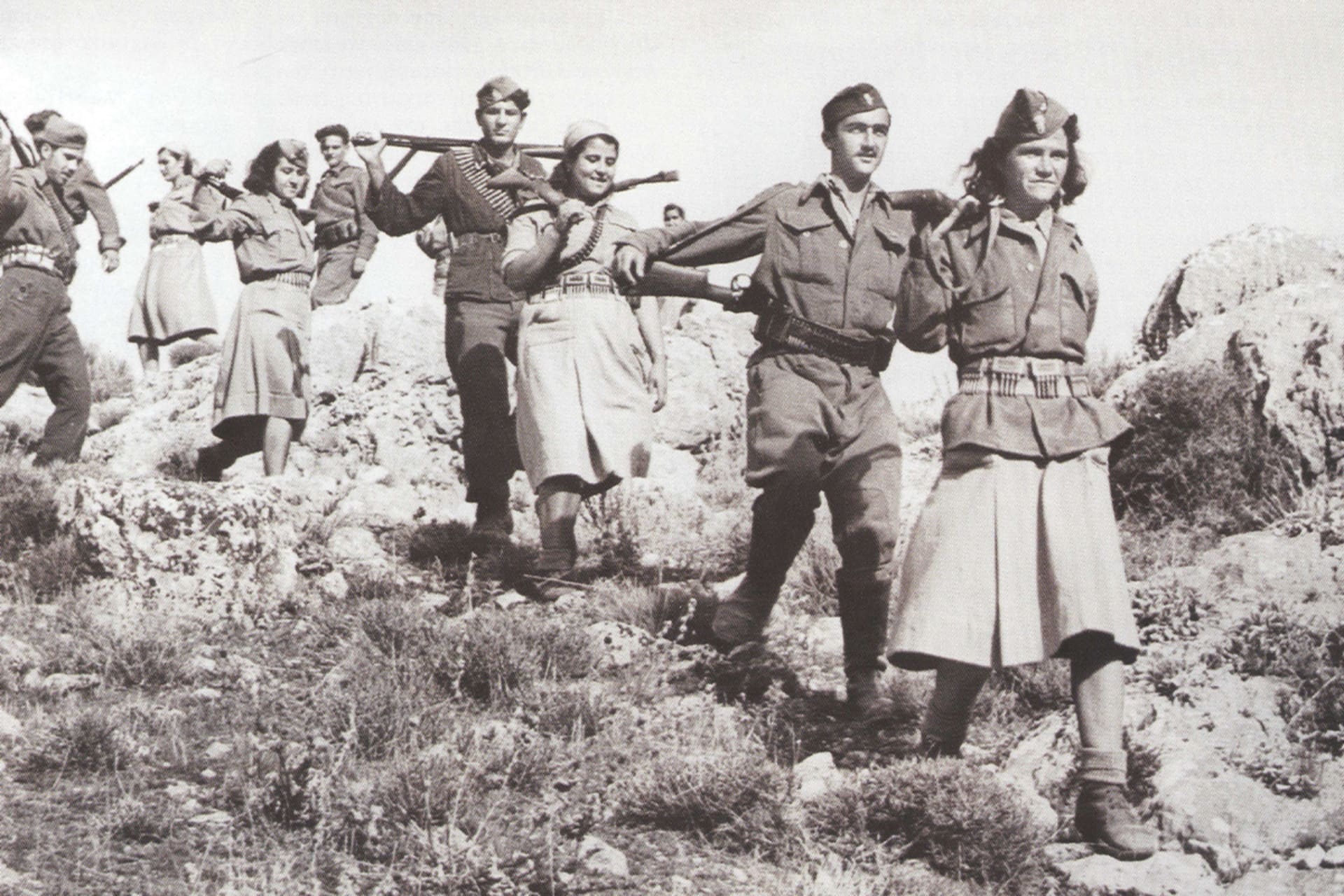
How should the United States support Greece in its fight against communist rebels? Explore this simulation set in 1947.
How should the United States respond to the massive influx of Cuban migrants? Explore this historical simulation set in 1980.
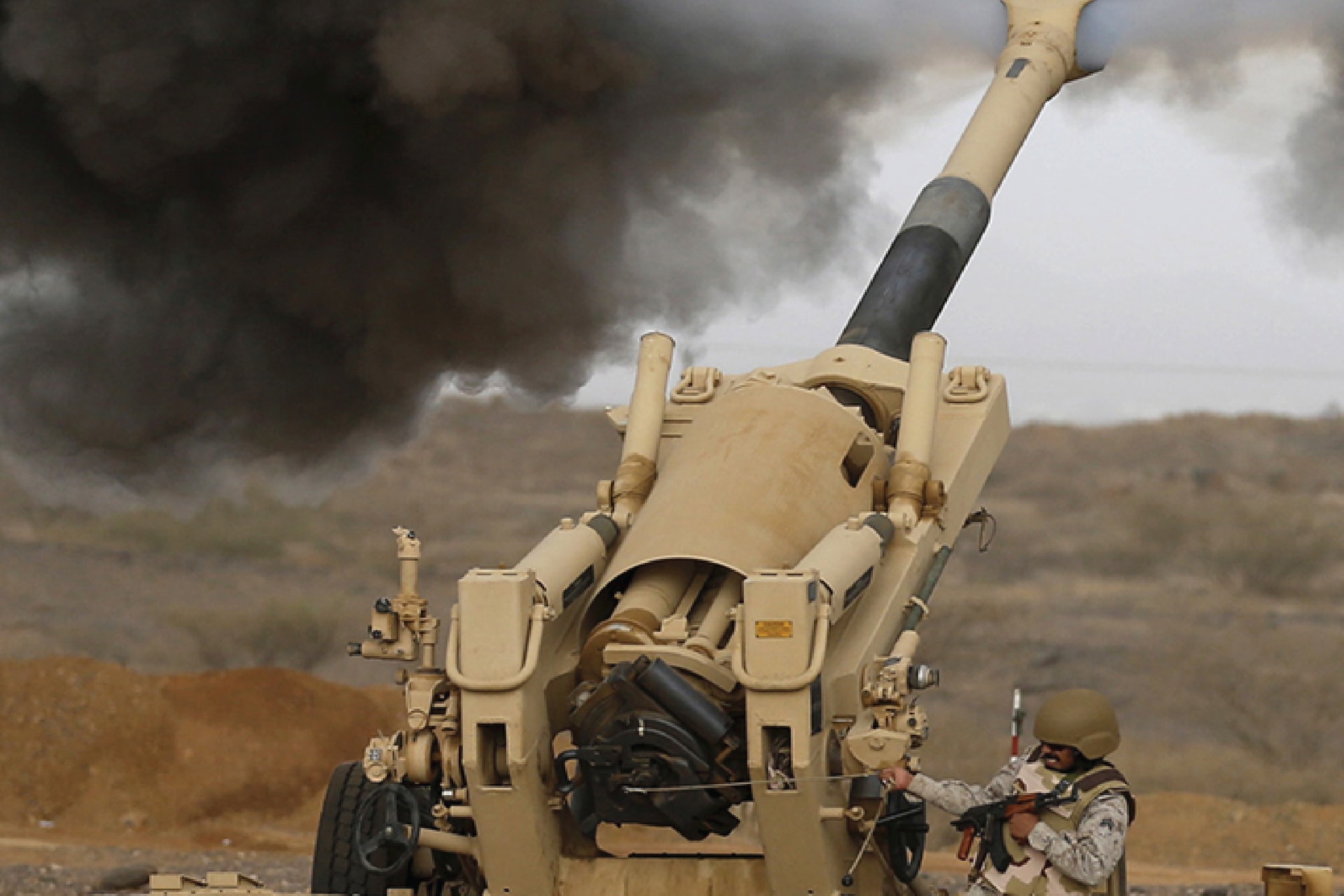
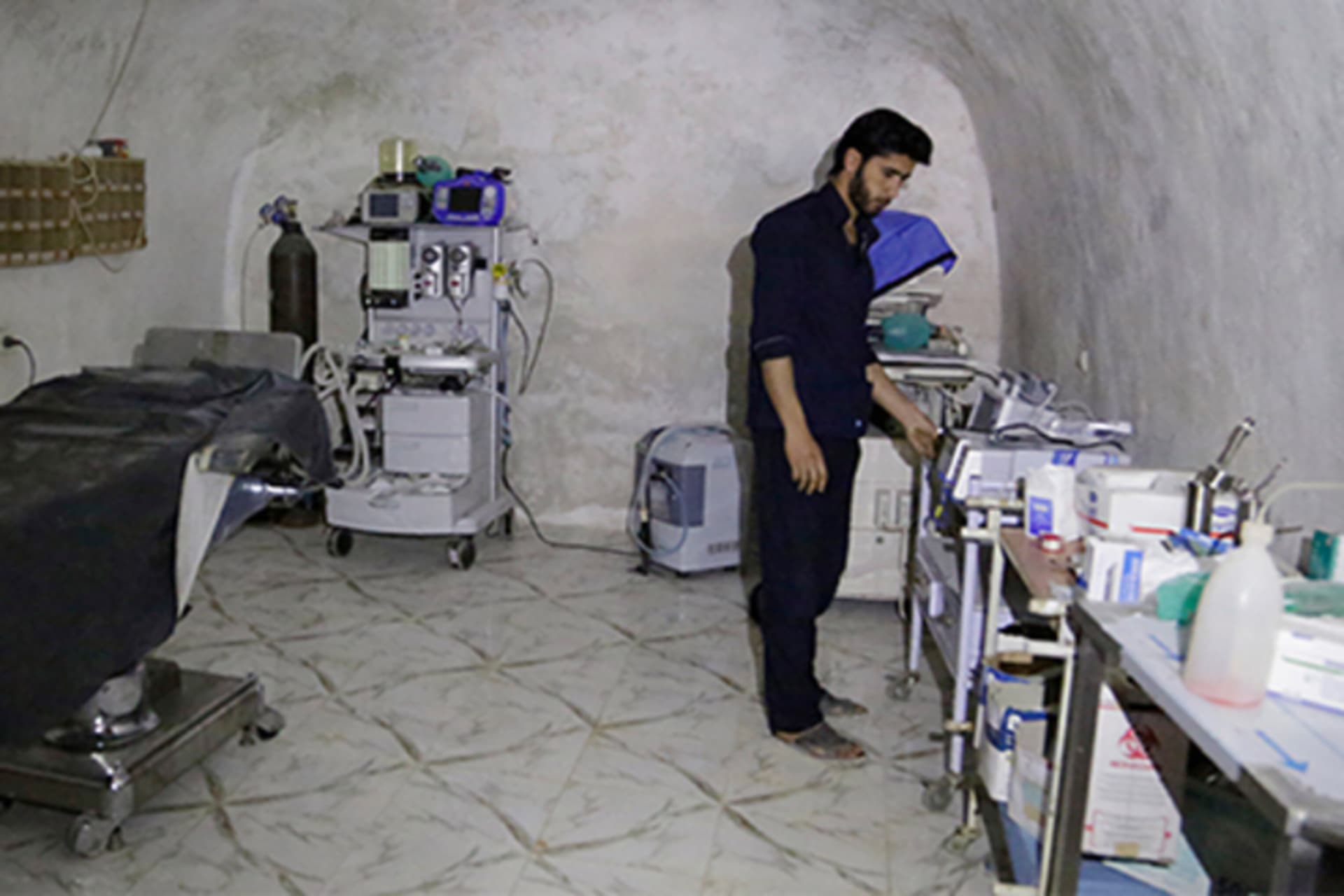
When deadly conflict breaks out, what are different ways to respond to a humanitarian crisis, support life-saving relief, and lessen the loss of civilian lives?
The United States and the Soviet Union never directly clashed, but the Cold War was far from bloodless.
An increasing number of countries recognize same-sex marriage, but discrimination and persecution persist.
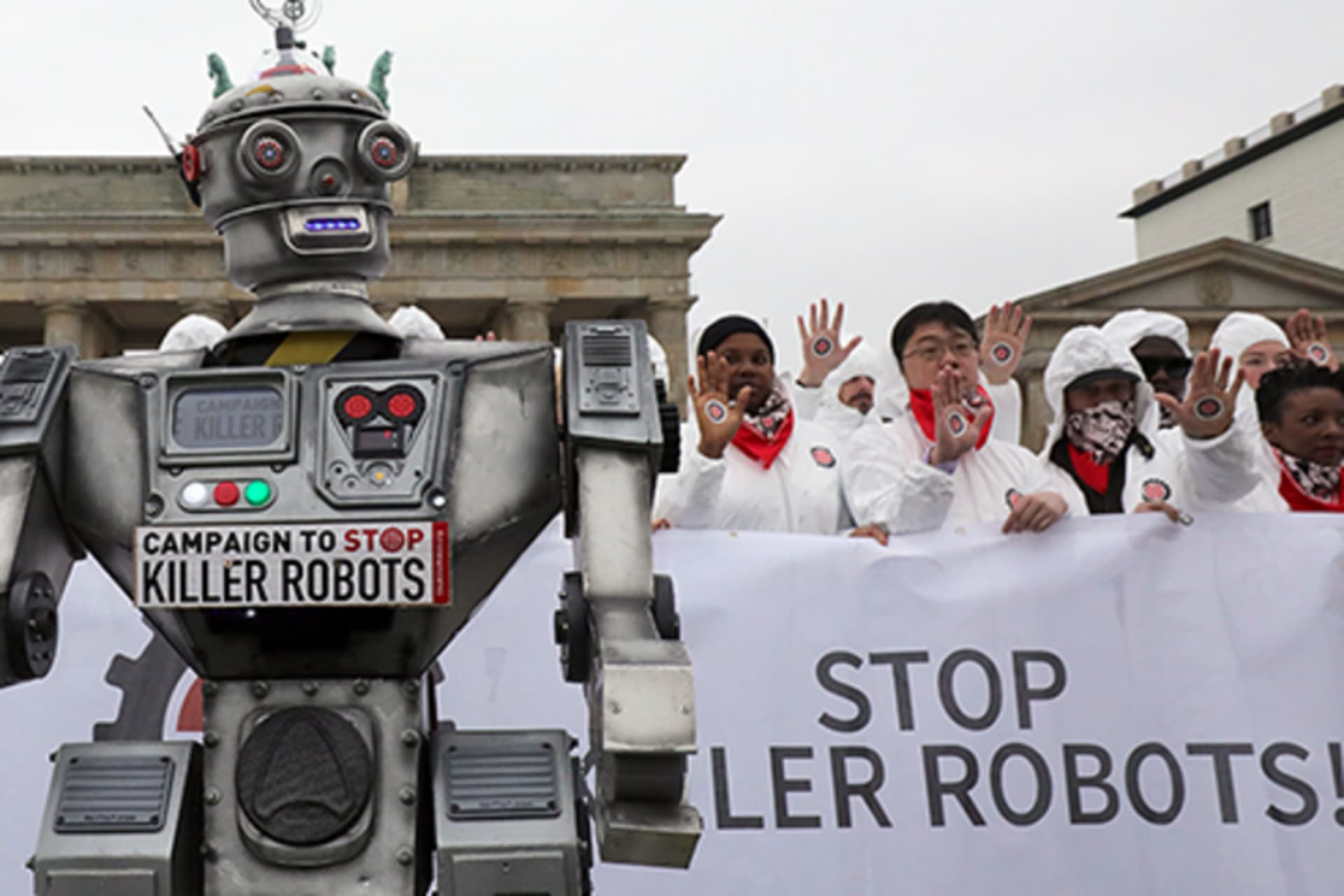
How is the military using AI? Killer robots have long been a fear and fascination of humankind. Explore how weapons that can locate, target, and kill without human involvement shape today’s conflicts and hold the potential to re-shape future conflicts.
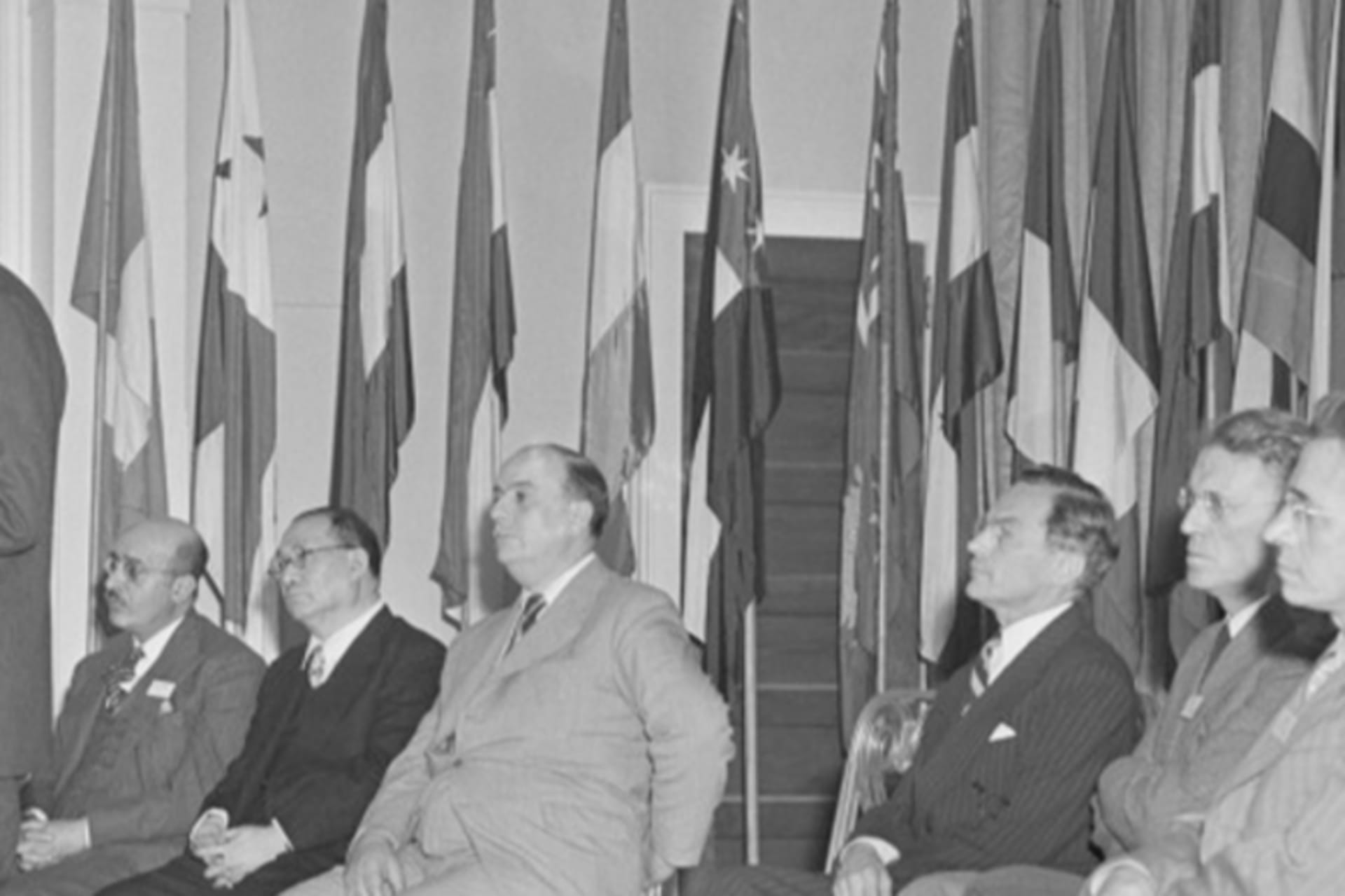
In this U.S. foreign policy video, understand the challenges of negotiating treaties and dive into two international climate agreements.
From democratic backsliding to reform, learn about the issues and trends shaping ten countries today.
From the British occupation of India to China’s twenty-first century rise, learn how history and foreign influence have shaped the region.
From third termism to democratic reform, learn about the issues and trends shaping ten countries today.
From European colonialism to independence movements and beyond, learn how foreign influence and history have shaped the region.
From press freedom to reform, learn about the issues shaping ten countries today.
From the fall of the Ottoman Empire to U.S. efforts to advance Arab-Israeli partnerships, learn how history and foreign influence have shaped the region.
From World War I to the War in Ukraine, learn how history and U.S. intervention has shaped the region.
From the ongoing migrant crisis to the pros and cons of EU membership, learn about the issues and trends shaping ten countries today.
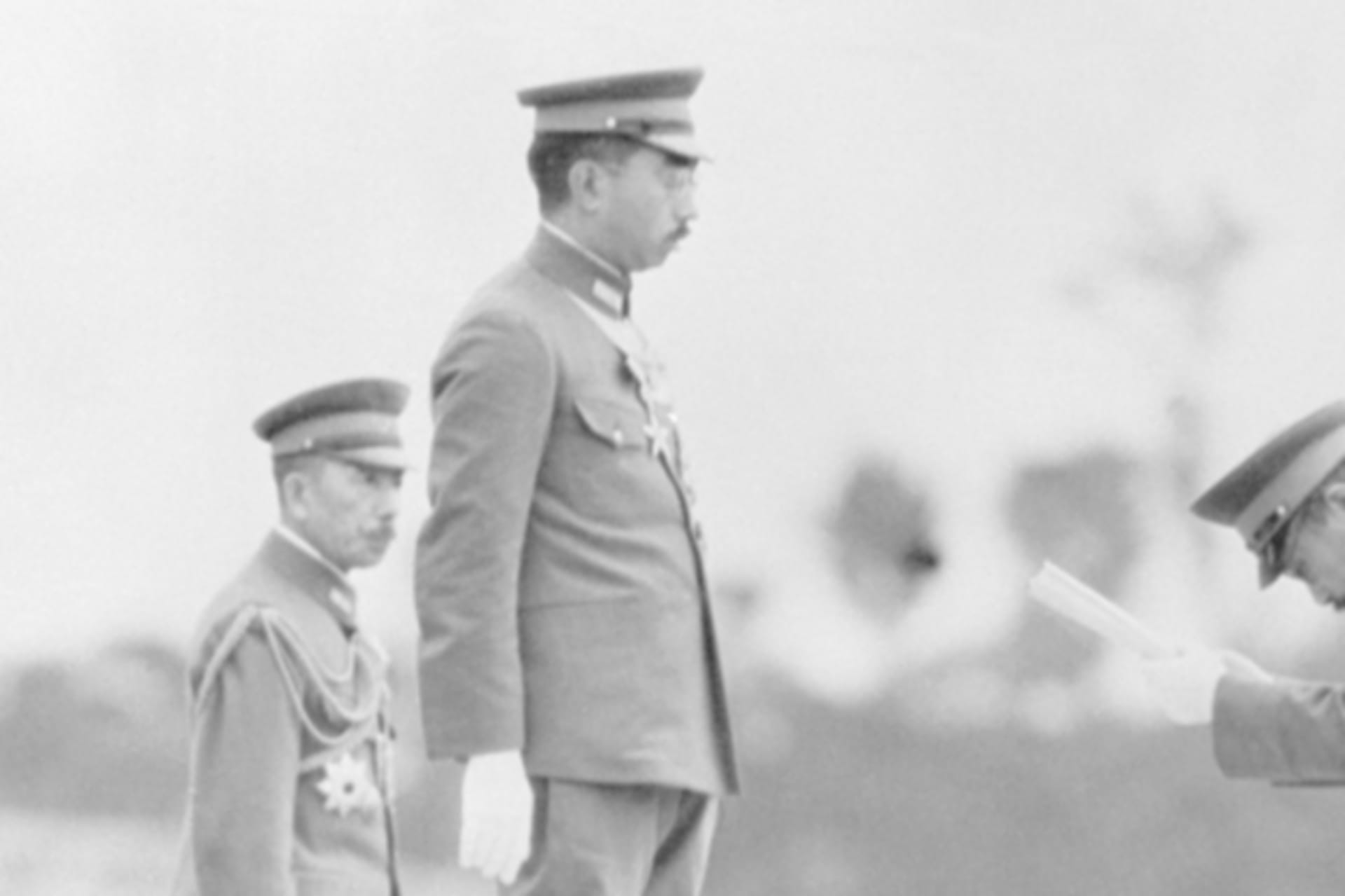
In this educational video on foreign policy, explore how U.S. relations with Japan have changed over the past century, from Pearl Harbor to a peaceful alliance.
In this foreign policy video, learn how leaders further their countries’ interests with political, economic, and military tools such as diplomacy, trade, and intelligence.
In this free resource on diplomacy, understand how countries advocate for their national interests through foreign policy.
In this free resource on trade policy, explore how countries leverage their economic power to advance their foreign policy interests.
In this free resource on military action, learn how countries use violence, or armed force, to influence foreign policy.
In this free resource on the successes and failures of peacekeeping, learn about the UN missions tasked with transitioning countries out of war.
In this free resource on arms control agreements, learn how countries try to regulate the world’s most powerful weapons through foreign policy.
In this free resource, explore examples of deterrence from the Cold War to present day to learn how countries dissuade bad behavior with the threat of significant punishment.
From Cold War double agents to Chinese spy balloons, explore how lying and spying inform policymaking in this resource on intelligence.
Learn why China lends billions of dollars abroad each year through its Belt and Road Initiative and the implications of that free resource for recipient countries.
In this free resource on nation-building, learn why developing political, economic, security, and social institutions across borders is a complex business.
In this free resource on sanctions, learn how countries use punitive economic measures to advance their foreign policy priorities.
Social media has connected people at lightning speeds and upended long-held monopolies on information. But like past innovations, it has also created major societal challenges.
Learn how the world’s superpowers, the United States and the Soviet Union (USSR), avoided nuclear war.
From India and the Palestinian Territories to Vietnam and Sudan, learn how former colonies sought independence—and how the shadow of colonialism still affects many regions today.
Discover how consumer goods have become cheap and ubiquitous in the global era.
In this free resource, learn how Benito Mussolini and Adolf Hitler rose to power and the lessons their political journeys hold for today.
Explore the different ways Marx, Lenin, and Stalin interpreted communism and dive into the history of translating an ideology into policy.
Learn how balances and imbalances of power contributed to World Wars I and II in this historical video.
In this free resource on World War II, understand the causes of World War II and why these issues drove countries back to battle just two decades after World War I.
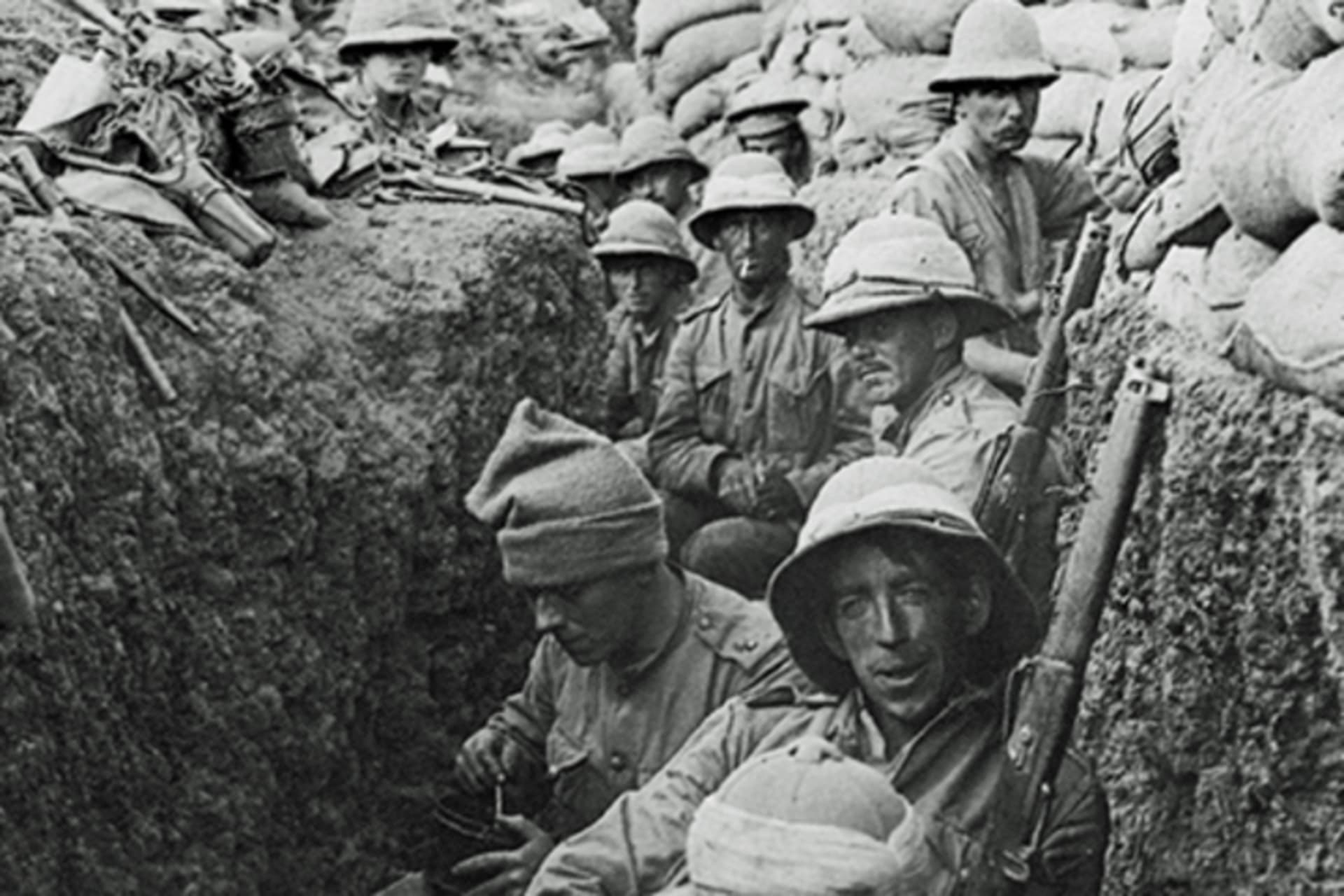
In this free resource on World War I, explore the causes and effects of the Great War to understand how the conflict shaped world history.
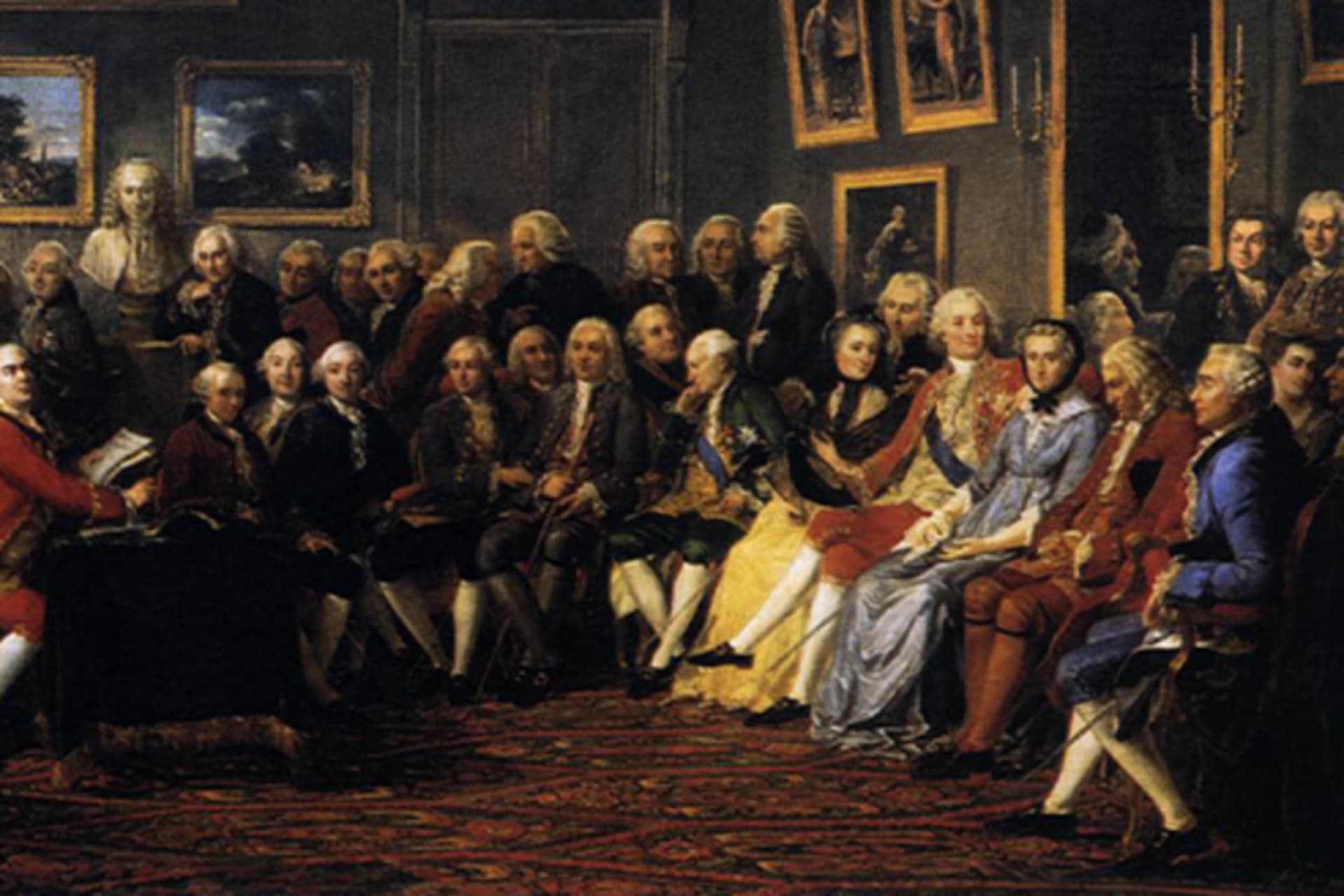
Explore how calls for liberty, equality, and individual rights caused revolutions around the world, from the American Revolution to the French and Haitian Revolutions.
Learn about the Industrial Revolution and how technological innovations from the eighteenth and nineteenth centuries continue to shape society today.
From the history of vaccines and medical quarantines to the origin of the World Health Organization, explore how innovations in global health increased human longevity and prepared the world for COVID-19.
How did sovereignty become part of world history? In this educational video, learn why kingdoms turn into countries after the Thirty Years’ War.
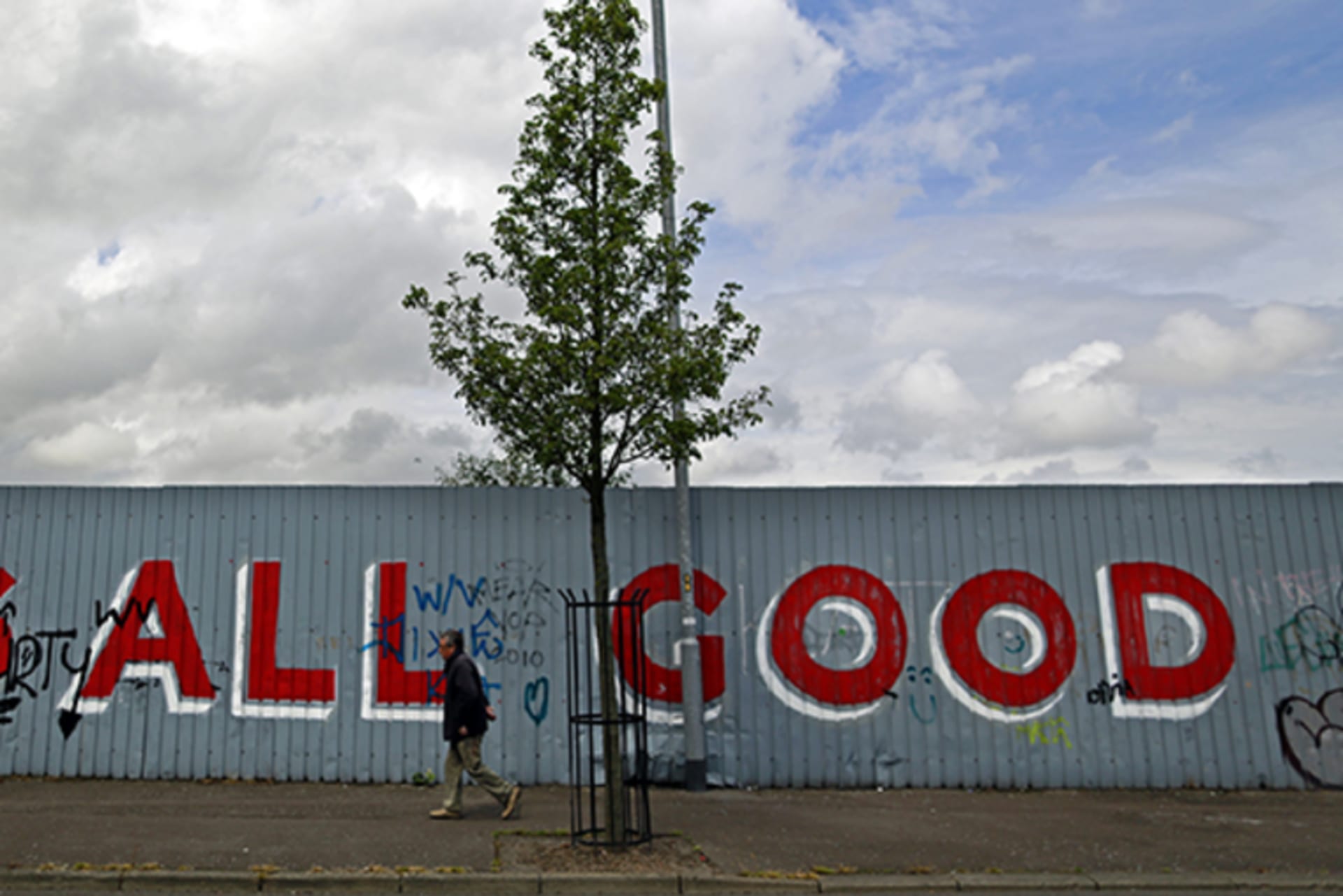
More than twenty years after the Good Friday Agreement was signed, challenges remain for Catholics and Protestants in Northern Ireland long after the conflict ended.
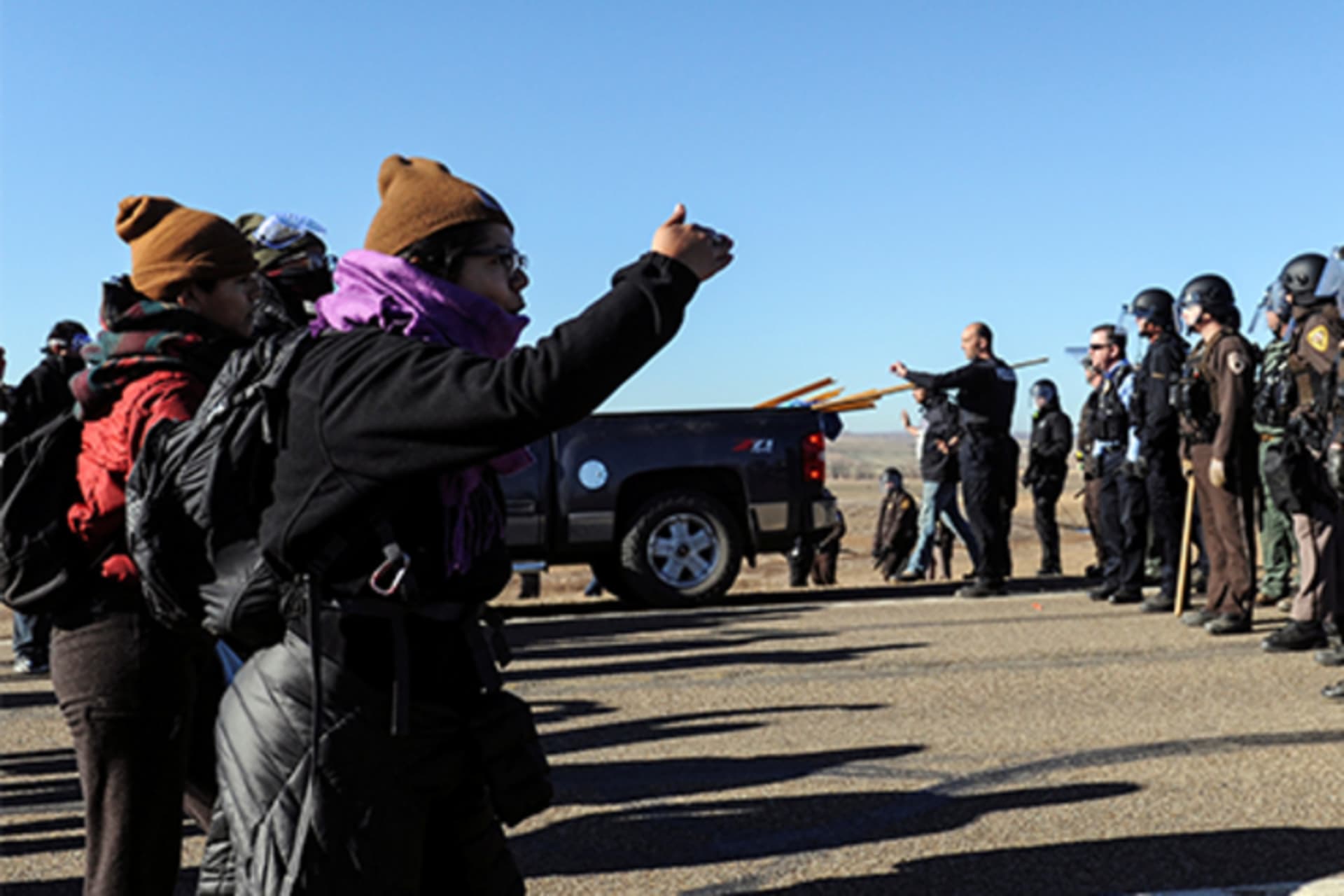
From civil war to terrorist violence, explore the types, causes, and consequences of conflicts within countries that are increasingly threatening world order.
Bombs and bullets are not always required for countries to come into conflict. From Russia’s war in Ukraine to a U.S. trade war with China, explore the different ways countries come into tension.
What is conflict? Explore the reasons why tensions, violence, and war break out and what the consequences are for the world in this video.
From World War II to Syria’s civil war, understand the deadly consequences of war and what that means about the changing nature of conflict.
From colonization to the Cold War, learn about the major historical moments that have shaped the Americas.
Explore the powerful political movements that can reshape forms of government.
Are countries less democratic than they used to be? Learn how democratic principles like checks and balances, free elections, and freedom of the press are under threat around the world.
Learn about different forms of government—including democracy, authoritarian rule, and monarchy—and how their distinctions aren’t always so clear.
A government’s authority within its borders gets challenged all the time. Here is how.
Nationalism can unify diverse societies. But when taken to extremes, it can also fuel violence, division, and global disorder.
Learn how the world’s nearly two hundred countries came to be, and whether the map is set in stone.
As Great Britain’s Industrial Revolution and India’s Green Revolution have shown, technological innovation can drive extraordinary development. Explore how digital advancements are further driving progress today.
Has life gotten better for people around the world? Learn how improvements in health, education, and income are measured and explore three countries’ opportunities and challenges with development.
We have made advances in global health, but we face challenges from new disease trends—and need funding to treat them.
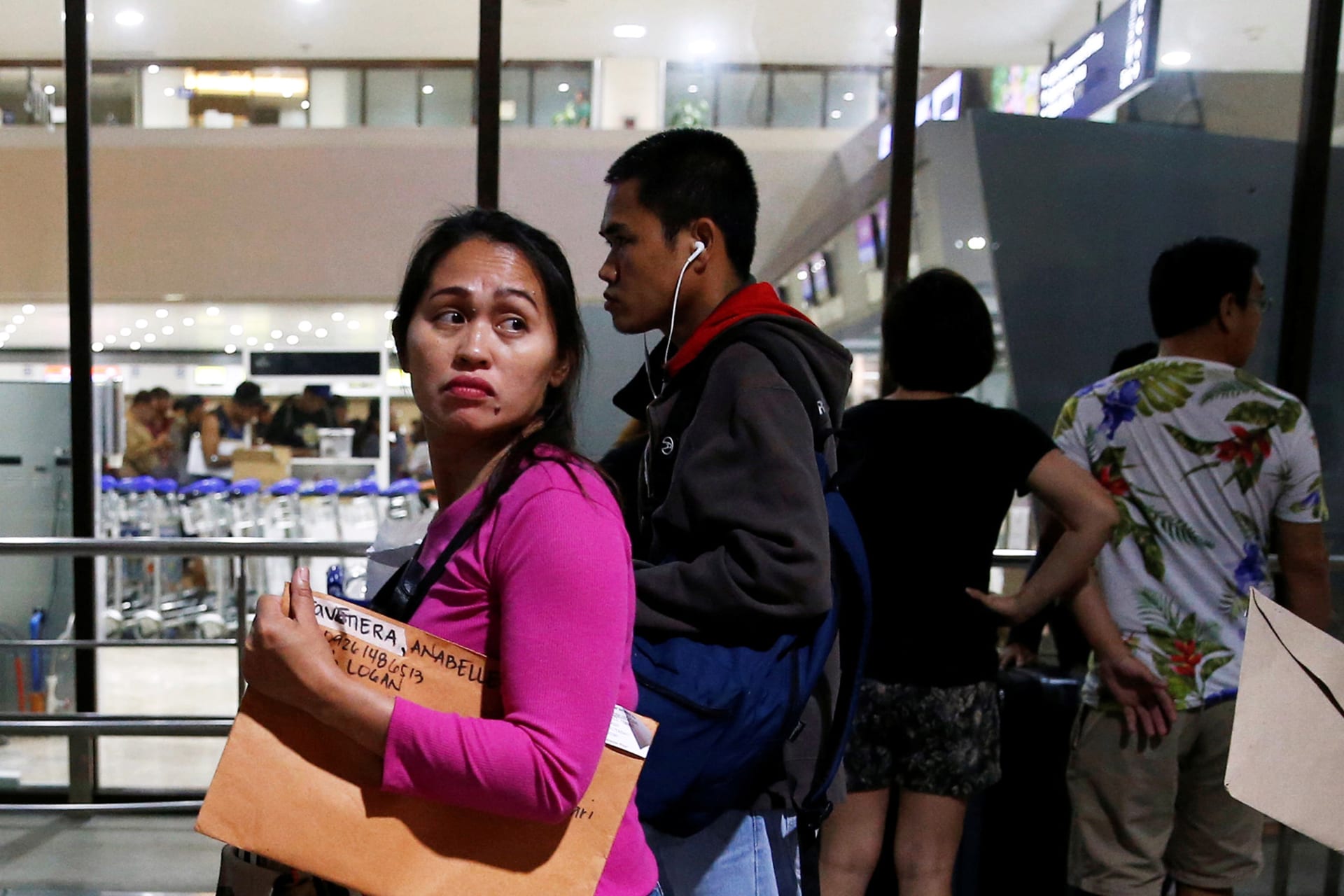
When migrants seek work abroad, what does their home country gain and lose? Explore one example of a country shaped by emigration, the Philippines.
Explore how the United States has responded to migrants throughout history—from the Chinese Exclusion Act to DACA—and how immigration policy influences the society, economy, and politics of a country.
Three innovations shaped how people and goods move around the world today.
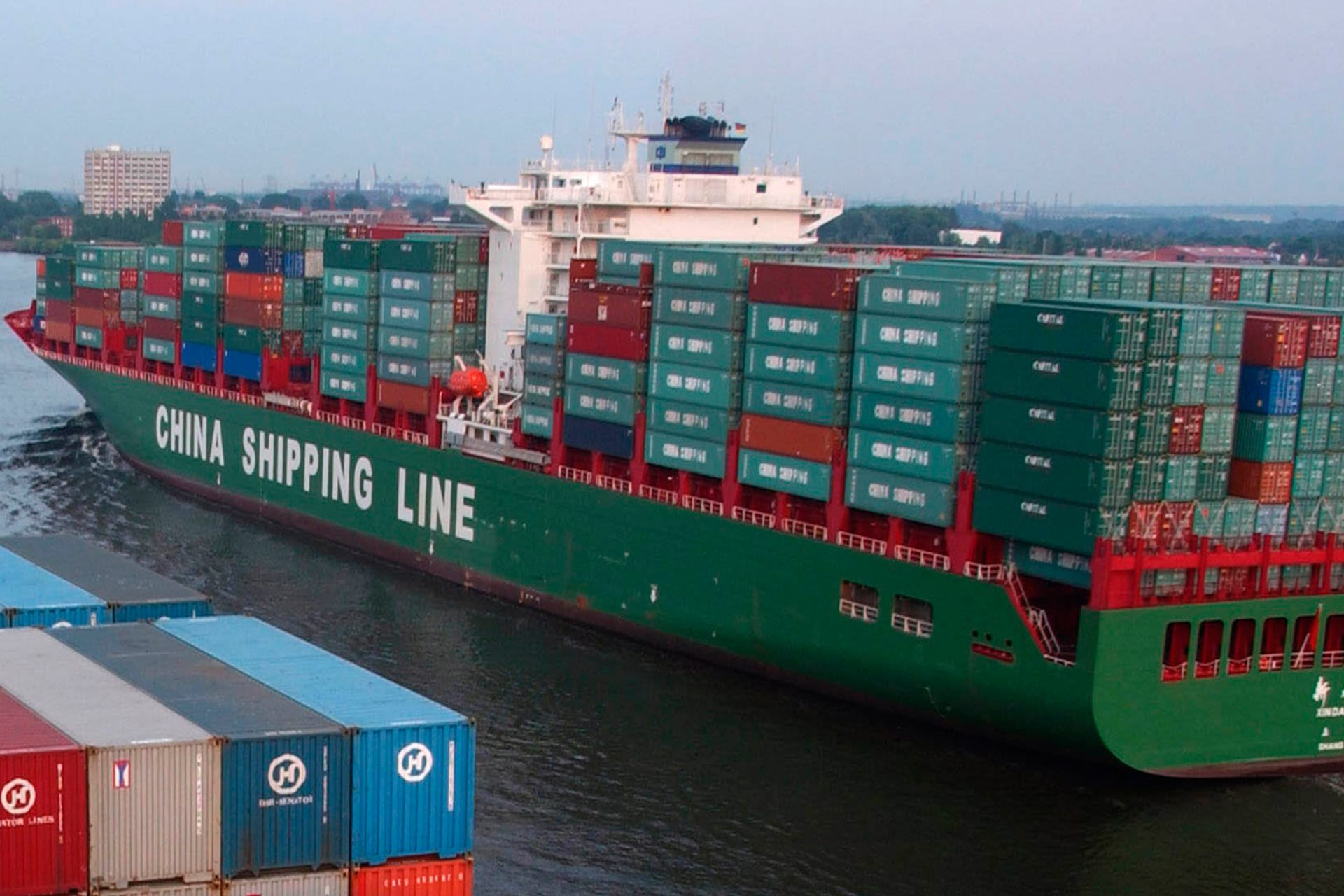
Explore examples of globalization to understand the benefits and challenges of our increasingly interconnected world in this video.
Follow the global supply chain across borders and into your pill bottle.