Sovereignty in a Global World Lesson Plan
- Length
- Two Class Periods
- Grade Level
- High School
Learning Objectives
- Students will explain traditional and modern notions of sovereignty, including how global challenges such as climate change and pandemics test state autonomy and international norms.
- Students will evaluate policy options that balance respecting national sovereignty with addressing global issues requiring collective action.
Instructional Plan
Class Period One
- Introduction to Sovereignty
The five-minute video, What Is Sovereignty?, gives an overview of the concept of sovereignty and its origins in the Westphalian system. The video includes a brief summary of recent violations of sovereignty, and examples of borderless challenges, such as climate change and pandemics. These key ideas will be explored throughout the lesson.
Note: You can download a transcript of the video from the webpage. Once playing, the video uses the regular YouTube player including its closed captioning features.
After watching the video, students can use the Is It Sovereign? activity worksheet to check their knowledge. Several of the examples are designed to be edge cases, so it is valuable to have students review their answers—especially their explanations—with classmates or as a full class. - Reimagining Sovereignty
The five-minute video, Reimagining Sovereignty in a Global Era, examines the case study of deforestation in the Amazon during Jair Bolsonaro’s presidency in Brazil (2019-2023). It explores how the traditional definition of sovereignty is challenged by the global nature of climate change, and how strictly respecting sovereignty may impair the world’s ability to address issues of global importance.
After watching the video, some possible discussion questions include:
- What is Bolsonaro’s understanding of sovereignty?
- What is the position of the G7, France, and Ireland?
- To what extent do the actions of the G7, France, and Ireland constitute a violation of sovereignty?
- Do you agree more with Bolsonaro or the countries asking him to control the fires? Why?
- To what extent does the world need to move beyond the understanding of sovereignty established in the Peace of Westphalia? If so, what changes would you propose?
Class Period Two
- The Simulation
The Stopping Deforestation in the Amazon simulation set in 2022, allows students to dive into the issue of deforestation in the Amazon and its effects on climate change. As they take on the role of policymakers, students are presented with several options for trying to influence Brazil’s behavior. They must consider whether these policy options respect Brazil’s sovereignty, or whether they might be worth pursuing even if they do not.
Notes on Simulations- CFR Education simulations are based on various hypothetical, historical, and current event scenarios that put students in the shoes of policymakers facing the most pressing issues in international relations. Most simulations can be completed in 45–60 minutes, though they can be adapted to different time frames or classroom needs. Detailed simulation instructions and a short video on running a role-play are available on the CFR Education website.
- Use the Simulation Roles & Goals reading and handout to assign each student a role. The Stopping Deforestation in the Amazon simulation is written from the point of view of the U.S. government, but students could just as easily simulate the government of another country. Have students use the preparation handout as they read the simulation text.
- The simulation instructions describe a suggested structure for the discussion, but this is flexible. If students are familiar with another structure for class discussion, it can be used.
- Reflection
An important element of simulations is reflection. After the exercise, have students take a step back to consider what they have learned. The reflection handout helps to guide this process and can be used either to shape a debrief discussion in class, or serve as prompts for a written assignment.
Materials
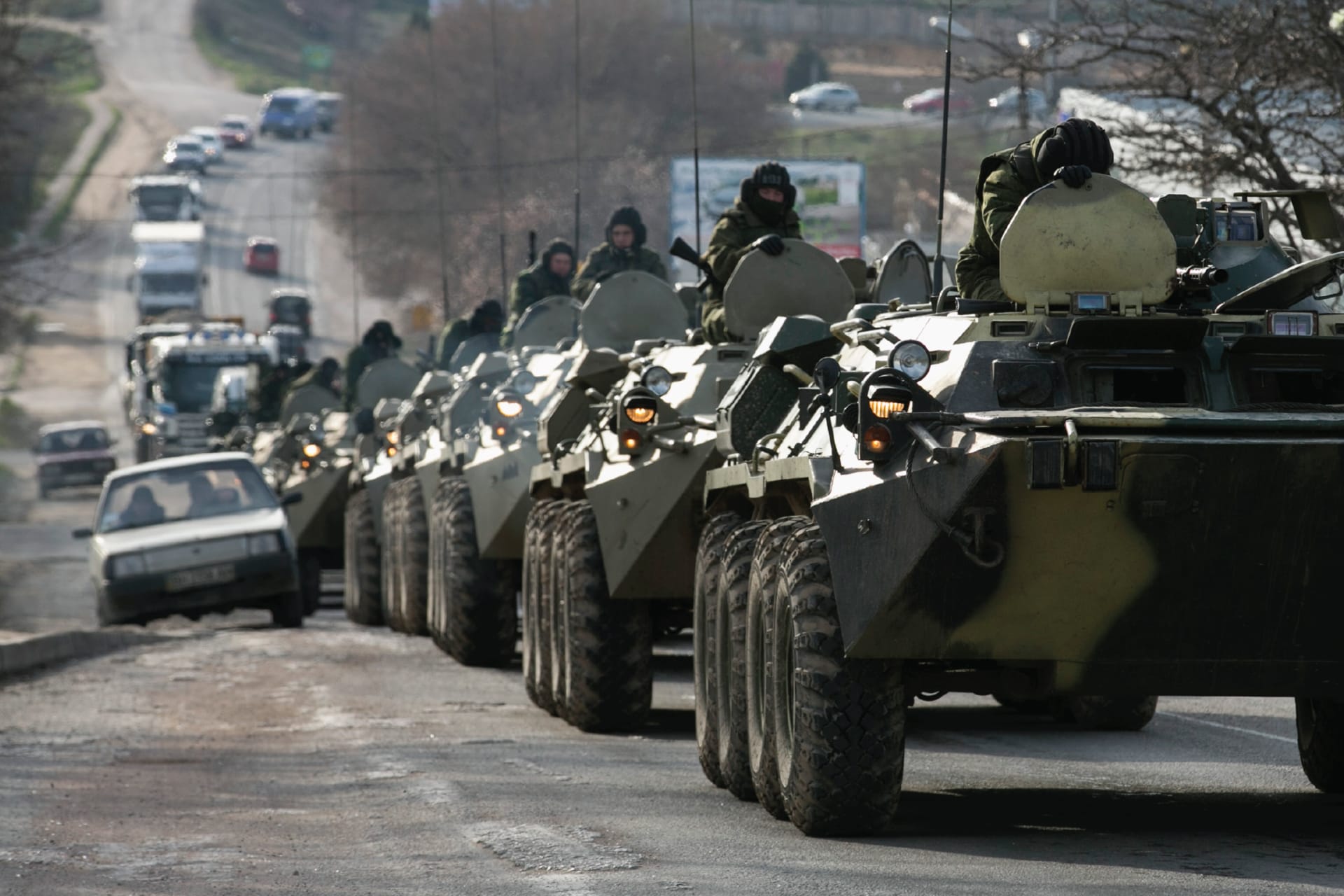
What Is Sovereignty?
Videos

Is It Sovereign? Activity
Activities

Stopping Deforestation in the Amazon
Mini Simulations
Mini Simulation Reflection Handout
via docs.google.com

Related Articles

What Is Water Scarcity?
Readings
