Conflict Type

Civil War

A civil war is an armed conflict between organized groups (government and/or nonstate actors) largely confined within the territorial boundaries of a state, but which can involve external actors and spill over into neighboring areas. Civil wars are typically driven by disputes over governance, resources, or identity and can lead to major casualties and civilian displacement.

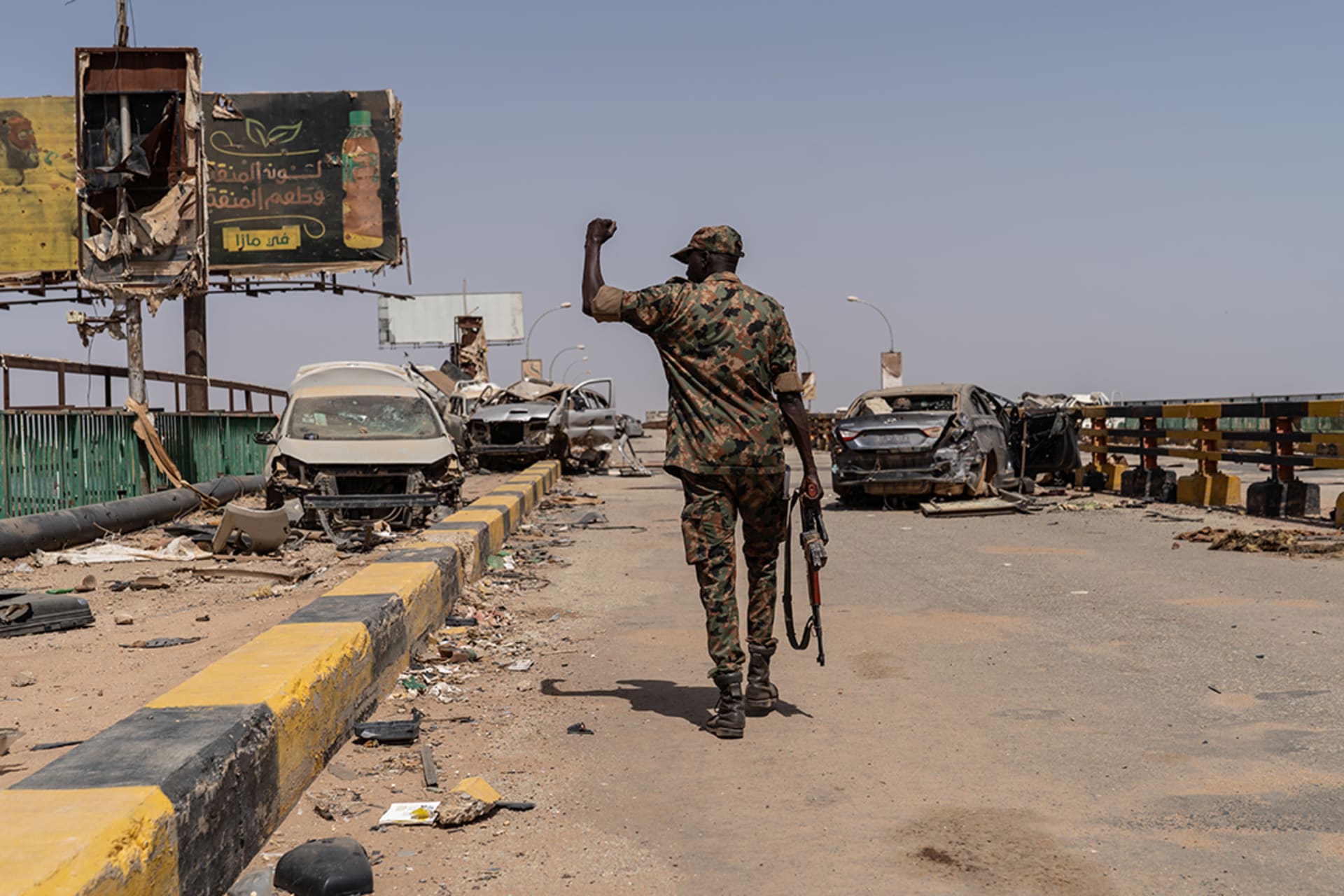
A soldier faces away from the camera while walking on a bridge holding his hand up in a fist.

Civil War in Sudan

Type
Civil War
Impact on U.S.
Limited
Status
Worsening

What began in April 2023 as a power struggle between the Sudanese Armed Forces (SAF) and the paramilitary Rapid Support Forces (RSF) has become the world’s worst humanitarian disaster. The SAF has recaptured Khartoum, but the RSF controls much of Darfur—where attacks on non-Arab ethnic groups have drawn genocide accusations—and has besieged El-Obeid, whose fall would open a direct corridor to the capital.
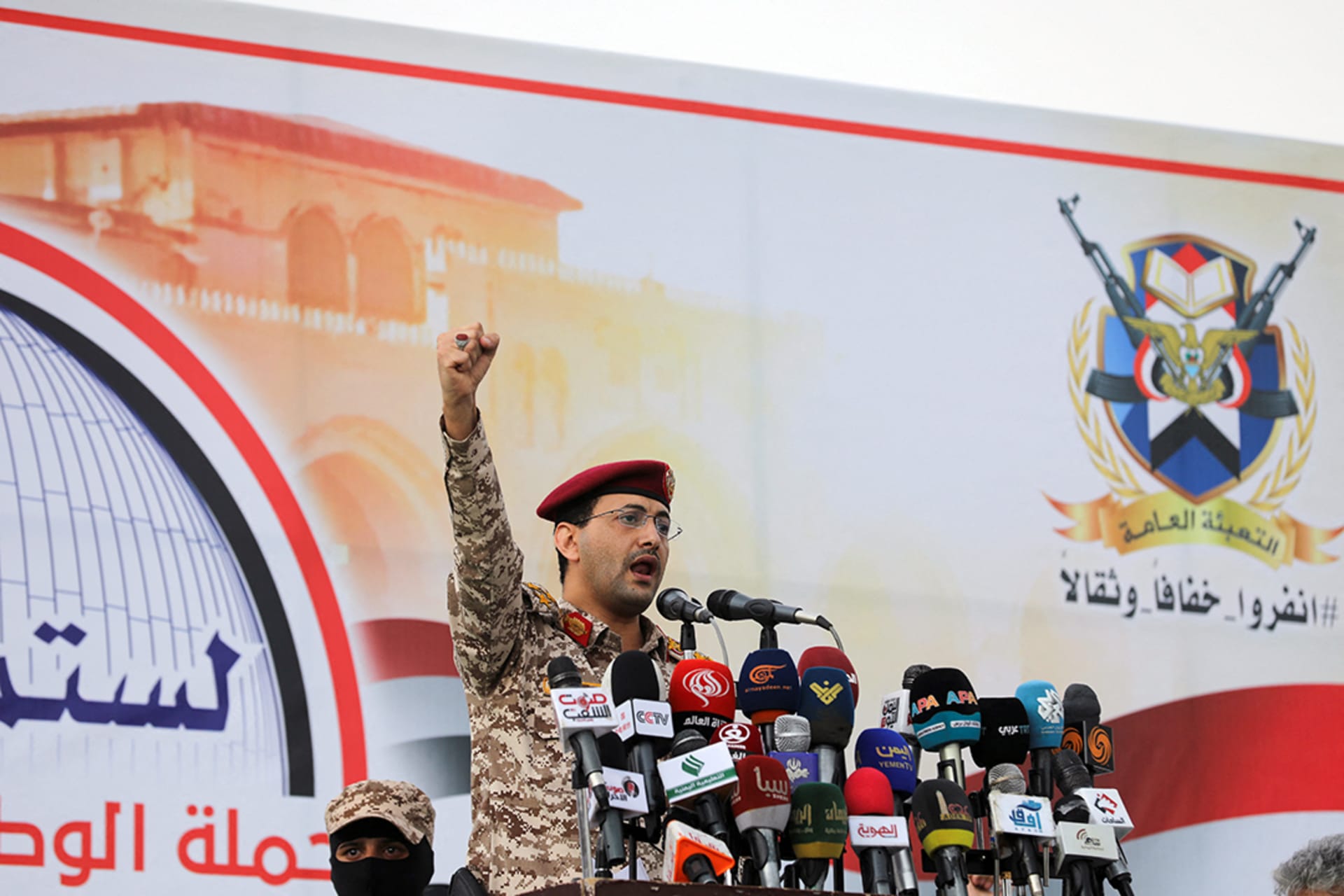
A man wearing military fatigues and a red beret pumps his first in the air while standing at a podium.

Conflict in Yemen and the Red Sea

Type
Civil WarTerrorism
Impact on U.S.
Significant
Status
Worsening

Since 2014, Houthi rebels have fought a Saudi-led coalition backing Yemen’s internationally recognized government, a conflict that quieted under a UN-brokered ceasefire in 2022. The Iran-backed group subsequently launched attacks on Red Sea shipping in protest of Israel’s military campaign in Gaza, drawing U.S. military retaliation and deepening Yemen’s entanglement in regional conflict. Houthi strikes on Saudi Arabia’s Abha Airport in July 2026 now threaten to reignite the civil war.

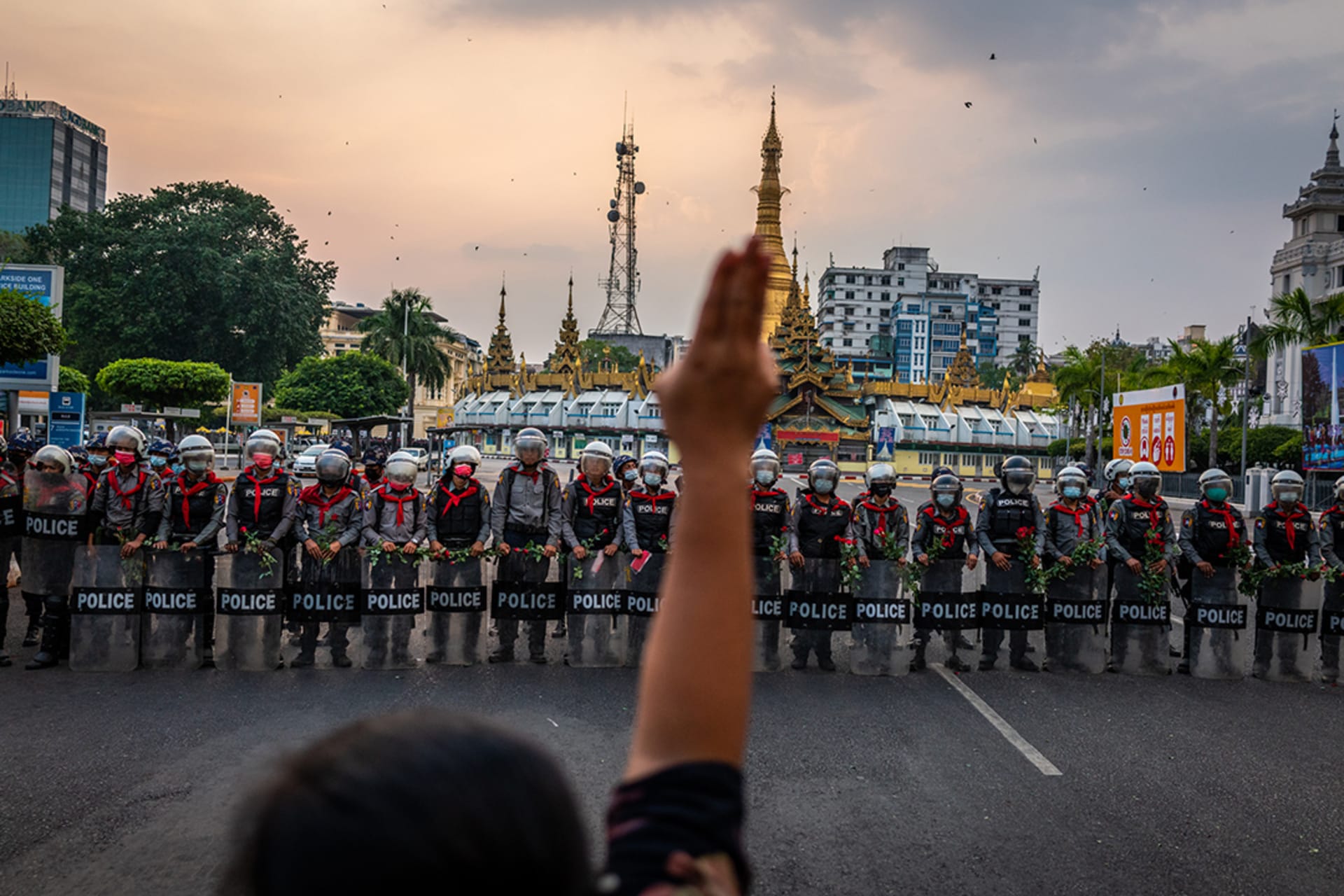
A protester makes a three-finger salute in front of a row of riot police, who are holding roses given to them by protesters

Civil War in Myanmar

Type
Civil War
Impact on U.S.
Limited
Status
Unchanging

Myanmar’s military seized power in a February 2021 coup, triggering a civil war that has killed over 100,000 people and displaced 5.2 million. Resistance forces and ethnic armies control an estimated 42 percent of the country against the junta’s 21 percent, though the conflict has entered a stalemate with neither side holding a decisive advantage. Junta leader Min Aung Hlaing assumed the presidency in April 2026 under a nominally civilian government widely dismissed as a façade for military rule.