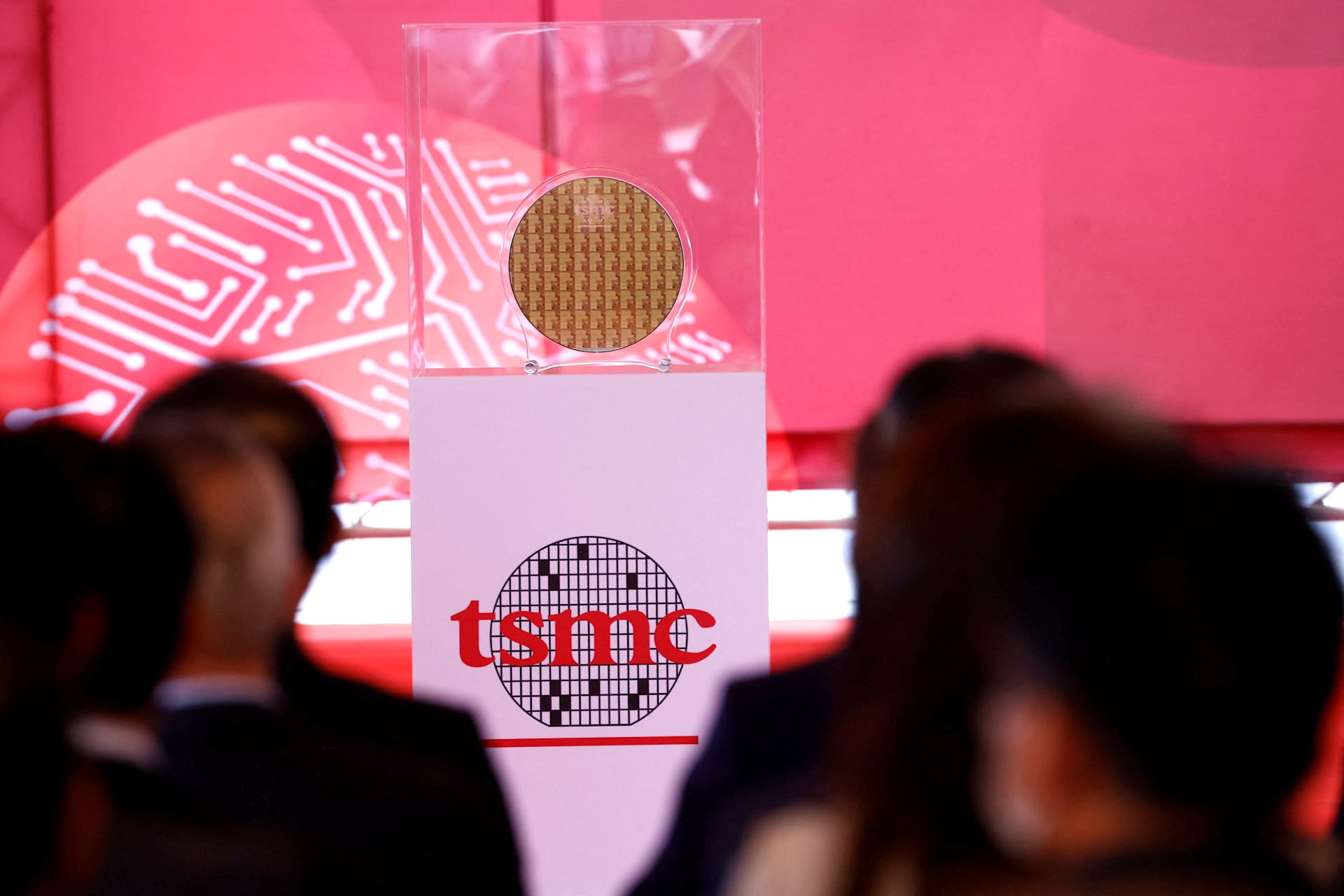
U.S.-Taiwan Trade Agreement Leaves Major Questions OpenFebruary 12, 2026By David Sacks and Steven Honig
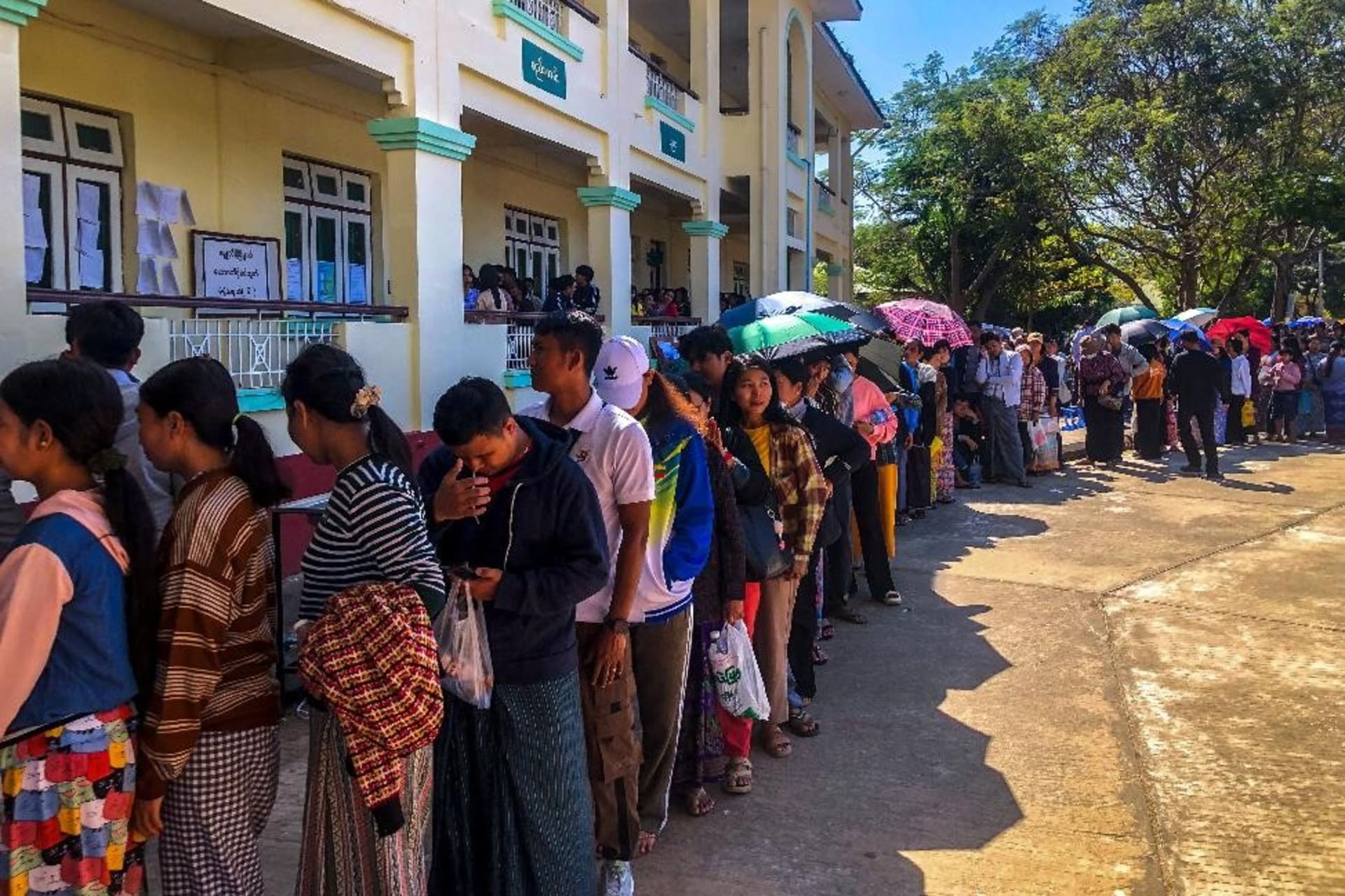
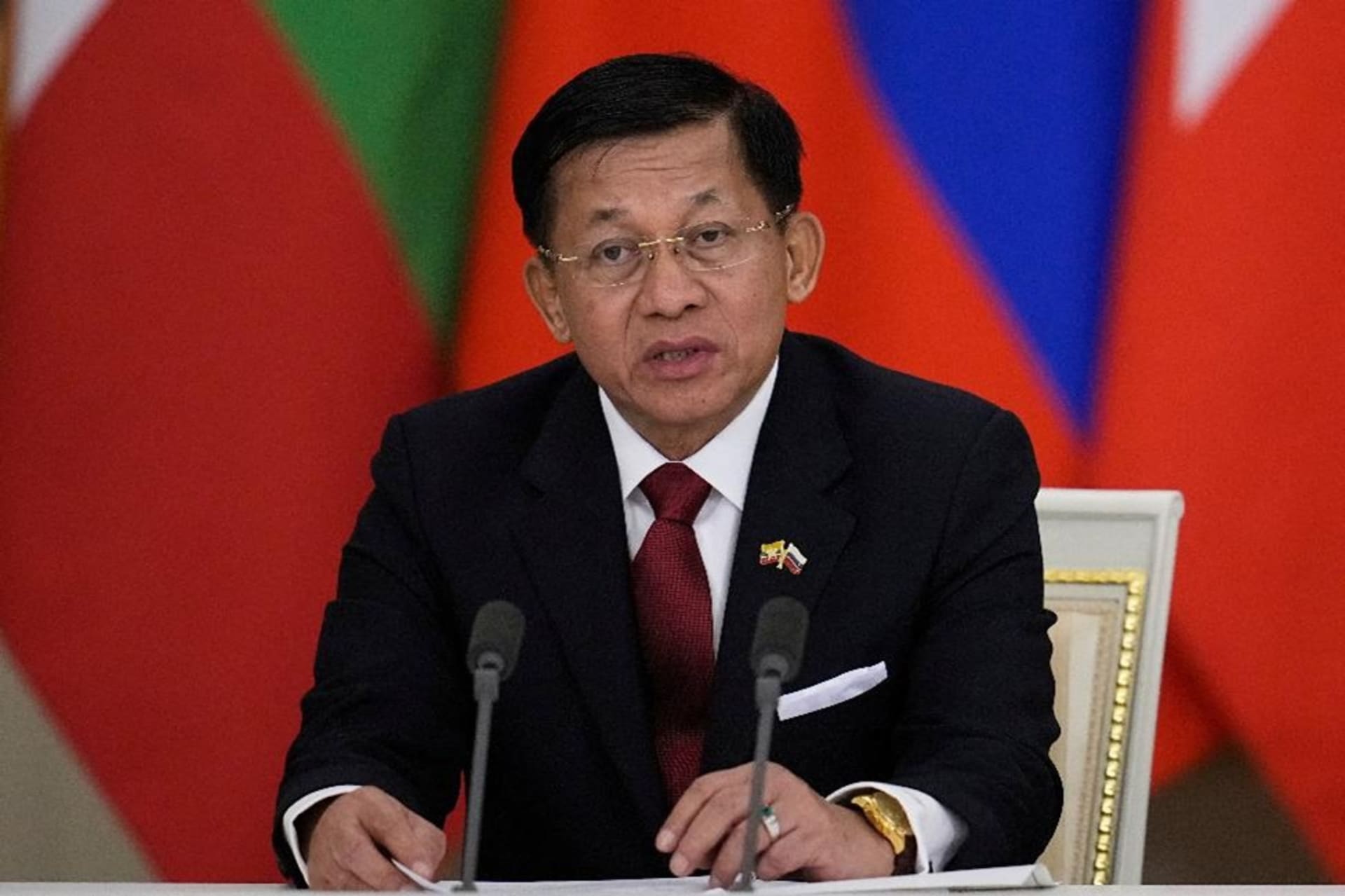
Myanmar’s Junta-Led Election Is Neither Free nor FairJanuary 9, 2026By Joshua Kurlantzick and Annabel Richter
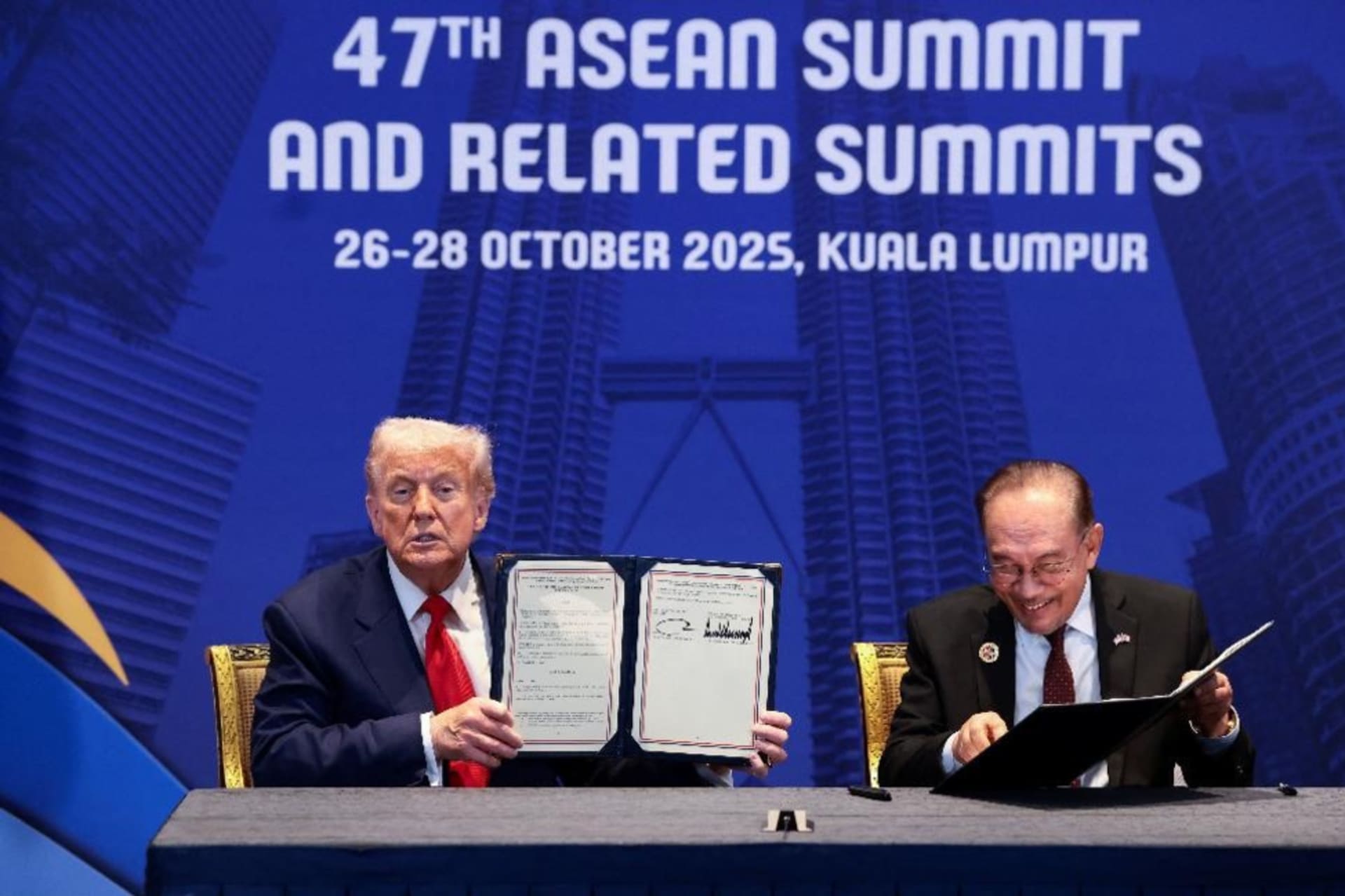
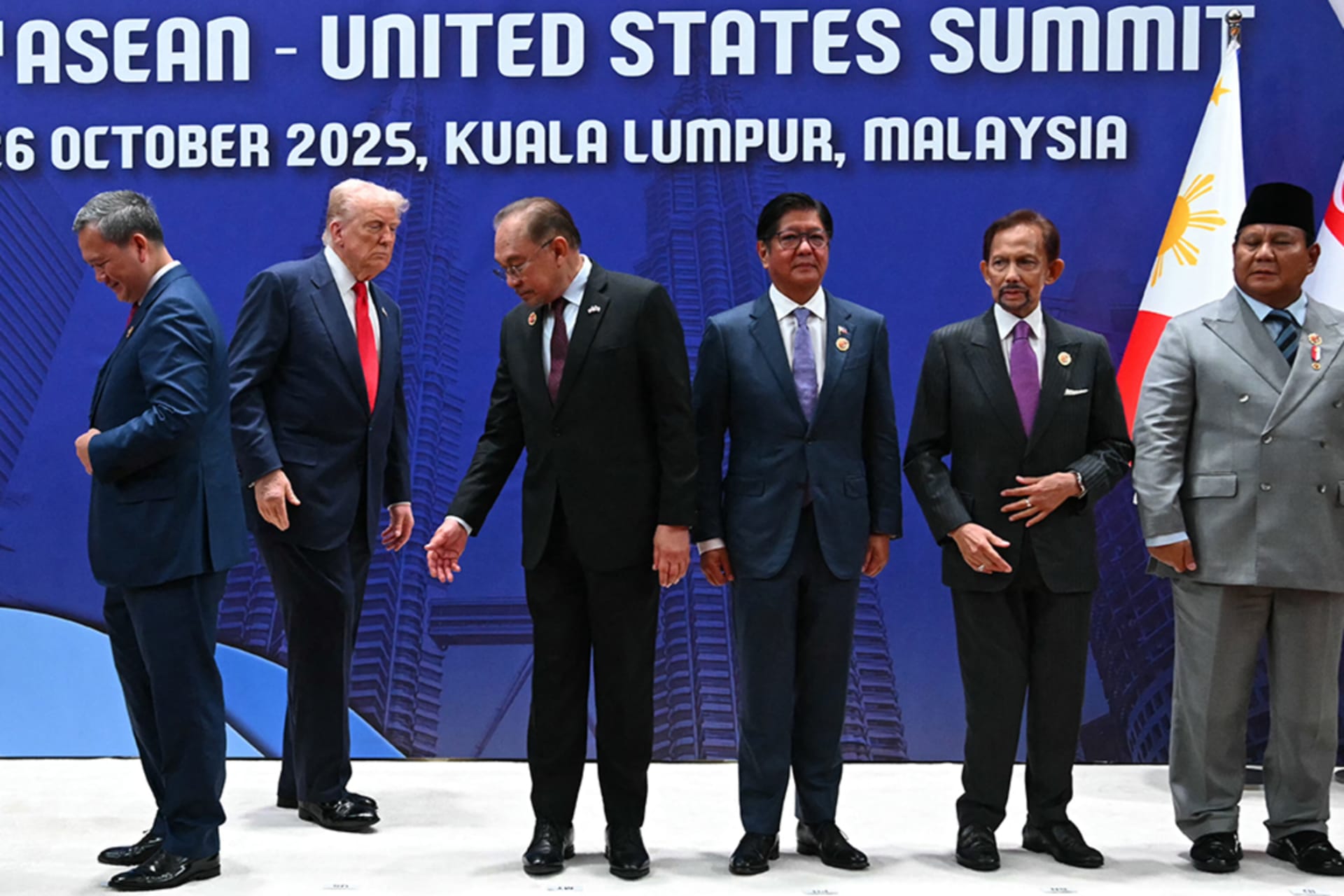
The White House Transformed Asia in 2025: Expect Much More in 2026December 18, 2025By Joshua Kurlantzick
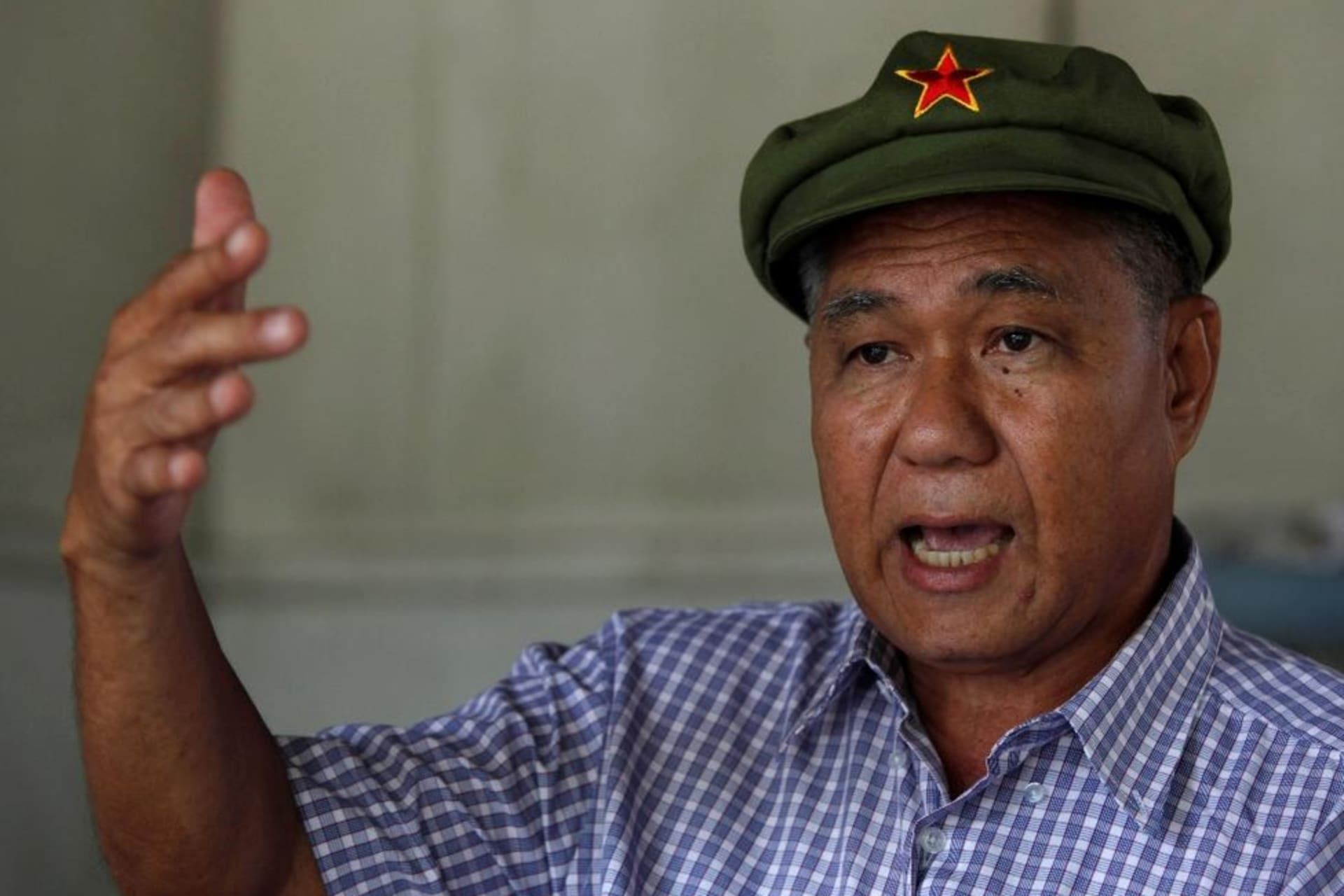
In Myanmar, the World’s Indifference to Authoritarianism Is on Full DisplayDecember 10, 2025By Joshua Kurlantzick
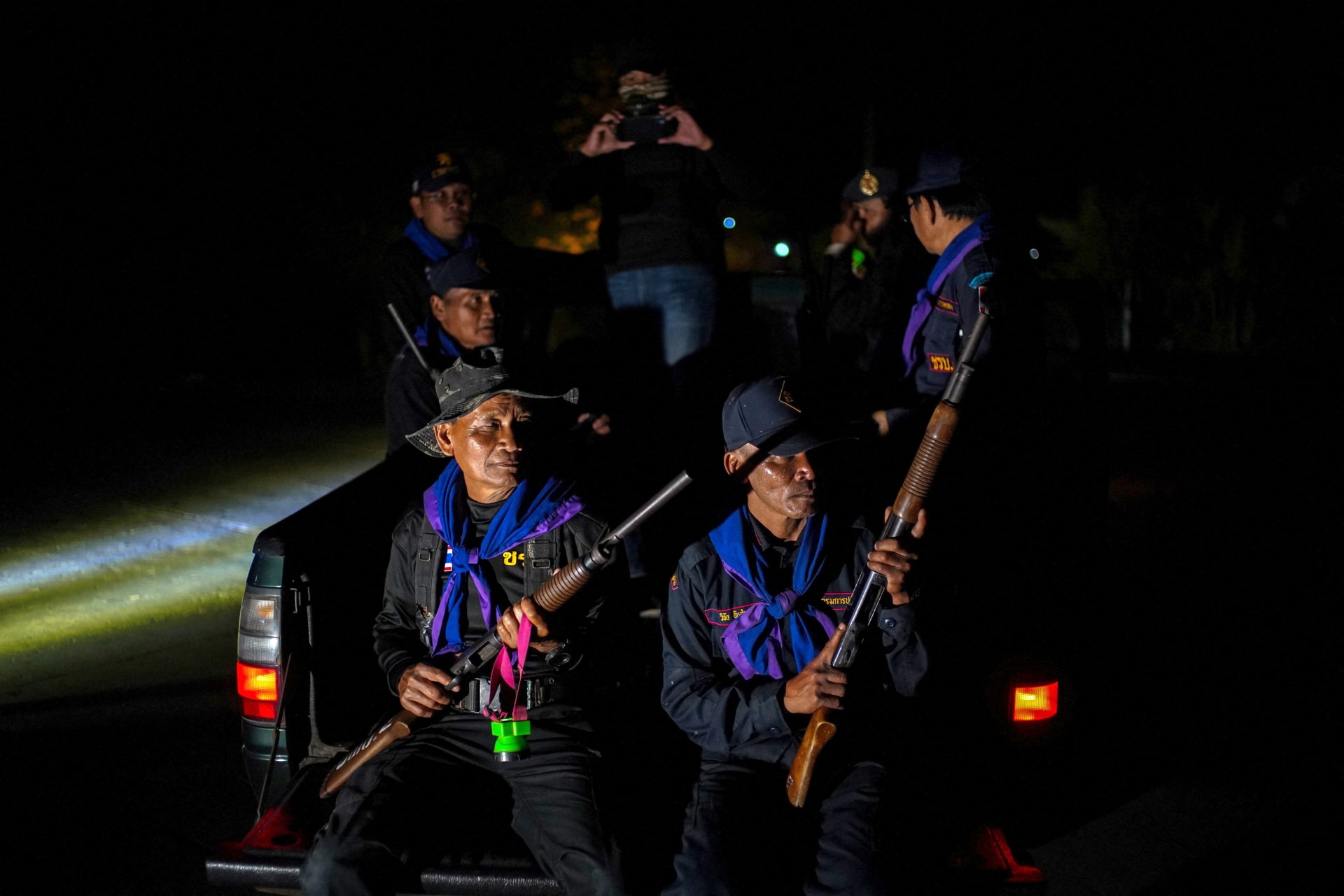
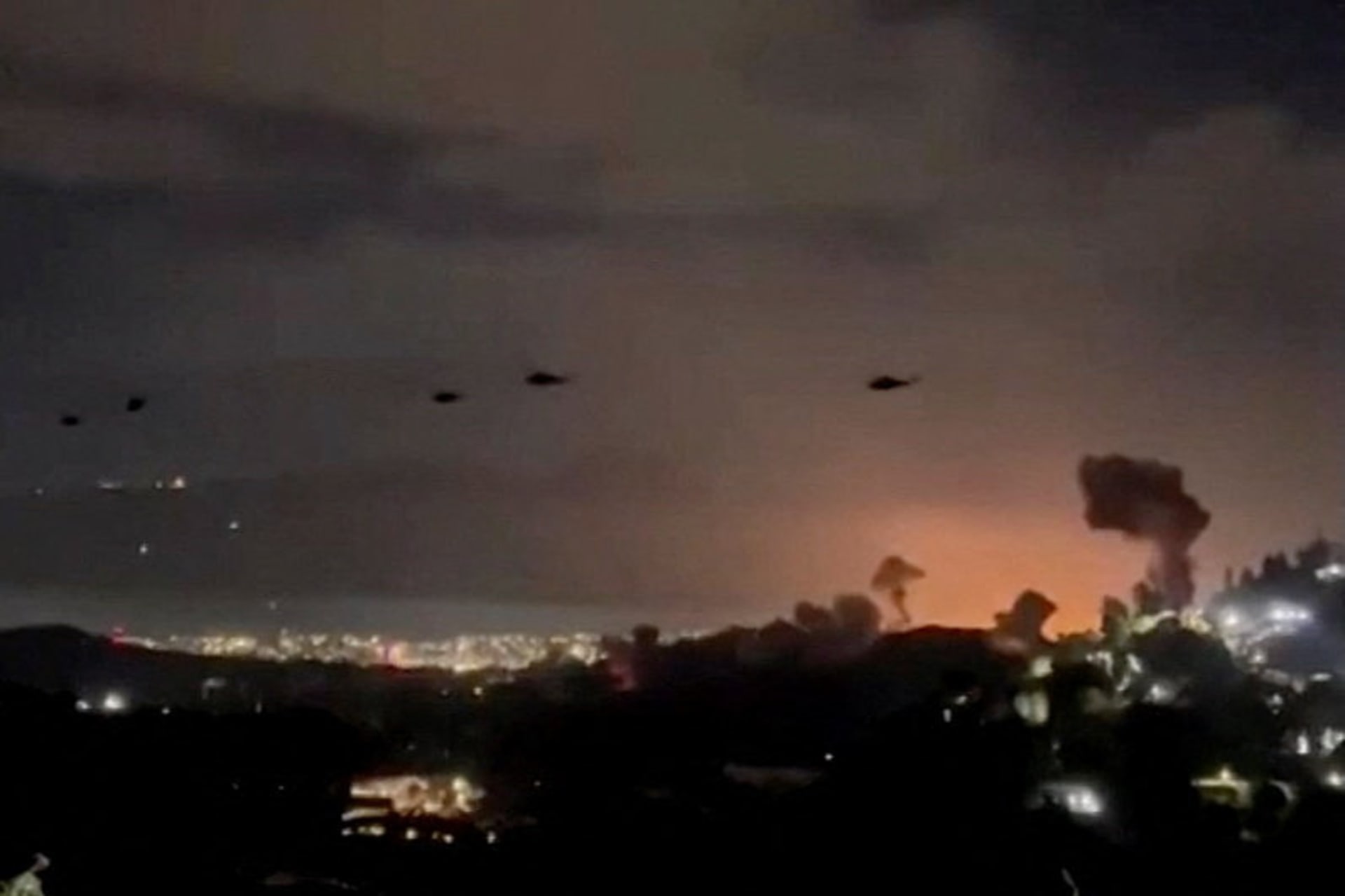
Thailand and Cambodia Head Back to Battle, Presaging Possible WarDecember 9, 2025By Joshua Kurlantzick
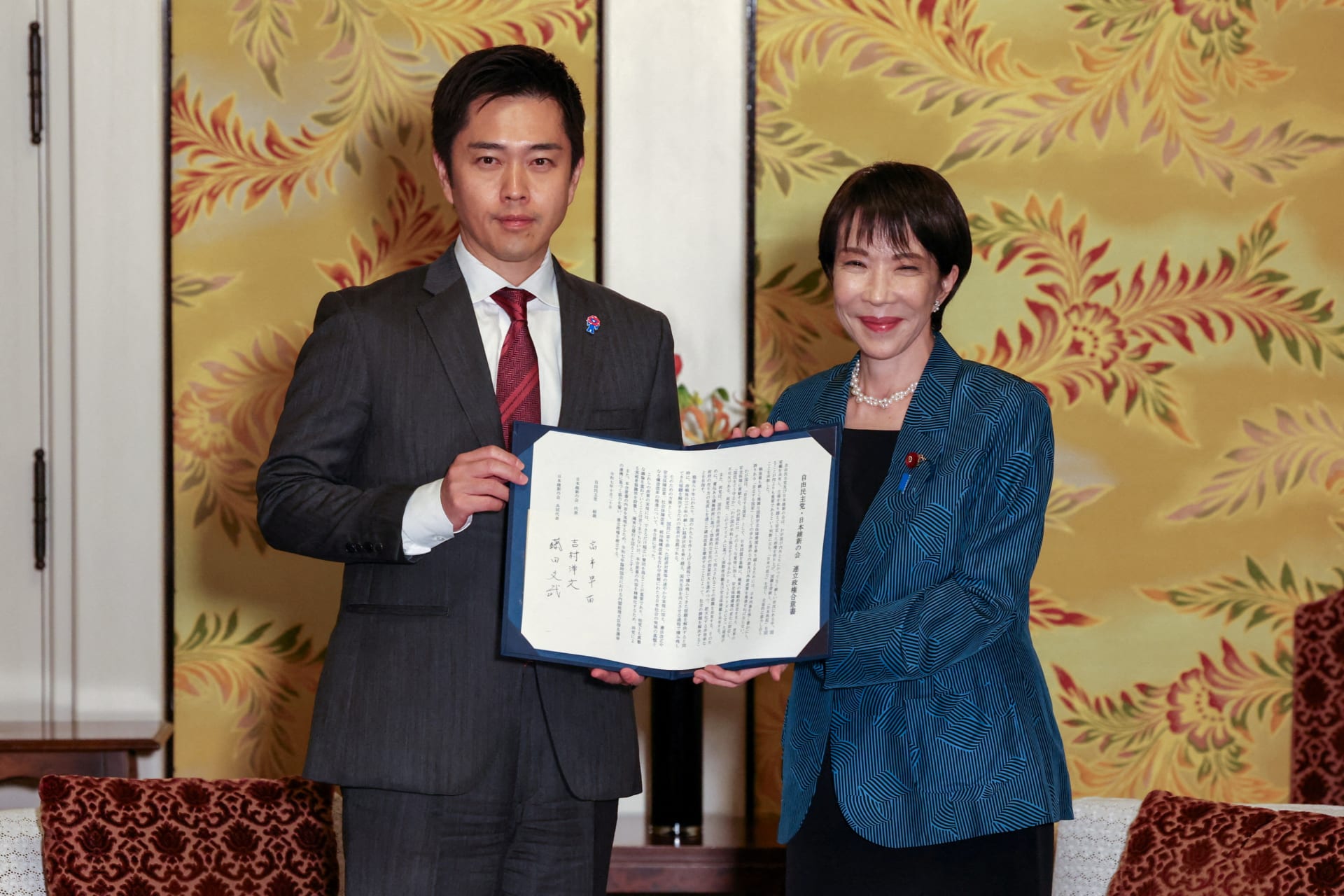
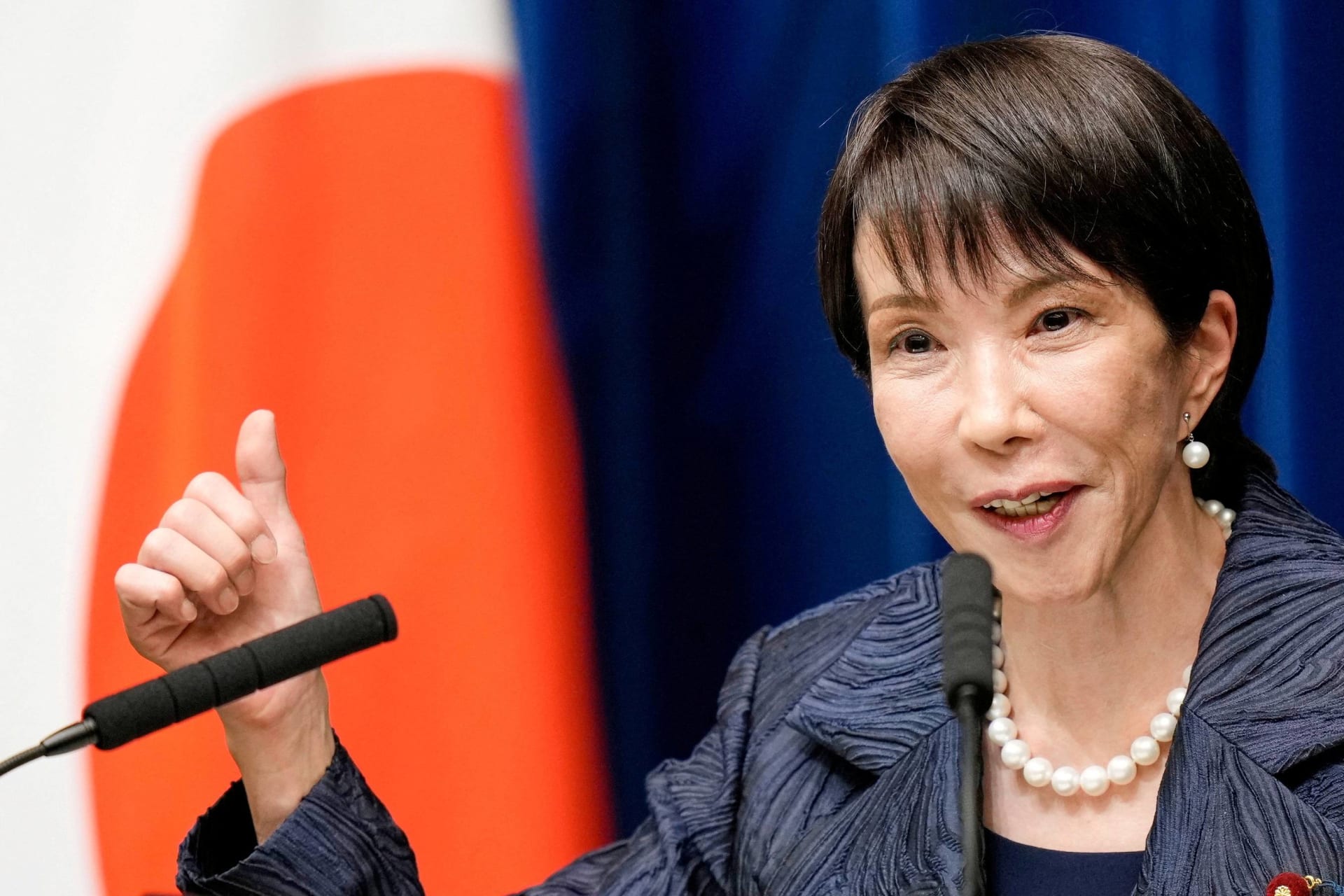
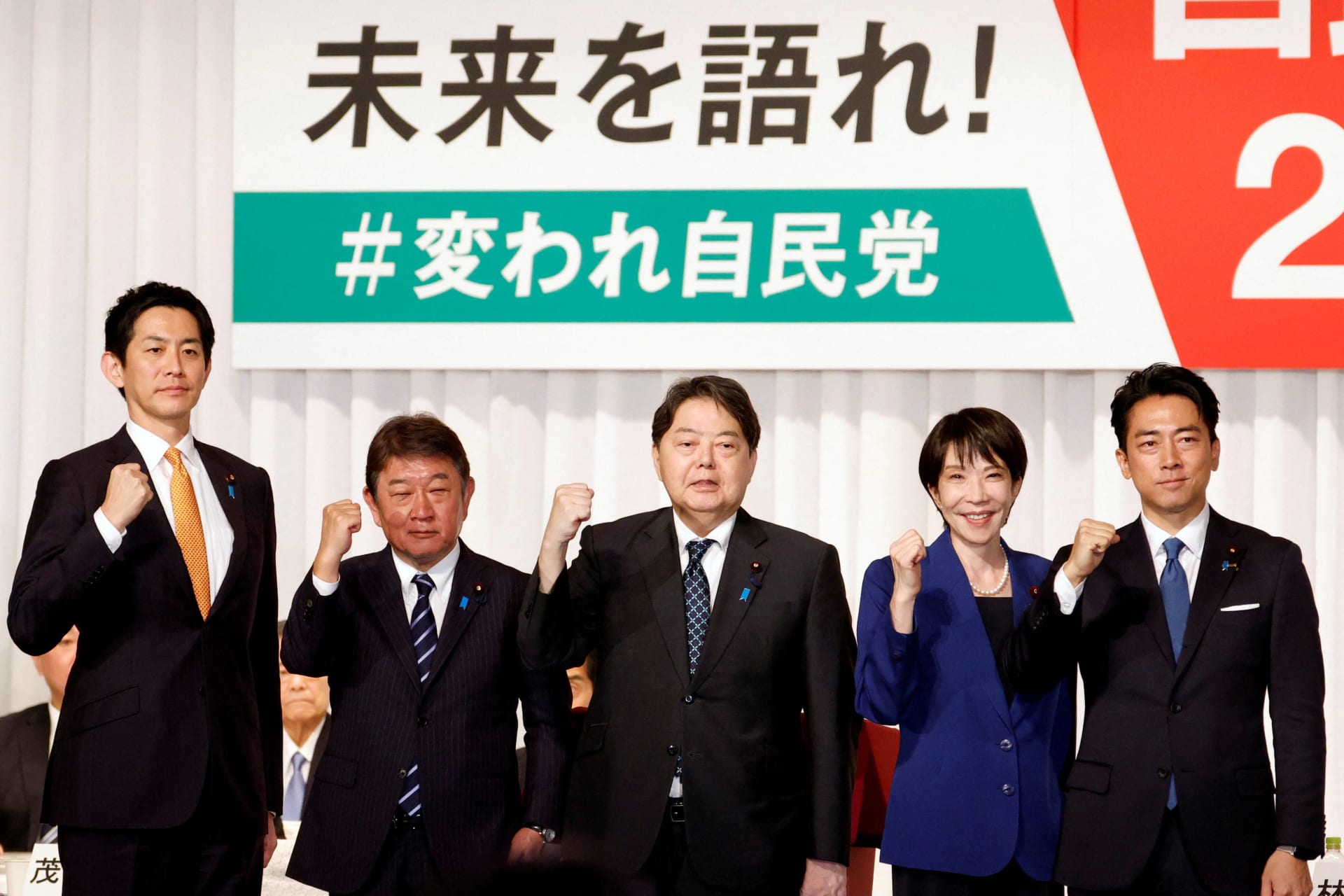
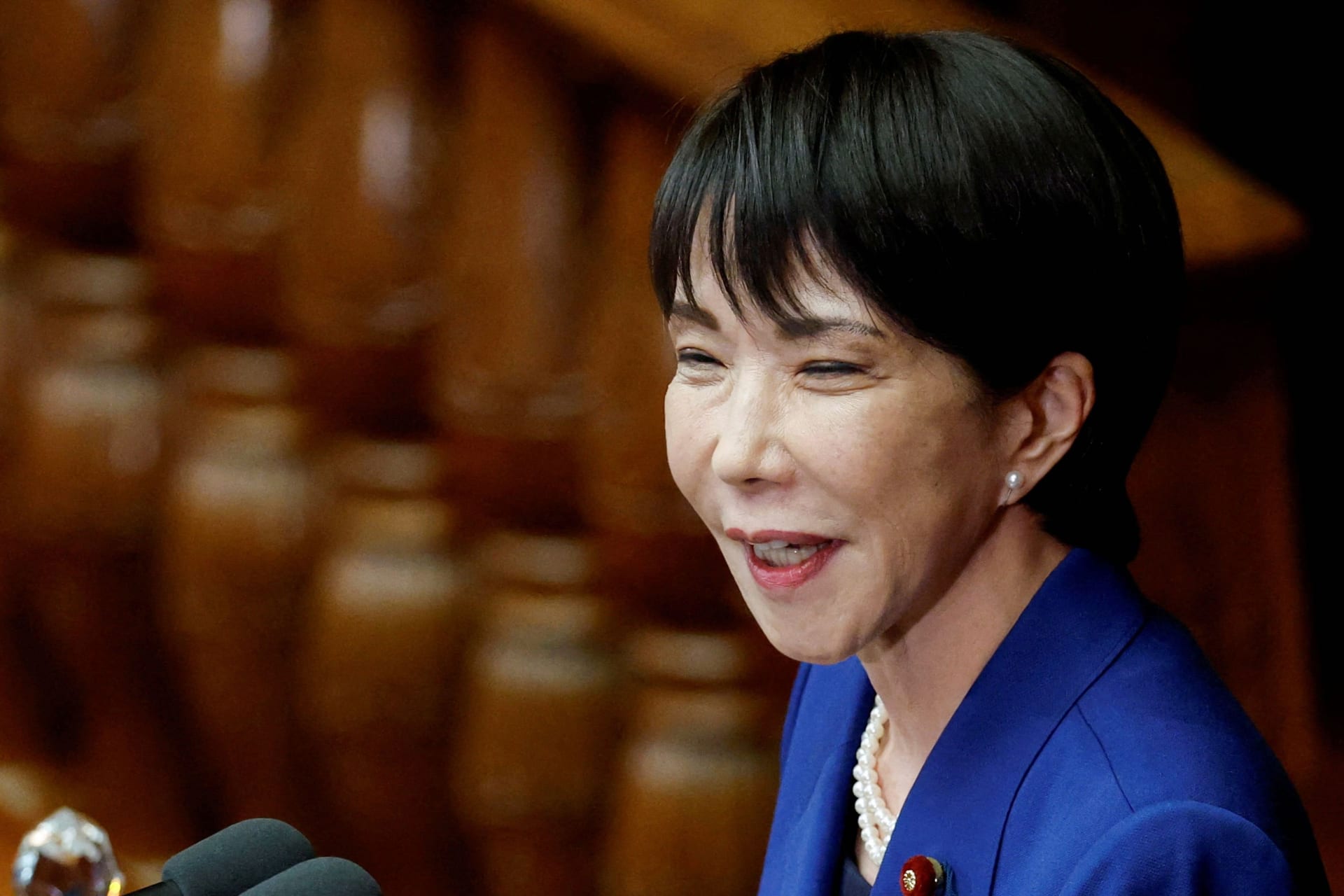
Understanding Takaichi Sanae: Sheila Smith on Japan’s First Female Prime MinisterOctober 31, 2025By Linda Robinson
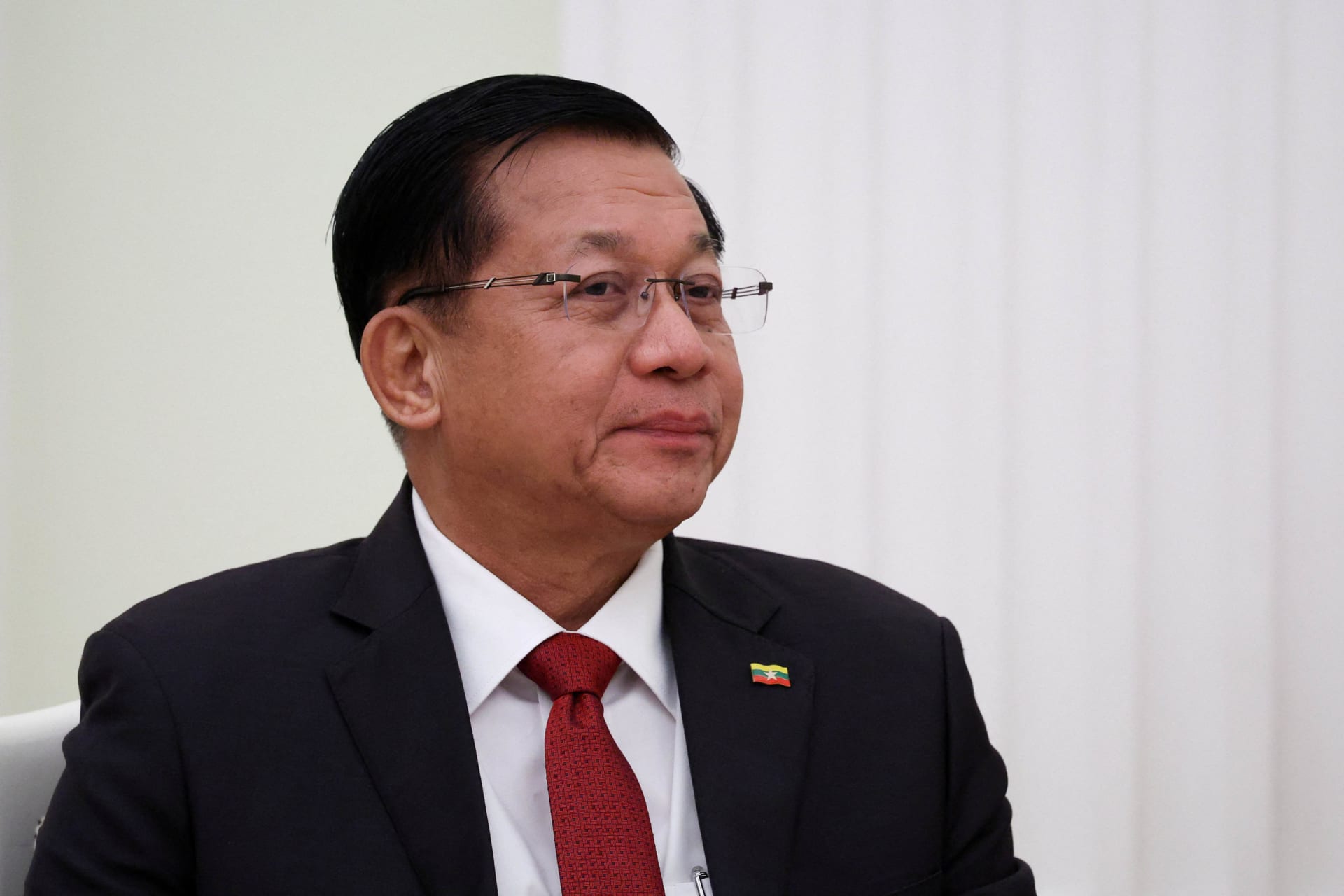
Myanmar’s Junta Forces Are Gaining Back Ground, Presaging a Long-Term QuagmireOctober 13, 2025By Joshua Kurlantzick
Thailand Has Become Southeast Asia’s Hub of Transnational RepressionOctober 9, 2025By Joshua Kurlantzick
How America Can Win in Space to Protect Taiwan and BeyondSeptember 24, 2025By Andrew Hanna and Kathleen Curlee
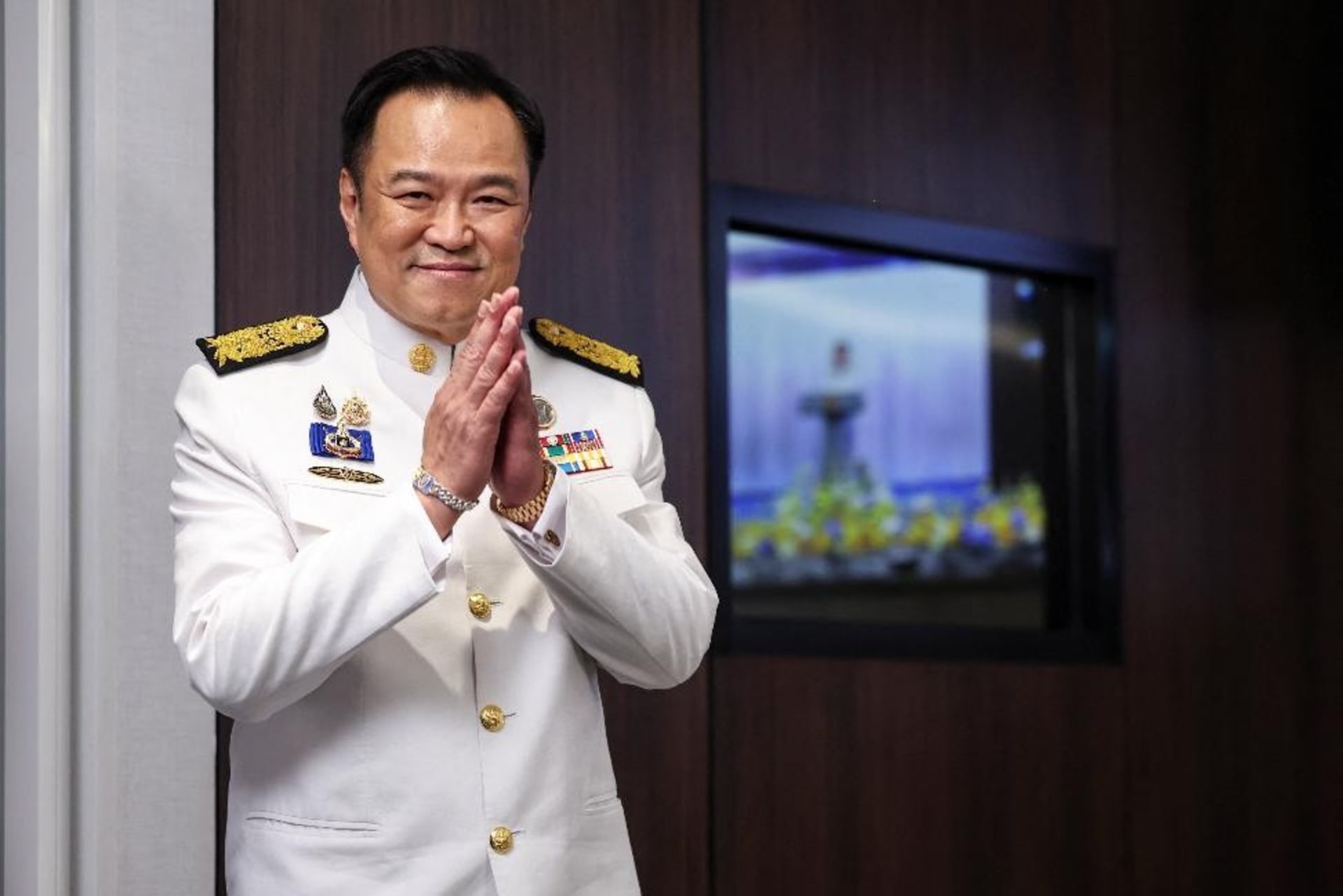
Thai Politics Poised for a Meltdown – or a Massive BreakthroughSeptember 18, 2025By Joshua Kurlantzick
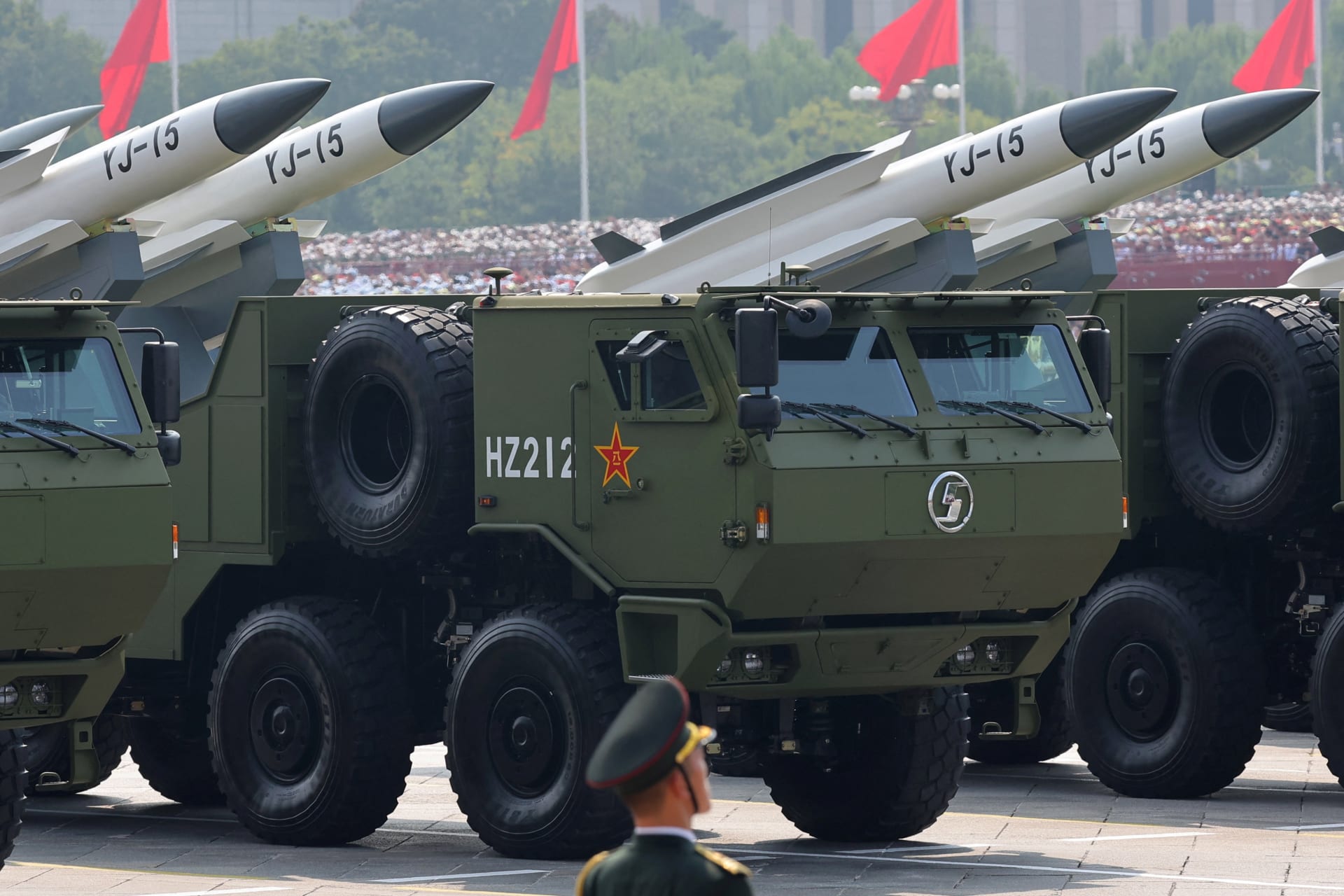
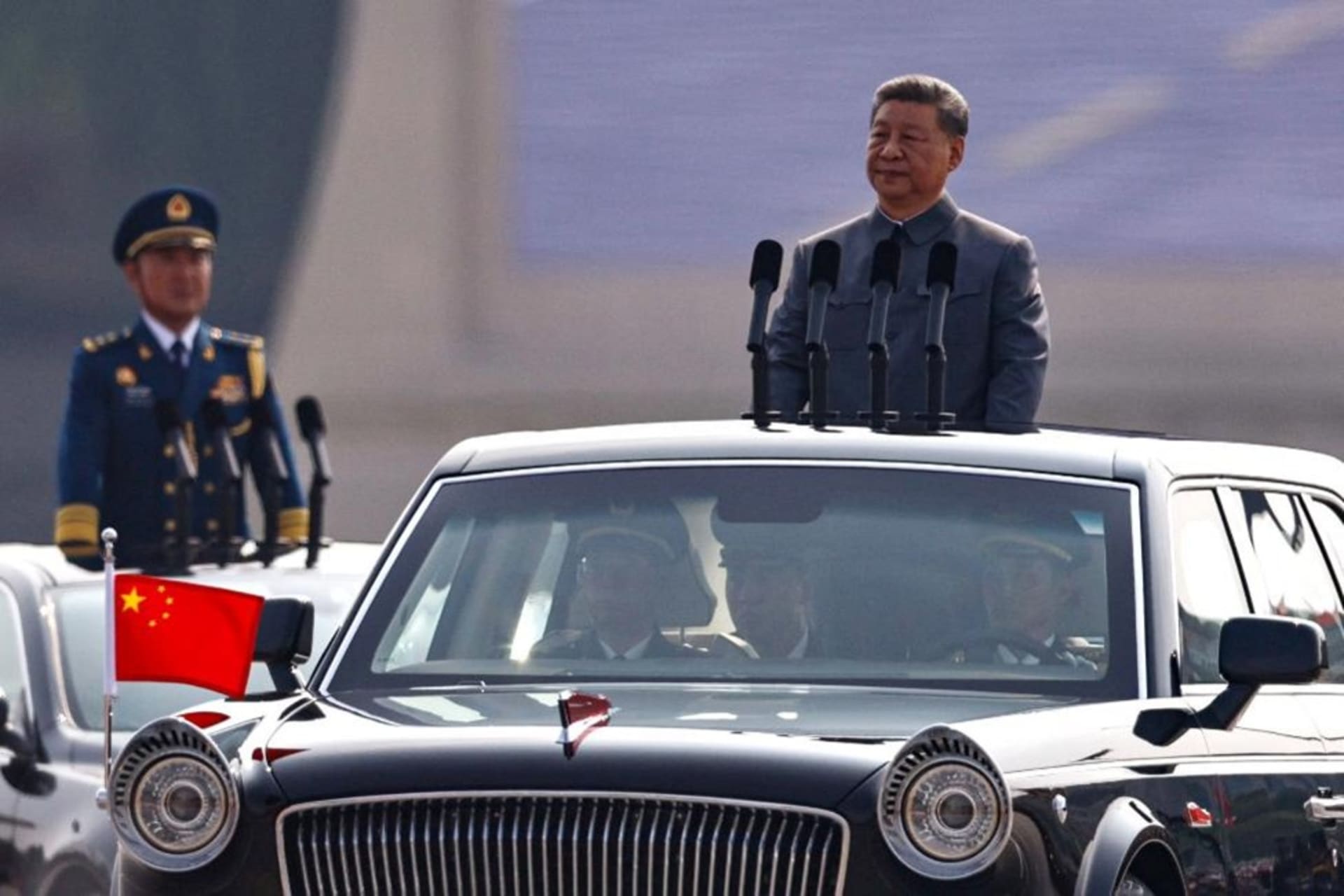
China is Becoming a Military Power in Southeast Asia in More Ways than People ThinkSeptember 15, 2025By Joshua Kurlantzick and Annabel Richter
 Expert Take
 Expert Take