Are the UN Sustainable Development Goals (SDGs) on Track for 2030?
Updated
The United Nations’ ambitious development agenda aims to protect people and the planet via seventeen goals. But experts say governments aren’t doing enough to implement them ahead of the 2030 deadline.
- In 2015, the UN General Assembly adopted seventeen Sustainable Development Goals (SDGs), an ambitious roadmap to eradicate poverty, reduce inequality, and protect the planet against climate change by 2030.
- As the deadline nears, only 36 percent of assessable SDG targets are on track or making moderate progress. The COVID-19 pandemic, worsening climate crisis, slowing global economic growth, and ongoing conflicts have impeded progress.
- At the 2024 UN Summit of the Future, governments adopted the Pact for the Future, reaffirming support for the Paris Agreement and pledging accelerated action on both climate change and the SDGs.
What are backgrounders?
Authoritative, accessible, and regularly updated Backgrounders on hundreds of foreign policy topics.
Who Makes them?
The entire CFR editorial team, with regular reviews by fellows and subject matter experts.
Introduction
The world’s leading roadmap for ending poverty, protecting the planet, and advancing basic living standards is struggling to meet its ambitious goals by 2030. In 2015, countries committed to seventeen SDGs that address a broad range of global issues, such as gender equality, climate change, and a lack of universal, quality education.
But although commitment to the SDGs remains strong in principle, countries are facing mounting challenges to their implementation, including the lasting effects of the COVID-19 pandemic, accelerating climate change, declining development assistance, and ongoing major conflicts in Africa, Europe, and the Middle East. With the 2030 deadline fast approaching, only 36 percent of assessable SDG targets are on track or making moderate progress toward completion, while nearly 50 percent are lagging, and 15 percent are regressing. Experts say that meeting the goals will require significantly more shared commitment and international cooperation and greater financial investment, including mobilizing trillions of dollars more in public and private financing for sustainable development.
What are the Sustainable Development Goals, and how are they financed?
The SDGs, also known as the 2030 Agenda for Sustainable Development, are a set of seventeen interconnected goals with 169 targets—specific, measurable objectives—for improving global economic, environmental, and social conditions by 2030. The UN Department of Economic and Social Affairs’ Division for Sustainable Development Goals acts as the secretariat for the SDGs, which are meant to apply equally to all countries.
Funding for the SDGs comes from a mix of public and private sources. These include national governments, the private sector, multilateral development banks, and philanthropic organizations. In 2015, countries established the Addis Ababa Action Agenda [PDF], a framework for global financial practices aimed at generating more private investment in sustainable development.
The Joint SDG Fund, the United Nations’ flagship funding mechanism for accelerating SDG implementation, provides grants to bolster national financing strategies and advance development priorities such as social protection, employment, and food systems. The fund’s capital comes primarily from contributions made by UN member states, governments, international organizations, philanthropic individuals, and the private sector. As of 2025, there were twenty-two contributors to the fund; Spain is the leading donor, with a cumulative total of nearly $142 million.
Since its inception in 2018, the fund has committed $400 million across 409 joint programs and 126 UN country teams, as well as mobilized more than $8 billion in additional financing. The fund also operates on a 1:20 ratio financing model, meaning that every $1 committed to the fund mobilizes $20 in additional capital.
What progress has been made toward meeting the goals?
As of 2026, none of the SDGs are on track to be achieved by the 2030 deadline. The 2026 SDG report notes that while progress has been made toward achieving the goals, it is “uneven and insufficient” against the backdrop of challenges including declining global development assistance, growing national debt burdens, rising conflicts, and increasing climate shocks.
The SDG Index uses a sliding scale of zero to one hundred to rank countries based on their performance across the seventeen goals. Finland ranks first on the index with a score of 87.4, followed by Sweden (86.3), Denmark (85.7), and Norway (84.1). These four countries have all achieved the SDG goals of ending poverty, ensuring access to affordable and clean energy, and building industry, innovation, and infrastructure.
Meanwhile, the United States and China, the world’s two largest economies, rank forty-fifth and forty-ninth, respectively. The United States has reached the threshold required to achieve just one goal (industry, innovation, and infrastructure), while China has met the threshold for two goals (no poverty and quality education).
But the index does not tell the whole story, some experts say, because there is so much variation among the targets. Wealthier countries, many of which can easily achieve or have already achieved social development goals, score high on SDG rankings even if they are consuming natural resources at an unsustainable pace. This is because there are more goals addressing human and economic development than ecological sustainability.
Finland, for example, ranks first on the index but had the highest rate of per capita material footprints [PDF] in Europe in 2025, reaching more than thirty-five tons per capita compared to roughly fourteen tons for the European Union that same year. It also scores poorly (ranking 144 out of 169) on the SDG Index’s spillover portion, which measures how a country’s actions positively or negatively affect other countries’ abilities to achieve the SDGs.
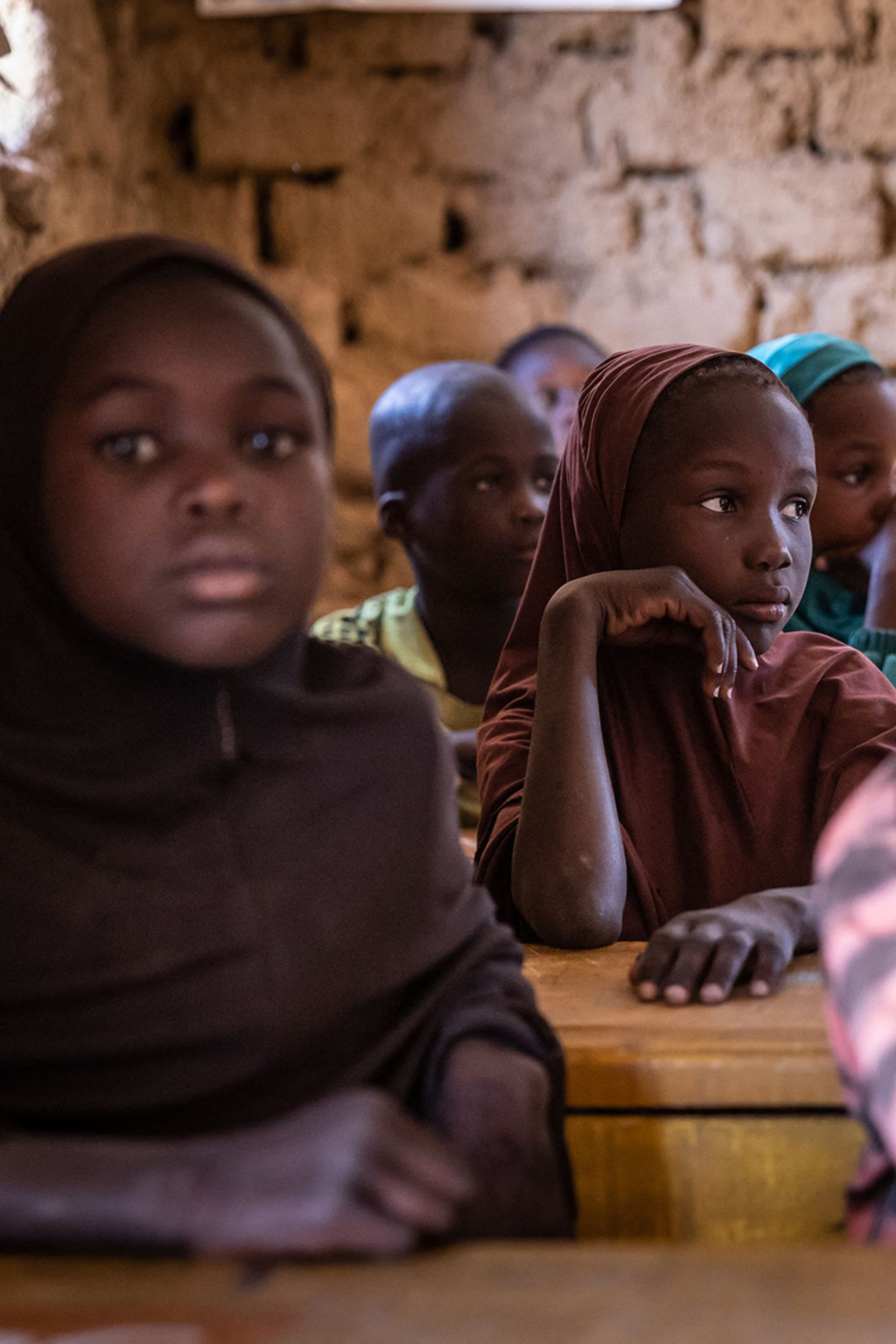
In comparison, Cambodia ranks 108 on the SDG Index but rises to 22 for spillovers. The country has made notable progress toward the SDGs since 2015, making improvements in education, health care, and access to essential services. But Cambodia and other developing countries still face severe underinvestment, climate change disruptions, and widespread inequality, hindering their progress.
How are the SDGs measured and monitored?
Progress on the SDGs is monitored using a global indicator framework featuring 234 unique indicators under the purview of the UN Statistical Commission. The UN Statistics Division, in partnership with individual UN agencies, collects information provided by member countries and organizes it thematically in its database. This database disaggregates data across multiple demographic and socioeconomic categories, including age, ethnicity, income, education level, and race; it also contains information tracking progress [PDF] on the specific targets.
Some examples include the proportion of a country’s population that is living below the national poverty line, by age and sex, and the existence of legal frameworks protecting against sex discrimination, to gauge gender equality. Some countries also adopt specific national or regional-level indicators that measure SDG progress relevant to their unique concerns.
Ultimately, data collection is voluntary and countries are responsible for reporting their own progress toward meeting the SDGs. The UN Statistics Division produces the annual progress reports that make cross-country comparisons, but governments are additionally encouraged to submit voluntary national reviews. These reviews are “country-led and country-driven”—with the United Nations providing some guidelines for conduct—and are meant to share successes, challenges, and next steps. Since the process began in 2016, three countries—the United States, Haiti, and Myanmar—still have yet to conduct and present a voluntary national review.
What are the main critiques of the SDGs?
Development experts have raised several criticisms of the SDGs, calling them too broad, too numerous, and too ambitious. “It is hard to imagine what the time-bound and quantified target is for harmony with nature,” New York University’s William Easterly wrote for Foreign Policy when the SDGs were launched in 2015. “Unlike the MDGs, the SDGs are so encyclopedic that everything is top priority, which means nothing is a priority.”
Some experts have instead called for a more focused approach, such as identifying and investing in a smaller selection of the most cost-effective targets. On the other hand, proponents of the far-reaching global goals counter that they help to mobilize support and resources and that they galvanize leaders to act by creating peer pressure.
Another major criticism of the SDGs is their lack of accountability for countries that fail to achieve them. Because the goals are not legally binding, there is little that the United Nations can do if a country chooses not to apply them. The United Nations itself has noted the difficulties of this arrangement [PDF], calling it a “basic failure” of the program and highlighting a dearth of coordination between national and local governments and a global financial system that is not geared toward sustainability.
Financing is another major challenge. According to the 2026 SDG report, there is an annual $4 trillion financing gap between current development financing and SDG needs. Some experts claim that blended financing, which combines private sources with grants or public funding, could help close the gap.
What does the future hold?
Failure to achieve the SDGs could have significant consequences, experts warn. According to the United Nations, about 10 percent of the world’s population lives in extreme poverty, while around 26 percent face moderate or severe food insecurity. Meanwhile, global temperatures reached 1.43°C above pre-industrial levels in 2025, and atmospheric carbon dioxide levels are at their highest in more than two million years. Without meaningful intervention, these figures will likely keep rising in the coming years.
That isn’t to say the world hasn’t made remarkable progress. Malaria prevention efforts have saved nearly 14 million lives since 2000, 92 percent of the global population has access to electricity, and 134 countries have met the target for reducing child mortality. Some experts say advancements in artificial intelligence could also lead to improvements in overall human welfare, including via disease detection and educational assistance.
But while some progress has been made, significantly more is needed. Of all the SDGs, some experts say climate action (SDG 13) in particular stands out as one of the most urgent goals given that the window to enact meaningful change is growing narrower. Part of the urgency is because “climate change operates on physical timelines that do not respond to political cycles or funding delays,” wrote Dominik Reinertz for the World Association of Industrial and Technological Research Organizations. “Unlike poverty reduction, which can be accelerated at any point with sufficient resources, carbon emissions accumulate in the atmosphere in ways that lock in warming for decades.”
Efforts toward climate action have accelerated in recent years. UN member states in attendance at the 2023 SDG Summit adopted a declaration [PDF] committing to accelerating progress toward all the SDGs by the end of the decade. The declaration also urged countries to scale up action to deliver on a UN initiative, known as the SDG Stimulus, that calls for an increase of at least $500 billion in sustainable development financing each year. (At the inaugural SDG Stimulus Leaders Group meeting in 2024, members reiterated the need to provide developing countries with access to financing.) Meanwhile, some conference participants, such as Brazil and Thailand, unveiled new, more ambitious emissions-reduction targets under the 2015 Paris Agreement, while others, such as Nepal, called for more climate adaptation financing for developing countries.
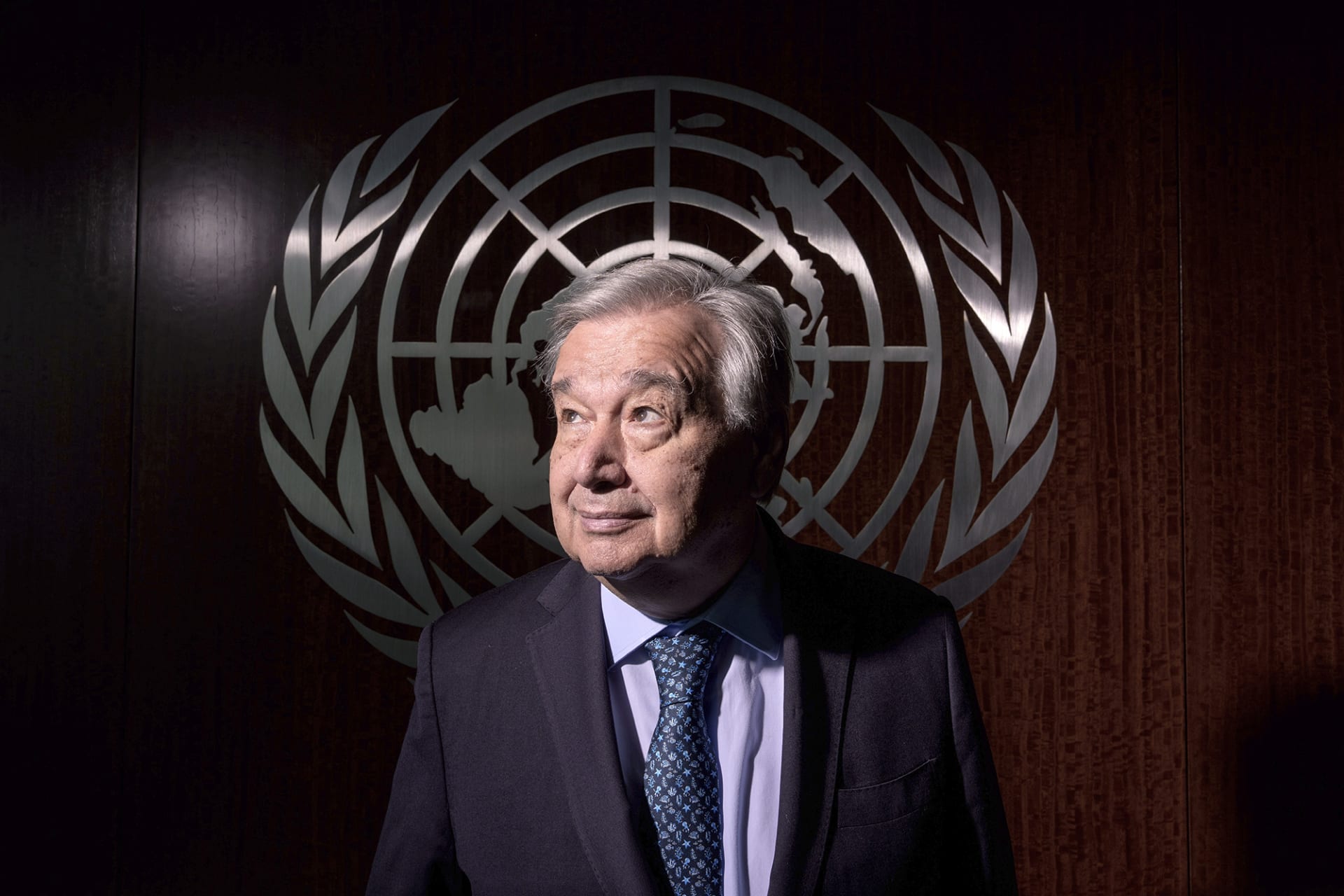
Still, the climate crisis continues “destroying lives, devastating communities, and ravaging economies,” UN Secretary-General António Guterres warned at the Summit of the Future in September 2024. That year, Earth’s average temperature rose 1.5°C (2.7°F) above pre-industrial levels for the first time, marking the hottest year on record. The global temperature increase is fueling climate-related threats, including droughts, floods, wildfires, and hurricanes.
The result of the Summit of the Future was the Pact for the Future [PDF], in which UN member states committed to taking accelerated action on climate change and the SDGs. This pledge was reinforced at the 2025 Financing for Development Summit, where world leaders endorsed the Sevilla Commitment, laying out a path to close the $4 trillion annual SDG financing gap in developing countries.
Recommended Resources
The Sustainable Development Report tracks countries’ progress toward achieving the SDGs.
At this CFR event, experts discuss the prospects for advancing the SDGs by 2030.
This UN report monitors global implementation of the SDGs as of 2026.
This CFR photo essay illustrates how climate change affected different regions in 2024, which set an ominous global heat record with mounting economic and societal ramifications.
Explore CFR Education’s library of resources on climate change.
At this 2023 CFR meeting, U.S. Ambassador to the United Nations Linda Thomas-Greenfield discusses the SDGs and how to avoid the cynicism trap.
Colophon
Staff Writers
Additional Reporting
Kaleah Haddock and Danielle Renwick contributed to this Backgrounder. Will Merrow created the graphics. Header image by Olympia De Maismont/AFP/Getty Images.
 Backgrounder
 Backgrounder
 Backgrounder
 Backgrounder
 Backgrounder