Six Essential International Organizations You Need to Know
Learn about the most prominent international organizations tackling the world’s biggest issues in this free resource.

By experts and staff
- Updated
What are international organizations?
Below, let’s explore six of the world’s most prominent international organizations: the United Nations, the North Atlantic Treaty Organization (NATO), the European Union (EU), the World Trade Organization (WTO), the Group of Twenty (G20), and the International Criminal Court (ICC). Many of these organizations were created to promote global peace and prosperity, including through of international security, trade, and monetary policy, forming part of the liberal world order.
United Nations
Year established: 1945
Member countries: 193 (2 non member states, the Holy See and the State of Palestine, are permanent observers)
Headquarters: New York City, United States
Mission: To promote international peace and stability, human rights, and economic development
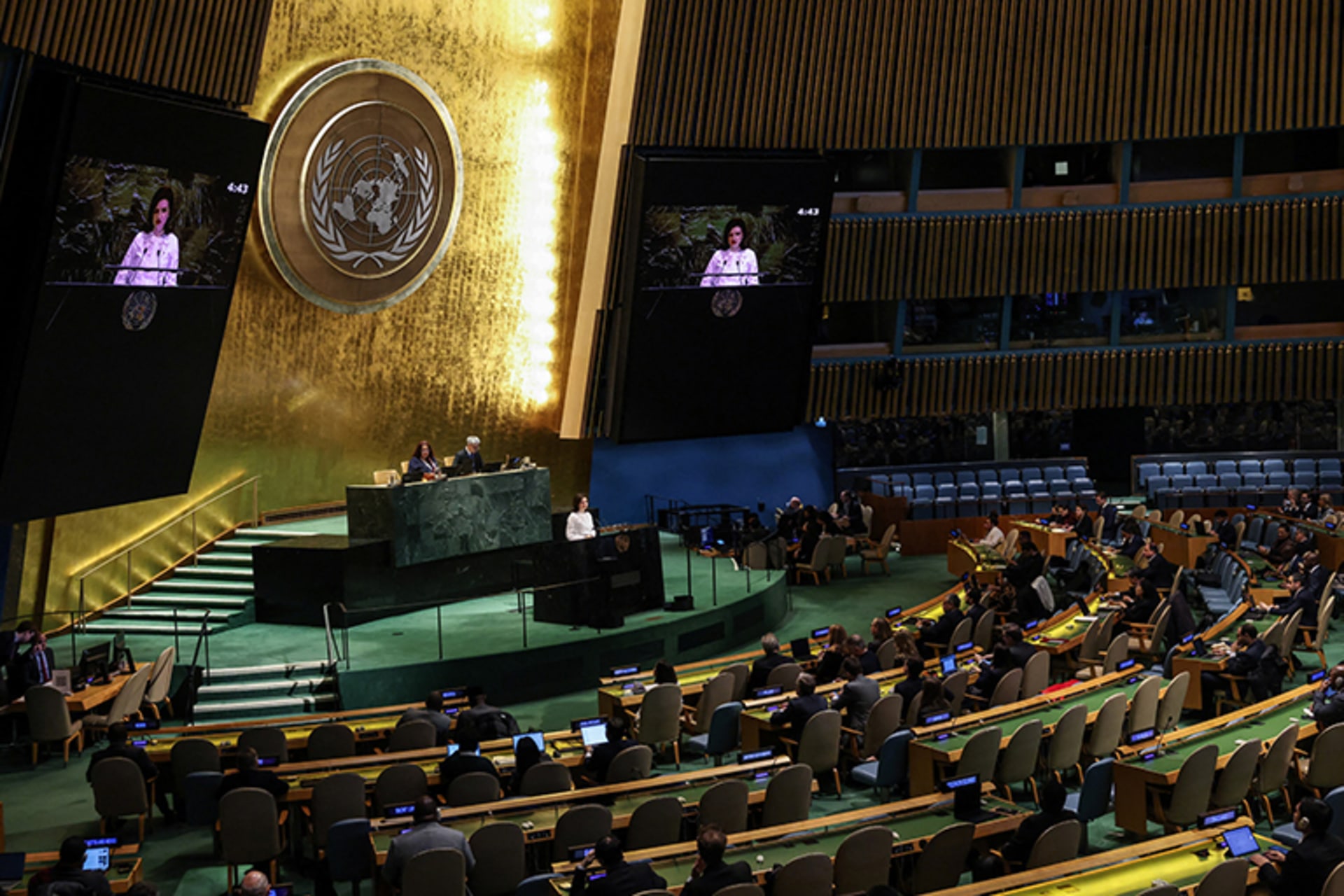
The United Nations is composed of many specialized agencies, including the UN Children’s Fund (UNICEF), the UN Educational, Scientific, and Cultural Organization (UNESCO), the World Bank, the World Health Organization (WHO), and more. Members of the UN Security Council, one of the institution’s six principal organs, focus on maintaining international peace and security.
Year established: 1949
Member countries: 32 in North America and Europe, including Turkey (expanded from 12 when NATO was founded)
Headquarters: Brussels, Belgium
Mission: To safeguard its members’ freedom and security by both political and military means
The fifth article in the North Atlantic Treaty establishes the principle of , committing each member to defend any other that is attacked. While Article 5 has been invoked only once, in response to the 9/11 attacks, NATO has used the principle to intervene in conflicts many times over the last several decades, including in Afghanistan, the Balkans, and Libya.
(EU)
Year established: 1993
Member countries: 27
Headquarters: Brussels, Belgium
Mission: To help member countries cooperate on economic, political, and security matters
The EU helps its members by removing trade barriers, sharing a common currency (twenty of its twenty-seven members use the euro), and allowing EU citizens to move freely among many member states. The EU is a global economic force, representing around one-sixth of the world’s economy. The United Kingdom was a member of the EU, but withdrew (in what was called “Brexit”) in 2020.
Year established: 1995
Member countries: 166
Headquarters: Geneva, Switzerland
Mission: To manage the rules of international trade and ensure the fair and equitable treatment of all members through negotiations and trade dispute settlements
The World Trade Organization governs international trade, making sure you can access the products and services that you use on a daily basis. The WTO creates global trade rules and settles disputes among countries, which might disagree on the interpretation of those rules. It aims to ensure the smooth flow of international trade amid the world’s many different , quotas, and other trade restrictions.
G20
Year established: 1999
Member countries: 20 (19 individual countries as well as the European Union (EU) and the (AU))
First summit location: Washington, D.C.
Mission: To convene officials from the world’s largest economies, both advanced and developing, to jointly address global economic concerns and coordinate economic policies
The Group of Twenty holds the annual G20 summit, a series of meetings that bring together finance ministers, governors, and heads of member governments to coordinate on global economic issues. For example, members of the G20 summit in the late 2000s and early 2010s helped create and implement policies to stem the 2008 global financial crisis. The first G20 summit was held in Washington D.D. in 2008, however, different member countries host each year.
International Criminal Court (ICC)
Year established: 2002 (when the Rome Statute, the treaty that created the ICC, came into force.)
Member countries: 125 (Several other countries, including the United States, signed but did not ratify the Rome Statute, which means they are not full members. Burundi was a member but withdrew in 2017.)
Headquarters: The Hague, Netherlands
Mission: To investigate and try those charged with , war crimes, crimes against humanity, and crimes of aggression
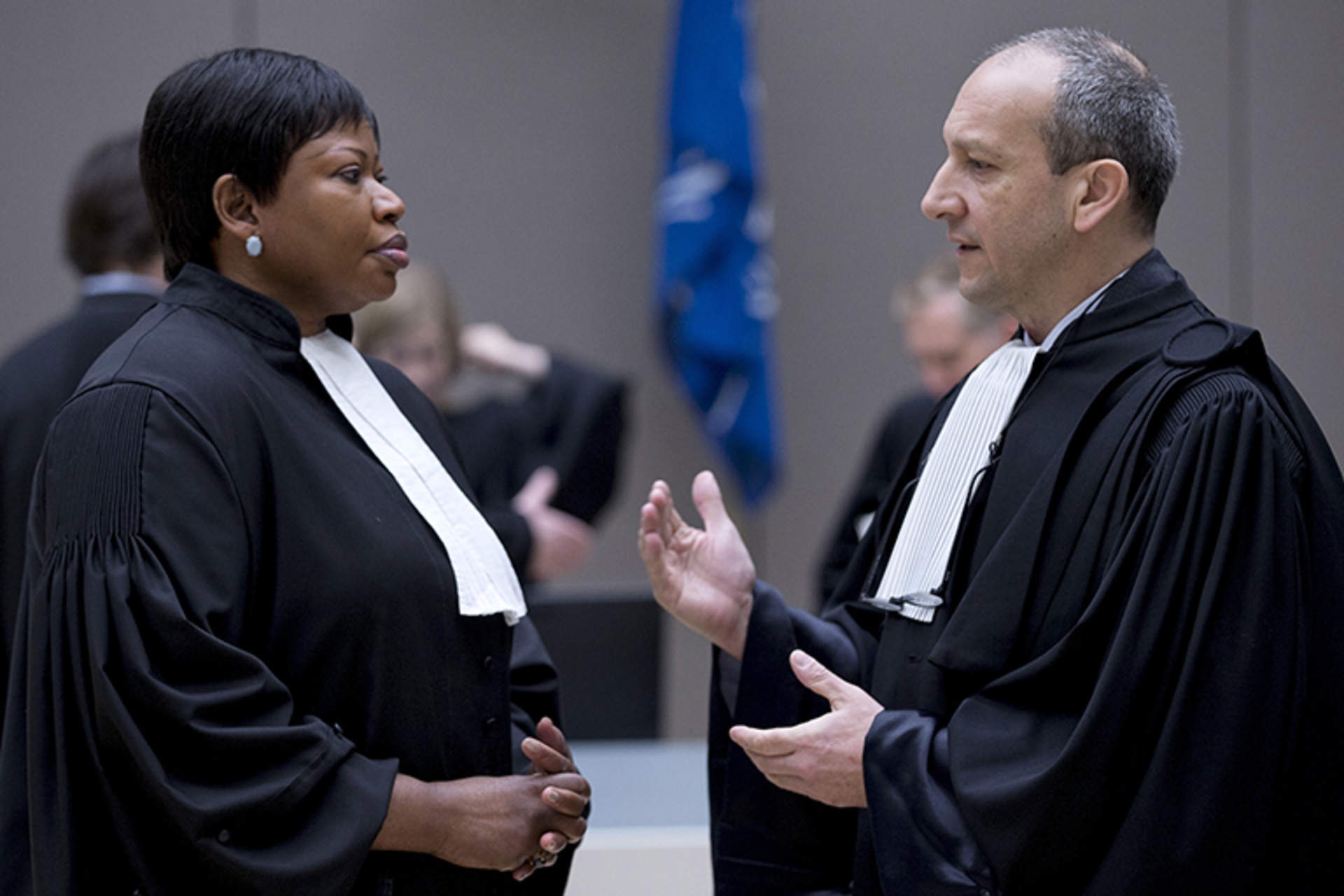
The International Criminal Court (ICC) serves as the ultimate enforcer of should national courts fail to prosecute individuals for criminal acts. However, without a global police force, the ICC struggles at times to bring individuals to trial. Additionally, governments can withdraw from the ICC if they are under investigation, and some major global powers never joined the ICC to begin with – notably the United States, China, India, and Russia.
The need for continued cooperation
As the issues tackled on a global level evolve, international institutions need to adapt. The World Trade Organization has been criticized for not updating its rules to meet the needs of new technological developments; the United Nations Security Council has been critiqued for preserving an outdated balance of power; and concerns abound over the jurisdiction of the International Criminal Court. More generally, critics are concerned that international institutions such as these require too much political will and resourcing to be nimble enough to respond to urgent issues.
Still, organizations that foster international cooperation are in place to help countries navigate potentially volatile issues diplomatically. In a world that’s more connected than ever before, institutions like these have an important role to play.
Check your understanding:
