The History of Terrorism and U.S. Counterterrorism Since 1945
From the creation of the CIA to the war on terrorism, learn about the evolution of U.S. counterterrorism policies in this terrorism timeline.

By experts and staff
- Updated
It is easy to imagine that U.S. policy began as a response to the 9/11 attacks. But efforts to stop terrorism have spanned modern U.S. history—though who was designated a , and how seriously the threats were taken, shifted dramatically over time.
What is counterterrorism?
Counterterrorism is the set of policies and actions—including intelligence collection and analysis, military action, and homeland security measures—designed to combat terrorism.
During the , the terms terrorist and subversive were largely reserved for Soviet-backed insurgents abroad and communist sympathizers at home. The label was even attached to civil rights leaders campaigning for equality. U.S. presidents viewed terrorism as a tactical threat, a low-impact security challenge that warranted only limited attention. The and its allies posed the greater strategic challenge. The collapse of this archrival in 1991 initiated the first shift in the United States’ national security priorities. A decade later, the catastrophic events of 9/11 fundamentally restructured these priorities. U.S. policymakers now see terrorism as an existential threat, both at home and abroad.
This timeline examines the vastly different ways in which U.S. administrations have defined and prioritized domestic and foreign terrorist threats. It also considers how these policymakers have balanced the national security agenda with civil liberties such as the right to privacy and the right to a fair trial. This timeline is not an exhaustive list of counterterrorism policies and operations; rather, it illustrates changing priorities that led to today’s two-decade-long .
Timeline: U.S. Counterterrorism Since 1945
1945–53: Harry S. Truman - New Security Priorities After World War II
The Soviet Union emerged as an international superpower in the wake of World War II. In response, President Harry S. Truman enacted a series of sweeping domestic and international policies. These actions aimed to confront and contain this rising global competitor. One such measure restructured the United States’ military and intelligence agencies, forming the basis of today’s U.S. national security apparatus.
1947National Security Act Creates the CIA
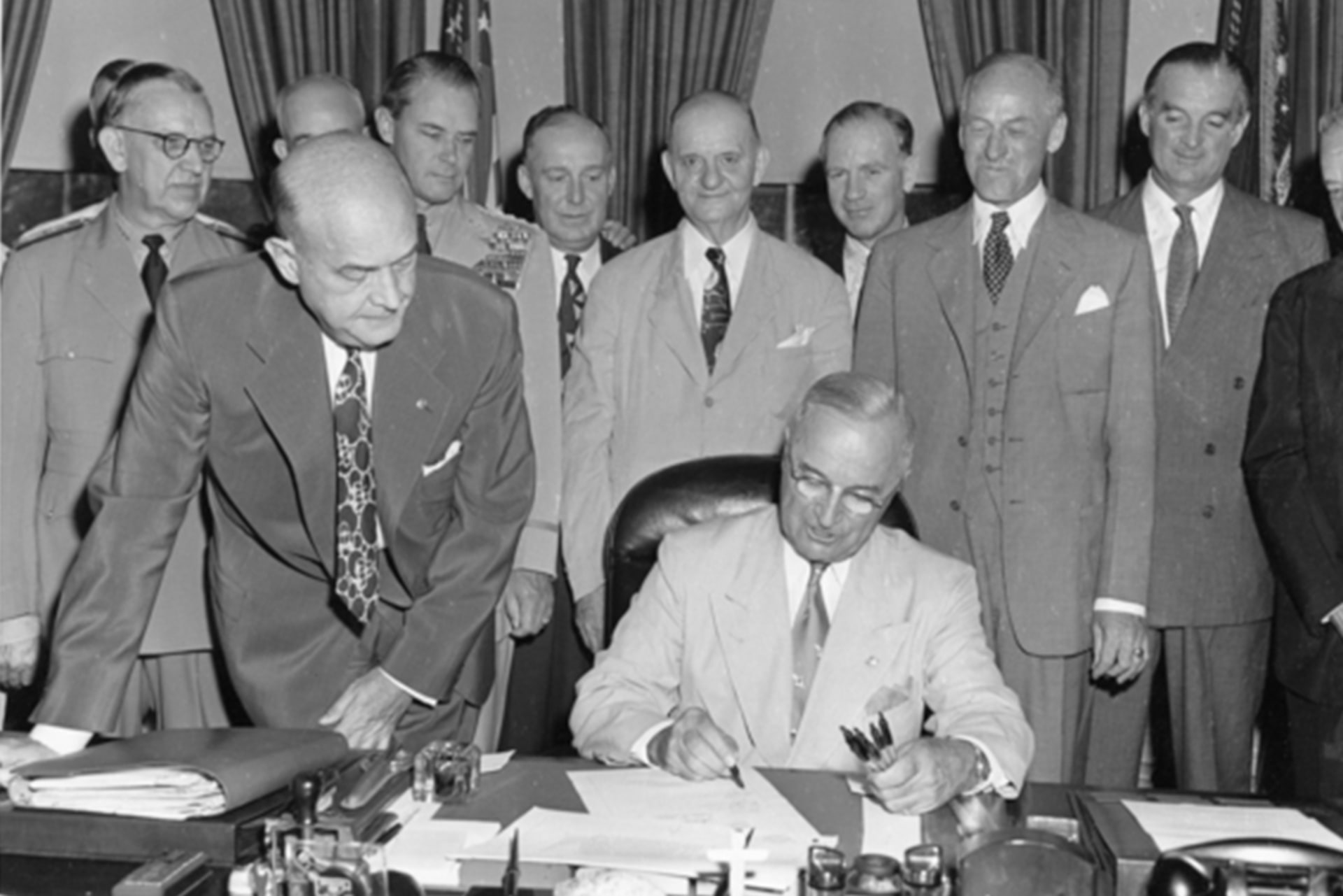
The of 1947 established the National Security Council and the Central Intelligence Agency, the first peacetime intelligence agency. This structure remained in place until 2004, when Congress created a new office—the Director of National Intelligence. This role was created to coordinate and promote information sharing across the U.S. intelligence community. The National Security Act, along with a 1949 amendment, also created the Department of Defense. This executive department is led by a secretary who oversees the Army, Navy, and Air Force, which form the basis of today’s U.S. military.
1953–61: Dwight D. Eisenhower - Rise of the Red Scare
American fears of communists, radical leftists, and anarchists spread in the early twentieth century amid attacks against politicians, judges, and bankers. This period, from 1917 to 1920, is known as the First Red Scare. President Dwight D. Eisenhower took office three decades later, when U.S. policymakers once again feared due to growing Soviet global influence. The FBI more than doubled in size throughout the 1940s and 1950s in a wave of anti-communist hysteria led by Wisconsin Senator Joseph McCarthy. This period—known as the Second Red Scare or the era of McCarthyism—was marked by political repression. Accusations of communist sympathizing destroyed the careers of thousands of politicians, academics, and entertainers.
1953COINTELPRO Targets Communist Groups
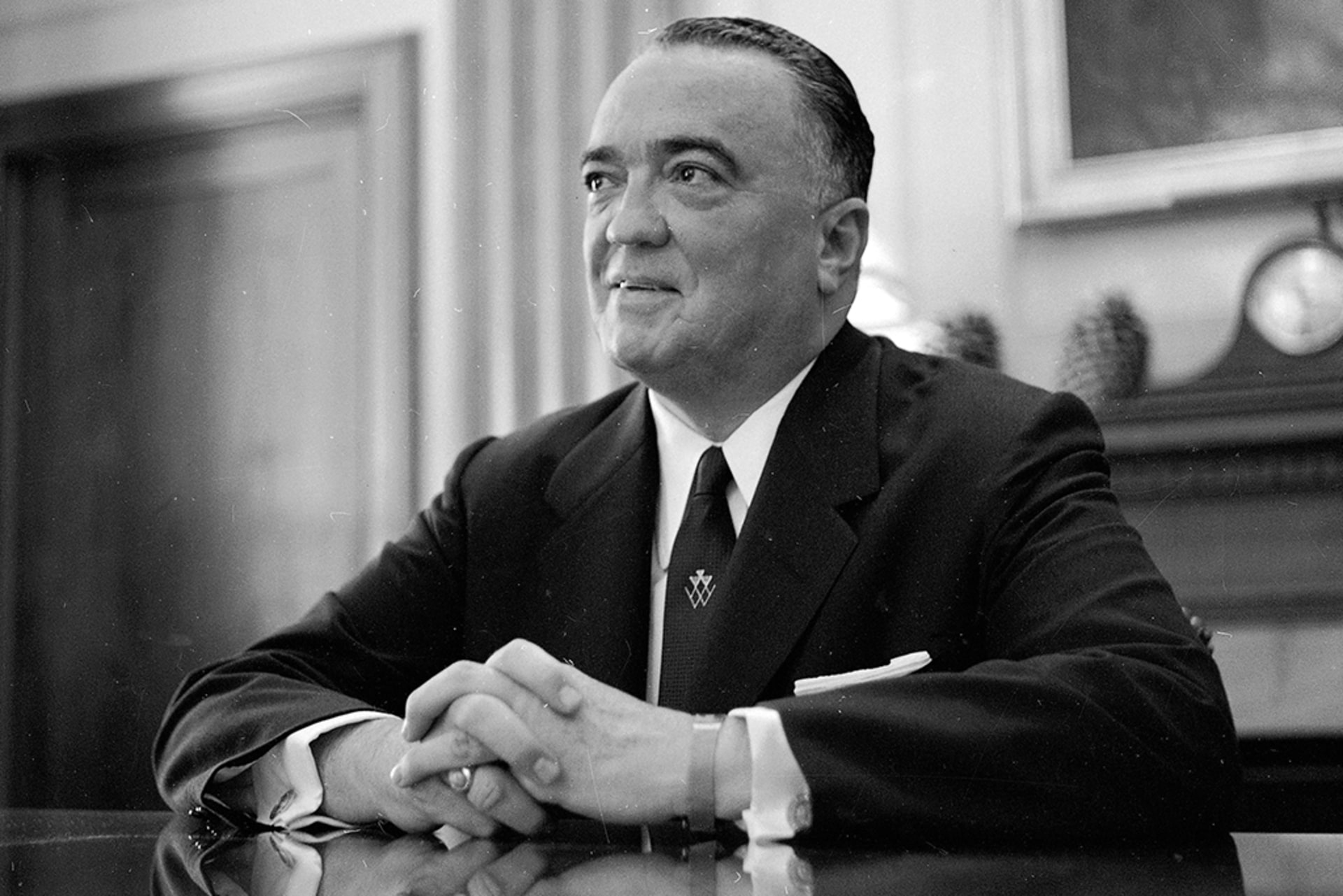
FBI Director J. Edgar Hoover directed an aggressive FBI operation targeting domestic political organizations that he considered threats to the “internal security” of the United States. Agents working on Hoover’s operation, later called the Program (COINTELPRO), initially sought to disrupt communist groups in the United States. COINTELPRO served as a forerunner of modern-day domestic tactics such as those laid out in the post-9/11 .
1961–63: John F. Kennedy - Showdown With the Soviets
The Cold War intensified during the Kennedy administration, as the two global superpowers narrowly avoided nuclear war. Kennedy’s top priority was confronting Soviet influence at home and abroad, not combating terrorism. U.S. policymakers did not view international terrorism as an existential threat. Instead, the term terrorist was often used to refer to Soviet-backed insurgents and guerrillas acting as Cold War in locations such as Cuba and Vietnam.
1963CIA Warns of American Vulnerabilities
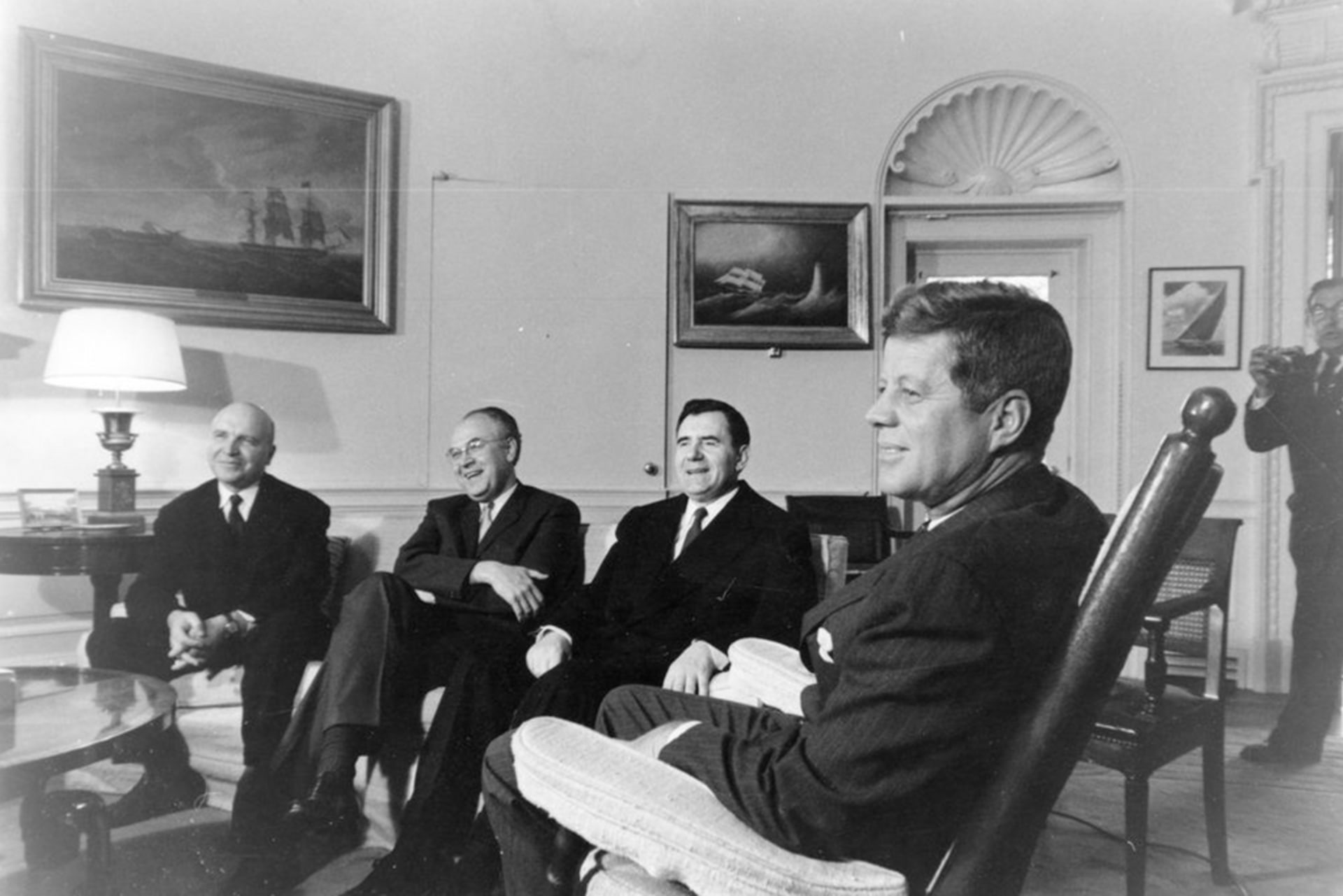
In March 1963, the CIA reported that the United States was highly vulnerable to weapons of mass destruction—nuclear, chemical, and biological weapons—being smuggled into the country. Kennedy, however, did not implement any additional counterterrorism measures, in sharp contrast to today’s response to such threats. He believed that the Soviets—and only the Soviets—were capable of carrying out such an attack. According to Kennedy, it was highly unlikely that the Soviets would want to provoke nuclear war for fear of .
1963–69: Lyndon B. Johnson - Social Unrest at Home
Following a decade of post–World War II prosperity that largely benefited white Americans, groups advocating for civil rights reform and other political change sparked domestic unrest. Reaction to this social upheaval dominated the counterterrorism agenda of the 1960s. Law enforcement resources were spent targeting domestic groups, individuals, and ideologies deemed threatening to national security.
1964FBI Tracks MLK Jr., Civil Rights Leaders
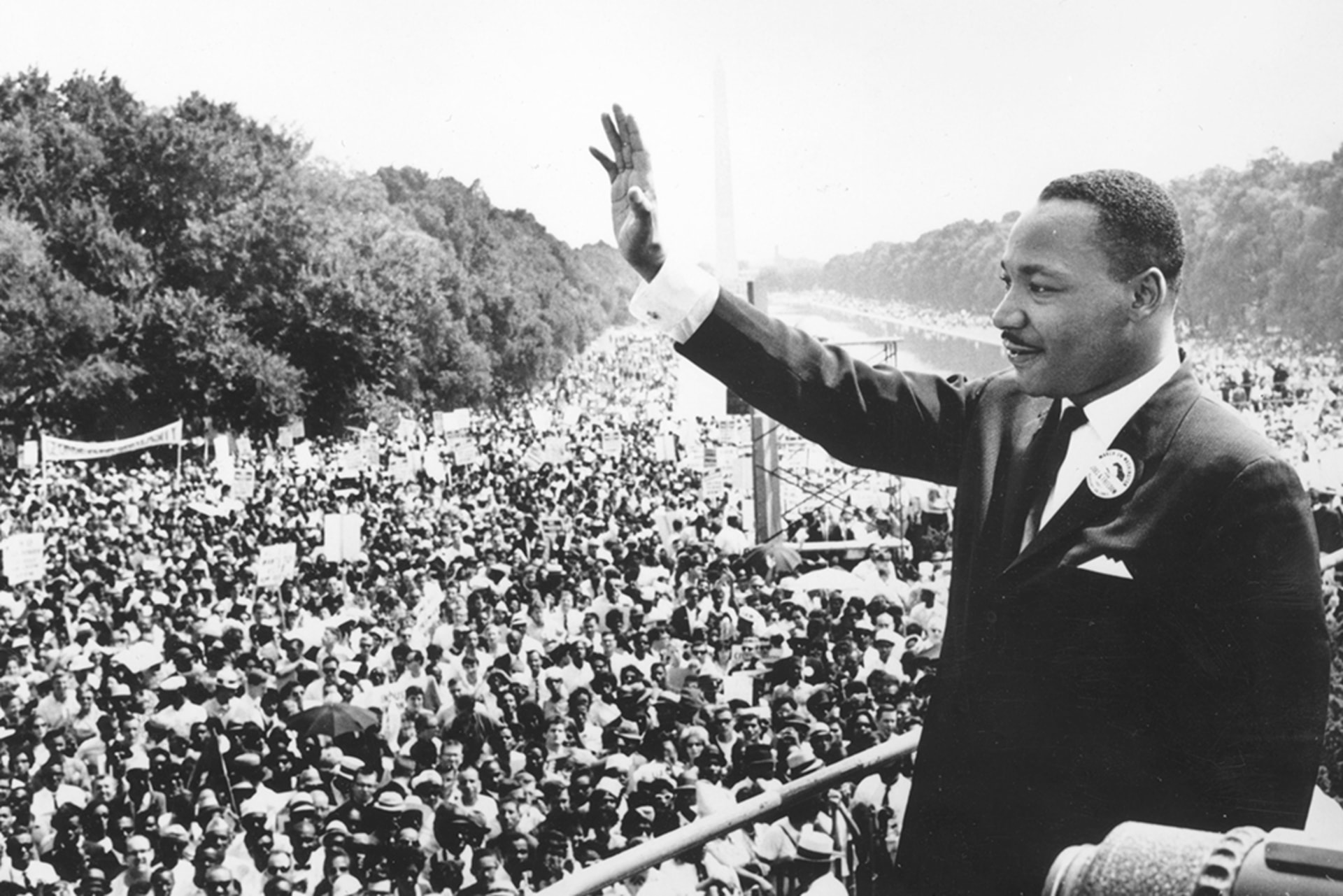
FBI Director J. Edgar Hoover’s Counterintelligence Program (COINTELPRO) tracked not just groups with alleged communist affiliations but also civil rights leaders such as Martin Luther King Jr. COINTELPRO also sought to “neutralize” the activities of groups including the Black Panthers. However, under Hoover, COINTELPRO greatly exceeded the bounds of intelligence gathering. In 1964, the FBI went so far as to send an anonymous blackmail note to King, which appeared to insinuate that he should kill himself. “You are done. King, there is only one thing left for you to do,” the letter read. “You know what it is.”
1969–74: Richard Nixon - Hijackings in America
The U.S. government did not always view airplane hijackings as terrorist threats. Between 1968 and 1972, more than 130 airplane hijackings took place in the United States, occurring at a rate of about two per month. The vast majority were carried out by Americans trying to reach Cuba. These “” became so common that the Swiss government, which represented U.S. diplomatic interests in Cuba, created a form letter to request the return of the diverted plane, crew, and passengers. Finally, the Air Line Pilots Association, tired of having its planes overtaken by gun-wielding passengers, demanded tougher security. However, the airline industry and the federal government dismissed the idea as ridiculous. This lack of attention to airline security is a far cry from current policy in the United States.
1972Southern Airways Flight 49 Scare Changes Airline Safety
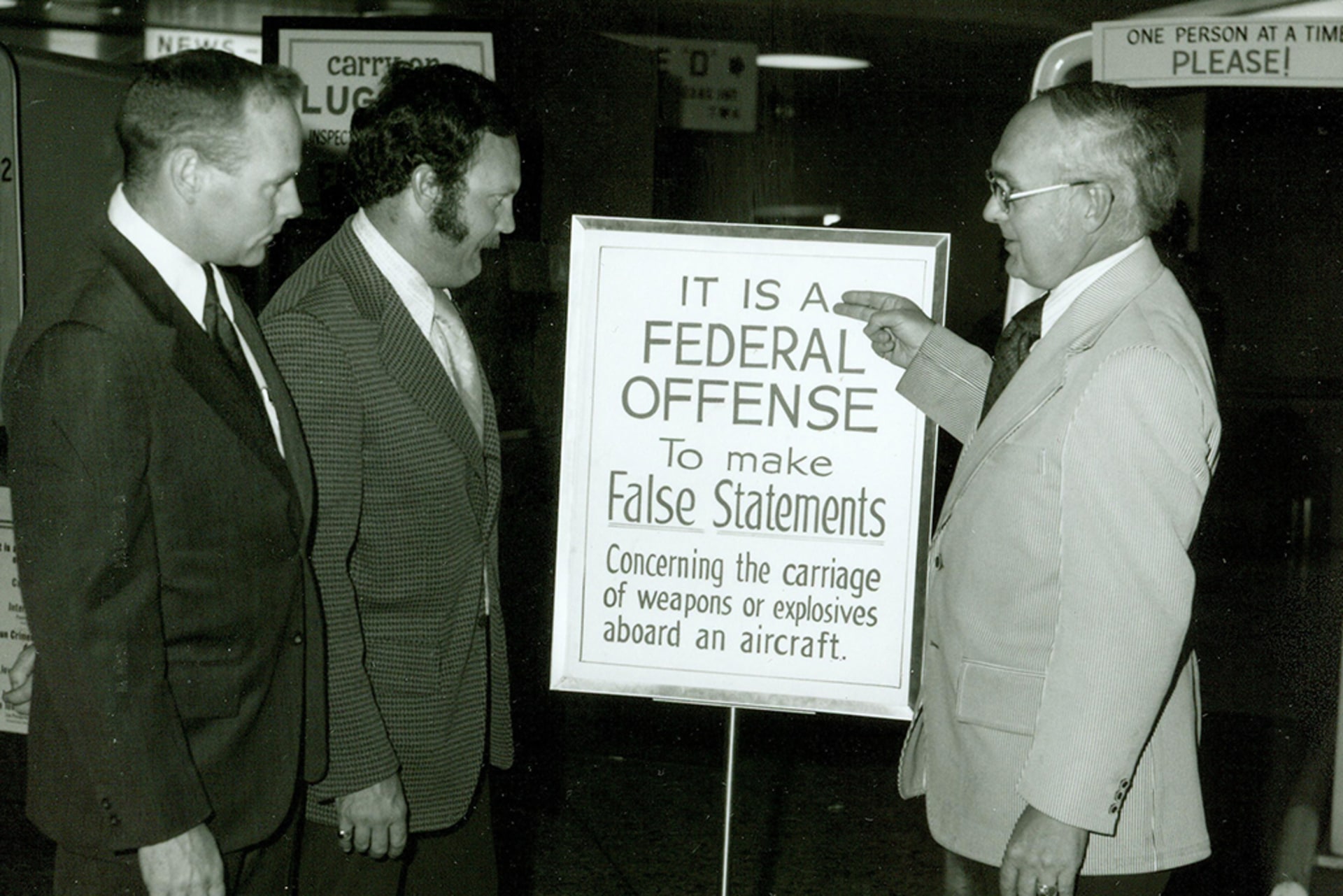
On November 11, 1972, three men armed with guns and hand grenades hijacked Southern Airways Flight 49. The hijackers threatened to crash the plane into a in Oak Ridge, Tennessee, unless they were paid $10 million. Facing a potential nuclear disaster, Southern delivered part of this money to the hijackers, who refused to release the passengers and continued to Cuba, where they were arrested. Realizing the potential mass lethality of such hijackings, the Federal Aviation Administration began full passenger and carry-on luggage screening at U.S. airports shortly thereafter, on January 5, 1973.
1974–77: Gerald Ford - The CIA and Domestic Surveillance
The American public profoundly distrusted the government following the Watergate scandal. The scandal resulted in Nixon’s resignation in 1974, prematurely ending his administration. Those feelings intensified four months into Ford’s presidency when the New York Times published a story in December 1974 exposing yet another domestic surveillance operation, distinct from COINTELPRO. In this case, the CIA conducted a “massive, illegal domestic intelligence operation” called Operation Chaos during the Nixon administration. Through Operation Chaos, a CIA unit kept files on ten thousand “ Americans” involved in antiwar activities and other protest movements. Truman’s 1947 National Security Act explicitly prohibited the CIA from conducting such internal security operations.
1976Senate Report Exposes Spying on U.S. Citizens
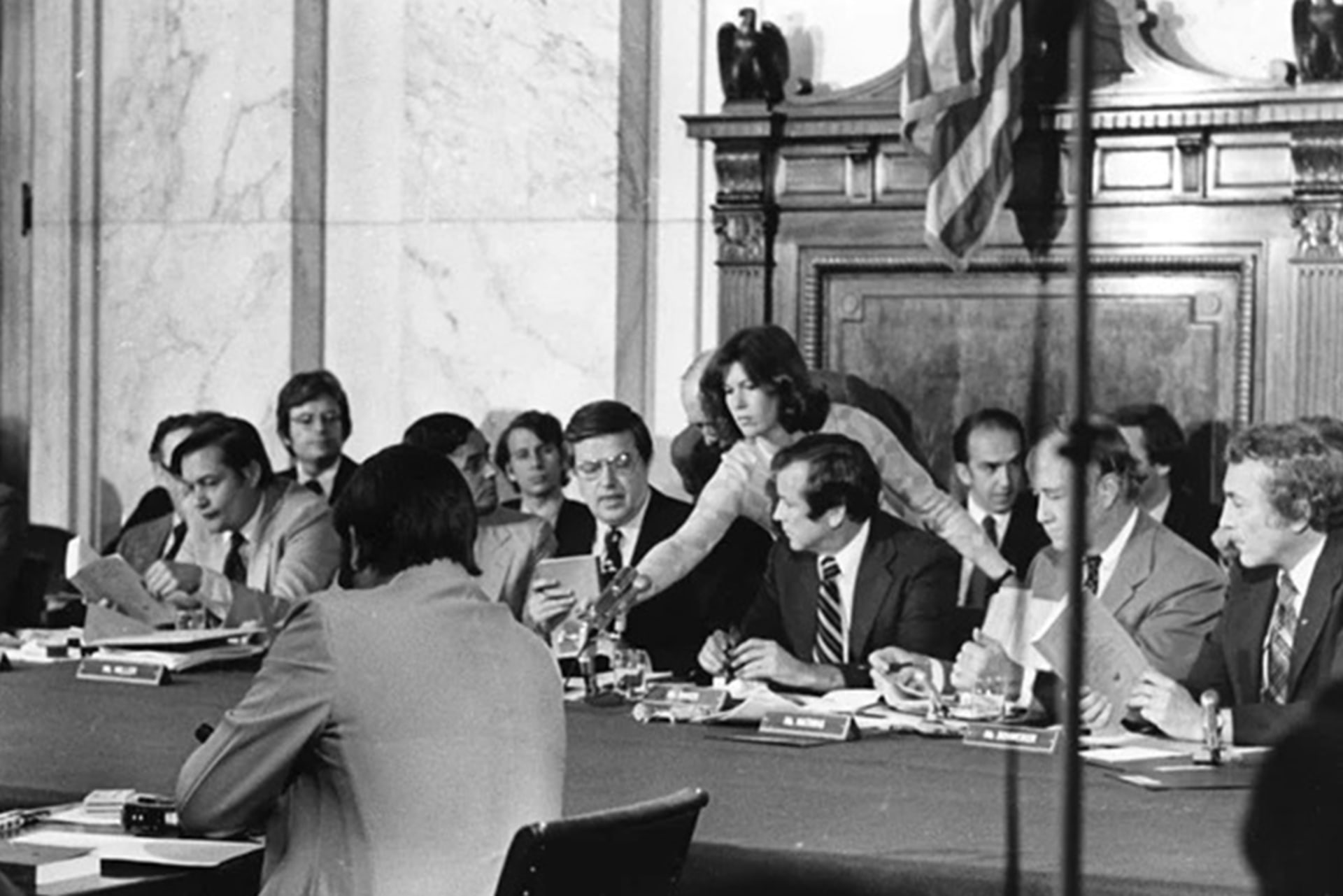
The Senate convened a special committee to investigate abuses by the CIA, FBI, National Security Agency, and Internal Revenue Service. The committee was charged with uncovering unlawful domestic surveillance operations carried out by the intelligence community. The Church Committee—chaired by Idaho Senator Frank Church—issued its eye-opening final report in April 1976. The report exposed an even farther-reaching network of politically motivated intelligence operations targeting U.S. citizens. That same year, Attorney General Edward Levi created guidelines for government agencies, including rules that limited the FBI’s ability to gather domestic political intelligence. However, subsequent attorneys general significantly weakened these guidelines. Today, it is once again easier for the FBI to surveil and investigate U.S. citizens, and such monitoring can occur even without clear proof of criminal activity.
1977–81: Jimmy Carter -
U.S. policymakers first seriously took notice of international terrorism as a threat to national interests in the 1970s. Amid a wave of high-profile attacks, perhaps most notably the killing of Israeli athletes in Munich at the 1972 Olympics, terrorism emerged on the radar of U.S. national security and intelligence agencies. In response to these threats, the United States monitored not just individuals but also entire countries that supported terrorism. The Carter administration initially singled out four countries: Iraq, Libya, South Yemen (which unified with North Yemen in 1990), and Syria. Each of these countries also had Soviet-leaning sympathies during the Cold War. Today, the State Sponsors of Terrorism list designates Cuba, Iran, and North Korea.
1979Congress Passes State Sponsors of Terrorism List
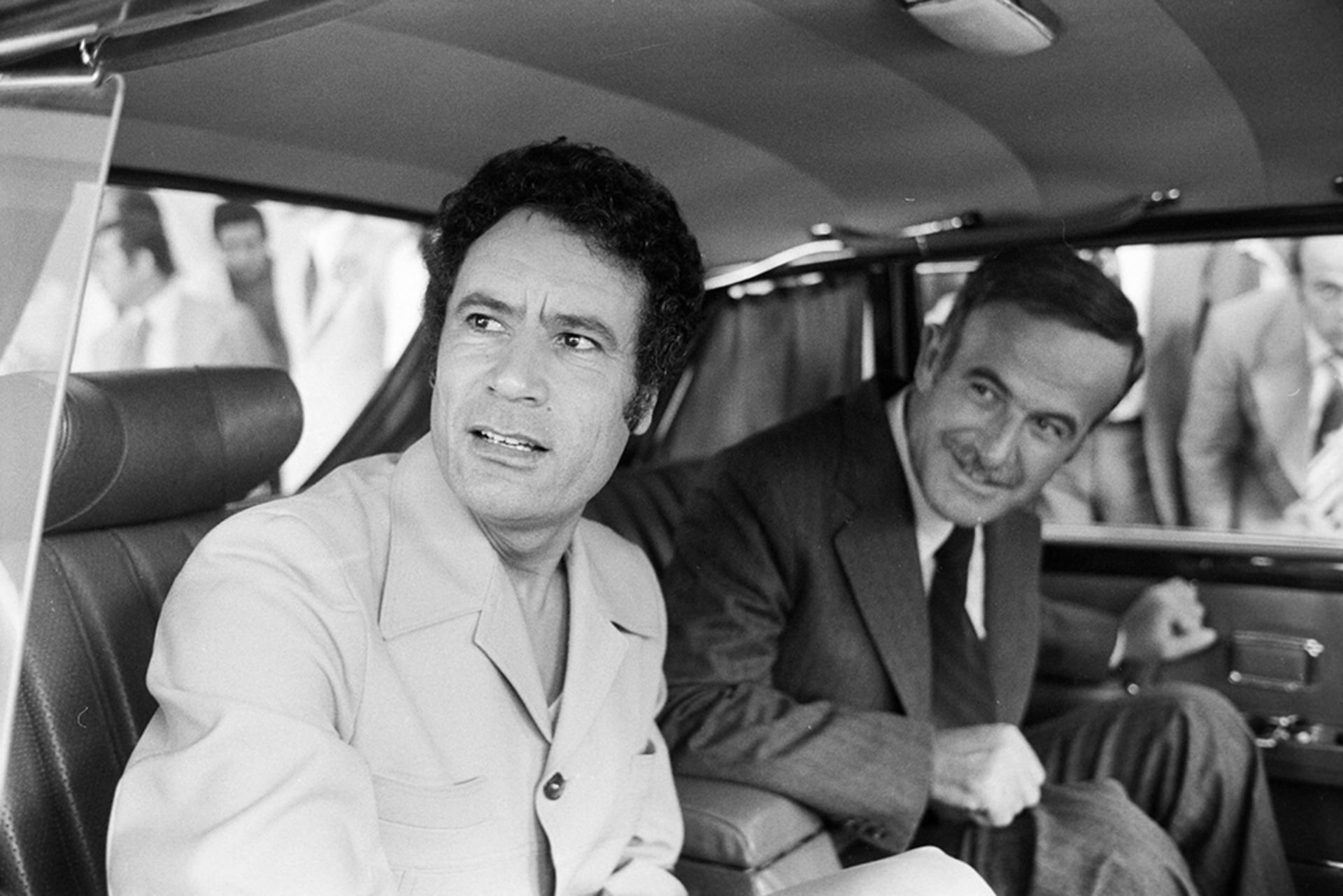
Congress passed the State Sponsors of Terrorism list in 1979 primarily to control weapons sales during the Cold War. Previously, the United States could sell planes to Syria and military vehicles to Libya with little to no oversight. With the dual threats of the Cold War and rising international terrorism, the list acted as a tool to monitor and regulate the sale of U.S. military equipment to countries actively supporting terrorism. In the past forty years, the list has grown into a powerful foreign policy instrument. The list is now used not only to monitor weapons sales but also to justify , travel bans, and similar actions.
1981–89: Ronald Reagan - International Terrorism and the Cold War
Hundreds of U.S. citizens died at the hands of state-sponsored terrorist groups throughout the 1970s and 1980s. But unlike in the post-9/11 era, U.S. policymakers did not view such terrorist attacks as existential national security threats. Rather, these acts of terrorism continued to take a backseat to the Soviet threat; the Reagan administration believed international terrorism was an unavoidable reality during the Cold War. It would take a catastrophic attack on U.S. soil to completely restructure the U.S. government and the way the country dealt with terrorism.
1983Beirut Barracks Bombing Kills Hundreds
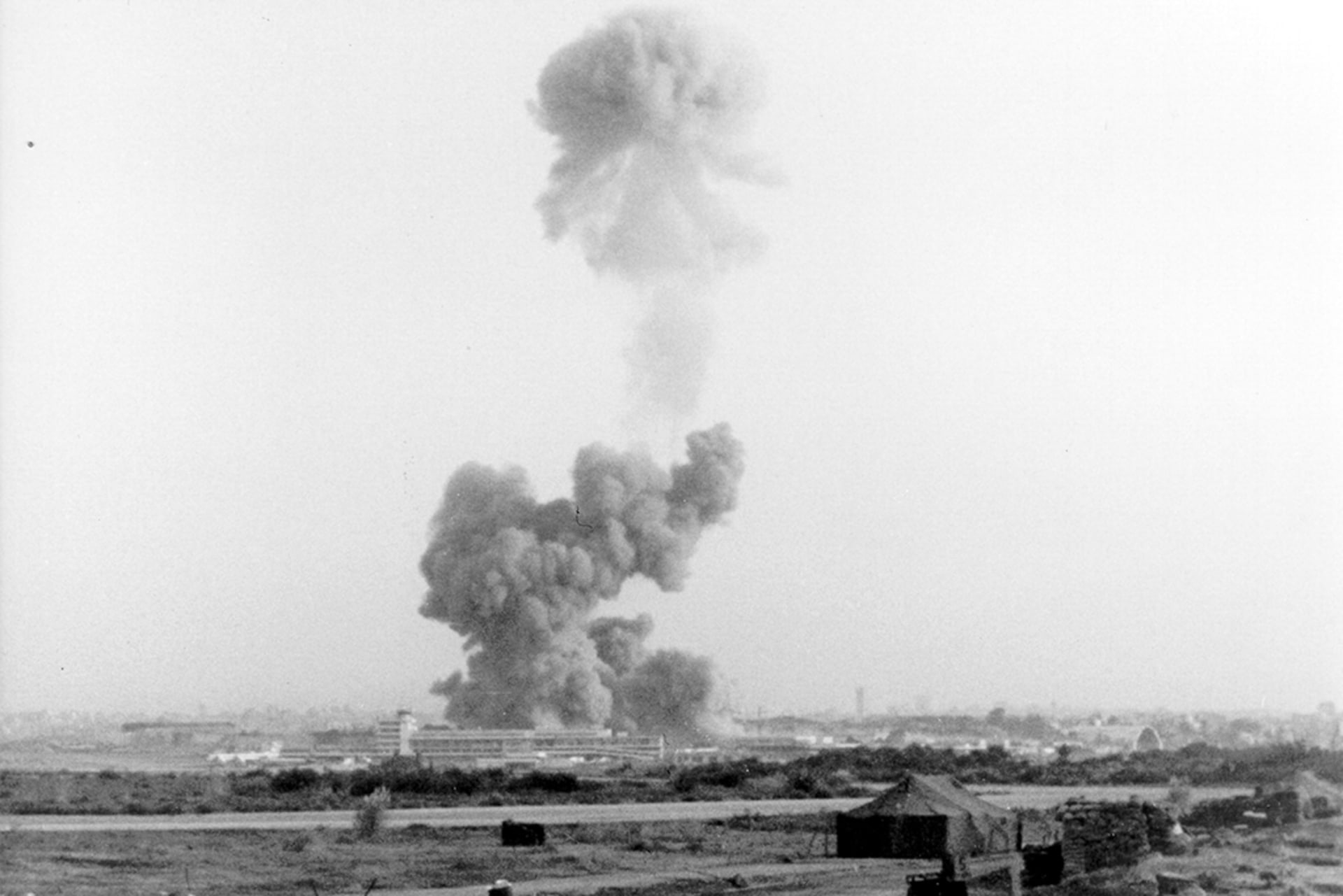
Suicide bombers linked to Hezbollah, an Islamist militant group based in Lebanon, drove truckloads of dynamite into the barracks of U.S. Marines and French paratroopers, killing 305 people. Hezbollah’s attack—its largest in a series of attacks targeting U.S. and French citizens—was designed to expel foreign peacekeepers from Lebanon. Reagan promised a muscular response to what was then the deadliest terrorist attack in U.S. history. But the United States pulled out of a planned air assault with France, and the White House did little to support ambitious counterterrorism legislation when it stalled in Congress. Reagan’s response was typical for the Cold War period, when, once again, conflict with the Soviet Union largely overshadowed international terrorism.
1989–93: George H. W. Bush - Rogue Threats and Weapons of Mass Destruction
At the start of the George H.W. Bush presidency, the Cold War was nearing its end and new global threats were rising. U.S. policymakers feared that deadly chemical, biological, and nuclear weapons from the Soviet Union could fall into the hands of terrorists. Meanwhile, in the Middle East, Saddam Hussein’s regime had just ended a brutal war against Iran. During this conflict, Saddam used chemical weapons to massacre thousands of Iraqis in 1988.
1989U.S. Passes Biological Weapons Anti-Terrorism Act
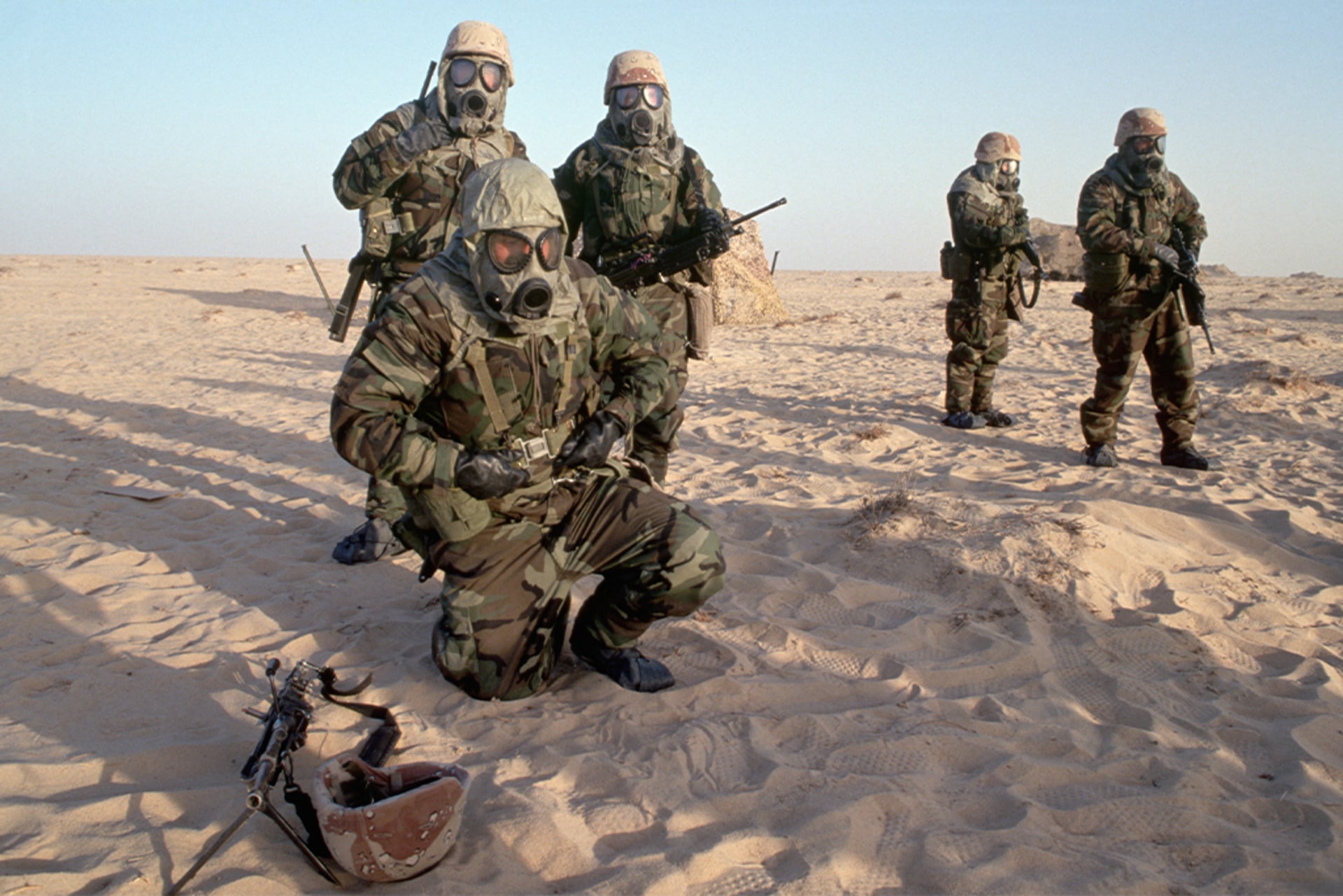
In 1975, twenty-two governments ratified the Biological Weapons Convention. This international treaty aimed to prevent nations from developing, stockpiling, and deploying biological and toxic weapons. Fourteen years later, the United States joined the convention by passing the Biological Weapons Anti-Terrorism Act of 1989. The legislation sought to strengthen the United States’ defense against biological warfare and those who might use such weapons. The act was strengthened after 9/11 and remains in effect.
1993–2001: Bill Clinton - Terrorism in the National Spotlight
In the decade following the collapse of the Soviet Union, the United States enjoyed unprecedented global primacy. But the 1990s were also marked by terrorist threats against U.S. citizens both at home and abroad. In 1993, Ramzi Yousef carried out the bombing of the World Trade Center in New York. Two years later, Timothy McVeigh bombed a federal building in Oklahoma City, killing at least 168 people. The Oklahoma City bombing was the deadliest domestic terrorist attack at the time. President Bill Clinton sought to enact powerful and far-reaching counterterrorism policies to address this growing threat.
1995Congress Blocks Clinton Counterterrorism Bill
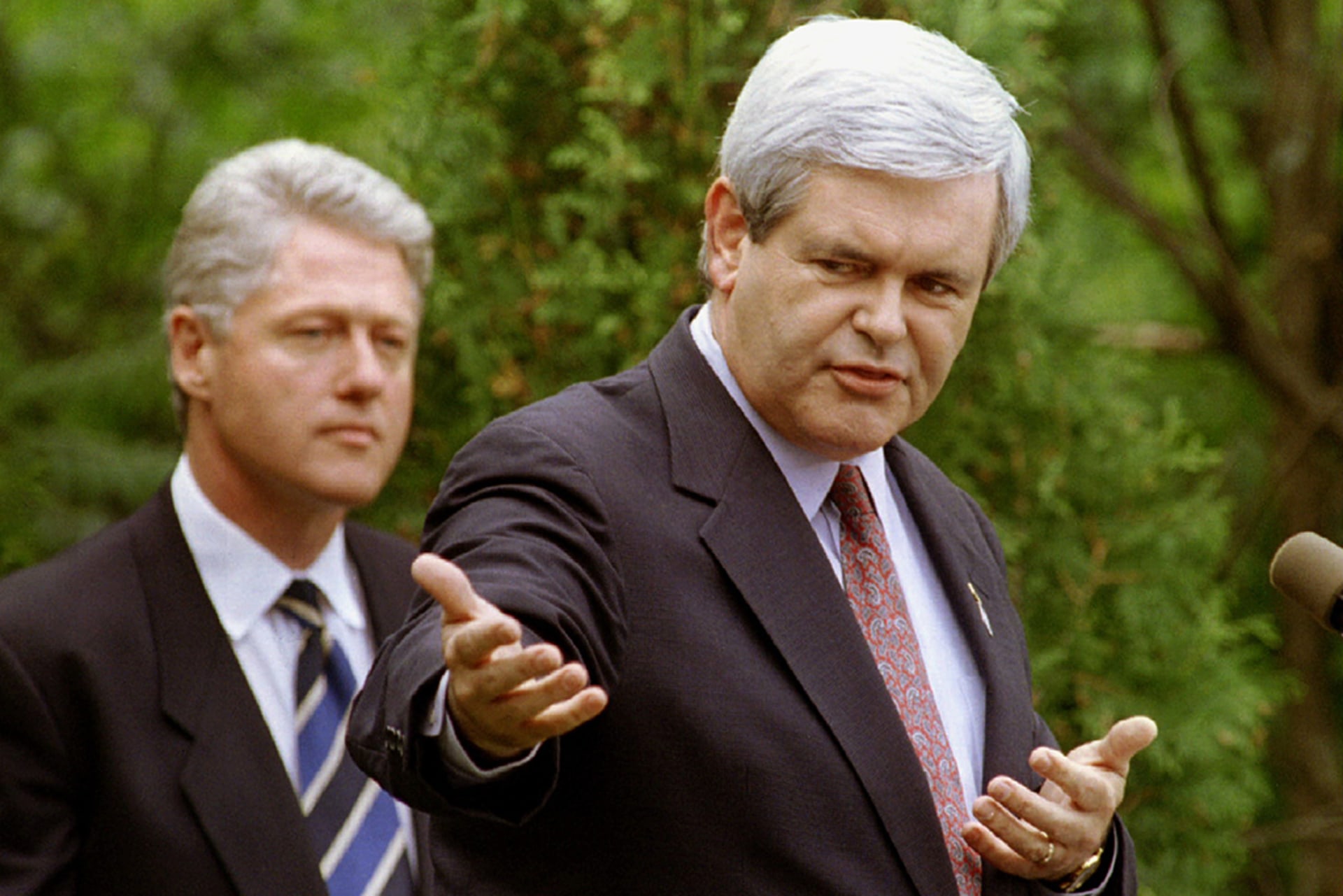
In the face of growing and varied terrorist threats, the Clinton administration proposed the first reforms to U.S. counterterrorism policies in nearly a decade. Known as the Omnibus Counterterrorism Act of 1995, the Clinton legislative initiative sought to grant the government significantly enhanced surveillance powers. Specifically, the legislation loosened restrictions on the government’s ability to listen in on phone calls. Many of the proposals closely resembled the Patriot Act, which would take effect six years later. But unlike the George W. Bush administration, the Clinton administration faced steep bipartisan resistance from members of Congress who argued that the proposal would threaten civil liberties. The bill failed to pass. It would take another six years and the 9/11 attacks before Congress would seriously revisit such legislation. The failure of the Omnibus Counterterrorism Act of 1995 characterized the ongoing debate on the balance between civil liberties and national security.
2001–2009: George W. Bush - 9/11 and the Aftermath
In one of the deadliest terrorist incidents on record, militants from the terrorist group hijacked four planes. They used them as weapons to kill 2,977 people and cause extraordinary destruction. The nineteen hijackers crashed two planes into the World Trade Center in New York and flew another into the Pentagon in Arlington, Virginia. The fourth plane was heading toward Washington, DC, when passengers overtook the terrorists and crashed the aircraft in Pennsylvania. After 9/11, U.S. counterterrorism strategy changed remarkably. No longer a marginal issue, counterterrorism took center stage in U.S. policy both at home and abroad. The attacks on 9/11 prompted two wars, a vast government reorganization, and a series of sweeping security measures.
2001The Invasion of Afghanistan
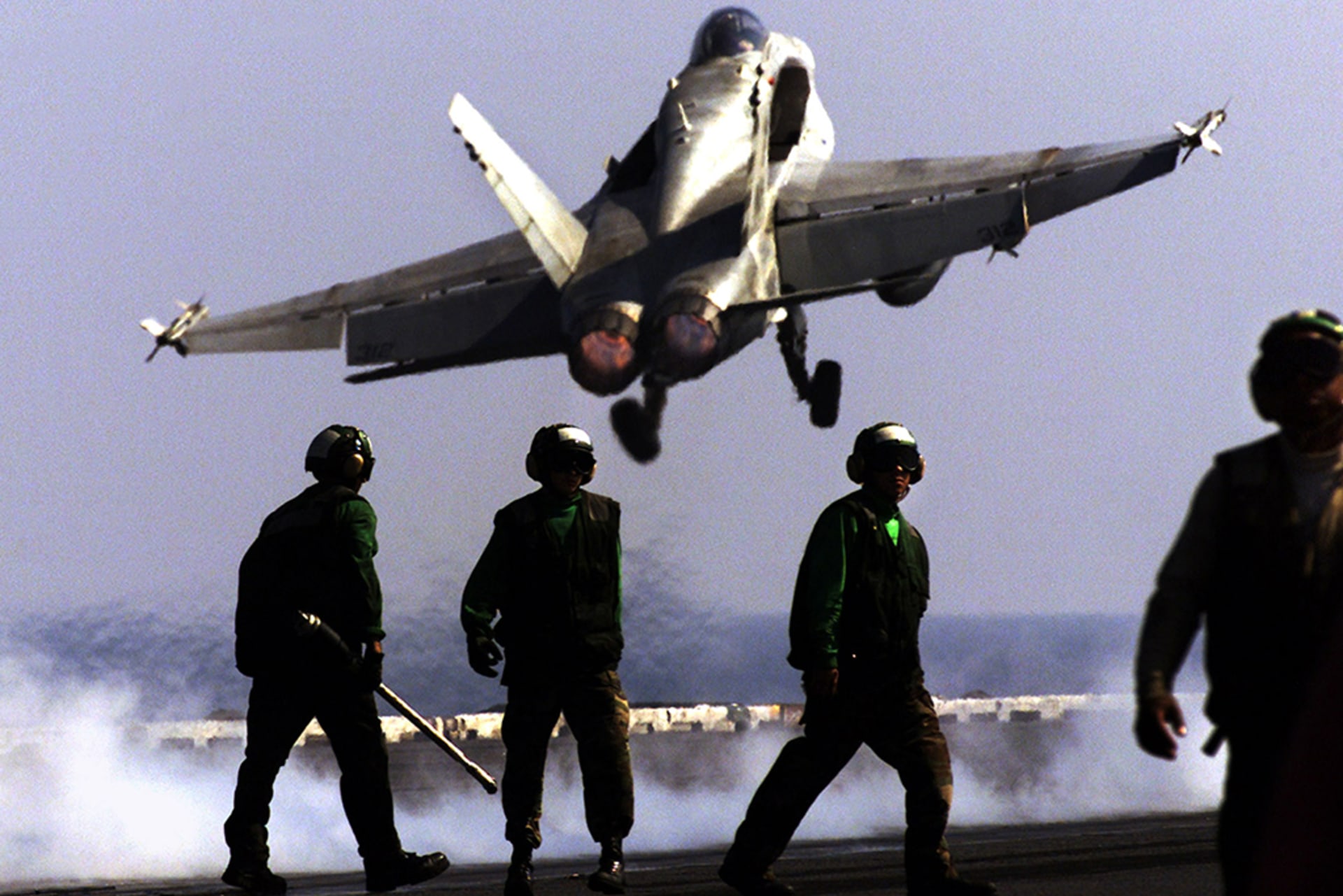
Three days after the 9/11 attacks, Congress authorized the president to respond militarily to those who had “planned” the 9/11 attacks and “harbored” the attackers. This law, the Authorization for Use of Military Force (AUMF), provided the legal basis for the invasion of Afghanistan and the start of the so-called war on terrorism. Thus began a war against a concept—terrorism—a conflict without end and certainly without clear boundaries. U.S.-led forces retaliated against not only al-Qaeda, which had planned and carried out the 9/11 attacks, but also the Taliban, which had protected the terrorist group in Afghanistan. The Afghanistan War spanned twenty years (2001–21), becoming the longest in U.S. history. More than 2,400 Americans lost their lives in the conflict, and more than twenty thousand were injured. The U.S. government spent more than $2 trillion in the war on terrorism.
2001CIA Implements Controversial Detention and Interrogation Program
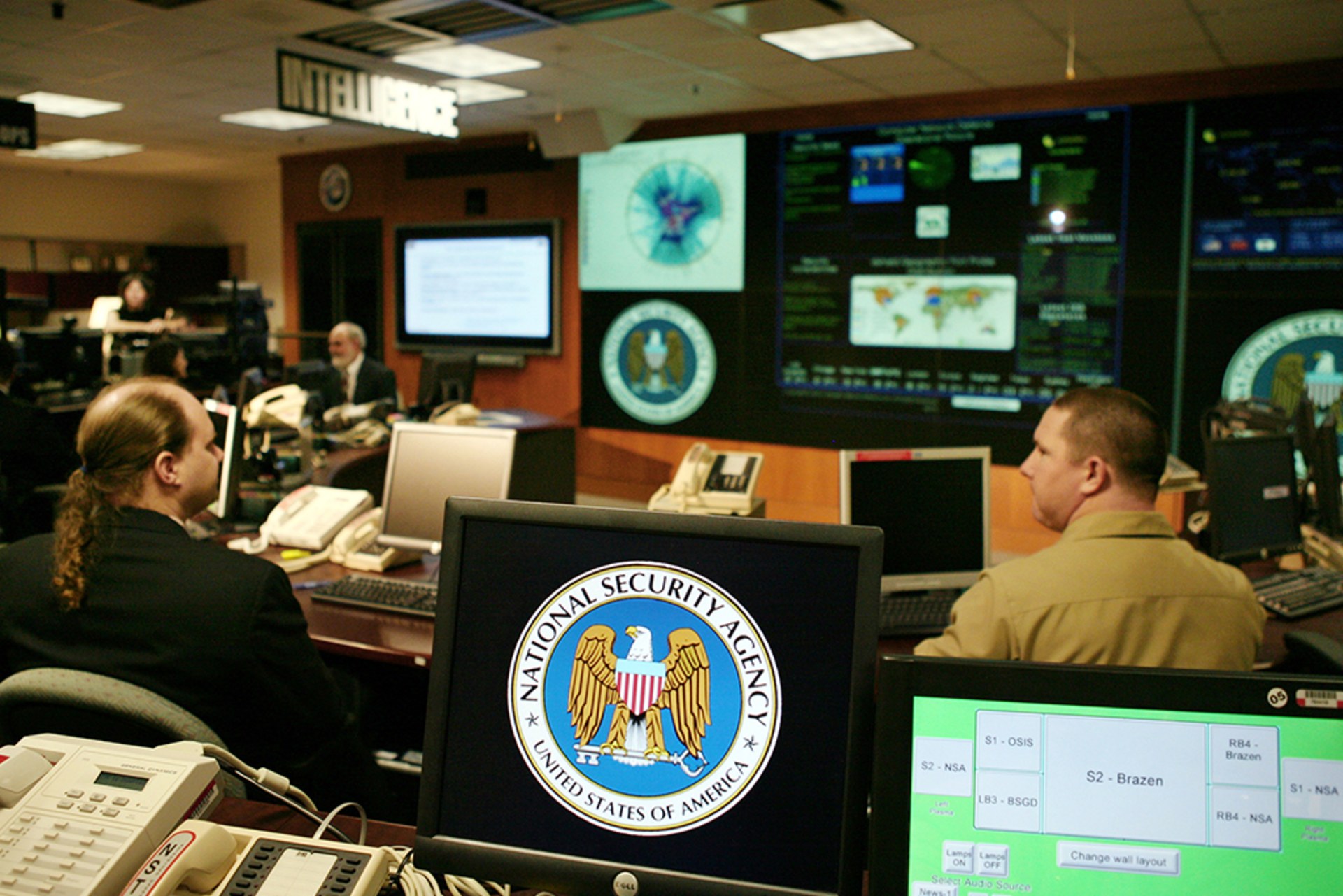
Also in the aftermath of 9/11, and with the approval of the Bush administration, the CIA began apprehending and detaining individuals the agency suspected of posing a threat to the country. These activities evolved into a covert program employing what the U.S. government labeled “enhanced interrogation techniques.” Critics, however, described these techniques as torture. The tactics included , sleep deprivation, exposure to extreme temperatures, and confinement in small boxes. In 2014, members of the U.S. Senate found evidence that at least thirty-nine people had been subjected to enhanced interrogation. The Senate’s report concluded that the program, which ended in 2008, “was not an effective means of acquiring intelligence or gaining cooperation from detainees” and “damaged the United States’ standing in the world.”
2009–2017: Barack Obama - The Global War on Terror
The 2010s brought frequent reminders of the globalized threats of terrorism. Global deaths from terrorism soared starting around 2013. The increase in terrorist threats was largely due to the rise of groups such as the self-proclaimed Islamic State and in Nigeria. Although the Bush administration launched the war on terrorism, the Obama administration expanded the scope of its operations to respond to these new threats. More than fifteen years after the 9/11 terrorist attacks, the Obama administration used the 2001 AUMF to carry out counterterrorism training or operations on six continents. Most notably, the AUMF authorized the killing of the al-Qaeda leader and 9/11 architect in Abbottabad, Pakistan, in 2011. In this expanding fight against terrorism, the Obama administration conducted strikes even in non-battlefield settings in Pakistan, Somalia, and Yemen.
2011Drone Strike Assassinates U.S. Citizen
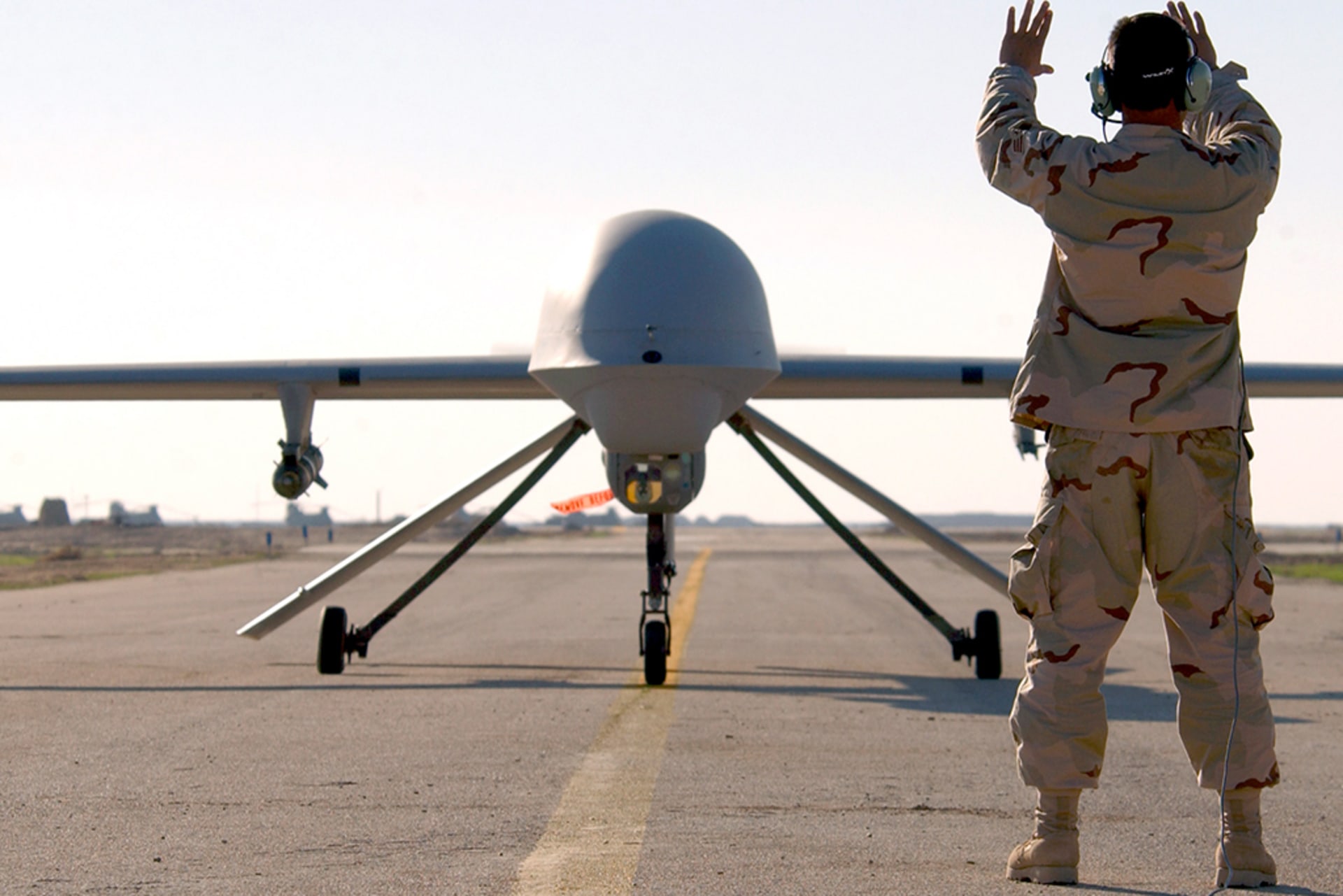
On September 30, 2011, the United States carried out a targeted drone strike in Yemen on a senior al-Qaeda recruiter and spokesperson, Anwar al-Awlaki, a U.S. citizen. The assassination of Awlaki marked the first time that the United States had deliberately killed a U.S. citizen by drone strike. The drone assassination denied Awlaki constitutional rights to due process, including the right to a fair trial. The targeting of the radical cleric raised constitutional questions about the war on terrorism and shed light on the Obama administration’s increasing use of drone warfare. According to an independent account, Obama authorized at least 542 drone strikes during his presidency, killing an estimated 3,797 people, including 324 civilians, though these numbers are difficult to verify.
2017–2021: Donald Trump - Focus on “Radical Islamic Terrorism”
Beyond the battle against the Islamic State, the United States expanded counterterrorism operations across Africa in countries such as Libya, Niger, and Somalia. Notably, Trump focused on “radical Islamic terrorism,” threats he said “must be stopped by whatever means necessary.” Previous presidents avoided linking Islam—the second-largest religion in the world, with 1.8 billion adherents—to terrorism. But Trump consistently singled out Muslims in both his campaign rhetoric and his actions as president, eliciting sharp criticism for anti-Muslim bigotry.
2017Trump Signs Contested Travel Ban
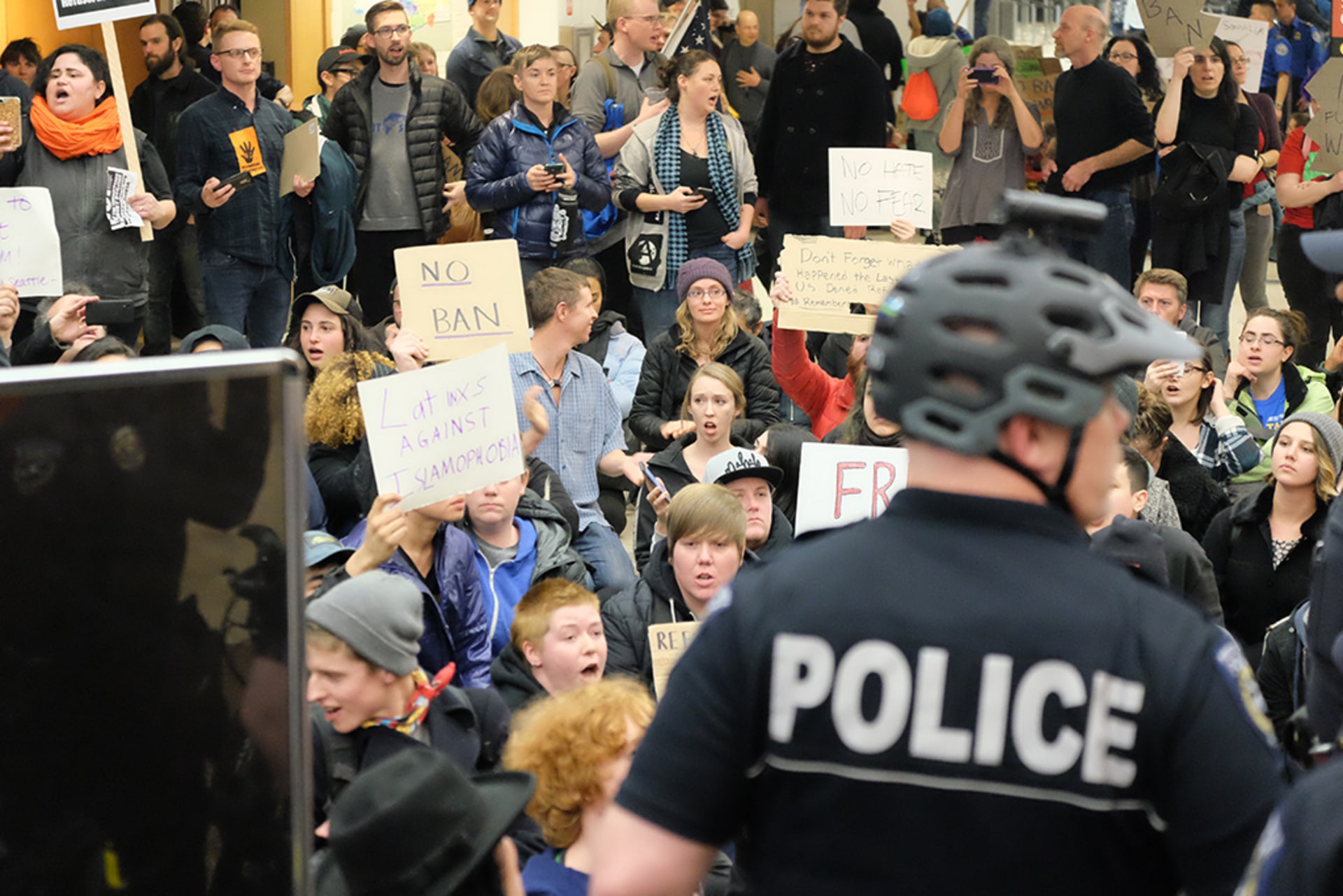
In 2017, just one week into his presidency, Trump signed 13769. This executive order barred citizens of seven Muslim-majority countries from entering the United States and suspended the U.S. Admissions Program. Although the United States has some of the strictest immigration laws in the world, Trump argued that the order was vital for national security. The executive order—referred to by critics as the Muslim ban or the travel ban—faced significant protests, public condemnation, and legal challenges. It was ultimately replaced by a revised version, which the Supreme Court upheld. However, on his first day in office, President Joe Biden issued a proclamation ending the Trump administration’s travel ban.
2021–25: Joe Biden—Counterterrorism at Home
Two decades after declaring its war on terrorism, the United States continued to conduct operations in many of the same countries. Although the Biden administration narrowed its target list after Trump, it maintained a similar approach, launching air and drone strikes against militants in Afghanistan, Iraq, Somalia, and Syria. And amid an escalating conflict in the Middle East, Biden launched new operations against Iran-backed militias. But the Biden administration also faced new challenges, both at home and overseas. On January 6, 2021, a group of rioters forcibly entered the U.S. Capitol and disrupted the certification of election results—an event many considered an act of domestic terrorism. Upon taking office, Biden announced the country’s first domestic terrorism strategy.
2021Biden Announces a New Strategy: Countering Domestic Terrorism
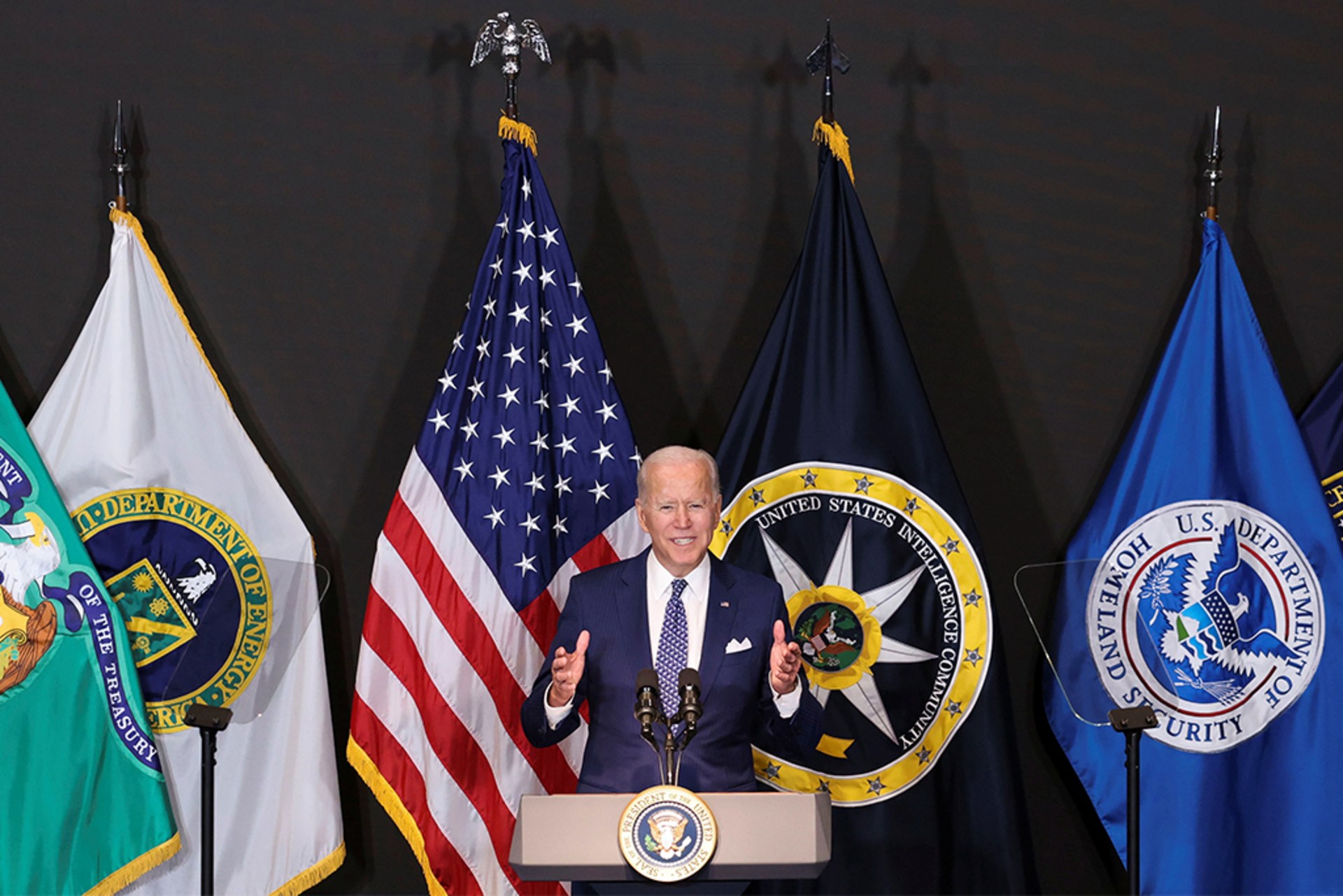
For the first time in U.S. history, the president released a strategy to combat domestic terrorism. This followed both the events of January 6 and a report released in October 2020 by the U.S. Department of Homeland Security. The report stated that domestic racially and ethnically motivated extremists (specifically white supremacist extremists) would remain the most persistent and lethal terrorist threat to the United States—a shift after years of focus primarily on foreign terrorist organizations.
2021Full withdrawal from Afghanistan
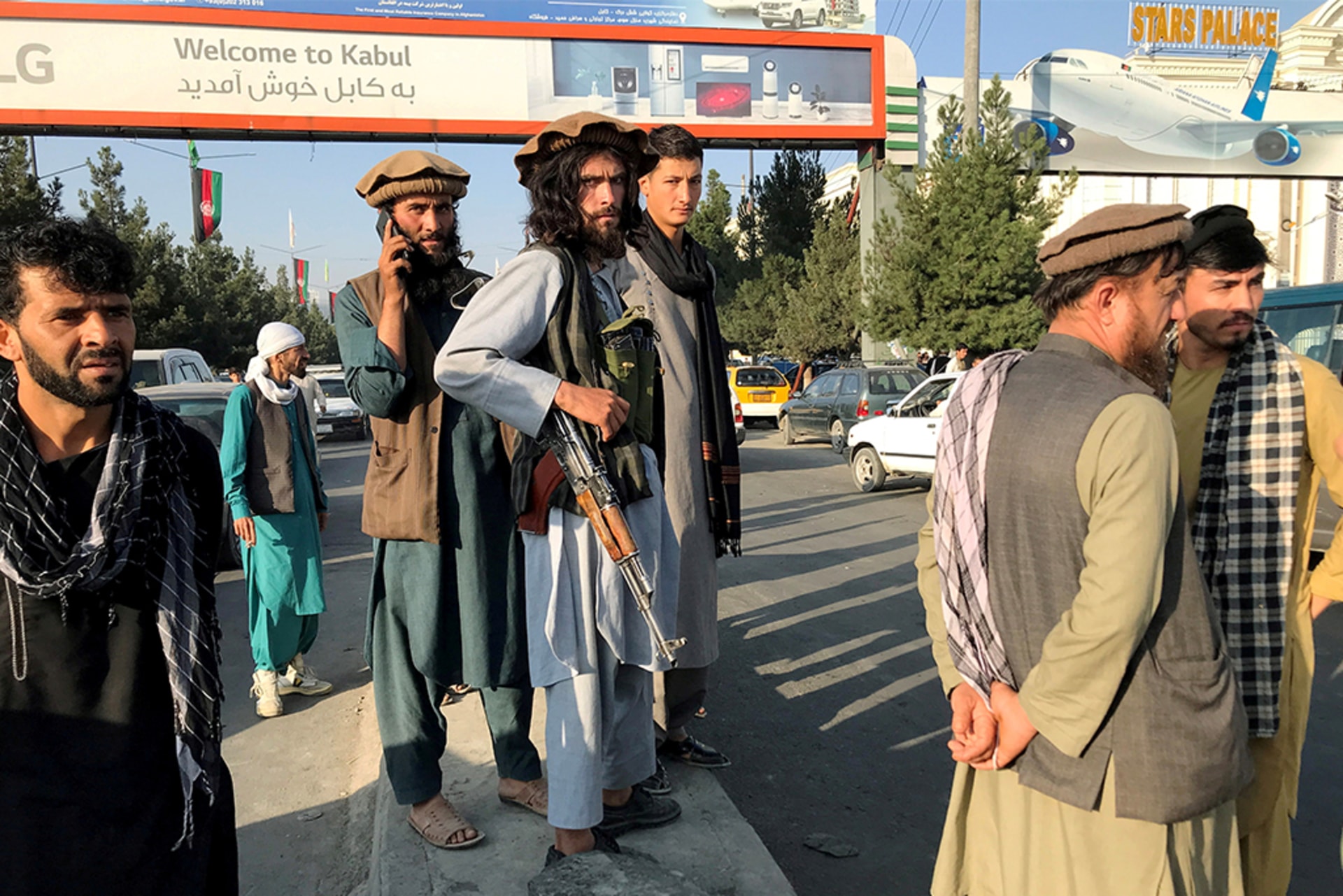
The Afghanistan War officially ended in 2021, when the United States withdrew its remaining troops as outlined in a peace agreement signed in February 2020. Afterward, the Taliban took control of the country’s government. According to the UN Development Program, the Taliban wiped out gains in Afghans’ standards of living made during the two decades after the U.S. invasion.
2023October 7 Attacks in Israel Spur New U.S. Counterterrorism Operations in the Middle East
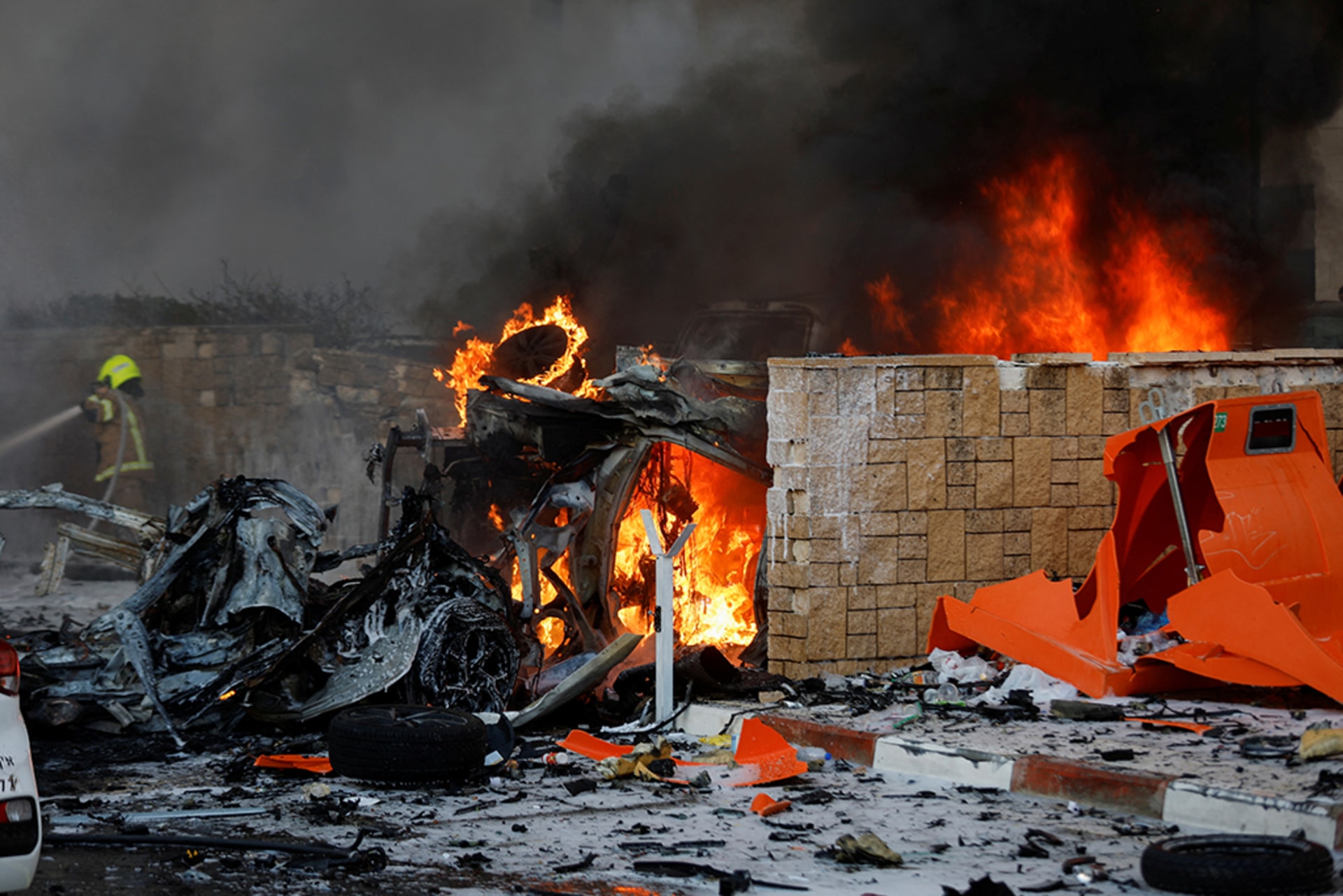
The Palestinian terrorist group Hamas launched an attack against Israel on October 7, killing roughly twelve hundred people, mostly civilians, and taking 251 hostages. The attack sparked a large-scale Israeli military response, primarily targeting Hamas in Gaza and widening to include Hezbollah in Lebanon. For the United States, a close ally of Israel, the escalating violence raised concerns about terrorist threats extending to the United States or its interests in the Middle East. In the weeks after October 7, Iran-backed militias launched more than 170 attacks on U.S. forces in Iraq, Jordan, and Syria, wounding dozens and killing three service members. The United States escalated military strikes in response to these attacks, hitting militias in Iraq and Syria and targeting the Houthis in Yemen, which were launching attacks on ships in the Red Sea.
2025–Present: Donald Trump—Widening the Definition of Terrorism
In his second term, President Trump has continued and escalated existing U.S. counterterrorism operations, launching strikes against the Islamic State in Syria and the Houthis in Yemen, increasing the pace of air strikes against terrorist groups in Somalia, and conducting counterterrorism strikes for the first time in Nigeria. But the Trump administration also began to expand U.S. counterterrorism beyond its traditional horizons. It designated drug cartels operating in Latin America as Foreign Terrorist Organizations (FTOs), invoking that designation to justify lethal strikes on boats in the Caribbean. At home, Trump directed U.S. law enforcement agencies to intensify efforts to counter domestic terrorism, prioritizing what he described as radical left-wing political violence.
2025Trump Expands FTO List
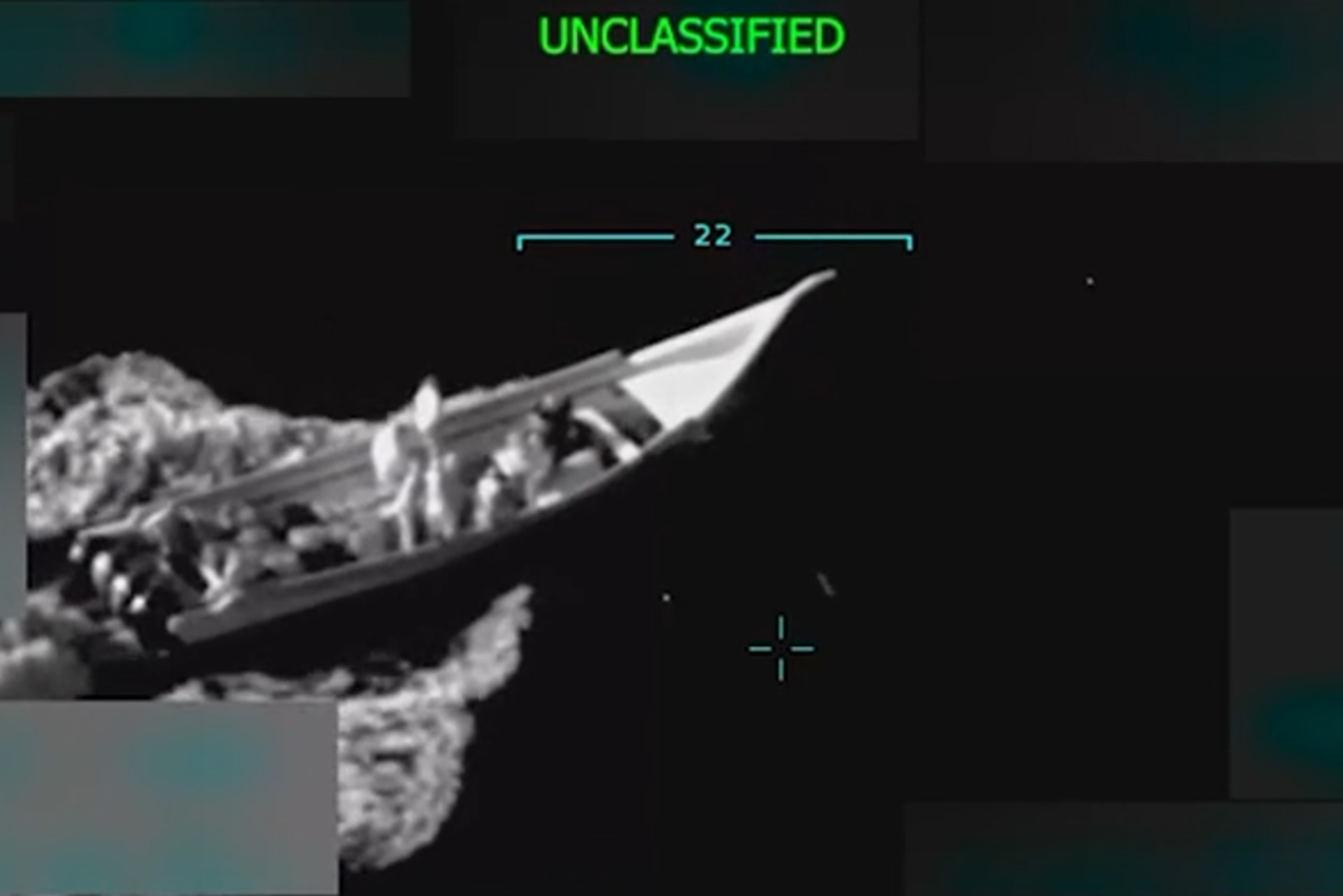
On the first day of his second term, President Trump directed the State Department to expand its Foreign Terrorist Organization list. Over the next several months, the administration added nearly two dozen drug cartels and criminal organizations to the list. The additions proved controversial. Most FTO designations target groups with political or ideological motivations—groups such as the Islamic State and al-Qaeda. By including criminal organizations that lack those traditional markers, the administration considerably widened its definition of terrorism. The Trump administration followed up those designations with military action, including a series of air strikes on suspected drug-smuggling boats in the Caribbean and the capture of Venezuelan leader Nicolás Maduro. Without formally citing the FTO designations in its reasoning for the strikes, the White House framed them as counterterrorism operations, declaring that the strikes were part of an “armed conflict” with the cartels, which it characterized as “narcoterrorists.”
2025Trump Repositions Domestic Counterterrorism
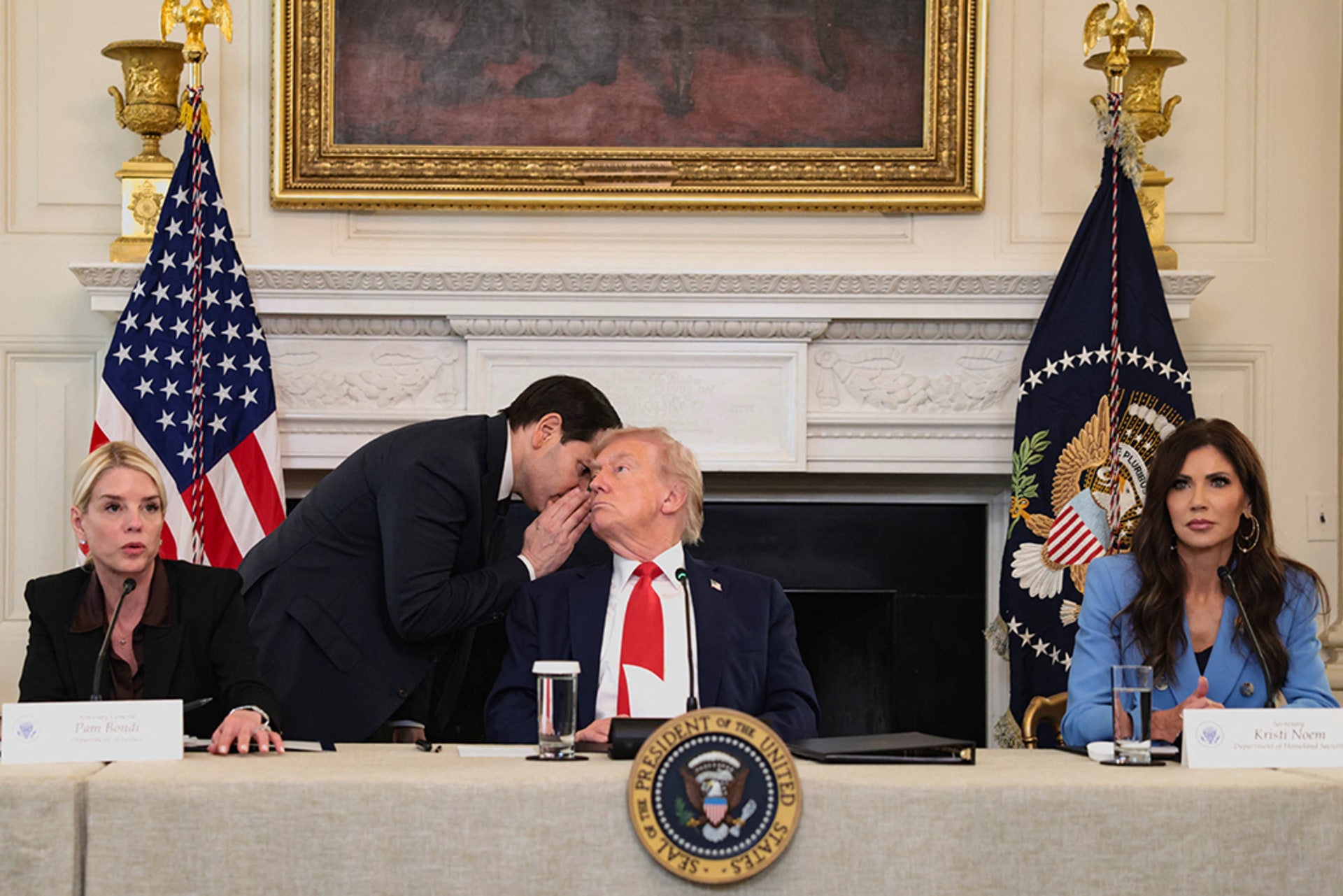
Weeks after the assassination of conservative activist Charlie Kirk, Trump issued an executive order declaring antifa—a loosely organized political movement opposing fascism and right-wing extremism—to be a “domestic terrorist organization.” The order does not carry legal force because, although federal laws define domestic terrorism, there is no legal mechanism for designating groups as domestic terrorist organizations, as there is for FTOs. Trump reinforced the order days later with a memo directing law enforcement to “investigate and disrupt networks, entities, and organizations that foment political violence.” Critics argue that the memo represents a significant expansion of the administration’s definition of terrorism, singling out several beliefs—including “anti-Americanism,” “anti-,” and “anti-Christianity”—that it claimed motivated domestic terrorist activities. Legal scholars noted that such beliefs are constitutionally protected, and that pursuing such an expansive categorization of domestic terrorist motivations endangers freedom of expression under the First Amendment.