Readings
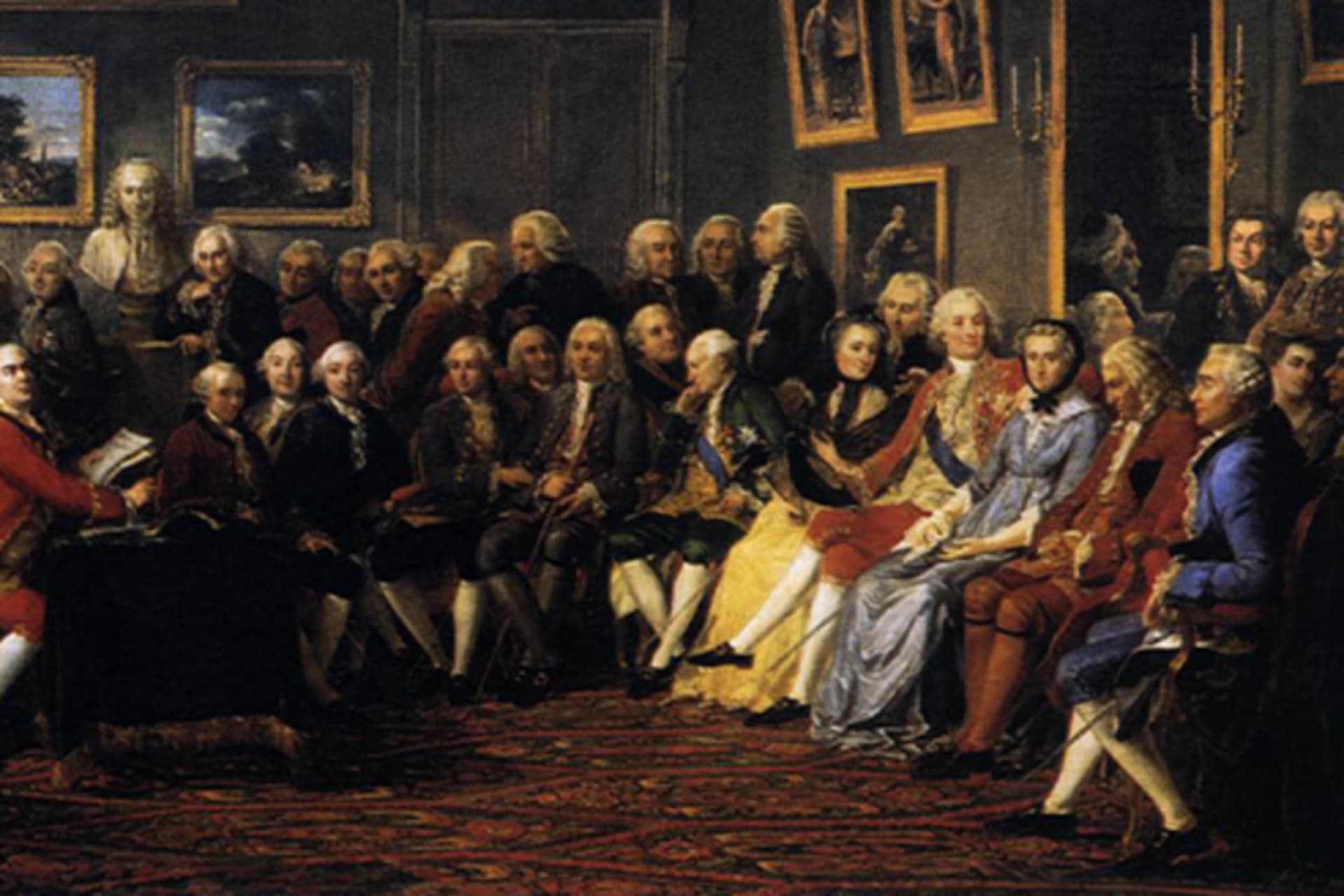
What Is the Enlightenment and How Did It Transform Politics?
Explore how calls for liberty, equality, and individual rights caused revolutions around the world, from the American Revolution to the French and Haitian Revolutions.
Do your students have questions about AI? We asked an expert.
Explore free resources that align with your AP World History curriculum.
CFR Education offers a range of free resources that can supplement your AP World History curriculum. Browse readings, timelines, videos, and simulations covering developments that have shaped the world from c. 1750 to the present.
Skills students learn with CFR Education World History Resources:
Explore how calls for liberty, equality, and individual rights caused revolutions around the world, from the American Revolution to the French and Haitian Revolutions.
Learn about the Industrial Revolution and how technological innovations from the eighteenth and nineteenth centuries continue to shape society today.
From the history of vaccines and medical quarantines to the origin of the World Health Organization, explore how innovations in global health increased human longevity and prepared the world for COVID-19.
As Great Britain’s Industrial Revolution and India’s Green Revolution have shown, technological innovation can drive extraordinary development. Explore how digital advancements are further driving progress today.
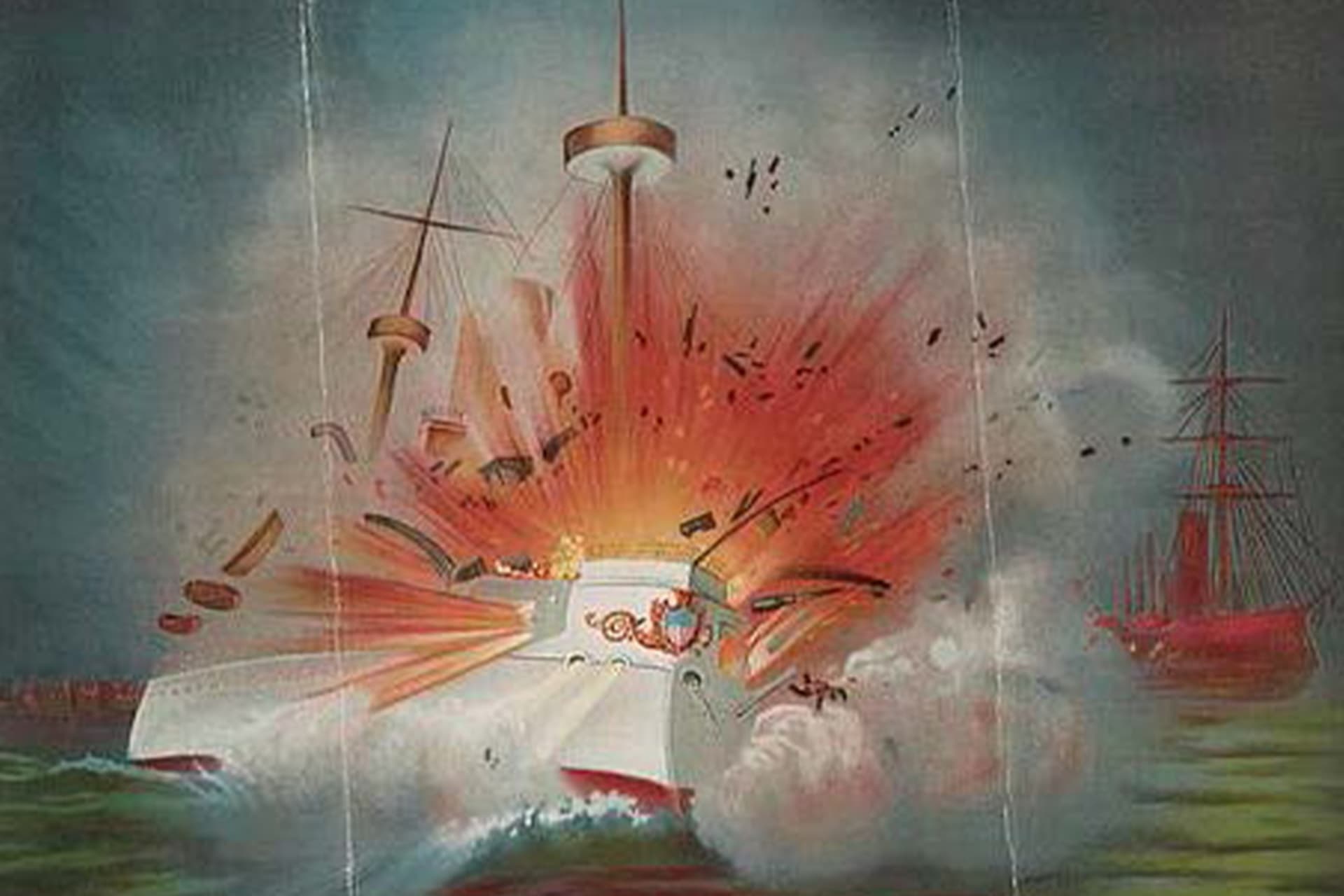
How should the United States intervene against Spanish colonial rule in Cuba? Explore this historical simulation set in 1898.
Explore how colonialism enriched empires and fundamentally reshaped countries such as India.
Explore how the United States has responded to migrants throughout history—from the Chinese Exclusion Act to DACA—and how immigration policy influences the society, economy, and politics of a country.
The United States developed from a fragile union focused on survival to a superpower with global interests. Throughout that journey, the country has grappled with recurring questions about how to protect its interests, articulate its values, and define its role in the world. Trace the path of U.S. foreign policy with the timeline below.
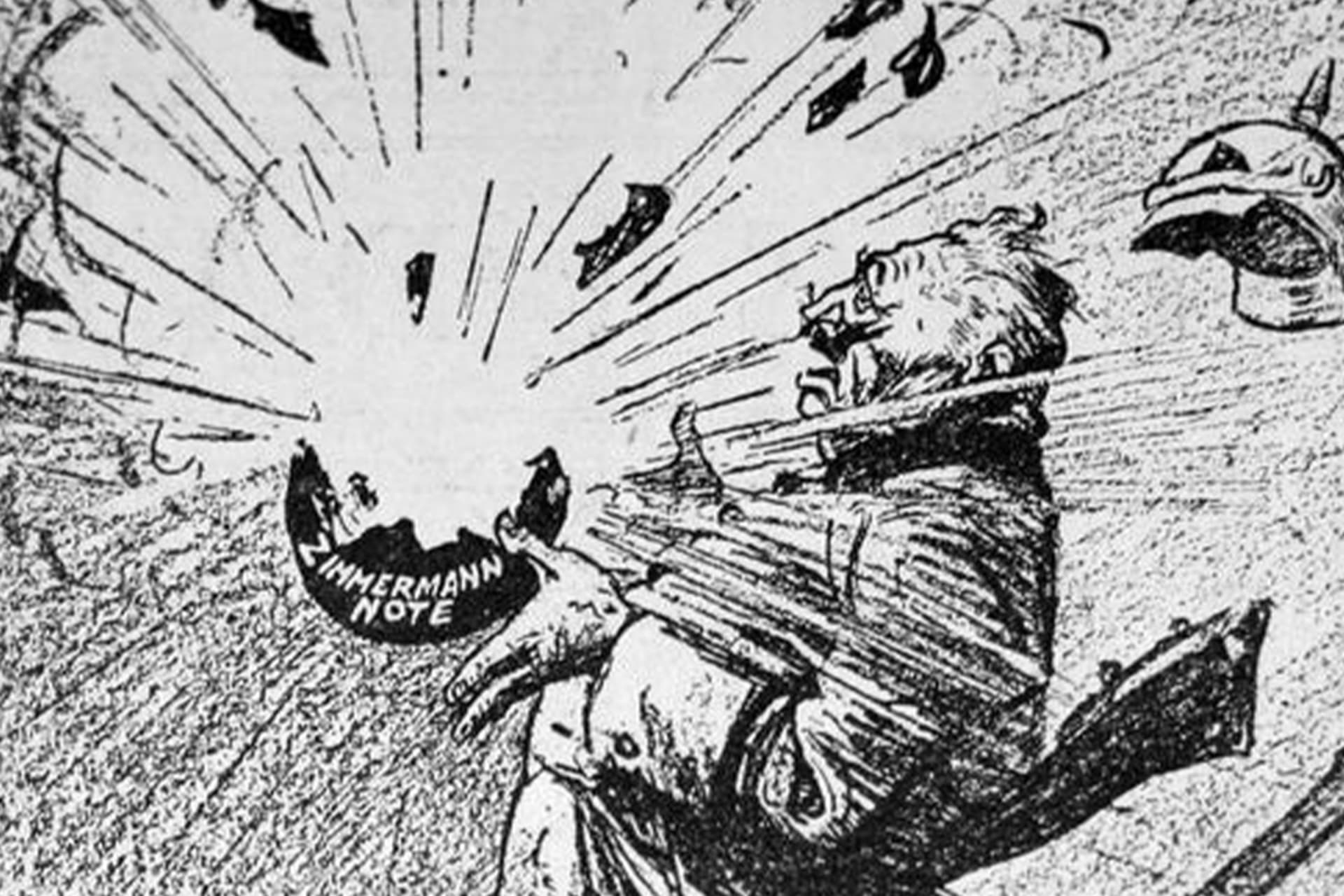
Should the United States take action against Germany? Explore this historical simulation set in 1917.
How should the United States intervene against Spanish colonial rule in Cuba? Explore this historical simulation set in 1898.
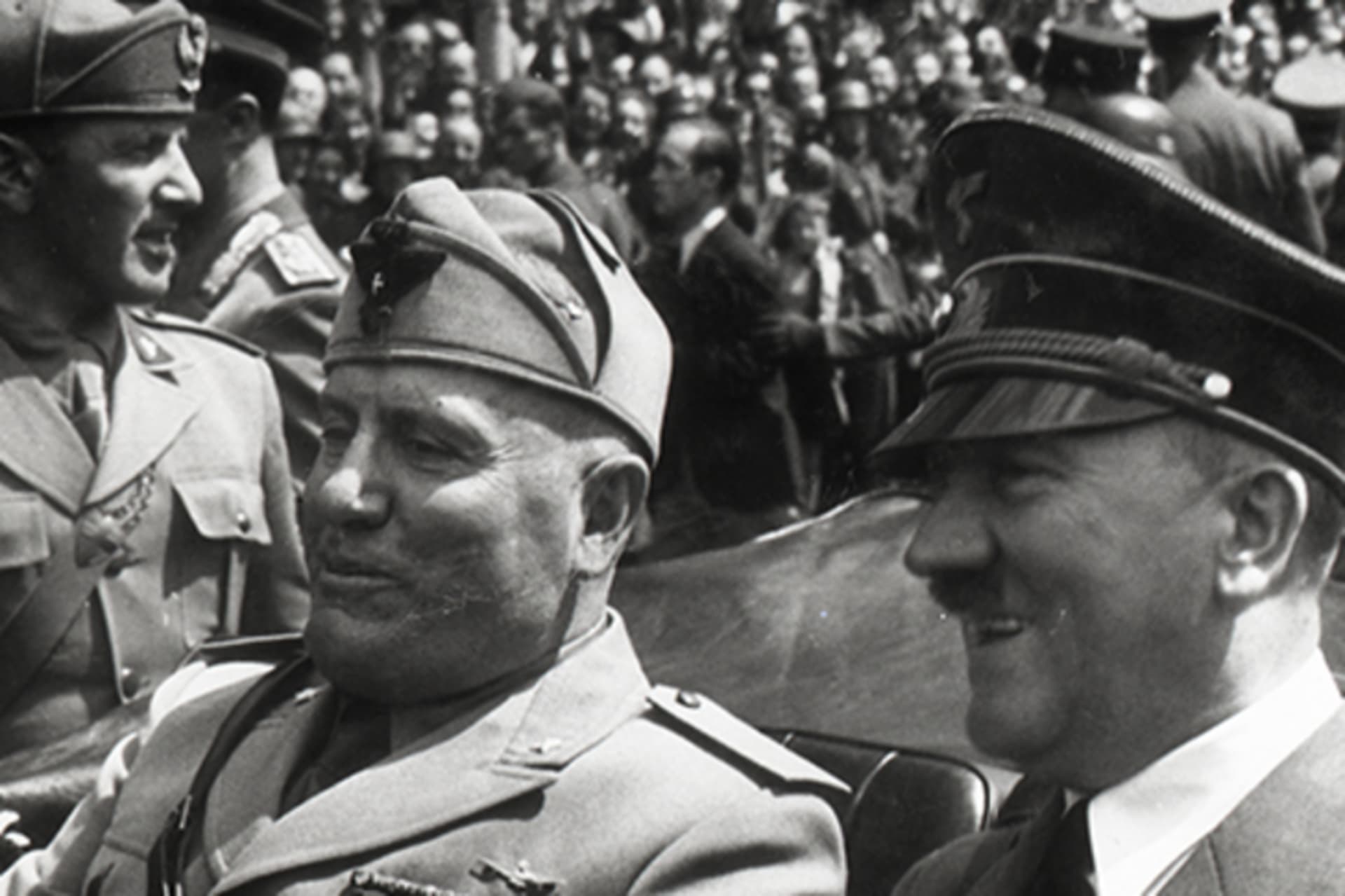
In this free resource, learn how Benito Mussolini and Adolf Hitler rose to power and the lessons their political journeys hold for today.
Explore the different ways Marx, Lenin, and Stalin interpreted communism and dive into the history of translating an ideology into policy.
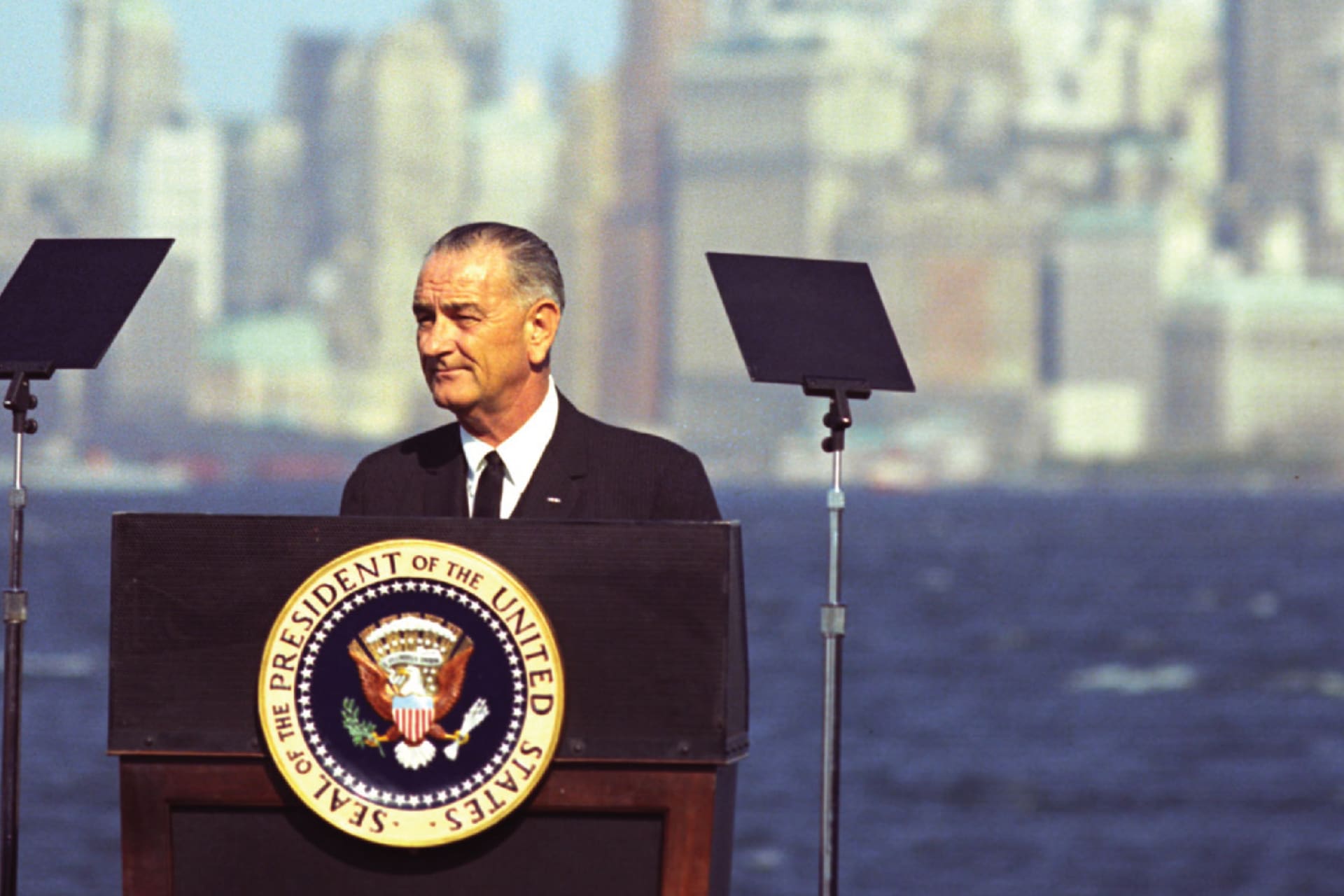
Learn how domestic expansion and three wars—the Spanish-American War, World War I, and World War II—transformed the United States’ standing in the world.
Learn how balances and imbalances of power contributed to World Wars I and II in this historical video.
In this free resource on World War II, understand the causes of World War II and why these issues drove countries back to battle just two decades after World War I.
In this free resource on World War I, explore the causes and effects of the Great War to understand how the conflict shaped world history.
From civil war to terrorist violence, explore the types, causes, and consequences of conflicts within countries that are increasingly threatening world order.
Bombs and bullets are not always required for countries to come into conflict. From Russia’s war in Ukraine to a U.S. trade war with China, explore the different ways countries come into tension.
What is conflict? Explore the reasons why tensions, violence, and war break out and what the consequences are for the world in this video.
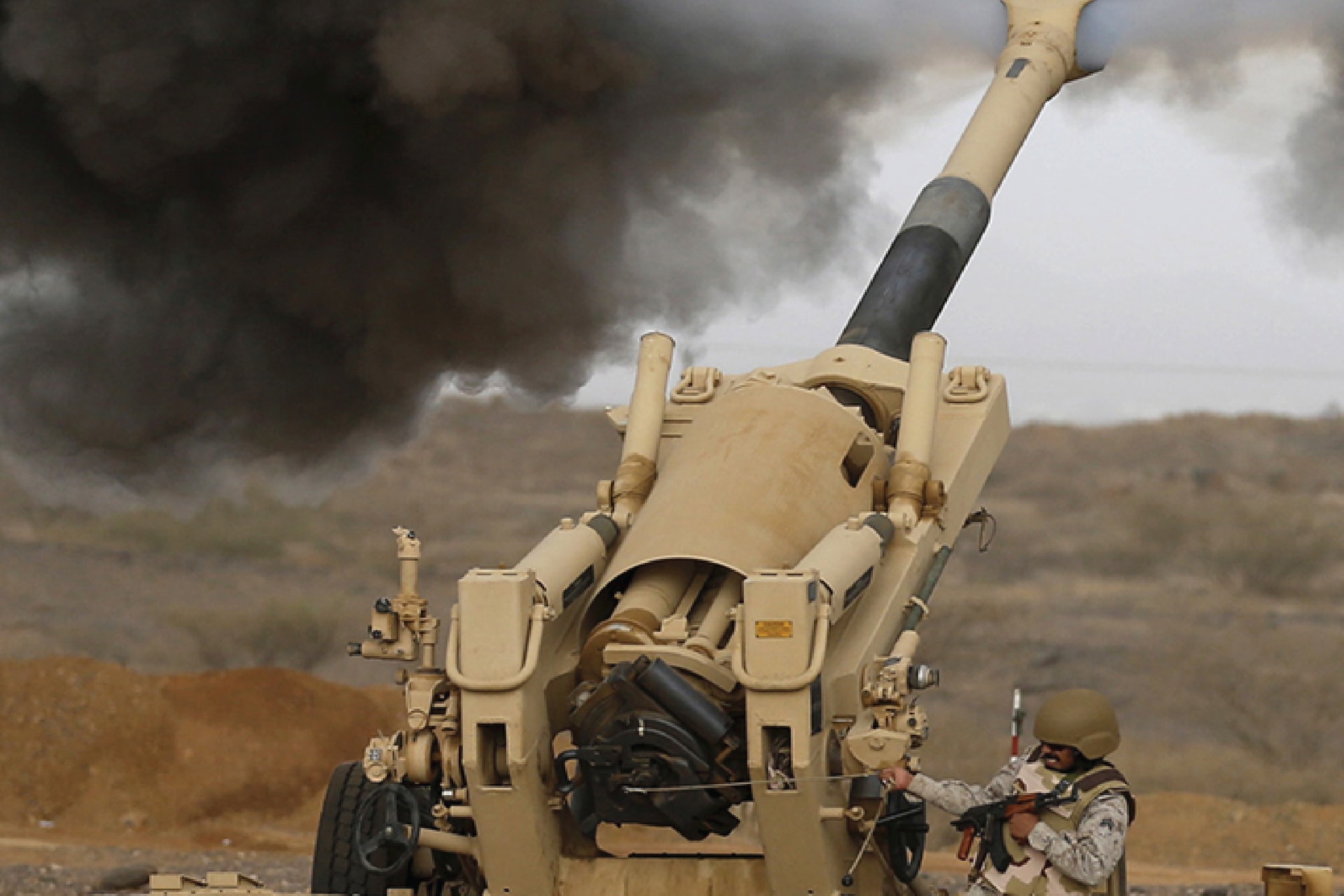
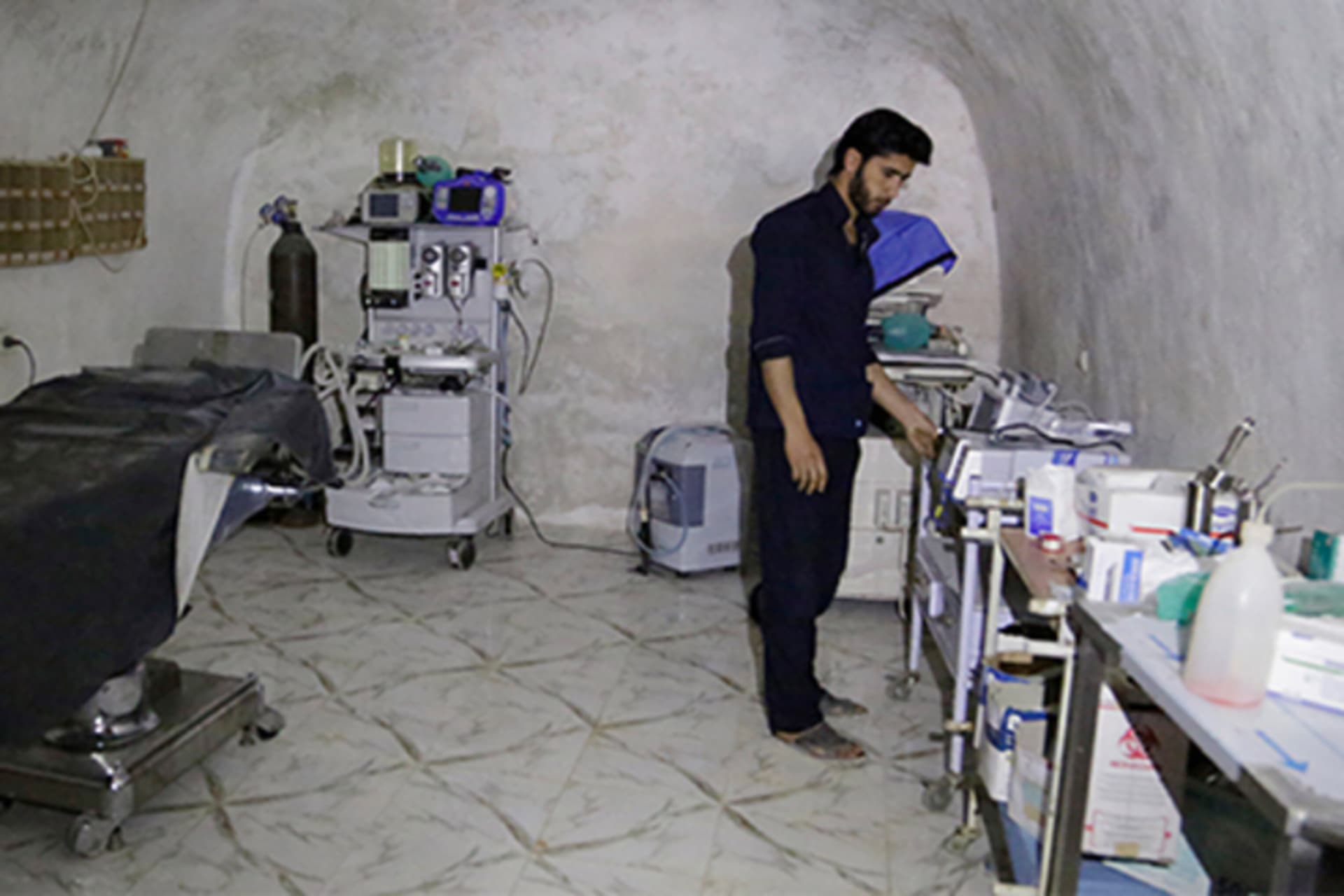
From World War II to Syria’s civil war, understand the deadly consequences of war and what that means about the changing nature of conflict.
A government’s authority within its borders gets challenged all the time. Here is how.
Learn how the world’s nearly two hundred countries came to be, and whether the map is set in stone.
Set in January 1994. Following the collapse of the Soviet Union, many former Soviet states express interest in joining NATO.
North Korea has reportedly acquired the technological capability to hit North America with a nuclear weapon.
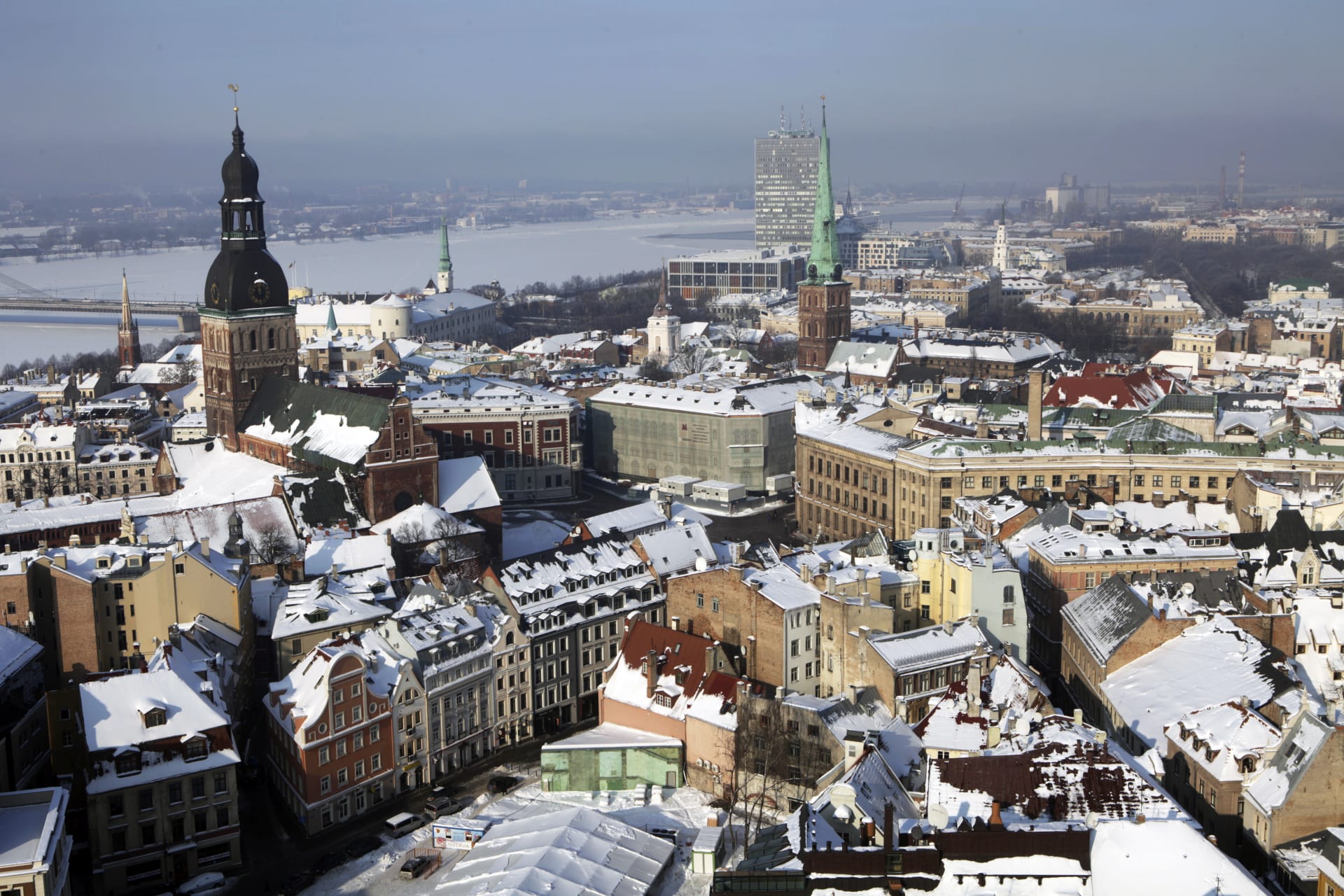
Set in July 2016. Following Russia’s annexation of Crimea, a NATO summit approaches as the Baltics face threats from Russia.
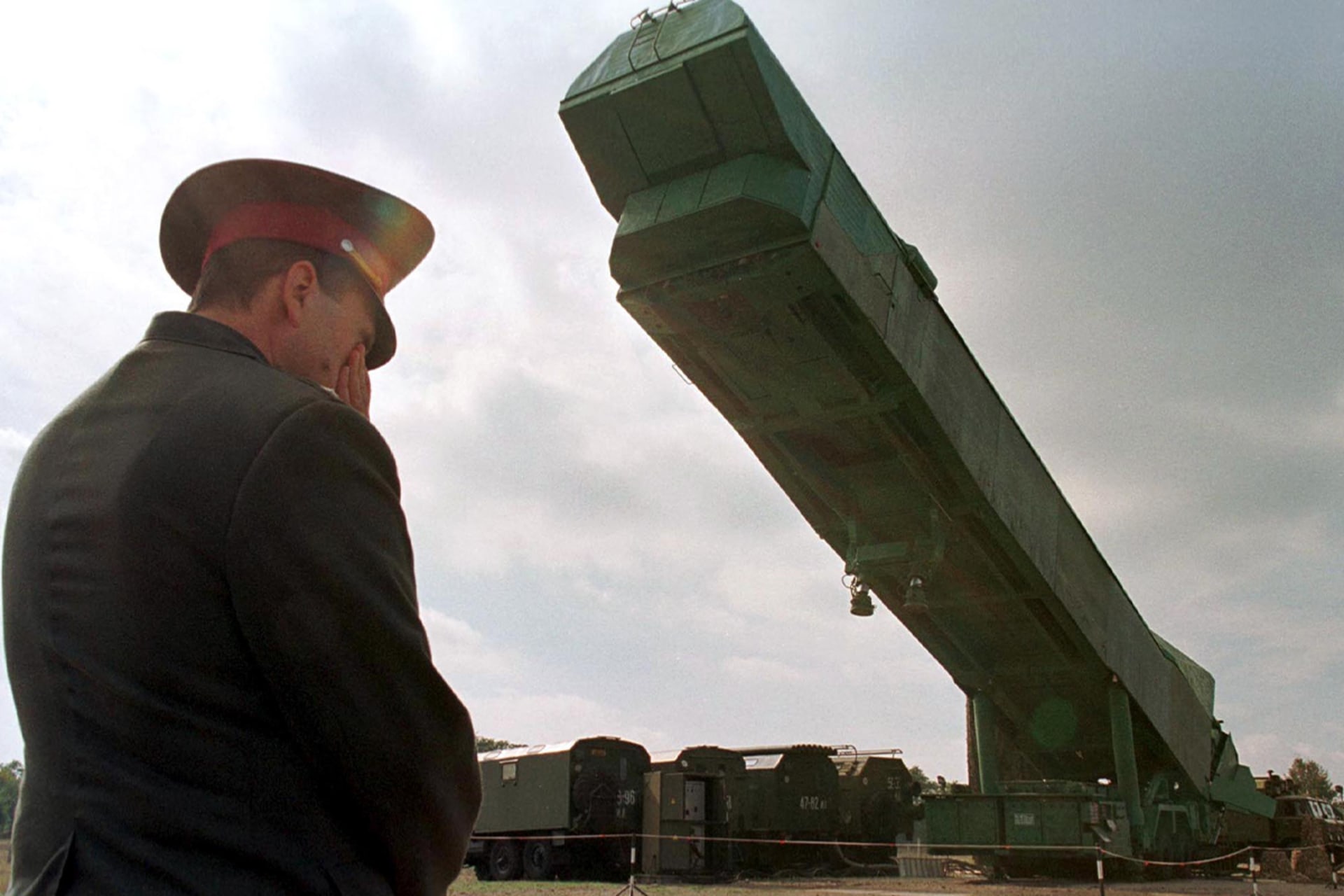
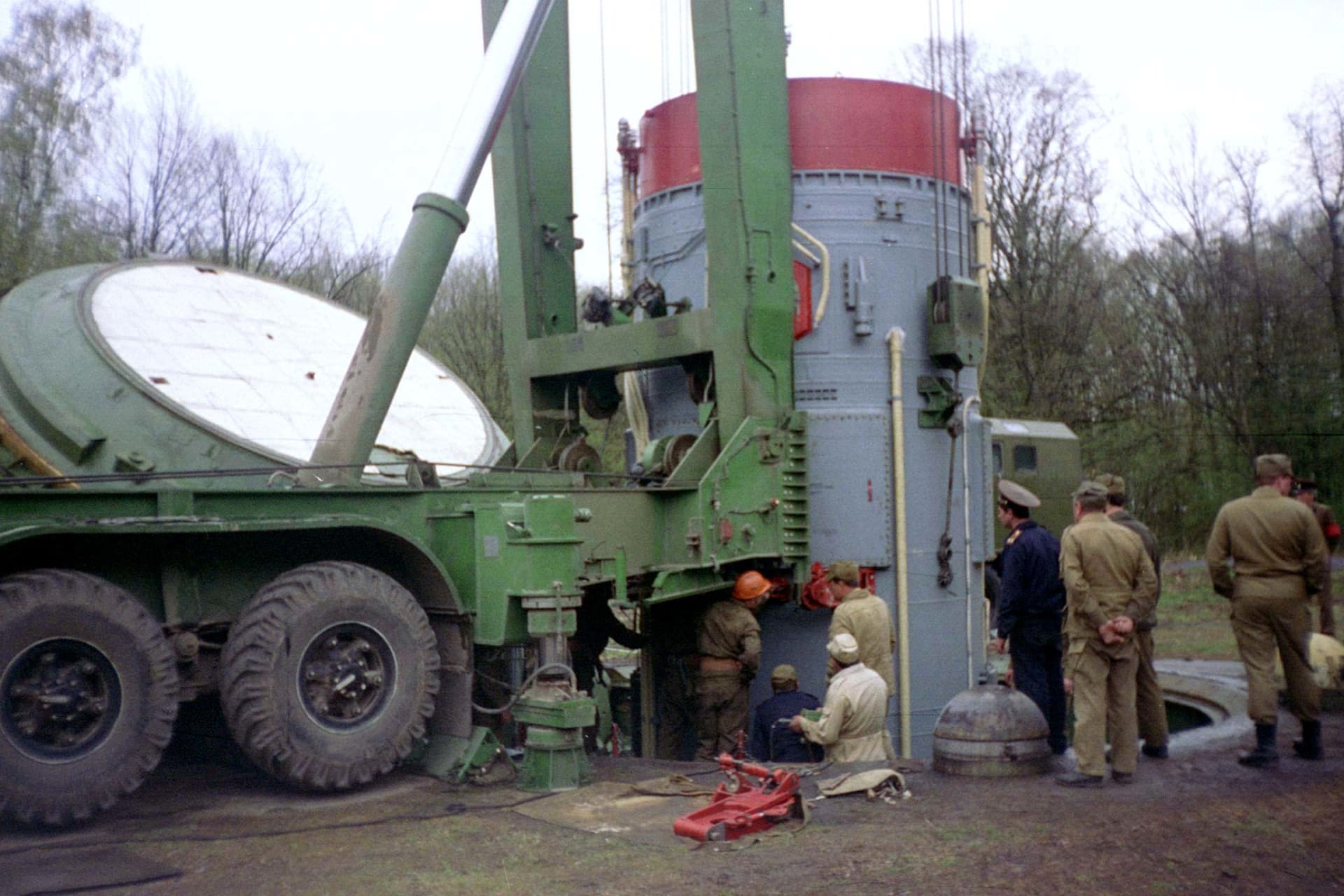
How should the United States manage dismantling Ukraine’s nuclear arsenal while safeguarding against renewed conflict in Europe? Explore this historical simulation set in 1993.
How should a country under threat by a nuclear-armed power decide its future nuclear plans? Explore this hypothetical simulation.
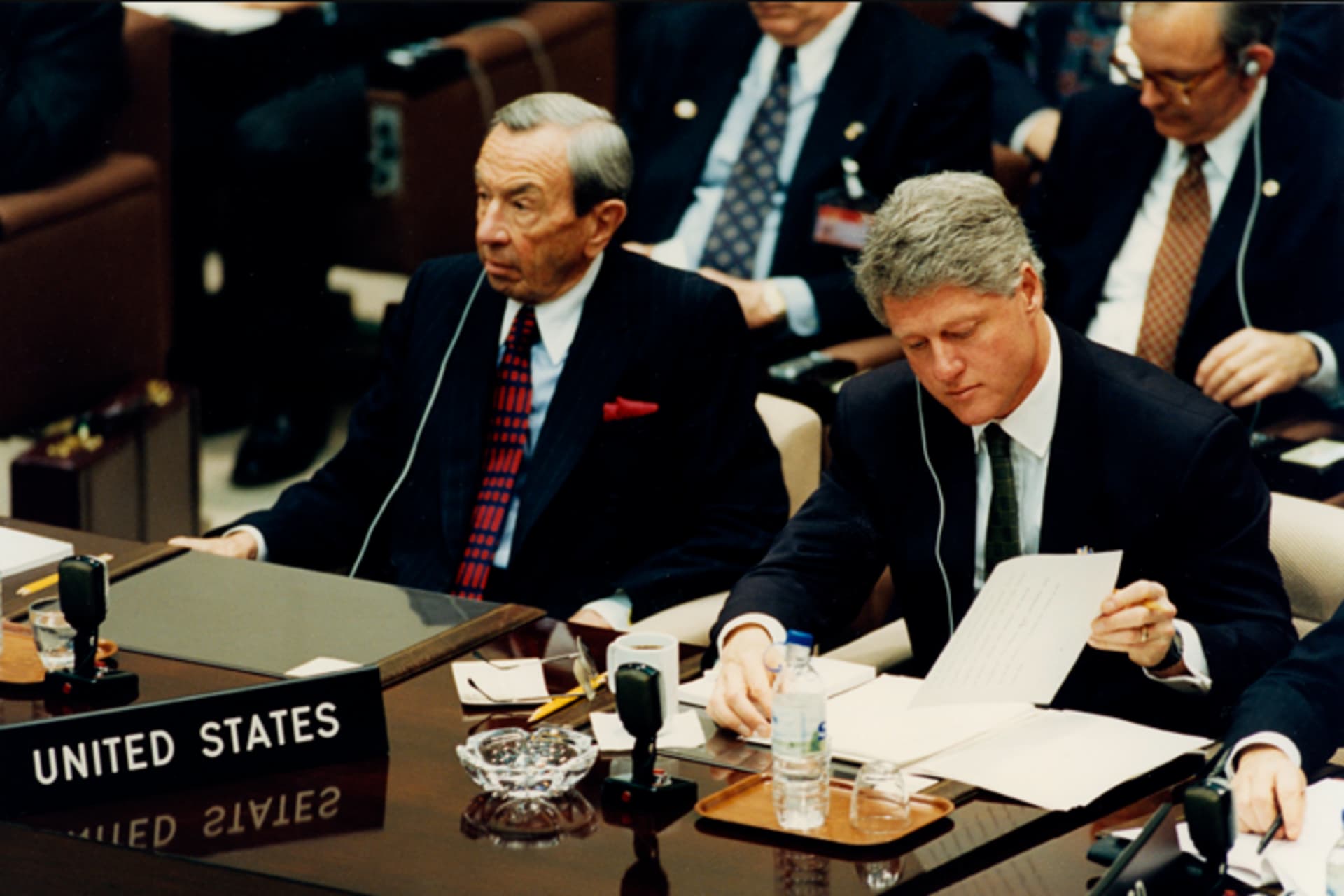
Should the United States support peacekeeping in a country filled with ethnic conflict? Explore this hypothetical simulation.
How should the United States use deterrence to block threats against itself and its allies? Explore this hypothetical simulation.
Should the United States use arms control to reduce the threat of a new type of weapon? Explore this hypothetical simulation.
The United States and the Soviet Union never directly clashed, but the Cold War was far from bloodless.
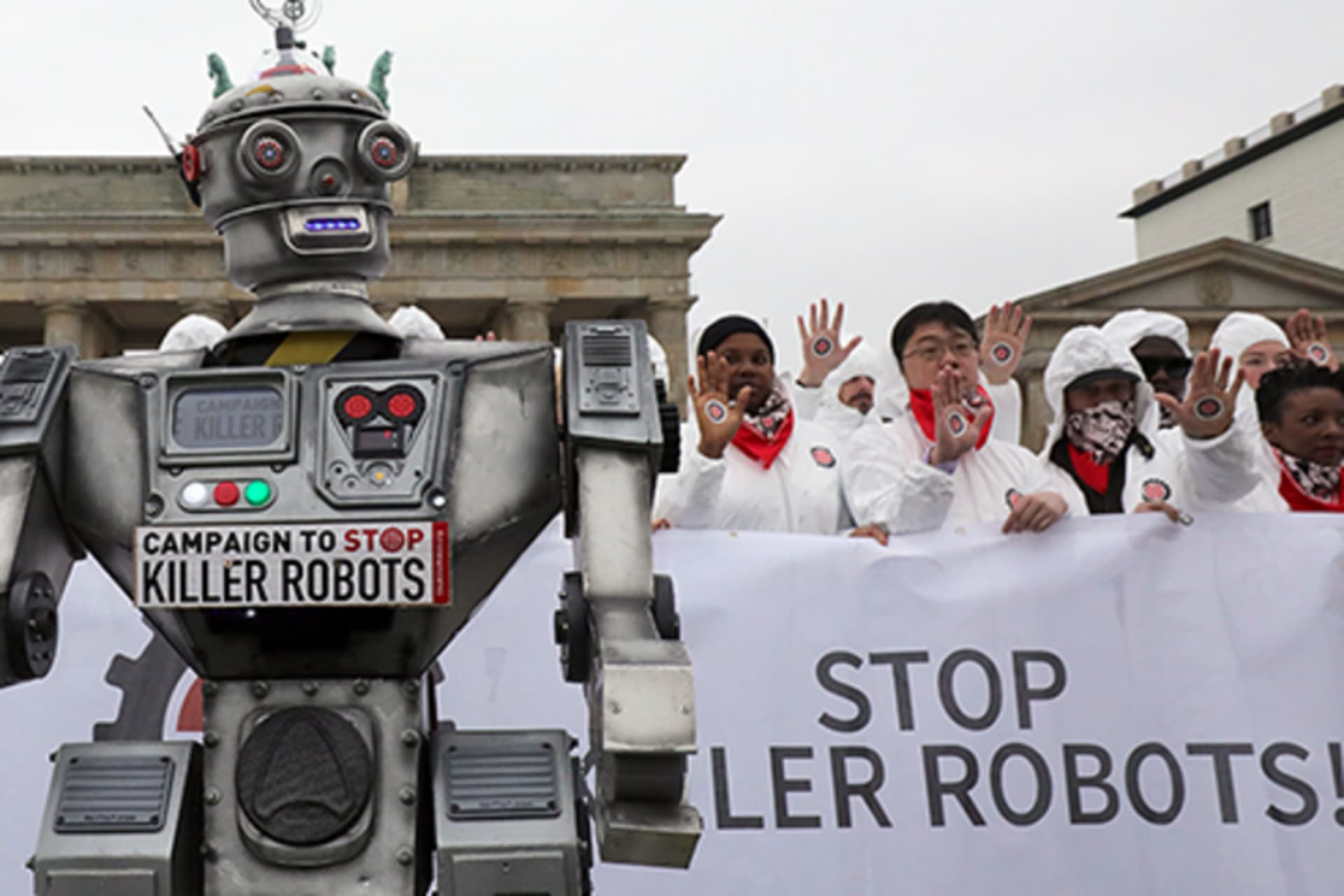
How is the military using AI? Killer robots have long been a fear and fascination of humankind. Explore how weapons that can locate, target, and kill without human involvement shape today’s conflicts and hold the potential to re-shape future conflicts.
From European colonialism to independence movements and beyond, learn how foreign influence and history have shaped the region.
Learn how the world’s superpowers, the United States and the Soviet Union (USSR), avoided nuclear war.
From India and the Palestinian Territories to Vietnam and Sudan, learn how former colonies sought independence—and how the shadow of colonialism still affects many regions today.
Discover how consumer goods have become cheap and ubiquitous in the global era.
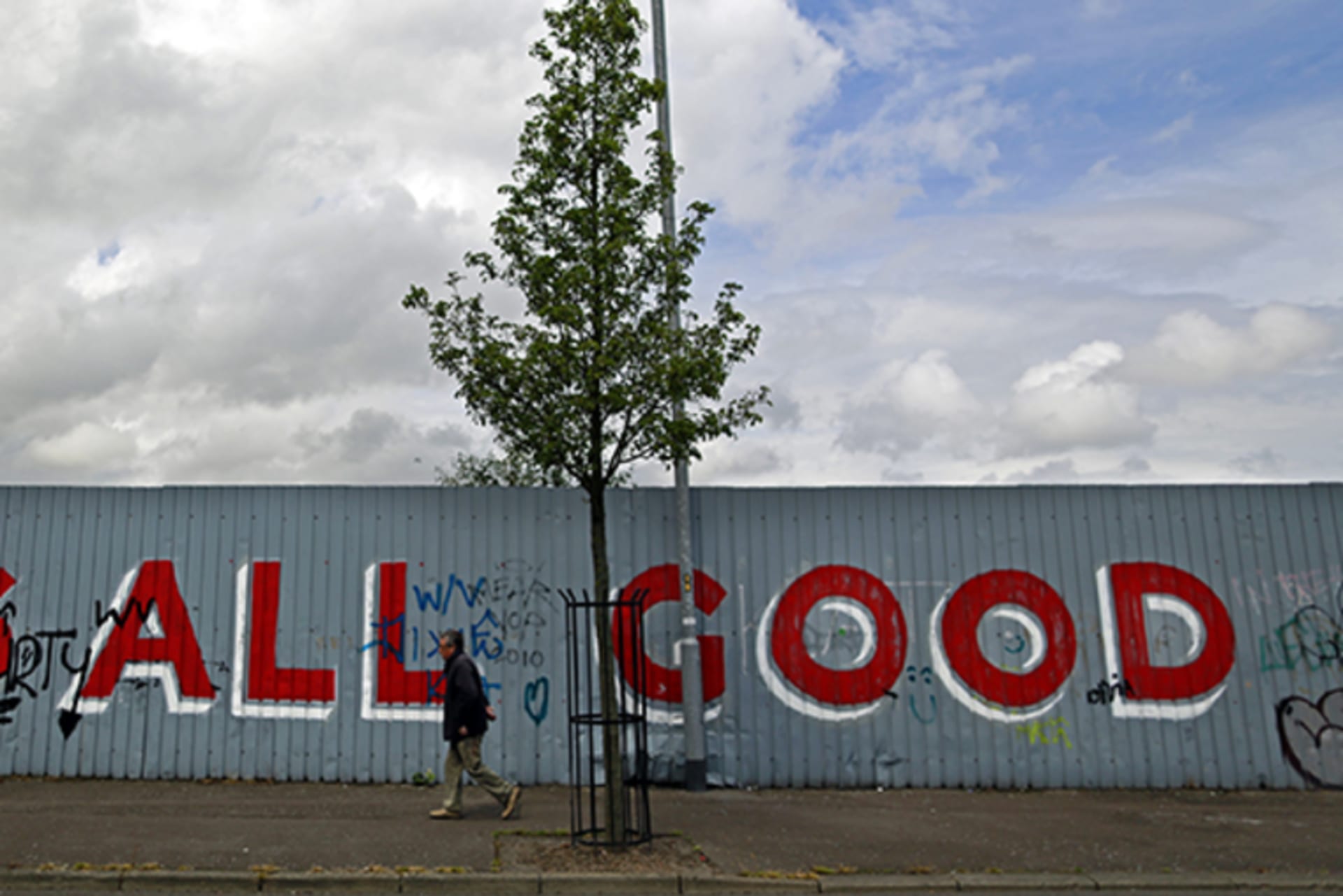
More than twenty years after the Good Friday Agreement was signed, challenges remain for Catholics and Protestants in Northern Ireland long after the conflict ended.
A government’s authority within its borders gets challenged all the time. Here is how.
Learn how the world’s nearly two hundred countries came to be, and whether the map is set in stone.
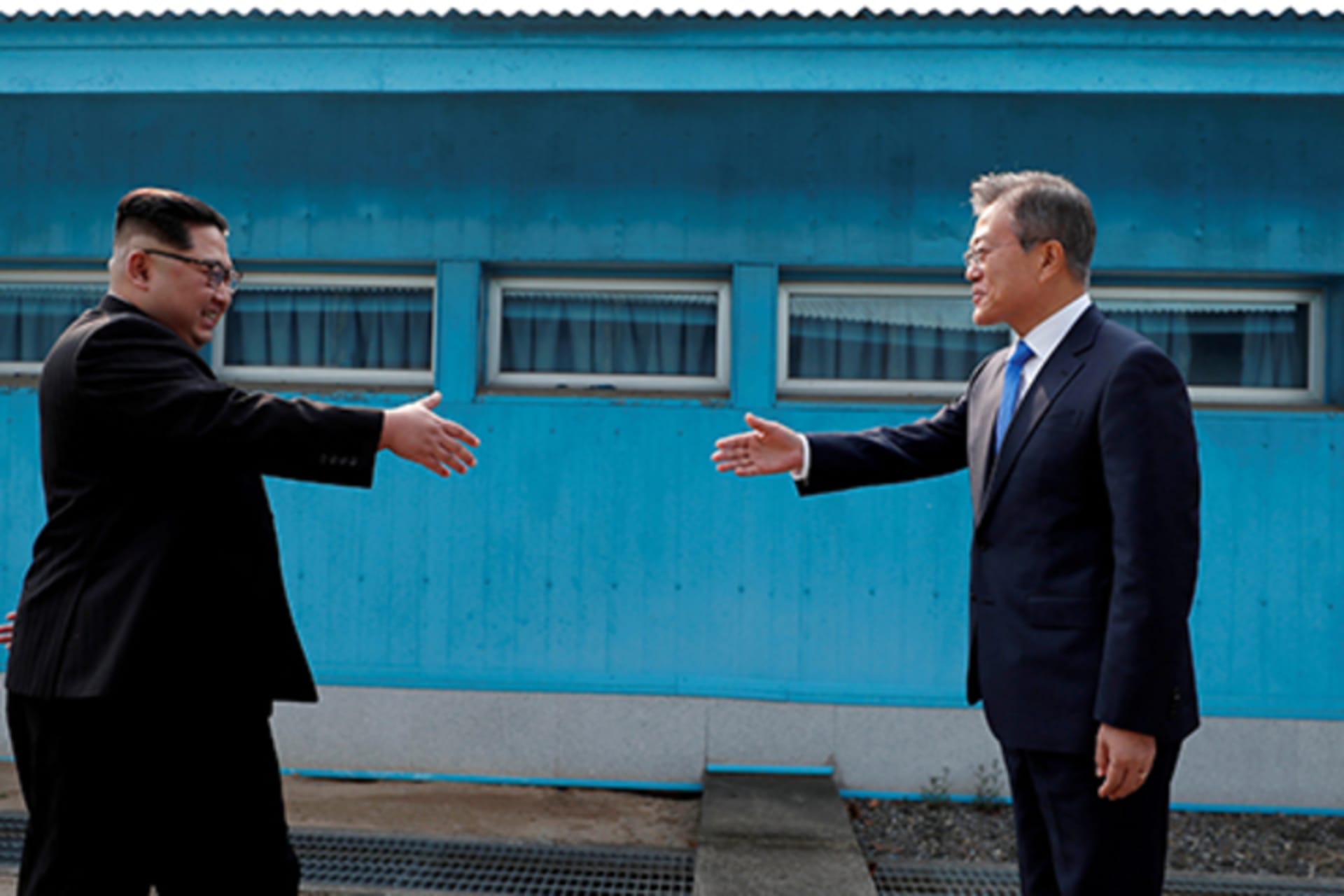
How did North Korea and South Korea turn out so differently? Learn about the history of Korea after World War II and how economic policies shaped the region.
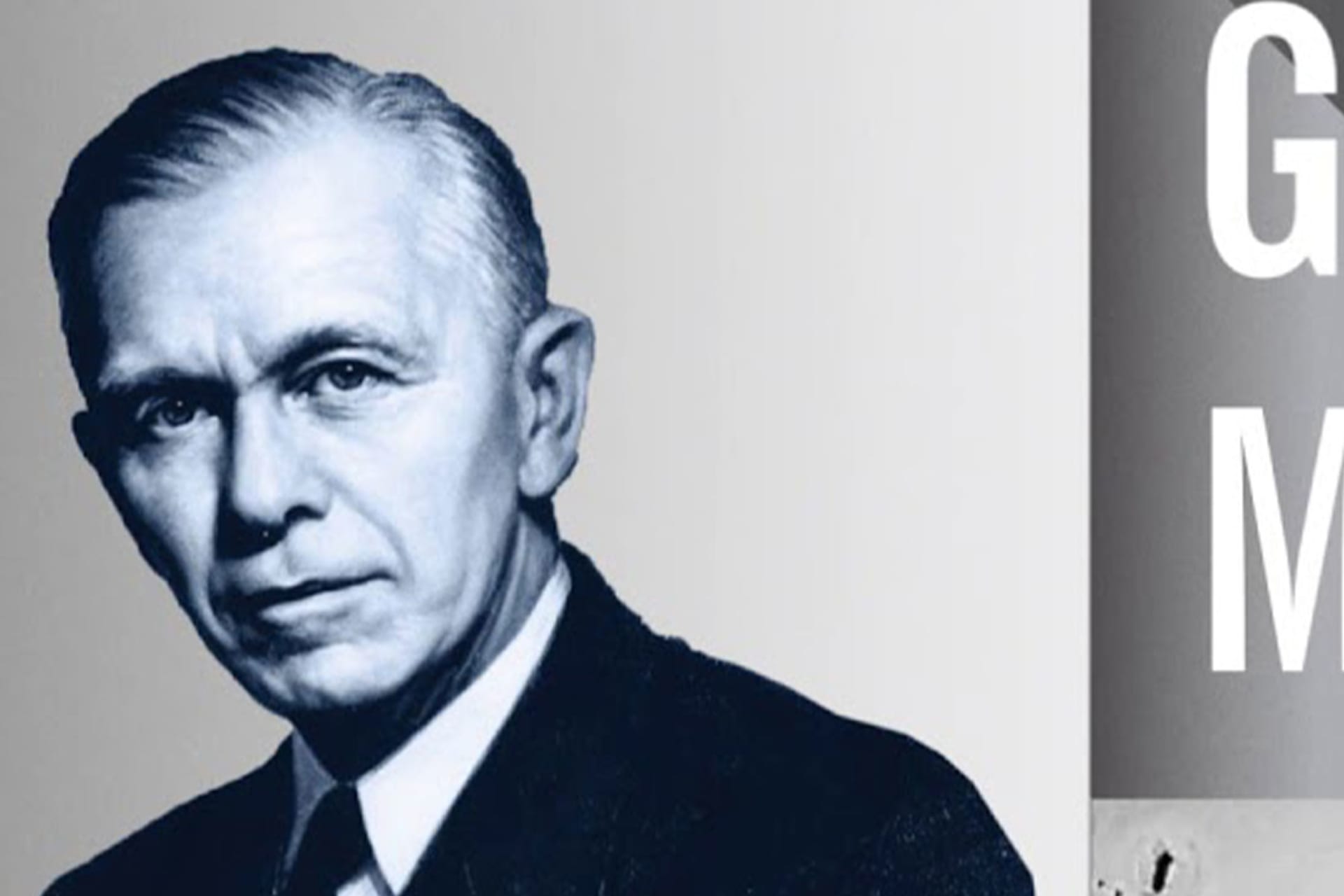
Understand how the Marshall Plan, one of the first large foreign aid programs, helped Europe rebuild after World War II, but also served the foreign policy interests of the United States.
Set in September 2016. Japan and China challenge each other in the airspace above the Senkaku/Diaoyu Islands in the East China Sea.
Set in September 2016. Japan and China challenge each other in the airspace above the Senkaku/Diaoyu Islands in the East China Sea.
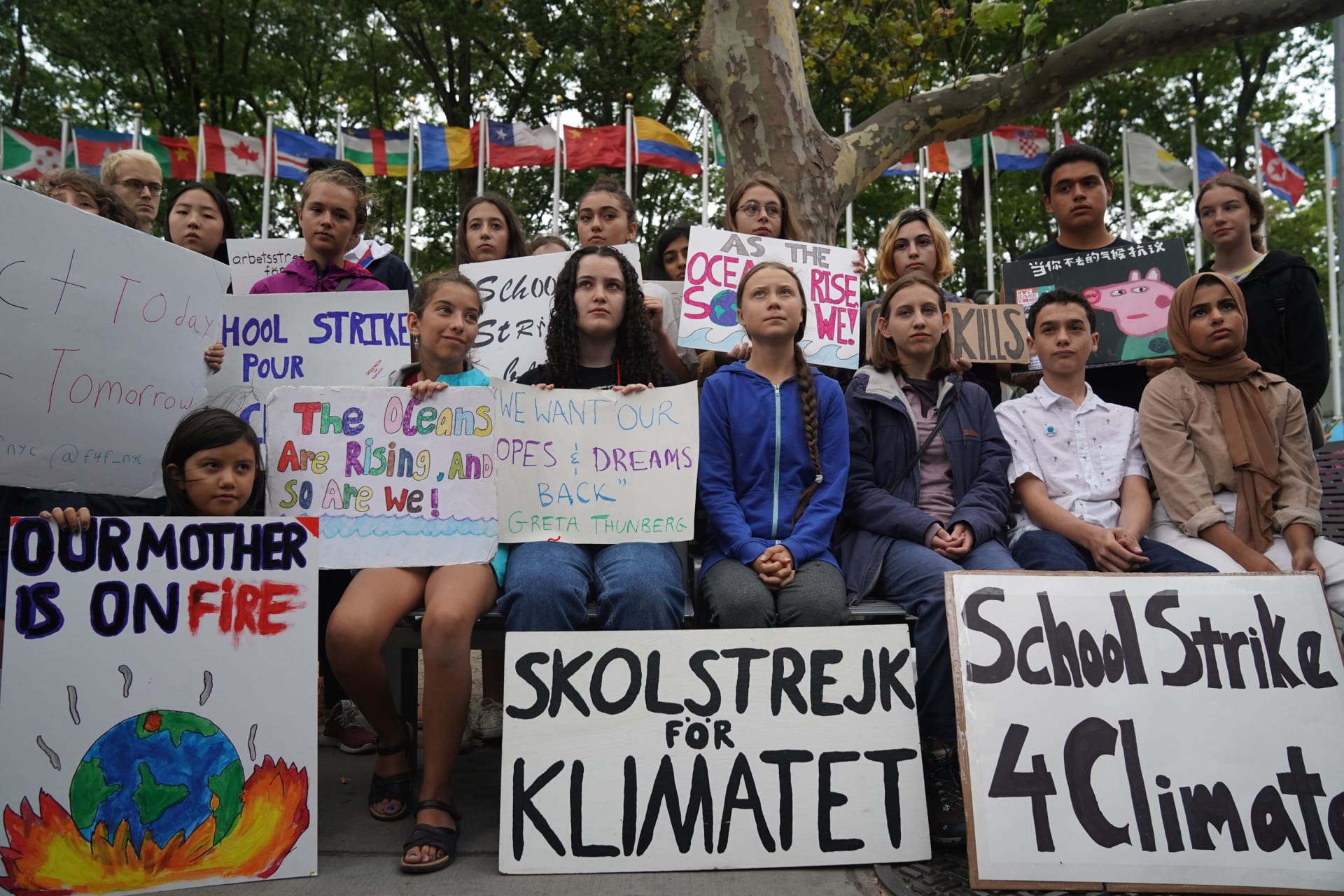
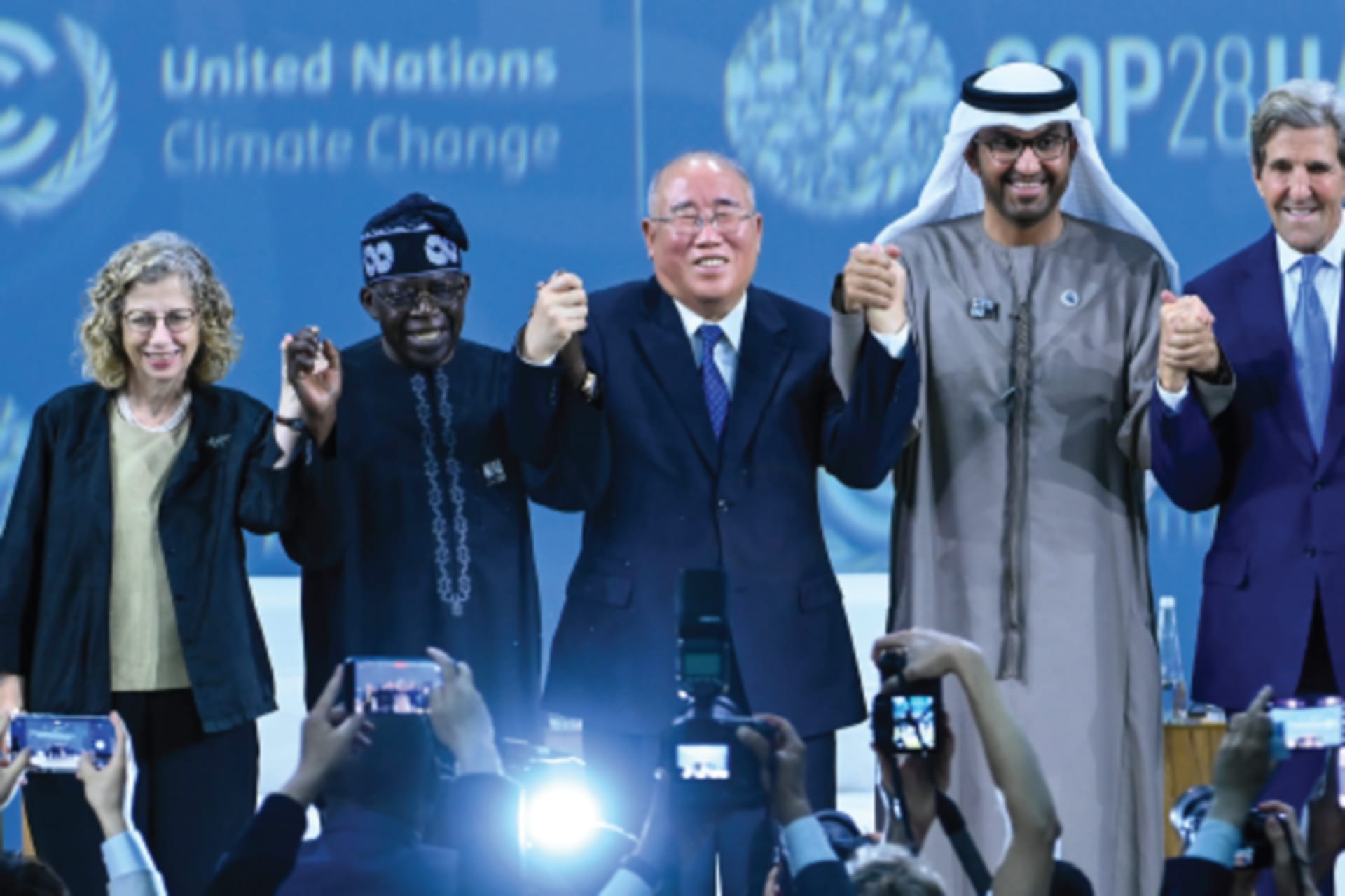
A major international climate summit approaches, and all eyes are on the United States.
A major summit approaches where the UN Security Council will meet to discuss the effects of climate change on security.
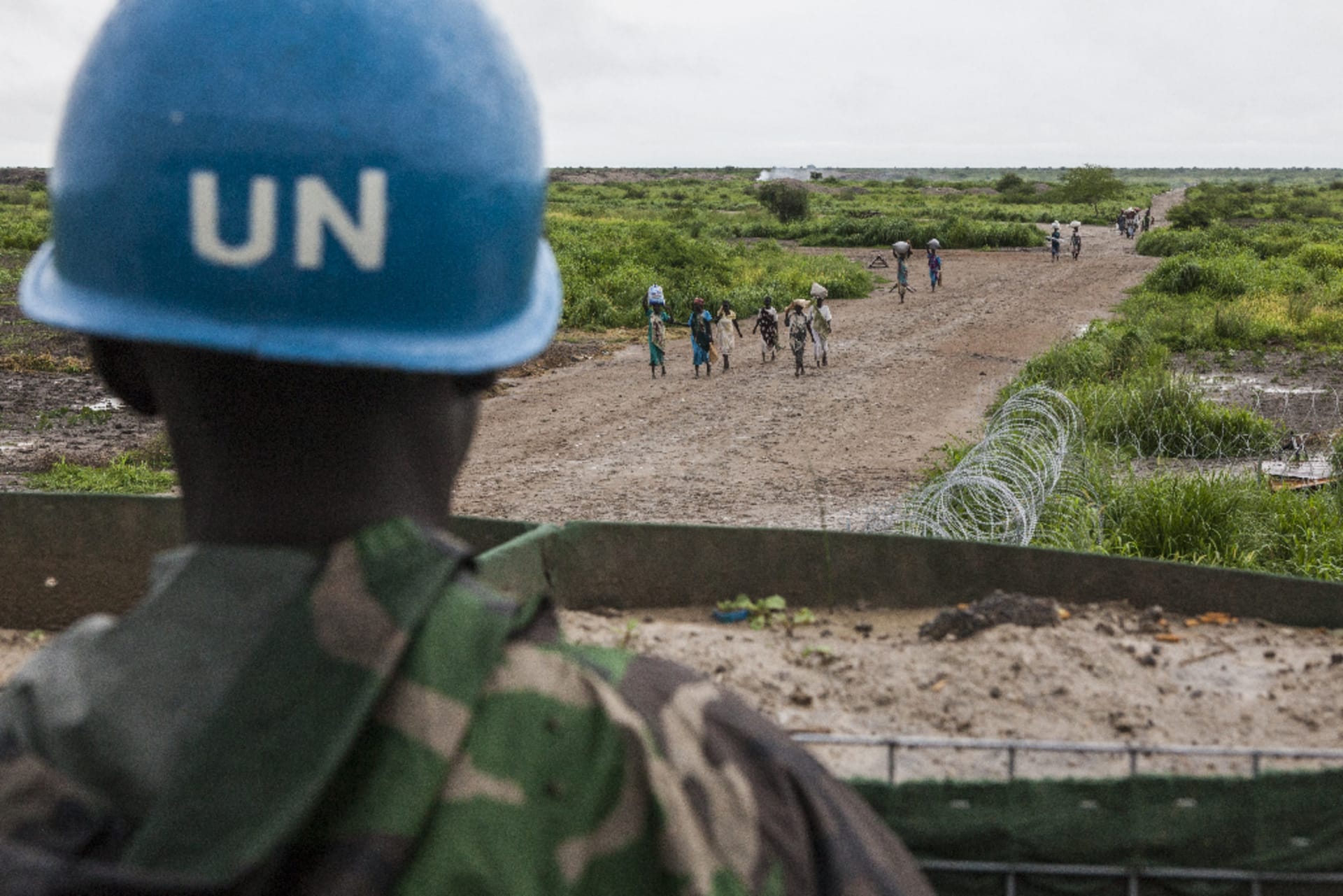
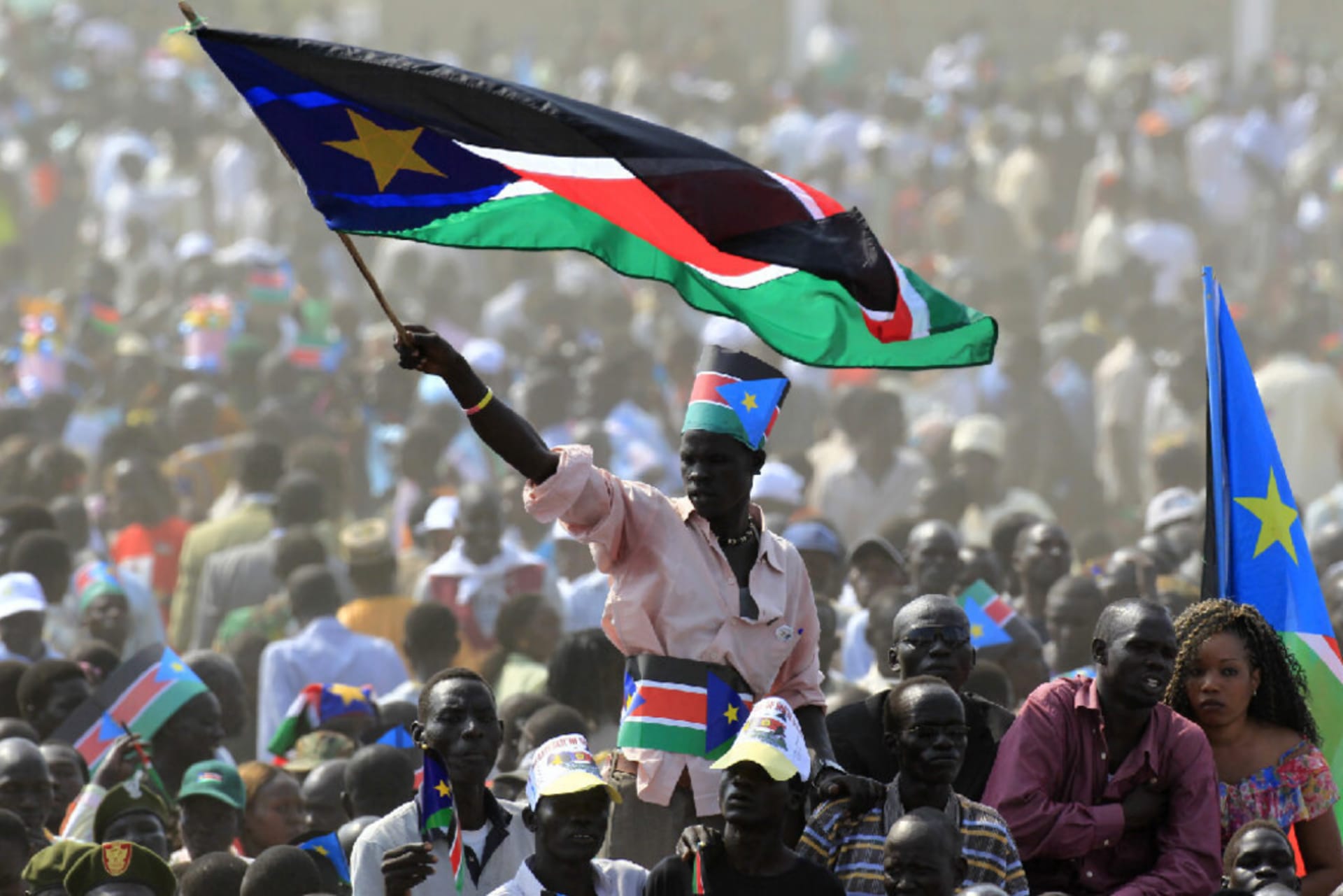
Set in May 2014. An ongoing civil war means South Sudan faces the threat of mass violence, reprisals, and possibly genocide.
Learn how energy storage can provide reliable renewable energy.
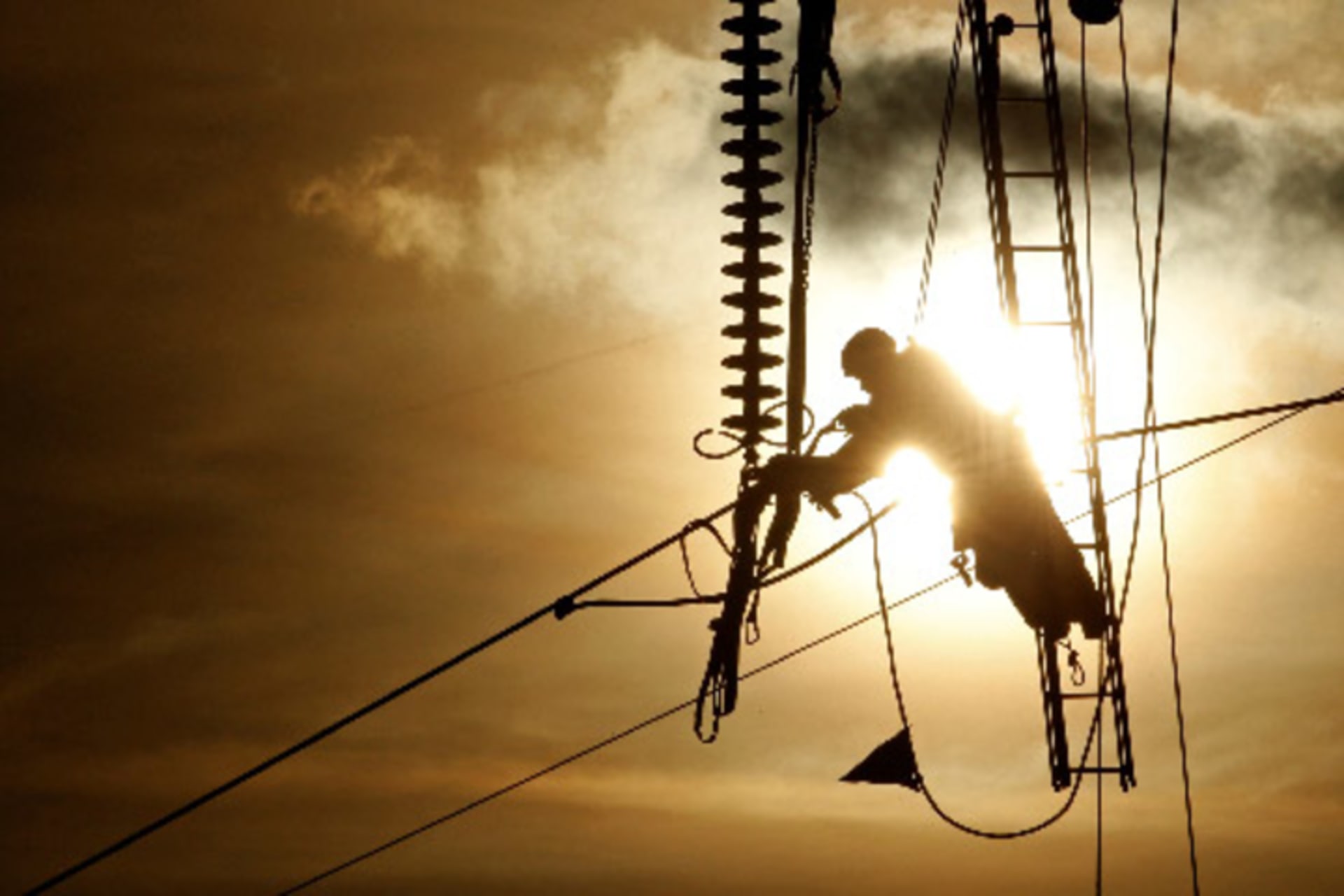
Severe weather is causing costly disruptions. To protect the energy grid, countries need a smarter plan.
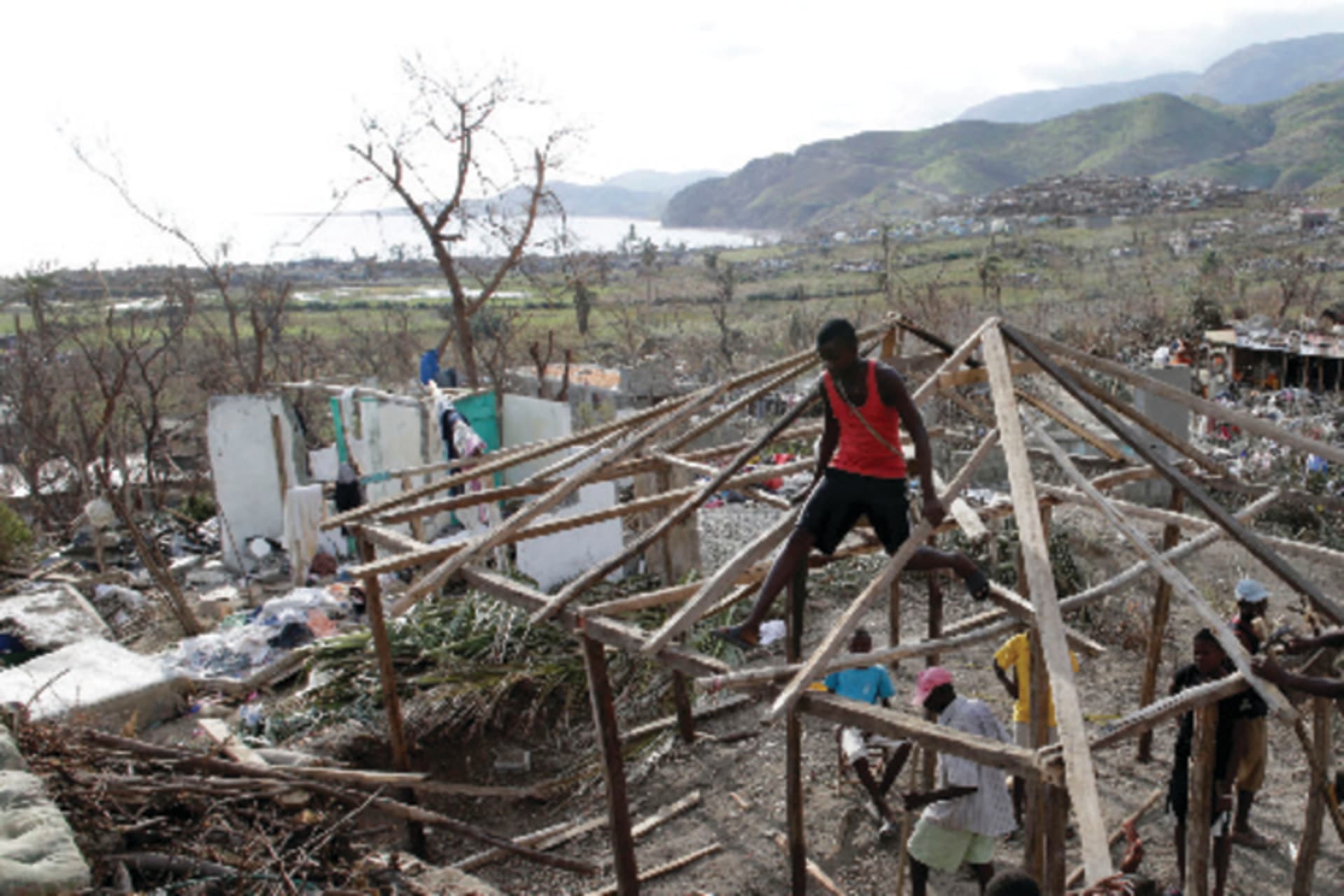
Climate Change is bad for everyone, but it’s worse for some.
The world can work together in the fight against climate change, but there are challenges to international cooperation.
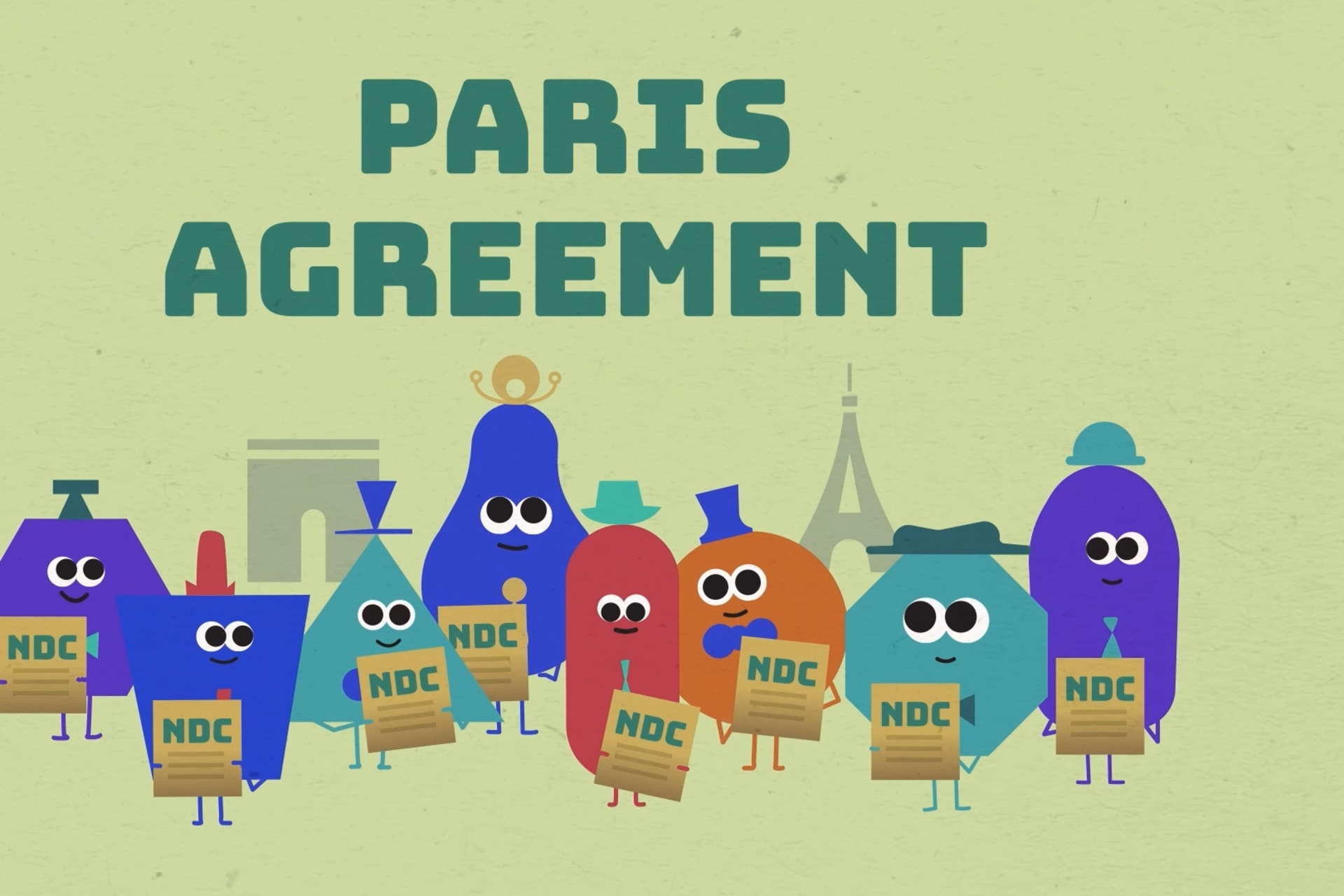
The Paris Agreement offers the world a pathway for addressing climate change, but challenges persist.
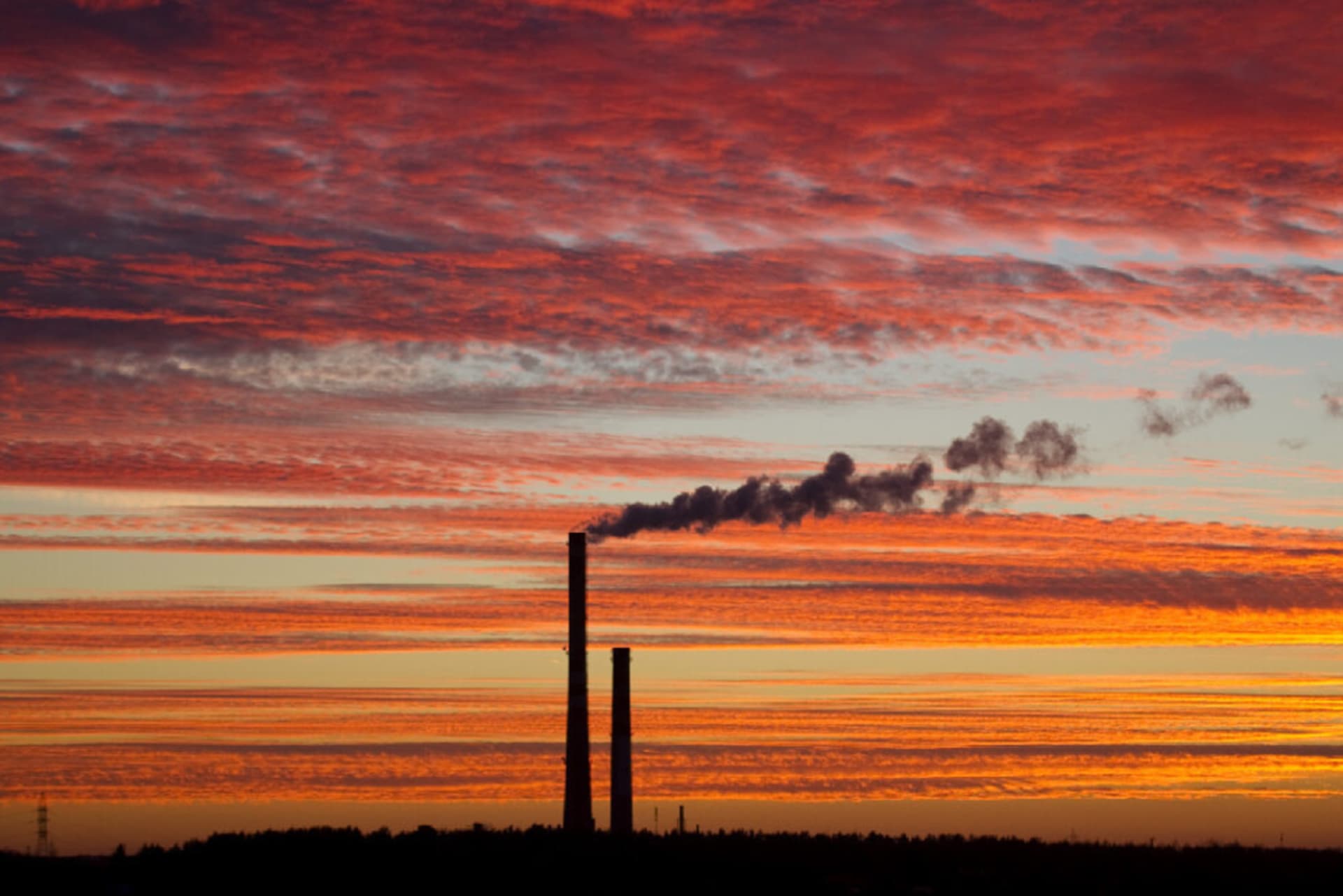
Every aspect of modern life carries hidden environmental costs. Recognizing the human-driven causes of climate change can help build a more sustainable future.
Climate change can amplify itself through feedback loops. It can also trigger catastrophic “tipping points.”
Explore the challenges facing international cooperation and the major treaties where the world has agreed to work together.
Set in May 2014. An ongoing civil war means South Sudan faces the threat of mass violence, reprisals, and possibly genocide.
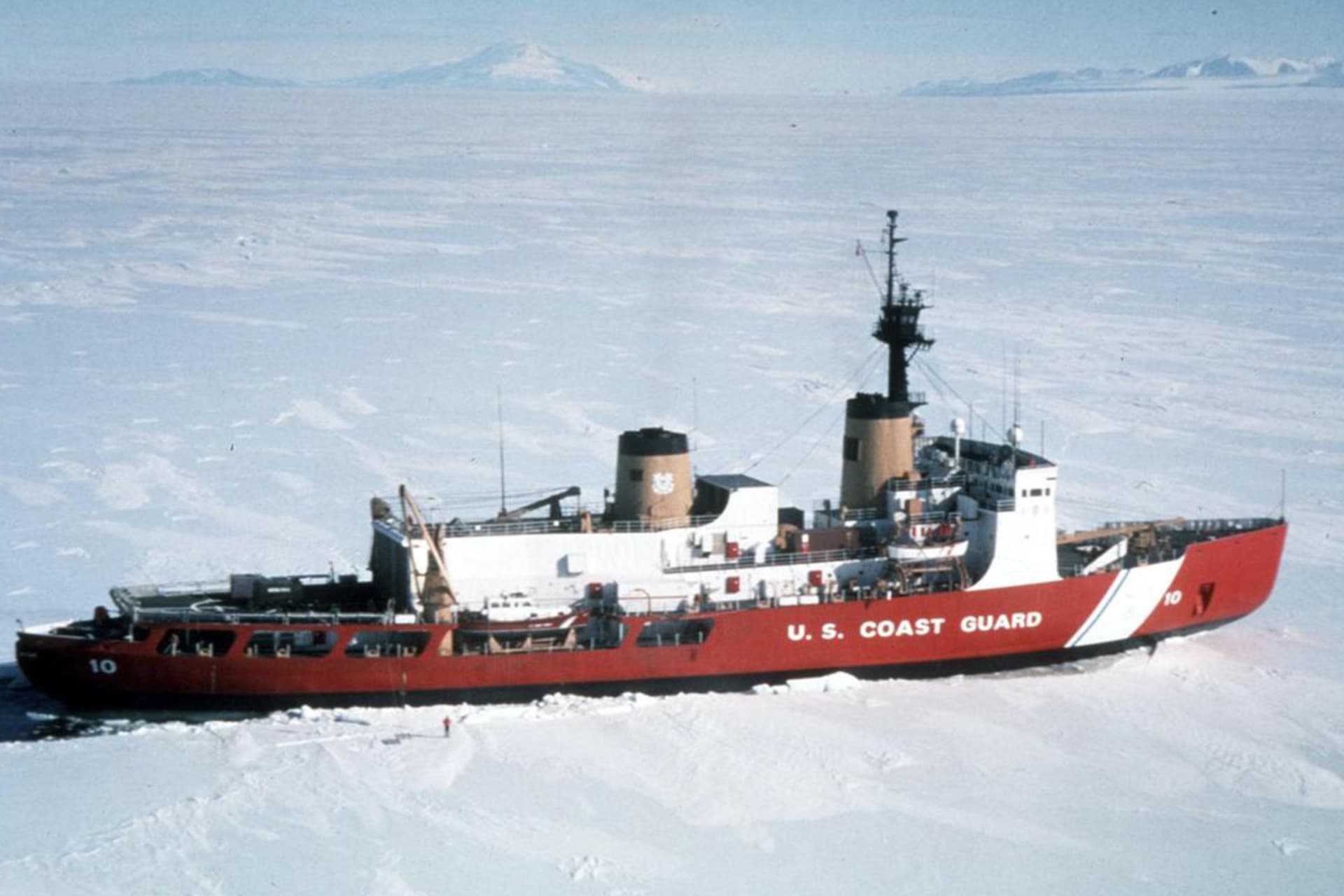
Should the United States launch a new Arctic policy in response to climate change and investments from countries like China and Russia in the region? Explore this simulation.
How should the United States leverage trade to respond when a rivalry between growing trade partners threatens regional stability? Explore this hypothetical simulation.
Should the United States take action to stop deforestation in the Amazon to combat climate change? Explore this simulation.
Should the United States consider the use of solar geoengineering to combat climate change? Explore this simulation.
How should the United States apply sanctions to influence a crisis abroad? Explore this hypothetical simulation.
In this free climate change resource, learn how AI is helping countries reduce carbon emissions, but some innovations could ultimately contribute to a warming planet.
In this free resource, explore seven ways countries are responding to a changing environment, from cap and trade policies to clean energy standards.
Is there a global water crisis? In this free resource, learn how climate change is causing water scarcity to worsen worldwide.
In this free resource, explore how climate change disproportionately affects certain communities and could drastically increase global inequality.
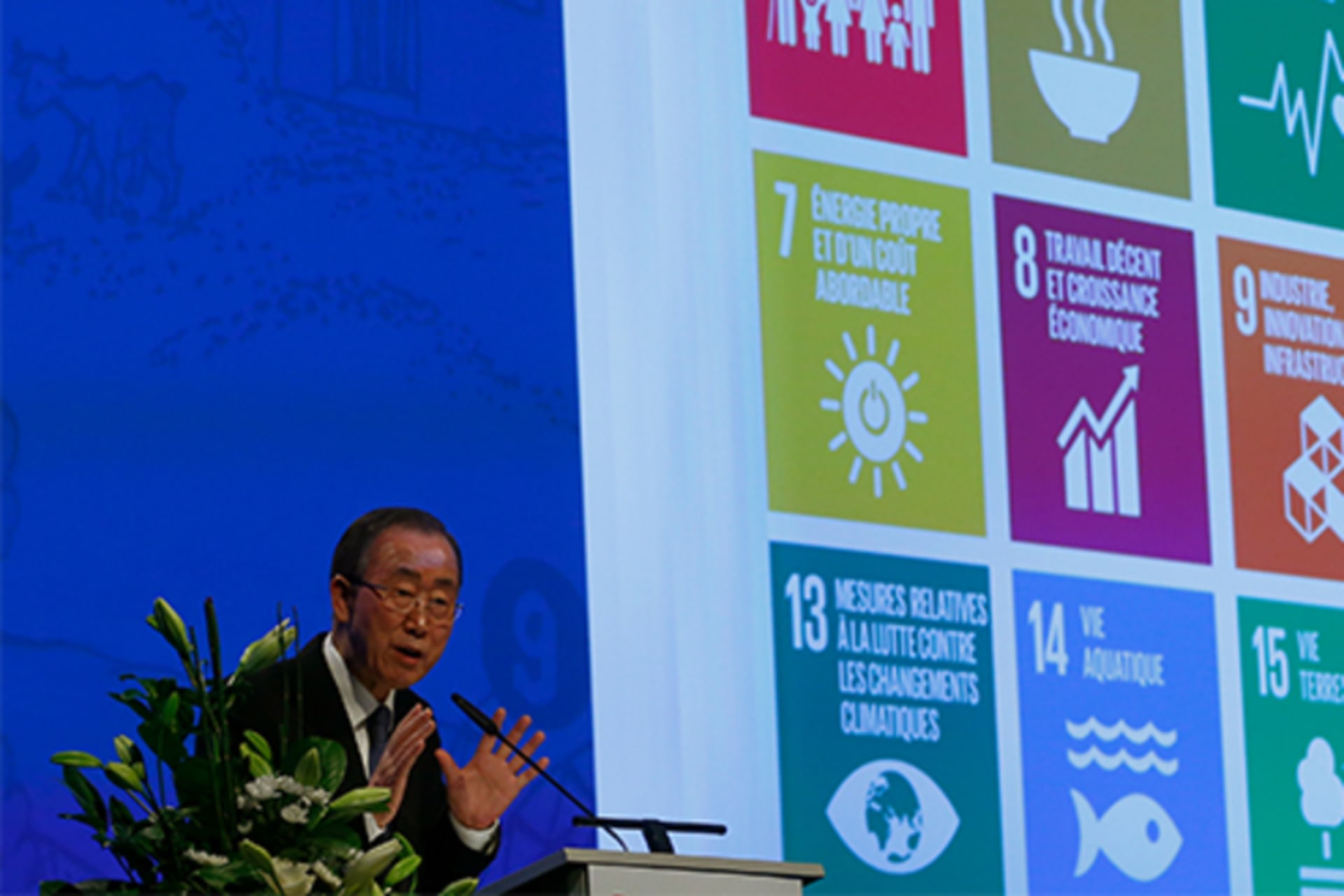
Learn about the formation of the United Nations Sustainable Development Goals (SDGs), and review the opportunities and challenges for meeting them.
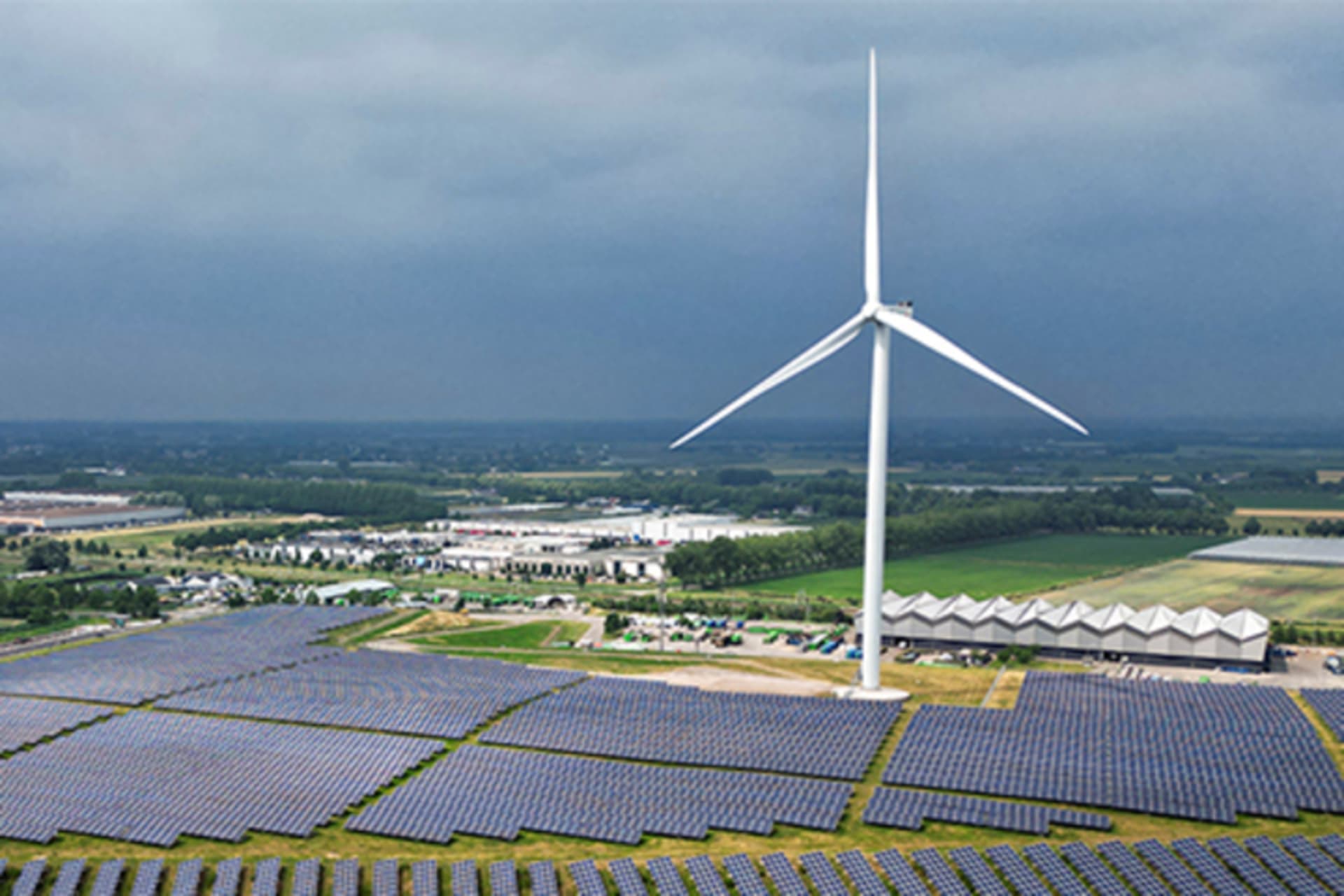
Learn how turning toward cleaner energy sources means factoring in economic and energy needs alongside environmental ones.
How do greenhouse gas emissions contribute to global warming? Learn why the world is getting warmer in this free climate change resource.
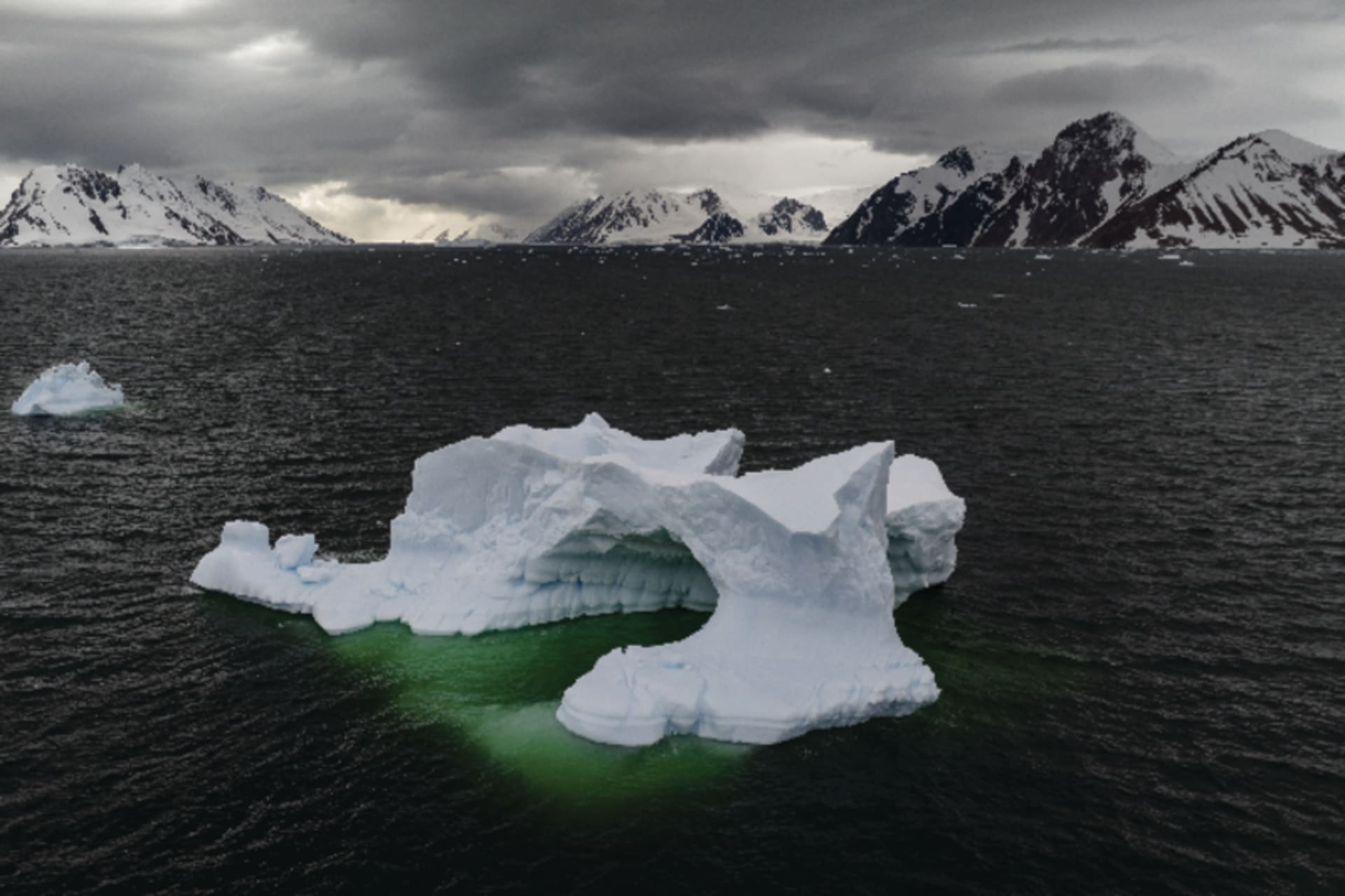
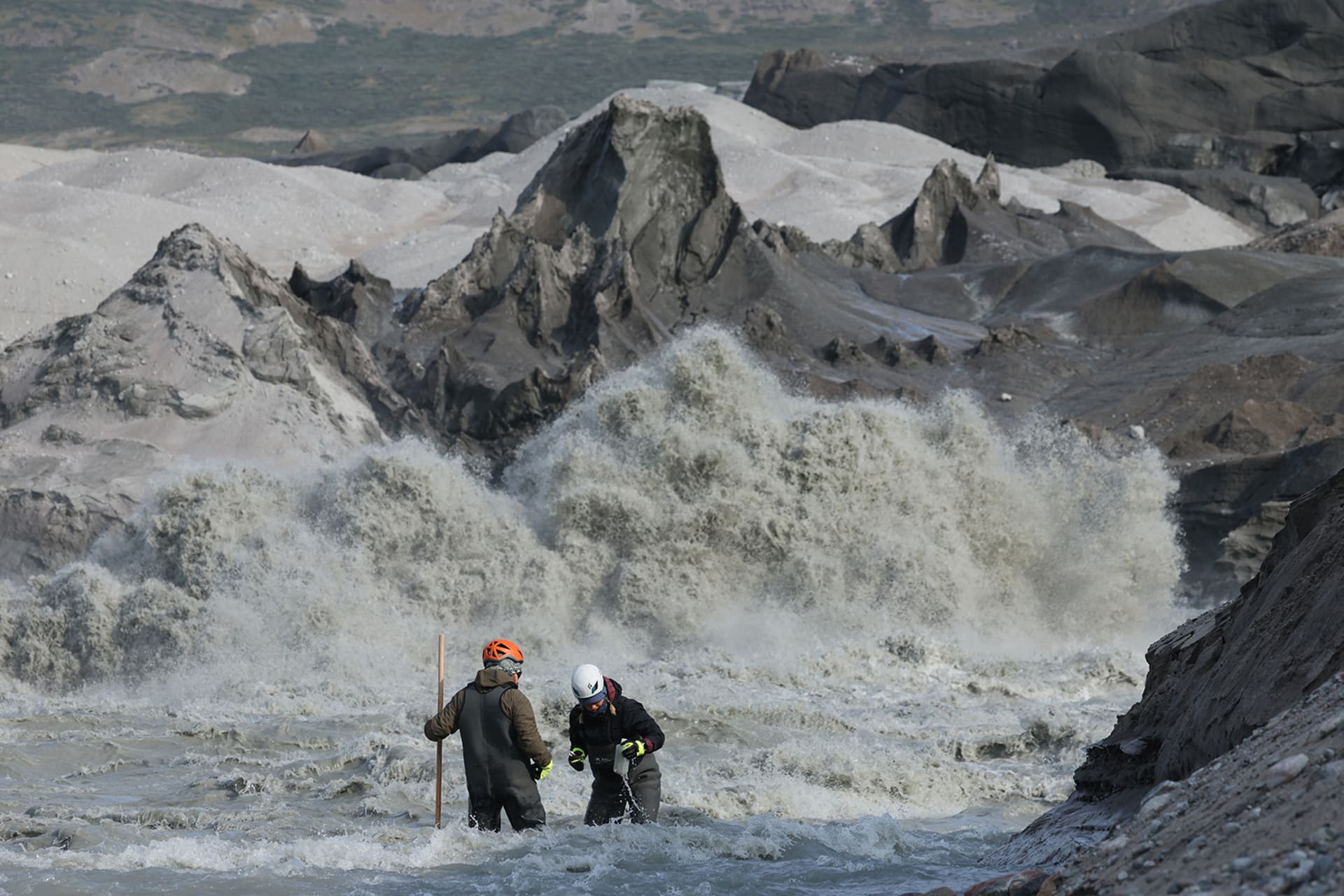
In this free climate change resource, learn why melting ice in Greenland is causing global sea level rise.
In this educational video, learn how climate change’s effects on agriculture can have serious economic consequences for the world.
Learn how the world measures greenhouse gas emissions and how different approaches imply different levels of responsibility.
Why do developed and developing countries disagree about who is responsible for climate change? Explore the history of industrialization and its impacts on climate in this video.
In this educational video, learn why the climate is changing, how it affects us, and what we can do about it.
Explore how eleven countries are adapting to the effects of climate change in this free resource.