Conflict Type

Criminal Violence

Criminal violence happens when organized criminal groups use large-scale violence, often linked to illicit economies such as drug trafficking, human smuggling, or extortion. Criminal violence undermines state authority, destabilizes communities, and generates humanitarian and governance crises, even when not politically motivated.

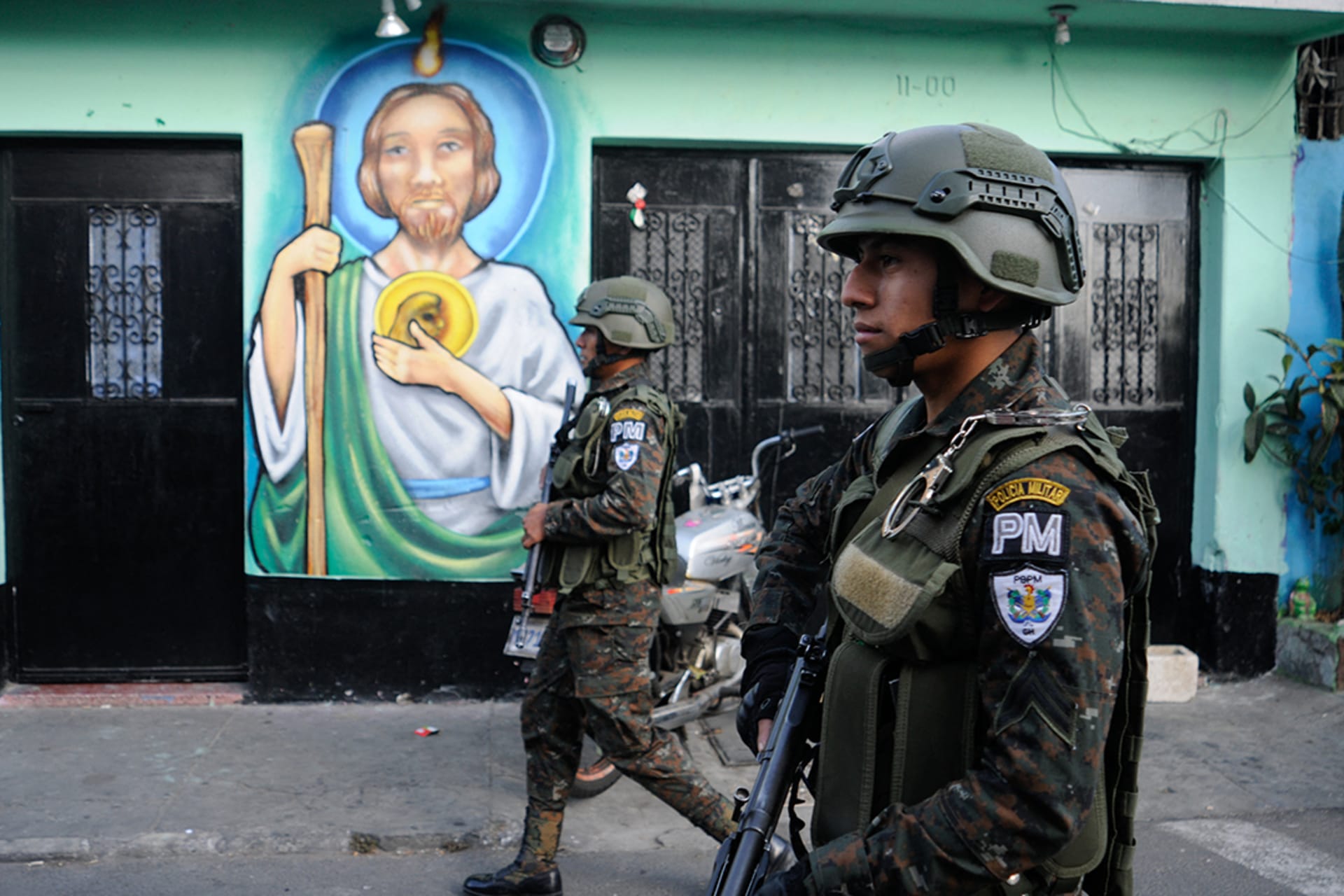
Two soldiers in army fatigues walk beside a building with a mural of Jesus Christ.

Instability in the Northern Triangle

Type
Criminal ViolencePolitical Instability
Impact on U.S.
Significant
Status
Unchanging

Transnational gangs and narco-trafficking networks plaguing El Salvador, Guatemala, and Honduras have driven some of the world’s highest homicide rates and displaced over two million people since 2019. States of exception and mass incarceration in El Salvador and Honduras have reduced homicides but suspended civil liberties, while U.S. cuts to foreign assistance and mass deportations of convicted criminals threaten to strain government capacity.
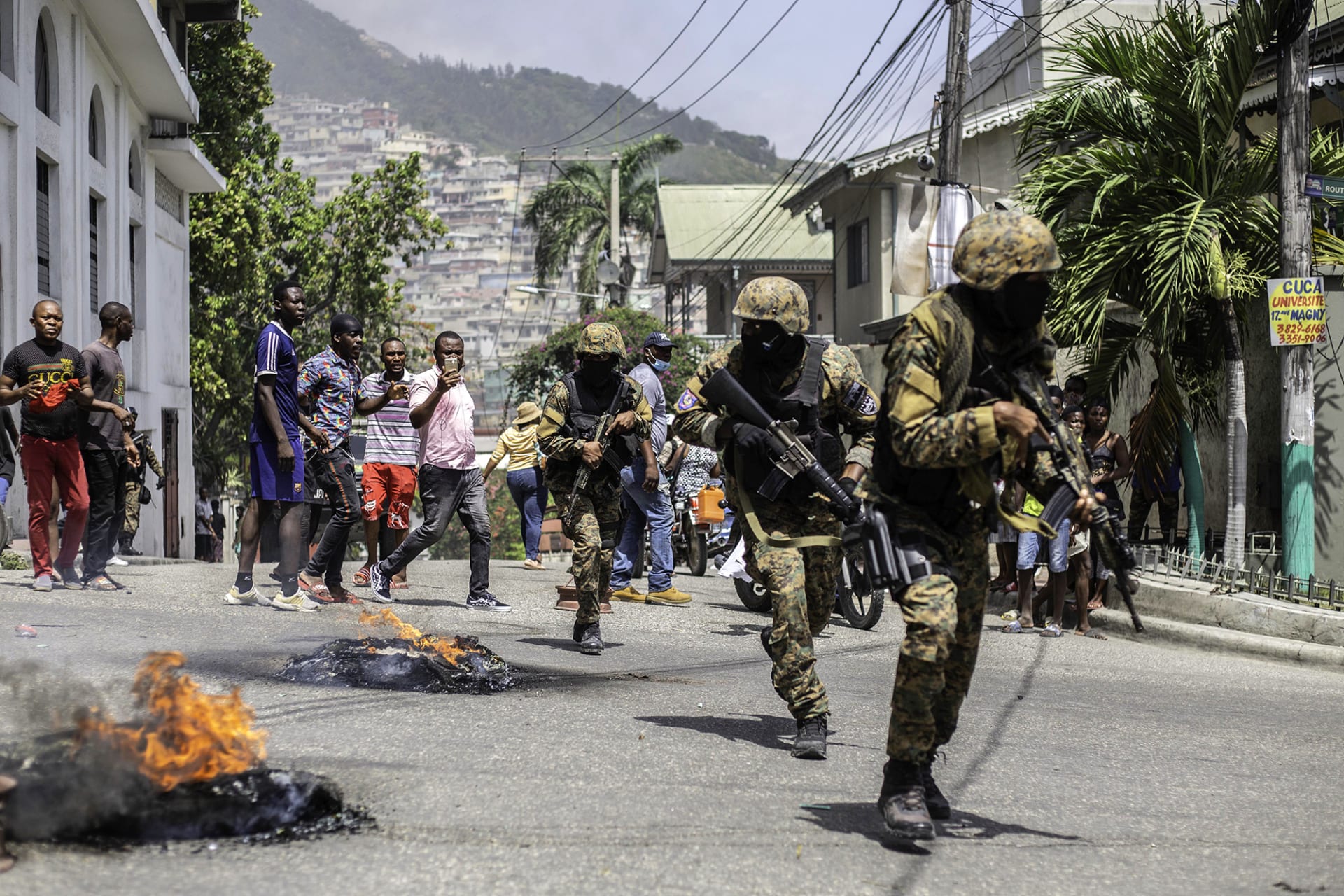
Soldiers with guns while civilians look on and tires burn in the street.

Criminal Violence in Haiti

Type
Criminal ViolencePolitical Instability
Impact on U.S.
Significant
Status
Worsening

Foreign interventions, political crises, and natural disasters have long destabilized Haiti, a trajectory that worsened sharply after the 2021 assassination of President Jovenel Moïse. Armed gangs moved to fill the vacuum, seizing control of an estimated 90 percent of Port-au-Prince and displacing over 1.4 million people. A UN-backed Gang Suppression Force began operations in June 2026, but gangs retain control of three of Haiti’s ten provinces, threatening to derail elections planned for later this year.

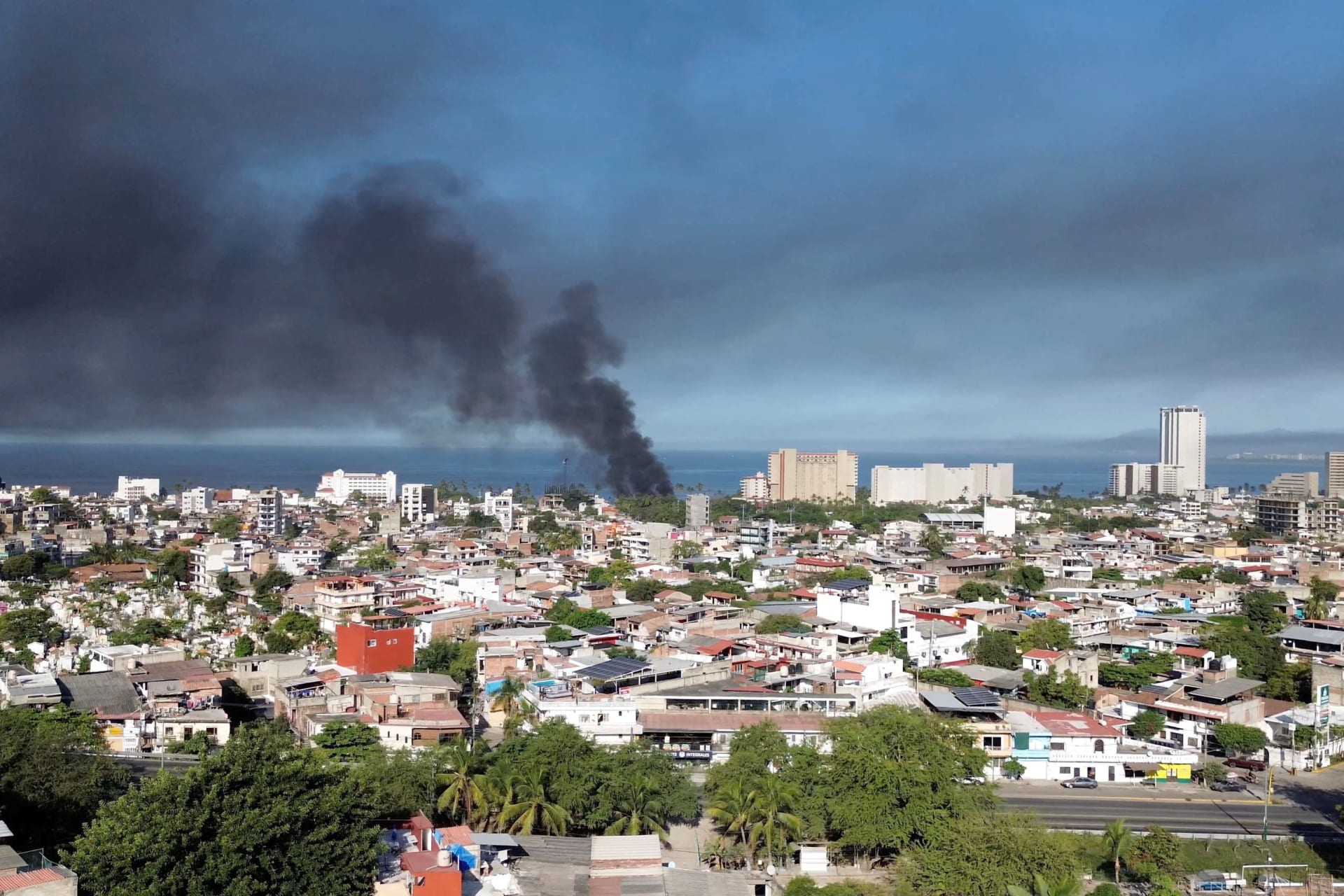
Smoke billows from an urban area by the sea.

Criminal Violence in Mexico

Type
Criminal Violence
Impact on U.S.
Significant
Status
Unchanging

Mexico’s narco trafficking organizations have waged a decades-long campaign of violence that has claimed hundreds of thousands of lives, destabilized governance across large swaths of the country, and strained the U.S.-Mexico relationship. Bilateral tensions have worsened under the Trump administration, which has designated major cartels as foreign terrorist organizations, publicly alleged government-cartel collusion, and pressured President Claudia Sheinbaum to adopt a more aggressive security posture.