Introduction
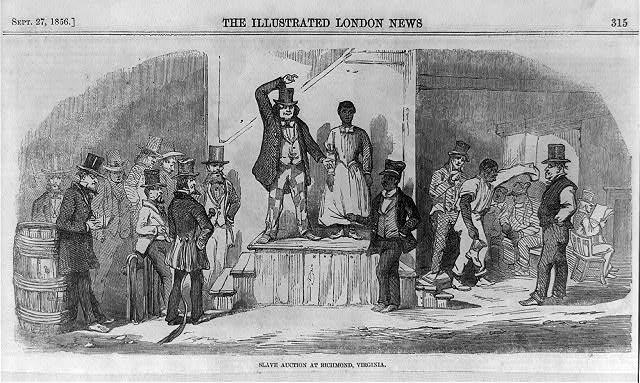
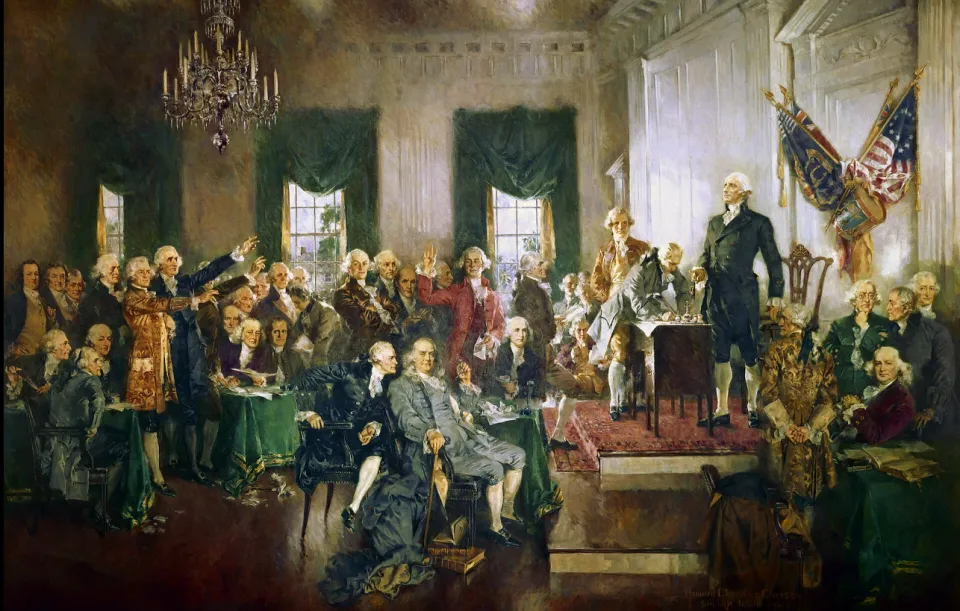
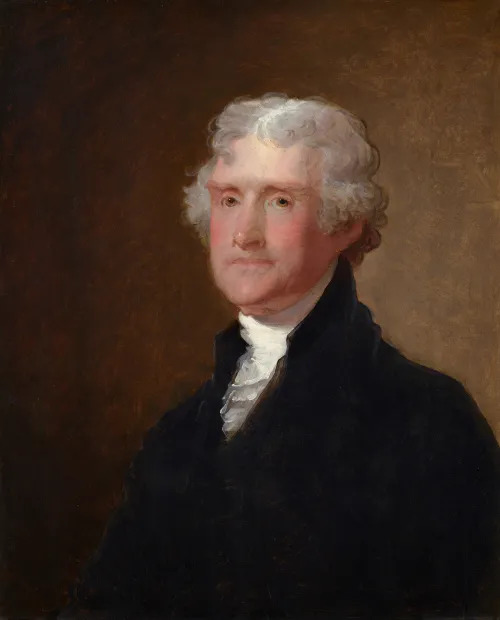
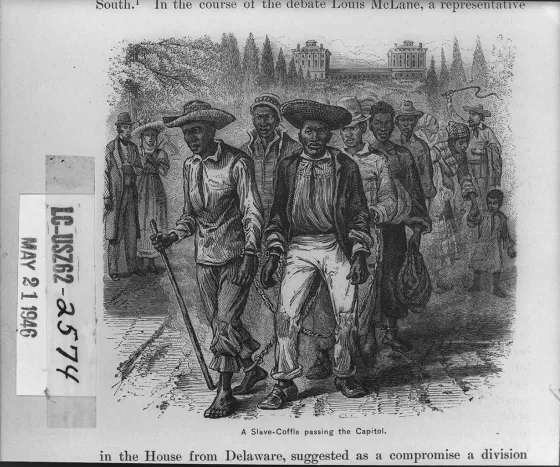
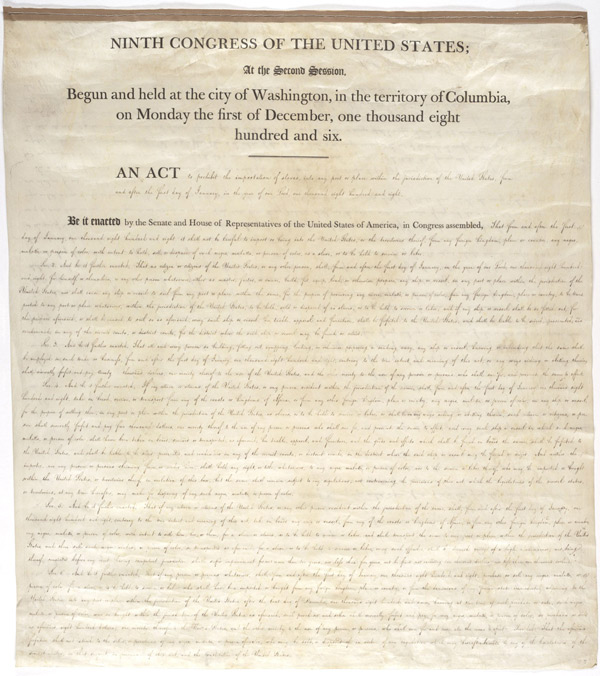
The question of slavery’s future figured prominently when the Constitutional Convention met in Philadelphia in the summer of 1787. Some delegates from Northern states hoped to banish the practice. They ultimately abandoned their fight in the face of the reality that the Southern states would rather bolt the convention, thereby dooming the effort to create a more effective national government, than agree to abolish slavery. The opponents of slavery, however, won one concession. The Constitution provided that after a twenty-year wait, Congress could ban the importation of enslaved people. In March 1807, at President Thomas Jefferson’s request, Congress did just that. On January 1, 1808, the Act Prohibiting the Importation of Slaves went into effect. It was the first U.S. law that broke with the transatlantic slave system, and it curtailed U.S. participation in the international slave trade. SHAFR historians ranked the Act Prohibiting the Importation of Slaves as the eighth-best U.S. foreign policy decision.
A list of featured comments
What Historians Say
Kimber Quinney
Assistant Professor of History, California State University San MarcosNicole Phelps
Professor of History, University of VermontJessica Chapman
Sue and Edgar Wachenheim III Professor of History Chair, Williams College