Introduction
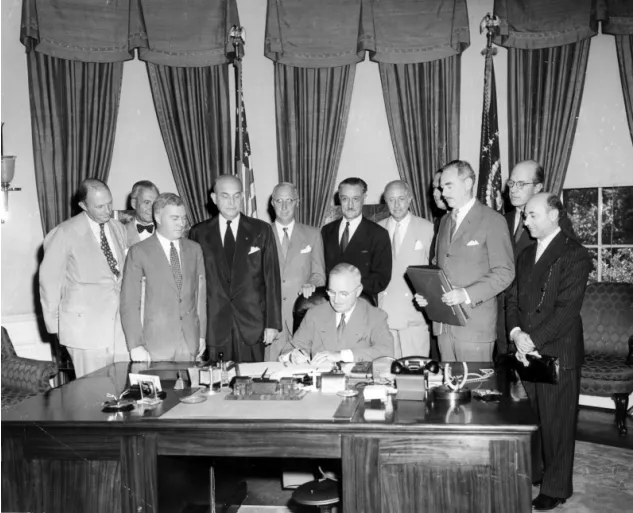
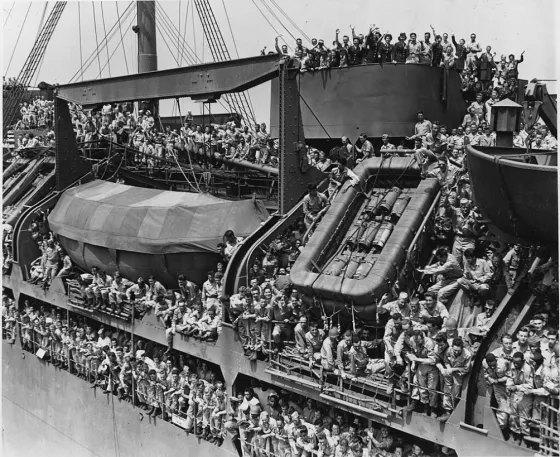
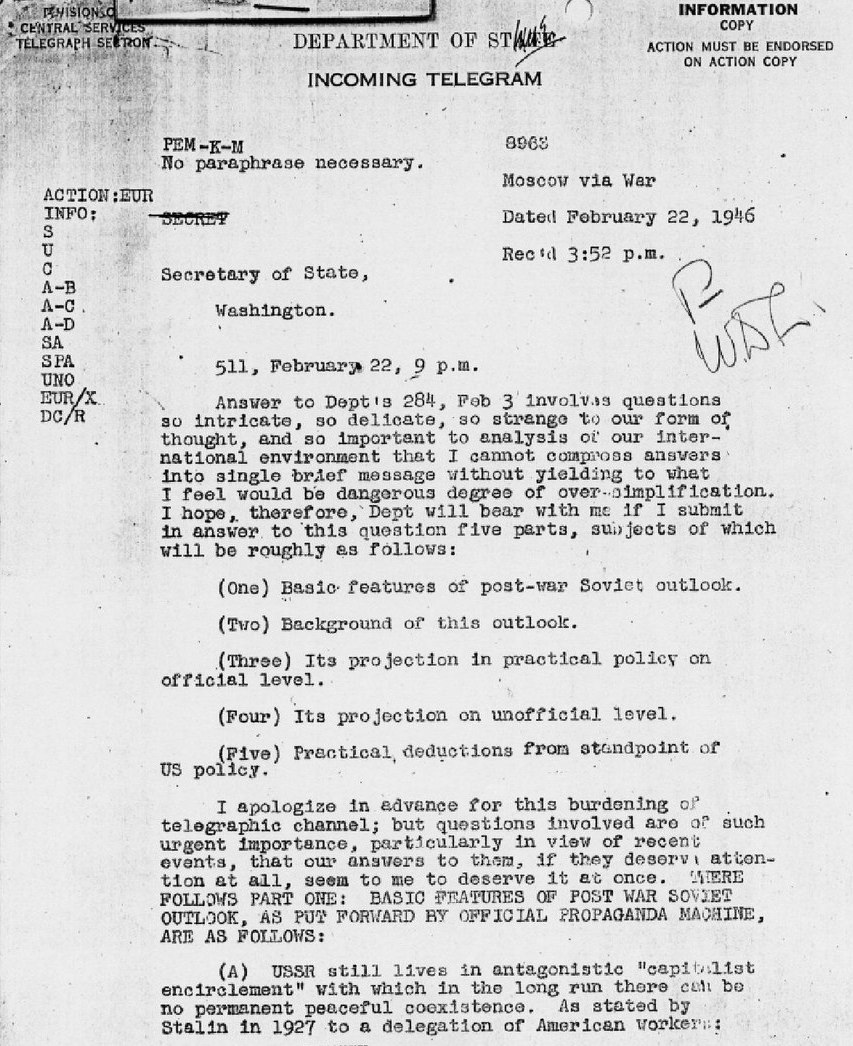
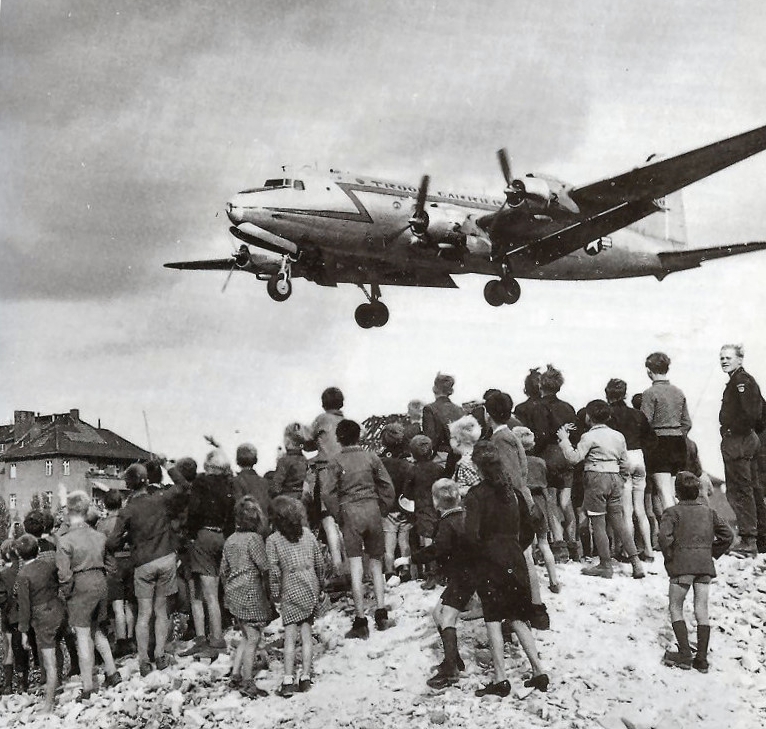
For much of its history, the United States shunned what Thomas Jefferson in his first inaugural address called “entangling alliances” with other countries. This meant, above all, standing apart from the political affairs of Europe. The United States broke with that tradition when it entered World War I, though President Woodrow Wilson insisted that the United States fought beside France and Great Britain as an “associated power” and not an allied one. After the war ended, the United States again turned its back on Europe. That pattern looked set to repeat when Germany surrendered at the end of World War II. However, Soviet efforts to dominate Europe changed U.S. calculations. Rather than returning home, the United States committed itself to the defense of Europe with the creation of the North Atlantic Treaty Organization (NATO). It became the most successful military alliance in history, deterring the Soviet Union and ushering in what has been called the “Long Peace” in Europe. SHAFR historians ranked the creation of NATO as the sixth-best U.S. foreign policy decision.


A list of featured comments
What Historians Say
Michael Hopkins
Reader in American Foreign Policy, University of LiverpoolKyle Longley
Henry Salvatori Professor of American Values and Traditions, and Professor of History, Chapman UniversityJoseph Steib
Assistant Professor of History, University of North Carolina at Chapel Hill