Introduction
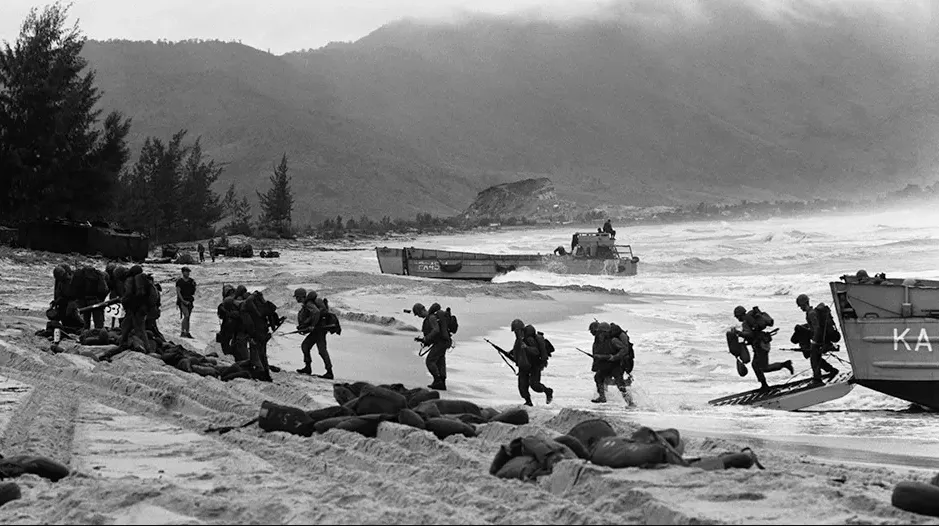
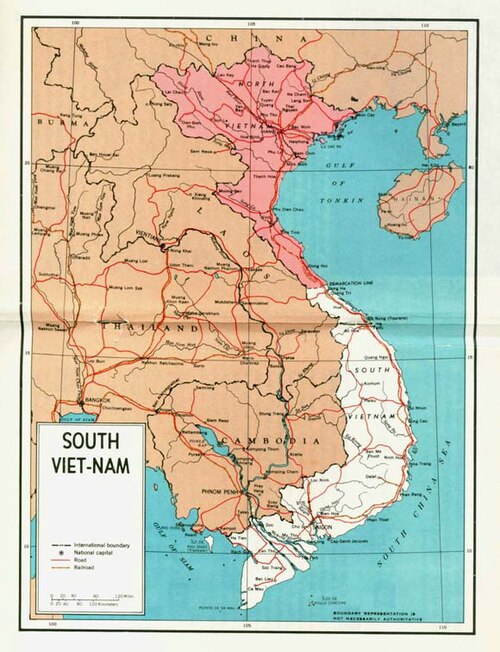
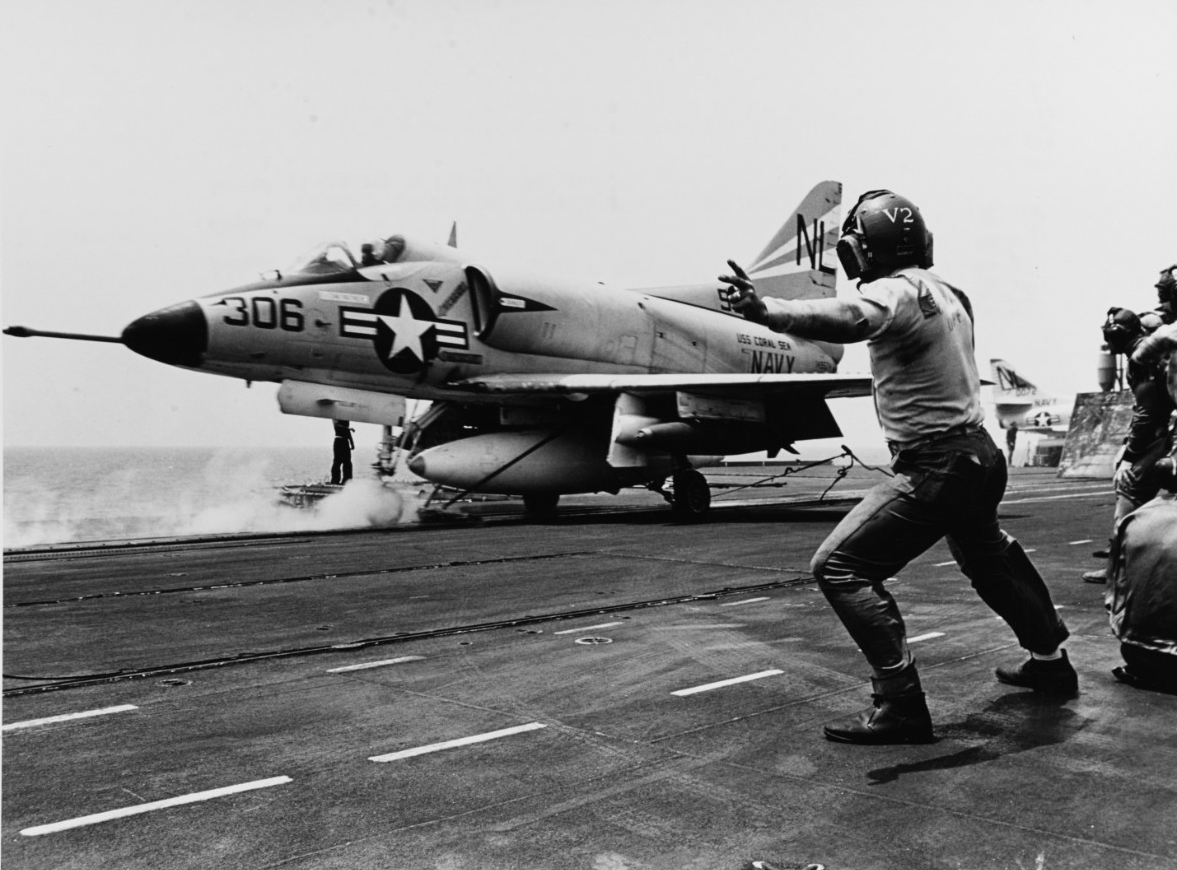
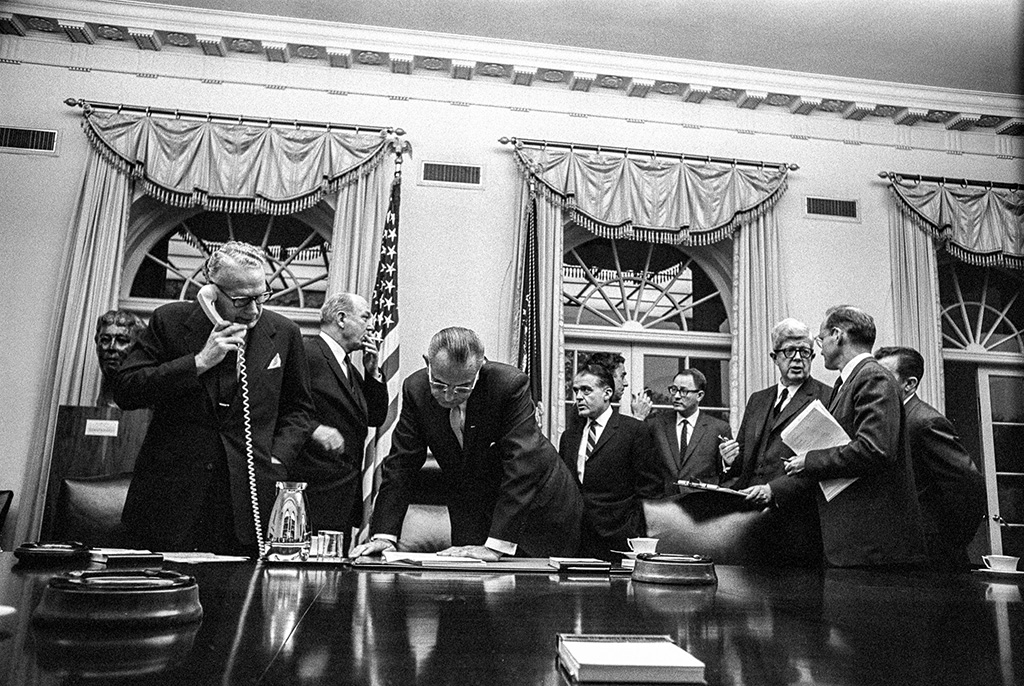
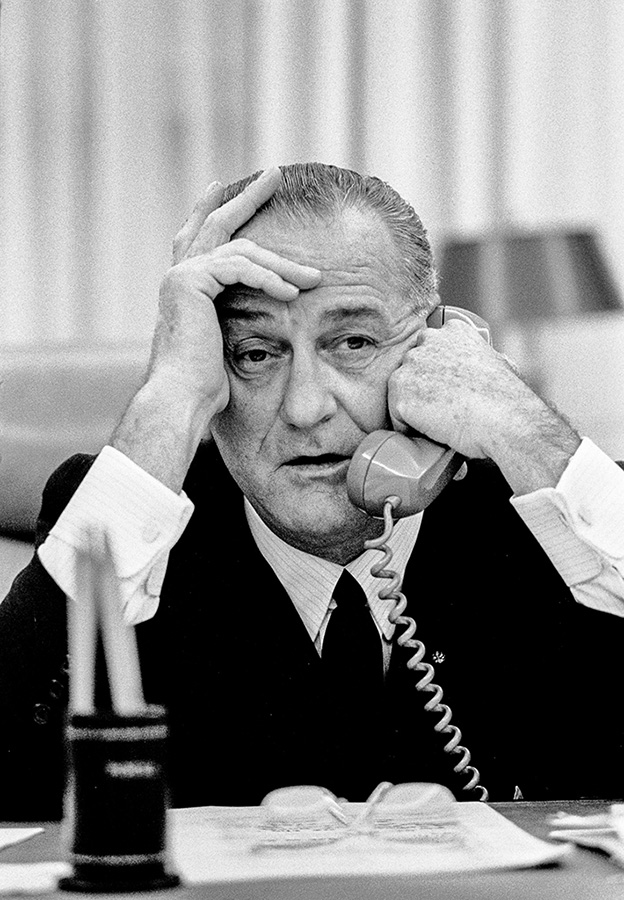
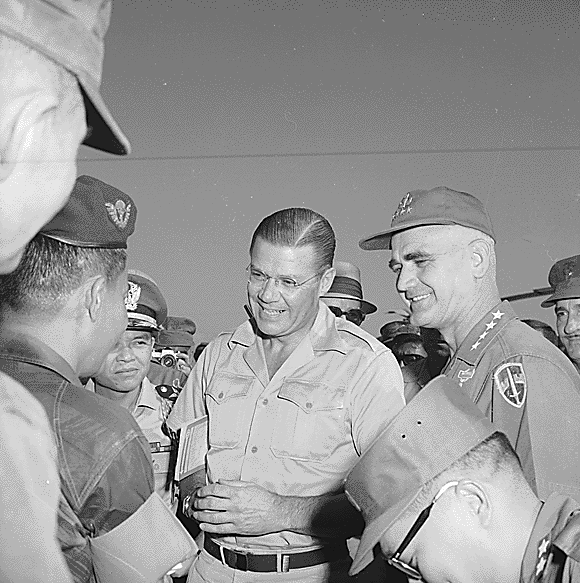
On March 8, 1965, 3,500 Marines from the 9th Marine Expeditionary Brigade arrived in Da Nang, South Vietnam. Their mission was to protect a U.S. air base from attacks by the self-proclaimed National Liberation Front (NLF), the guerrilla force seeking to overthrow the South Vietnamese government that was better known to Americans by the pejorative name Viet Cong. Six days earlier, the United States had begun Operation Rolling Thunder, a bombing campaign against North Vietnam that would last for three years. Some U.S. officials opposed sending the Marines to Da Nang, predicting that President Lyndon B. Johnson would soon be pressed to send even more troops into a war that could not be easily won. Despite his own deep misgivings about the ability of the United States to win a conflict he called “the worst mess I ever saw in my life,” Johnson committed another 120,000 troops to South Vietnam over the next 5 months and more than a half million over the next three years. The war, however, remained unwinnable. SHAFR historians ranked the deployment of U.S. combat troops to Vietnam as the second-worst U.S. foreign policy decision.


A list of featured comments
What Historians Say
Victor McFarland
Associate Professor of History and Director of Graduate History Studies, University of MissouriJessica Chapman
Sue and Edgar Wachenheim III Professor of History Chair, Williams CollegeSheyda Jahanbani
Associate Professor of History and Director of Graduate History Studies, University of KansasJoseph Stieb
Assistant Professor of History, University of North Carolina at Chapel Hill