Introduction
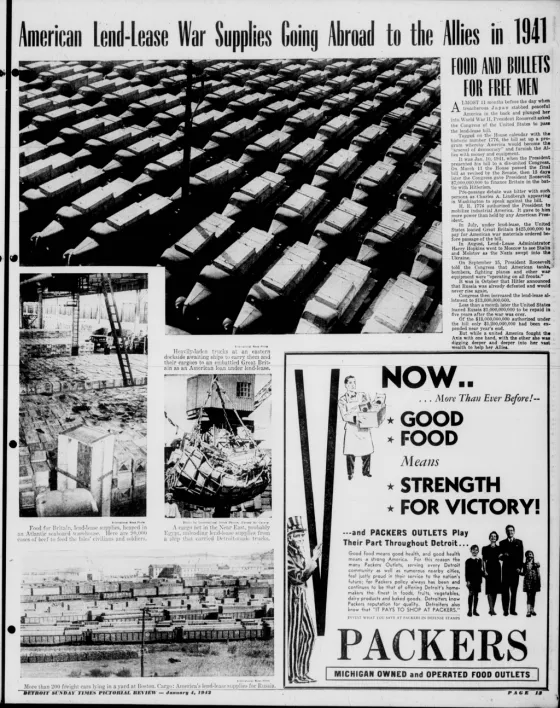
In December 1940, British Prime Minister Winston Churchill wrote to President Franklin D. Roosevelt with chilling news: Britain was on the verge of bankruptcy. The war with Germany, which had begun in earnest in the spring of 1940, had drained the British treasury. London would soon be unable to pay for the supplies and weapons it was buying from the United States. That might doom Britain’s effort to hold off the Nazi onslaught. Churchill’s news put FDR in a bind. A month earlier, he had won an unprecedented third term as president after promising Americans worried about the conflict in Europe that their “boys are not going to be sent into any foreign wars.” But FDR also believed that a German victory would be disastrous for the United States. Knowing he had to act, he used the next three months to build congressional and public support for a plan to lend supplies to Britain and other countries fighting the Axis powers. The resulting Lend-Lease Act, which Churchill called “the most unsordid act,” provided more than $50 billion in aid to fifty nations and helped win World War II. SHAFR historians ranked the Lend-Lease Act as the fifth-best U.S. foreign policy decision.




A list of featured comments
What Historians Say
Thomas Bottelier
Lecturer in International Relations and History, Utrecht UniversityPaul Harold Rubinson
Professor of History, Bridgewater State University