Introduction
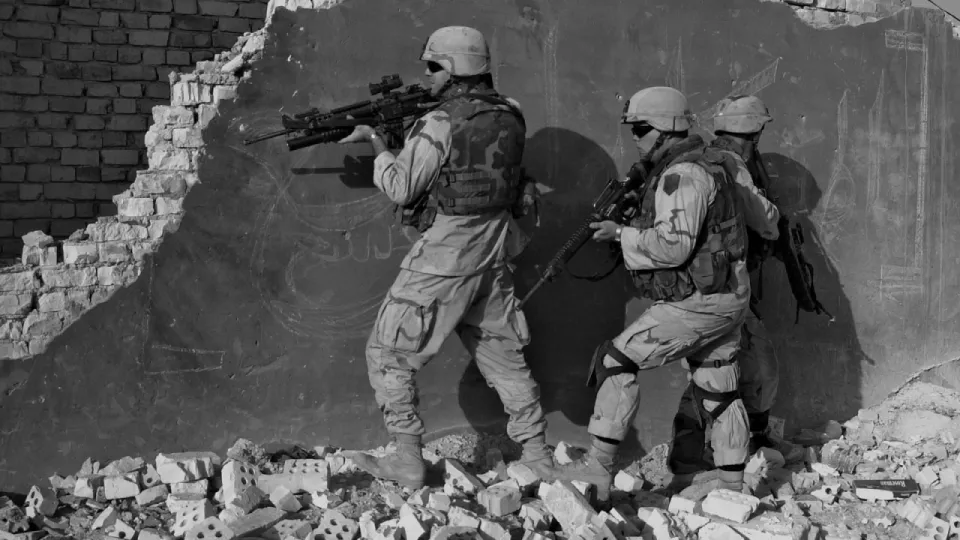
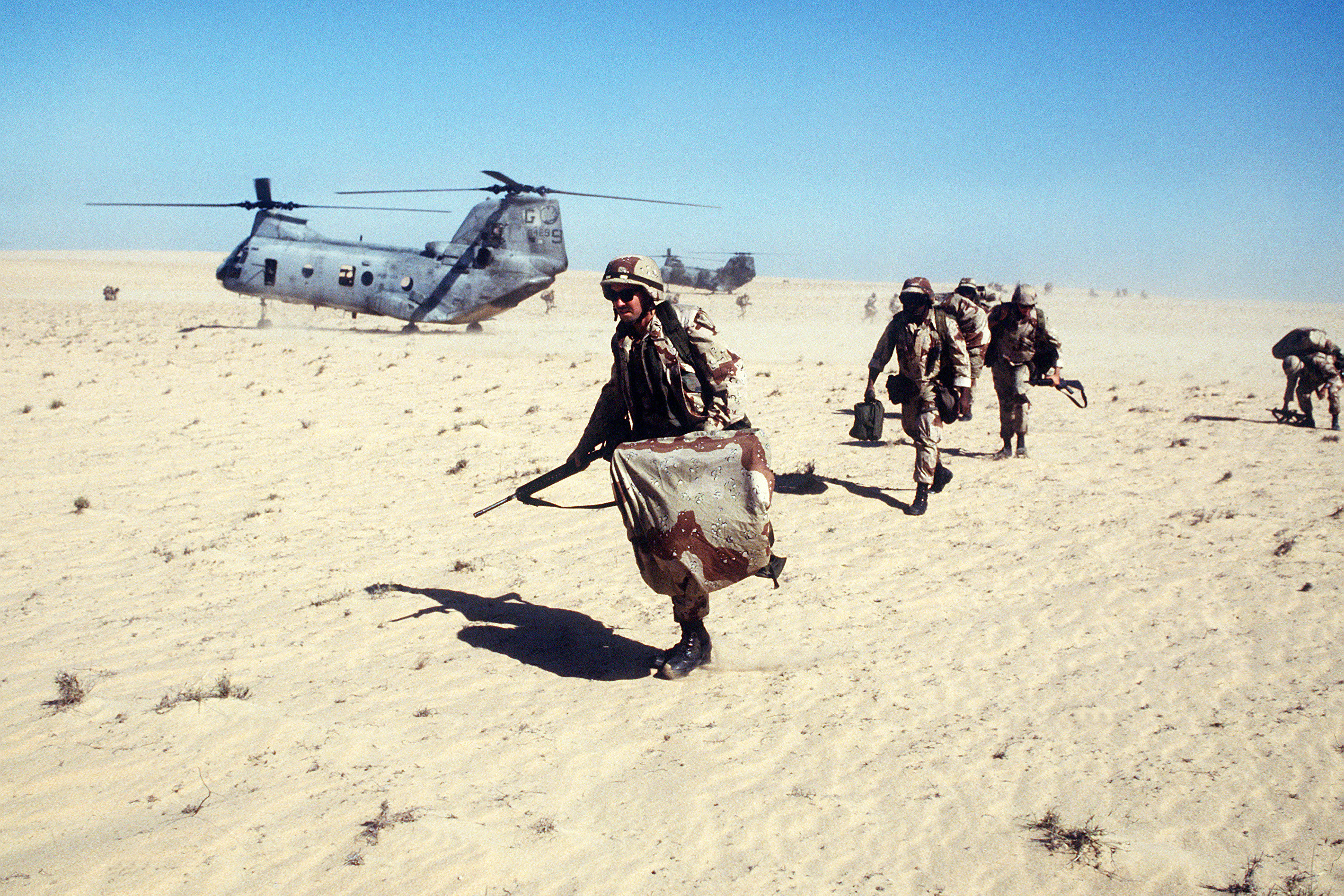
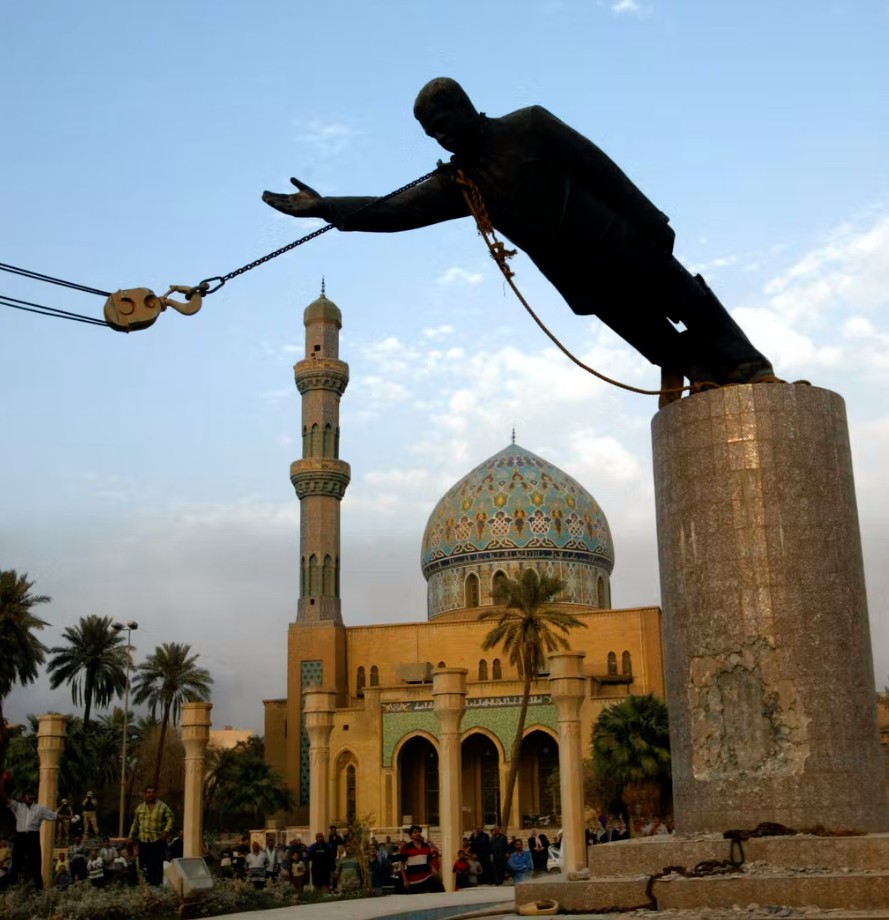
The September 11, 2001, attacks heightened fears in the United States that Iraq might give terrorists weapons of mass destruction (WMD). Although the United Nations had pressed Iraq to dismantle its nuclear, biological, and chemical weapons programs after the 1991 Gulf War, President George W. Bush argued that Iraqi leader Saddam Hussein had continued to pursue them. The UN Security Council threatened Iraq with “serious consequences” in late 2002 if it failed to cooperate with weapons inspections, but it declined to authorize an invasion. The United States responded by organizing a “coalition of the willing” to oust Hussein. Operation Iraqi Freedom began on March 20, 2003, and quickly overran Iraqi forces. However, no evidence of any active Iraqi WMD programs was found. The United States became embroiled in a bloody war of occupation that lasted eight years and cost it dearly, damaging its global reputation and empowering anti-American forces throughout the Middle East and worldwide. SHAFR historians ranked the invasion of Iraq as the worst U.S. foreign policy decision.


A list of featured comments
What Historians Say
Christopher McKnight Nichols
Wayne Woodrow “Woody” Hayes Chair in National Security Studies and Professor of History, The Ohio State UniversityKimber Quinney
Professor of History, California State University San MarcosAdriane Lentz-Smith
Associate Professor of History, Duke UniversitySally Burt
Senior Lecturer in the School of Humanities and Social Sciences, University of New South Wales