Iran’s Uprising Is Similar to 1979—But It’s Not a Revolution Yet
Iran’s clerics face a familiar uprising driven by economic collapse, but repression, not reform, now defines the regime’s response.
Originally published at The Boston Globe
By experts and staff
- Published
 Ray TakeyhCFR ExpertHasib J. Sabbagh Senior Fellow for Middle East Studies
Ray Takeyh is Hasib J. Sabbagh senior fellow for Middle East studies at the Council on Foreign Relations.
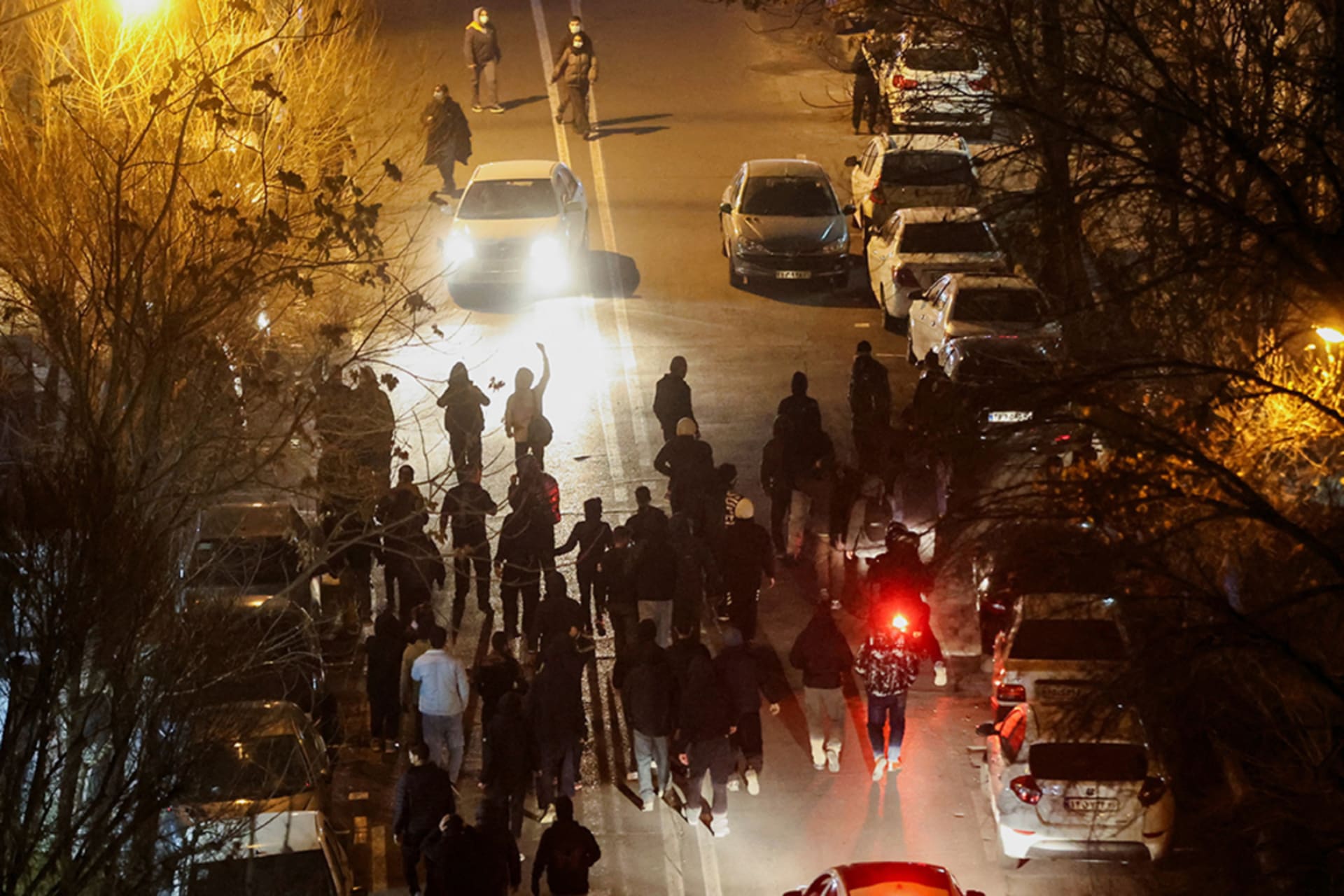
Iran is once more experiencing a popular uprising. Scenes of protesters chanting “death to the dictator” and confronting their oppressors have led to comparisons to the 1979 revolution that toppled Shah Mohammad Reza Pahlavi. A comparison of the two movements could offer useful guideposts as Iran undergoes an unpredictable transition. As Mark Twain said, history does not always repeat itself but sometimes it does rhyme.
In both instances, economic grievances provided the essential spark. In the late 1970s, Iran experienced a severe recession that dashed expectations for continued growth. Corruption, class cleavages, and sudden austerity measures called into question the shah’s ability to lead the nation. The monarch had hoped to trade economic rewards for political passivity. Once his treasury was depleted, he had little to offer his aggrieved citizenry.
The clerical oligarchs have never been reliable custodians of the economy. Battered by decades of sanctions and mismanagement, the economy first stalled and now has essentially collapsed. Debilitating inflation and persistent unemployment have impoverished a generation of Iranians. All nations suffer from corruption, but there is something galling about men of God enriching themselves at the expense of the believers. As with the time of the shah, economic concerns quickly morphed into political opposition, calling for the extinction of the regime.
At the beginning of the current crisis, the regime’s handling of the protests eerily resembled that of the shah. The monarch hoped that by promising greater liberalization, he could contain the protests and isolate the militants from the moderates. The more he conceded, the more he energized the opposition. The shah never stopped making concessions, and at the end, his only option was exile.
When the demonstrations began in December, the assembled leaders of the Islamic Republic, including President Masoud Pezeshkian, Speaker of the Parliament Mohammad Bagher Ghalibaf, and even Supreme Leader Ali Khamenei, acknowledged the concerns of the demonstrators and promised to address their complaints. But protesters have lost confidence in the ability of the regime to meet their expectations, and protests have broken out in nearly every province and include all social classes. But unlike the shah, the mullahs quickly changed course, unleashing their security services and inflicting massive casualties. The regime is seeking to reestablish deterrence through bloodshed.
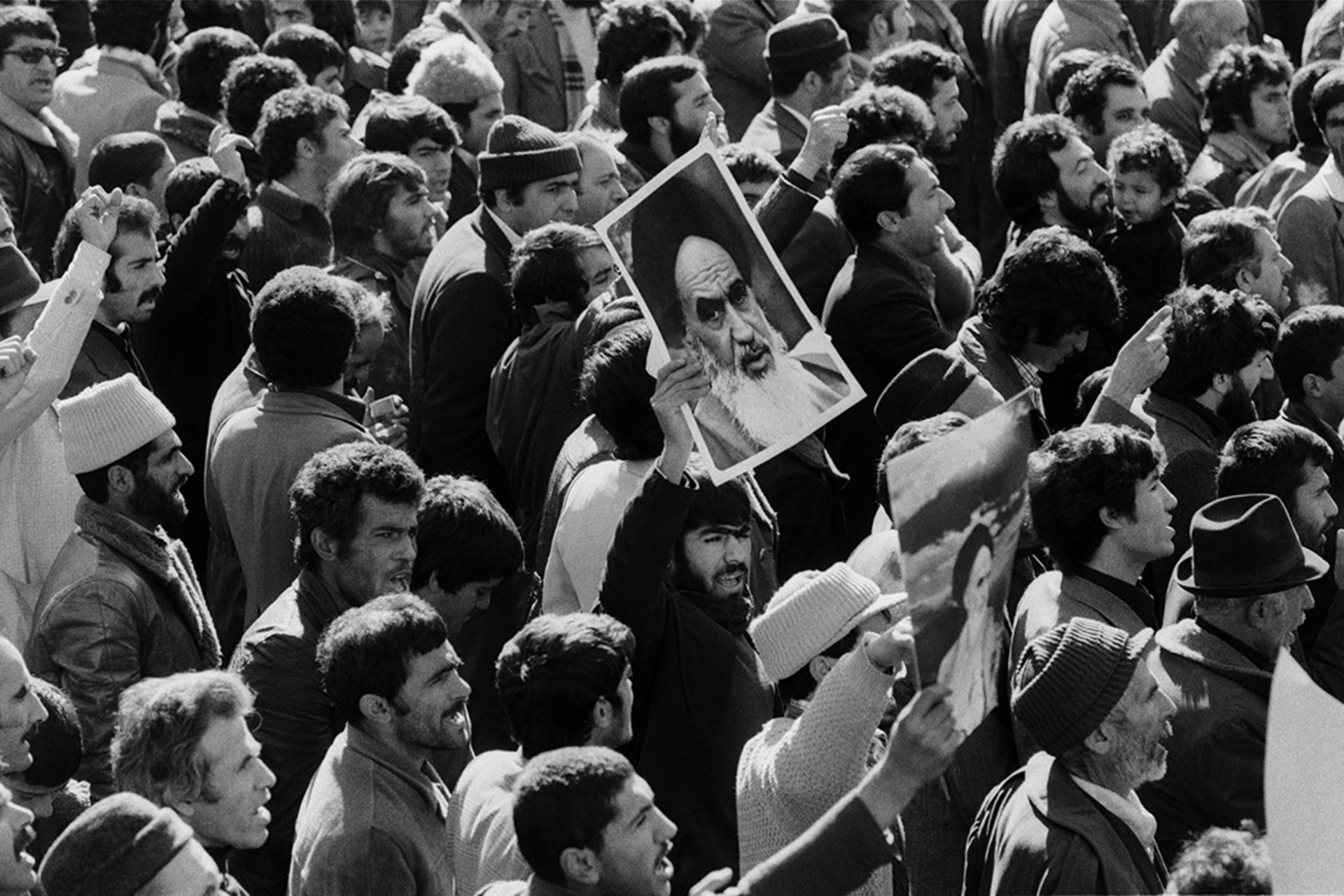
The most significant difference between the current crisis and the revolution of 1979 is the absence of identifiable leaders and structure. By the late 1970s, Ayatollah Ruhollah Khomeini had emerged as the undisputed leader of the opposition, steering a diverse coalition that adhered to his dictates with discipline. He refused to compromise and brooked no dissent. The mosque network across the nation proved an indispensable platform for organizing the opposition, disseminating Khomeini’s messages, organizing the demonstrations, and collecting alms on behalf of the victims of the shah.
Today’s protest movement lacks such cohesion. Given the repressive nature of the state, most civil society leaders and dissidents are imprisoned. The exiled opposition, such as the shah’s son, Reza Pahlavi, lacks sufficient internal appeal to mobilize the masses. The leaderless movement knows what it is against, but it is not clear what comes next. The hardest thing for anyone to do is to go from disgruntled citizen to dissident to revolutionary. Such a transition requires charismatic leaders and a compelling vision. The longer that the Iranian protest lingers, the more likely it is that local leaders with an appealing message will emerge.
Much to the consternation of the Trump administration, external actors, however powerful, will play only a marginal role in this unfolding drama. The Iranians are masters of their own destiny. Despite partisan criticisms, President Jimmy Carter did not lose Iran. He continuously pressed the shah toward restoring order and dispatched numerous emissaries and messages to the royal court. But the Iranians were notlistening. The opposition was not cowed, and the monarchy was not strengthened by Carter’s expressions of support.
President Trump has seldom adhered to the normal convention of politics. He is currently weighing both military and diplomatic options with Iran. But all this is unlikely to alter the domestic demarcations of the conflict. Should the United States bomb Iran’s military installations, intelligence apparatus, or Revolutionary Guard bases, it may energize the opposition, but it will not deter a regime bent on survival.
The clerical rulers are seeking to rule through force and fear. They may regain control of the streets, but the popular grievances are too well-entrenched to simply disappear. As with the 1979 revolution, we are in a protracted struggle. Protest and repression are now the cycle of politics in Iran. The Islamic Republic may break, but it will not simply yield.