Biden and the Future of U.S. Human Rights Policy
The United States can only promote human rights abroad if it begins from a position of humility, acknowledging that the struggle to make America a more perfect union is ongoing.
Originally published at World Politics Review
By experts and staff
- Published
- Stewart M. PatrickJames H. Binger Senior Fellow in Global Governance and Director of the International Institutions and Global Governance Program
In my weekly column for World Politics Review, I write about Trump’s insidious human rights record, and how Biden will have his work cut out for him in rebuilding U.S. credibility to lead on human rights.
It’s no coincidence that while congratulations for Joe Biden’s victory in the U.S. presidential race came quickly from Western democracies, many thuggish regimes remained conspicuously silent. The many despots who welcomed Donald Trump’s crass indifference to the fortunes of freedom are right to be wary of Biden. The president-elect intends to make America decent again, not only at home but abroad, by restoring the promotion of liberty and defense of democracy as pillars of U.S. foreign policy. Rebuilding U.S. credibility on human rights will take time, however.
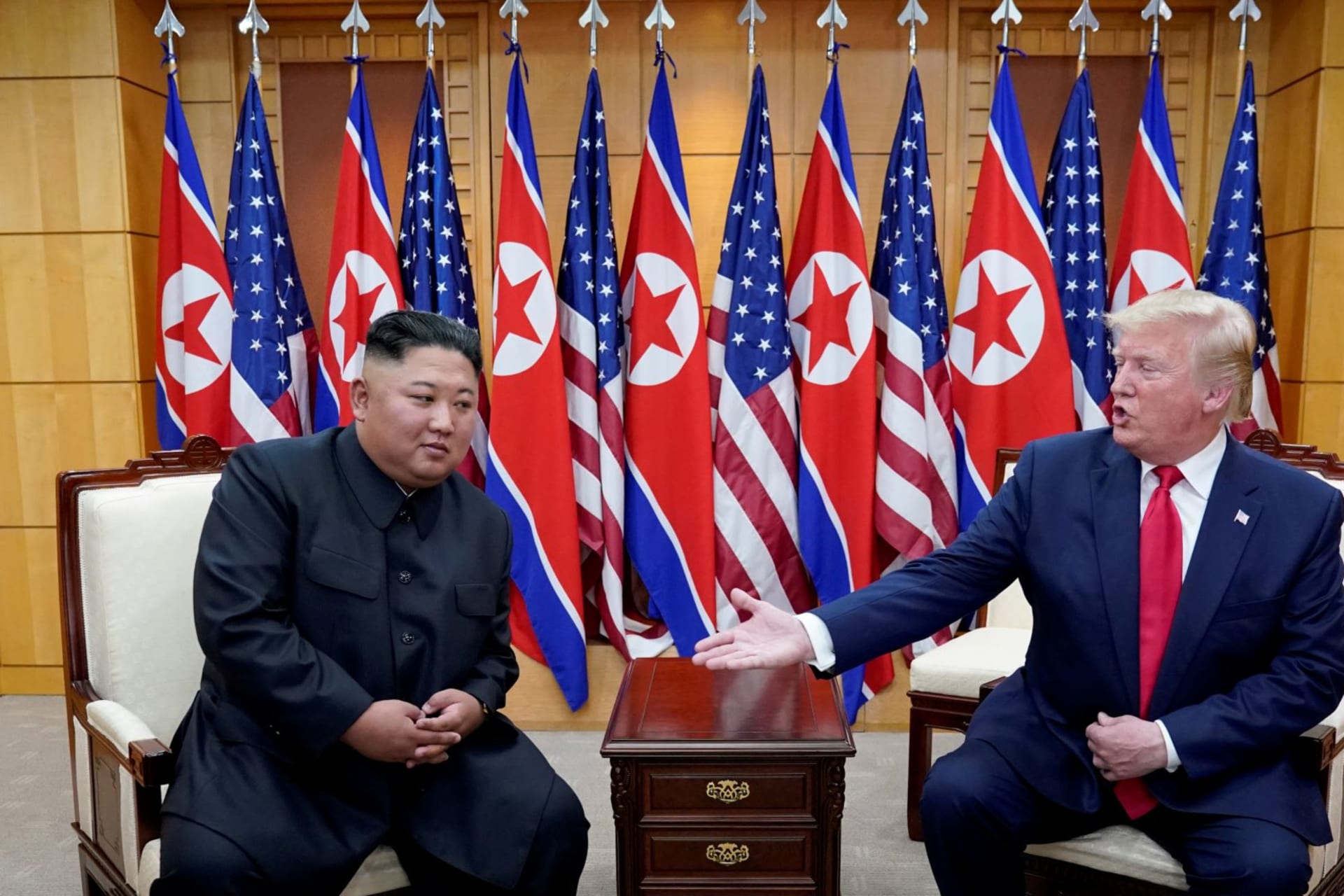
Trump’s affinity for autocrats is well documented. “It’s funny,” he mused to Bob Woodward of The Washington Post. “The relationships I have, the tougher and meaner they are, the better I get along with them. You know? Explain that to me someday, okay?” Amusing or not, Trump is at least self-aware. His predecessors used their bully pulpit to champion universal liberties enshrined in America’s founding documents. He is just a bully, drawn to other bullies.
Read the full World Politics Review article here.