Driverless Cars
By experts and staff
- Published
- Steven J. MarkovichContributing Editor
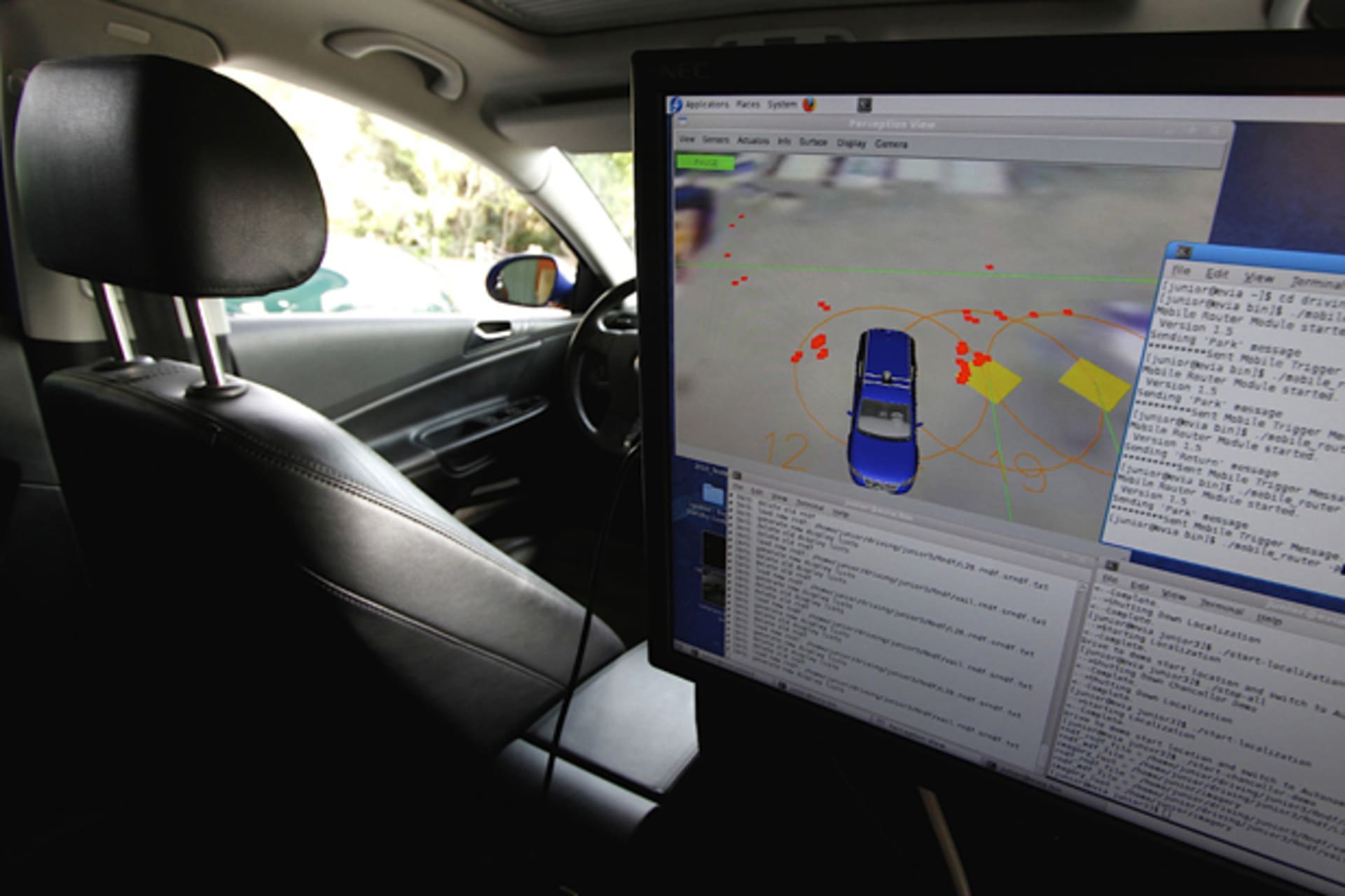
Driverless cars promise great benefits such as fewer accidents, elimination of drunk driving, better utilization of existing highways, and letting commuters work or relax while en route. The technology has developed rapidly over the past decade, aided by research grants from multiple governments and competitions funded by the U.S. military. While several automakers have announced plans to bring cars with limited autonomous capabilities to the market by 2020, there is still a need for a clear legal framework that ensures self-driving vehicles are safe while setting appropriate limits for manufacturer’s liability. A new backgrounder, Driverless Cars, explores this emerging technology, the challenges that remain, and its benefits, which have been estimated at over a trillion dollars annually for the U.S. economy.