Earth Month: The Overview Effect
This is a limited excerpt from the Climate Realism Initiative Newsletter. Sign up to receive monthly insights from the initiative’s fellows and staff, including articles, videos, podcasts, events, and more.
The Perspective From Space
NASA marked the beginning of Earth Month in an unusual way: flinging humans further away from Earth than they have ever before been. The Artemis II mission, just one stage of a longer American journey back to the moon, whirled a crew of four around our planet’s nearest neighbor, outdistancing the Apollo 13 flyby by a little over four thousand miles.
A journey of this magnitude can be transformative for astronauts in all kinds of physical ways. Prolonged exposure to the radiation and microgravity of space can damage vision, erode bone density, and increase the risk of cancer and heart disease. But the most common transformation is an emotional one. As they separate from Earth, astronauts often experience an overwhelming sense of connection to their home planet, and to humanity itself, irrespective of borders or politics, religion or history.
This visceral awe—this quite unscientific and unexpectedly earnest love—is so common it has a name: the Overview Effect.
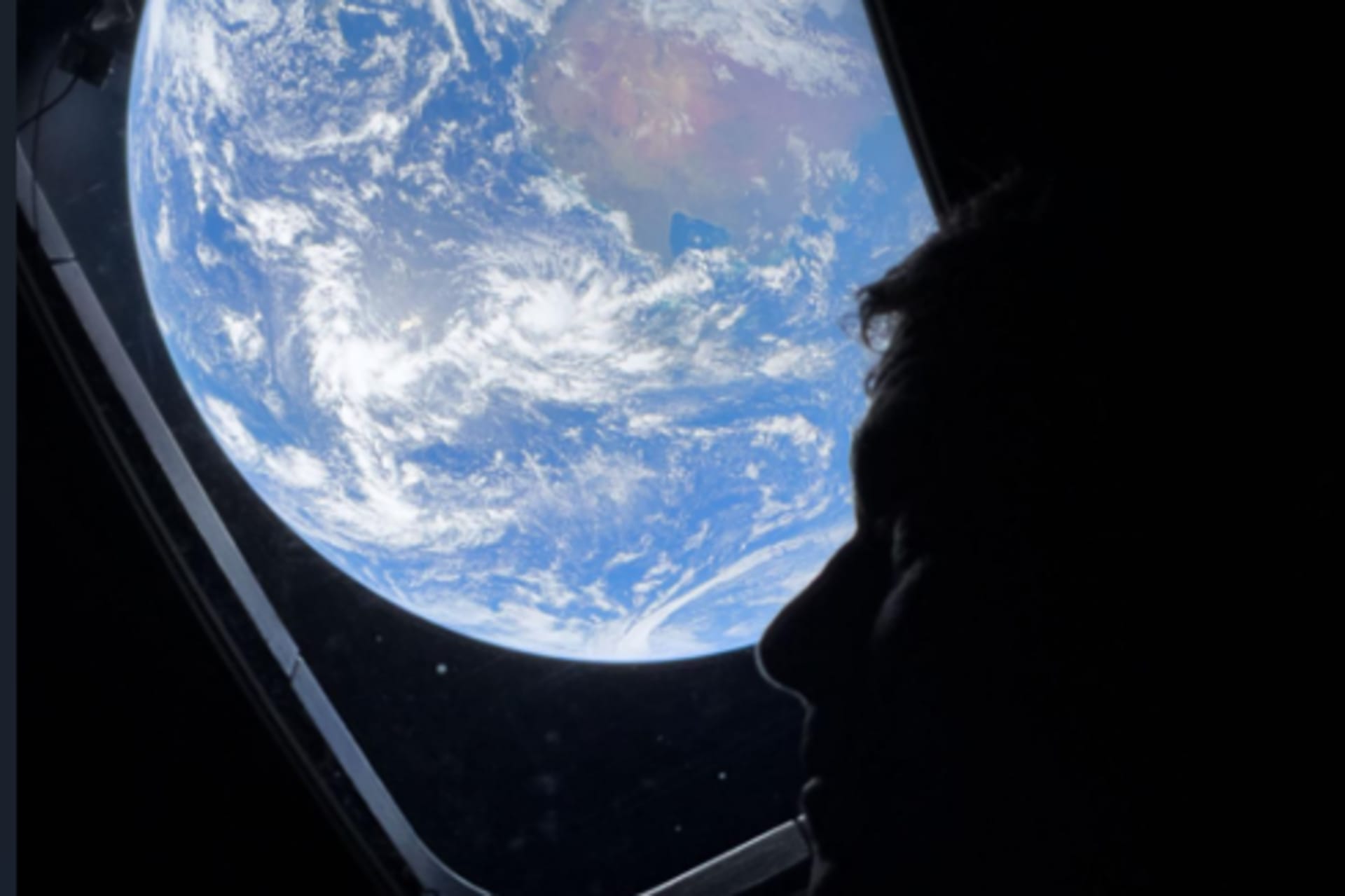
Astronauts on Artemis II were no different. Reid Wiseman, the mission’s commander, shared an image of himself gazing at Earth glowing blue through the Orion spacecraft’s window captioned simply, “There are no words.”
If the astronauts’ awe wasn’t a surprise, though, the enthusiasm of the public was. A generation of low-earth orbit in the International Space Station and uncrewed missions to Mars have produced extraordinary science and indelible images of the galaxy, but they have not captured the public imagination in quite the same way as Neil Armstrong’s giant leap. Yet, nearly half a million people turned out in the Florida sun to watch Artemis II lift off, and another ten million watched online. Tens of thousands listened to NASA’s Spotify playlist of astronaut wakeup songs, and updates and photos from the mission were front-page news.
Wonder is an underappreciated casualty of the modern world. Its flipside is humility: a willingness to stand in vulnerability before something we can’t fully take in. A respect for things that are bigger than we are. And humility and vulnerability and respect are poor fits for the perennially online reality in which so many of us now live. But what else was there to feel but wonder at the tremendous courage of these four fragile representatives of our species, the extraordinary marshalling of skill and public resources that supported their journey, and all the blazing color of Earth, suspended in glory against the infinite dark of space?
That so many around the world thrilled to their achievement, and experienced their own reflected versions of the Overview Effect, speaks perhaps to a growing hunger for connection—to Earth and to everything that lives here. NASA’s launch of this far-flung mission may therefore have been an unusual way to mark Earth Month, but its refreshing, unironic joy has made it a welcome one.