France and UK Pledge Troops for Ukraine
By experts and staff
- Published
- CFR Editors
Welcome to the Daily News Brief, CFR’s flagship morning newsletter summarizing the top global news and analysis of the day.
Subscribe to the Daily News Brief to receive it every weekday morning
Top of the Agenda
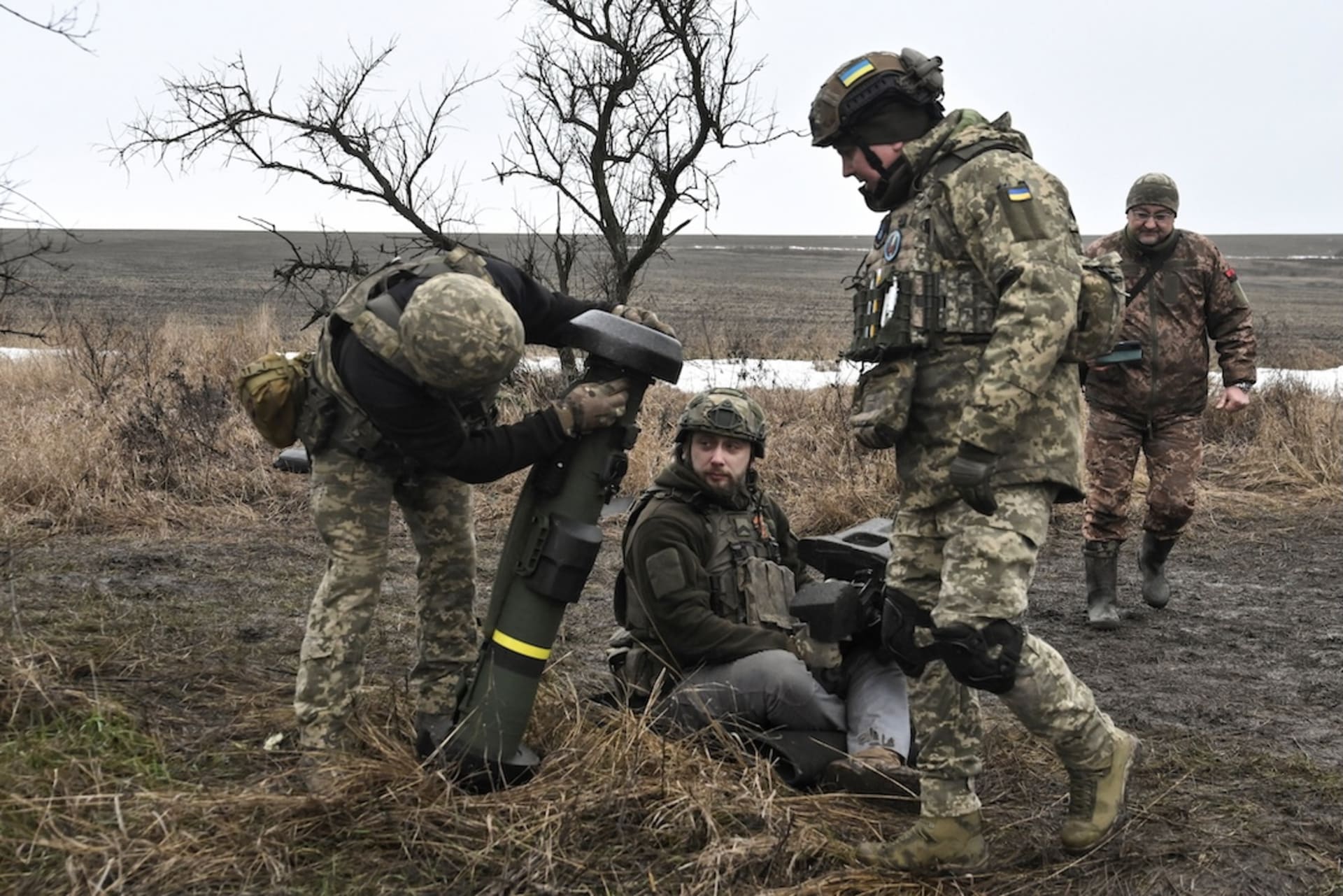
France and the United Kingdom (UK) pledged to deploy troops to postwar Ukraine as U.S. envoys discussed plans for ceasefire monitoring at a Paris meeting yesterday. A group of Ukraine’s allies who dub themselves the Coalition of the Willing have for months been meeting without the United States; they hailed Washington’s participation in yesterday’s summit as major progress. Ukrainian President Volodymyr Zelenskyy said that solidifying details on Ukraine’s postwar security architecture brought the country closer to peace, though Russia did not immediately comment on the developments.
The details. France and the UK signed a declaration of intent to deploy forces to Ukraine in the event of a peace deal, UK Prime Minister Keir Starmer said. The two countries plan to establish military hubs across Ukraine and build facilities for defense equipment. French President Emmanuel Macron said he expected other nations to soon join in pledging troops, as the mostly European group also declared it was ready to commit to post-truce guarantees, including a U.S.-led ceasefire monitoring and verification mechanism.
While the United States did not sign the declaration, U.S. envoy Steve Witkoff said after the summit that President Donald Trump “strongly stands behind security protocols.” Trump’s son-in-law Jared Kushner as well as the top U.S. general in Europe Alexus Grynkewich also participated in talks. Unnamed officials told media outlets that the proposed U.S.-led ceasefire monitoring mechanism included unmanned drones, sensors, and satellites rather than U.S. troops.
Where peace talks stand. This is the latest effort by Ukraine’s allies to refine peace terms since Washington proposed a plan in November widely seen as favorable to Russia. Russia has previously rejected the possibility of NATO troops being deployed to Ukraine and vowed to reject changes to the November proposal. Direct peace talks between Ukraine and Russia have still not occurred.
“The group that has coalesced around military support for Ukraine…[has] rationale [that] is both normative and strategic: these states understand that European security ultimately depends on Ukraine’s military defense and national survival.” —CFR President Emeritus Richard N. Haass on Substack
Across the Globe
Venezuela’s oil... Venezuela’s interim authorities will transfer thirty to fifty million barrels of sanctioned oil to the United States, where Trump will use money from its sale “to benefit the people” of both countries, he wrote on social media yesterday. He did not offer a timeline or other details. Venezuela’s interim government did not immediately respond to Trump’s announcement. Meanwhile, U.S. authorities moved today to seize a Russian-flagged oil tanker that attempted to evade the U.S. blockade on Venezuelan oil.
…and opposition leadership. Venezuelan opposition leader María Corina Machado praised the U.S. capture of Nicolás Maduro as “a huge step for humanity, freedom, and human dignity” and called for new elections in a Fox News interview yesterday. Venezuela’s constitution mandates an election occur within thirty days if a president is “permanently unavailable” to serve, but the interim authorities have announced no such plans. Trump earlier this week dismissed the possibility of Venezuelan elections within the next month.
U.S. plans for Greenland. Secretary of State Marco Rubio told lawmakers during a closed briefing Monday that the United States aims to buy Greenland rather than invade it militarily, unnamed sources told The Wall Street Journal. However, other administration officials, including White House Deputy Chief of Staff Stephen Miller, have refused to rule out military intervention. The White House press secretary said yesterday that “acquiring Greenland is a national security priority” and that the administration was considering various options, including military action.
China-Japan tensions. Japan today denounced China’s new export curbs on dual-use technologies, with its top government spokesperson saying the measures—which target only Japan—stray from international practice and are “absolutely unacceptable.” China escalated trade tensions with Japan on another front today, announcing a new anti-dumping probe into a material used for making semiconductor chips. Relations between the two countries have deteriorated since Japanese Prime Minister Takaichi Sanae’s comments on Taiwan in November.
Rebel rule in the DRC. Rwanda-backed M23 rebels are establishing administrative, tax, and legal structures in parts of the eastern Democratic Republic of Congo (DRC), according to an interim UN expert report seen by Bloomberg. Their efforts flout U.S. and Qatari work to ensure the group’s withdrawal from the region. Rwanda’s government did not immediately comment.
Israel-Somaliland ties. Israeli Foreign Minister Gideon Saar visited Somaliland yesterday after Israel became the first country in the world to officially recognize the breakaway territory’s independence last month. Saar said that Israel would soon open an embassy in Somaliland. Abdirahman Dahir Adan, Somaliland’s foreign minister, denied reports that Somaliland had been approached by Israel about receiving Palestinians from Gaza.
Saudi opening to investment. Saudi Arabia will end restrictions on foreign investors operating in its capital market starting February 1, authorities said. Currently, investors have to go through a qualification process to gain access. Yet JP Morgan said the major change foreign investors are looking for this year in Saudi Arabia is a step further: increased permissions for foreign ownership of Saudi companies, which it expects in the second half of the year or later.
Israel-Syria channel. The two countries agreed to establish an intelligence sharing and military de-escalation channel during U.S.-mediated talks in Paris yesterday, the U.S. State Department said. Israel has carried out hundreds of air strikes in Syria since the arrival of the current Ahmed al-Sharaa government, citing security concerns, even as Washington has urged the countries to reconcile.