Governing and Protecting the World’s Oceans: Still At Sea in Rio
By experts and staff
- Published
- Stewart M. PatrickJames H. Binger Senior Fellow in Global Governance and Director of the International Institutions and Global Governance Program
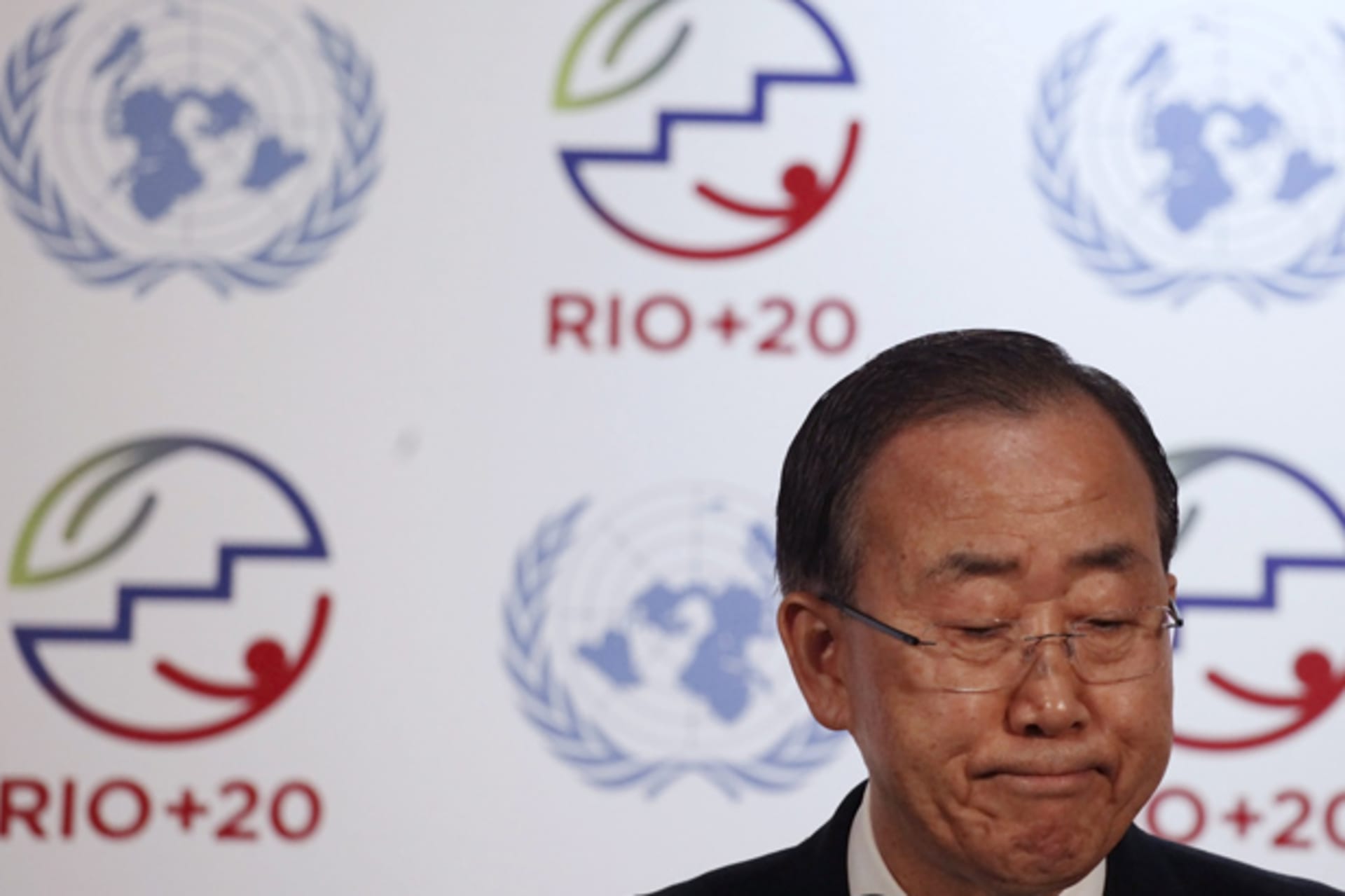
As the UN Conference on Sustainable Development—more popularly known by its moniker, “Rio+20”—wraps up today in Rio de Janeiro, Brazil, initial reports from the summit are bleak. The final outcome document, painstakingly hashed out in down-to-the-wire negotiations, contains few concrete and time-specific commitments. The World Wildlife Federation dubbed the text a “colossal failure,” a sentiment echoed by the European Union, which lamented the document’s “lack of ambition.”
The data paint a similarly grim picture. Greenhouse gas emissions have increased by 50 percent since 1990, contributing to record levels of ocean acidification. Eighty percent of fish stocks are depleted or on the verge of extinction. And global oceans reached their highest recorded temperature in 2009.
Although Rio+20 may have fallen short of expectations, the summit did renew international attention on the need for sustainable policies that can advance economic growth while arresting and ideally reversing damage to the world’s environment. In particular, the fate of the world’s oceans—or the “blue economy”—was one of the seven major themes of the summit, which highlighted the growing threats of marine pollution, loss of biodiversity, and resource scarcity.
Overall, the global regime for oceans governance remains fragmented and faces daunting challenges. To assess the strengths, shortcomings, and opportunities of national, regional, and global oceans policies, IIGG relaunched the Global Governance Monitor: Oceans. The entire package has been updated to reflect long-term trends, recent developments, and emerging flashpoint issues, from the melting Arctic to piracy to rapidly declining fish stocks, to the need to safeguard freedom of the seas. The update yields several important findings.