Nigeria’s Discriminatory Laws Hurt Women and Corporations Alike
Nigeria’s working women deserve better legal protection – just as laws across the world that make it harder for women to work than men are holding back economic progress. Companies will profit from promoting legal reforms to boost women’s participation in the economy.
By experts and staff
- Published
- Jamille BigioSenior Fellow for Women and Foreign Policy
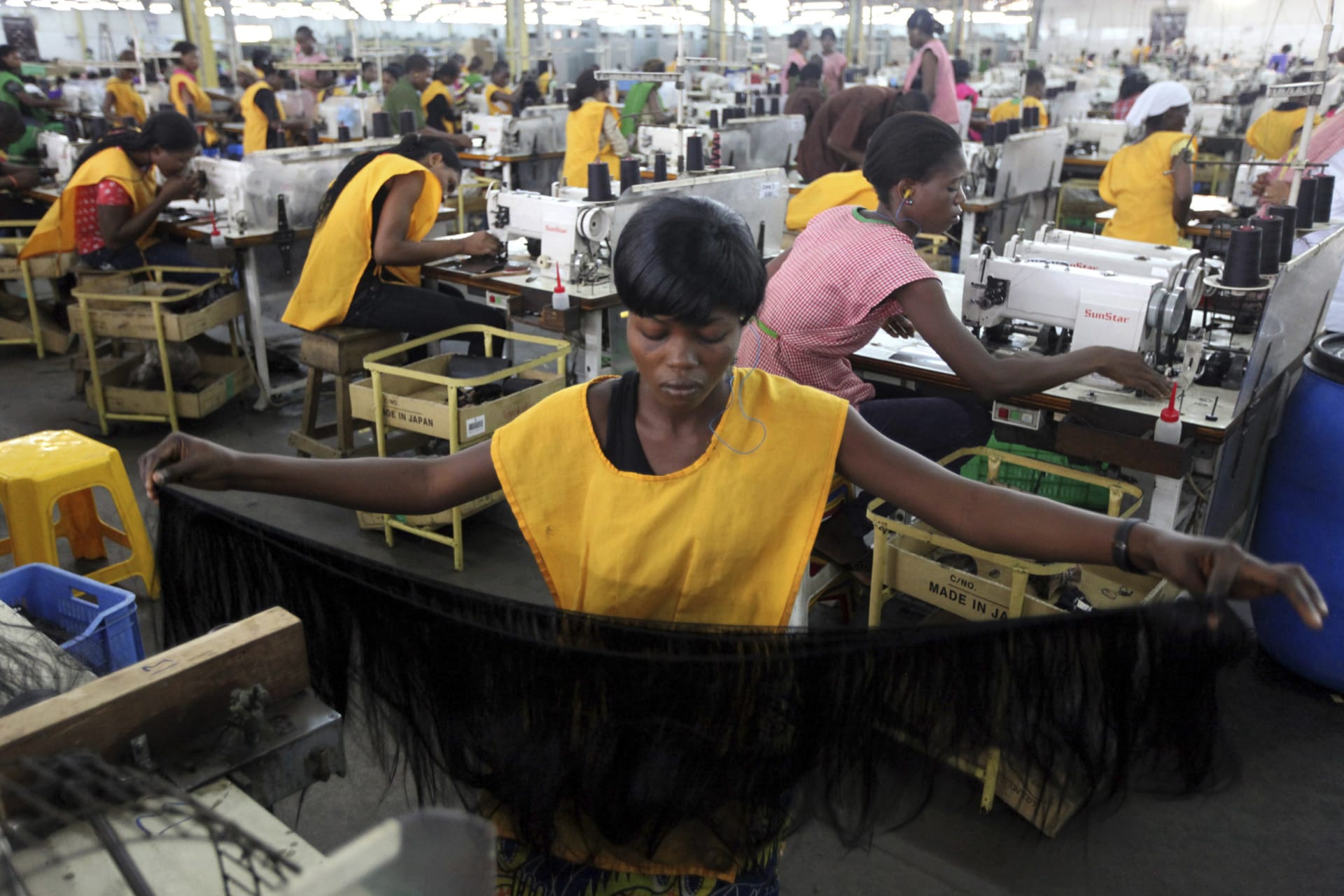
A routine audit of a multinational manufacturing company in Nigeria found something illegal: women working on the production line at night. The company was penalized for breaking the law – in Nigeria, it is illegal for women to work overnight undertaking manual labor. The manufacturing managers felt under pressure to meet the company’s diversity targets. At the same time, they wondered how they could promote a woman to be in charge of others if she had not been in the trenches with them, on the nightshift, at some point in her career.
The law was biased against female candidates, reinforcing cultural beliefs that already discourage Nigerian women from pursuing manufacturing jobs. As a result, women remain underrepresented in the sector, and most occupy sales or administrative jobs.