Rising Regionalism and Pakistan
By experts and staff
- Published
- Stewart M. PatrickJames H. Binger Senior Fellow in Global Governance and Director of the International Institutions and Global Governance Program
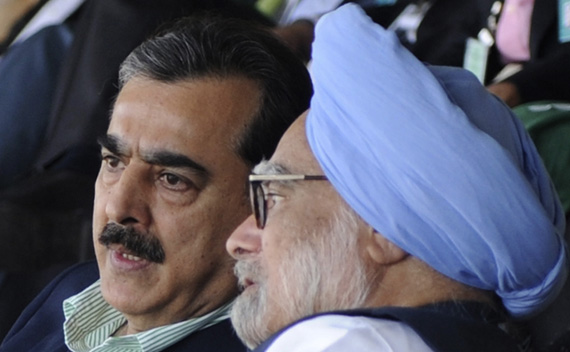
As the United States and Pakistan’s relationship degrades to a precarious semi-alliance, Pakistan’s neighbors and other nations in the region are quickly assessing how to respond. The region is glaringly under-institutionalized, with the exception of the moribund South Asian Association for Regional Cooperation. In theory, much could be gained from a regional organization to promote economic cooperation, take full advantage of the region’s energy resources, and address the area’s rampant illegal drug trafficking.
Furthermore, the U.S. drawdown in Afghanistan promises to further destabilize the fragile cooperation of the region. Regional confidence-building and eventual integration will be essential for sustainable peace and prosperity. The question is whether Pakistan’s swelling population and large economy can be transformed into an asset.
To answer this question, CFR Senior Fellow Dan Markey held the first meeting of the International Institutions and Global Governance Program’s new series, Rising Regionalism, which seeks to analyze the depth, performance, and challenges of the globe’s increasing number of regional organizations—and how the United States should respond.
Some opportunities for cooperation mentioned in the meeting note included:
Finally, the Internationalist can’t forget a lesson learned as a mid-level State Department policy planning staff member some years ago. Tasked with drafting some possibilities for integrating Afghanistan with its neighbors, including Pakistan, I quickly came face to face with realities on the ground. Regional and cultural experts found my proposals utterly laughable in light of international meddling—bordering on sabotage —that is common in the area. The major players in that tough neighborhood have distinctly different strategic visions, not to mention rampant corruption and considerable governance gaps. On the other hand, most people would never have expected Germany, France, and Britain to plant the seeds for an integrated European Union after devastating each other during World War II.