Russia’s Syria Initiative: Beware Strangers Bearing Gifts
By experts and staff
- Published
- Stewart M. PatrickJames H. Binger Senior Fellow in Global Governance and Director of the International Institutions and Global Governance Program
Moscow has seized the initiative in the increasingly dizzying diplomacy over Syria’s chemical weapons (CW). By picking up on Secretary of State John Kerry’s offhand remark—that Damascus might avoid a U.S. military strike by eliminating its CW stockpiles—Vladimir Putin has offered a lifeline to a beleaguered White House. Bereft of domestic and international support for a hard line against Bashar al Assad, Barack Obama must be sorely tempted to make this new initiative work. After all, by disarming Syria of chemical weapons, he can declare “victory” without dragging an exhausted American public into another Middle Eastern quagmire. But before making this leap, the President needs to take a hard look at the political as well as technical requirements for an effective inspection regime.
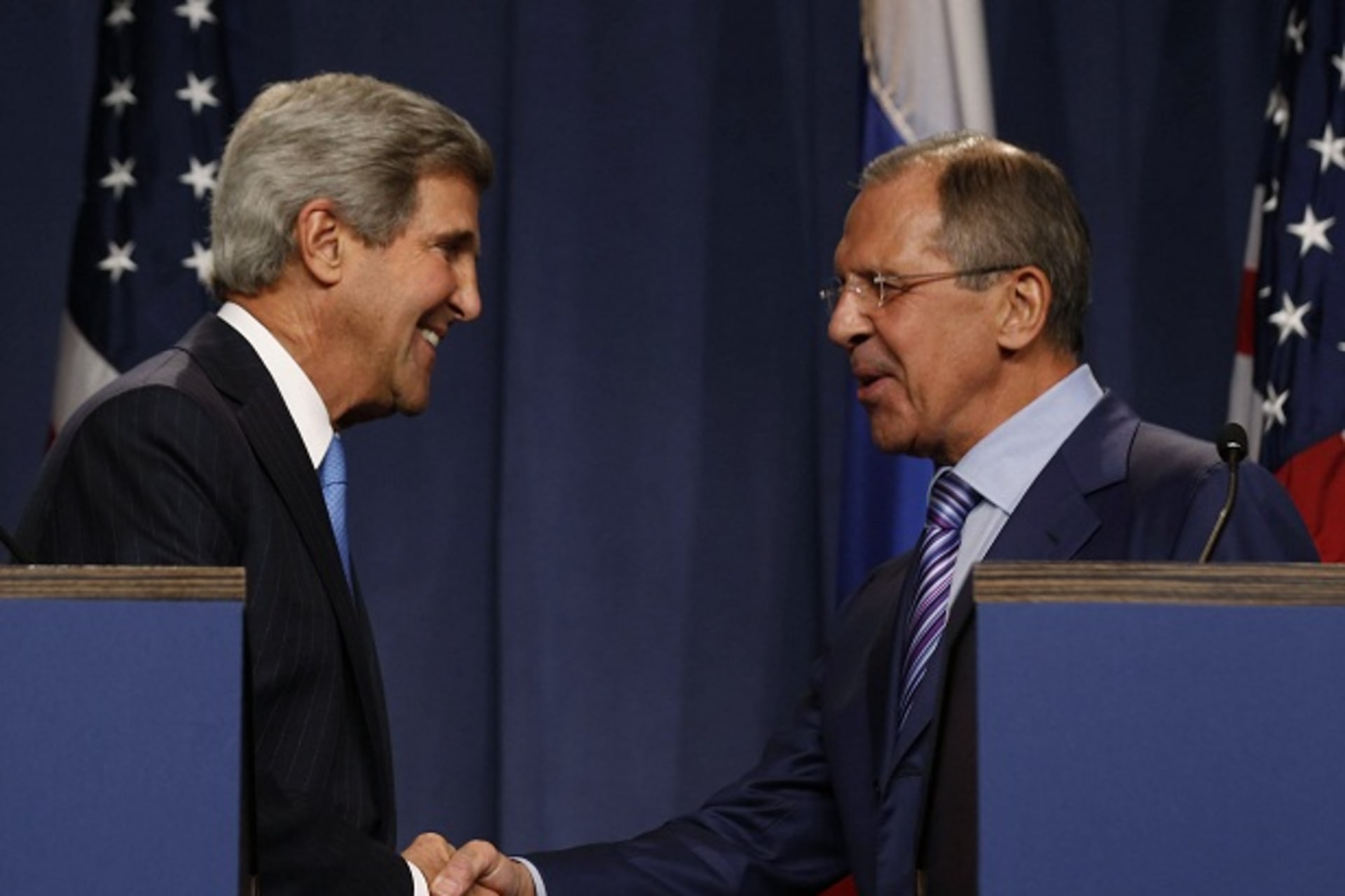
Secretary Kerry and Russian Foreign Minister Sergei Lavrov are meeting in Geneva to hammer out the technical details of a potential UN inspection regime in Syria. The hurdles for such inspections are, frankly, immense, given the likelihood of Syrian duplicity and the fact that the country is in the midst of an all-out civil war. An inspection team must be created from scratch and it must be provided with the location of and access to all relevant installations, including military bases, weapons depots, and factories for the assembly of weapons and production of precursor chemicals. The team will need to secure these facilities from interference or seizure by the government or rebel groups, and it must have sufficient armed protection to guard itself from attack from either side. Under the most optimistic scenario, it will take a year—and more likely two or three—before Syria can be officially declared chemical weapons-free.
The biggest obstacles to a strong inspections regime, however, are not technical but political. To avoid its negotiations with the Russians from descending into farce, the United States must insist on three fundamental preconditions:
Although these preconditions will be hard pills for Moscow to swallow, the Russians are likely to accept them as the price for U.S. agreement to their initiative. Through skillful, if cynical, diplomacy, Putin has positioned himself as a global statesman and peacemaker and Russia as a still-major power, while simultaneously insisting that the United States act within the confines of international law rather than using force outside the auspices of the UN Security Council.
But Putin’s triumph is contingent. It depends on persuading the Obama administration, after years of Russian obstructionism in New York, that the UNSC can deliver a meaningful, credible resolution on Syria. That resolution must meet the U.S. bottom line, promising the elimination of chemical weapons in Syria and consequences if the Assad regime fails to do so. The Obama administration has made several embarrassing pirouettes over the past three weeks. But it is unlikely to accept the humiliation of a meaningless inspection regime over a military strike against Syria—however unpopular.
As for Bashar al-Assad, no doubt he will find these preconditions even more bitter. But his paramount concern is survival. A rigorous inspection regime will permit him to fight another day, albeit with conventional means.