The New African Power Map

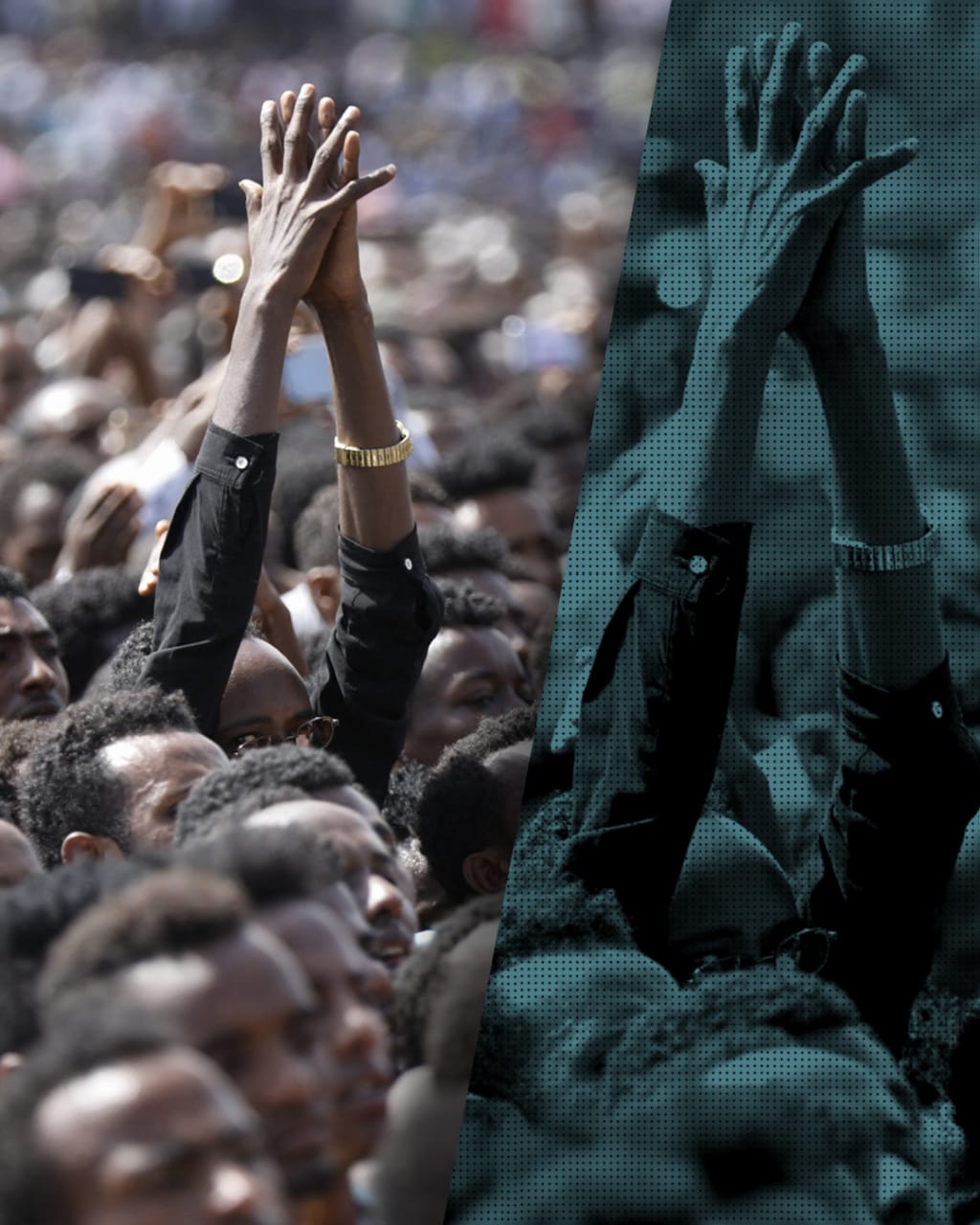
Over the coming decade, Africa will face major challenges as the legitimacy and sovereignty of its states come under threat. Some of the continent’s governments will become highly dependent on external support and see the scope of their authority and agency dramatically constrained. Others will become more empowered, taking advantage of global competition for resources. The United States, for its part, will either pursue common interests with African societies or find itself increasingly reliant on others to broker its relationships.
[Video: https://vimeo.com/1192640008/047a5fc68f]
In some cases, the parameters of the state are being challenged by territorial disputes and competition for resources. Landlocked Ethiopia is demanding access to the sea, with implications for Eritrea and Somalia. Somaliland is seeking independence from Somalia. Rwanda and Uganda are entrenched in the mineral-rich east of the Democratic Republic of Congo. The weakening of international norms against territorial aggression will likely continue prompting some states to redraw boundaries by force. Meanwhile, the proliferation of cheap drones will decrease the relative power of the continent’s strongest and most capable militaries.
Economic disturbances will likely accompany territorial upheaval. Without far-reaching debt forgiveness, crippling loan-servicing obligations will constrain African governments’ capacities to deliver services and opportunities, further weakening the power of the state. Outside countries interested in resources and influence, from China to the Gulf states, will capitalize on that fiscal squeeze. Vast wealth disparities will likely produce client states heavily dependent on foreign patrons.
Where those external powers compete with one another—particularly over carbon sinks, vast tracts of agricultural land, control of port facilities, and access to critical minerals—the risk of proxy conflicts will grow, a phenomenon already clear in Sudan and the broader Horn of Africa. Middle powers that focus on African solutions to their supply chains, labor needs, and broader ambitions—such as Saudi Arabia, Turkey, and the United Arab Emirates—will be as important as, or more important than, traditional actors such as China and Russia for the fortunes of some African governments. Meanwhile, the United States and Europe, having dramatically decreased foreign assistance, will need to carve out new roles to retain influence.
Nonstate actors’ power will increase as states flounder. Radical extremist organizations, including Jama’at Nusrat al-Islam wal-Muslimin and the Islamic State in the Greater Sahara, already control large swaths of Sahelian territory. Extremists also hold territory in parts of East Africa. Organized international criminal networks will grow in sophistication and capacity as under-resourced states struggle to enforce laws. The United States will have no choice but to reckon with a world in which strategic resources and places are in the hands of actors fundamentally antagonistic to its interests.
Power will also be informed by Africa’s information landscape. The region will remain vulnerable to external actors wishing to capitalize on local grievances to advance their preferred geopolitical narratives. African political elites have often been willing to work with foreign partners to control, restrict, and shape the information that reaches their voters. But African publics are discerning consumers of media, adept at using digital tools to express their frustration with state repression and inadequate service delivery. The region’s rapid urbanization will give more political organizing power to citizens whose consistent concerns about unemployment, poor basic services, and corruption will fuel demands for political change and an openness to political experimentation. The rise of popular discontent could disadvantage external actors—principally China and France but increasingly also the United States—that rely on long-standing relationships with African political elites.
The collapse of multilateralism in the international system will dampen Africa’s capacity to exercise power as a massive voting bloc in international forums. But there is a strategic upside: African countries should enjoy a sense of solidarity as they negotiate with well-resourced external actors, which could in turn promote continental cooperation and advance efforts to reinvigorate the African Union and subregional organizations. Africa’s current leadership vacuum, a result of such giants as Nigeria and South Africa being preoccupied with domestic concerns, need not last indefinitely. On everything from dealing with the debt crisis to adapting to climate change, African states have obvious incentives to work together to maximize their leverage
The continent’s demographics will be impossible to ignore. Within the next ten years, Africans will account for 20 percent of the world’s population. As aging societies in Asia and Europe struggle for workers, African states will overflow with excess labor. Growing African markets for consumer goods, affordable housing, power, and transportation will create opportunities for homemade and imported solutions and could make their providers influential in the region.
The international preoccupation with securing critical mineral supply chains should continue to give resource-rich African states leverage over outside partners, particularly the United States and China. Agreements with Washington or Beijing have the potential to be purely extractive, failing to deliver benefits to African publics. But ultimately, those African states capable of providing a stable and transparent investment climate are more likely to strike deals that add value and create jobs.
Finally, as the closure of the Strait of Hormuz has reminded the world, geography has enduring relevance. The desire for influence in and access to the Red Sea will persist, and countries that account for the interests of African coastal states will be more successful than those that do not. Similarly, African coastal and island states can leverage their geographical positions to extract concessions from those powers and their rivals.
The United States will need to leave its anachronistic and dismissive ideas about Africa behind. Otherwise, it will find itself on the outside looking in as others pursue African partners in their bid to reshape the world order. Only a keener sense of enduring African priorities—those that transcend any particular leader—can inform a strategy that makes the United States competitive with other powers eager to be a part of Africa’s future.
More from the Future of American Strategy >>