Is Tourism an Antidote to the Global Wave of Nationalism and Xenophobia?
Mass international tourism has become a hallmark of globalization, but the question of whether it leads to peace is up for debate.
By experts and staff
- Published
- Stewart M. PatrickJames H. Binger Senior Fellow in Global Governance and Director of the International Institutions and Global Governance Program
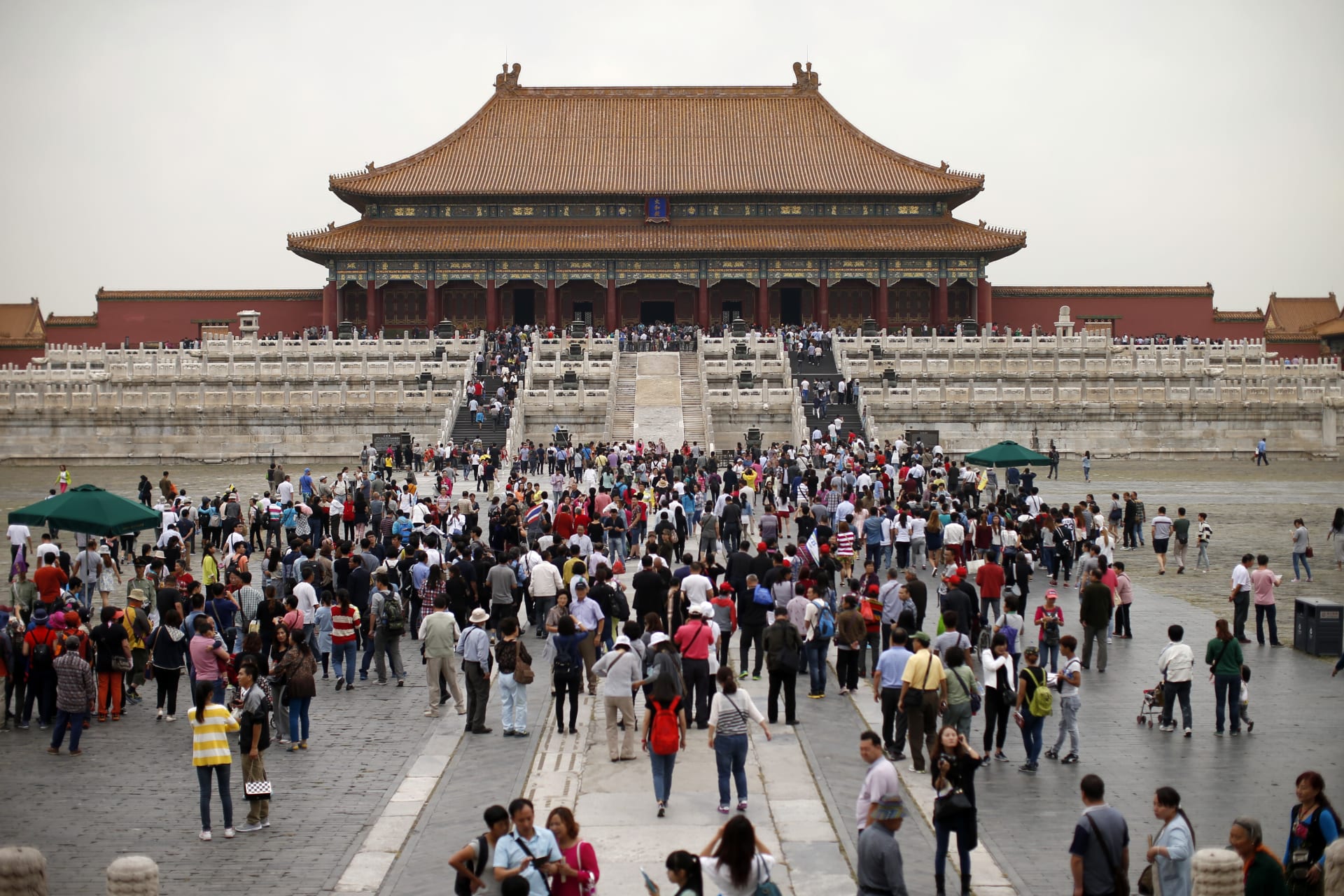
In my weekly column for World Politics Review, I examine the phenomenon of mass international tourism and the tensions between cosmopolitan ideals and national sovereignty associated with such travel.
As vacation photos from exotic locales pile up in Facebook and Instagram feeds this summer, it’s easy to take far-flung tourism for granted. Well-heeled friends riding elephants in Thailand or camels in Giza might as well be at the Jersey shore or beside a lake in the Adirondacks. Mass international tourism, like the free flow of goods, services, money and data, has become a hallmark of globalization.
This is neither accidental nor trivial. The ability of those with means and passports to travel the world is a function of international cooperation. It is also a force for global understanding, a potential antidote to the resurgent nationalism that now infects this era. Achieving such cosmopolitan ideals, however, requires a tourism focused on people-to-people contacts and mutual benefits, rather than perpetuating self-contained bubbles of privilege.
Read the full World Politics Review article here.