U.S. and Iran Make Indirect Contact on Potential Talks
By experts and staff
- Published
Welcome to the Daily News Brief, CFR’s flagship morning newsletter summarizing the top global news and analysis of the day.
Top of the Agenda
Washington and Tehran issued contradictory messages yesterday about potential negotiations, with multiple countries positioning themselves as mediators. While Trump claimed that the two sides had conducted “very strong talks” yielding “almost all points of agreement,” Iran’s parliament speaker Mohammad Bagher Ghalibaf pushed back, writing on social media that “no negotiations” were held with the United States. Iran’s foreign ministry spokesperson said that in recent days, however, “friendly states” had conveyed messages about a U.S. request for talks. Egypt, Pakistan, and Turkey have reportedly spoken with both the United States and Iran in recent days.
The ticking clock on troops. By the time Trump’s five-day pause on his threat to hit Iranian energy sites ends Friday, more than two thousand additional U.S. Marines are expected to arrive in the Middle East, the Wall Street Journal reported. Trump told reporters yesterday that if diplomacy is unsuccessful, “we’ll just keep bombing our little hearts out.” In an indication of Iran’s willingness to keep fighting, a state news agency reported today that former Islamic Revolutionary Guard Corps commander Mohammad Bagher Zolghadr will replace Ali Larijani as head of the country’s security council. Larijani was killed in an Israeli strike last week.
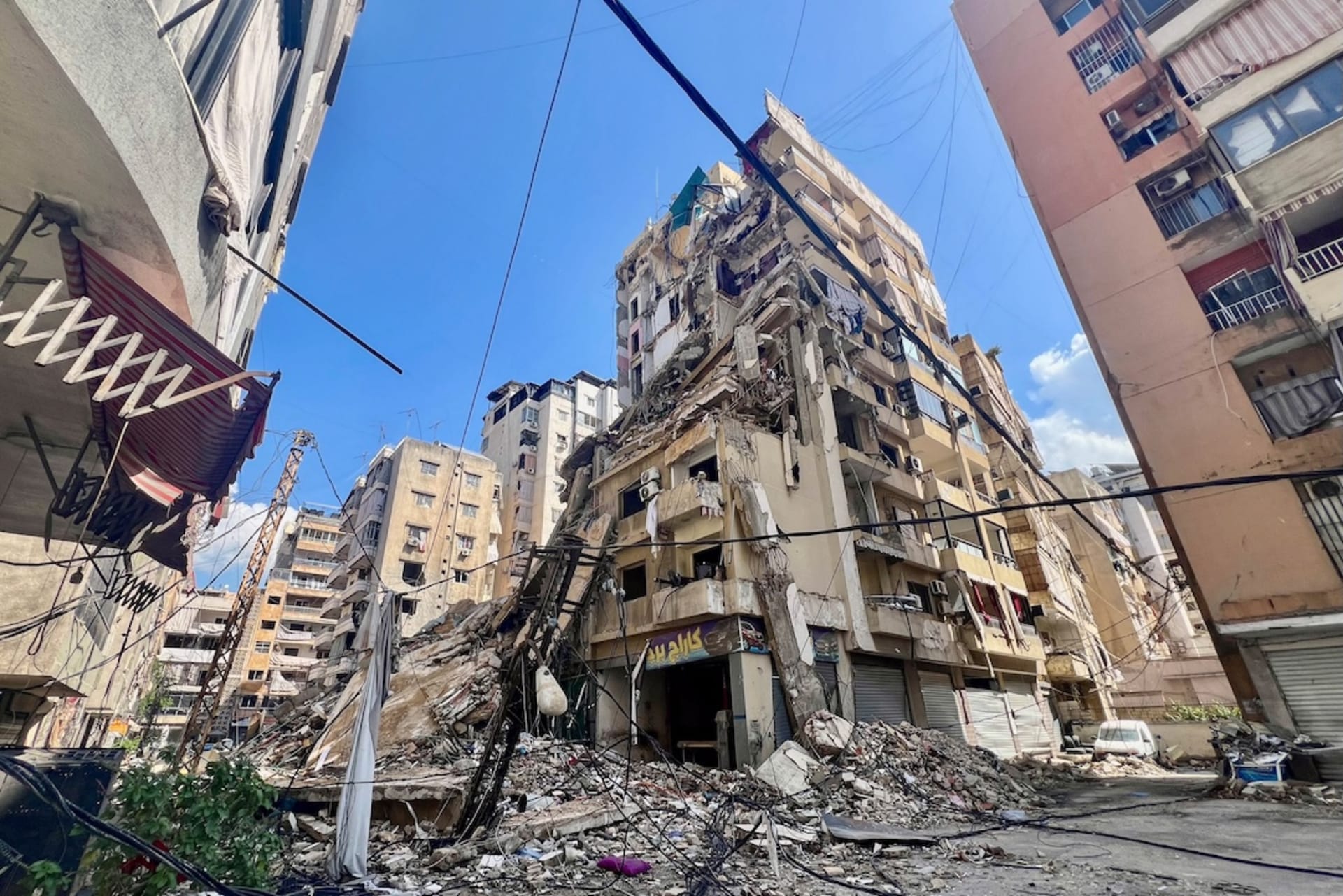
Stances from regional leaders. More than three weeks of war appear to have hardened some Gulf states’ positions toward Iran, with a senior Emirati official yesterday calling Tehran’s restrictions on the Strait of Hormuz an “act of economic terrorism.” Saudi Arabia followed Qatar in expelling Iranian diplomatic personnel over the weekend. Lebanon’s foreign minister followed suit today, as fighting between Hezbollah and Israel continues to rage in the country.
“[Trump] should steady his aim and decisively get behind a strategy that seeks to tame the regime, not topple it…the administration can reduce the chances of losing control of this conflict by lowering its aim and seeking to reform rather than end the Islamic Republic.”
—CFR expert Charles A. Kupchan
Across the Globe
Australia-EU trade deal. Australia and the EU signed a trade agreement yesterday that they first started negotiating in 2018. It will remove EU tariffs on 99 percent of Australian goods, while Australia will lift tariffs on nearly all EU goods except steel. The EU also pledged to invest in the mining and processing of critical minerals in Australia and increase cooperation with Australian defense firms.
The IEA’s warning. International Energy Agency (IEA) head Fatih Birol said yesterday that the Iran war is causing a bigger supply shock to global oil markets than the oil shocks of the 1970s. Then, the world lost around five million barrels per day, Birol said at a Canberra event, while today eleven million barrels per day are being lost. He warned that global leaders did not appear to comprehend the severity of the crisis and said the IEA would be open to another release of oil reserves to address the supply gap.
Italians reject judicial change. Italian voters rejected a constitutional change to the country’s judiciary, with around 54 percent voting against it. Prime Minister Giorgia Meloni had backed the judicial overhaul, while opponents argued it would cede too much power to the executive branch.
Attack on London ambulances. London counter-terror police are investigating an arson attack yesterday on ambulances owned by a Jewish charity as an antisemitic hate crime, police said. The British home secretary said the attack came at a time of “soaring antisemitism” in the country. No injuries were reported and no arrests had been announced by Tuesday morning.
U.S. ban on foreign-made routers. The Federal Communications Commission (FCC) announced a ban on imports of new types of consumer wireless internet routers yesterday, saying foreign-made devices pose supply chain vulnerabilities and cybersecurity risks. Many routers purchased in the United States are made overseas. The FCC said companies could apply for waivers.
EU-Mercosur set for May. The EU will begin provisionally applying its free trade agreement with South American customs union Mercosur on May 1, despite an ongoing legal challenge to the deal, the bloc’s trade commissioner said yesterday. The EU-Mercosur deal creates a free trade zone of more than 700 million people.
Angola’s foreign interference trial. Two Russians arrested last August are being tried in Angola on espionage and foreign influence peddling charges after authorities accused them of trying to interfere in Angola’s 2027 presidential election, the BBC reported today. Prosecutors say they were linked to a network that emerged from the remnants of Russian mercenary company Wagner Group. The men’s lawyers said the indictment lacks “concrete and objective facts.”
Chad-Sudan tensions. Chad is relocating refugees from its border with Sudan as it prepares for a military deployment in the region, an unnamed official from Chad’s refugee agency told Reuters yesterday. Chad’s president last week ordered the military to be ready to retaliate after a drone attack from Sudan killed seventeen people in Chad. Sudan’s military and the paramilitary Rapid Support Forces blamed each other for the incident.
What’s Next
- Today, Denmark holds parliamentary elections.
- Today, France begins hosting a security forum in Paris.
- Tomorrow, the UN Security Council discusses the Central African Republic.