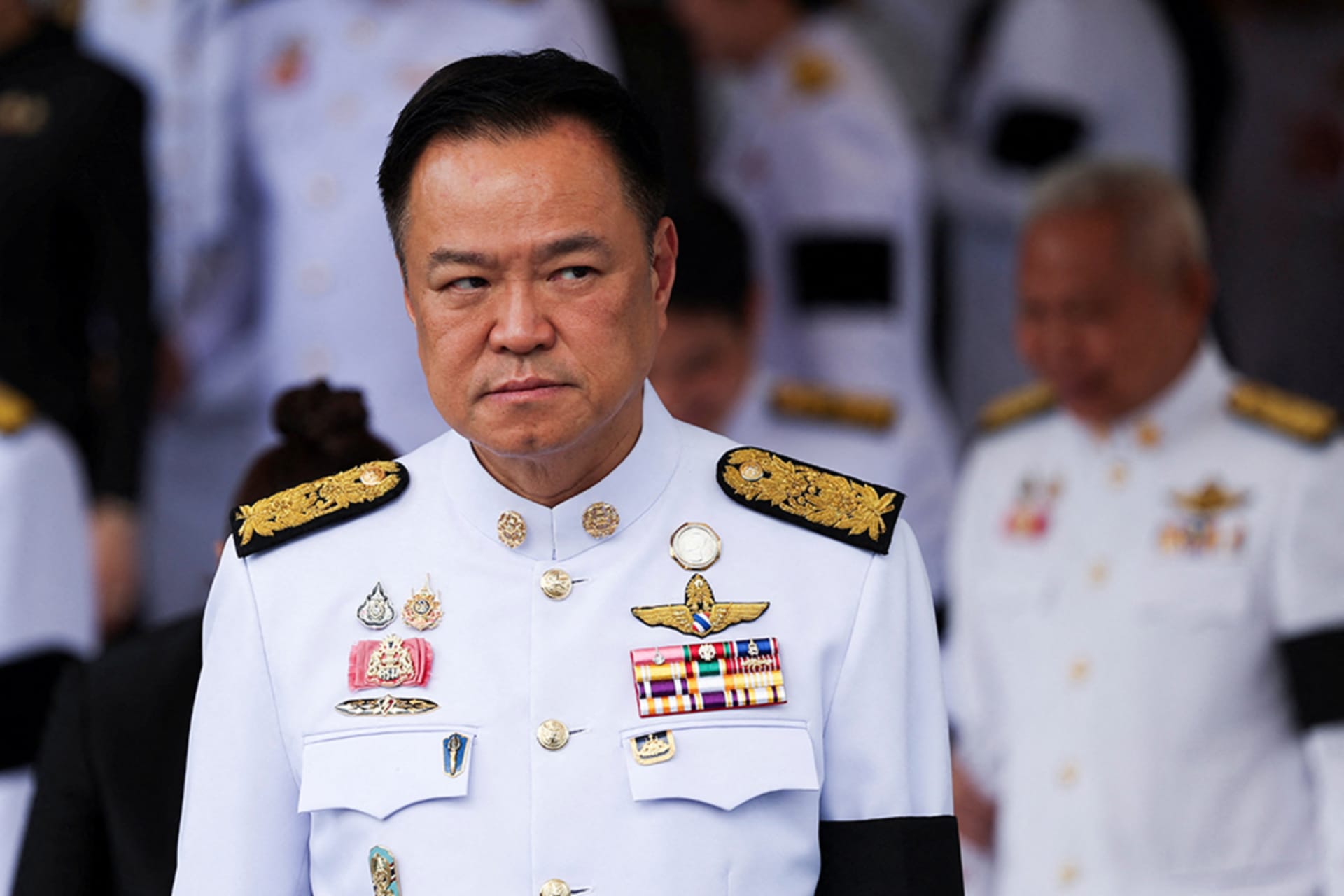
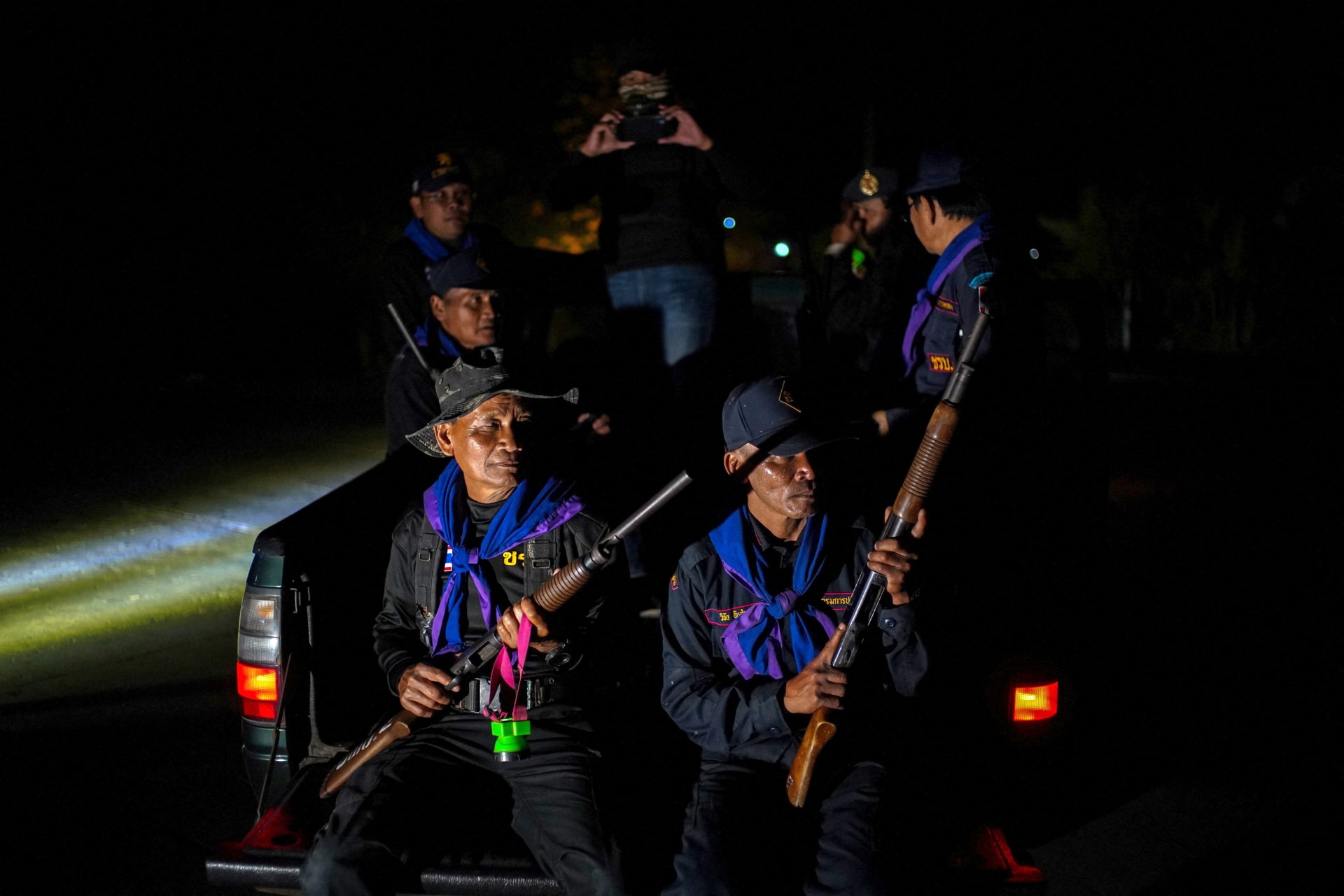
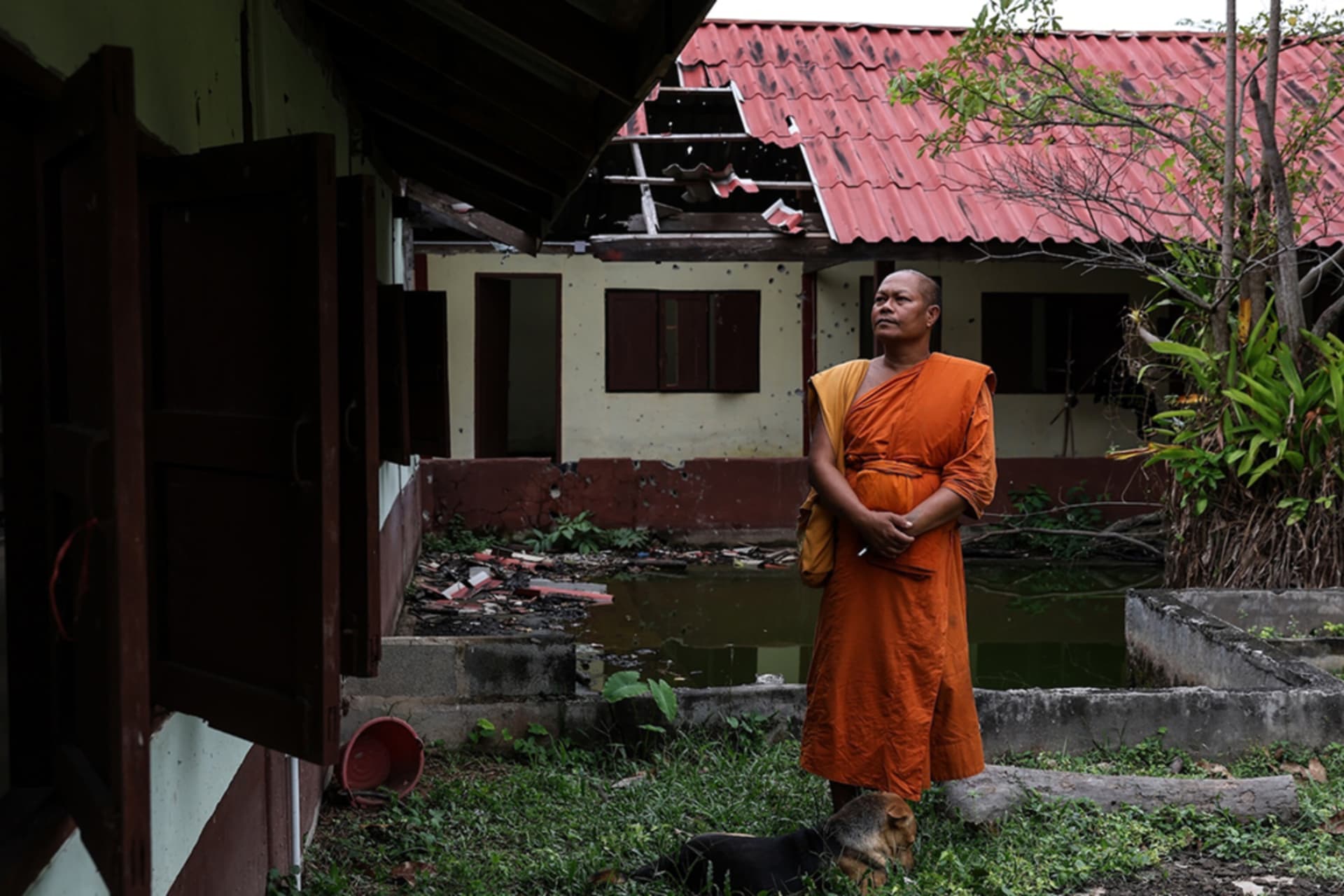
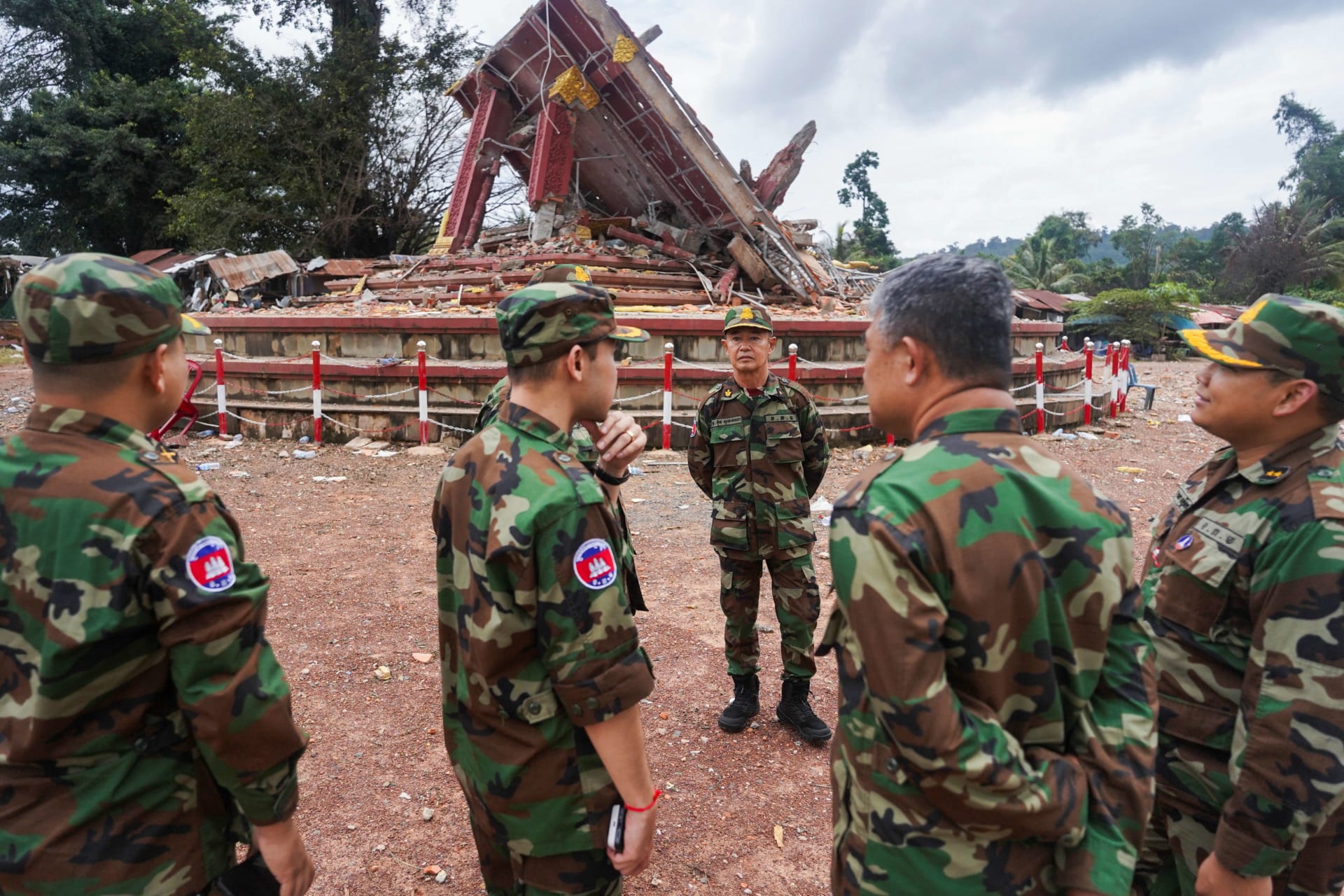
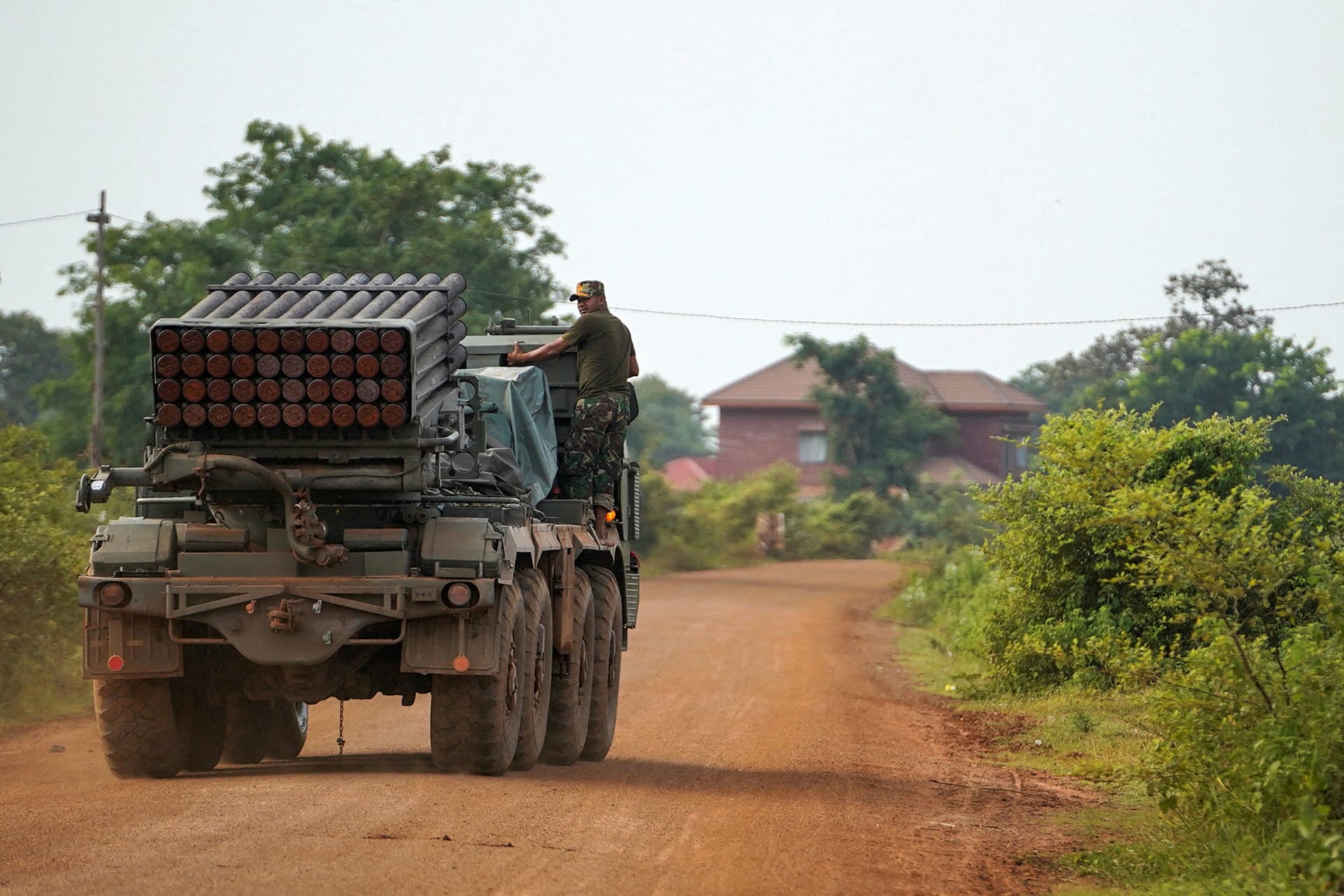
Weeks after a Trump-negotiated ceasefire fell apart, the two countries seem far from finding another pause in the fighting. In fact, the border conflict is likely to get worse.
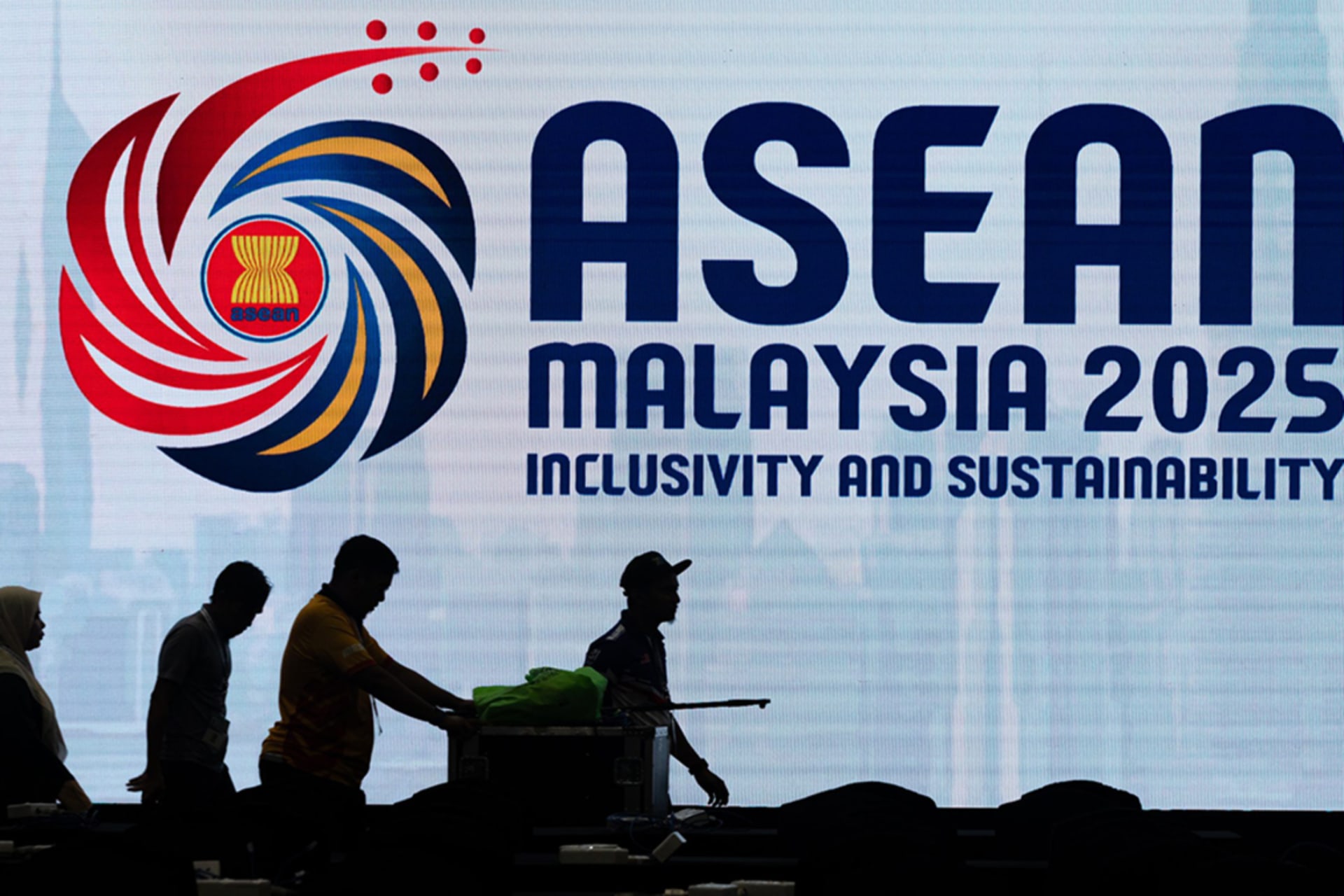
During their October 26–28 meeting, the Association of Southeast Asian Nations is slated to discuss economic shifts and will likely promise more collaboration. But the bloc still lacks a coherent approach to internal conflicts, international tensions, and its position in the U.S.-China trade war.
Joshua Kurlantzick, senior fellow for Southeast Asia and South Asia at the Council on Foreign Relations, sits down with James M. Lindsay to discuss the ongoing border dispute between Thailand and Cambodia and if the current ceasefire will hold up.
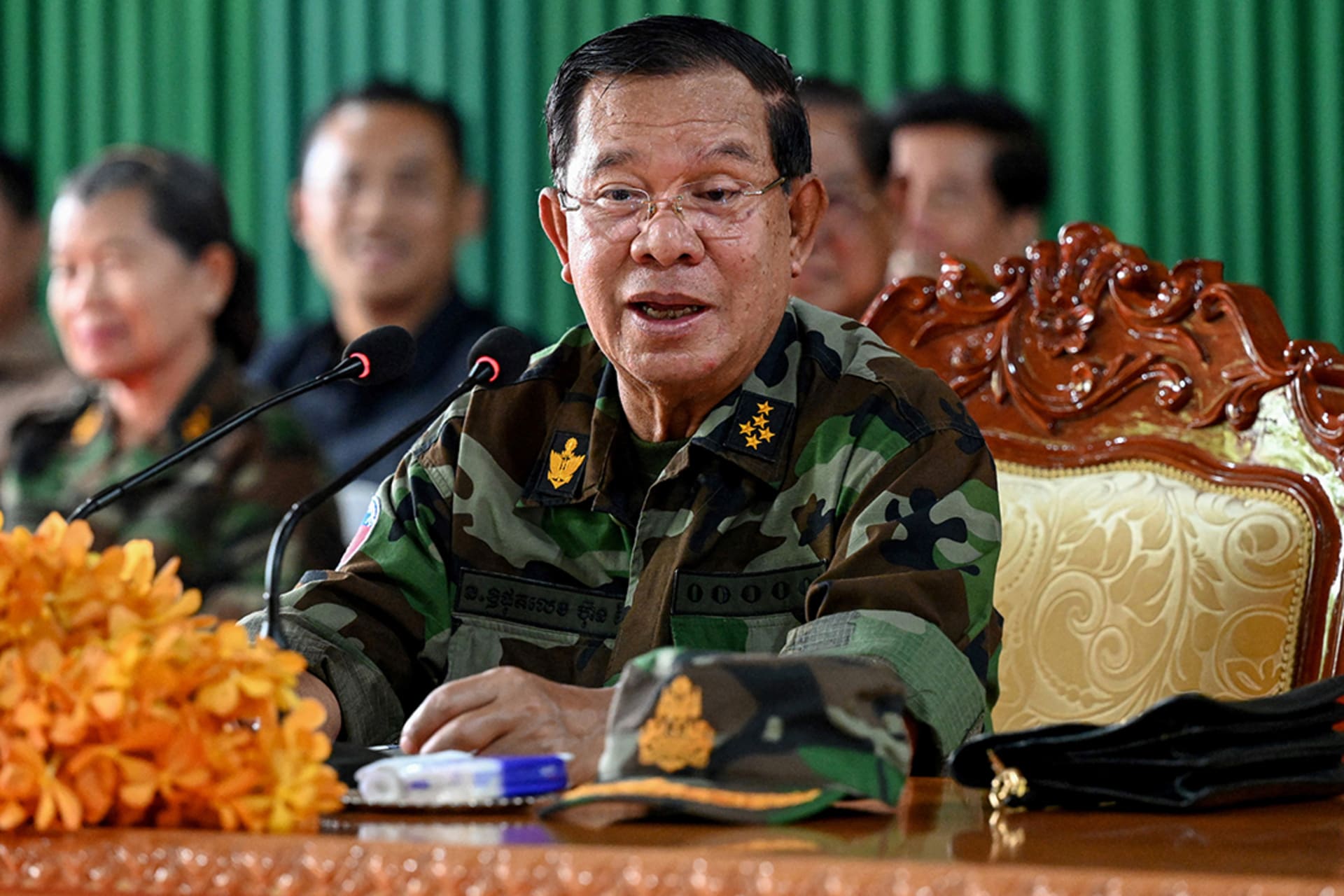
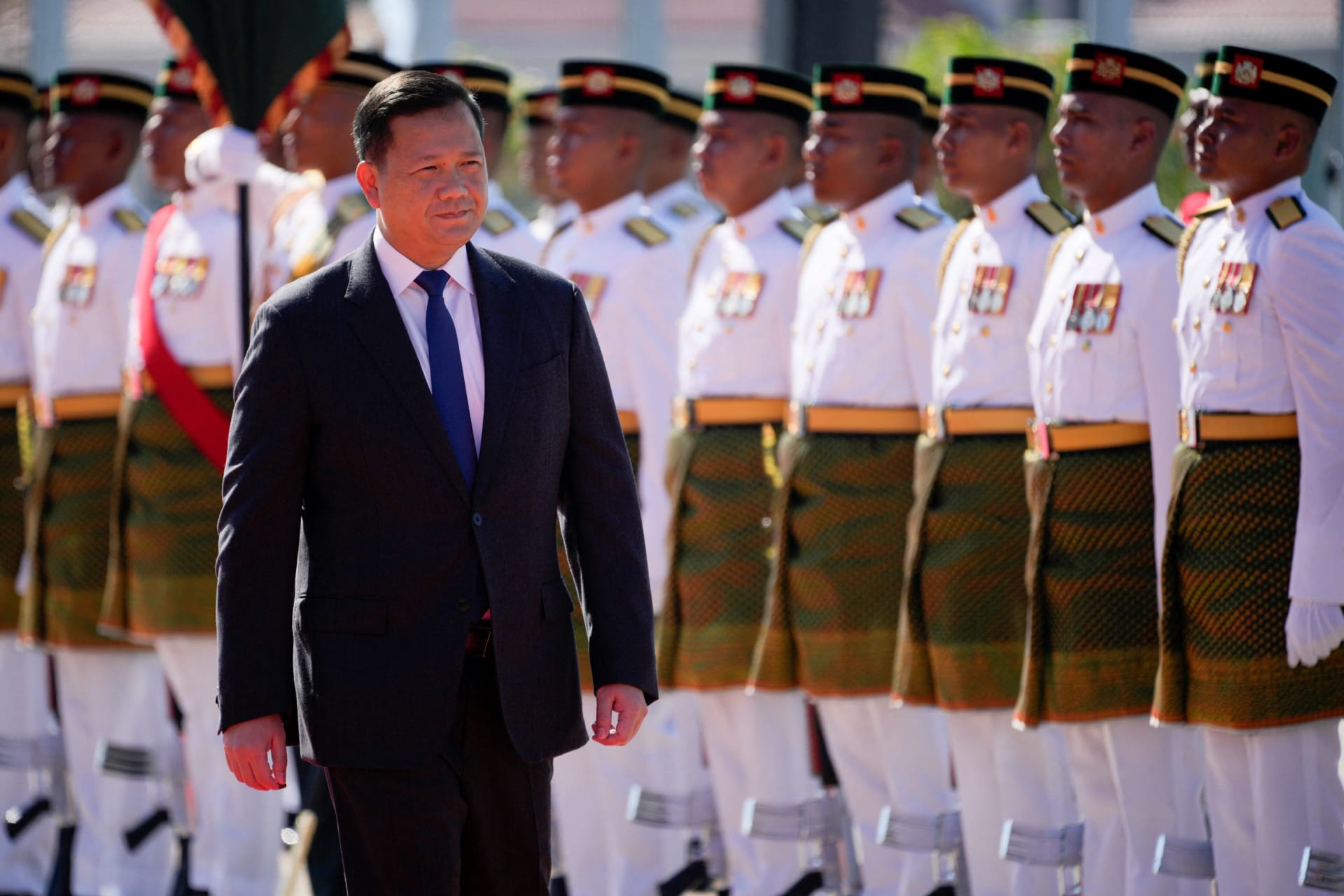
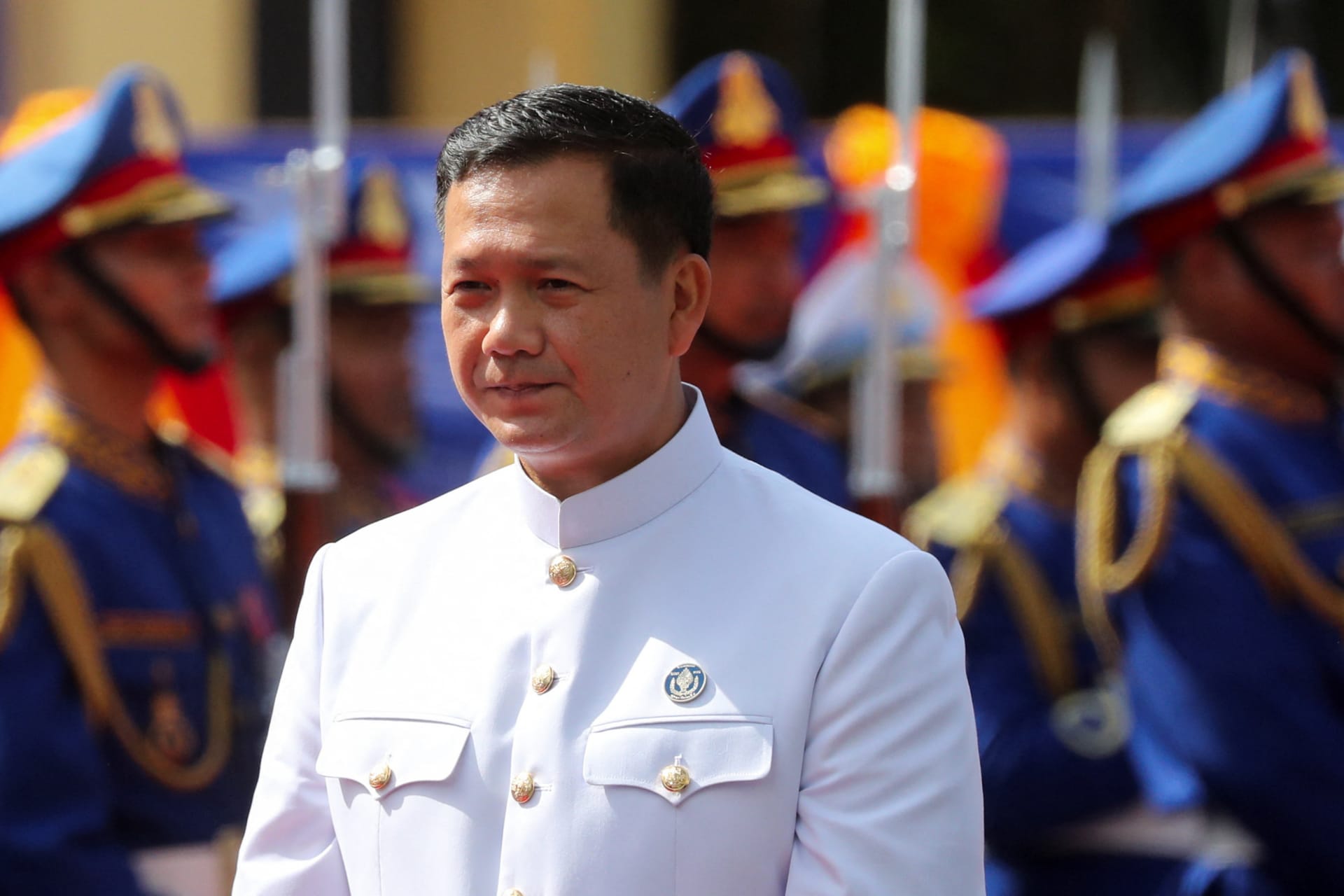
Despite ceding power to his son in 2023, Cambodia's former prime minister Hun Sen has continued to dominate the country's domestic and foreign policy. The most recent border conflict with Thailand has helped revive his power once again.
While Thailand and Cambodia have reached a temporary ceasefire in their border conflict, it is unlikely to hold as the conflict’s escalation is driven by Thai and Cambodian elites’ efforts to consolidate military and political power.
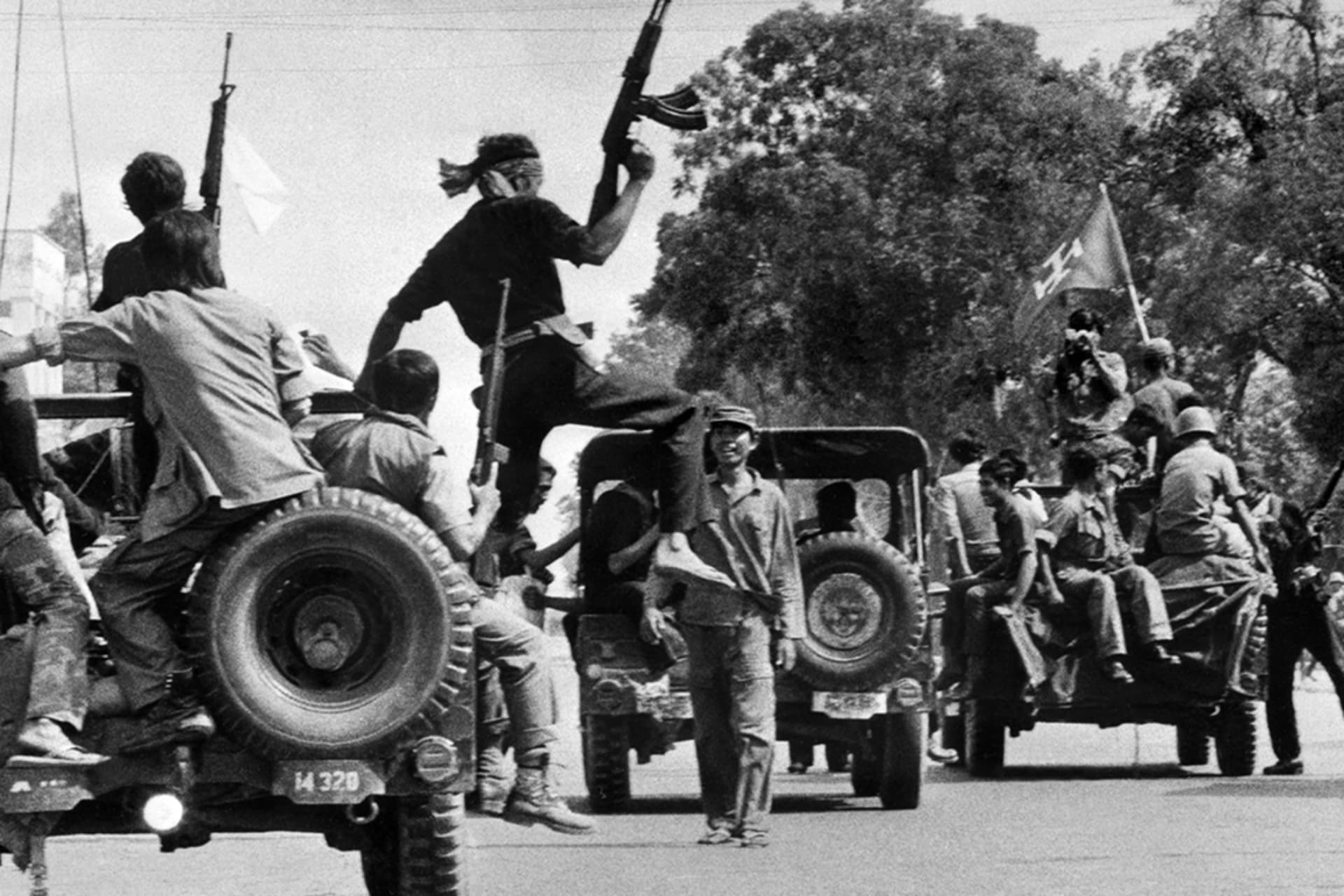
The legacy of atrocity crimes that took the lives of millions of Cambodians during the communist Khmer Rouge regime, and the need for credible justice for the survivors, led to the creation of a criminal tribunal while mass atrocities continued elsewhere in the world.
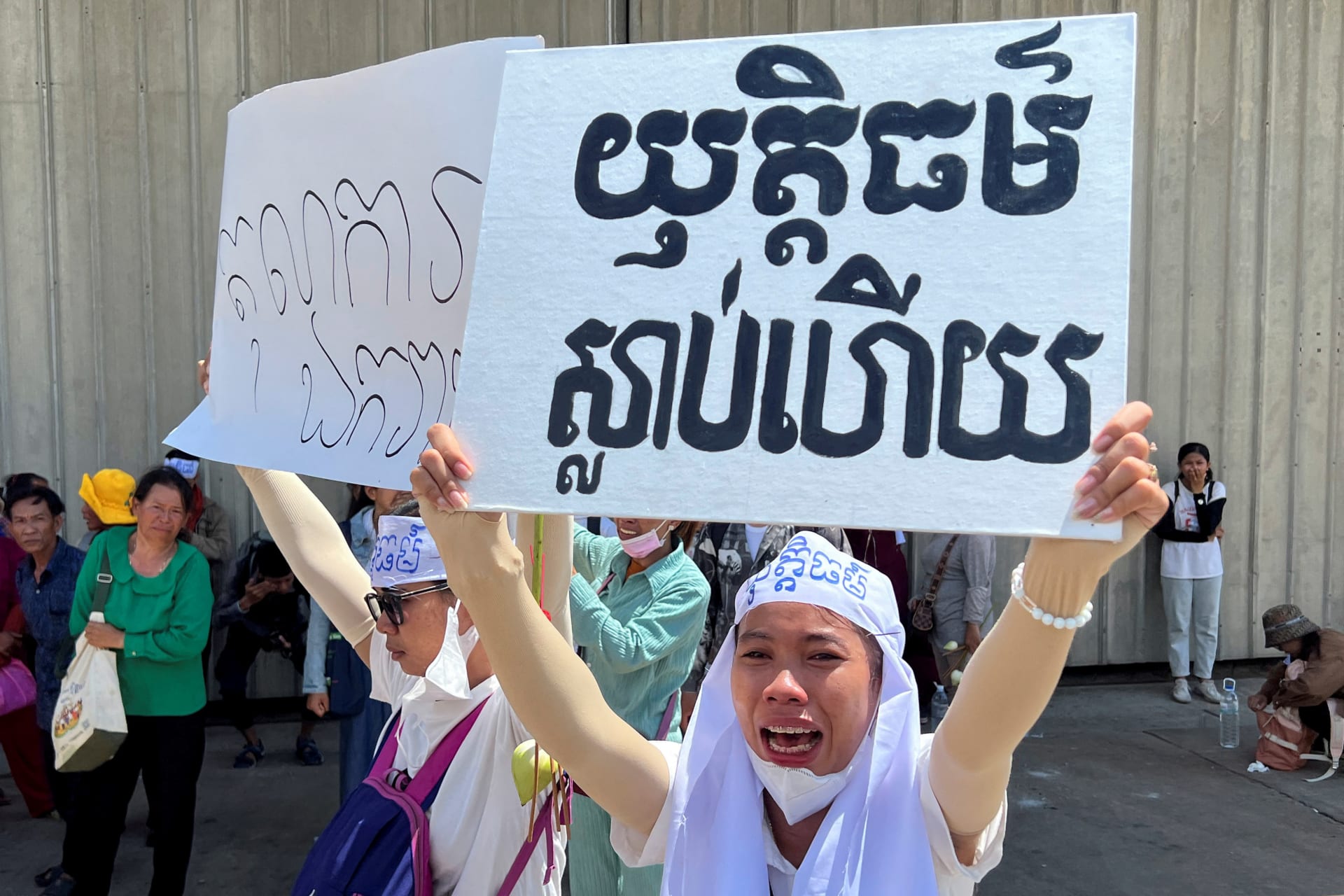
Authoritarian leaders in Europe and Asia are emboldened by the White House’s signals of disinterest in condemning their actions, leading to increased repression and human rights abuses.
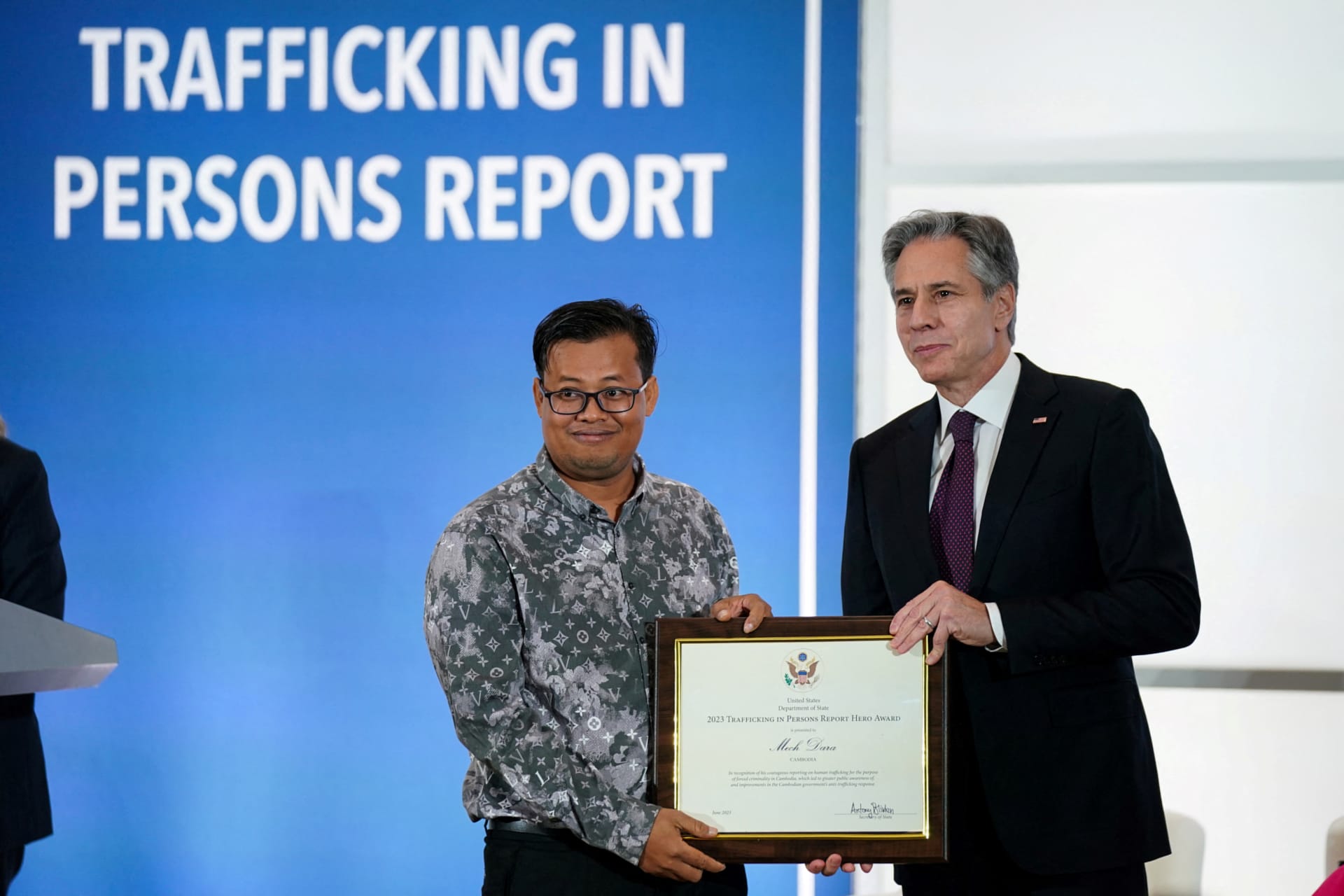
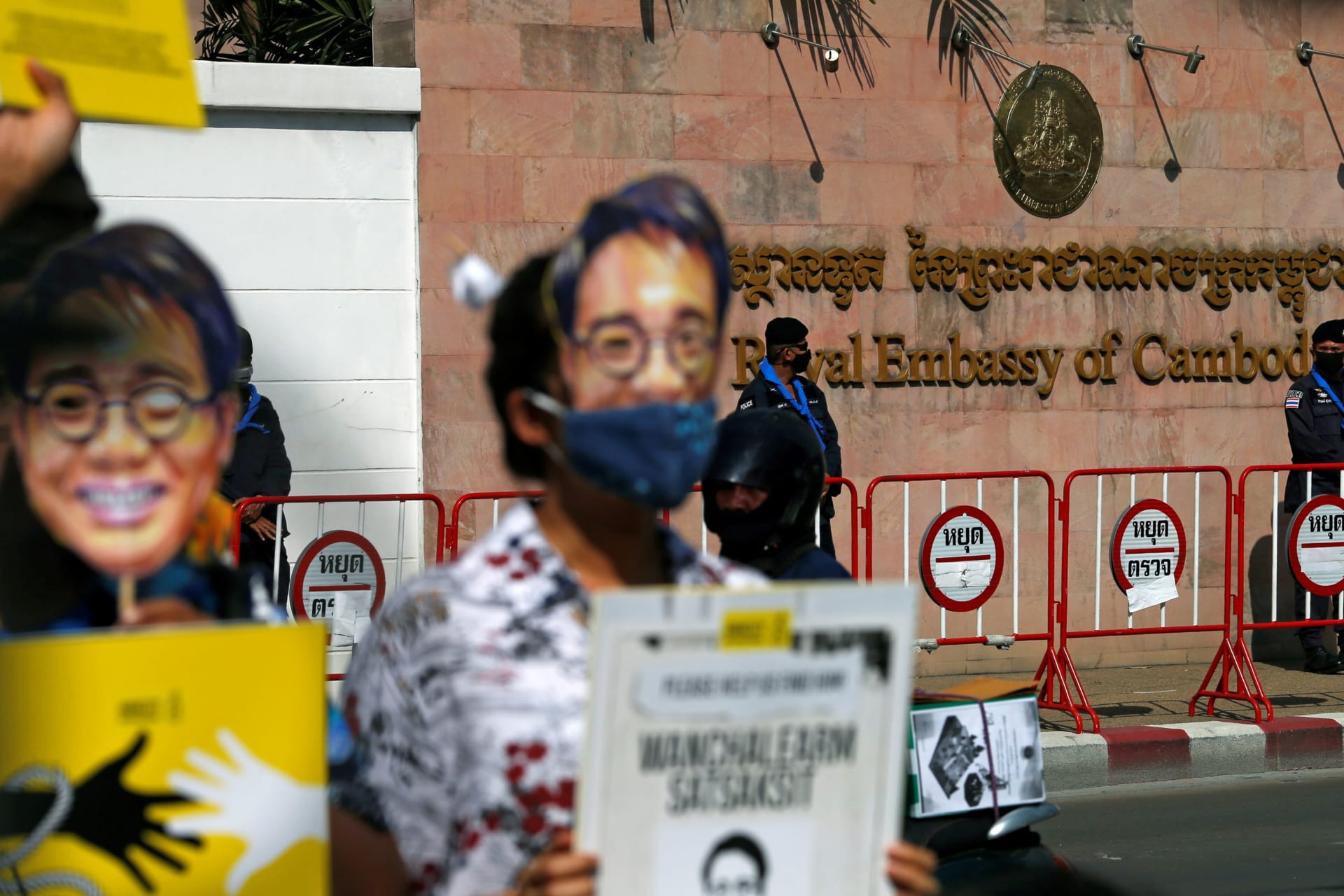
Leading Cambodian journalist arrested and charged; Newsom vetoes major AI bill; DOJ indicts Iranians for election interference; Microsoft to pay publishers for some AI content; U.S. hosts Counter Ransomware Summit.
The Funan Techo Canal is the latest in a string of flashy Chinese investments in Cambodia. How did Cambodia, a lower-middle-income nation of 17.5 million people, become a focal point of Chinese foreign policy and investment?
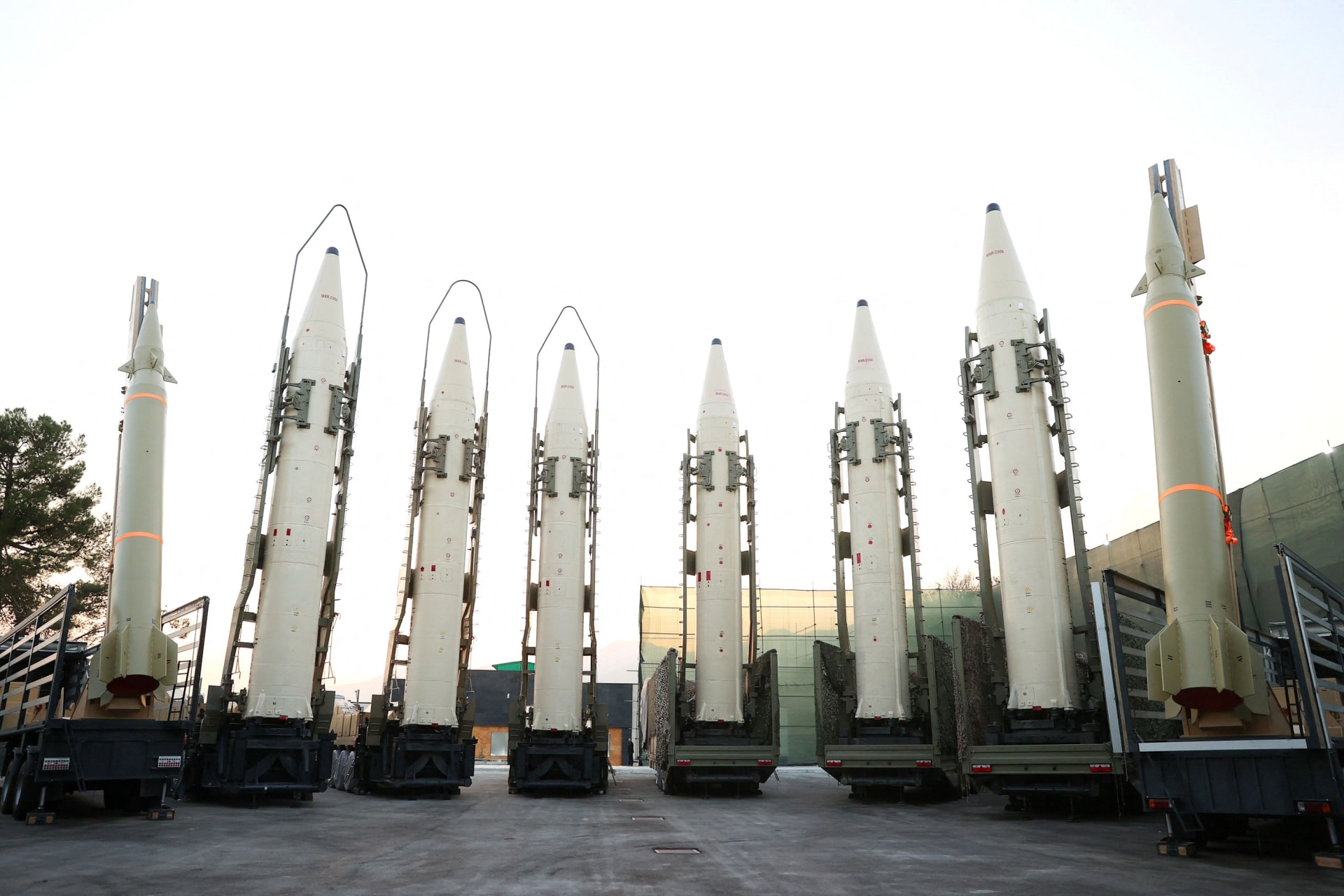
The U.S. Congress returns from its summer recess to try to pass a budget for federal discretionary programs before the fiscal year ends and avoid a government shutdown; the United States and other Western allies accuse Iran of transferring ballistic missiles to Russia, raising concerns over intensified strikes on Ukraine; Hungary faces a second deadline to pay a $221 million fine for breaking European Union asylum law, which President Viktor Orbán remains unwilling to follow; and China gifts Cambodia two newly built Type 056 corvette warships, raising questions about Beijing’s naval ambitions.
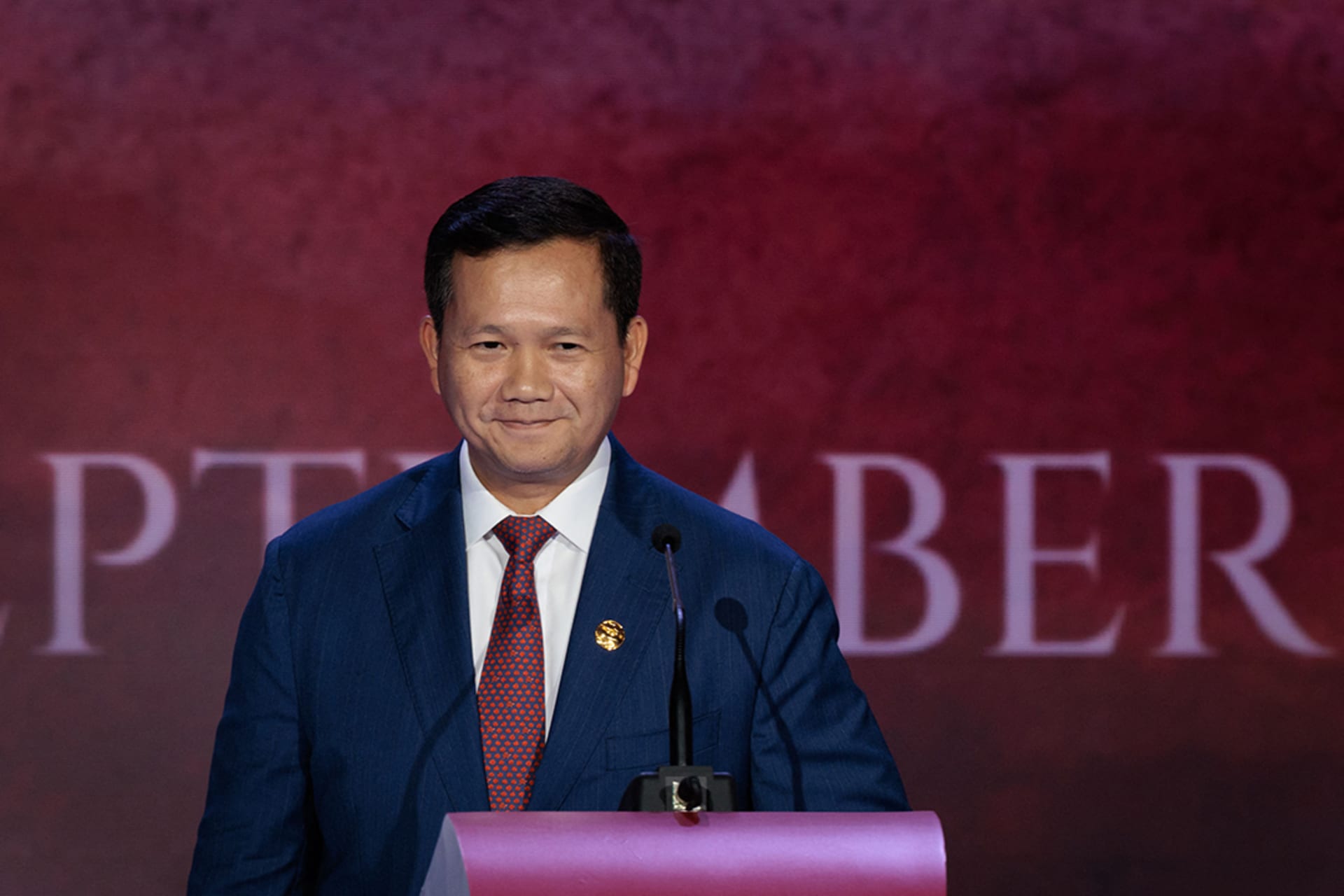
After six months in office, Hun Manet has demonstrated an understanding of Cambodia’s economic challenges but has continued the political repression of his father’s rule.
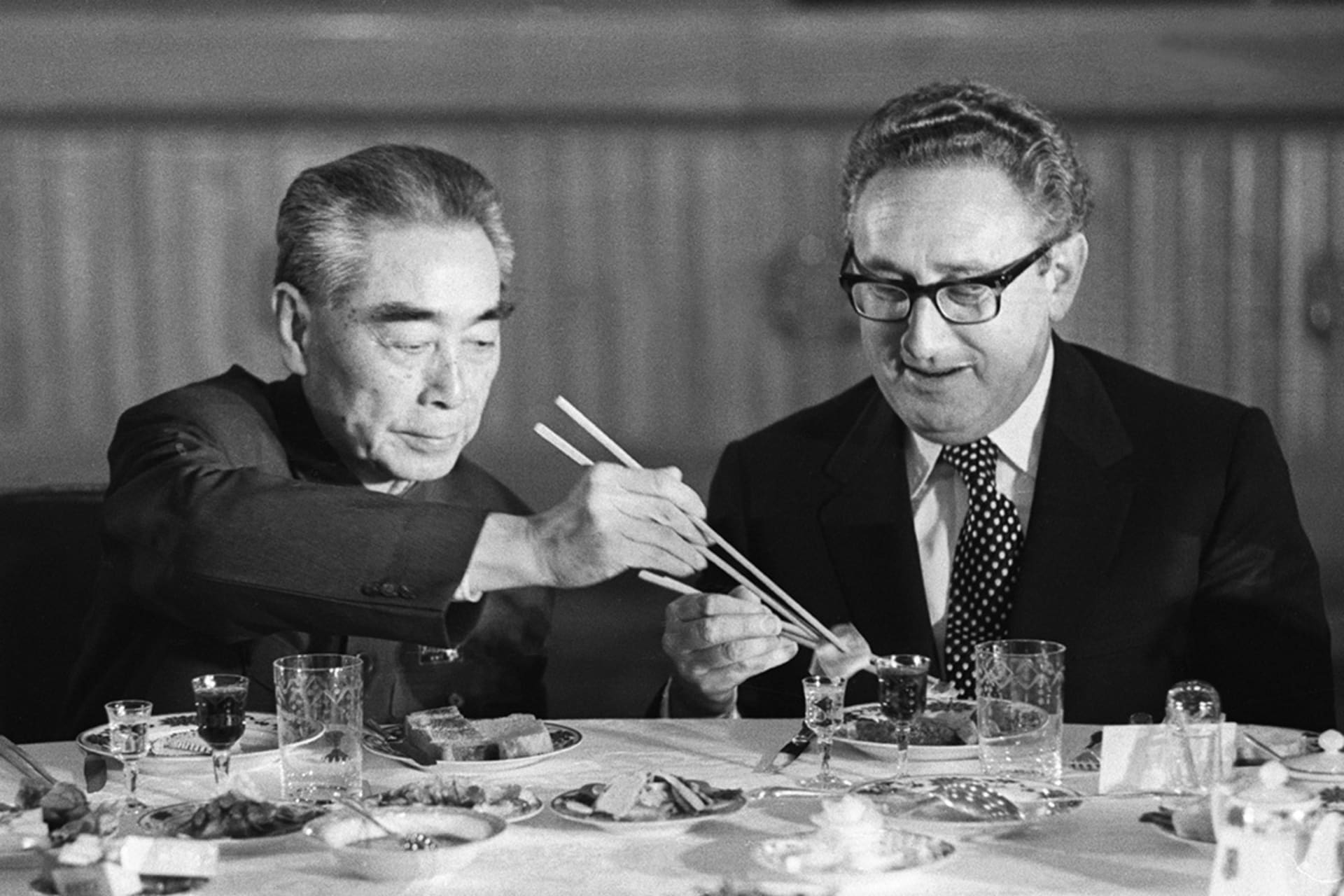
The passing of America’s preeminent foreign-policy thinker and practitioner marks the end of an era. Throughout his long and extraordinarily influential career, Henry Kissinger built a legacy that Americans would be wise to heed in this new era of great-power politics and global disarray.