- CFR Education Resources
250 Years of History, Built for Different Types of Classrooms
By experts and staff
- Published
America’s 250th anniversary is more than just a historical milestone. It’s also an opportunity to learn from the past. That’s why CFR Education made a new suite of resources that can help educators mark the moment in a way that works for them.
Whether you’re a teacher who loves primary sources, one who needs to stay on pace with the standards, one who is looking to add more interactivity to the classroom, one who is looking to connect the past to today’s headlines, or all of the above, these resources are designed for you.
How can one set of resources do all that? In this post, we’ll walk through the four ways educators can put this collection to work. We’ll explore how the curated primary source documents support deeper historical inquiry, how each collection aligns with state and national standards, how the discussion activities bring history to life in the classroom, and how the themes across all five collections connect directly to the issues shaping our world today.
The full suite of resources includes:
- A comprehensive timeline of essential moments in U.S. foreign policy
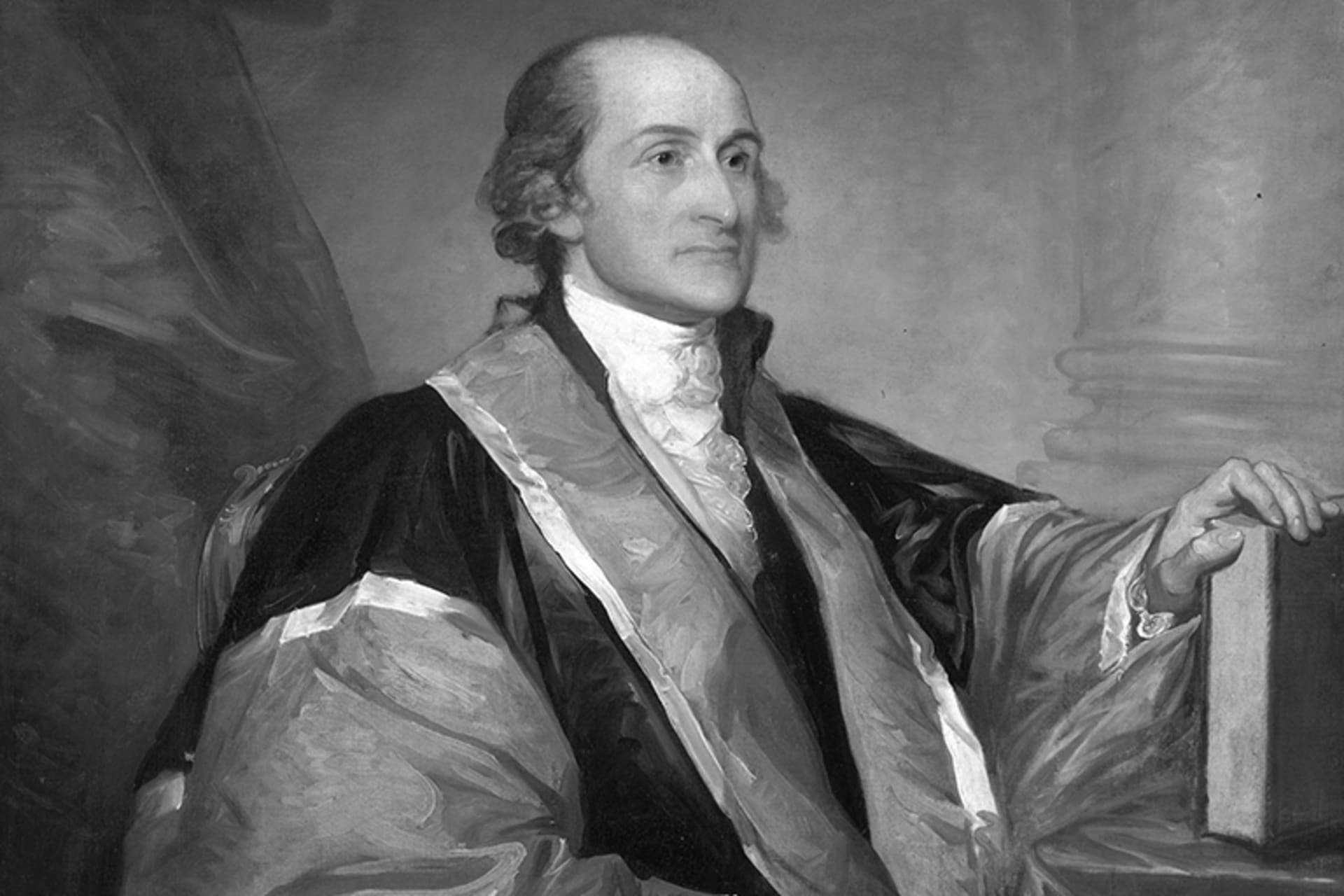
- A collection on the Early Republic (1793-1796)
- A collection on U.S. Overseas Expansion (1893-1901)
- A collection on the Interwar Period (1919-1939)
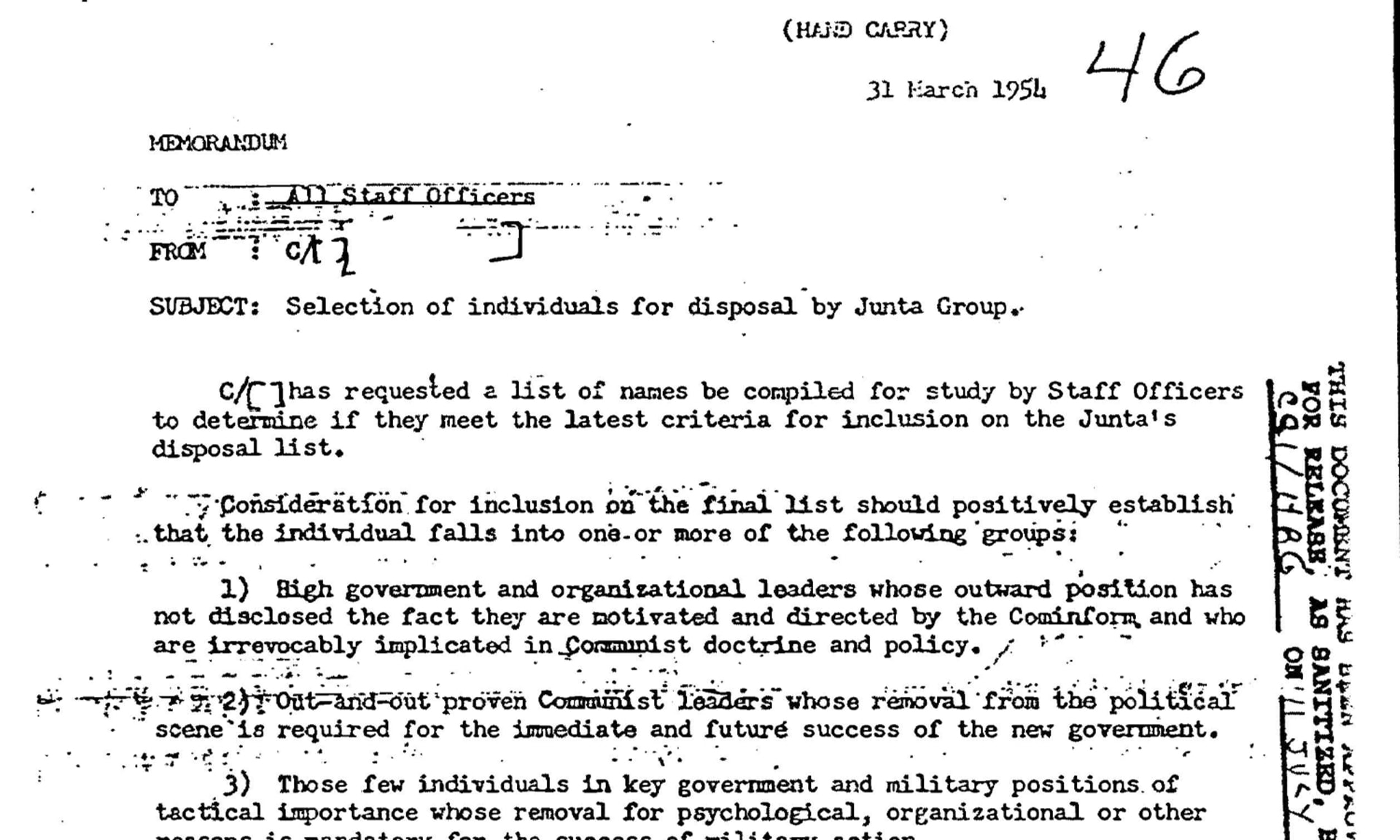
- A collection on the Cold War (1946-1954)
- A collection on Post-Cold War Engagement with China (1989-2000)
For the History Buffs: Dive Deeper
What’s better than an excuse to spend time with artifacts from important moments in American foreign policy history? The curated primary source documents at the heart of each collection let students do exactly that: encounter history in its own words, through speeches, letters, films, reports, magazine and book excerpts, political cartoons, and more.
But primary sources don’t exist in a vacuum. Each collection opens with an introduction that sets the scene — the political climate, the key figures, the stakes — and closes with a section on the aftermath, complete with questions for reflection. Students aren’t just reading documents; they’re understanding why those moments mattered then, and why they still matter now.
For the Standards-Focused Teacher: Check the Box (and Then Some)
Sometimes you need to focus on learning targets. We get it. That’s why every 250th collection is aligned to national and state standards, so you can use these resources knowing they are setting you and your students up for success.
Whether you’re preparing students for an AP exam, fulfilling state social studies requirements, or working within the C3 framework, these resources are designed to support that work without adding to your planning load.
Want to see how they align with your state or course specific standards? Click here to check.
For the Engagement-Focused Teacher: Make It Interactive
Not every student is going to find the Jay Treaty riveting, and that’s okay. That’s what the discussion activities are for. Each collection ends with a three-part discussion activity designed to get students talking, debating, and actually engaging with the history. You can use all three parts together or pick and choose based on your class.
Here’s what makes these activities stand out: each one is rooted in a specific place where people of that era would have gathered to debate the issues of the day. For the Early Republic collection, that’s a coffeehouse. For the post-Cold War collection, it’s a talk radio call-in show. The activity guides teachers through assigning student roles, running a primary source gallery walk, or facilitating the discussion in character.
From there, students work through discussion questions as their assigned character, taking on their priorities and perspective. It’s history that doesn’t feel like sitting still.
For the Current Events Teacher: History Repeating
If you are an educator who likes to focus on the present in addition to the past, this suite of resources has something for you too.
The five moments across these collections aren’t just historical footnotes. They connect directly to questions Americans are still wrestling with today, such as:
- What role should the United States play in the world?
- Can the U.S. govern overseas territories while staying true to its founding ideals?
- Should the United States remain neutral during foreign conflicts?
- How can a country balance its interests with its values?
- What is the best way to engage in trade relations with China?
The timeline can also be used to add a layer of continuity and help your students see the patterns in U.S foreign policy history.
Why 250 Still Matters
Two hundred and fifty years is a long time. Long enough to see patterns emerge, history repeats, and values get tested. These resources will not only teach your students about history, they will challenge them to think beyond what’s on the page and make real world connections.
Explore the full 250th anniversary collection here.